Sevag's Grækeren occupies a corner of Tordenskjoldsgade in Aarhus's inner city, where Greek cooking traditions meet a Danish dining culture increasingly open to cuisine outside the New Nordic mainstream. Against a city defined by its Michelin-dense restaurant row, this address represents a different register: specific, neighbourhood-rooted, and worth understanding on its own terms.
 Discover on Pearl
Pearl is the En Primeur Club membership app — saves, bookings, and concierge access live there. Same editors, same standards.
- Address
- Tordenskjoldsgade 25, 8200 Aarhus, Denmark
- Phone
- +4586168830
- Website
- sevags.dk
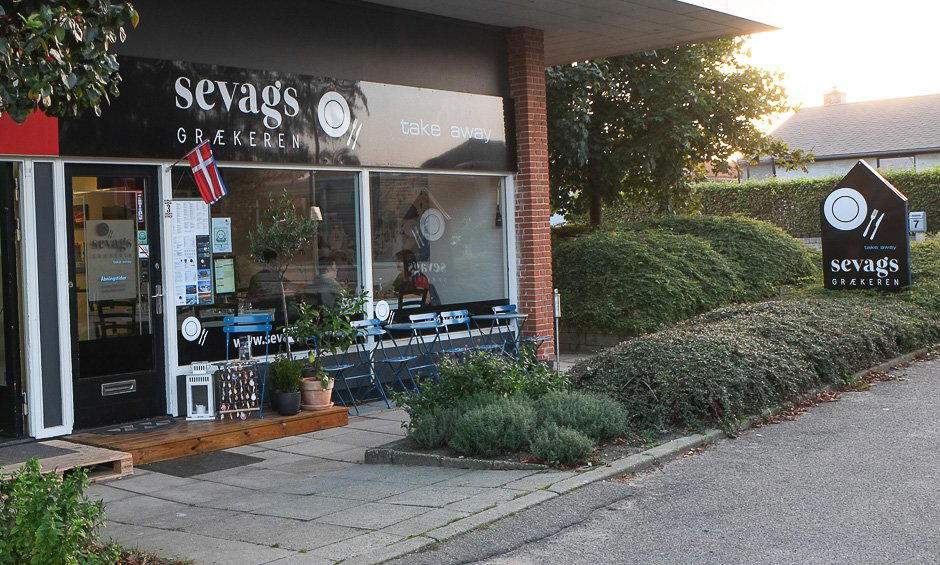
Greek Cooking in a Danish City That Takes Restaurants Seriously
Aarhus has built a reputation on rigorous Nordic technique. Sevag's Grækeren is an Authentic Greek Taverna at Tordenskjoldsgade 25, 8200 Aarhus, Denmark, with a casual dress code and a recommended reservation policy. Frederikshøj, Gastromé, and Domestic have drawn international attention to a city of roughly 350,000 people, placing it in the same conversation as Copenhagen destinations like Geranium and Jordnær. That critical mass of serious cooking has also created the conditions for a different kind of restaurant to survive: the specialist, the ethnically specific, the place doing one tradition with focus rather than a kitchen performing seasonal ambition across twelve courses.
Sevag's Grækeren sits on Tordenskjoldsgade 25 in central Aarhus, and the name is direct in the way only confident operations tend to be. Grækeren means "the Greek" in Danish, and the restaurant does not appear to be reaching for anything other than that promise. In a city where the dominant conversation is about fermentation, foraged herbs, and coastal terroir, a Greek address occupies a deliberately different position. It shares a neighbourhood category with venues like A-Kin Thai and Substans, each working within its own tradition rather than chasing the same editorial recognition as the fine-dining tier.
What the Address Tells You Before You Arrive
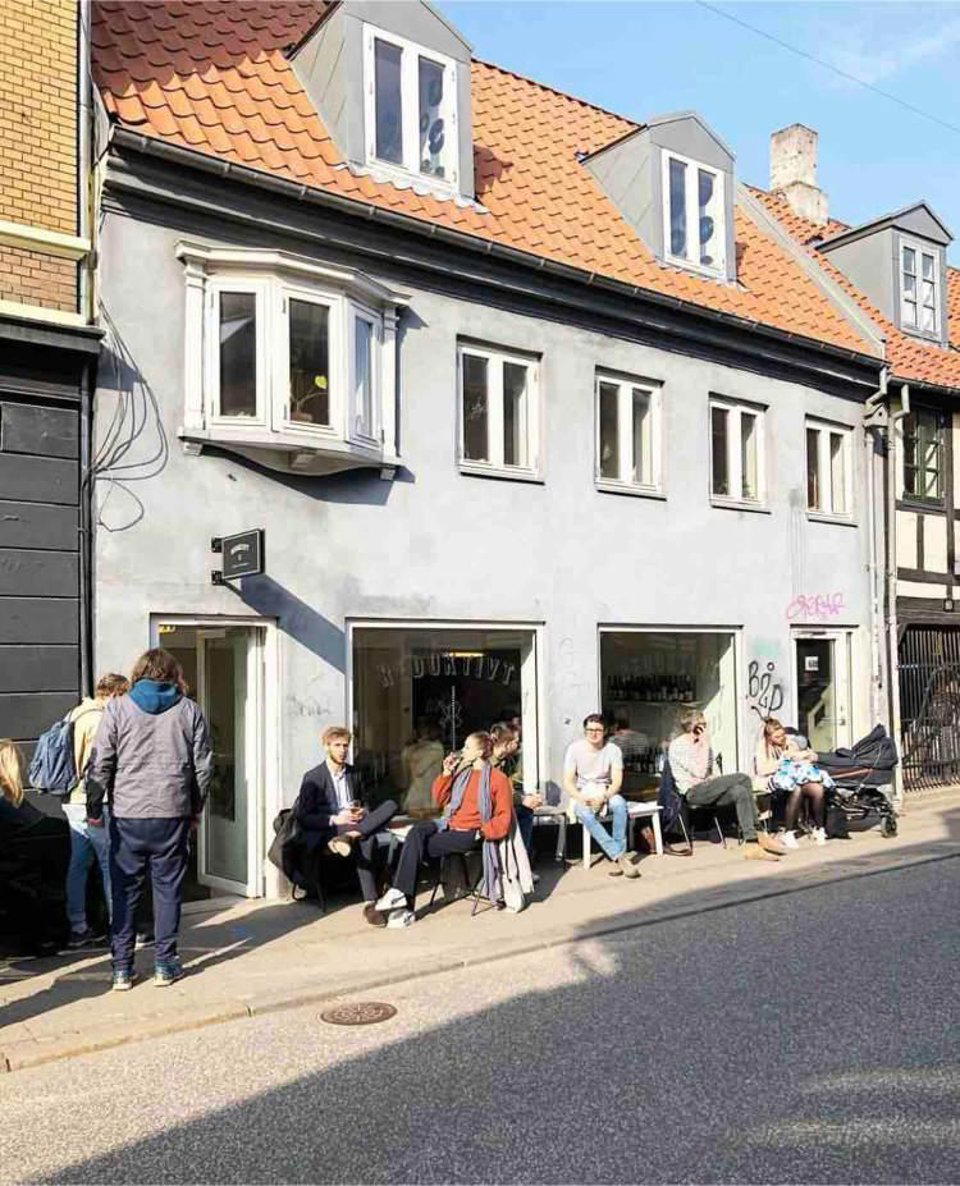
Tordenskjoldsgade is in the Aarhus C postal district, which covers the dense inner city. Streets here lean residential and commercial in roughly equal measure, with restaurants distributed across a range of formats and price points rather than concentrated in any single corridor. An address here typically signals a restaurant that earns its business from locals and repeat visitors rather than from neighbourhood positioning alone.
That structural detail matters for planning a visit. Restaurants in this part of Aarhus C tend to operate on a reservation basis, particularly on weekends, because they are not catching passing trade in the same volume as waterfront or old-town addresses. Reservations are recommended, especially for Thursday through Saturday. Midweek availability is generally looser, and solo diners or pairs have more flexibility than larger groups. Danish dining culture runs early by Mediterranean standards: expect peak seatings around 18:00 to 19:30, with service winding down well before midnight.
Greek Dining in Scandinavia: A Distinct Tradition
Greek restaurants in Scandinavia occupy a longer history than many visitors assume. Greek immigration to Denmark and Sweden accelerated through the 1960s and 1970s, and the cuisine established itself in Danish cities before most other non-European traditions had a foothold. What emerged was a version of Greek cooking shaped by local ingredient availability and Danish price expectations: mezze-style sharing dishes, grilled proteins, and olive oil-forward preparations that translated well to Northern European palates without requiring significant adaptation.
The better Greek addresses in Danish cities have always operated with a degree of seriousness that the broader category does not always receive from critics focused on Nordic development. Grilled octopus, spanakopita, and slow-braised lamb are not technically demanding in the way that twelve-course tasting menus are, but they require sourcing discipline and recipe integrity to execute well. The risk in the Scandinavian context is adaptation drift, where dishes soften toward local preferences until the original tradition becomes unrecognisable. The restaurants that maintain local followings over years tend to be those that resist that drift.
Across Denmark more broadly, the restaurant culture outside Copenhagen has developed considerable depth. Alimentum in Aalborg, ARO in Odense, LYST in Vejle, and Domæne in Herning each represent serious cooking outside the capital, and Aarhus leads that provincial tier. That broader ecosystem makes ethnically specific restaurants more viable: a dining public accustomed to spending seriously on food is also more likely to seek out specialist cuisines with some frequency.
Planning Your Visit: What to Know Before You Go
Opening hours run Mon to Thu and Sun from 4 to 9:30 PM, and Fri to Sat from 4 to 10 PM.
For visitors arriving from outside Denmark, it is worth noting that Aarhus is approximately three hours from Copenhagen by train, making it a viable two-night itinerary rather than a day trip if you want to cover the dining range the city offers. The Aarhus Street Food market and the concentration of restaurants around the harbour and Latinerkvarteret handle the lighter end of the food scene, while the Michelin addresses and neighbourhood specialists like Sevag's Grækeren represent the more deliberate end. For context on how Aarhus fits within Denmark's wider fine-dining geography, see also Henne Kirkeby Kro, Dragsholm Slot Gourmet, Frederiksminde, and MOTA in Nykøbing Sjælland.
Greek dining at a mid-format level in Danish cities typically sits in a price bracket below the tasting-menu tier but above the fast-casual segment, with shared starters and mains for two landing in a range comfortable for a regular dinner out rather than a special-occasion budget. That positioning makes Sevag's Grækeren a practical choice within a Aarhus itinerary that might also include one or two of the city's higher-commitment restaurants.
Le Bernardin in New York and Atomix in New York both demonstrate how a clearly defined culinary identity, maintained over time without concession to trend, builds the kind of trust that neighbourhood specialists depend on at every price point.
Reputation First
Comparable venues nearby, for context on price, style, and recognition.
| Venue | Cuisine | Price | Awards | Notes |
|---|---|---|---|---|
| Sevag's GrækerenThis venue — the venue you are viewing | Authentic Greek Taverna | $$ | , | |
| Prezzemolo | Authentic Italian Osteria | $$ | , | Jægergårdsgade |
| Fishing Port Varemestue | Traditional Danish Seafood | $$ | , | Aarhus Harbour |
| LouLou Aarhus | italian | $$ | , | Aarhus C |
| Den Lille Kro | Classic Danish | $$ | , | Midtbyen |
| Boran Thai Restaurant | Authentic Thai | $$ | , | Aarhus C |
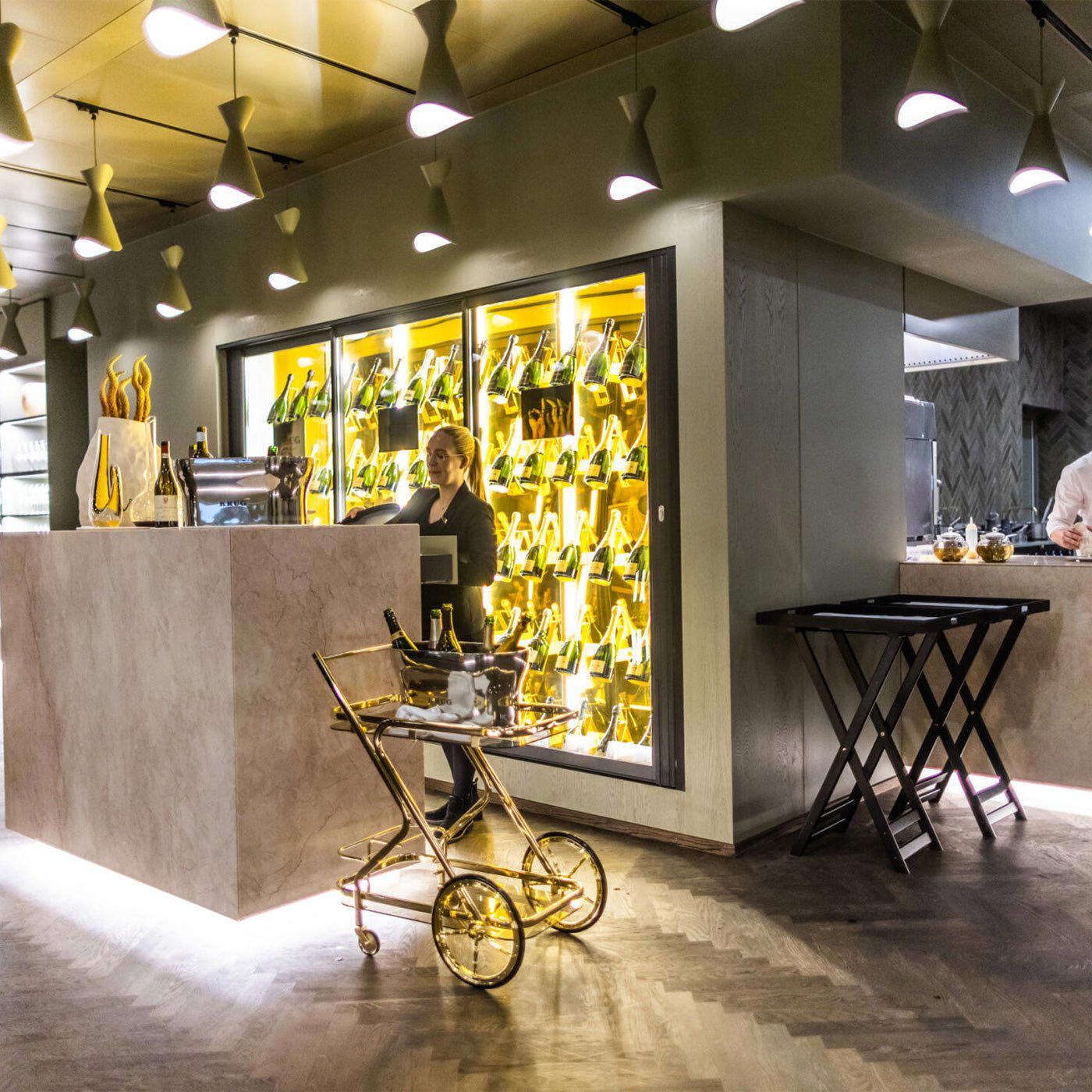
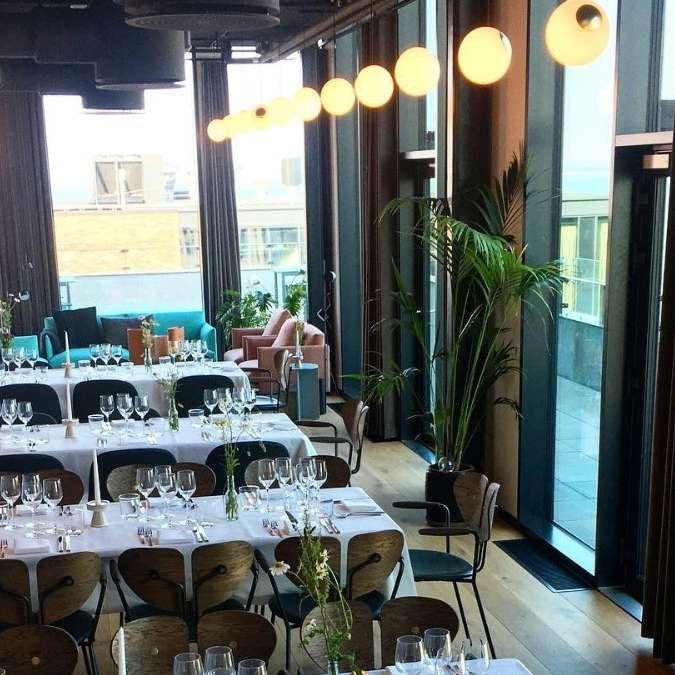
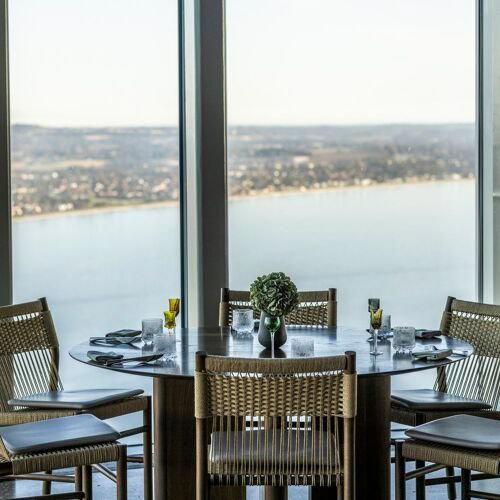
At a Glance
- Cozy
- Casual
- Family
- Group Dining
- Date Night
- Casual Hangout
- Waterfront
- Waterfront
- Street Scene
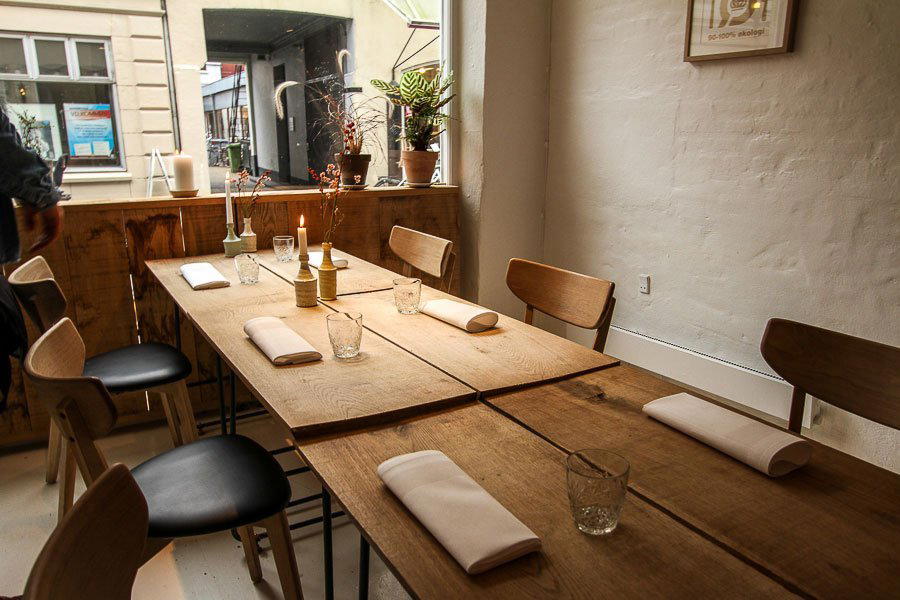
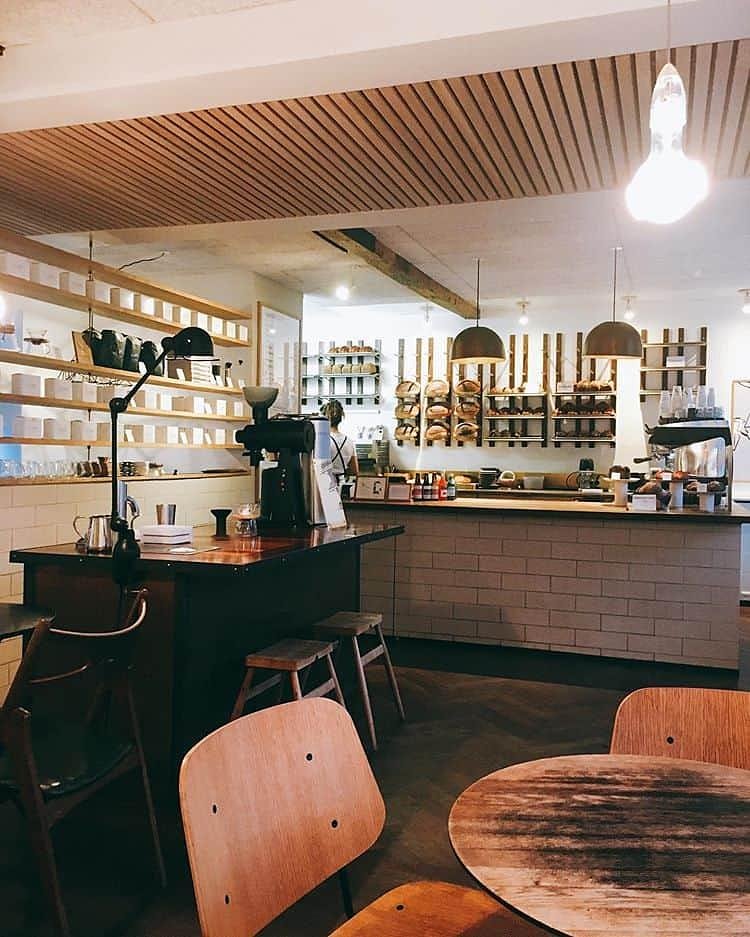
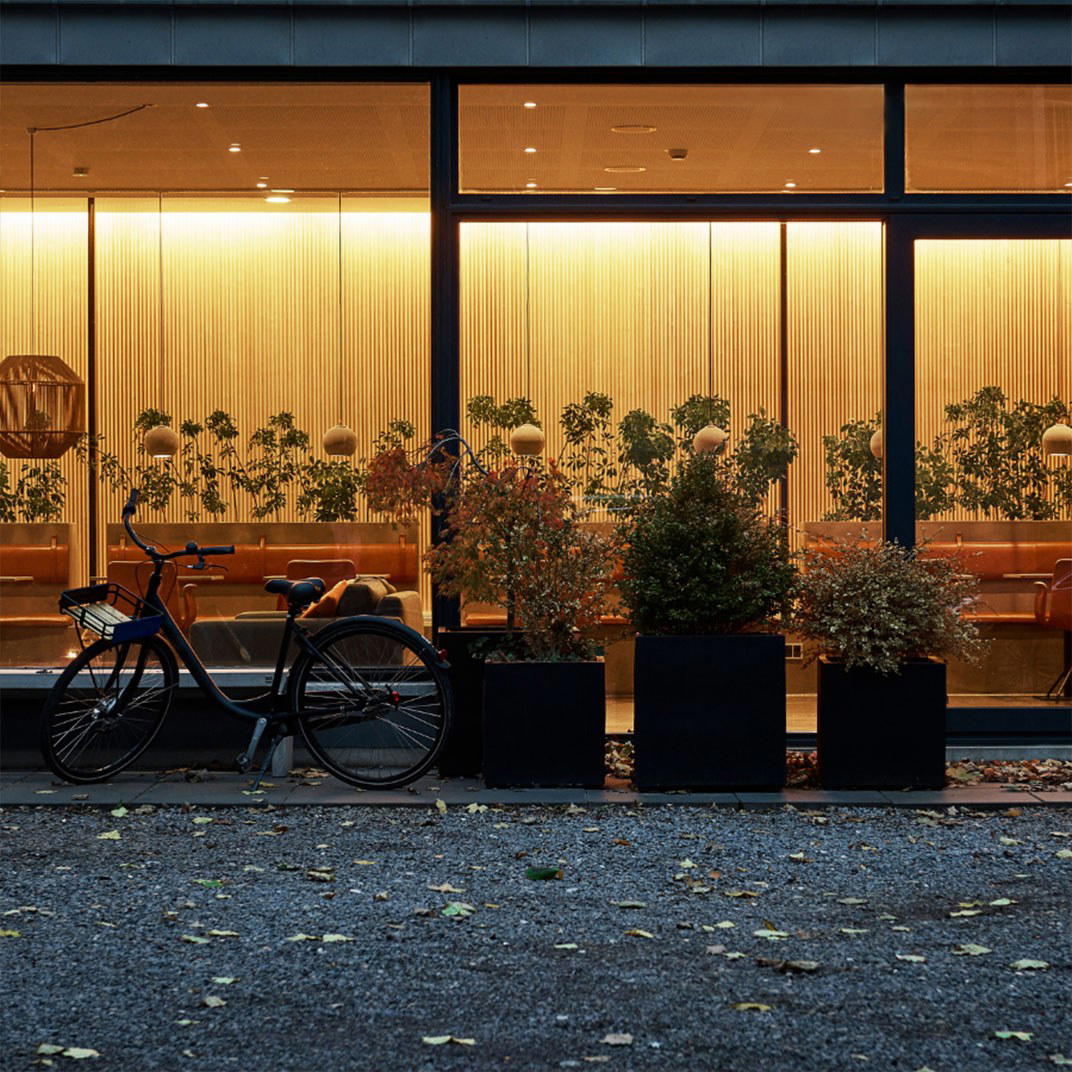
Cozy and laidback with a welcoming Greek atmosphere, perfect for relaxed family dinners and gatherings.