Settimo Cielo
Settimo Cielo sits in Pescantina, a quiet comune in the Valpolicella wine belt just northwest of Verona, where the gap between farm and table narrows considerably. The surrounding hills shape what reaches the kitchen, and that provenance defines the experience more than any single technique. For travellers covering northern Italy's serious dining circuit, it represents the region's quieter, terroir-anchored end of the spectrum.
Pearl is the En Primeur Club membership app — saves, bookings, and concierge access live there. Same editors, same standards.
- Address
- Via Enrico Bernardi, 1, 37026 Pescantina VR, Italy
- Phone
- +39456703207
- Website
- pizzeriasettimocielo.net
- Directions
- Get directions
 Saves & bookings on Pearl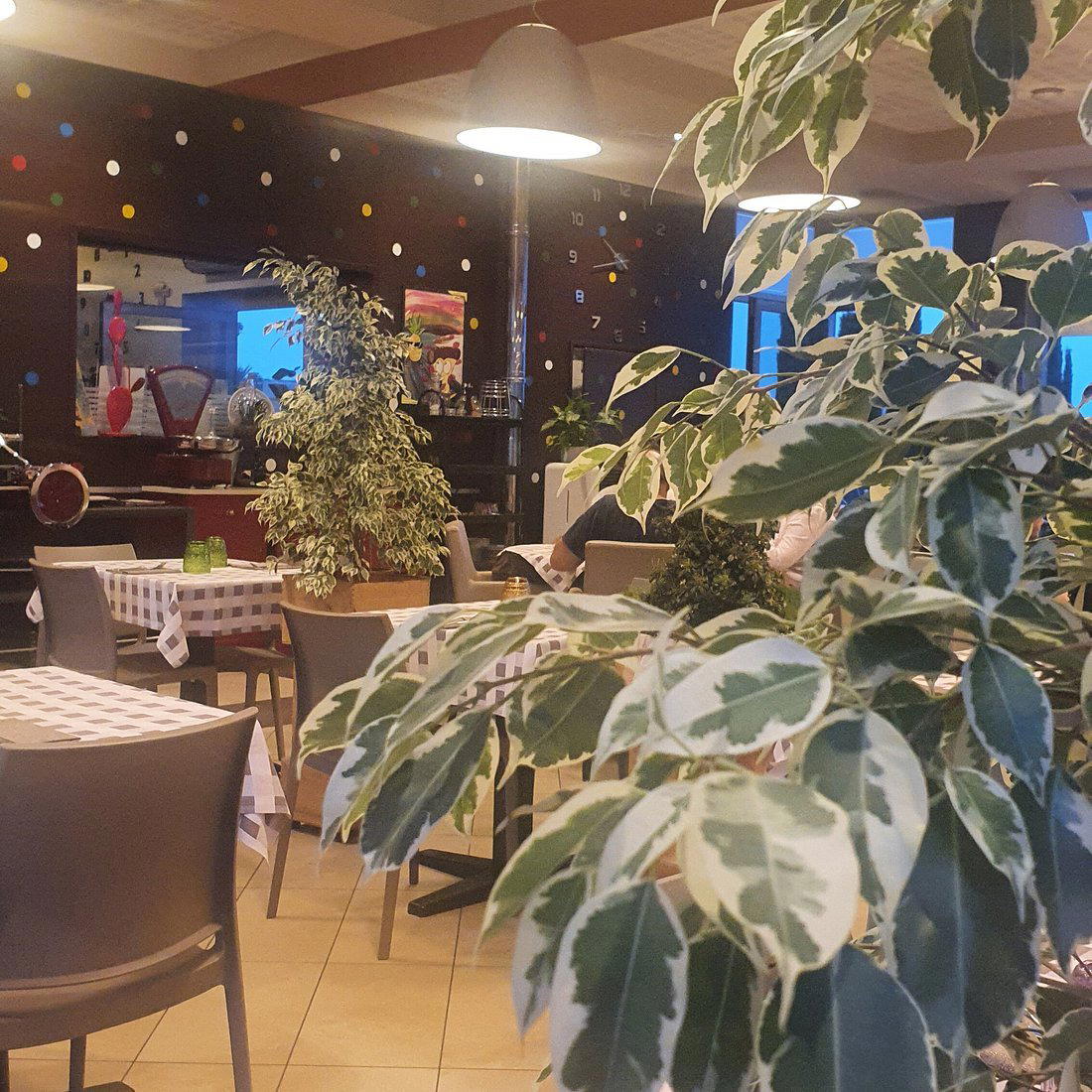
The Valpolicella Setting and What It Means for the Plate
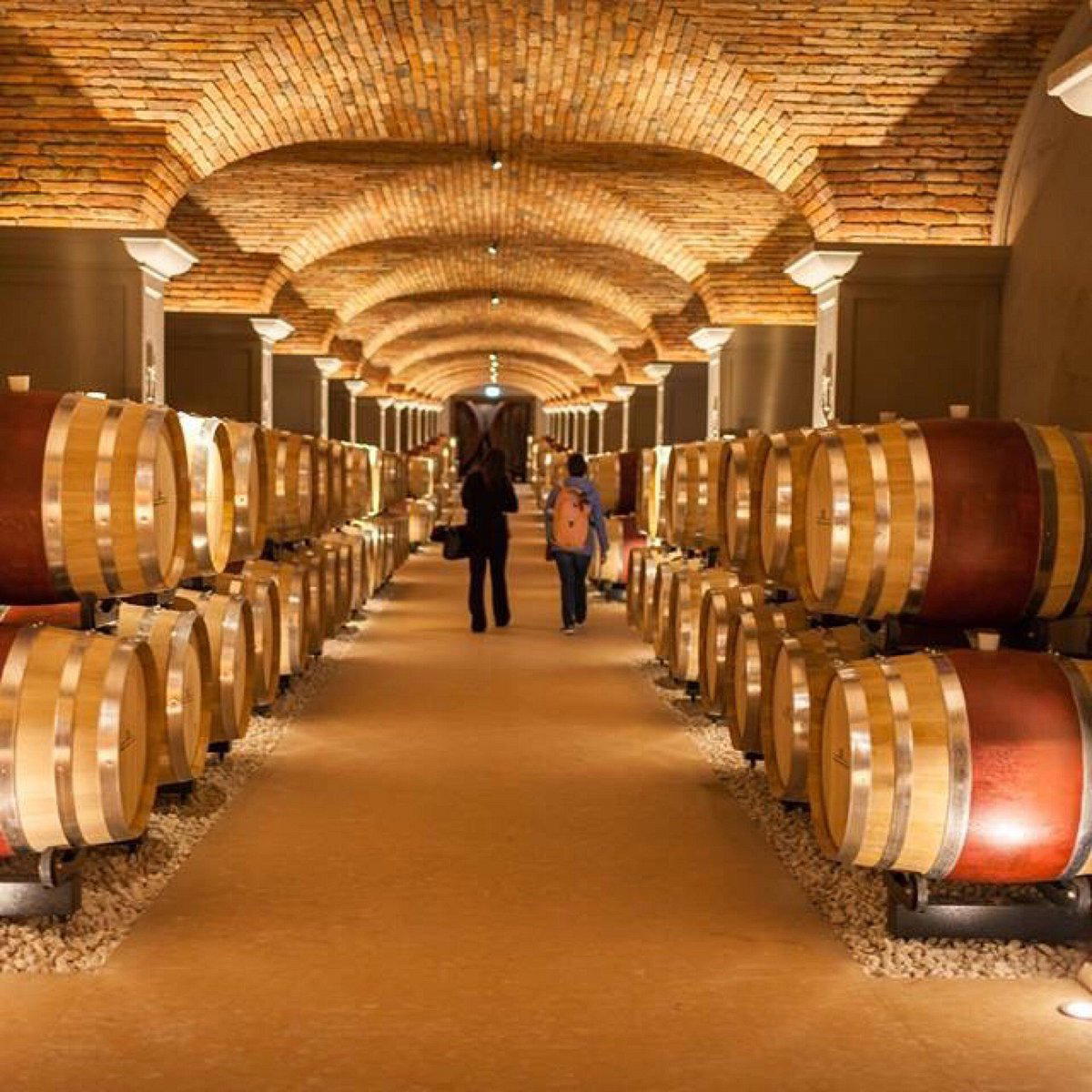
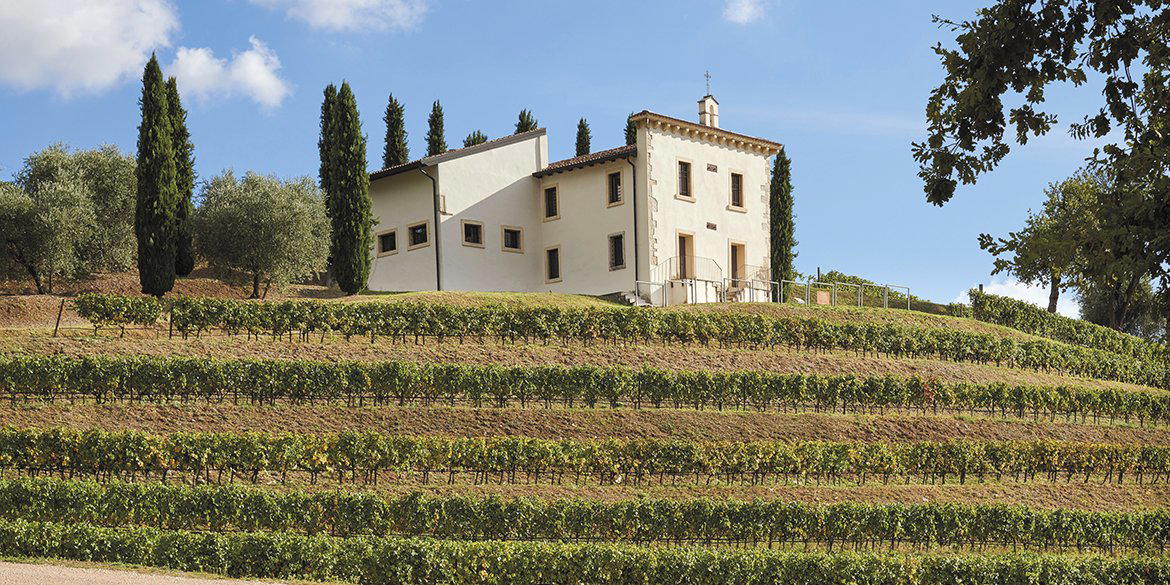
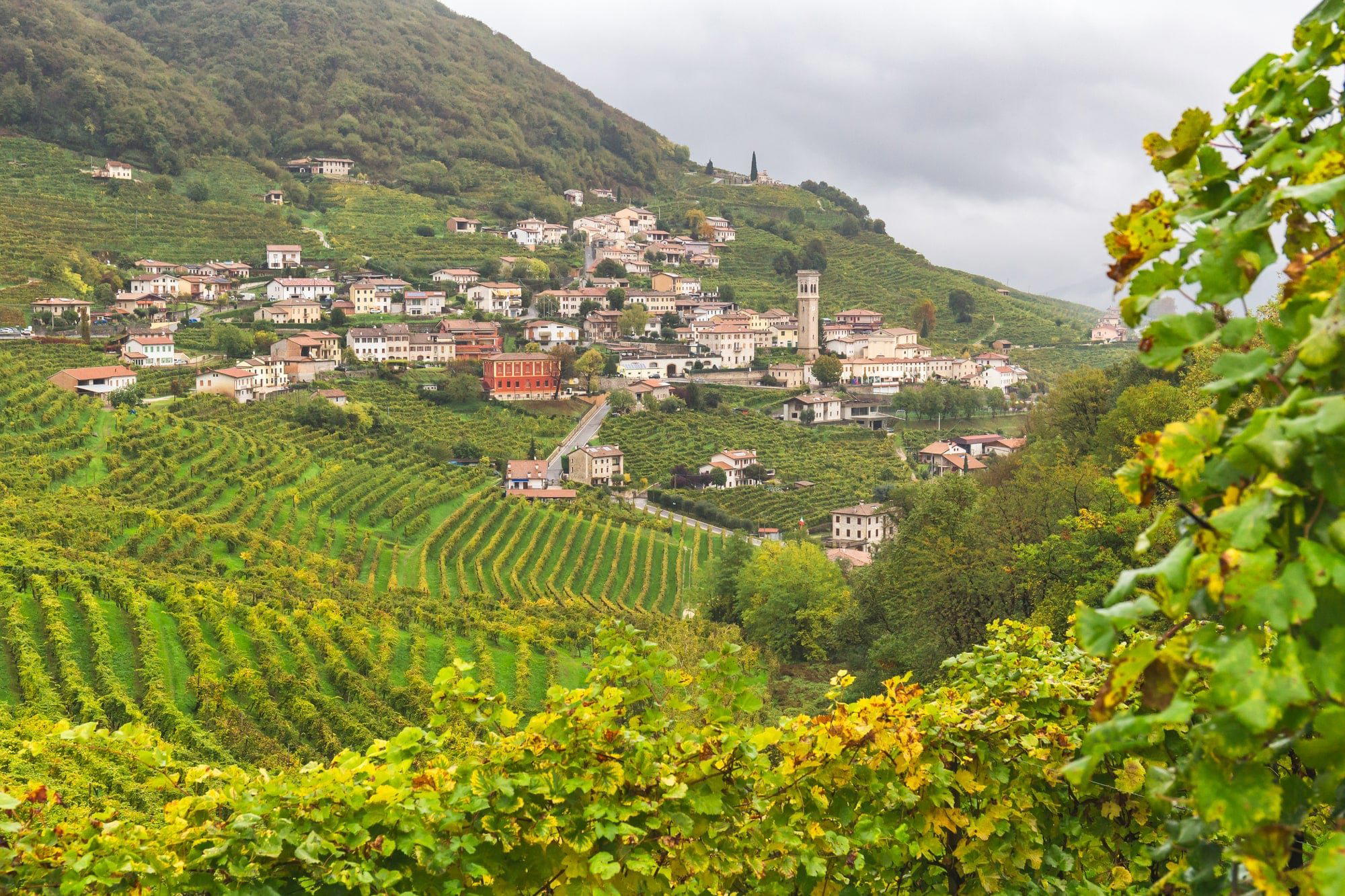
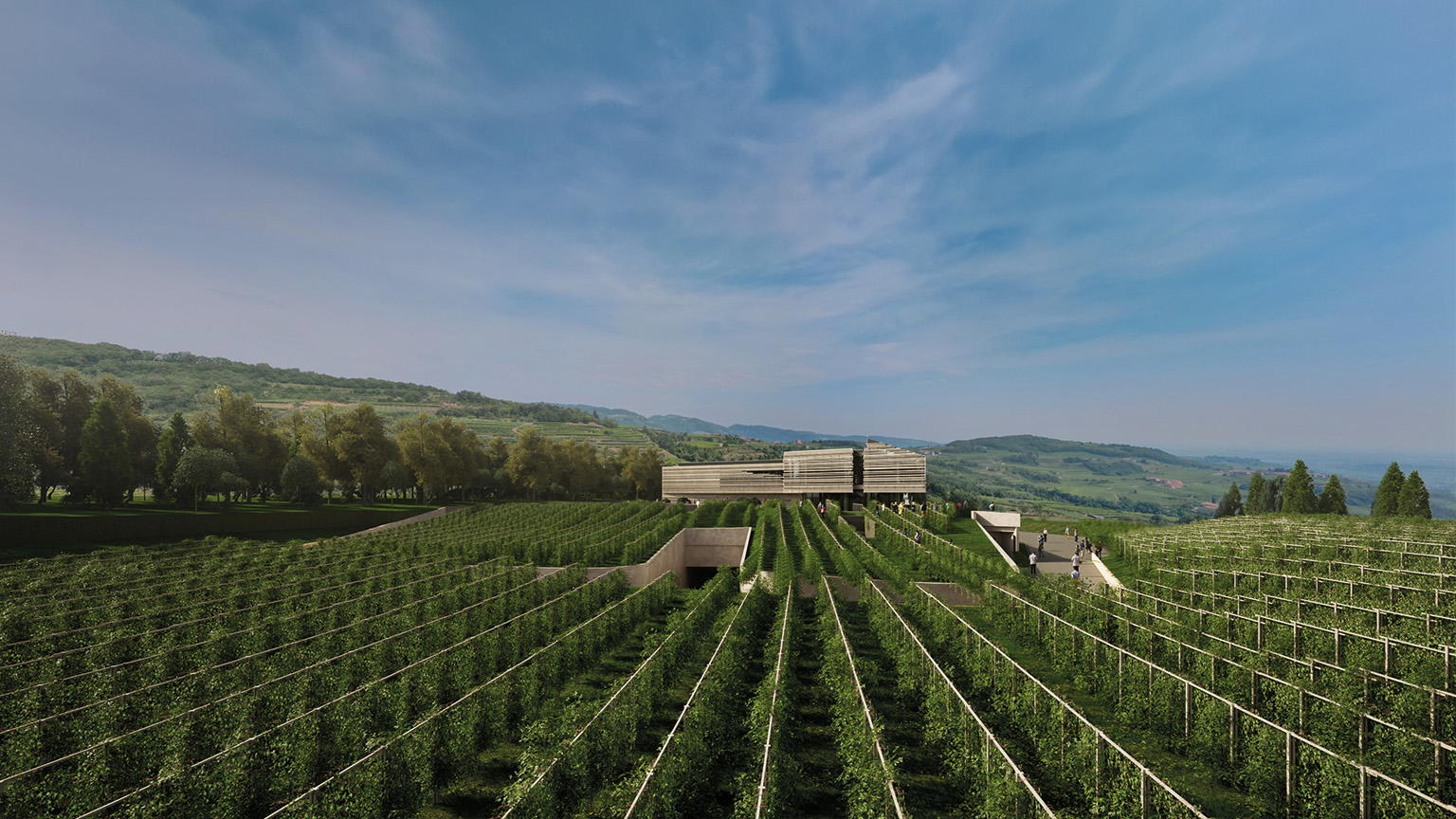
Pescantina occupies a particular band of the Veneto that rarely makes international press but earns consistent attention from those who map Italian dining by what the land produces rather than by city postcodes. The comune sits within the broader Valpolicella zone, where Corvina and Rondinella vines have shaped agricultural identity for centuries and where the same limestone-clay soils that define the region's wines also influence its vegetables, herbs, and livestock. Restaurants that operate here, rather than in Verona proper, tend to source from a radius that most urban kitchens cannot match, not by design philosophy but by simple proximity. Settimo Cielo is an artisanal Italian pizza restaurant at Via Enrico Bernardi, 1 in Pescantina, Italy, with. It occupies that geography directly.
What the Surrounding Terrain Puts on the Table
Northern Verona's hillside agriculture produces specific things at specific times: early-season asparagus in the valleys, Monte Veronese cheese from the higher pastures, freshwater fish from the Adige river corridor, and game in autumn that rarely travels far before it reaches a kitchen. This is a meaningfully different supply chain from what a Milan or Rome restaurant manages. At the summit end of Italian dining, venues like Le Calandre in Rubano or Osteria Francescana in Modena have built internationally recognised programs on similarly tight regional sourcing, but they do so within larger cities that command broader logistical infrastructure. A restaurant in Pescantina operates at a different scale, where the sourcing advantage is almost structural: the producers are local, the seasonal rhythms are predictable, and there is less pressure to fill a tasting menu with imported prestige ingredients. That constraint, when taken seriously, produces a different kind of cooking from the elaborate, labour-intensive creative programs you find at Enrico Bartolini in Milan or Piazza Duomo in Alba. Whether Settimo Cielo takes that seriously is the question worth answering before you drive out from Verona.
Where Settimo Cielo Sits in the Regional Dining Picture
The Veneto has a layered dining identity. At the recognised upper tier, Casa Perbellini 12 Apostoli in Verona represents what formal regional cuisine looks like when aligned with international critical standards. Further afield, Dal Pescatore in Runate has maintained its position through decades of consistent, family-run discipline. The restaurant sits in the broader category of destination-adjacent neighbourhood dining: the kind of table that a visitor to Verona might seek out for a meal that feels rooted in the local rather than performed for an international audience. That positioning is not a demotion; for many travellers, it is precisely the point. Northern Italy's most formally awarded restaurants, from Enoteca Pinchiorri in Florence to La Pergola in Rome, operate in a register that prioritises technical mastery and presentation. A Pescantina restaurant working from local supply has a different mandate and, when it delivers, a different kind of satisfaction.
Planning a Visit: Logistics and Timing
Pescantina is approximately twelve kilometres northwest of Verona city centre, reachable in under twenty minutes by car via the SS12. There is no practical public transit option that makes a dinner visit direct, so a taxi or rental car is the realistic approach for visitors based in Verona. The town is small, and Via Enrico Bernardi is easily located by address. The restaurant is recommended for reservations, and its casual dress code suits an easygoing meal. Seasonal timing matters in this part of the Veneto: spring and autumn are when the local agricultural calendar produces interesting raw material, and they are also when the drive through Valpolicella countryside adds something to the journey itself. Summer evenings extend long in the Adige valley, which changes the rhythm of dinner service at village restaurants in a way that urban dining rarely replicates.
The Broader Italian Context Worth Understanding
Italian fine dining has undergone a well-documented shift over the past decade. Uliassi in Senigallia, Quattro Passi in Marina del Cantone, and Reale in Castel di Sangro are all examples of highly regarded restaurants in towns that most international visitors would not otherwise seek out. The pattern suggests that provenance-driven cooking in a small commune is not a compromise position but a viable editorial stance. The restaurant, operating in one of Italy's most agriculturally distinctive sub-regions, has the geography to support that kind of approach. For international comparative reference, the gap between ingredient-led simplicity in northern Italy and the technical sophistication of restaurants like Le Bernardin in New York City or Atomix in New York City illustrates how different the measuring sticks are across dining cultures. Northern Italian village cooking is not trying to win by the same criteria, and evaluating it as if it were misses the point. The comparable credential here is terroir fidelity, not brigade technique. Atelier Moessmer Norbert Niederkofler in Brunico offers the precise regional parallel: a northern Italian restaurant that has turned local alpine sourcing into internationally recognised cooking without abandoning its geographic specificity. That is the ceiling of what the model can achieve. Gambero Rosso in Marina di Gioiosa Ionica offers a southern Italian version of the same territory-first logic. The restaurant operates somewhere in that wider conversation, with access to one of Italy's most productive agricultural zones and a postcode that suggests it serves a primarily local clientele.
Quick Comparison
Comparable venues nearby, for context on price, style, and recognition.
| Venue | Cuisine | Price | Notes |
|---|---|---|---|
| Settimo CieloThis venue — the venue you are viewing | Artisanal Italian Pizza | $$ | Not listed |
| Il Porticciolo | Lake Garda Fish Specialist | $$ | Lungolago Marconi |
| Ristorante da Cherubino | Traditional Venetian Trattoria | $$ | San Marco |
| Locanda Bordin | Traditional Veronese Trattoria | $$ | Bussolengo |
| Antica Osteria della Valpolicella | Traditional Valpolicella Osteria | $$ | San Rocco |
| Pane e Vino | Traditional Veronese Trattoria | $$ | Citta' Antica |
Continue exploring
More in Pescantina
Restaurants in Pescantina
Browse all →
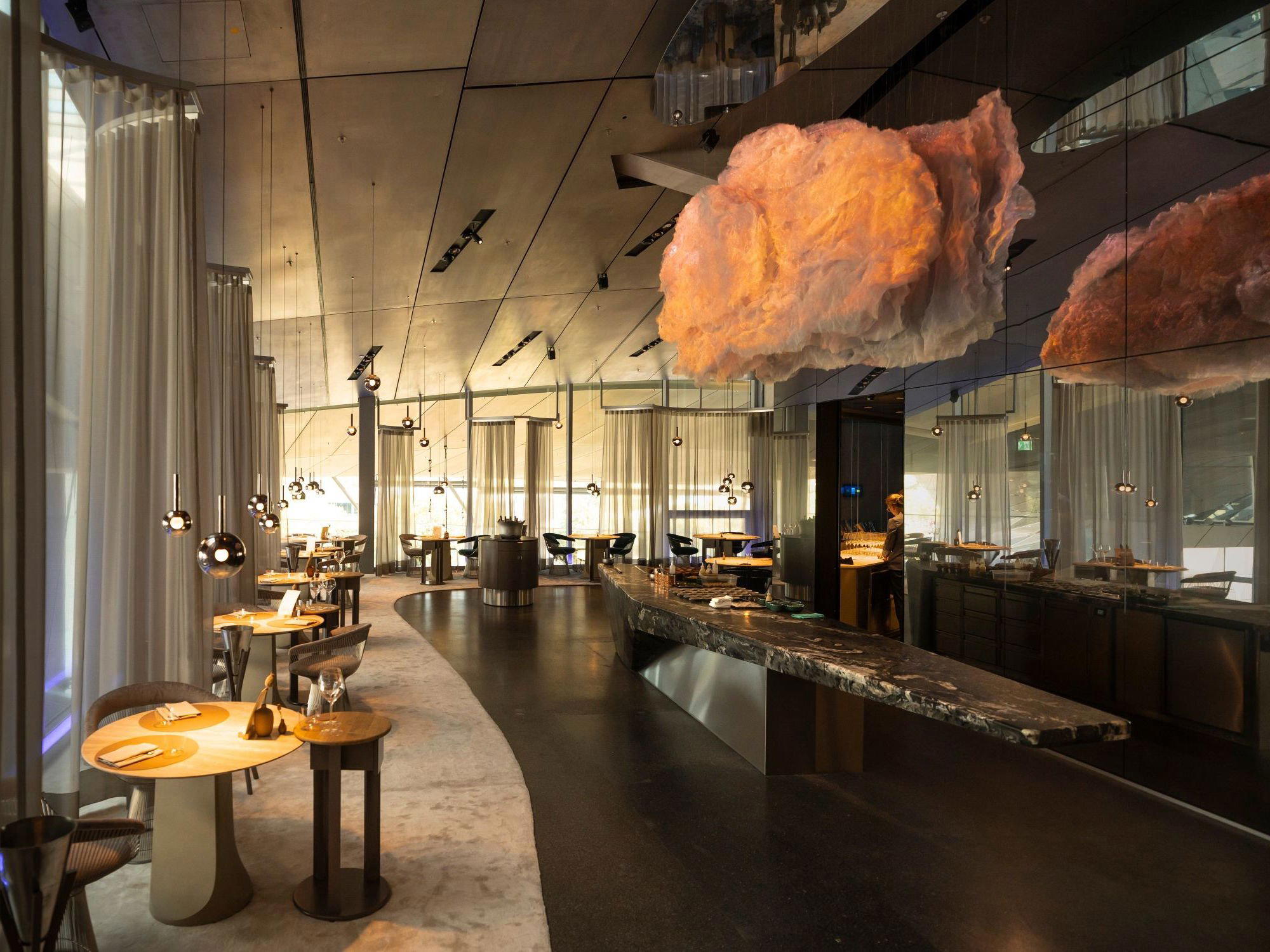
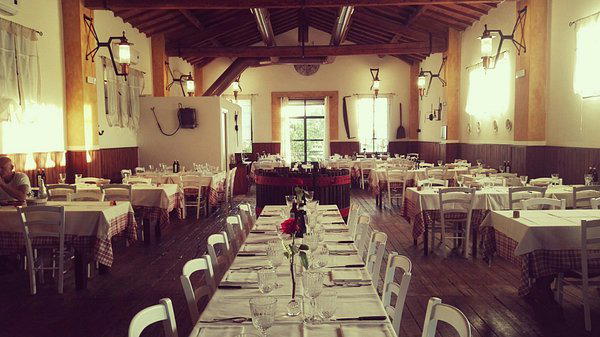
Bars in Pescantina
Browse all →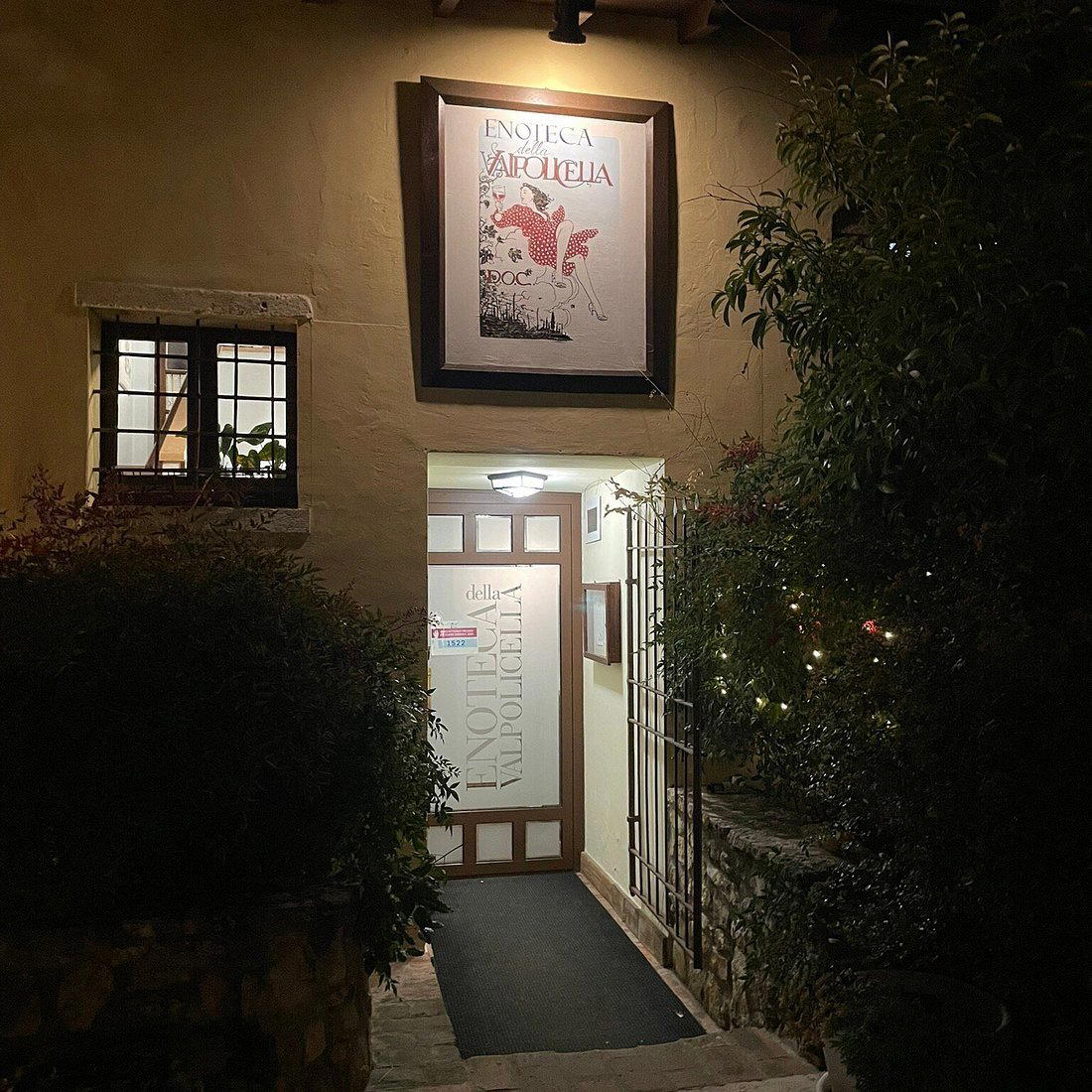
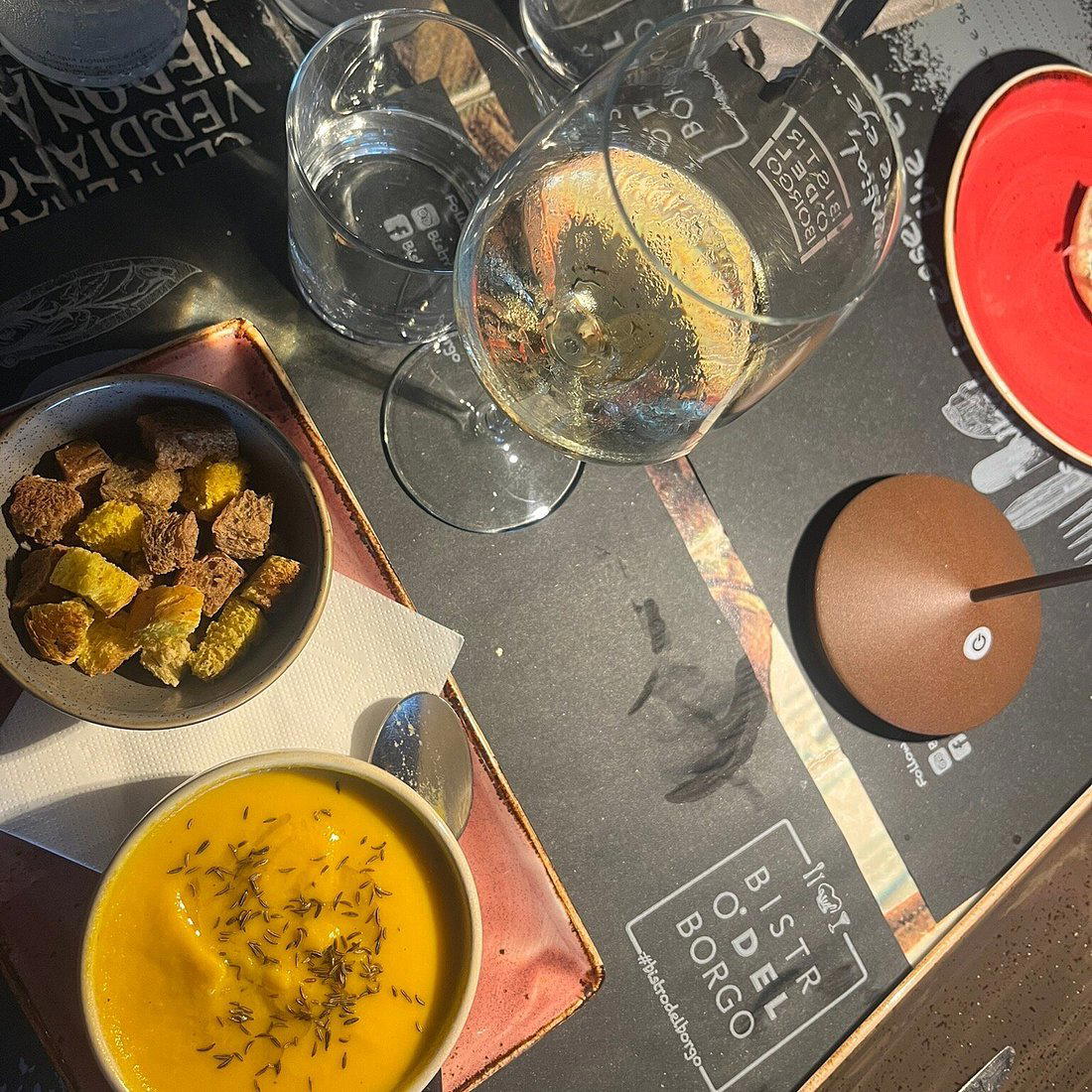
Hotels in Pescantina
Browse all →
At a Glance
- Modern
- Lively
- Casual
- Casual Hangout
- Group Dining
- Family
- Date Night
- Terrace
- Open Kitchen
- Beer Program
- Local Sourcing
- Organic
Current opening hours
- Monday
- Closed
- Tuesday
- 11:30 AM–3 PM, 6:30–11 PM
- Wednesday
- 11 AM–3 PM, 6:30–11 PM
- Thursday
- 11 AM–3 PM, 6:30–11 PM
- Friday
- 11 AM–3 PM, 6:30–11 PM
- Saturday
- 6:30–11 PM
- Sunday
- 11:30 AM–2:30 PM, 6:30–11 PM
Hours can change for holidays and private events. Last verified .
Young and dynamic environment with modern furnishings; central dining room can be lively and somewhat noisy, but terrace seating offers a quieter alternative. Well-spaced tables in a comfortable, welcoming setting.