Sense


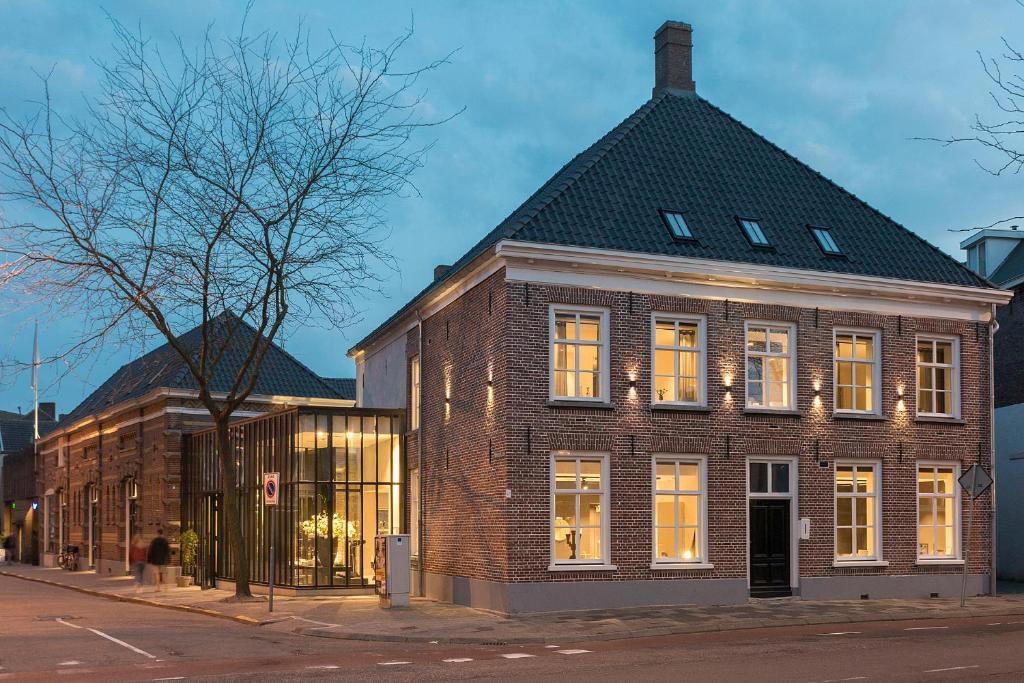
Inside a 17th-century villa on Raadhuisstraat, Sense splits its offering between a relaxed gastrobar and a more formal fine dining room, both overseen by chef Dennis Middeldorp. The kitchen draws on classical French technique, Dutch Cuisine principles, and a plant-forward agenda supplied in part by the local food forest Deer Farmer. Recognition from Michelin highlights the depth of cooking on both sides of the house.
Pearl is the En Primeur Club membership app — saves, bookings, and concierge access live there. Same editors, same standards.
- Address
- Raadhuisstraat 1, 5261 EH Vught, Netherlands
- Phone
- +31 73 614 4208
- Website
- senserestaurant.nl
- Directions
- Get directions
 Saves & bookings on Pearl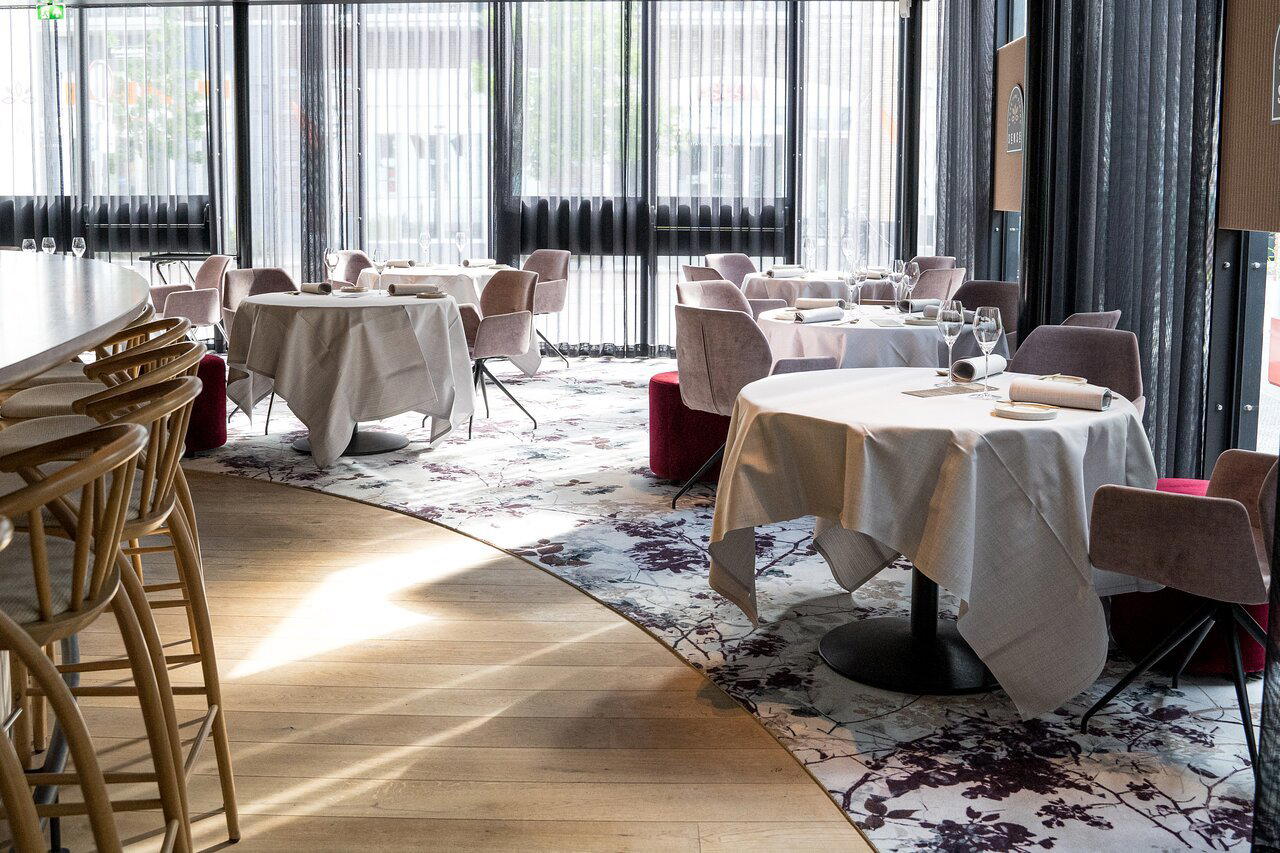
Two Rooms, One Kitchen, One Clear Conviction
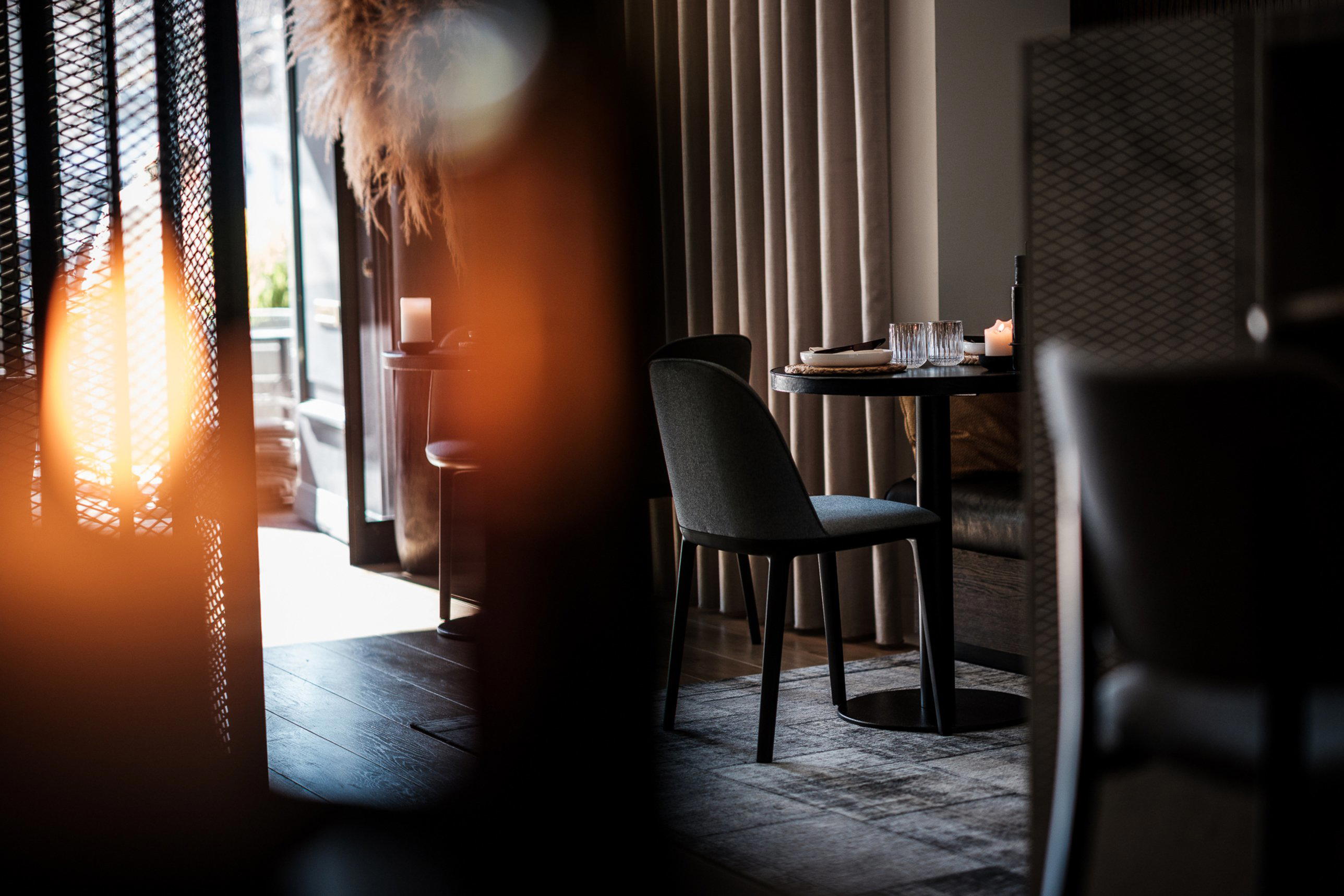
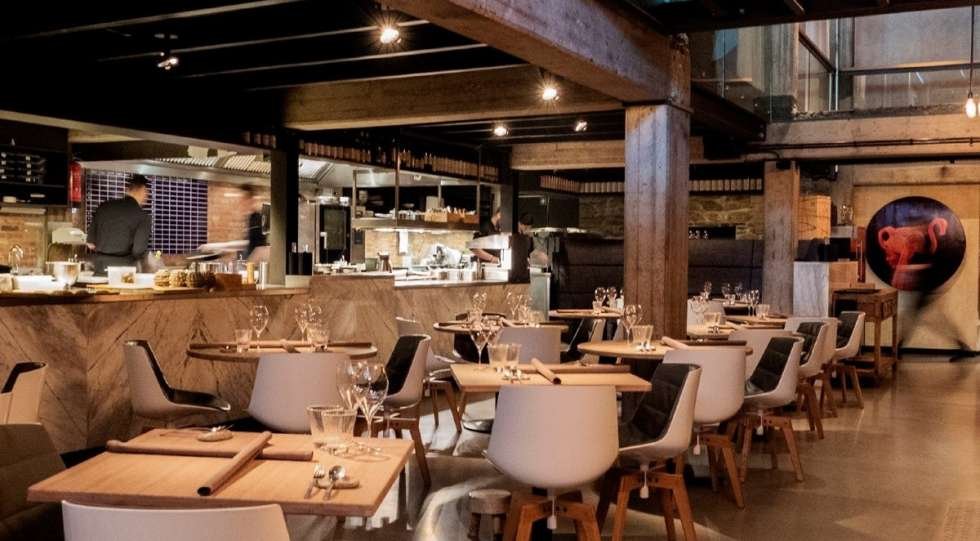
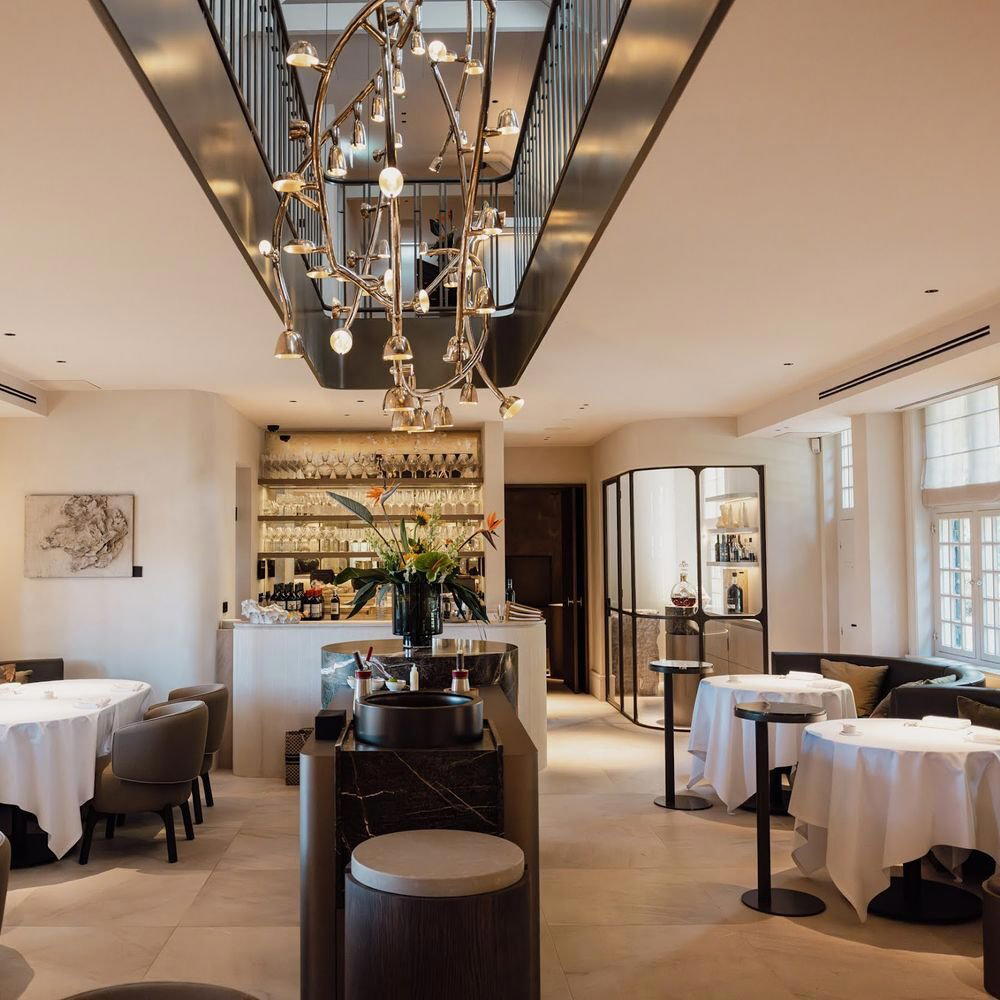
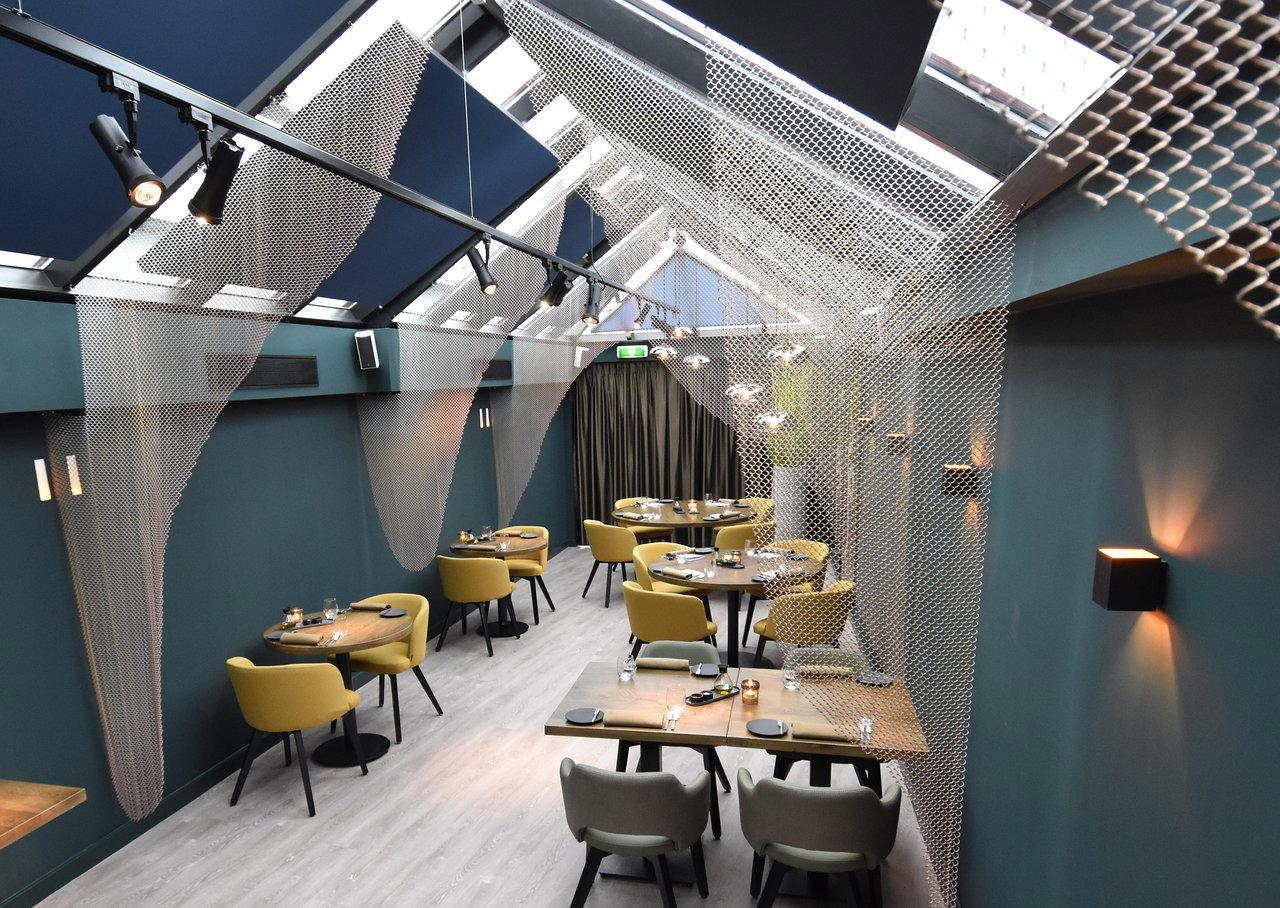
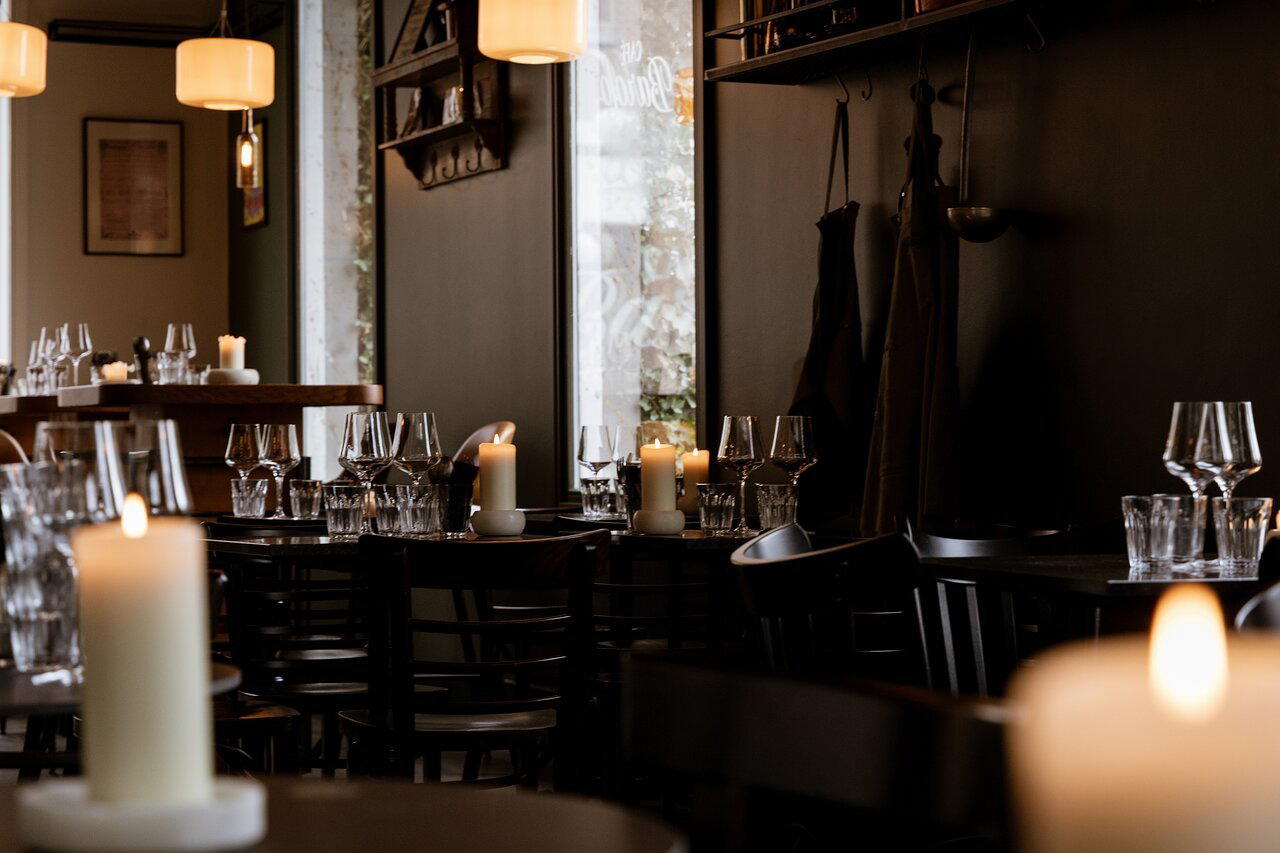
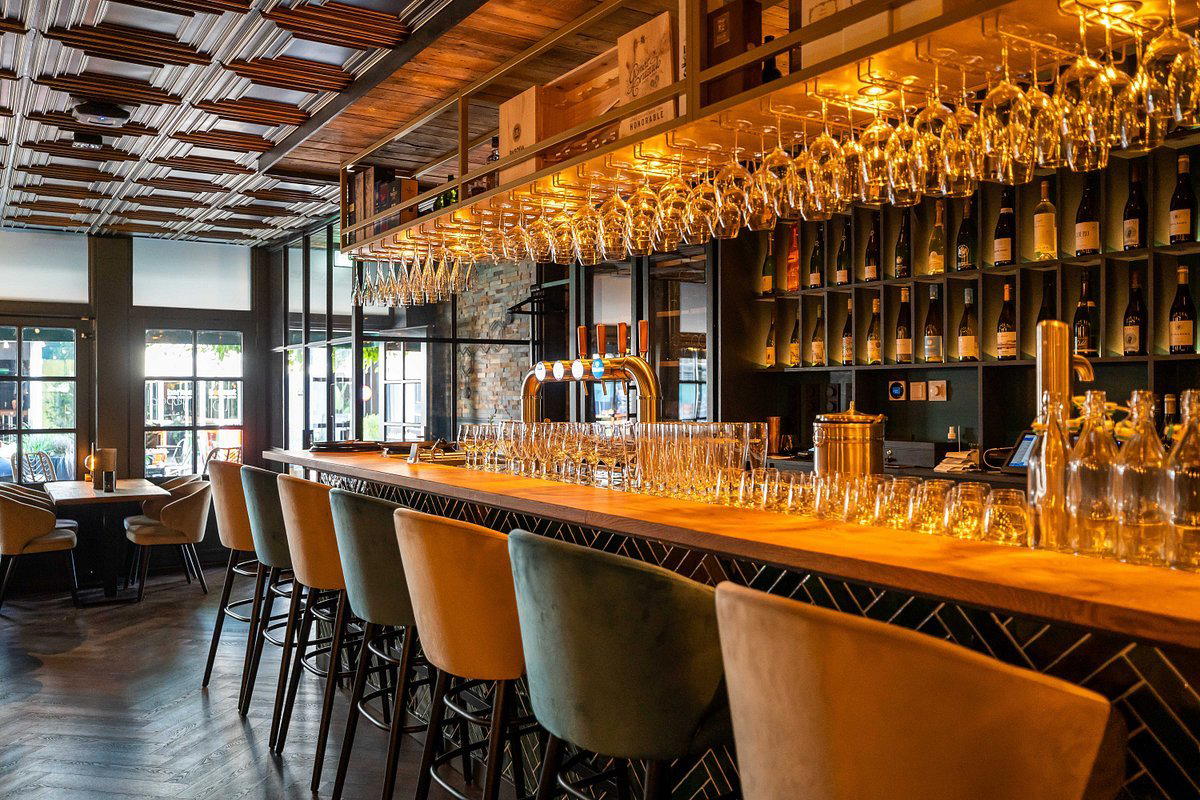
The approach to Villa Bleijenburg on Raadhuisstraat sets a particular tone. The 17th-century building in central Vught carries the measured confidence of a structure that has housed many purposes before this one, and the choice facing a guest at the door is itself a minor ritual: turn left toward the gastrobar, where small plates and the enduring presence of sole meunière anchor a menu designed for any hour, or turn right toward the more formal dining room, where a multi-course set menu and a limited à la carte selection ask for more time and attention. Both spaces look onto the same central kitchen, which means the threshold between casual and considered is, appropriately, a transparent one.
That visibility matters at Sense more than it does at most restaurants. The open kitchen is not theatre for its own sake. It is a declaration about where the restaurant's priorities sit: with the craft being practised, not with the mythology built around it. The chef's table, positioned within the kitchen itself, is reserved specifically for guests who choose the plant-based menu.
The Ritual of the Plant-Based Counter
Plant-forward fine dining has gathered pace at the upper end of the market. Restaurants like De Groene Lantaarn in Staphorst and De Nieuwe Winkel have demonstrated that a menu built around vegetables, fungi, and grains can operate at the same register of technique and ambition as any protein-centred tasting menu. Sense arrives at a similar conclusion but from a different starting point, one rooted in classical French and Dutch foundations rather than in a departure from them.
The partnership with food forest Deer Farmer is the practical expression of that conviction. A food forest operates on multi-decade cycles, building ecological complexity over time, and the produce it yields carries characteristics that conventional supply chains cannot replicate: varieties chosen for flavour rather than yield, harvested at the moment of readiness rather than logistics. That sourcing relationship gives Sense's plant-forward menu a credibility that a purchasing decision alone could not provide. Respect for nature, as is not a brand position here but a working method.
Classical Foundations, Creative Execution
Cooking at Sense does not resolve into a single style, which is partly what makes it interesting to think about alongside the broader Dutch fine dining circuit. At the tier below the four-price-point houses, De Librije in Zwolle, Aan de Poel in Amstelveen, Fred in Rotterdam, there is a class of restaurant that earns recognition by doing something coherent and sustained with a distinct culinary position. Sense occupies that tier, with a kitchen that draws simultaneously on classical French rigour, Dutch Cuisine's emphasis on local and seasonal produce, and the precision that characterises the leading Asian-influenced work in European fine dining.
Michelin's assessment of the kitchen specifically calls out the combination: smoked eel and foie gras enriched by kohlrabi in tangy vinaigrette, vadouvan espuma, and dashi oil form one example; lamb fillet paired with an anise-infused jus, a navarin, and spring vegetables including asparagus and peas form another. What those descriptions illustrate is a kitchen comfortable moving between registers, the deep umami logic of dashi alongside the brightness of a well-made vinaigrette, the earthiness of navarin alongside the clean freshness of barely-cooked spring produce, without the menu feeling unresolved or scattered. The phrase Michelin uses is instructive: meticulous technique with a playful touch, without compromise on depth and elegance.
That combination puts Sense in a peer conversation with other creative three-price-point restaurants across the Netherlands, including Brut172 in Reijmerstok, Codium in Goes, and 't Amsterdammertje in Loenen aan de Vecht, all operating in a register that values ingredient integrity and technical range over spectacle.
The Gastrobar as a Separate Argument
It would be a mistake to treat the gastrobar as the lesser half of the operation. The format it occupies, elegant small plates, all-day service, a standing dish like sole meunière that has resisted the pressure to be reinvented, is its own kind of statement about what a kitchen's classical credentials actually mean in practice. Sole meunière, done properly, requires the same discipline as any dish on a tasting menu: the butter has to reach the right temperature, the fish has to be cooked with exactly calibrated timing, the lemon and parsley have to be added at the correct moment. Making it available all day, without the scaffolding of a formal set-menu experience, is confidence in the cooking rather than modesty about it.
In Vught, the gastrobar also functions as an access point for a wider audience than the fine dining room alone could reach. The town sits in the Noord-Brabant province, close to 's-Hertogenbosch, and does not have the density of dining traffic that Rotterdam or Amsterdam generate automatically. Offering a format that accommodates a quick lunch or an informal evening meal alongside the more committed experience next door is practical intelligence, not a concession to commercial necessity.
Vught's dining scene remains compact. CouCou (contemporary, two price points) and Hendrik van Maurick (creative French, three price points) are the closest peers in town, and Sense occupies its own distinct niche within that small group. For the wider picture,
Planning Your Visit
Sense operates at the €€€ price tier, which positions it above casual dining without reaching the four-course commitment of the region's highest-tariff tables. The fine dining side runs on a set-menu format with a small à la carte option, while the gastrobar operates with more flexibility across the day. Booking ahead is advisable for the formal dining room. The address is Raadhuisstraat 1, directly in the centre of Vught, and the building itself, Villa Bleijenburg, is recognisable as an older structure on an otherwise modest main street.
Restaurants with comparable levels of creative ambition in the broader Dutch circuit include De Bokkedoorns in Overveen, Inter Scaldes in Kruiningen, and De Lindehof in Nuenen, each operating from a different regional base but in a similar conversation about what Dutch fine dining can do with strong local sourcing and classical training.
Cuisine and Recognition
Comparable venues nearby, for context on price, style, and recognition.
| Venue | Cuisine | Price | Awards | Notes |
|---|---|---|---|---|
| SenseThis venue — the venue you are viewing | Dutch | Not listed | Michelin 1 Star | Not listed |
| CouCou | Modern French & Mediterranean | $$$ | Michelin Plate | Vught |
| 't Misverstant | French Fine Dining with Dutch and Seafood | $$$ | Not listed | Vught |
| Hendrik van Maurick | Creative French Fine Dining | $$$$ | Michelin Plate | Vught |
| Wiesen | French | $$$ | Michelin 1 Star | Not listed |
| Odille | Modern French Fine Dining | $$$$ | Michelin 1 Star | Sint-Oedenrode |
Recognition history
Dated appearances from independent guides and award organizations, with the underlying list record or original source where available.
Michelin 1 Star
Michelin
We're Smart World 4 Radishes
We're Smart World
At a Glance
Current opening hours
- Monday
- Closed
- Tuesday
- Closed
- Wednesday
- Closed
- Thursday
- 12 PM–12 AM
- Friday
- 12 PM–12 AM
- Saturday
- 12 PM–12 AM
- Sunday
- 12 PM–12 AM
Hours can change for holidays and private events.