Google: 4.7 · 172 reviews
.png)
A festive Cantonese neo-bistro on rue Saint-Maur where Samuel Lee Sum, formerly of Shang Palace, channels the communal energy of Song dynasty banquet culture into a deliberately short menu and a half Peking duck that must be ordered two days in advance. The room is deliberately unpolished, the waiters banter, and the cooking is precise where it counts.
 Discover on Pearl
Pearl is the En Primeur Club membership app — saves, bookings, and concierge access live there. Same editors, same standards.
Cantonese in a Different Register
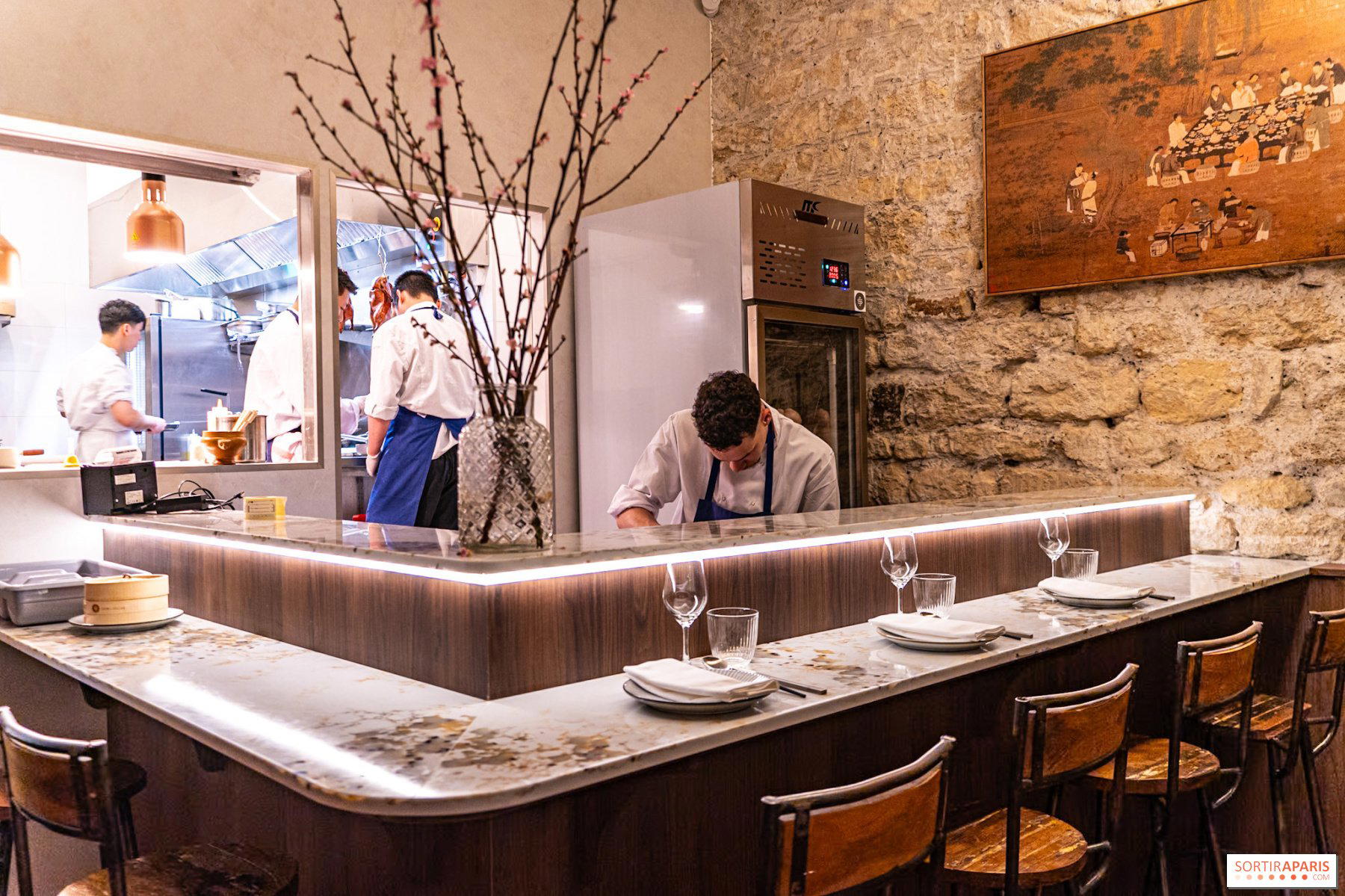
Paris has a well-documented habit of receiving Chinese cooking through a fine-dining filter: lacquered rooms, formal service, tasting menus calibrated to Michelin expectations. That template has produced serious cooking at addresses like Kei, where French and Japanese techniques are fused with considerable rigour, or at the grander end of the city's €€€€ bracket where venues such as Alléno Paris au Pavillon Ledoyen and Le Cinq set the ceremonial tone. SENsation, at 32 rue Saint-Maur in the 11th arrondissement, operates in a deliberately different register. The atmosphere is the first thing you register: lively background music, apron-clad waiters trading remarks with customers, and an interior that reads as purposefully unpolished. This is Cantonese cooking drawn not from the palace-restaurant tradition but from the communal energy of Song dynasty banquet halls, where eating was loud, social, and shared.
That reference point is not decorative. It shapes the format, the room, and the menu's relationship with the guest. The deliberate brevity of the menu signals confidence rather than limitation. When a kitchen keeps its list short, every dish on it has earned its place.
The Room as Argument
The interior at SENsation makes a specific argument about what a Cantonese restaurant in Paris should feel like. Where the city's established Chinese dining addresses tend toward formality, the rue Saint-Maur room leans into informality as a deliberate aesthetic position. The reference to Song dynasty banquet culture is a smart framing device: it locates the looseness of the space within a long culinary tradition rather than presenting it as mere casualness. Lively background music sets a pace that encourages the table to stay, order more, and treat the meal as an occasion rather than a transaction.
Service here operates at a register most Paris fine-dining rooms would find uncomfortable. Waiters banter. That word choice matters: banter implies reciprocity, an exchange between staff and guest rather than the one-directional formality of more ceremonially inclined rooms like L'Ambroisie or Arpège. In the context of Cantonese dining culture, where the table is communal infrastructure rather than private dining room, that informality is historically grounded.
The Menu: Short by Design
The menu is deliberately short, and a five-course set menu is available for those who want a structured path through it. That dual format is well-calibrated for a room that is likely to attract both regulars who know exactly what they want and first-timers working out where to start. A short Cantonese menu in Paris positions SENsation in a peer set defined less by geography and more by approach: focused kitchens with defined points of view, where constraint produces clarity. The comparison set for that kind of restaurant in France runs from technically precise rooms like Flocons de Sel in Megève to ingredient-led addresses like Bras in Laguiole: different cuisines entirely, but the same underlying philosophy of editing rather than accumulating.
The Peking Duck Question
The half Peking duck served in two courses is the dish around which SENsation's identity crystallises. The advance order requirement, two days prior to the reservation, is itself an editorial statement: this is not a dish held in a warming drawer waiting for someone to tick a box on an order form. The two-day lead time implies preparation that begins well before service, the kind of process-driven cooking that is far more common in the kitchens of restaurants like Troisgros in Ouches or Paul Bocuse's Auberge in Collonges-au-Mont-d'Or than in casual bistros.
Execution is described in precise sensory terms: crispy skin, tender and juicy meat, thin pancakes, julienned leeks, and a thick, fragrant sauce brune. Cantonese roast duck at this level is a study in contrasts, the crackle of lacquered skin against yielding meat, the sharp freshness of leek against a sauce that carries depth from long reduction. The two-course format follows the classical Peking duck service structure: first the carved skin and pancake presentation, then the meat prepared separately, a sequence that gives the single bird twice the narrative space. At restaurants like Mirazur in Menton or Auberge de l'Ill in Illhaeusern, the idea of a signature dish that requires advance notice and arrives in multiple acts is entirely standard. SENsation applies the same principle to a Cantonese roast tradition that deserves no less attention.
Samuel Lee Sum's Context
Ten years at Shang Palace, the Michelin-starred Cantonese room at the Paris, represents a specific kind of professional formation. The Shang Palace model is high-formality Cantonese: white tablecloths, long wine lists, a room that presents Chinese cooking through the lens of grand Paris hotel dining. SENsation operates as a considered departure from that context, not a rejection of technical rigour but a reassignment of it to a different kind of room. The training still shows in the precision of the duck; the room shows a different set of priorities. That tension between technical background and informal setting is what gives SENsation its character.
For comparison points further afield, the dynamic echoes what kitchens like Le Bernardin in New York or Emeril's in New Orleans achieved in their respective cities: chefs with formal training redirecting that formation toward rooms with more personal, less ceremonial identities.
Where SENsation Sits in the Paris Scene
The 11th arrondissement is not the obvious address for high-technique Chinese cooking. The neighbourhood's restaurant culture runs toward natural wine bars, neighbourhood bistros, and the kind of addresses that have made the eastern arrondissements a more interesting dining quarter than many visitors expect. SENsation's presence on rue Saint-Maur fits that pattern: a serious kitchen operating without the insulation of a grand hotel address or a tourist-facing location. For a fuller picture of what Paris offers across dining styles and price points, the EP Club Paris restaurants guide maps the city's range in detail. The Paris bars guide, hotels guide, wineries guide, and experiences guide cover the rest of the city's offer.
Know Before You Go
- Address: 32 rue Saint-Maur, Paris (11th arrondissement)
- Peking Duck: Must be ordered two days in advance — confirm at the time of booking
- Menu Format: Short à la carte menu; five-course set menu also available
- Background: Chef Samuel Lee Sum, formerly of Shang Palace (Paris)
- Atmosphere: Informal, lively, banquet-hall register — not a ceremonial dining room
Same-City Peers
A compact peer snapshot based on similar venues we track.
| Venue | Cuisine | Price | Notes |
|---|---|---|---|
| SENsation | This venue | ||
| Alléno Paris au Pavillon Ledoyen | Creative | €€€€ | Creative, €€€€ |
| Kei | Contemporary French, Modern Cuisine | €€€€ | Contemporary French, Modern Cuisine, €€€€ |
| L'Ambroisie | French, Classic Cuisine | €€€€ | French, Classic Cuisine, €€€€ |
| Le Cinq - Four Seasons Hôtel George V | French, Modern Cuisine | €€€€ | French, Modern Cuisine, €€€€ |
| Pierre Gagnaire | French, Creative | €€€€ | French, Creative, €€€€ |
Continue exploring
More in Paris
Restaurants in Paris
Browse all →
Bars in Paris
Browse all →
Hotels in Paris
Browse all →

At a Glance
- Cozy
- Elegant
- Modern
- Special Occasion
- Group Dining
- Celebration
- Open Kitchen
- Extensive Wine List
- Natural Wine
- Local Sourcing
Relaxed and convivial neo-bistro atmosphere with intentionally distressed decor, lively background music, and an elegant uncluttered setting featuring pagoda lamps and a visible wine cellar.