Sénéquier
Our verdict
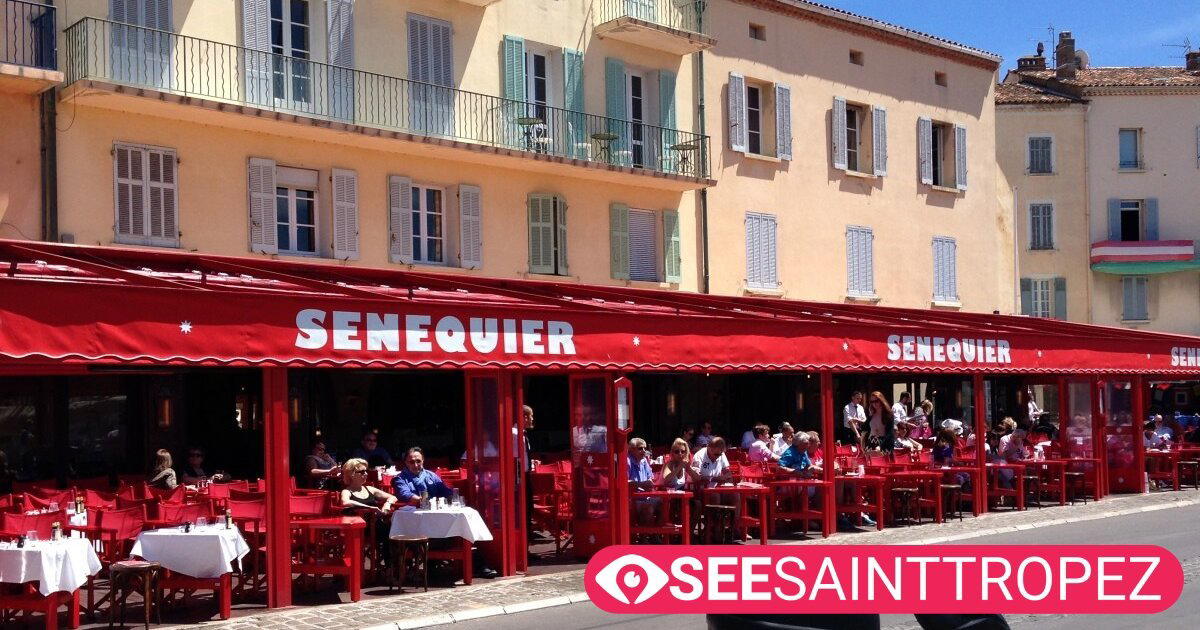
Sénéquier has occupied the same stretch of Saint-Tropez's Vieux Port since 1887, making it one of the Côte d'Azur's most enduring café institutions. The red-awninged terrace on Quai Jean Jaurès is as much a social fixture as a place to eat or drink, drawing everyone from early-morning fishermen to late-afternoon aperitif crowds. Its longevity is the credential; the harbour view does the rest.

Pearl is the En Primeur Club membership app — saves, bookings, and concierge access live there. Same editors, same standards.
- Address
- 29 Quai Jean Jaurès, 83990 Saint-Tropez, France
- Phone
- +33 4 94 97 20 20
- Hours
- Daily 8 AM–1 AM
- Website
- senequier.com
- Directions
- Get directions
The menu
What to order
- Tart Tropezienne
- White_nougat
- Candied_fruits
The Port That Never Changes Its Mind
Some places earn their reputation through reinvention. Sénéquier has earned its through refusal. Positioned on Quai Jean Jaurès at the edge of the Vieux Port, the café's red awnings and terrace chairs have been a fixed point in Saint-Tropez since 1887, while everything around them — the yachts, the fashions, the prices — has shifted dramatically. Arriving on foot from the Place des Lices, you hear the harbour before you see it: rigging against masts, water against hull, the particular low-register hum of a port town that has never quite decided whether it belongs to fishermen or to finance. Sénéquier sits at that ambiguity, and has done so for well over a century.
The terrace faces the water directly, with a sightline that takes in the full arc of the port. On summer mornings, the light comes off the water at an angle that makes the whole scene look slightly overexposed, the way Saint-Tropez looks in the photographs that made it famous. By late afternoon, the same chairs are occupied by a different crowd. That oscillation, working harbour to aperitif terrace within a single day, is part of what makes Sénéquier legible as something more than a café. It functions as the port's social clock.
What Provençal Sourcing Looks Like at Sea Level
The Var department, which runs from the Massif des Maures to the coast, produces some of the most agriculturally specific ingredients in southern France. Provençal tomatoes ripened in the dry garrigue heat, olives pressed in the mills around Nyons and Les Baux, anchovies from the Mediterranean littoral, these are the building blocks of a coastal café tradition that runs across the Côte d'Azur but concentrates particularly in the fishing ports between Toulon and Saint-Raphaël. Saint-Tropez sits at the centre of that corridor. A café holding this address for more than 135 years operates inside that sourcing tradition whether or not it makes a marketing point of it. The geography does the work.
Sénéquier is particularly associated with its nougat, a confection with deep roots in Provençal market culture. Artisan nougat production in the region pre-dates most of the café's current competition by centuries, drawing on local lavender honey and almonds from the Var hillsides. That Sénéquier has maintained its own nougat as a commercial identity in a town where every surface has been monetised for luxury tourism is a signal about institutional confidence. The product has not been repositioned or rebranded to chase a seasonal trend. Compare this with how France's most formally recognised restaurants handle their regional identity: places like Bras in Laguiole or Les Prés d'Eugénie in Eugénie-les-Bains built their reputations on hyperlocal terroir read through a fine-dining lens. Sénéquier operates on a completely different register, no tasting menus, no kitchen theatrics, but the underlying premise, that a place should taste of where it is, runs through both.
Saint-Tropez's Café Tier and Where Sénéquier Sits
The port-facing café in a French coastal town occupies a specific social function that is distinct from both the restaurant and the hotel bar. It is a public room, open to all in theory, priced selectively in practice. In Saint-Tropez, the Quai Jean Jaurès terrace addresses have always commanded a premium over inland equivalents, a dynamic that has intensified as the town's broader pricing tier has shifted upward. The café scene here now splits between a handful of genuinely historic addresses and a newer cohort of branded concepts that use the harbour backdrop as décor rather than identity.
Sénéquier is unambiguously in the first category. The Café des Arts holds a different kind of institutional status, closer to the Place des Lices village-square tradition. Chez Madeleine operates with a more explicitly food-forward focus, while Dior Des Lices represents the branded luxury end of the spectrum where fashion house identity is the point. Gandhi and Le Bistro de la Bastide serve a more local, year-round clientele. For a fuller picture of how these addresses fit together, our full Saint Tropez restaurants guide maps the scene across price points and neighbourhood positions.
That positioning sits at some remove from the Michelin-tracked end of French dining. The restaurants that define France's most formally recognised table, Alléno Paris au Pavillon Ledoyen, Troisgros in Ouches, Paul Bocuse outside Lyon, Auberge de l'Ill in Alsace, Georges Blanc in Vonnas, operate in a completely different mode. Even a Côte d'Azur reference point like Mirazur in Menton, or an Alpine equivalent like Flocons de Sel in Megève, or a Var neighbour like La Table du Castellet, pursue formal culinary ambition that Sénéquier has never claimed. The café's authority comes from a different axis entirely: duration, location, and the kind of cultural weight that accrues when a place becomes part of the visual record of its town. Internationally, the comparison is with a narrow set of port or waterfront institutions, perhaps analogous in cultural function, if not in cuisine, to something like Le Bernardin in New York or Lazy Bear in San Francisco in the sense that longevity and identity have become indistinguishable from the proposition itself.
Planning a Visit
Saint-Tropez's high season runs from late June through August, when the port is at maximum density and the terrace at Sénéquier operates at full capacity from mid-morning onward. Arriving before 10am or after the late-afternoon lunch service tends to produce a quieter experience. The town is accessible by ferry from Sainte-Maxime or Saint-Raphaël, which bypasses the summer road congestion that makes the D98A a test of patience between July and August. Sénéquier sits directly on the port and requires no navigation once you reach the waterfront. Given the venue's status as a walk-in institution rather than a reservation-led restaurant, the practical constraint is timing rather than booking.
Frequently asked questions
Where exactly is Sénéquier?
Sénéquier is located at 29 Quai Jean Jaurès, 83990 Saint-Tropez, France, Saint Tropez.
How long has Sénéquier been on the Saint-Tropez port, and why does that history matter?
Sénéquier has held its position on Quai Jean Jaurès since the 19th century, making it one of the longest-continually-operating café addresses in Saint-Tropez. That duration predates the town's transformation into a international resort, meaning the café has functioned across multiple distinct eras of the port's social life. For visitors trying to read Saint-Tropez beyond its seasonal tourism layer, Sénéquier's address and unbroken presence on the quai offer a rare fixed point of reference.
What's the must-try dish at Sénéquier?
Sénéquier is known principally as a café rather than a full dining destination, with its tarte tropézienne and pastry counter forming the culinary anchor for most visitors. The café sits at 29 Quai Jean Jaurès on the working port, making it a stop for morning coffee or afternoon refreshment as much as a meal.
Is Sénéquier reservation-only?
Sénéquier operates as a walk-in café on the port terrace at Quai Jean Jaurès, not a reservation-led restaurant. During Saint-Tropez's high season — late June through August — the terrace fills quickly, particularly at prime waterfront tables. Arriving outside peak lunch hours improves the odds of securing a seat without a wait.
What do critics highlight about Sénéquier?
Critical attention to Sénéquier has consistently focused on its position and longevity rather than cuisine alone: it occupies one of the most observed café seats on the Côte d'Azur, on Quai Jean Jaurès directly facing the port's moored yachts. The café's red awnings and chairs have become reference points in discussions of Saint-Tropez's social identity.
Is Sénéquier allergy-friendly?
No specific allergen or dietary accommodation policy is documented for Sénéquier. As with most traditional Provençal café settings, the safest approach is to raise requirements directly with staff on arrival. The café's address — 29 Quai Jean Jaurès, Saint-Tropez — puts it within easy reach of alternative options along the port if specific needs cannot be met.
Side-by-Side Snapshot
Comparable venues nearby, for context on price, style, and recognition.
| Venue | Cuisine | Price | Awards | Notes |
|---|---|---|---|---|
| SénéquierThis venue — the venue you are viewing | Classic French Riviera Brasserie & Patisserie | $50–100 | Not listed | Not listed |
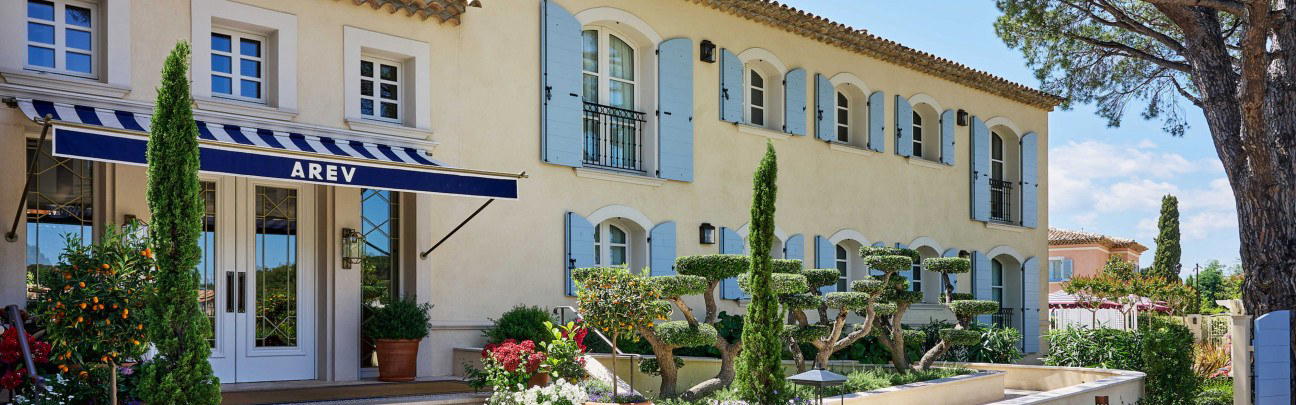
| Arev St Tropez | Modern Mediterranean Riviera | Not listed | World's Best Wine Lists Awards WBWL 2-Star | near Place des Lices |
| Dior Des Lices | Modern French Mediterranean | $150–200 | Not listed | Place des Lices |
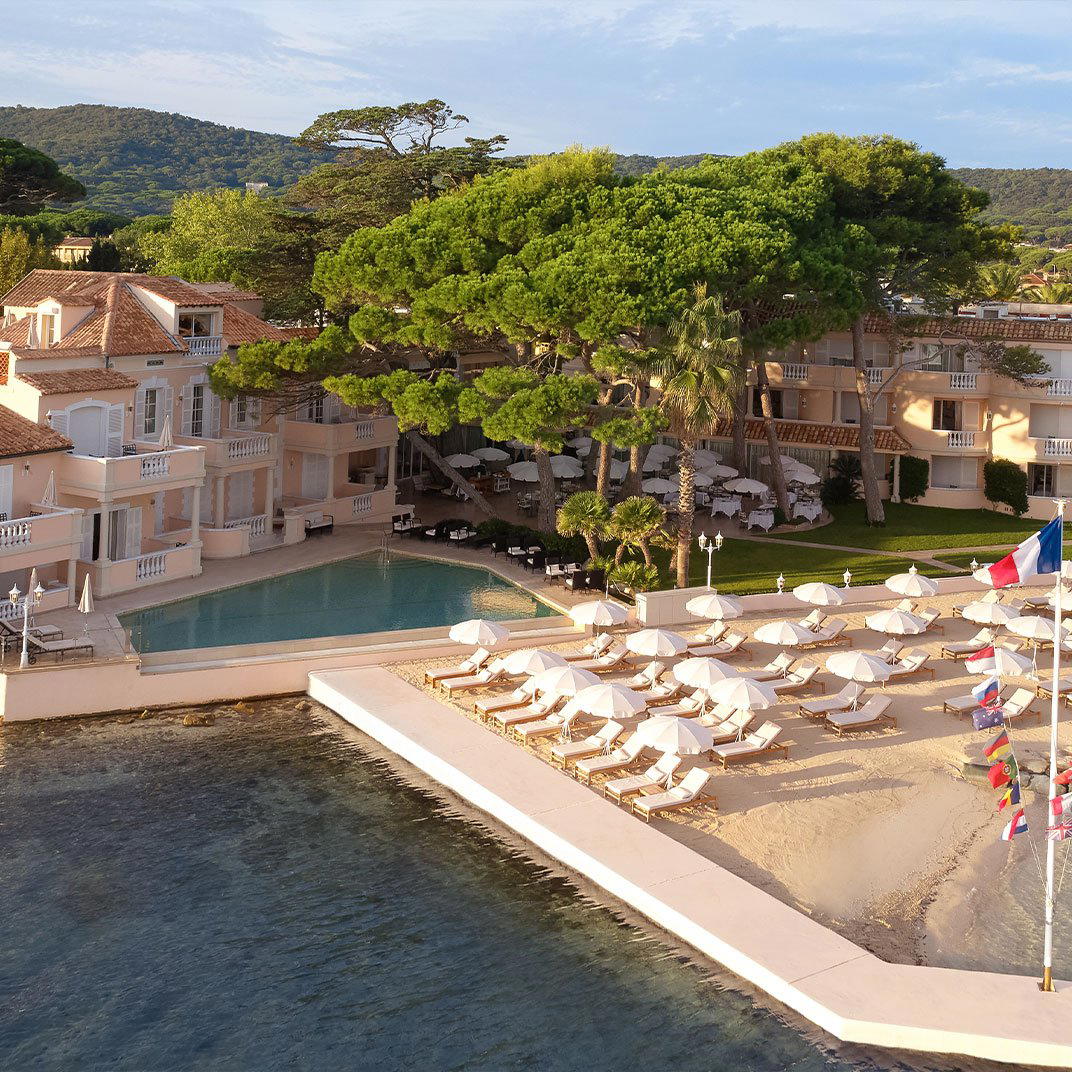
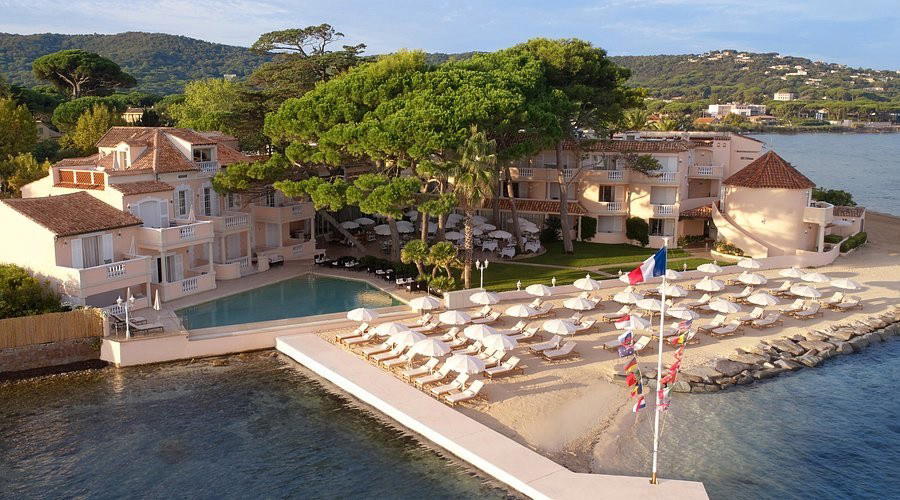
| La Residence de la Pinede (la Vague d'Or) | Modern French Fine Dining | Not listed | Not listed | Plage de la Bouillabaisse |
| Le Bistro de la Bastide | Italian Mediterranean Bistro | $100–150 | Not listed | Bastide quarter |
| Café des Arts | Provençal Brasserie | $20–30 | Not listed | Place des Lices |
Continue exploring
More in Saint-Tropez
Restaurants in Saint-Tropez
Browse all →
Bars in Saint-Tropez
Browse all →
Hotels in Saint-Tropez
Browse all →

Details
- Well Known
- Elegant
- Lively
- Classic
- Scenic
- Brunch
- Casual Hangout
- Celebration
- Special Occasion
- Waterfront
- Terrace
- Historic Building
- Extensive Wine List
- Waterfront
- Street Scene
- A La Carte
- Signature Rosé
- Champagne
- Vegetarian Friendly
Current opening hours
- Monday
- 8 AM–1 AM
- Tuesday
- 8 AM–1 AM
- Wednesday
- 8 AM–1 AM
- Thursday
- 8 AM–1 AM
- Friday
- 8 AM–1 AM
- Saturday
- 8 AM–1 AM
- Sunday
- 8 AM–1 AM
Hours can change for holidays and private events. Last verified .
Chic and inviting quayside terrace with lively red canopies, yacht views, and lively Mediterranean buzz.