Le Bistro de la Bastide
Our verdict
Positioned along the Route des Carles in Saint-Tropez's quieter Bastide quarter, Le Bistro de la Bastide operates outside the port-side spectacle that defines much of the town's dining scene. The address anchors itself in the sourcing geography of the Var and the broader Provençal table, offering a bistro-format alternative for visitors whose priority is the food rather than the harbour view.

Pearl is the En Primeur Club membership app — saves, bookings, and concierge access live there. Same editors, same standards.
- Address
- Rte des Carles, 83990 Saint-Tropez, France
- Phone
- +33494558255
- Hours
- Daily 12–2:30 PM, 7:30–10:30 PM
- Website
- bastide-saint-tropez.com
- Directions
- Get directions
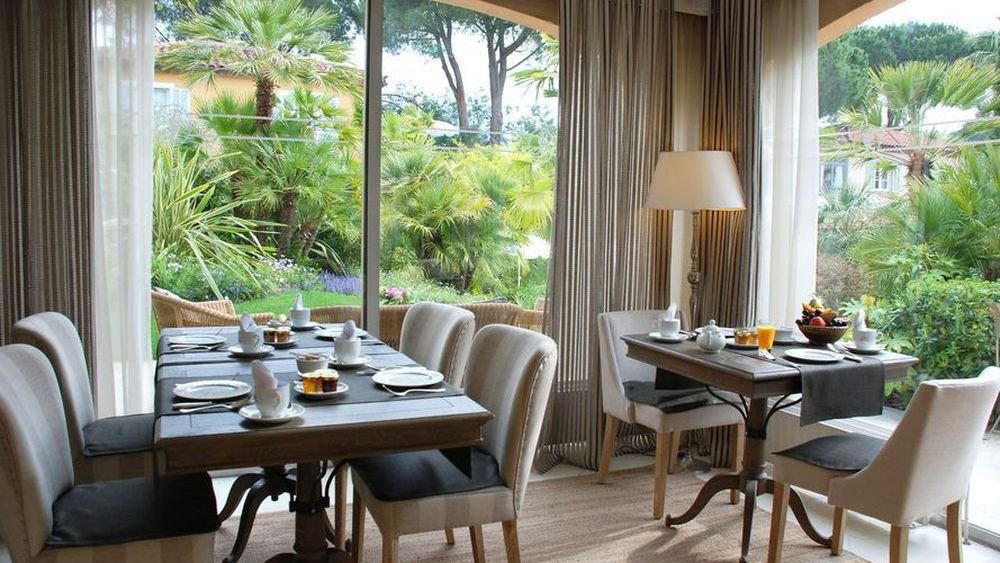
Route des Carles and the Provençal Table
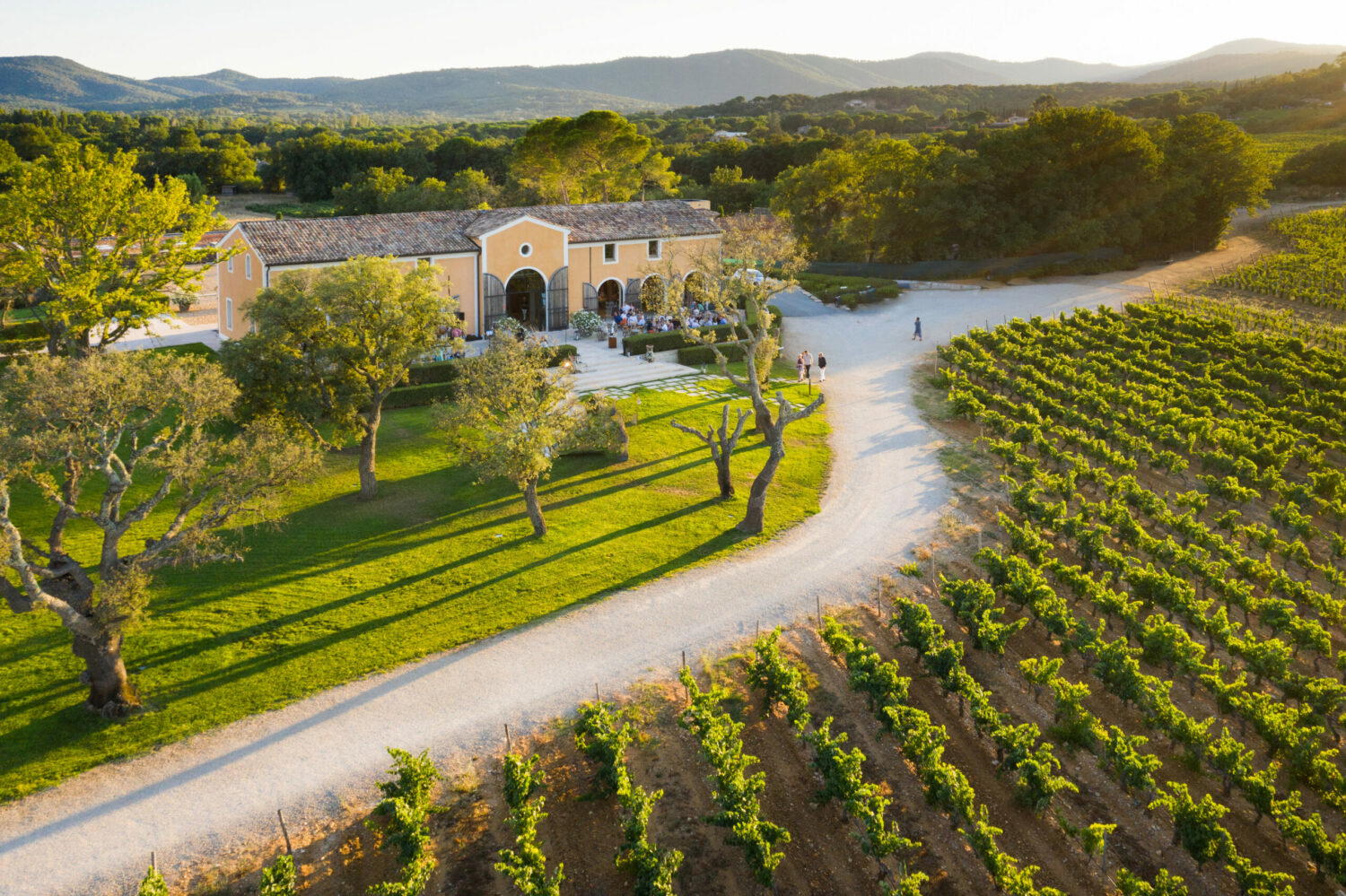
The road that leads out toward the Bastide quarter of Saint-Tropez carries a different character from the port-side crush of the town centre. The pace drops. Pine and olive press closer to the tarmac. Restaurants here tend to anchor themselves in the land rather than in the spectacle of the harbour, and Le Bistro de la Bastide sits within that logic, positioned along the Route des Carles in a setting shaped more by the agricultural hinterland of the Var than by the seasonal theatre of the Pampelonne strip.
In the broader context of Saint-Tropez dining, this matters. The town's most prominent tables, from the brasserie terraces around the Place des Lices to the hotel restaurants commanding sea views, operate on a register defined by visibility and occasion. The Bastide quarter offers a counter-current: addresses that draw a more locally rooted clientele and where the sourcing logic of Provençal cuisine, specifically the network of small producers across the Var and the Alpes-Maritimes, can assert itself without competing with the spectacle of a sunset aperitif crowd.
What Provençal Sourcing Actually Means Here
The editorial angle worth holding onto with a restaurant in this position is not which dishes appear on the menu, but where the ingredients originate and what that implies about the kitchen's priorities. Provence is one of France's most coherent producing regions, with a density of market gardeners, sheep farmers, olive oil producers, and coastal fisheries that gives a kitchen genuine choices unavailable in a city import market. The Var's tomatoes, the lavender-fed lamb from the Haute-Provence plateau, the rougets and loups pulled from the Mediterranean littoral, the courgette blossoms that define mid-summer Provençal plates, all of these represent a sourcing geography that separates regionally committed kitchens from those running pan-European supply chains dressed in local nomenclature.
For comparisons of what full commitment to that sourcing philosophy looks like at the highest tier of French cooking, Mirazur in Menton operates its own kitchen gardens on the Franco-Italian border, while Bras in Laguiole has built a four-decade reputation around the flora of the Aubrac plateau. Closer to the Riviera, AM par Alexandre Mazzia in Marseille works within a Mediterranean sourcing framework at three-Michelin-star intensity. A bistro-register address like Le Bistro de la Bastide operates at a different price tier and ambition level, but the regional sourcing context it inherits is the same.
The Saint-Tropez Restaurant Field
Saint-Tropez's dining scene divides along fairly predictable lines. There is the port-adjacent, see-and-be-seen category, which includes several well-known brasseries and hotel terraces. There is the mid-market category around the Place des Lices, where Café des Arts and Chez Madeleine occupy different positions within the same general price conversation. And there is a smaller category of addresses operating with a quieter footprint outside the centre, where the audience skews toward repeat visitors and those more interested in the food than the social geometry of the terrace arrangement.
Also worth knowing in this context: Le Girelier has long held a position as one of the town's reference points for Mediterranean fish cookery, while Dior Des Lices represents the fashion-house crossover format that has become more common in high-traffic Riviera destinations. Gandhi anchors a different corner of the offer entirely, serving the town's international-cuisine segment. Le Bistro de la Bastide, by address alone, positions itself outside the central competitive cluster and toward a more neighbourhood-scaled register.
For the full picture of how these addresses relate to one another, the EP Club Saint-Tropez restaurants guide maps the town's options with editorial commentary across categories.
French Bistro Form and What It Promises
The bistro format, as a category of French dining, carries real meaning. It implies a certain directness in cooking, an emphasis on product quality over technical elaboration, a wine list that does not require a sommelier to interpret, and a room that functions more as a neighbourhood dining room than as a stage. Across France, the bistro has proven more durable than the formal grande salle precisely because it carries less overhead and allows a kitchen to express seasonality without the weight of tasting-menu expectations.
The reference tier of French cooking, whether Alléno Paris au Pavillon Ledoyen in Paris, Flocons de Sel in Megève, Troisgros - Le Bois sans Feuilles in Ouches, or Auberge de l'Ill in Illhaeusern, operates on entirely different structural and financial terms. But the bistro format they sit above remains the most honest expression of regional French cooking because it cannot hide behind ceremony. A well-sourced dish at a bistro table reveals itself immediately.
For those tracking how French culinary rigour translates in non-French contexts, Paul Bocuse - L'Auberge du Pont de Collonges in Collonges-au-Mont-d'Or, Assiette Champenoise in Reims, Au Crocodile in Strasbourg, Le Bernardin in New York City, and Atomix in New York City illustrate the span of what French technique, deployed at different registers and geographies, can produce.
Planning a Visit
Le Bistro de la Bastide sits on the Route des Carles, southeast of the town centre, which in practical terms means arriving by car or taxi rather than on foot from the port. In high season, from late June through August, Saint-Tropez's road network becomes genuinely congested, and the Bastide quarter is no exception. Visiting in shoulder season, specifically May, early June, or September, offers a more navigable approach and a town that functions on calmer terms without the full weight of summer occupancy.
Frequently asked questions
Can I bring kids to Le Bistro de la Bastide?
The Route des Carles address puts the restaurant away from the compressed foot traffic of Saint-Tropez's port area, which tends to make for a calmer dining environment than the harbour-front alternatives. Bistro-format restaurants in France generally run without rigid formality, and this setting is more suited to a relaxed family meal than the high-visibility scene venues closer to the centre. Confirm directly with the restaurant before visiting, as seasonal policies can vary.
What kind of setting is Le Bistro de la Bastide?
Le Bistro de la Bastide sits on the Route des Carles in the Bastide quarter, southeast of Saint-Tropez's town centre, which immediately separates it from the port-adjacent restaurants that dominate the town's dining conversation. The bistro format signals a degree of informality — the emphasis is on the food and the table, not the spectacle of who is sitting nearby. If harbour views and crowd-watching are the priority, this address is not the right fit; if the goal is a meal without the premium attached to port proximity, it is.
Is Le Bistro de la Bastide a good option for lunch in Saint-Tropez away from the port crowds?
The Route des Carles address in the Bastide quarter places it outside the concentrated tourist circuit that makes port-side lunch in Saint-Tropez an expensive and often rushed experience. The bistro format, standard in this part of Provence, typically supports a midday service built around a shorter, market-led menu. For visitors based southeast of the centre, or arriving by car, the location is practical as well as quieter.
What dish is Le Bistro de la Bastide famous for?
The Provençal regional context, however, points toward a kitchen drawing on ingredients from the Var department — markets like Sainte-Maxime and the producers of the Maures hinterland supply the kind of seasonal produce, olive oil, and fish that define honest southern French cooking. The bistro format suggests the menu follows product availability rather than a fixed showcase dish.
Where exactly is Le Bistro de la Bastide?
Le Bistro de la Bastide is located at Rte des Carles, 83990 Saint-Tropez, France, Saint Tropez.
What's the best way to book Le Bistro de la Bastide?
In Saint-Tropez's high season, which runs from late June through August, restaurants at this address fill quickly as visitors look beyond the saturated port strip. Arriving in person during a quieter midday service or using a local hotel concierge familiar with the Bastide quarter are practical approaches when direct booking channels are unclear.
What makes Le Bistro de la Bastide worth seeking out?
Its position on the Route des Carles, outside Saint-Tropez's central competitive cluster, is itself a meaningful differentiator. Restaurants in the Bastide quarter trade harbour visibility for something the port-facing addresses cannot easily offer: a table where the conversation about what is on the plate is not competing with the theatre of who walked in. For a town where dining prices are heavily inflated by location premium, that trade is not a small one.
In Context: Similar Options
Comparable venues nearby, for context on price, style, and recognition.
| Venue | Cuisine | Price | Awards | Notes |
|---|---|---|---|---|
| Le Bistro de la BastideThis venue — the venue you are viewing | Italian Mediterranean Bistro | $100–150 | Not listed | Not listed |
| L'Isoletta | Italian Trattoria | $50–100 | Relais Chateaux Award | Saint-Tropez |
| Les Viviers du Pilon | Mediterranean Seafood & Shellfish | $100–150 | Not listed | Quartier du Pilon |
| Le Girelier | Classic French Seafood | Not listed | Not listed | Vieux Port |
| Chez Madeleine | Fresh Seafood & Oyster Bar | $30–50 | Not listed | Old Town |
| Dior Des Lices | Modern French Mediterranean | $150–200 | Not listed | Place des Lices |
Continue exploring
More in Saint-Tropez
Restaurants in Saint-Tropez
Browse all →
Bars in Saint-Tropez
Browse all →
Hotels in Saint-Tropez
Browse all →

Details
- Romantic
- Cozy
- Elegant
- Intimate
- Classic
- Date Night
- Special Occasion
- Hotel Restaurant
- Terrace
- Garden
- Extensive Wine List
- Local Sourcing
- Garden
- A La Carte
Current opening hours
- Monday
- 12–2:30 PM, 7:30–10:30 PM
- Tuesday
- 12–2:30 PM, 7:30–10:30 PM
- Wednesday
- 12–2:30 PM, 7:30–10:30 PM
- Thursday
- 12–2:30 PM, 7:30–10:30 PM
- Friday
- 12–2:30 PM, 7:30–10:30 PM
- Saturday
- 12–2:30 PM, 7:30–10:30 PM
- Sunday
- 12–2:30 PM, 7:30–10:30 PM
Hours can change for holidays and private events. Last verified .
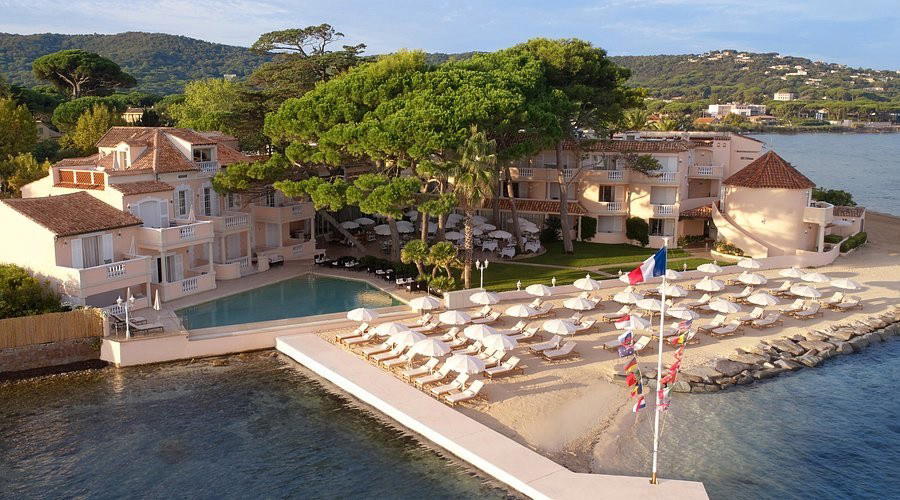
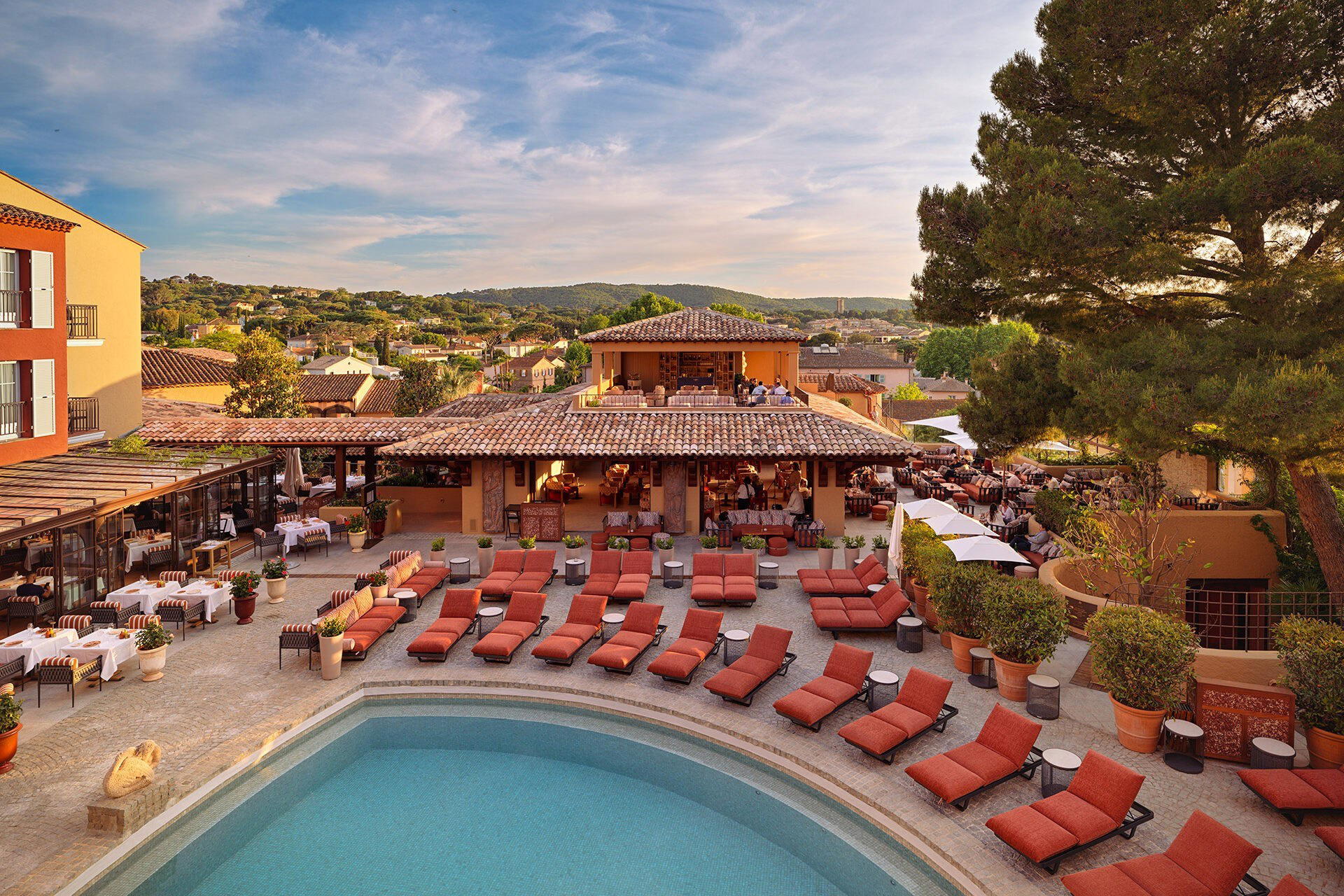
Charming and cozy atmosphere with warm service, terraces overlooking garden and pool, and stylish conservatory-style setting.