
Sendai Chuka Soba Meiten Kaichi Kokubuncho ten is a counter-only ramen address in Aoba Ward with repeated Tabelog Ramen EAST 100 selections from 2017 through 2025. Its place in Sendai matters because it shows the city’s appetite for concise, lunch-focused ramen formats rather than only higher-spend dining rooms.
Pearl is the En Primeur Club membership app — saves, bookings, and concierge access live there. Same editors, same standards.
- Address
- 3 Chome-8-12 Kokubuncho, Aoba Ward, Sendai, Miyagi 980-0803, Japan
- Phone
- +81 22-265-5907
- Website
- x.com
 Saves & bookings on Pearl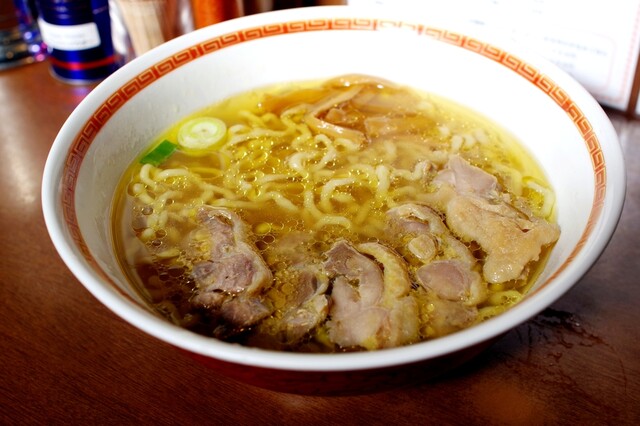
Kokubuncho is better known nationally for after-dark drinking than for quiet midday concentration, but Sendai’s ramen culture often works in the opposite rhythm: small rooms, short service windows, counter seats, and a bowl treated as a complete argument rather than a prelude to the evening. In that context, Sendai Chuka Soba Meiten Kaichi Kokubuncho ten belongs to a precise local category. It is not trying to compete with the city’s spendier sushi counters or izakaya dinners; it sits inside the democratic, high-scrutiny world of ramen, where turnover, broth identity, and repeat recognition carry more weight than ceremony.
That matters in Sendai because the city’s dining character is split between regional specialities, polished urban restaurants, and compact single-purpose shops. Visitors mapping the city through restaurants will find one version of Sendai in the premium dinner bracket at Ako, another in the casual sweets-and-snack rhythm around ankoya Ekimae ten, and another in the narrow ramen rooms clustered around central transit and office districts. The ramen counter has its own rules: less lingering, fewer decorative cues, and a sharper test of whether the kitchen’s central idea holds up bowl after bowl.
Sendai ramen culture, stripped to the counter
Chuka soba occupies a different emotional register from maximalist ramen. The form usually signals clarity over excess: a soup-first bowl shaped by stock, seasoning, noodles, and restraint. In Tohoku, where winter and workday lunch culture both matter, that restraint does not mean lightness in ambition. It means the bowl has to carry satisfaction without the spectacle that often defines metropolitan ramen tourism.
The Kokubuncho branch’s repeated inclusion in Tabelog’s Ramen EAST 100, with selections listed annually from 2017 through 2025, places it in a durable peer group rather than a novelty cycle. Tabelog’s ramen lists reward restaurants that can survive local repeat customers and destination diners at the same time. A 3.76 Tabelog score further signals that this is not merely a convenient neighborhood stop; it has accumulated enough critical mass to be measured against specialist ramen shops across eastern Japan.
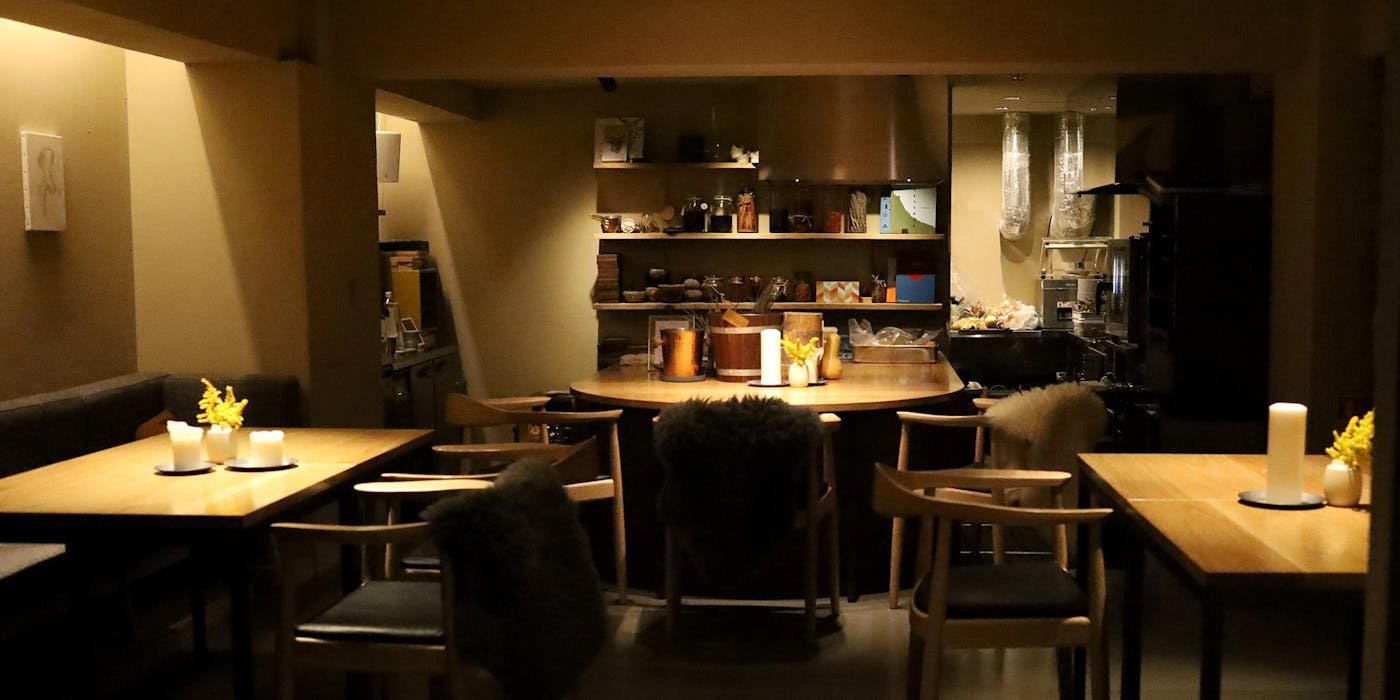
The room format reinforces the point. Counter-only ramen compresses the meal into a direct exchange between kitchen rhythm and diner pace. Fourteen seats is not a hospitality statement; it is an operating model. In Japan’s ramen tradition, that model creates a useful discipline. The kitchen cannot hide behind breadth, wine service, or private-room comfort. The question is whether the bowl justifies the wait, the turnover, and the decision to spend a meal slot here instead of somewhere broader.
Where it fits among Sendai's higher-spend rooms
Sendai’s restaurant map can mislead first-time visitors because the city rewards both ends of the spectrum. At one end are compact ramen and casual specialists; at the other are higher-ticket rooms such as Una Ki, Izakaya Chocho, Sushi Mino, and Ako, where the cost structure and pacing belong to a different evening economy. The useful comparison is not quality versus casualness. It is purpose. A ramen counter answers the lunch problem with precision, while a sushi counter or izakaya builds an evening around sequence, conversation, and spend.
That distinction is why Sendai Chuka Soba Meiten Kaichi Kokubuncho ten works as an editorial marker for the city rather than simply another ramen listing. It shows how central Sendai dining remains comfortable with specialization. The city does not ask every serious address to become a tasting-menu destination. A narrow format can earn sustained recognition if the execution is consistent enough and the identity is legible enough to regulars.
For a fuller city read, pair this ramen stop mentally with other Sendai categories rather than treating it as an isolated recommendation. achaar, Ademain, Ako, ankoya Ekimae ten, and Baisaou point to a city where specialist formats sit beside more composed dining rooms. The broader EP Club city pages help frame that spread: Our full Sendai restaurants guide, Our full Sendai hotels guide, Our full Sendai bars guide, Our full Sendai wineries guide, and Our full Sendai experiences guide are more useful together than any single stop in isolation.
How to read the recognition without overcomplicating the meal
Ramen awards can create the wrong expectation if approached like fine-dining medals. The better reading is operational: repeated list placement suggests consistency, not theatrical luxury. For travelers, that is useful intelligence. A counter-only ramen shop with long-running recognition belongs in the itinerary when the day calls for focus and efficiency, not when the goal is a slow multicourse meal.
The counter format also suits solo diners and small groups better than large parties. That is not a compromise; it is part of the ramen grammar. The experience is built around immediacy, quick decision-making, and the shared etiquette of a small room. Families are part of the stated audience, but the setting remains a compact counter rather than a sprawling dining room.
Nationally, Japan’s ramen culture has moved far beyond the old split between local comfort food and cult destination bowls. Specialist shops now function as culinary calling cards for cities, and Tohoku’s entries compete with Tokyo-area names on discipline rather than flash. Sendai’s advantage is that its ramen addresses are woven into ordinary central districts, not staged as tourist performance. Kokubuncho gives this one an especially practical urban backdrop: a food address in a nightlife neighborhood, operating by the codes of lunch and counter dining.
Travelers building a Japan-wide food map can use Sendai as a corrective to the usual Tokyo-Osaka gravity. Compare the way regional specificity appears here with different formats elsewhere, from -Grilled beef Sukiyaki- KAMAKURA TANUKIAN 鎌倉 たぬき庵 in Kamakura to. 鮪と炭火焼き うお炭 秋葉原店 in Tokyo.cafe in Osaka.know in Kumamoto, (Shoku) Vietnam in Kawasaki, and [Curry Senmon Ten] Maruyama Kyoju. in Sapporo. Even outside Japan, compact specialist formats carry their own cultural logic, as seen in Jōdo Saké Bar in Los Angeles and Onigiri Time in Pasadena. The lesson is simple: a narrow format can express a city as clearly as a long menu, provided the room knows exactly what it is there to do.
Booking and Cost Snapshot
Nearby venues at a similar price tier for orientation.
| Venue | Cuisine | Price | Notes |
|---|---|---|---|
| Sendai Chuka Soba Meiten Kaichi Kokubuncho tenThis venue — the venue you are viewing | Not listed | $ | Not listed |
| DASHIRO Sendai minamimachidoori honten | Not listed | $ | Aoba Dori Ichibancho, Traditional Japanese ramen focused on dashi |
| Shirayuki | Aoba Ward, Japanese Izakaya | $$ | Not listed |
| 鮨德 | Sendai, Japanese Restaurant | Not listed | Not listed |
| Tai Kichi Nakakechou ten | Not listed | $ | Aoba Ward, Japanese Taiyaki & Obanyaki Shop |
| sou | Not listed | $$$ | Aoba-ku, Yakitori Omakase with Japanese Wine Pairing |
Recognition history
Dated appearances from independent guides and award organizations, with the underlying list record or original source where available.
Tabelog 100 #63 · No. 63
Tabelog · Tabelog 100 - Ramen - EAST - 2025
At a Glance
- Cozy
- Classic
- Well Known
- Lively
- Solo
- Casual Hangout
- After Work
- Chefs Counter
- Open Kitchen
- Standalone
Current opening hours
- Monday
- 11 AM–3 PM
- Tuesday
- 11 AM–3 PM
- Wednesday
- Closed
- Thursday
- 11 AM–3 PM
- Friday
- 11 AM–3 PM
- Saturday
- 11 AM–3 PM
- Sunday
- 11 AM–3 PM
Hours can change for holidays and private events. Last verified .