Selmer's

Selmer's brings classic French technique to the North Frisian island of Sylt, operating from Munkmarsch at the mid-range price point in Germany's most weather-beaten luxury resort setting. For French cooking that reads as deliberate rather than decorative, this is a grounded choice.
Pearl is the En Primeur Club membership app — saves, bookings, and concierge access live there. Same editors, same standards.
- Address
- Lochterbarig 24, 25980 Sylt, Germany
- Phone
- +49 4651 3877
- Website
- speisekartenweb.de
- Directions
- Get directions
 Saves & bookings on Pearl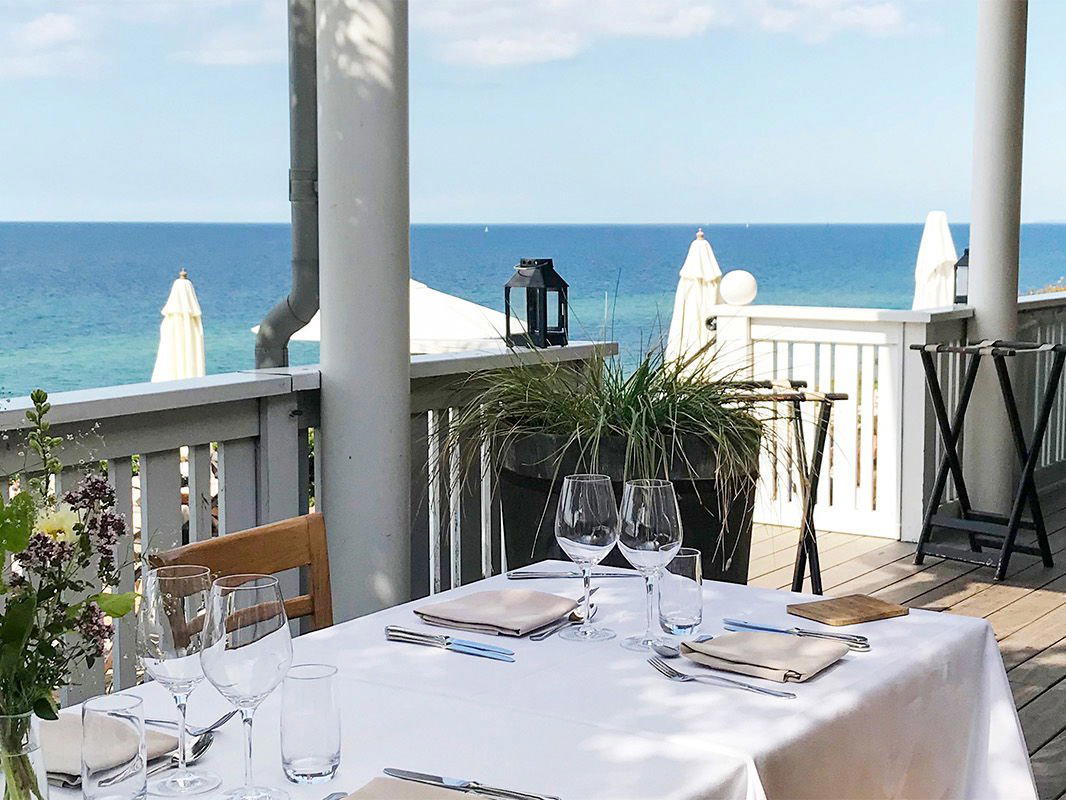
French Cooking at the Edge of the North Sea
Sylt sits at Germany's northernmost point, a narrow barrier island where the North Frisian tidal flats meet the open Atlantic fetch of the North Sea. The island's western shore absorbs weather that travels uninterrupted from Scandinavia; its restaurants, by contrast, have long operated inside a seasonal rhythm of affluence and expectation. On an island whose dining identity has been shaped more by wealthy Hamburg weekenders than by any coherent culinary tradition, the presence of a classically trained French kitchen in the village of Munkmarsch is worth examining on its own terms.
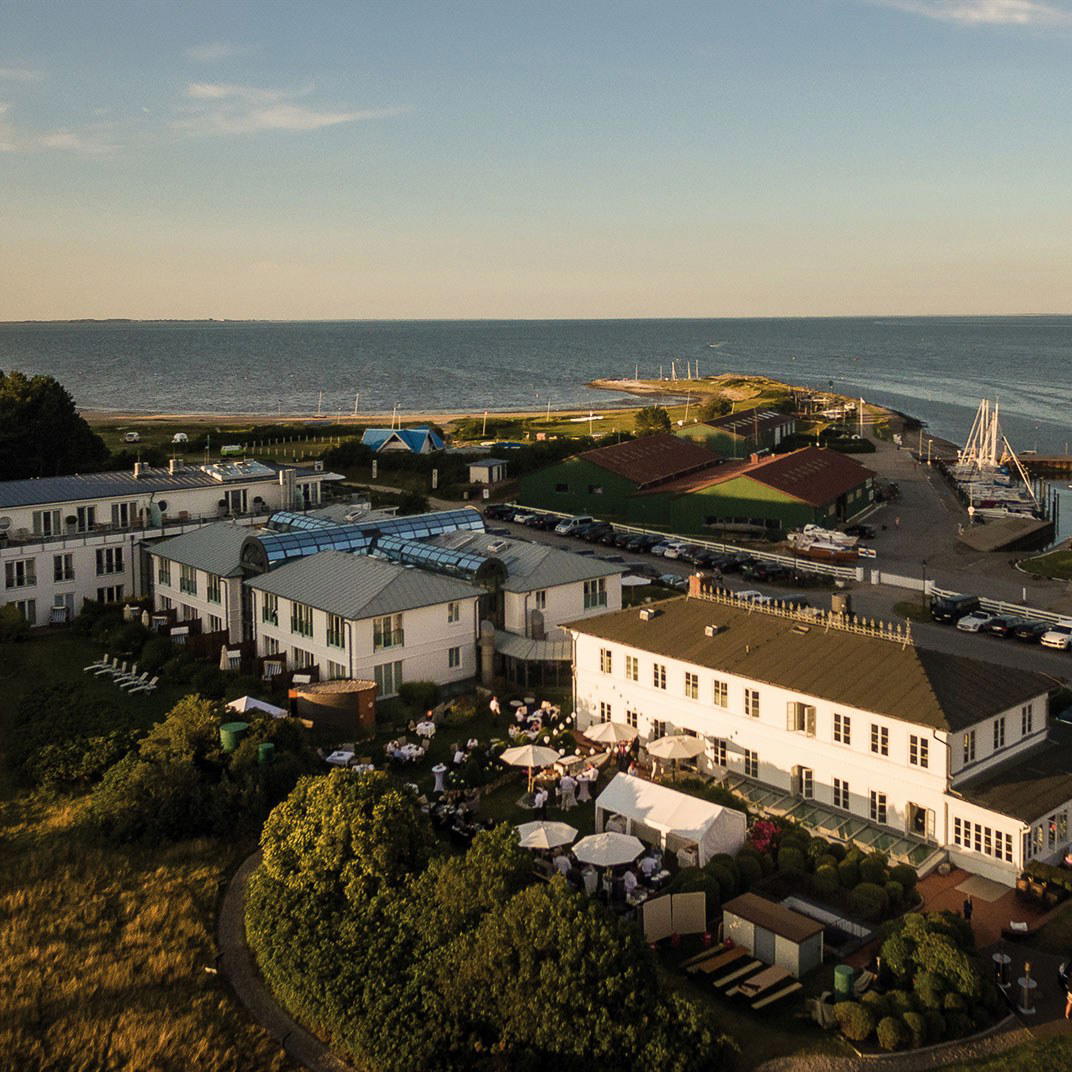
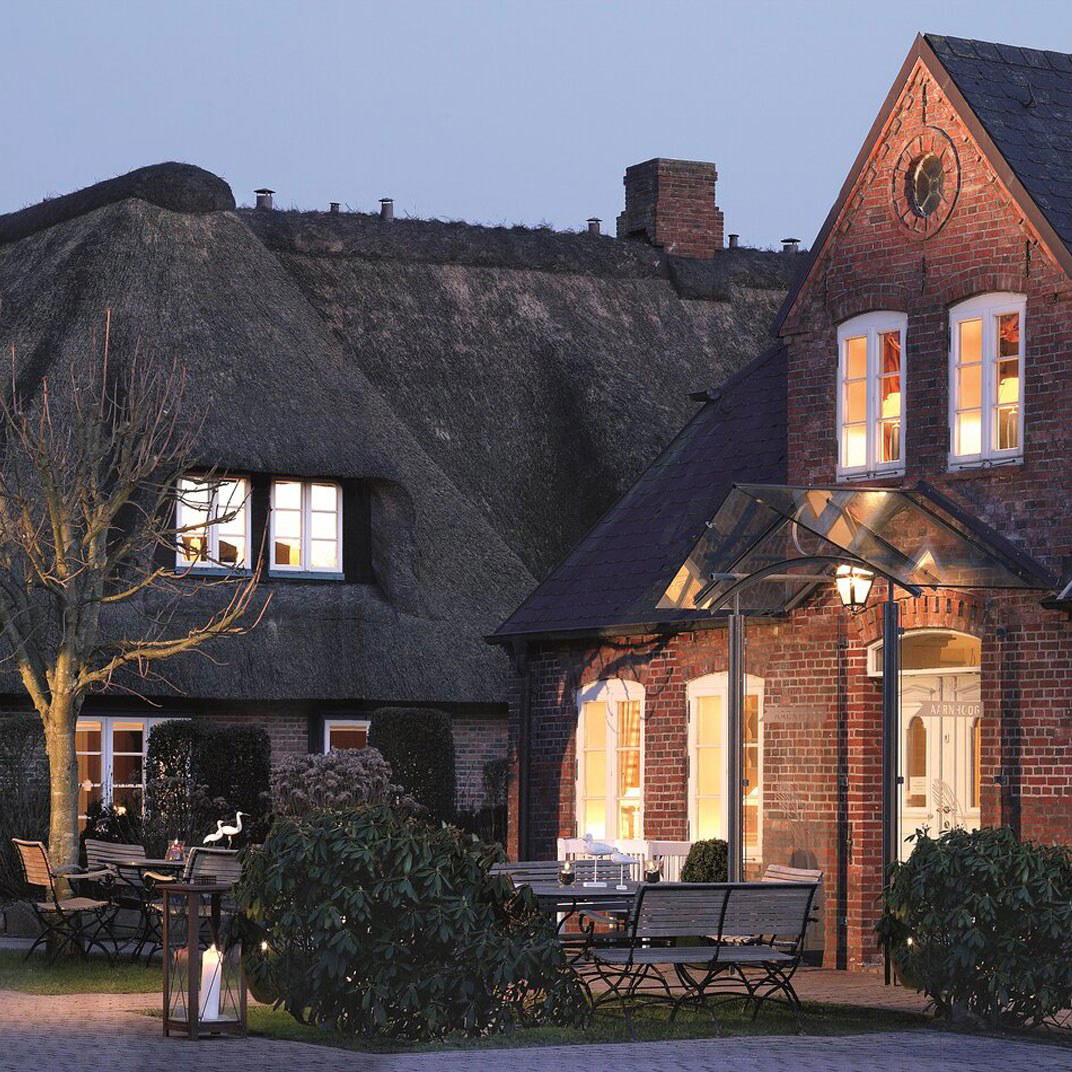
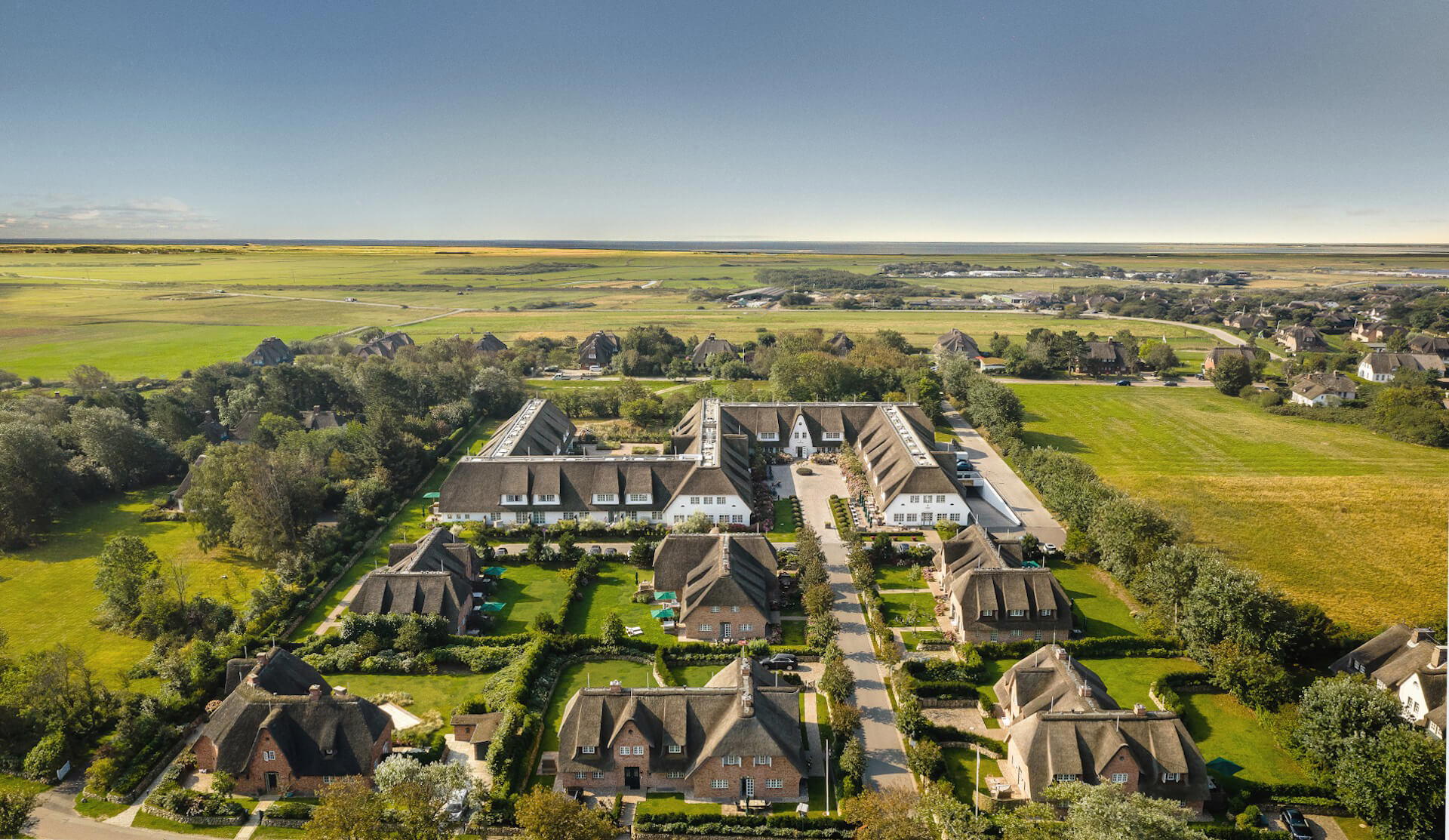
Selmer's occupies an address at Lochterbarig 24 in Munkmarsch, a quieter part of the island than the better-known resort town of Westerland a few kilometres south. Munkmarsch is a small settlement on the Sylt sound, oriented toward the calmer eastern waters rather than the dramatic Atlantic surf. That geographical positioning matters: the kitchen here draws from a tidal geography that produces notable shellfish, flatfish, and cold-water crustaceans, ingredients that classical French technique was, in many ways, built to handle. Beurre blanc, fumet, and the slow architecture of a French sauce programme find their most logical raw material in North Sea waters rather than in landlocked Central European kitchens further south.
Where Selmer's Sits in the German Fine Dining Picture
Germany's decorated restaurant scene clusters heavily around Baden-Württemberg, Bavaria, and the Rhineland. The Schwarzwaldstube in Baiersbronn and Vendôme in Bergisch Gladbach represent the country's highest tier of classic and modern European cooking, both operating at €€€€ price points with multi-star recognition. Further south, Waldhotel Sonnora in Dreis and Victor's Fine Dining by Christian Bau in Perl anchor a tradition of French-influenced German fine dining that stretches back decades. Against these reference points, Selmer's operates at €€, a notably different price position, and holds a 2024 Michelin Plate.
The Michelin Plate is a meaningful marker in a context like Sylt. The island's seasonal tourism economy produces a wide range of restaurants that cater almost exclusively to summer visitors, with quality that fluctuates accordingly. A Plate recognition implies a kitchen maintaining consistent standards across the season, which on Sylt carries more operational weight than it might in a year-round urban dining environment.
For comparable classic French execution at the mid-range tier in Germany, the competitive set is thin. Most kitchens operating in the French tradition at this price level have drifted toward bistro informality or brasserie formats. A kitchen holding Michelin recognition while working in the classic French mode at €€ is a relatively uncommon configuration, particularly outside major urban centres.
The Case for Classic French on the North Frisian Coast
Classic French cuisine, in its strict sense, refers to a codified approach to sauce-making, preparation hierarchy, and ingredient treatment that descends from Escoffier-era professional kitchens. It is a tradition built on provenance in a specific way: the idea that premium ingredients deserve structured, technique-driven amplification rather than minimal intervention. That logic maps unusually well onto North Sea seafood, where a Dover sole, a langoustine, or a turbot benefits from classical preparation in ways that raw or lightly dressed formats cannot always achieve in cold-climate ingredients.
The terroir argument for French cooking on Sylt is, in this sense, stronger than it might first appear. While the cuisine style originates in France, the island's access to the same cold Atlantic shelf that supplies Brittany's leading seafood gives a classically trained kitchen here genuine raw material to work with. The French approach to sole meunière, for instance, was designed for fish from these precise latitudes. Restaurants working in the same tradition at the highest level in the French-speaking world, such as the Waterside Inn in Bray or Cheval Blanc by Peter Knogl in Basel, demonstrate how durable the classic French format remains when the underlying ingredients are right.
Planning a Visit
Sylt is accessible by car or rail via the Hindenburgdamm causeway from the mainland town of Niebüll, or by air through Sylt Airport (GWT) which receives seasonal flights from Hamburg and other German cities. Westerland is the island's main transport hub; Munkmarsch is a short drive or cycle north along the sound-side road. Given Sylt's compressed summer season and the limited number of Michelin-recognised tables on the island, advance booking is advisable for visits between June and September. The €€ price positioning means the restaurant is accessible without the commitment of a full fine-dining budget, which makes it a practical choice for visitors also considering accommodation costs on an island where hotels at comparable quality levels can run significantly higher.
For those building a wider itinerary across Germany's French-influenced fine dining circuit, the contrast between the restaurant mid-range positioning and higher-tier kitchens like JAN in Munich, Restaurant Haerlin in Hamburg, or Schanz in Piesport illustrates how far the French tradition has spread through the German dining infrastructure at multiple price levels. Aqua in Wolfsburg, CODA Dessert Dining in Berlin, and ES:SENZ in Grassau show the creative departures from that tradition, while Bagatelle in Trier offers another regional data point for classic French formats operating outside major urban centres.
Quick Comparison
Comparable venues nearby, for context on price, style, and recognition.
| Venue | Cuisine | Price | Awards | Notes |
|---|---|---|---|---|
| Selmer'sThis venue — the venue you are viewing | North Frisian European | $$$$ | Michelin Plate | Not listed |
| Salon 1900 | Modern Regional German | $$$ | Michelin Plate | Keitum |
| Landhaus Stricker | Modern German Fine Dining | $$$$ | Not listed | Tinnum |
| James Farmhouse | Modern Farm-to-Table Northern German | $$$ | Michelin Plate | Mürwik |
| Bodendorf’s | Creative Michelin-Starred German Fine Dining | $$$$ | Not listed | Sylt-Ost |
| Kaufmannsladen | Modern North German Steak & Grill | $$$ | Michelin Plate | Düsternbrook |
Recognition history
Dated appearances from independent guides and award organizations, with the underlying list record or original source where available.
Michelin Plate
Michelin
Continue exploring
More in Munkmarsch
Restaurants in Munkmarsch
Browse all →
Bars in Munkmarsch
Browse all →
At a Glance
- Cozy
- Elegant
- Date Night
- Special Occasion
- Waterfront
- Extensive Wine List
- Waterfront
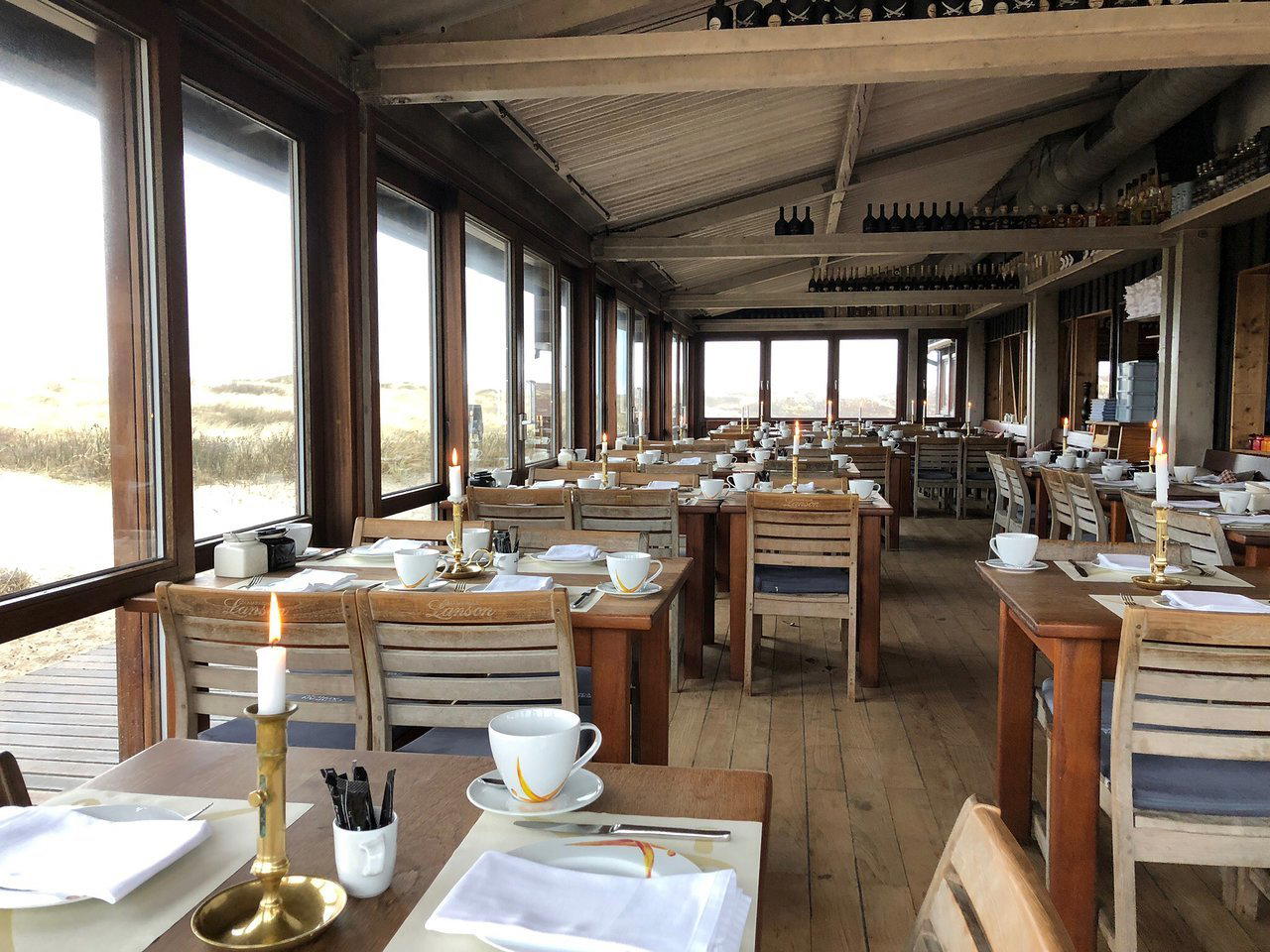
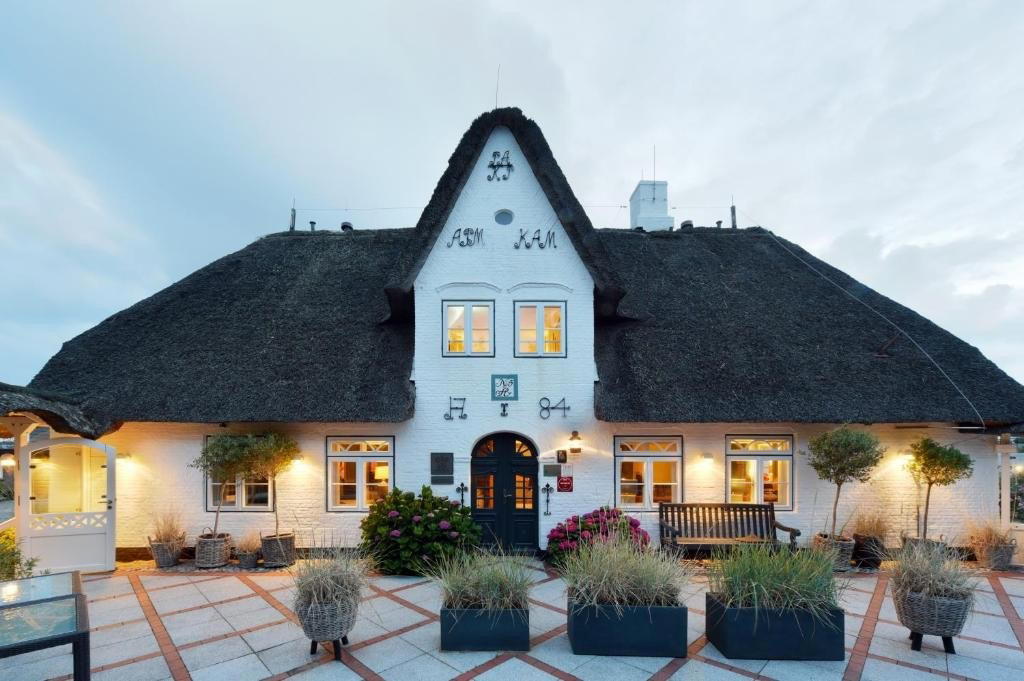
Casual atmosphere with friendly and attentive service in a relaxing hideaway setting.