

Landhaus Stricker in Sylt delivers contemporary French tasting menus led by Grand Chef Holger Bodendorf. Must-try dishes include Breton cod with nut butter foam and US prime beef onglet with peppery jus; the multi-course chef’s tasting menu highlights seasonal island produce. The Michelin-starred Bodendorf's pairs creative cuisine with an extensive wine cellar of more than 1,200 labels and a chic Miles Bar for aperitifs. Located centrally on Sylt, the property also offers hotel amenities, various sauna options and family-friendly service, creating a refined yet relaxed experience that balances precise technique with bold, island-driven flavors.
Pearl is the En Primeur Club membership app — saves, bookings, and concierge access live there. Same editors, same standards.
- Address
- Boy-Nielsen-Straße 10, 25980 Sylt, Germany
- Phone
- +49 4651 88990
- Website
- landhaus-stricker.com
- Directions
- Get directions
 Saves & bookings on Pearl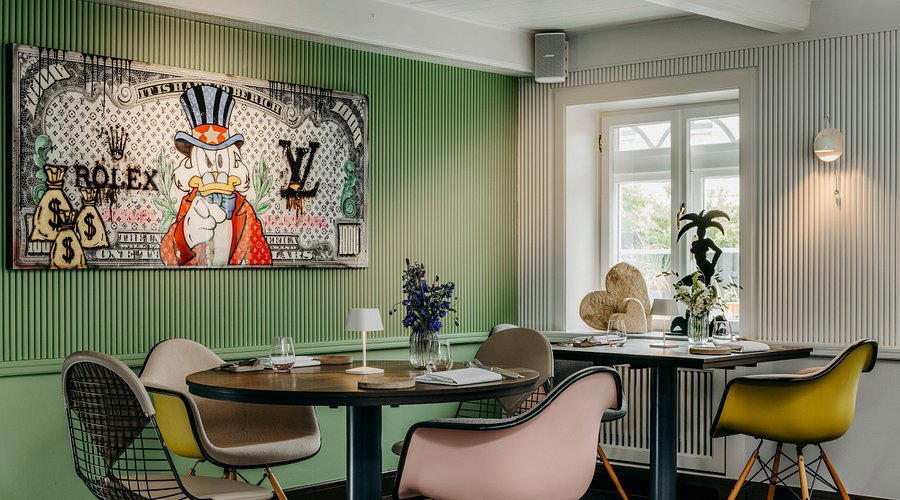
Where the North Sea Sets the Terms
On an island where the wind shapes everything, including the pace of a meal, Sylt's dining character has always been defined by its geography as much as its kitchens. The North Frisian coastline delivers ingredients with seasonal precision: lamb from the salt marshes, fish pulled from the Wadden Sea, herbs that grow low and concentrated under constant Atlantic exposure. Landhaus Stricker, positioned centrally on the island at Boy-Nielsen-Straße 10, is a restaurant serving Modern German Fine Dining under chef Josep Espuga.
Sylt occupies a specific position in the German fine dining conversation. It is not Berlin, where creative formats and late-night energy define the scene, nor is it the deep countryside of the Black Forest, where establishments like Schwarzwaldstube in Baiersbronn have built reputations across decades of classical French technique. Sylt's premium dining draws from both resort logic and serious kitchen ambition, a combination that produces a different kind of demand from guests arriving for long weekends and summer seasons rather than destination pilgrimages.
Chef Josep Espuga and the Question of Influence
Spanish-trained chefs working in Northern European coastal settings represent a particular strand of contemporary fine dining. The combination of Mediterranean technical discipline, a deep comfort with preserved and cured ingredients, and an instinct for acidity and balance translates productively to coastline kitchens where the raw material is excellent but the climate demands more from the plate. Josep Espuga brings that background to Landhaus Stricker's kitchen, and the pairing of Spanish culinary formation with German coastal ingredients is the operative tension at the centre of what this kitchen produces.
To understand where Espuga's training places Landhaus Stricker in context, it helps to look at how Spanish-influenced chefs have navigated northern European settings elsewhere. The result, when it works, tends toward precision with seasonal produce rather than Iberian nostalgia, the chef's background informing technique and creative instinct without the menu becoming a geography lesson. The German coastal designation here is not a constraint but a framework, and the La Liste recognition at 81.5 points places the restaurant in company with a cohort of German restaurants operating at high technical levels, including JAN in Munich, Aqua in Wolfsburg, and Vendôme in Bergisch Gladbach.
The Property and What It Offers
Relais and Châteaux membership is a useful shorthand for understanding the restaurant's positioning. The group's selection criteria prioritise character over size, culinary commitment over hotel-amenity completeness, and a sense of place over brand standardisation. Properties in the collection are expected to carry their location in their identity, not simply occupy it. On Sylt, that means engaging seriously with the island's seasonal rhythms, its weather-driven sense of arrival, and the particular expectation guests bring to a North Sea escape.
The property combines creative cuisine with a wellness dimension that includes sauna options. The family-friendly positioning is notable in a Relais property: it signals a format broader than the austere tasting-menu-only model, which distinguishes the restaurant from the single-track fine dining experiences at, say, CODA Dessert Dining in Berlin or ES:SENZ in Grassau. Here, the kitchen's ambition and the property's accessibility are held in balance rather than traded off against each other.
German Coastal Cuisine as a Category
The German coastal food tradition is less codified than its French or Italian counterparts, which makes chefs working in it both freer and less protected by convention. At its baseline, it involves North Sea fish, Wadden Sea shellfish, marsh lamb, locally grown root vegetables, and a long tradition of preservation through smoking, curing, and fermentation that predates modern gastronomy. At its more ambitious end, it becomes a platform for chefs to bring external technique to bear on notable local material.
The restaurant's La Liste entry places it alongside a slice of German restaurants that have drawn international attention: Restaurant Haerlin in Hamburg, which operates within the German north's more urban fine dining framework, and Kurt in Stolpe an der Peene, which works from a coastal German context closer to the Baltic. The comparison across these kitchens maps the range of what serious cooking on Germany's northern coastlines looks like. For a wider view of how German fine dining positions itself globally, the contrast with classically framed French-influenced houses such as Waldhotel Sonnora in Dreis or Victor's Fine Dining by Christian Bau in Perl is instructive. Those rooms are built around a different kind of formality and a different relationship to French technique. The restaurant, working within the Relais and Châteaux structure but pointing toward German coastal identity, occupies a distinct register.
For context on how coastal fine dining operates in an international frame, Le Bernardin in New York City represents one model of what rigorous commitment to seafood-led cuisine can produce over decades. The comparison is not about parity, but about the logic of building a kitchen identity around what the water provides.
Planning a Visit to Sylt
Sylt is reached by car via the Hindenburgdamm causeway from the mainland at Niebüll, or by Sylt Shuttle train, which carries vehicles across. A direct rail service also runs from Hamburg to Westerland, Sylt's main town, making a weekend from the city viable without a car. The restaurant's central island location means it is accessible from most parts of Sylt without a long drive. The island's high season runs from late spring through early autumn, when accommodation is tighter and restaurant bookings at premium properties fill further ahead.
For further context on creative cooking approaches in Germany, Schanz in Piesport and Bagatelle in Trier are worth cross-referencing.
Side-by-Side Snapshot
Comparable venues nearby, for context on price, style, and recognition.
| Venue | Cuisine | Price | Notes |
|---|---|---|---|
| Landhaus StrickerThis venue — the venue you are viewing | Modern German Fine Dining | $$$$ | Not listed |
| Siebzehn84 | Modern German Fine Dining | $$$$ | Tinnum |
| Bodendorf’s | Creative Michelin-Starred German Fine Dining | $$$$ | Sylt-Ost |
| Samoa Seepferdchen | Regional German Seafood with Euro-Asian Influences | $$ | Rantum |
| Johannes King Genuss Shop | German Regional Bistro & Deli | $$$ | Keitum |
| Sansibar | Beach Seafood & International | $$$ | Rantum |
Recognition history
Dated appearances from independent guides and award organizations, with the underlying list record or original source where available.
La Liste Top Restaurants
La Liste
Relais Chateaux Award
Relais Chateaux

At a Glance
- Elegant
- Cozy
- Sophisticated
- Rustic
- Date Night
- Special Occasion
- Historic Building
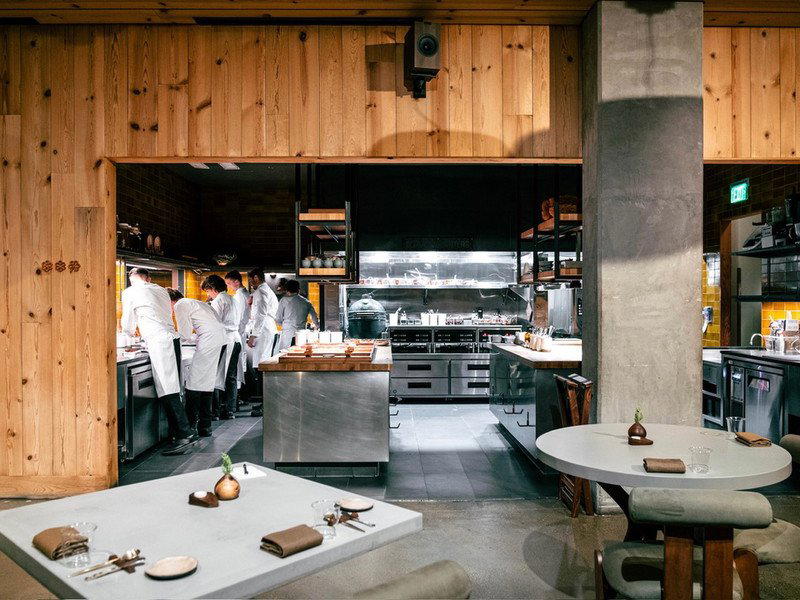
- Open Kitchen
- Extensive Wine List
- Garden
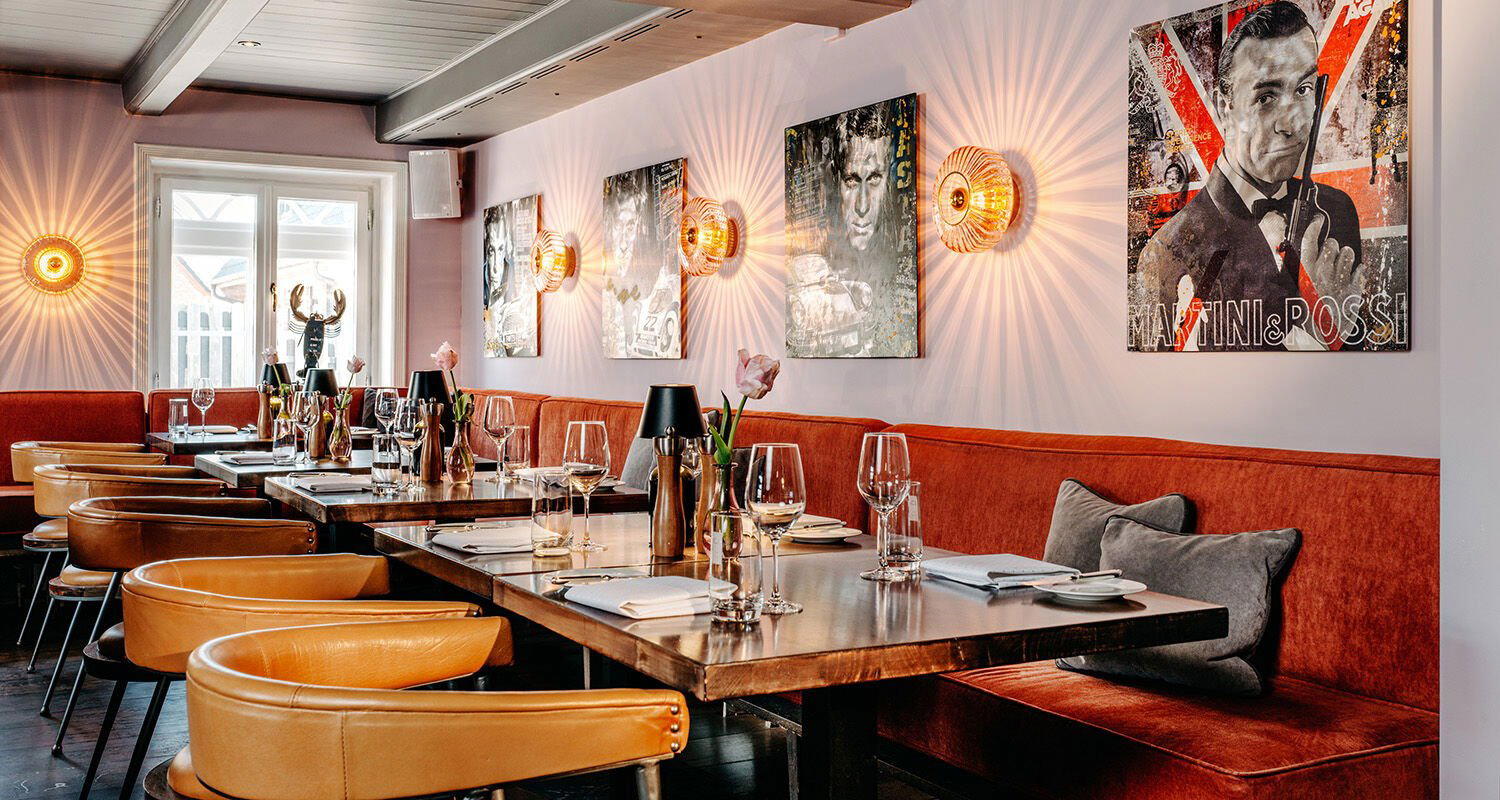
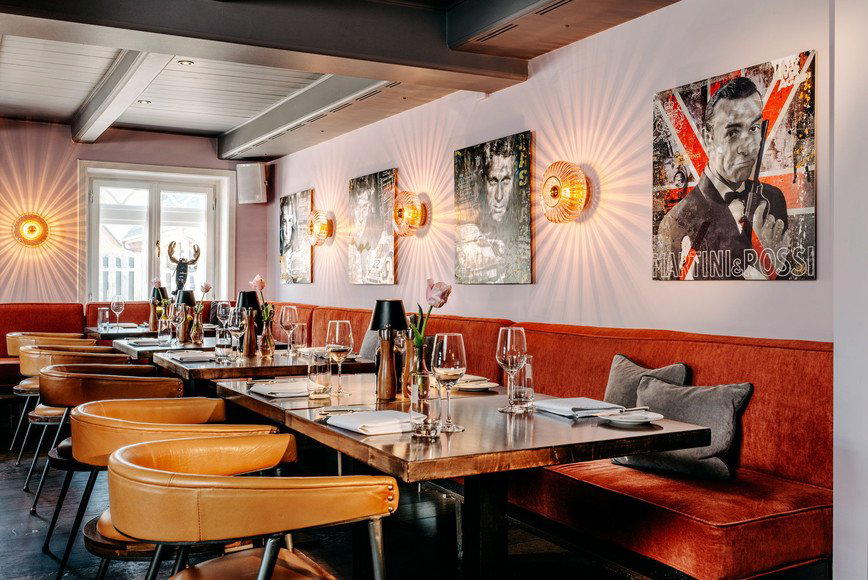
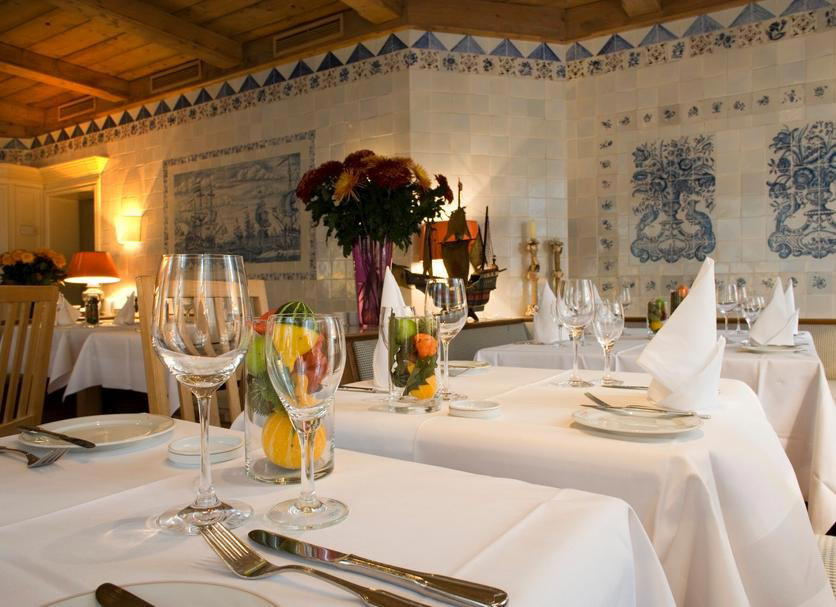
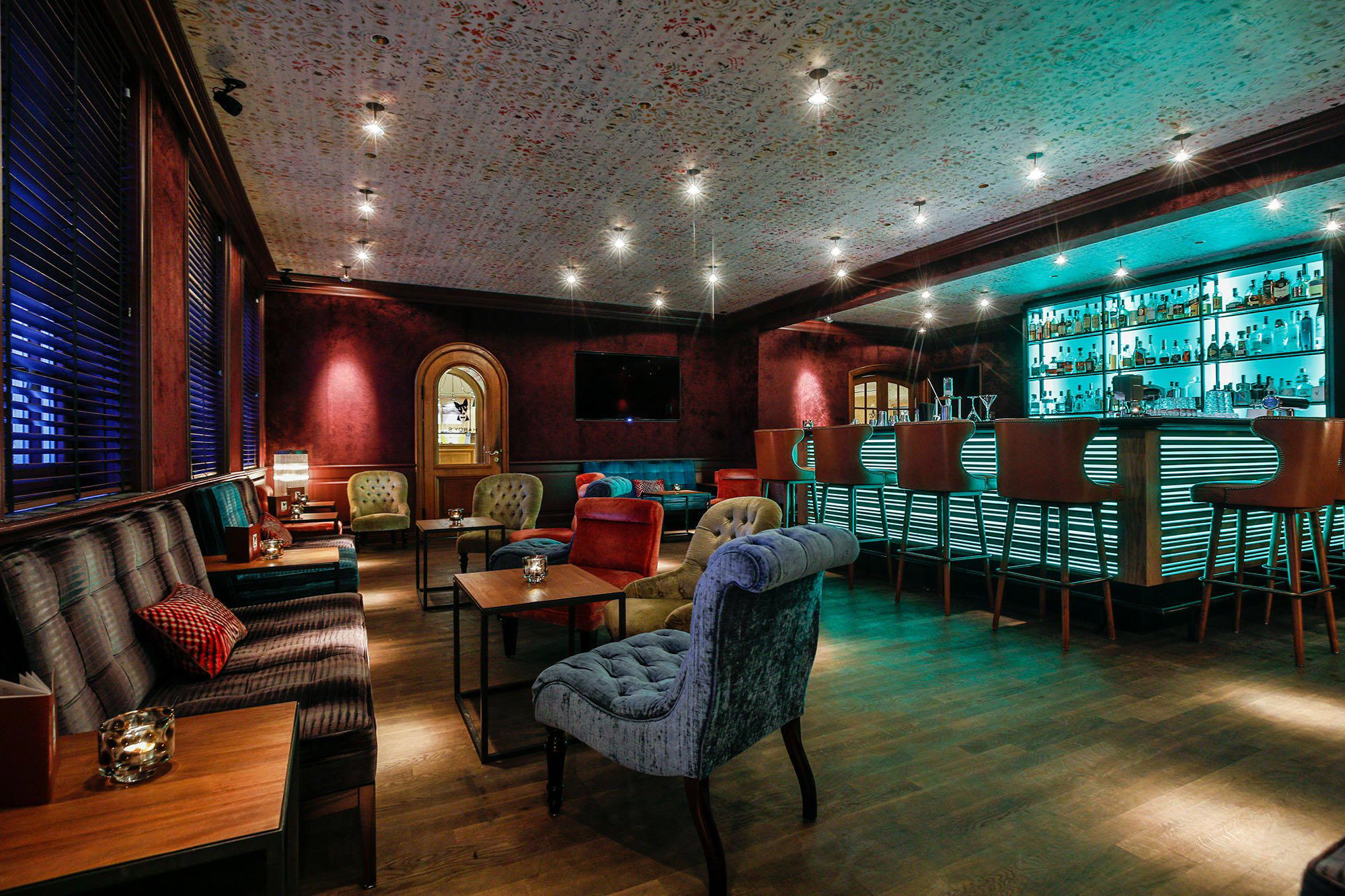
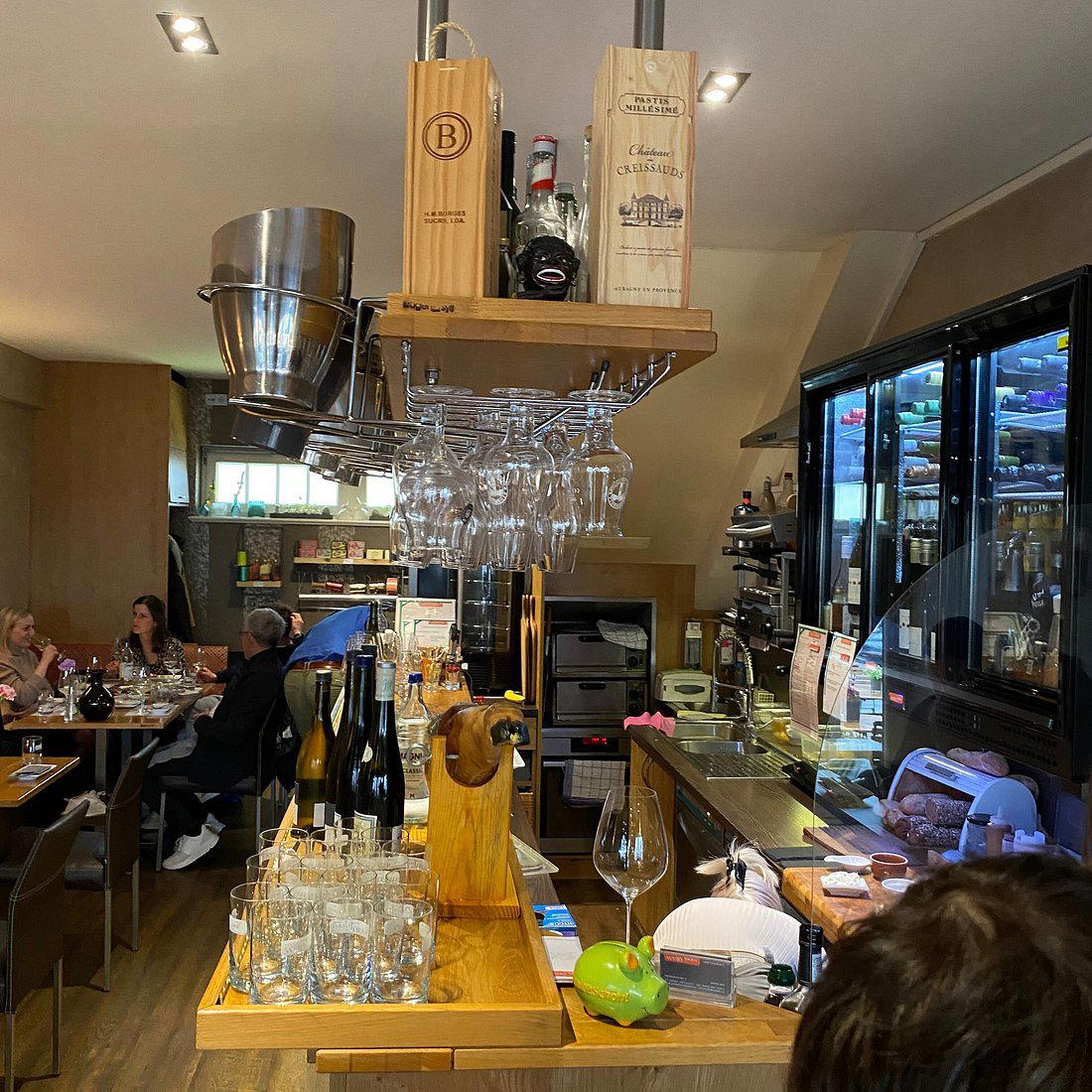
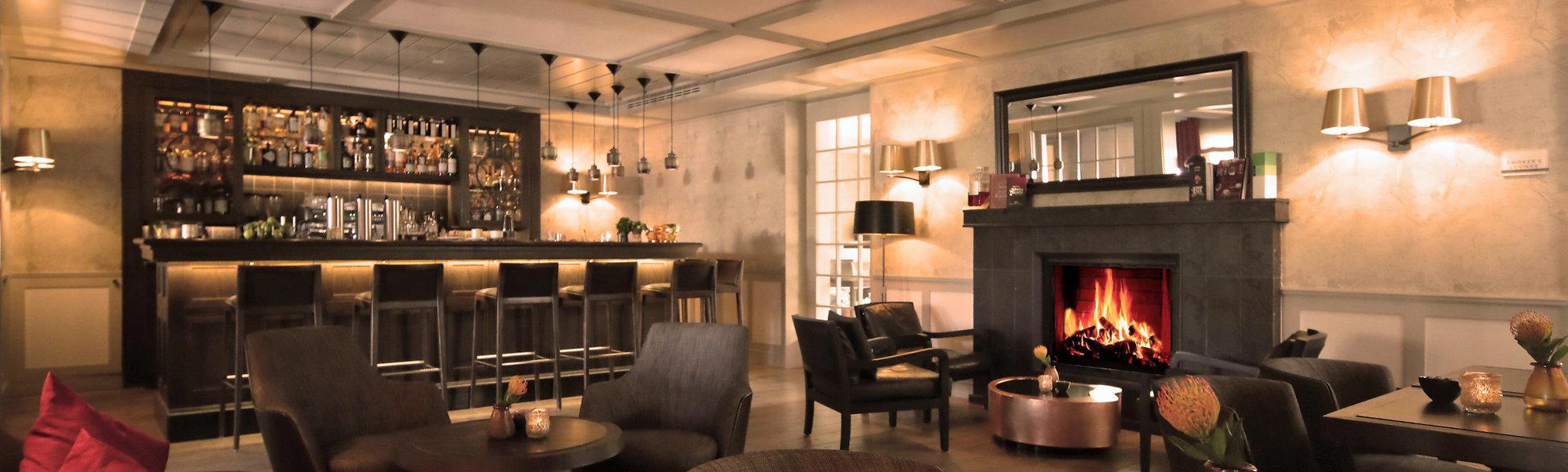
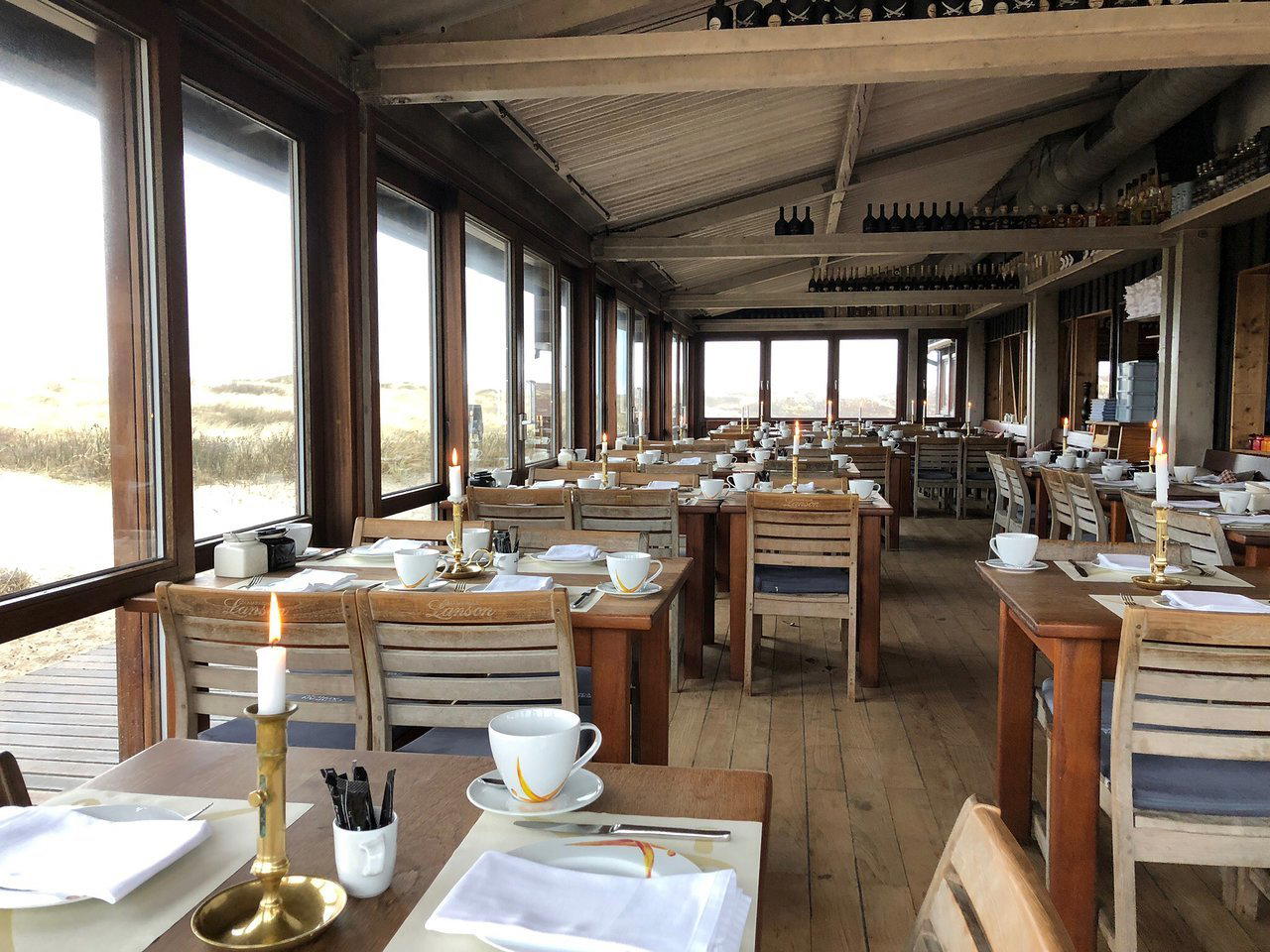
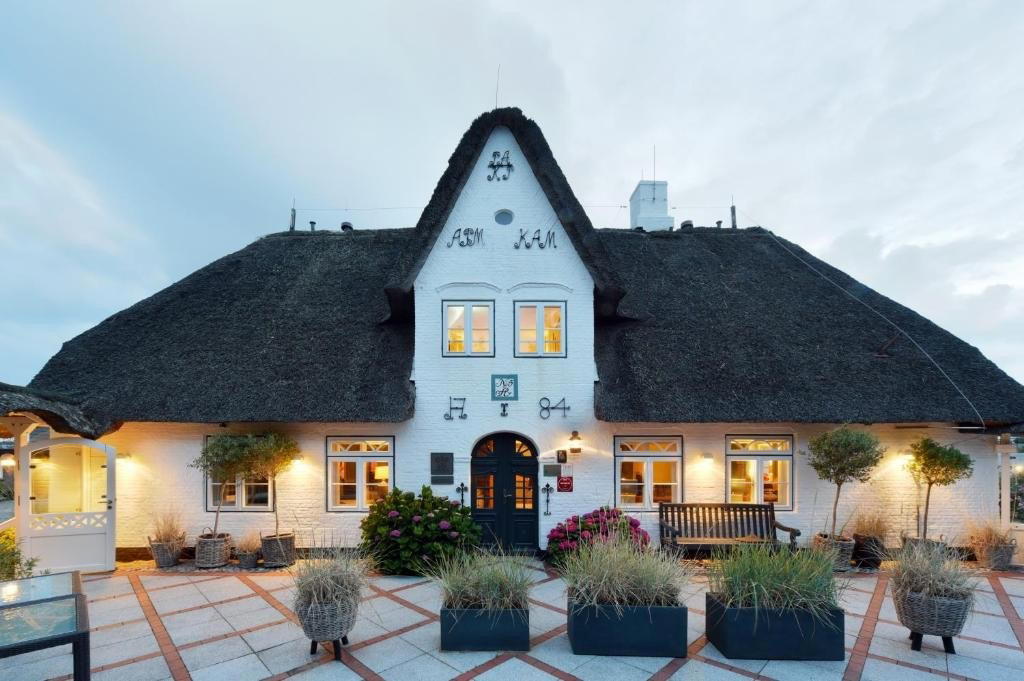
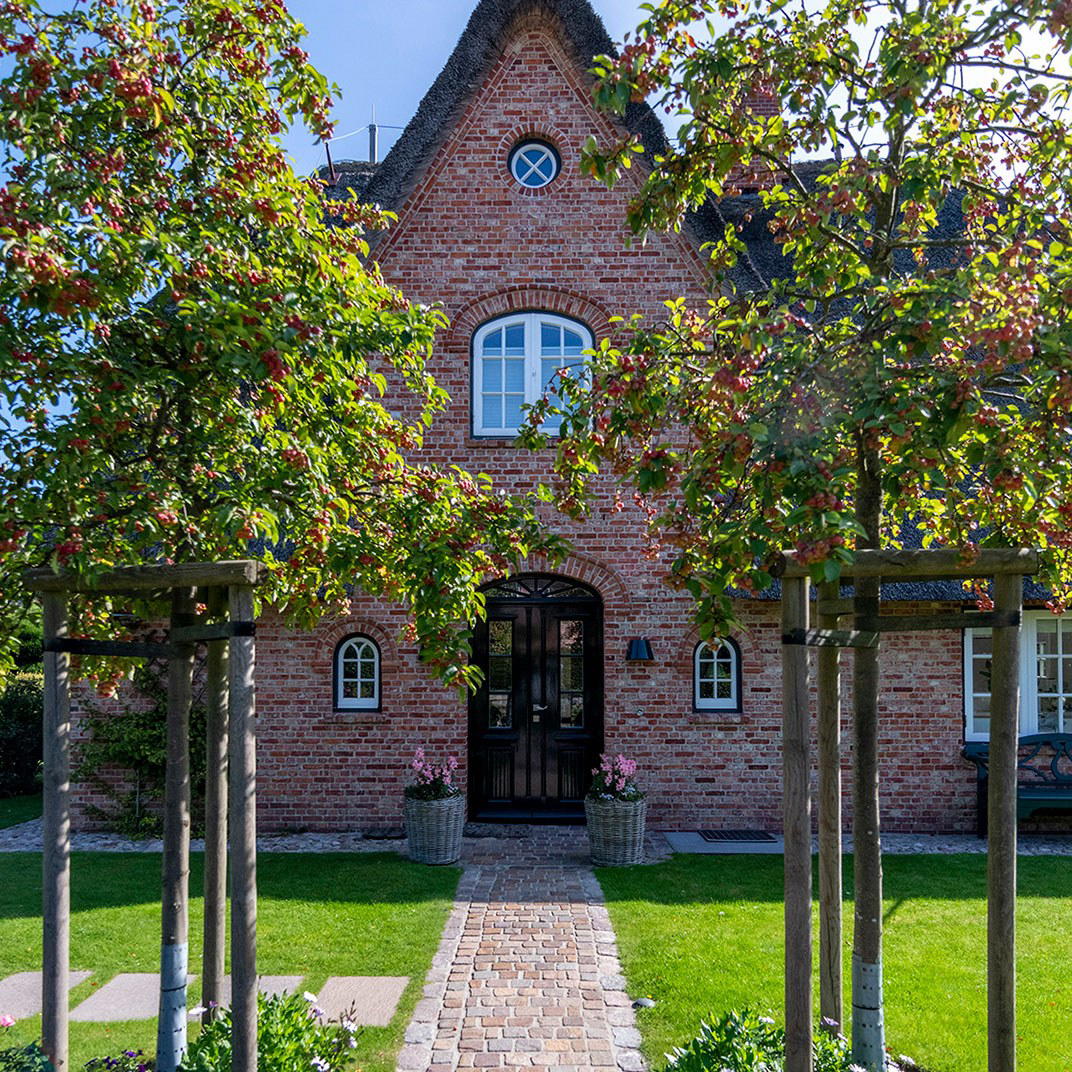
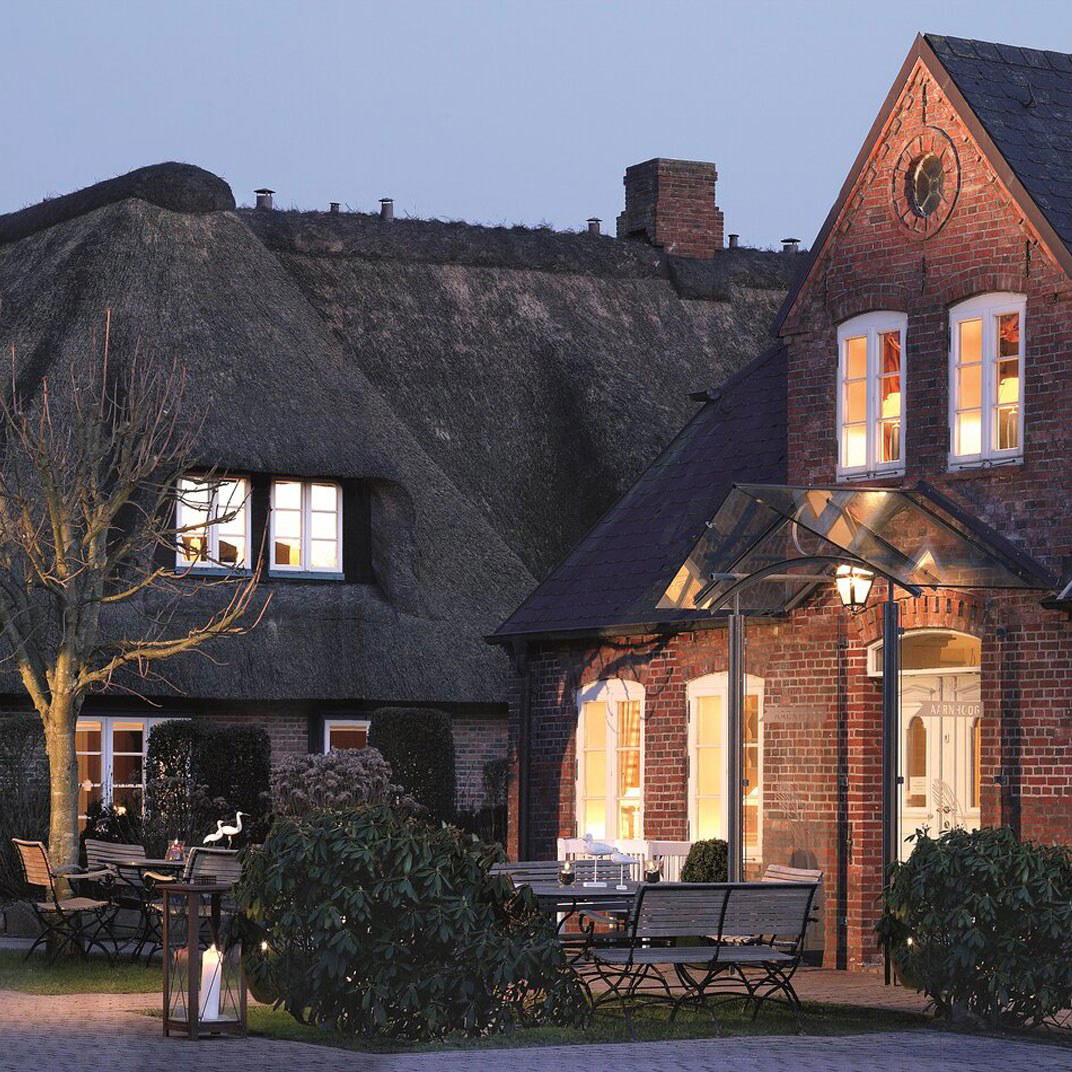
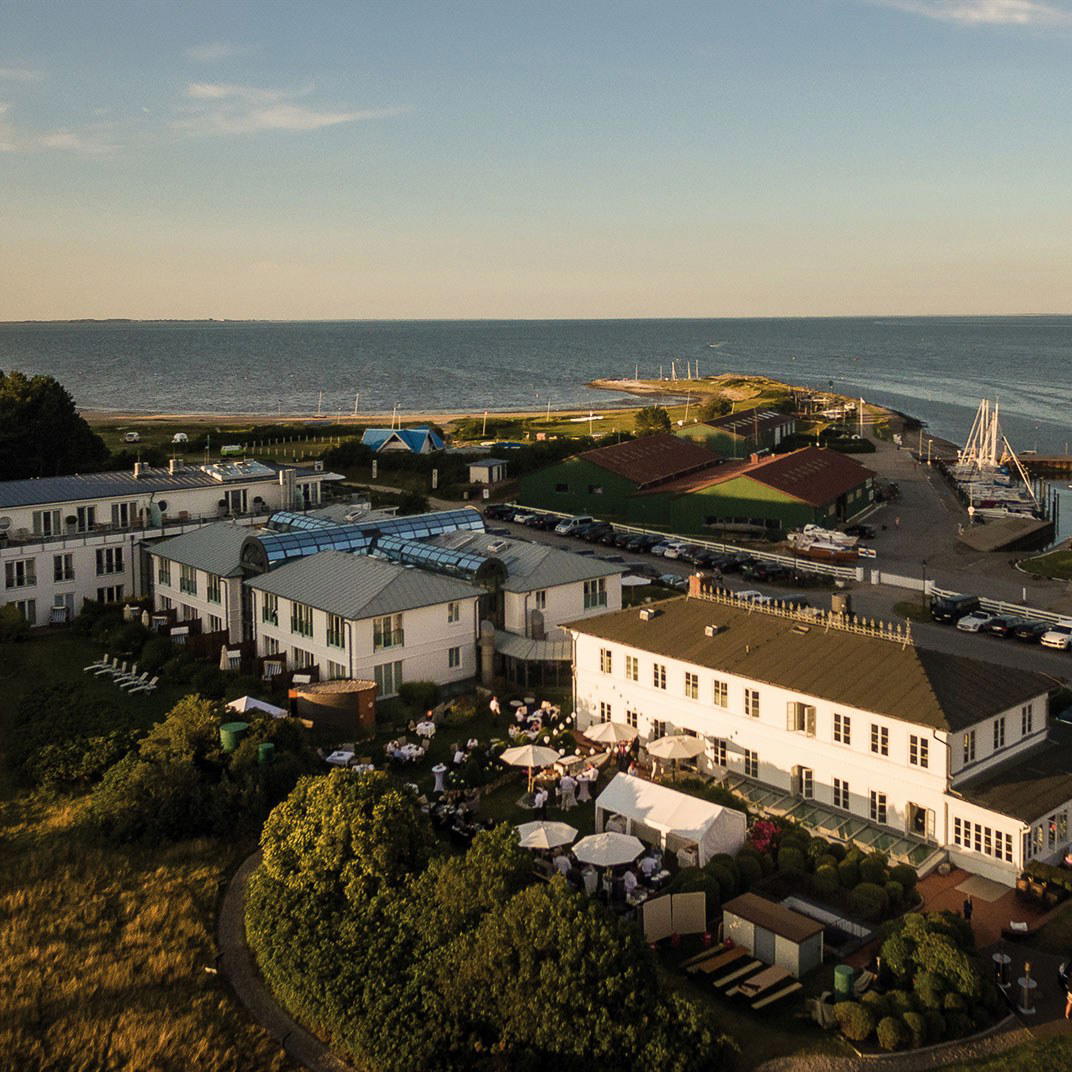
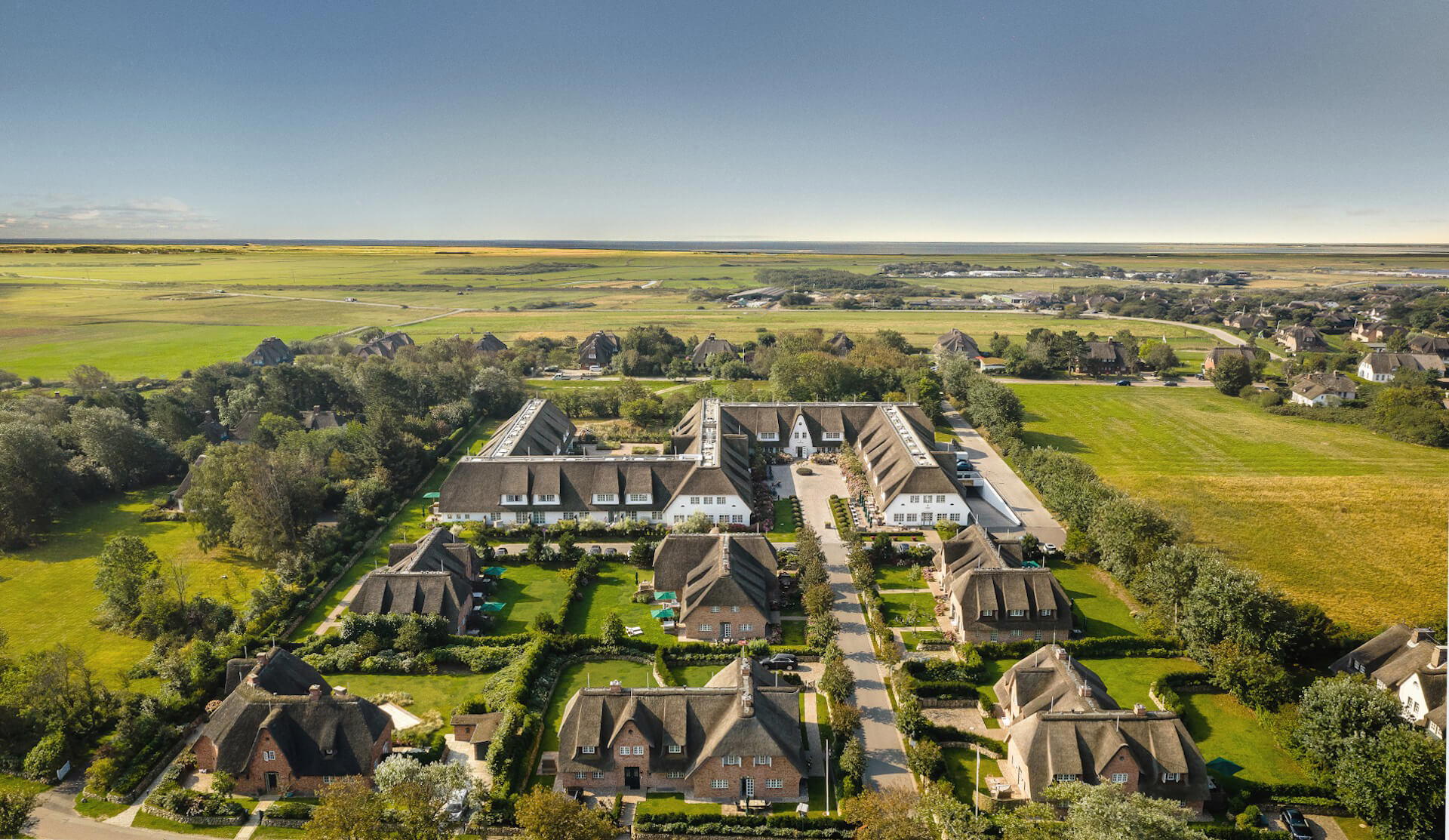
Cozy and elegant atmosphere with colorful contemporary interiors contrasting traditional exterior, quiet lounge-like spa, and dignified restaurant setting.