
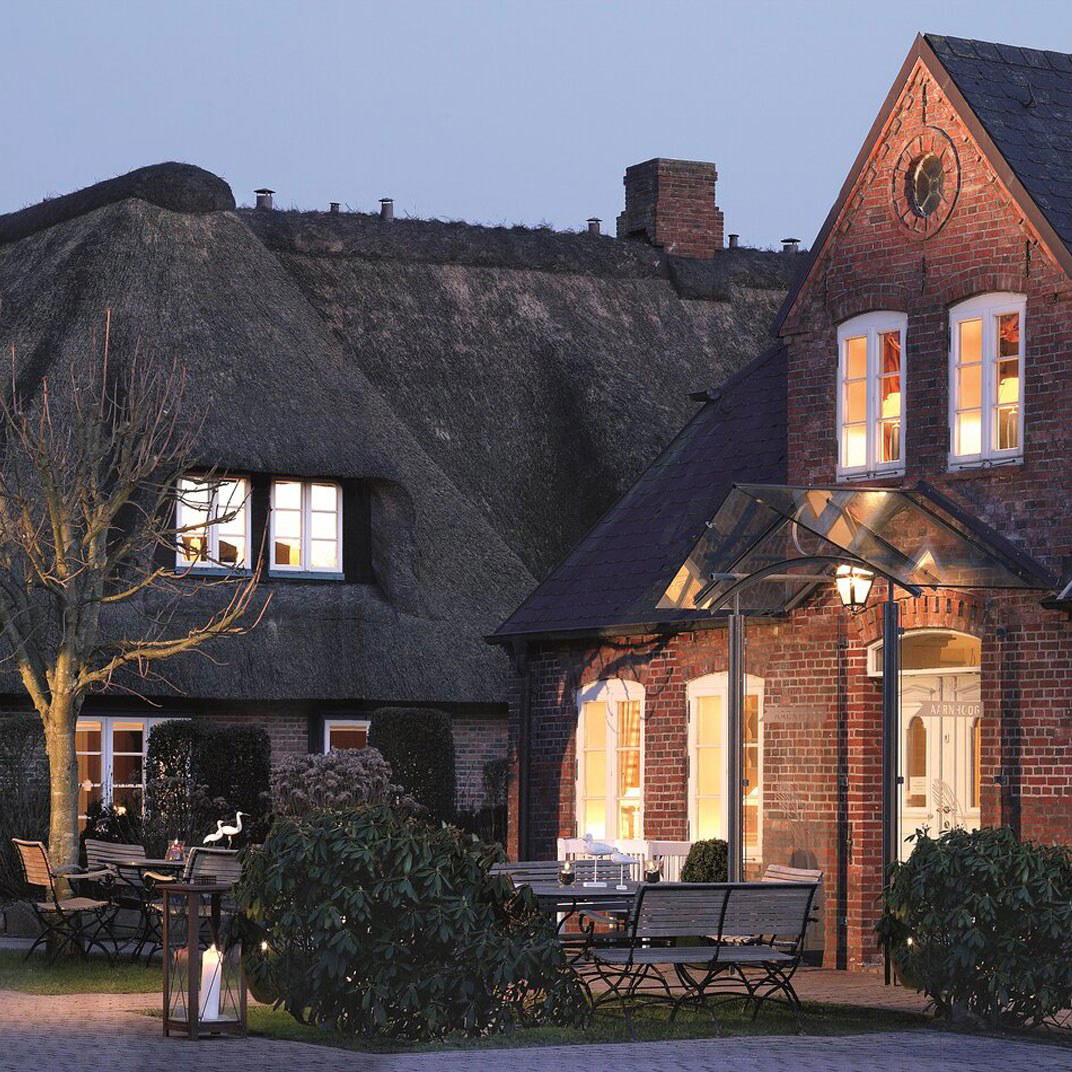
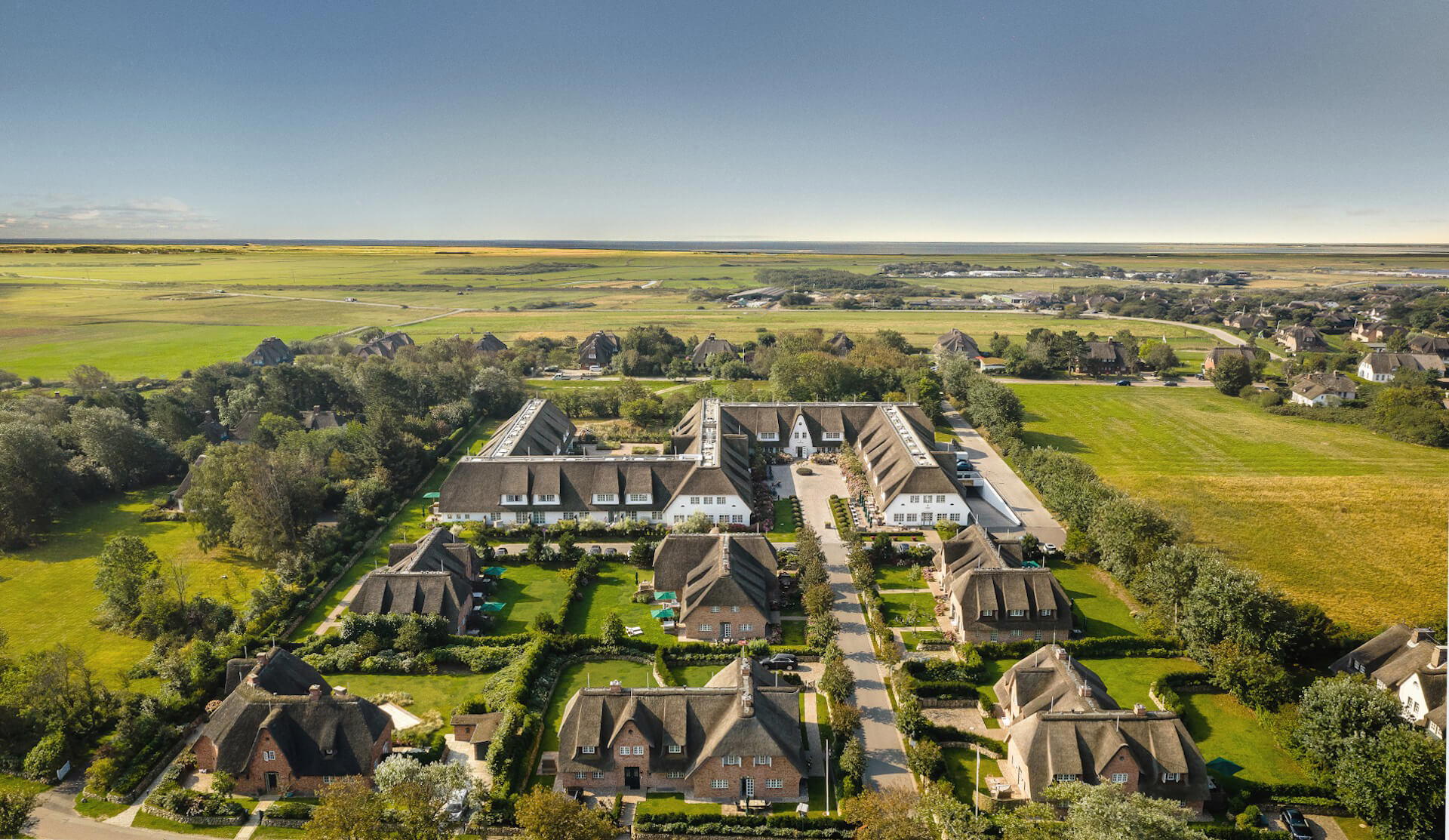
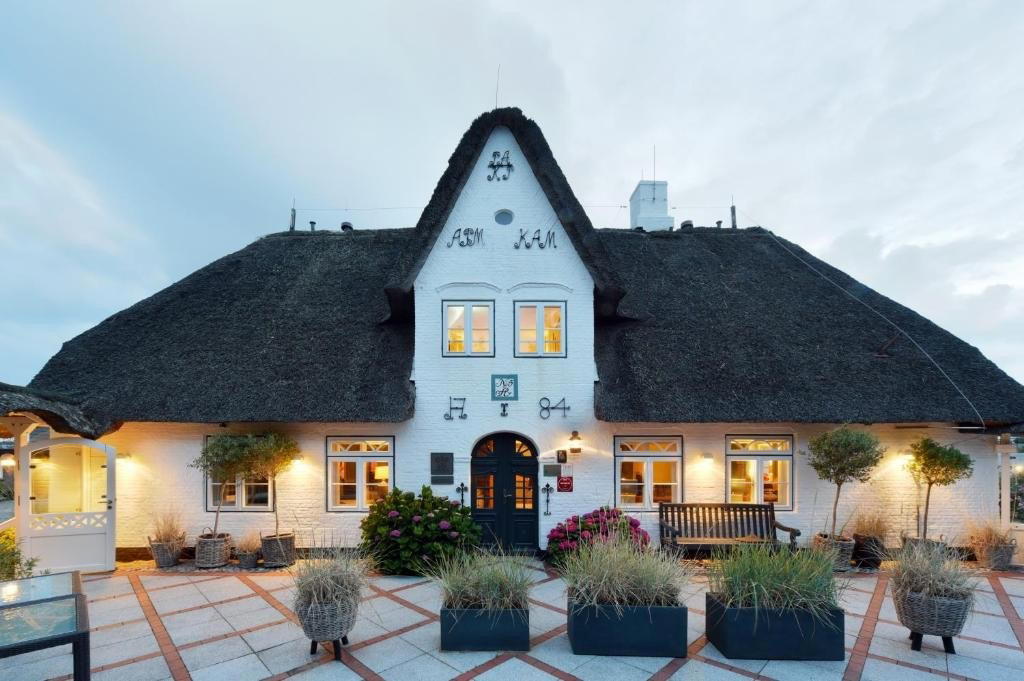
In the village of Keitum, one of Sylt's most architecturally preserved quarters, Benen-Diken-Hof holds a Michelin Selected distinction that places it in a specific tier of German coastal hospitality: characterful, rooted properties that compete on location and atmosphere rather than scale. The address on Keitumer Süderstraße positions guests within walking distance of the tidal flats and the village's distinctive Frisian architecture.
Pearl is the En Primeur Club membership app — saves, bookings, and concierge access live there. Same editors, same standards.
- Address
- Keitumer Süderstraße 3-5, 25980 Sylt, Germany
- Phone
- +49 4651 93830
- Website
- bdh.de
- Directions
- Get directions
 Saves & bookings on Pearl
Keitum as a Starting Point
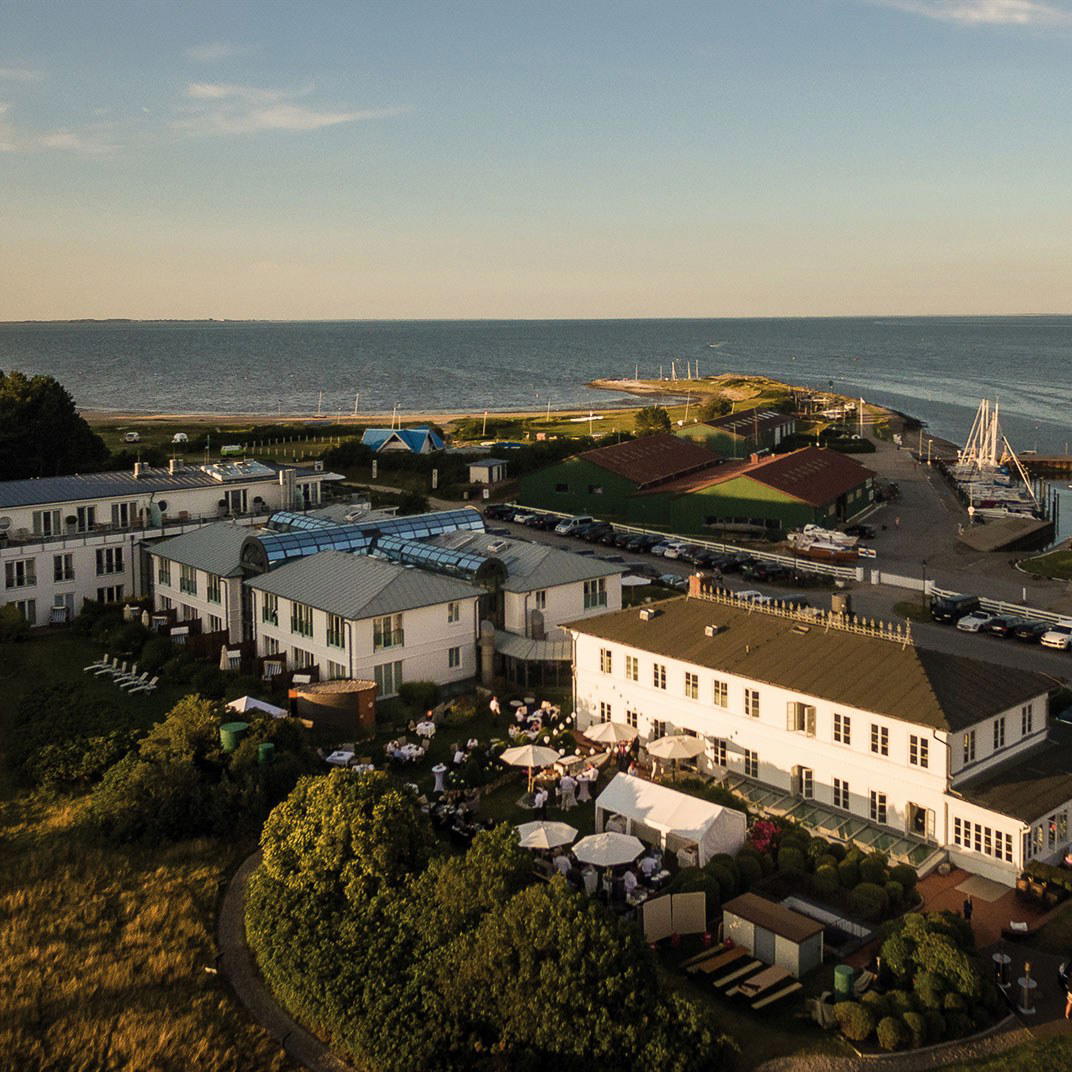
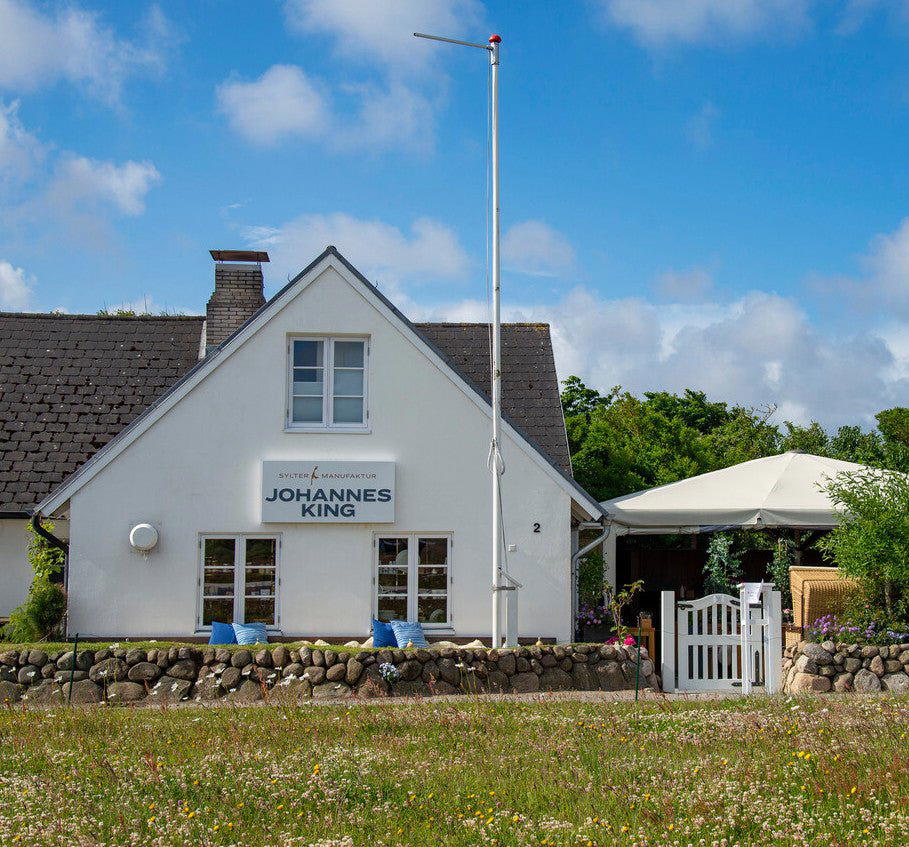
Sylt's accommodation scene has separated into two fairly distinct camps over the past decade. On one side sit the large resort complexes, mostly concentrated around Westerland and Hörnum, built around spa footprints, conference capacity, and the kind of amenities that read well on a booking sheet. On the other sits a smaller group of properties in Keitum, the island's oldest and most architecturally intact village, where the draw is the address itself: thatched Frisian farmhouses, a church dating to the twelfth century, and direct access to the Wadden Sea tidal flats that form among the more consequential wetland ecosystems in northern Europe. Benen-Diken-Hof is a 4-star hotel in Keitum, Sylt, Germany, at Keitumer Süderstraße 3-5.
Keitum has historically been the address that Sylt insiders prefer when the goal is immersion in the island's actual character rather than proximity to its more commercial infrastructure. That preference has a geographic logic: the village sits on the eastern, sheltered side of the island, facing the Wadden Sea rather than the North Sea's open swells. The light here behaves differently from Westerland's beach-front brightness, softer and more diffuse, filtered through reeds and the particular flatness of the tidal landscape. Arriving at a Keitumer property in the late afternoon, when the mudflats catch the low northern sun, is a different experience from arriving anywhere else on the island.
What the Michelin Selection Means in Practice
The Michelin Selected distinction, confirmed in the 2025 Michelin Hotels list, places Benen-Diken-Hof within a specific editorial tier. Michelin's hotel selection program, which operates separately from its restaurant star system, identifies properties the guide's inspectors consider worth recommending on the basis of character, quality, and setting. Selection does not carry the numerical weight of a star, but it does function as a credentialing signal in a market where Sylt's hotel offer ranges from anonymous holiday apartments to internationally flagged resort operators. Within the island's Michelin-selected cohort, each property competes on a different axis: Severin's Resort & Spa on full-service resort amenities, Söl'ring Hof on its three-Michelin-starred restaurant, Landhaus Stricker on its culinary credentials and spa offer. Benen-Diken-Hof's competitive axis is its village position and the Frisian architectural character that comes with it.
That distinction matters because Keitum has a limited supply of characterful hotel accommodation. The village is small, protected by preservation rules that govern building alterations, and not expanding. A Michelin-selected property within it occupies a position that cannot simply be replicated by a new build elsewhere on the island. Properties in comparable structural positions, farmhouse conversions or village-centre hotels in architecturally protected German coastal settlements, tend to hold their appeal across market cycles precisely because the supply constraint is structural rather than temporary.
The Address in Context
Keitumer Süderstraße 3-5 places the property within easy reach of the village's core without sitting on any of the island's main transit arteries. This matters practically: Sylt's summer traffic, particularly on the road through Westerland, can be significant between late June and late August, and properties in Keitum sit largely outside that circulation pattern. The Wadden Sea National Park's eastern shoreline is accessible on foot from the village centre, and the Keitum train halt on the Hindenburgdamm rail line, which connects the island to the mainland, is within the village, making car-free arrival a realistic option for guests travelling from Hamburg or Flensburg.
For comparison, Sylt's western coast properties, including A-ROSA Sylt and BUDERSAND Hotel – Golf & Spa - Sylt, offer direct North Sea beach access and sunset-facing orientations that suit a different kind of stay. The eastern village addresses trade that exposure for shelter, proximity to the Wadden Sea's distinctive ecology, and a quieter nocturnal environment. Neither is categorically superior; they serve different travel intentions, and understanding the distinction is the more useful editorial point than ranking one against the other.
The island's broader hotel offer includes Alte Strandvogtei, Hof Galerie, and Hotel Aarnhoog, each sitting in its own neighbourhood context and price register.
Sylt Within the Wider German Luxury Hotel Conversation
Sylt occupies an unusual position in German hospitality. It functions simultaneously as a mass-market summer destination, with visitor numbers that create significant seasonal pressure on infrastructure, and as a prestige address that attracts a high-spending repeat visitor base with specific expectations around quality and discretion. That combination produces a hotel market with wider price variation than almost anywhere else in Germany, and a premium tier that competes, in terms of rate expectations if not always in terms of amenity depth, with comparable properties at Althoff Seehotel Überfahrt in Rottach-Egern, Hotel Traube Tonbach in Baiersbronn, or Schloss Elmau in Elmau.
Michelin-selected properties on the island, as a group, tend to draw the segment of that visitor base that prioritises character over scale, properties where the building and its setting do work that a generic amenity package cannot replicate. Internationally, the structural logic is familiar: a Michelin-selected village hotel in a protected coastal settlement is more closely related, as a travel proposition, to certain properties in the Scottish Highlands or the Danish archipelago than it is to a full-service resort hotel anywhere. For guests who cross-reference European coastal hotel options at this level, points of comparison might include Weissenhaus Private Nature Luxury Resort in Weissenhaus on the Baltic coast, which occupies a similarly nature-proximate and architecturally distinctive position.
For travellers calibrating Sylt against the full spectrum of northern European and international hotel stays, the conversation eventually extends to properties like Fairmont Hotel Vier Jahreszeiten in Hamburg, Badrutt's Palace Hotel in St. Moritz, or Hôtel de Paris Monte-Carlo in Monte Carlo. Those comparisons clarify what the Keitum address is and is not: it is not a grand hotel in the European palace tradition, and it does not need to be. Its argument is rooted in place, in the specific character of a protected island village on the edge of a UNESCO-listed sea.
Planning Your Stay
Sylt's peak season runs from late June through August, when rates across the island's upper tier reach their highest points and availability at smaller, characterful properties becomes genuinely constrained. The shoulder months of May, early June, September, and October offer more predictable access, lower rates, and in many respects a more useful encounter with the island's natural environment: the bird migration through the Wadden Sea is at its most concentrated in spring and autumn, and the light in those months has a quality that the midsummer sun at high altitude cannot produce. Keitum specifically rewards a quieter-season visit, when the village feels closer to what it has historically been rather than what it becomes under peak tourist pressure. Guests arriving by train from Hamburg via the Hindenburgdamm have a journey of roughly two and a half hours from Hamburg Hauptbahnhof to the island, with the Keitum halt a short distance from the village centre.
Just the Basics
Comparable venues nearby, for context on price, style, and recognition.
| Venue | Price | Notes |
|---|---|---|
| Benen-Diken-HofThis venue — the venue you are viewing | $$$ | Not listed |
| Strand am Königshafen | $$$$ | List, Modern luxury beachfront resort with minimalist design and contemporary comfort-focused architecture. |
| BUDERSAND Hotel – Golf & Spa - Sylt | $$$$ | Hörnum, Contemporary luxury resort with understated elegance and special architecture |
| Hotel Fährhaus Munkmarsch | $$$$ | Munkmarsch, Luxury heritage hotel blending traditional North Frisian hospitality with contemporary comfort and exclusive wellness amenities. |
| Alte Strandvogtei | $$$ | Rantum, residential compound of traditional Frisian houses with modern interiors |
| A-ROSA Sylt | $$$$ | List, Contemporary Nordic design with maritime sophistication; modern furnishings merged with classical elegance; natural materials reflecting island surroundings. |
Recognition history
Dated appearances from independent guides and award organizations, with the underlying list record or original source where available.
Michelin Selected
Michelin

At a Glance
- Romantic
- Quiet
- Elegant
- Cozy
- Romantic Getaway
- Family Vacation
- Weekend Escape
- Anniversary
- Garden
- Terrace
- Historic Building
- Destination Spa
- Wi Fi
- Pool
- Spa
- Fitness Center
- Room Service
- Concierge
- Kids Club
- Restaurant
- Bar
- Bicycle Rental
- Sauna
- Massage
- Garden
- Wi Fi
- Pool
- Spa
- Fitness Center
- Room Service
- Concierge
- Kids Club
- Restaurant
- Bar
- Bicycle Rental
- Sauna
- Massage
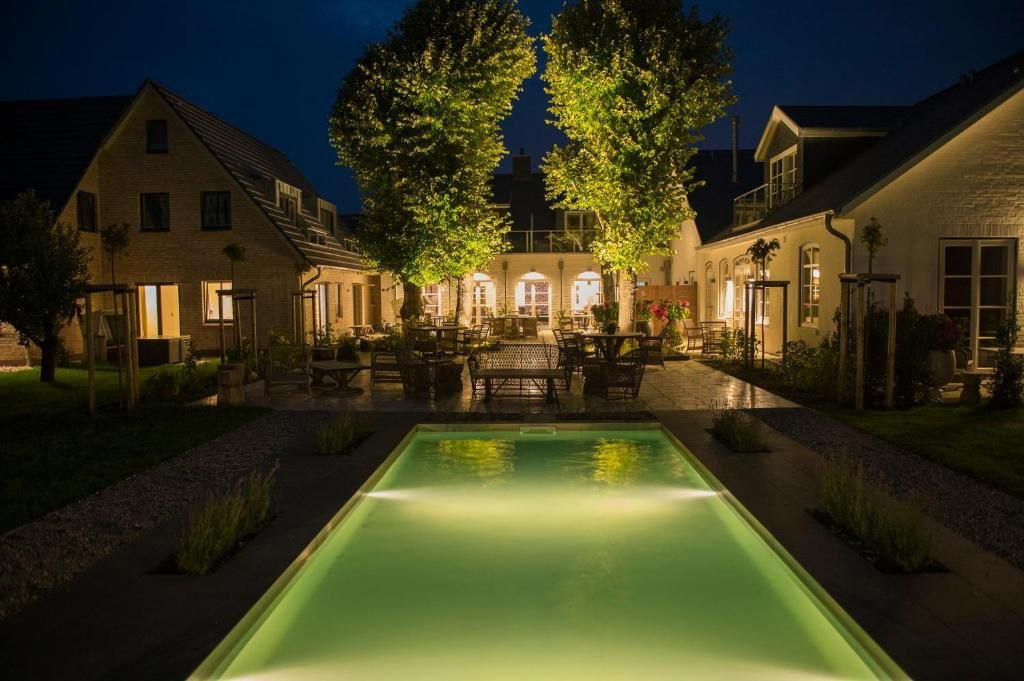
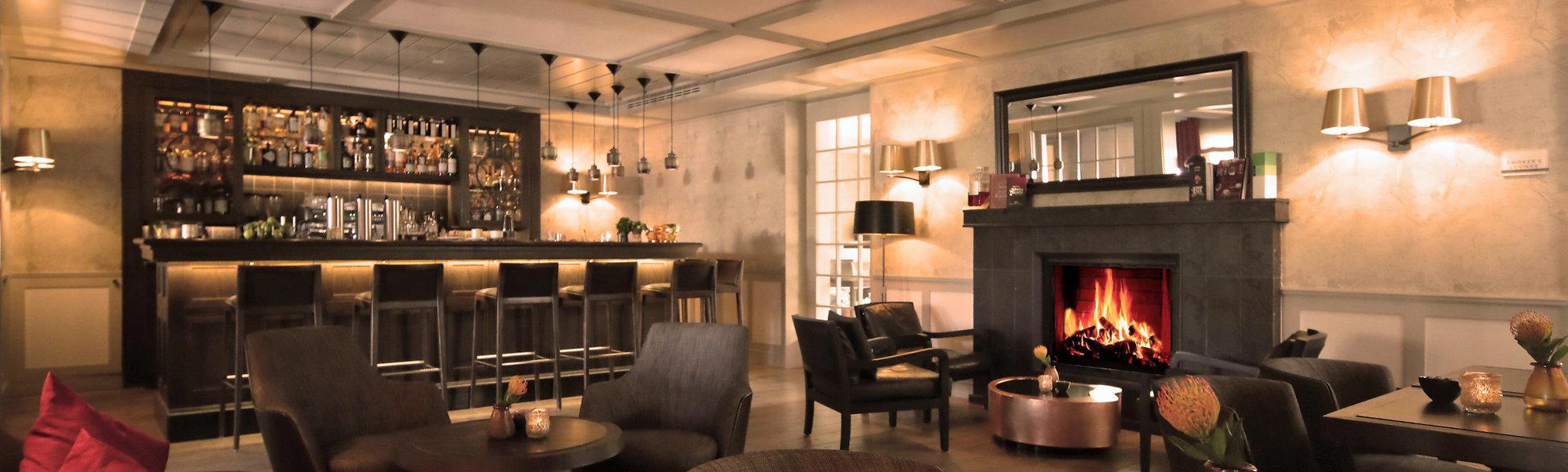
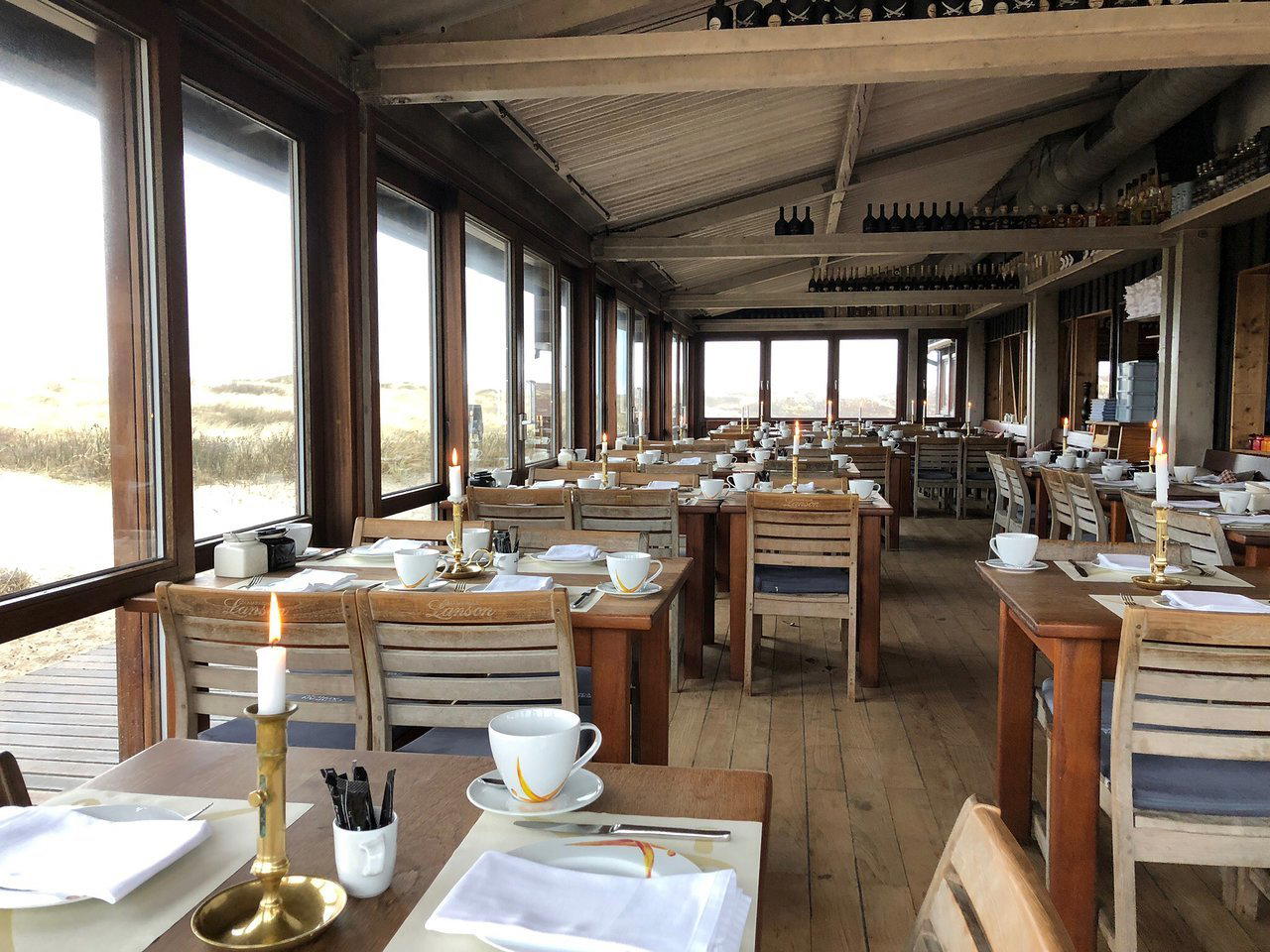
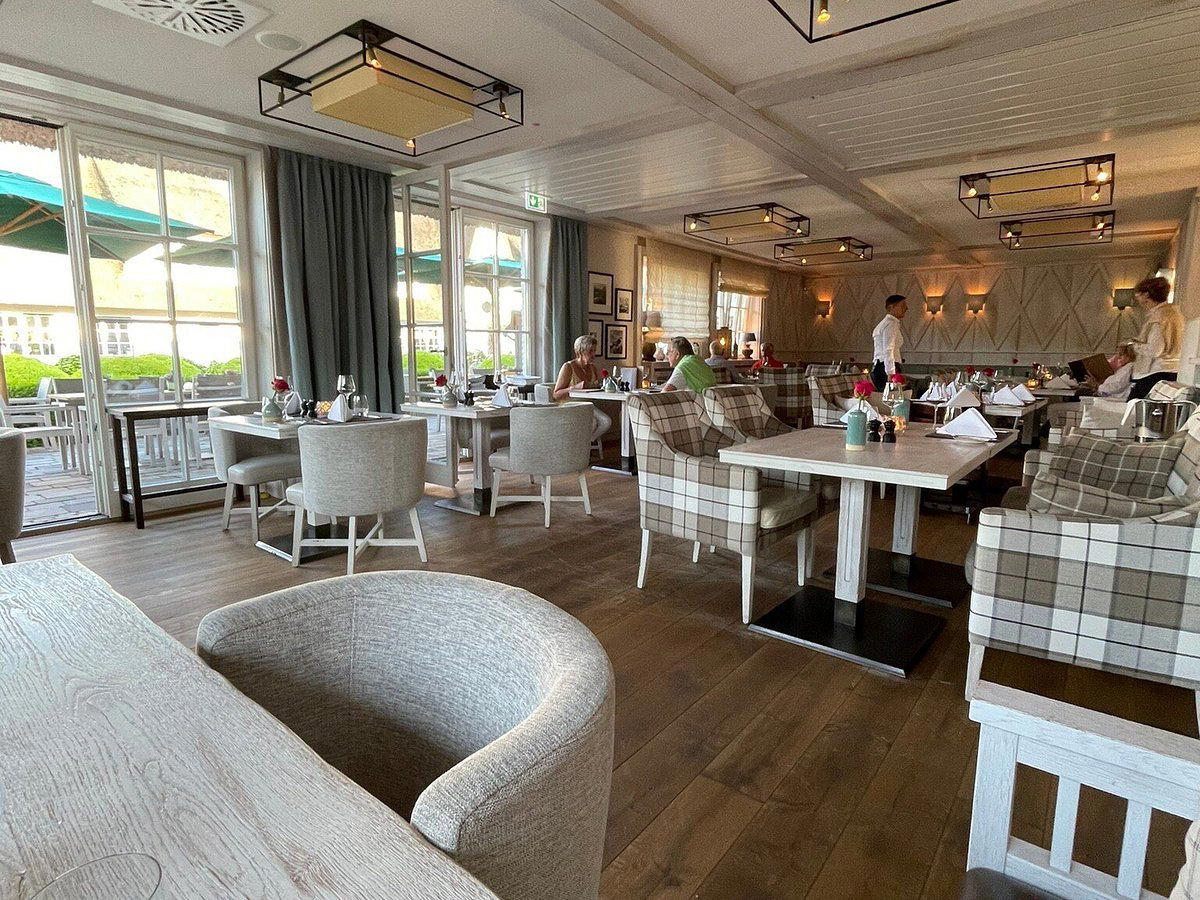
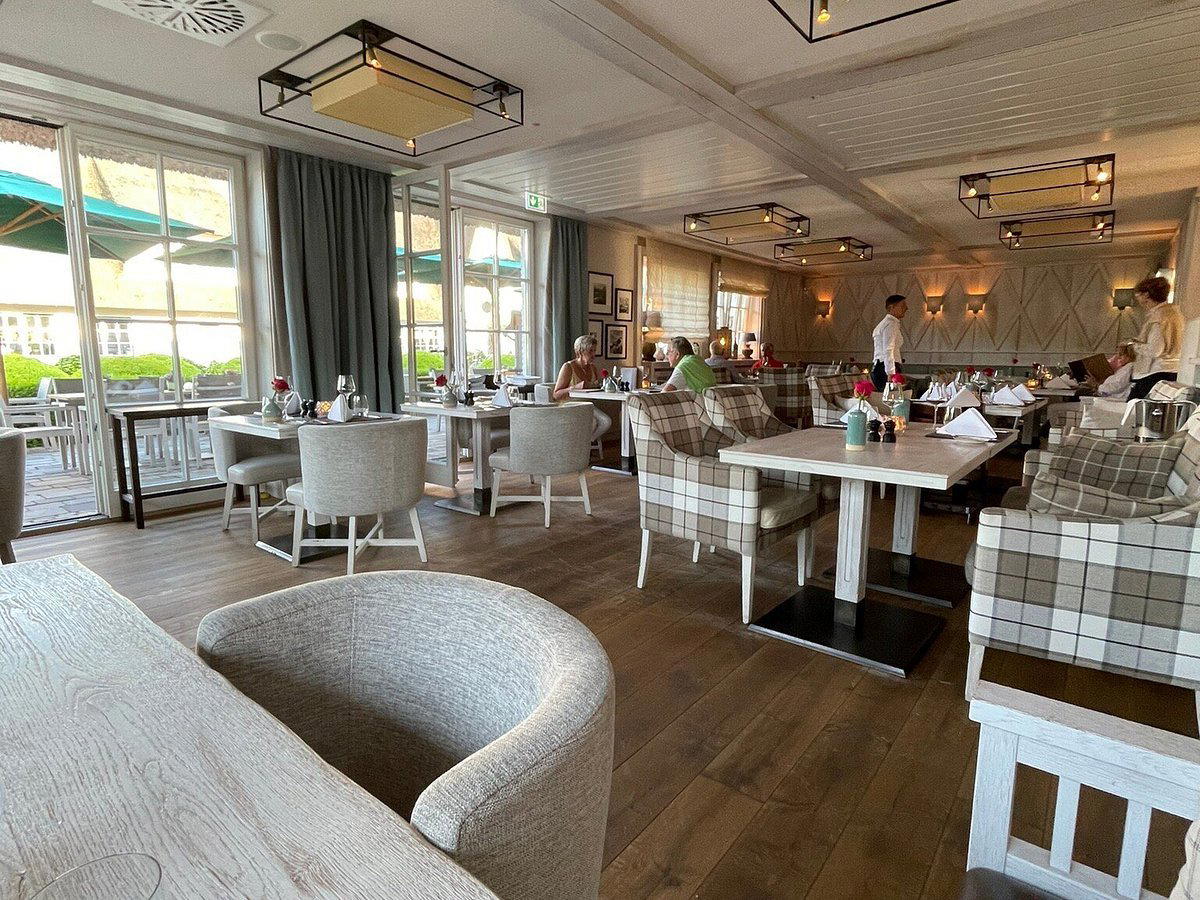
Warm and inviting with traditional North Frisian character; guests describe it as romantic and peaceful with stylish, contemporary interiors contrasting the rustic exterior.