Seespitz


Seespitz holds consecutive Michelin Plate recognition for 2024 and 2025, placing it among the more consistent seasonal kitchens operating around the Wörthersee. Located on Schlossweg in Velden am Wörthersee, the restaurant works within the regional produce framework that defines Carinthia's better dining tables.
Pearl is the En Primeur Club membership app — saves, bookings, and concierge access live there. Same editors, same standards.
- Address
- Schlossweg 1, 9220 Velden am Wörthersee, Austria
- Phone
- +43 664 609185302
- Website
- falkensteiner.com
- Directions
- Get directions
 Saves & bookings on Pearl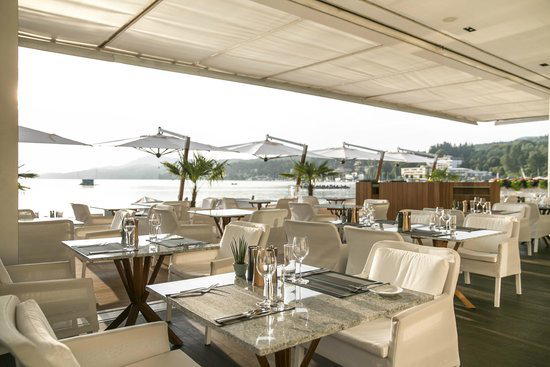
Where the Lake Meets the Plate: Seasonal Cooking on the Wörthersee
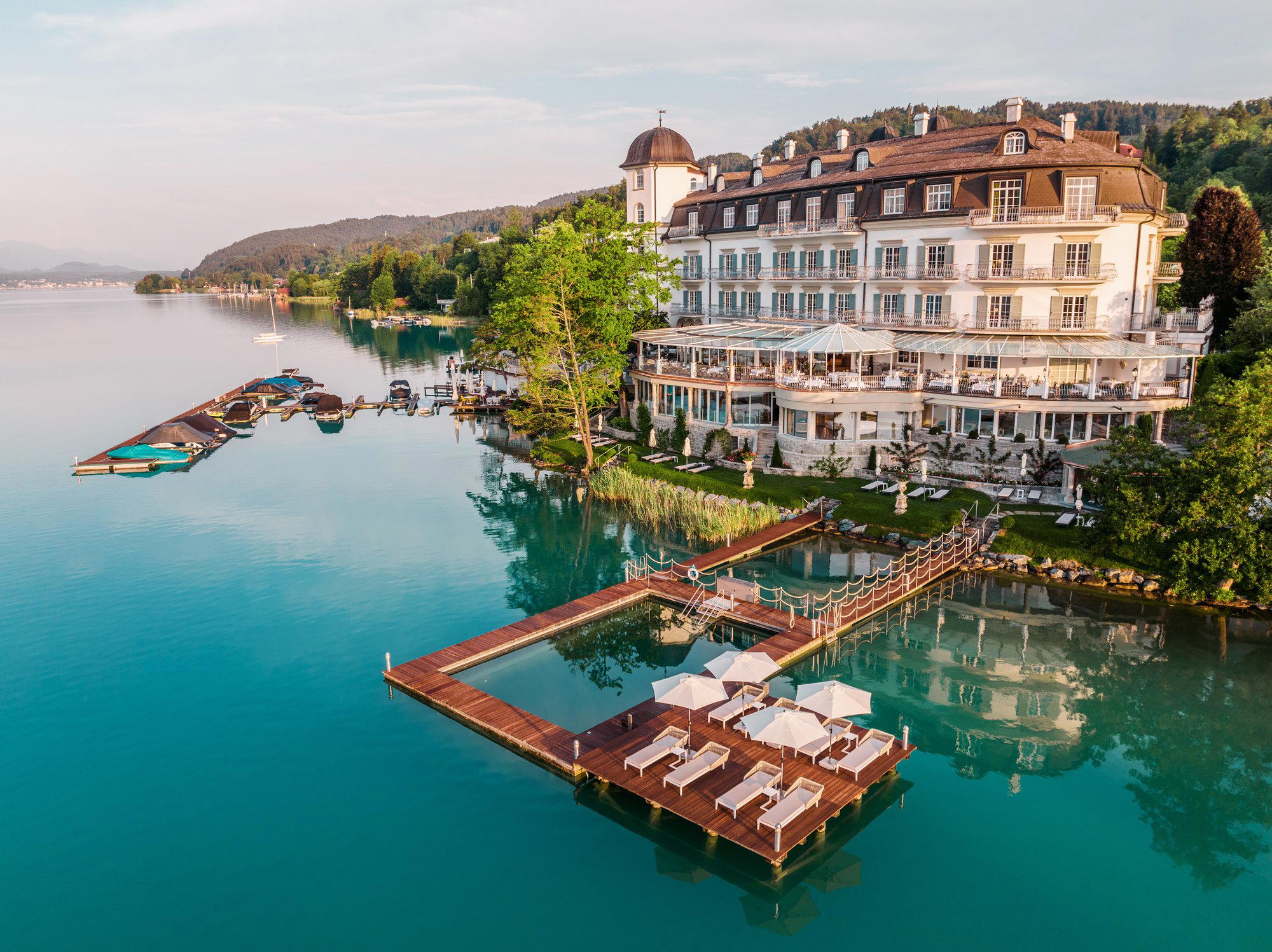
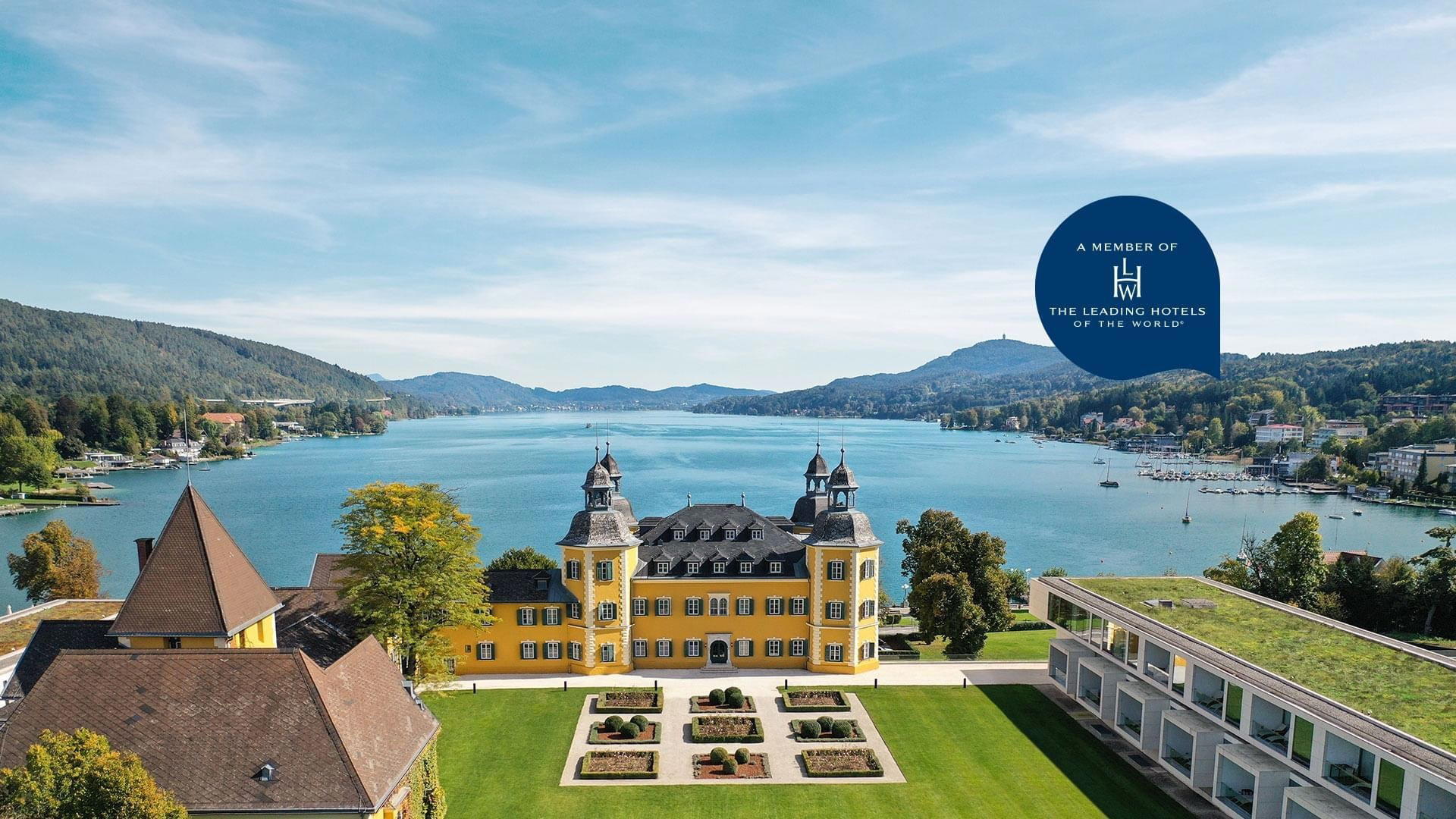
Approach Velden am Wörthersee on a clear afternoon and the logic of the place becomes immediately legible: a compact resort town wrapped around one of Austria's warmest lakes, its dining scene shaped as much by the agricultural hinterland pressing in from the Carinthian hills as by the summer visitors arriving from Vienna and Graz. Seespitz sits on Schlossweg 1, close enough to the water that the setting frames expectations before the first course arrives. What you find inside is consistent with a broader pattern in Austrian lakeside cooking: a kitchen anchored by seasonal discipline, drawing on the produce cycles of a region that moves from foraged spring greens through summer stone fruits and into autumn game and root vegetables with a rhythm that Carinthian farmers and restaurateurs have followed for generations.
The Ingredient Framework: Carinthia as a Producing Region
Austria's seasonal cuisine tradition is not a recent marketing invention. Kitchens like Kirchenwirt in Leogang and Mesnerhaus in Mauterndorf have built their reputations on precisely this kind of regionally grounded cooking, where the distance between producer and plate is short enough that the menu changes not because a chef wants variety but because the supply genuinely shifts. Carinthia occupies a specific position in Austria's produce geography: alpine grazing elevations to the north and west, the warmer microclimate of the Wörthersee basin moderating conditions for market gardening, and a lake system that historically supplied freshwater fish to tables across the region. Seespitz operates within that inherited framework. Its Michelin Plate recognition in 2024 and 2025 signals a kitchen that meets a recognised technical standard without claiming star-level ambition, a position occupied by a significant number of Austria's most reliable regional tables.
That peer group matters for context. At the starred end of Austrian dining, kitchens like Steirereck im Stadtpark in Vienna and Döllerer in Golling an der Salzach operate with four-figure price points and extended tasting formats built around sourcing narratives as explicit editorial positions. Obauer in Werfen and Ikarus in Salzburg sit at €€€€, where the price tier itself communicates a certain kind of ambition. Seespitz prices at €€€, a bracket that in the Austrian alpine and lakeside context generally indicates a kitchen serious enough to earn outside recognition but structured around accessible dining rather than ceremonial occasion.
Seasonal Discipline in a Resort Context
Resort towns along the Wörthersee operate on a compressed seasonal logic. Velden's summer calendar drives the majority of its hospitality revenue, which creates real pressure on kitchens to manage sourcing quality while serving refined numbers. The restaurants that hold Michelin recognition in this environment tend to be those that have built supply relationships capable of surviving the July and August peak without reverting to commodity purchasing. The consecutive Plate recognitions at Seespitz suggest a kitchen that has managed that balance. For comparison, the alpine seasonal format at places like Gourmetrestaurant Tannenhof in Sankt Anton am Arlberg and Griggeler Stuba in Lech faces a different version of the same problem: a narrow seasonal window and high expectations from an international clientele. Lakeside dining in Carinthia adds the specific variable of proximity to water, which historically means freshwater fish as a menu anchor. The regional tradition is strong enough to make freshwater fish a reasonable expectation for a kitchen working in this geography.
The broader Austrian seasonal cuisine category has diversified considerably. Herb-led formats like Kräuterreich by Vitus Winkler in Sankt Veit im Pongau build a sourcing identity around a single ingredient family. More produce-forward kitchens like Ois in Neufelden treat seasonality as a structural principle rather than a marketing note. Seespitz occupies a position in this spectrum where the Michelin Plate provides a quality floor without fixing a particular stylistic identity, giving the kitchen room to move between classical Austrian technique and lighter contemporary treatments depending on what the season and the supply allow.
Reading the Room: Atmosphere and Setting
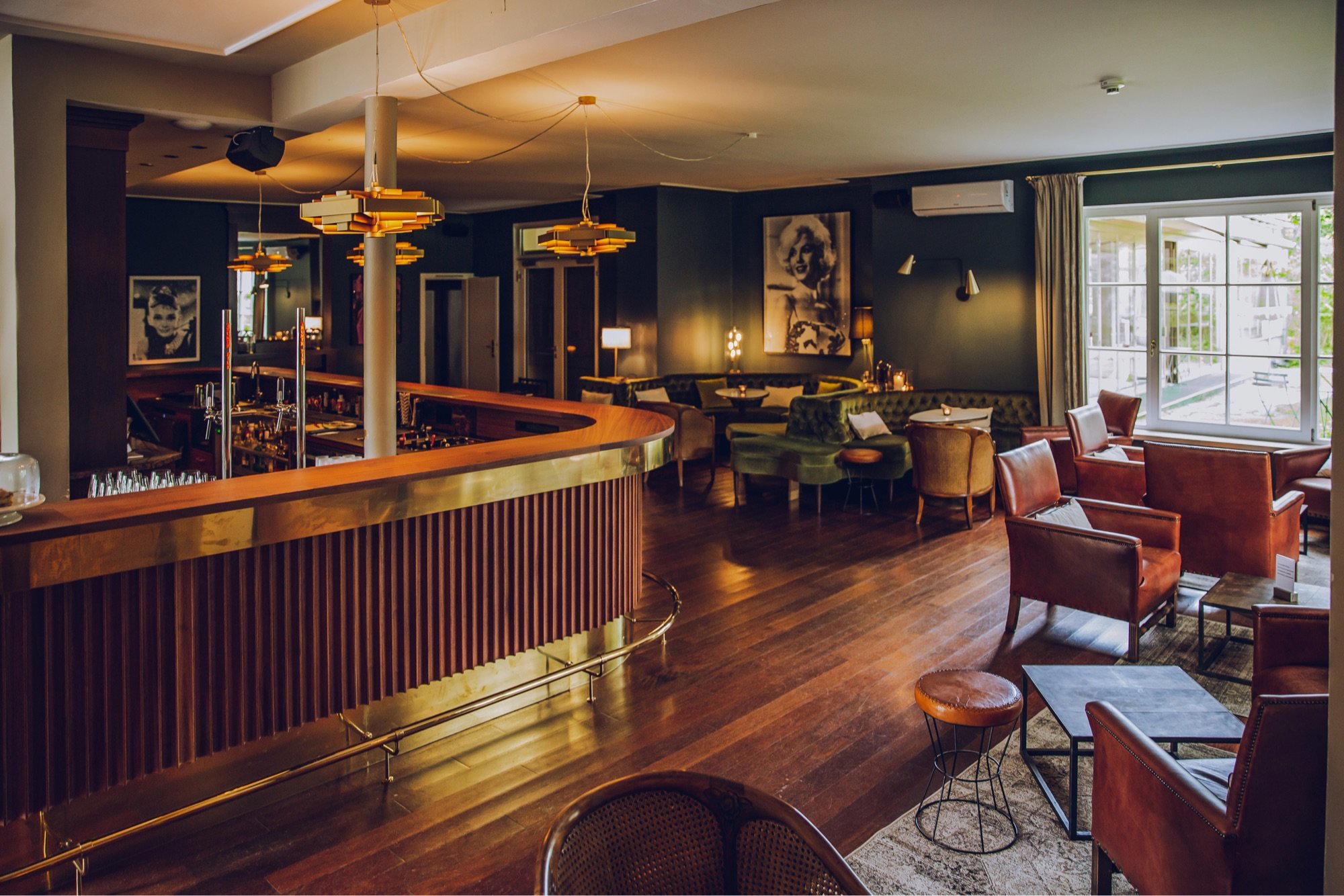
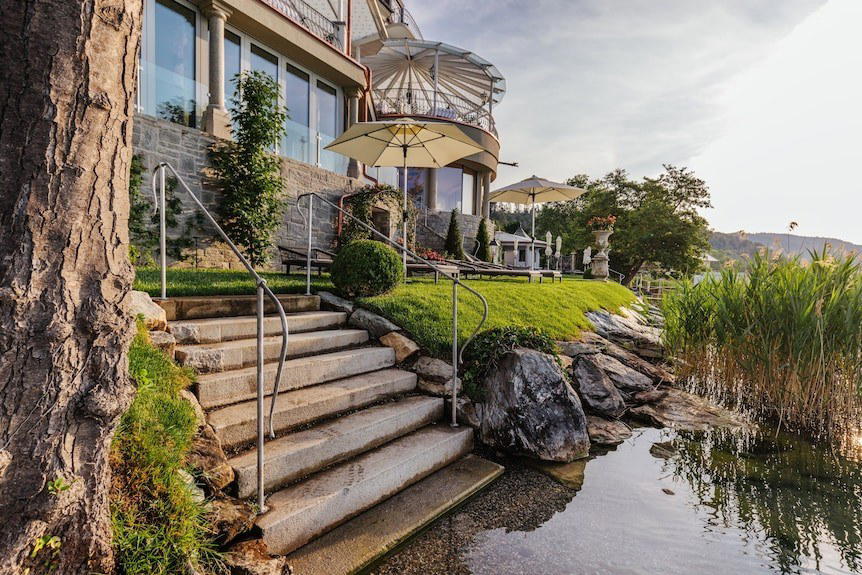
Velden am Wörthersee has a particular social register. It is not a working village that happens to have restaurants; it is a resort with a long history of drawing Austrian and German summer money, and the dining scene reflects that. Tables here compete with marina-facing terraces and hotel restaurants in a way that a rural Carinthian village kitchen does not. Seespitz on Schlossweg occupies a location close to the lakefront, which places it at the heart of that competition. The physical setting of the Wörthersee, flat and warm and visually generous in summer, creates a context where outdoor dining and the view become part of the proposition. Kitchens that hold Michelin recognition in this setting generally have to deliver on both the plate and the room, because the audience is not there solely for the food. That dual expectation is worth carrying into any visit.
Planning a Visit
Seespitz is located at Schlossweg 1, 9220 Velden am Wörthersee. The €€€ price tier places it above casual resort dining but below the ceremonial tasting-menu bracket that characterises Austria's leading starred tables. For a lakeside town on Carinthia's most prominent tourist circuit, that price point represents the credentialled mid-tier: good enough to anchor a deliberate dining occasion, accessible enough to work as a regular choice for those staying nearby across a week. Booking ahead is advisable during the summer season, when resort traffic compresses availability at any restaurant with external recognition. Hours are Mon to Sun, 12 to 5 p.m. and 6 to 8 p.m. Reservations are recommended. Austria's seasonal kitchens at this level often keep lean off-season schedules, so checking operating periods outside the June to September window is worth the additional step.
At-a-Glance Comparison
Comparable venues nearby, for context on price, style, and recognition.
| Venue | Cuisine | Price | Awards | Notes |
|---|---|---|---|---|
| SeespitzThis venue — the venue you are viewing | Modern Regional Austrian | $$$ | Michelin Plate | Not listed |
| Trippolt Zum Bären | Alpe-Adria Natural Cuisine | $$$ | Michelin Plate | Bad Sankt Leonhard im Lavanttal |
| Weitmoser Schlössl | Classic Austrian Regional | $$$ | Michelin Plate | Bad Hofgastein |
| Wirtshaus by Stefan Glantschnig | Modern Carinthian Regional | $$$ | Michelin Plate | Weissensee |
| Bär & Schaf Wirtschaft | Regional Austrian Seasonal | $$$ | Michelin Plate | Völkermarkt |
Recognition history
Dated appearances from independent guides and award organizations, with the underlying list record or original source where available.
Falstaff Restaurant - 93 Falstaff Points
Falstaff
Michelin Plate
Michelin
Michelin Plate
Michelin
Continue exploring
More in Velden am Wörthersee
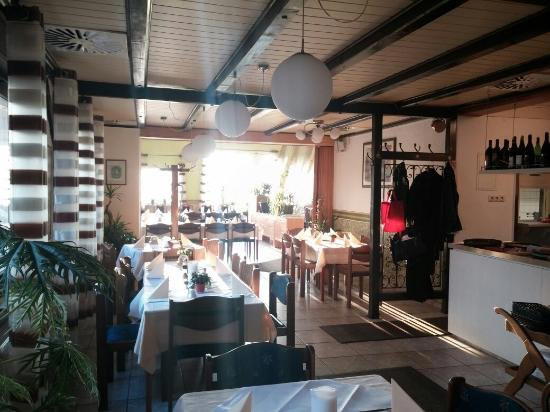
Restaurants in Velden am Wörthersee
Browse all →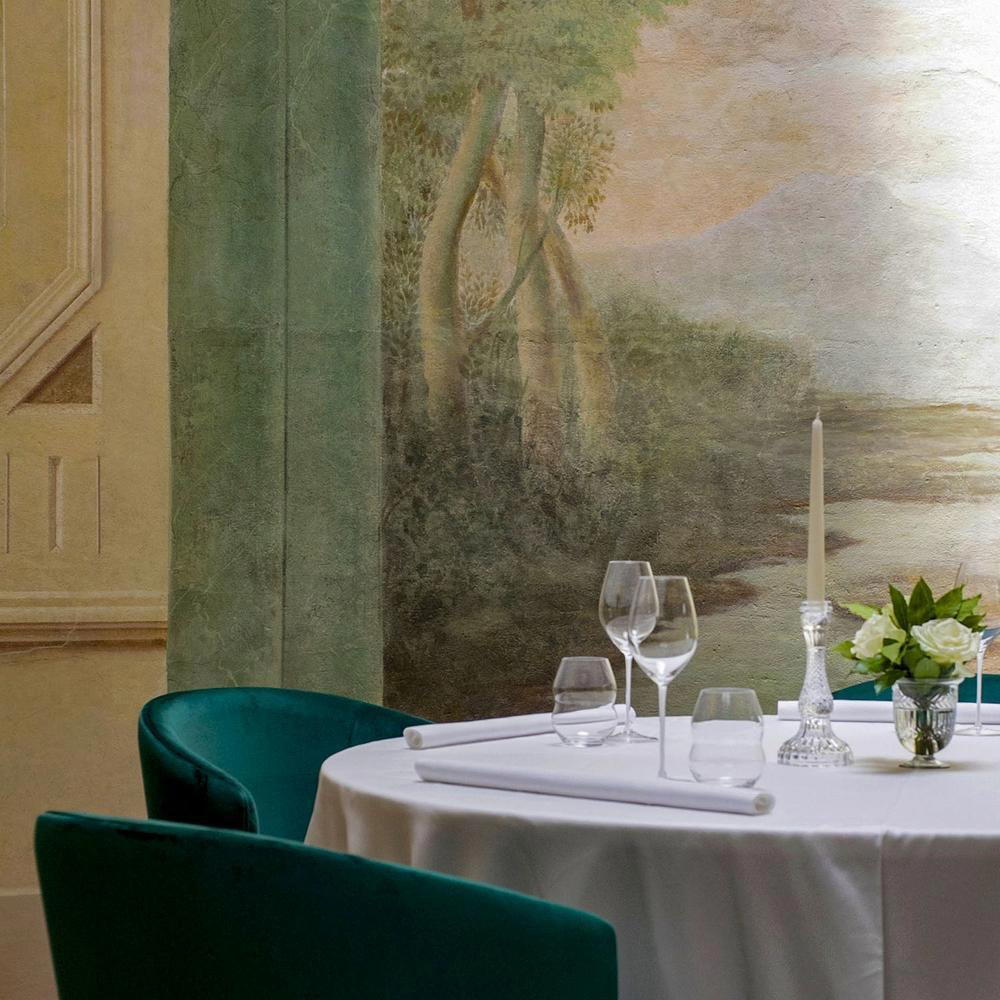
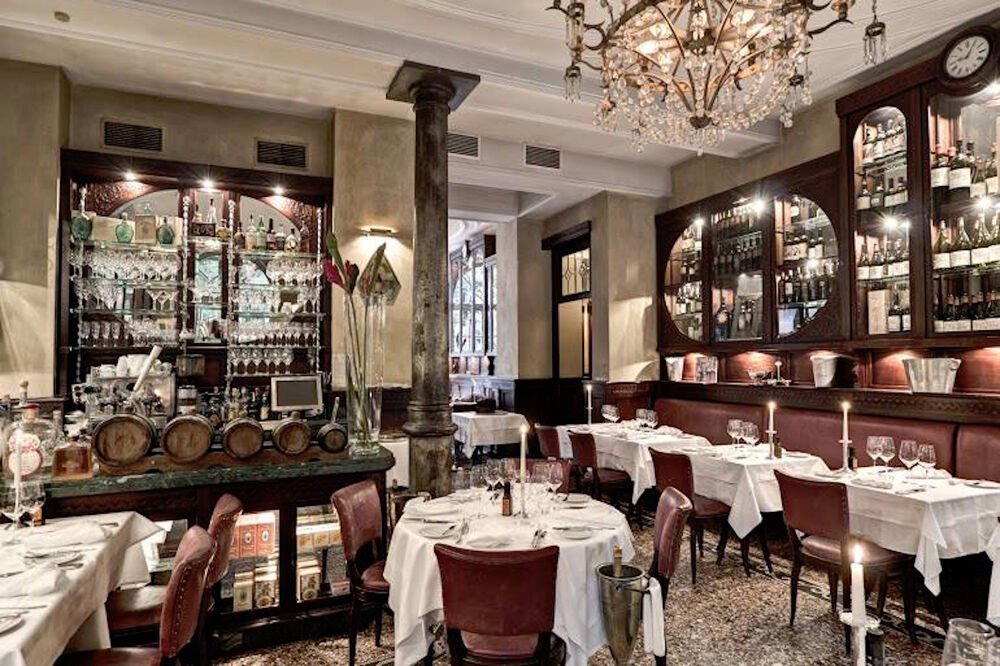
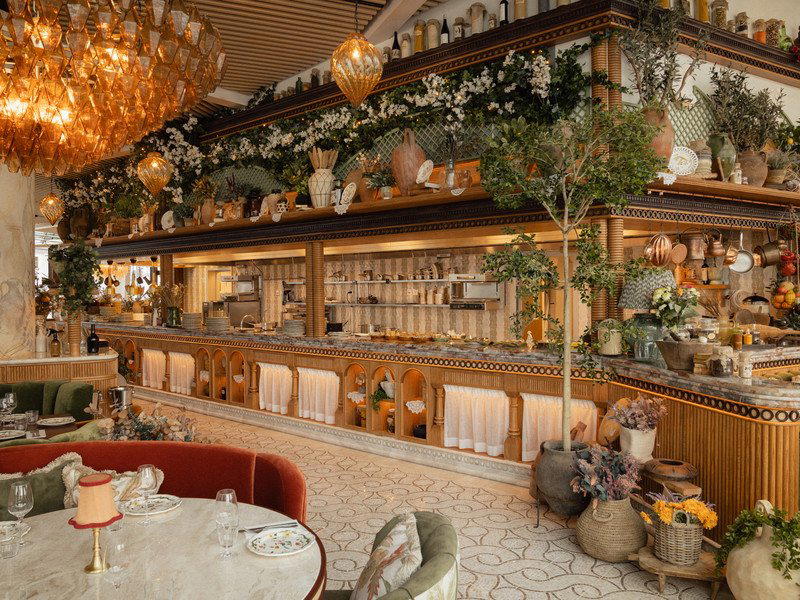
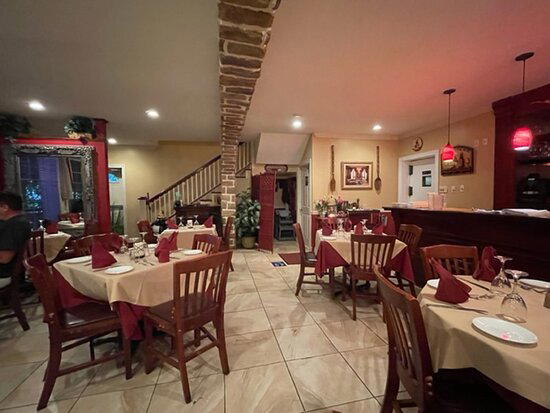
Bars in Velden am Wörthersee
Browse all →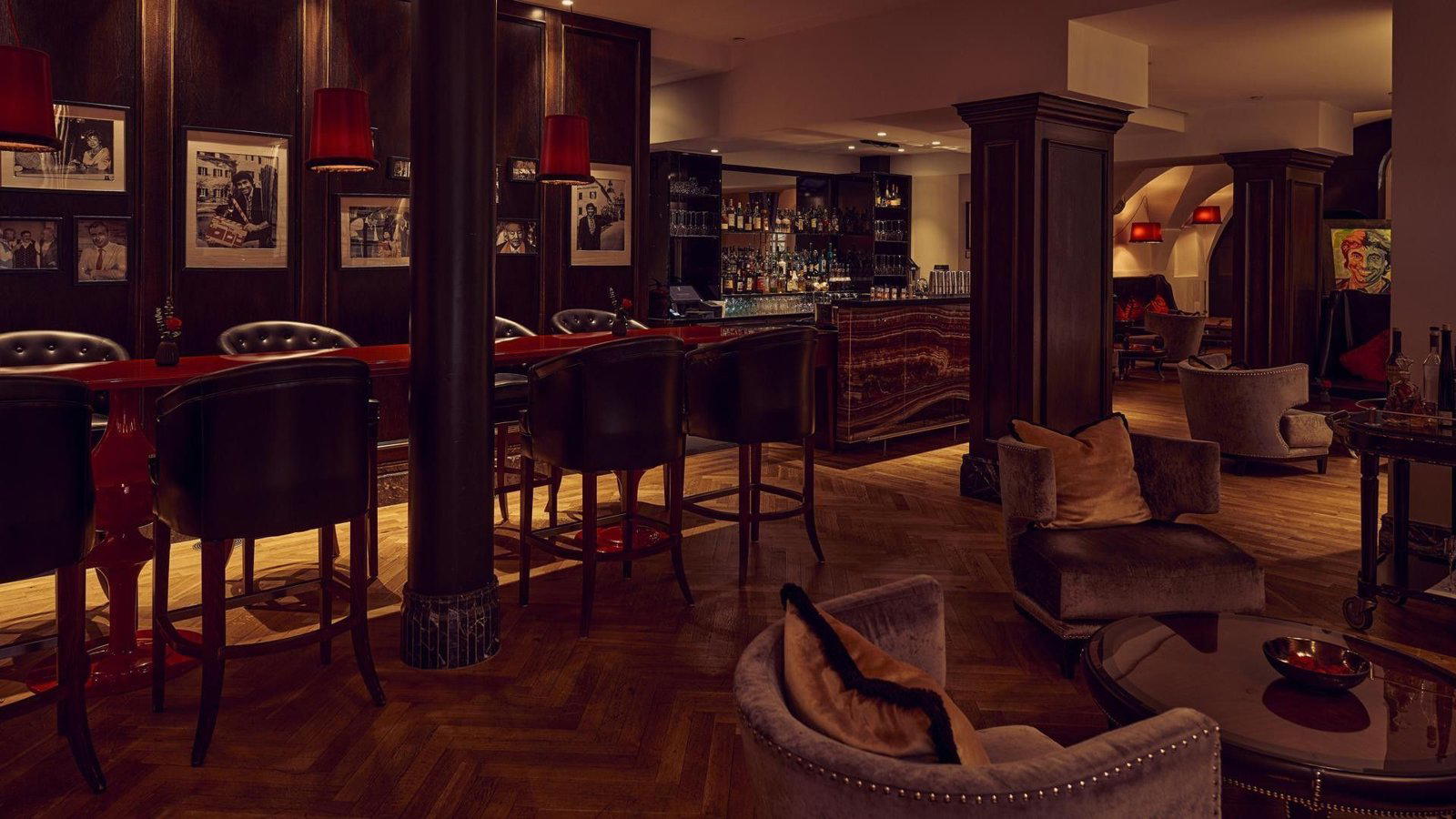
At a Glance
- Elegant
- Modern
- Scenic
- Sophisticated
- Date Night
- Special Occasion
- Celebration
- Waterfront
- Terrace
- Live Music
- Hotel Restaurant
- Extensive Wine List
- Craft Cocktails
- Local Sourcing
- Waterfront
- Mountain
Current opening hours
- Monday
- 12–5 p.m., 6–8 p.m.
- Tuesday
- 12–5 p.m., 6–8 p.m.
- Wednesday
- 12–5 p.m., 6–8 p.m.
- Thursday
- 12–5 p.m., 6–8 p.m.
- Friday
- 12–5 p.m., 6–8 p.m.
- Saturday
- 12–5 p.m., 6–8 p.m.
- Sunday
- 12–5 p.m., 6–8 p.m.
Hours can change for holidays and private events. Last verified .
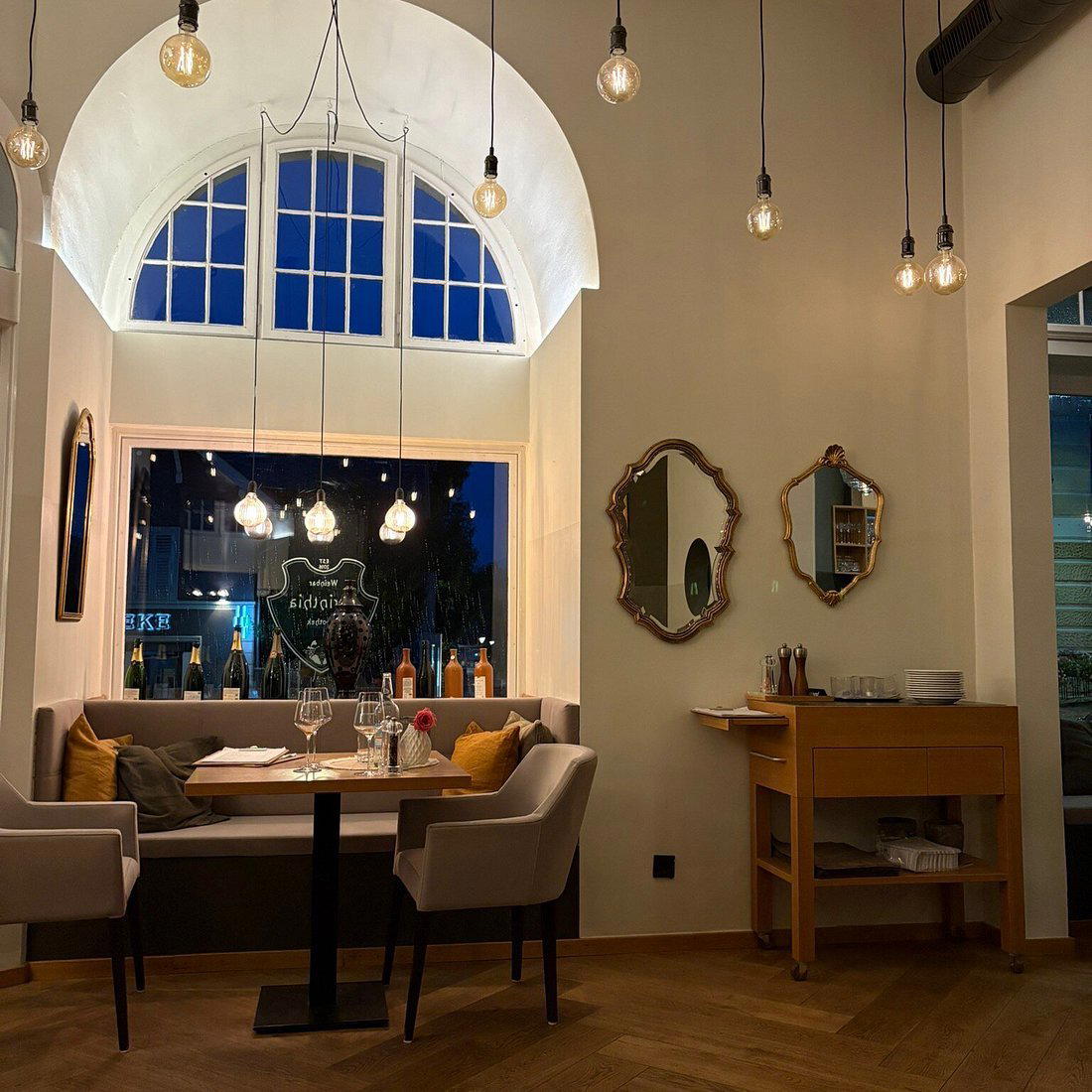
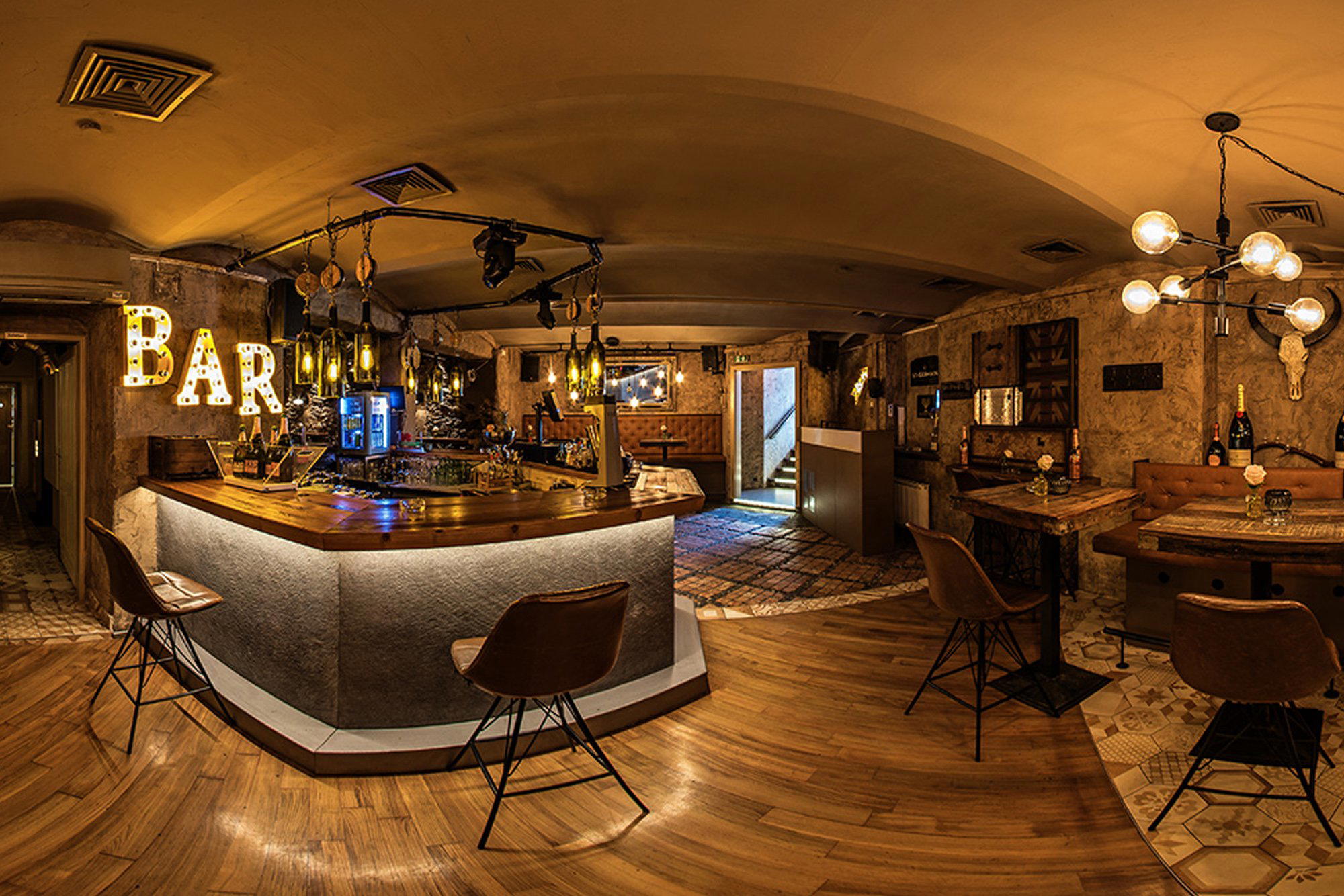
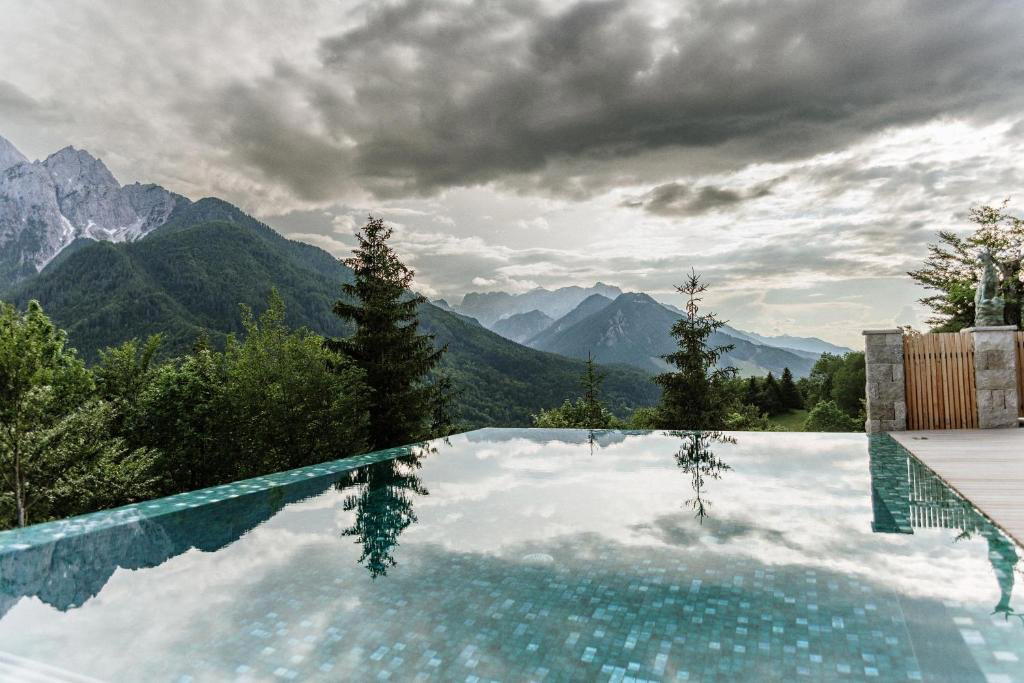
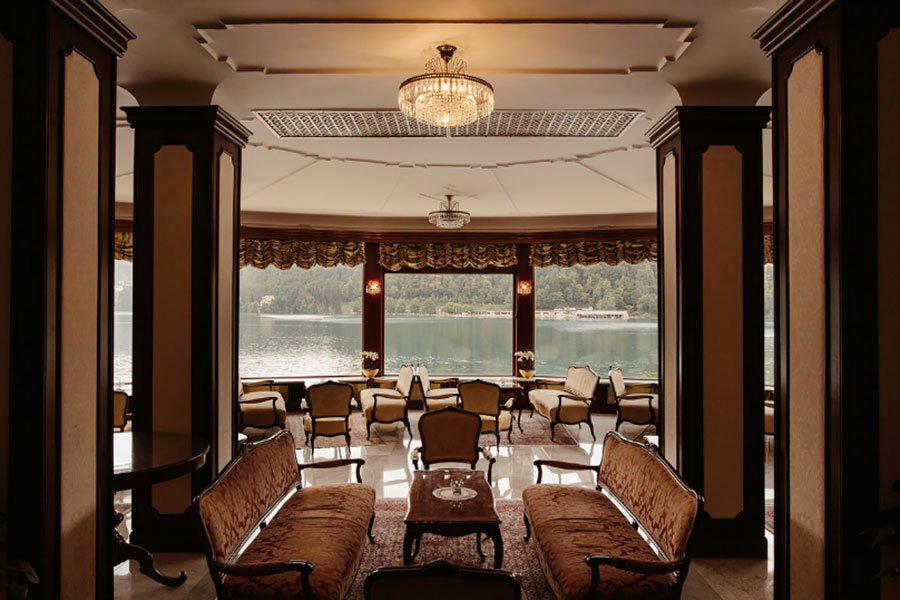
Trendy and elegantly designed with stylish-modern interior, seamless terrace flow, and calm, relaxing atmosphere.