Smoky Rose
Smoky Rose sits at 8602 Garland Road in east Dallas, operating in a city where smoke-forward cooking and imported culinary technique increasingly converge. The address places it outside the dense Oak Cliff and Uptown corridors where most reviewed Dallas restaurants cluster, giving it a neighborhood character distinct from the central dining circuit. For Dallas diners tracking where local-ingredient thinking meets broader American technique, it belongs on the radar.
Pearl is the En Primeur Club membership app — saves, bookings, and concierge access live there. Same editors, same standards.
- Address
- 8602 Garland Rd, Dallas, TX 75218
- Phone
- +14697765655
- Website
- smokyrose.com
- Directions
- Get directions
 Saves & bookings on Pearl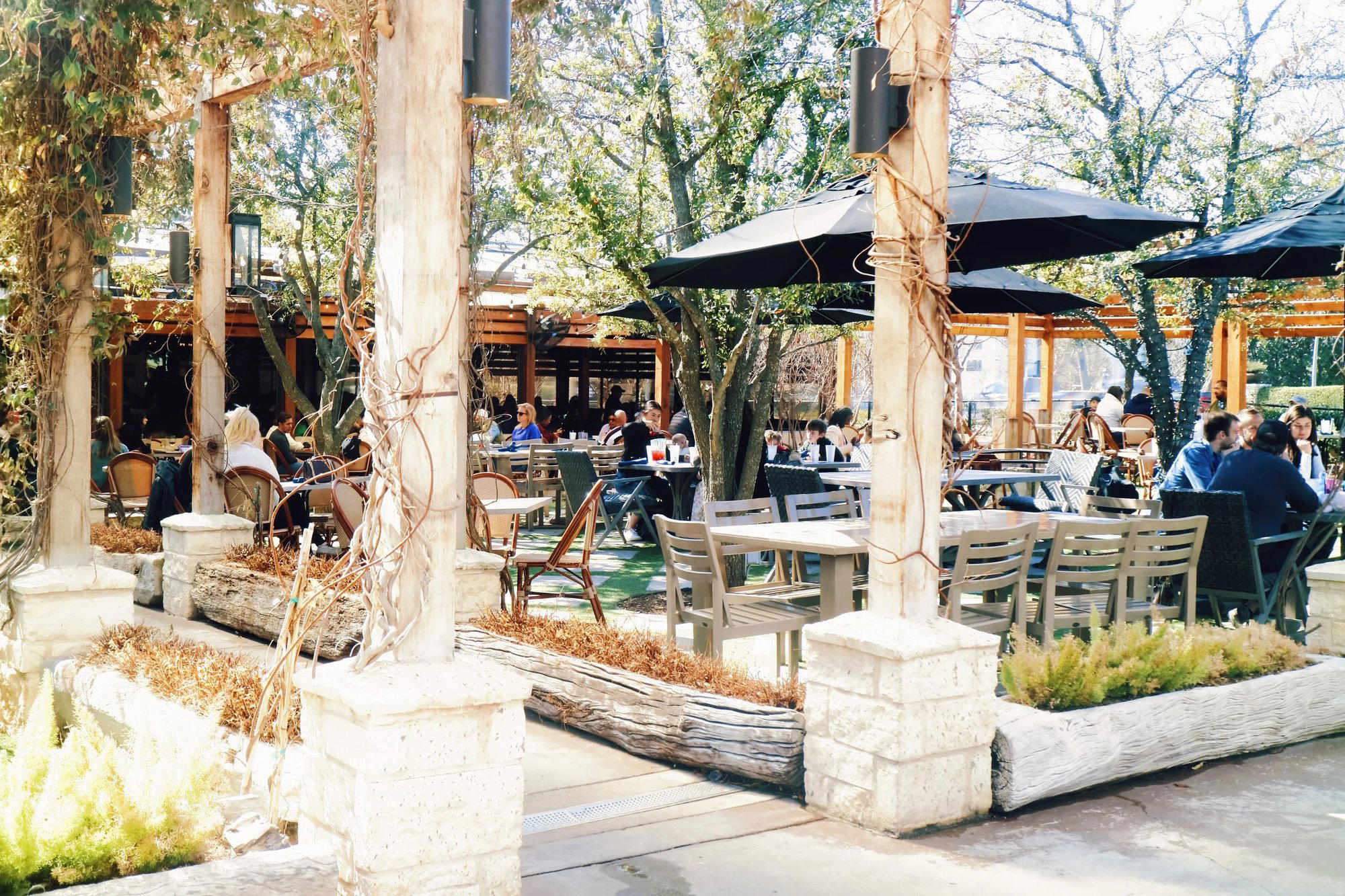
East Dallas and the Case for Cooking Outside the Corridor
Dallas dining has long been mapped around a handful of dense corridors: Uptown, Oak Cliff, Lower Greenville, the Design District. Restaurants outside those zones tend to receive less critical attention regardless of what is happening in the kitchen. The Garland Road stretch in east Dallas, where Smoky Rose operates at 8602, sits at a remove from that circuit, close enough to the city to draw committed diners, far enough to shed the scene-chasing energy that defines the more trafficked neighborhoods.
East Dallas has its own culinary texture. The area draws from a mix of long-established residential blocks and a food culture that skews toward the specific and the local rather than the trend-driven. That context matters when placing Smoky Rose: the address alone signals a particular kind of commitment, both from the kitchen and from the guests who make the trip.
Smoke, Technique, and the Texas Ingredient Question
The name Smoky Rose positions this place squarely within a cooking tradition that Texas has refined over generations: the application of smoke as a primary flavor tool rather than a finishing gesture. Across American barbecue's regional variations, Texas pitmasters have historically treated smoke with the same seriousness that French kitchens apply to stock reduction or Japanese chefs apply to knife geometry. It is a technique with deep local roots, shaped by cattle culture and post oak availability in Central and North Texas.
What has shifted in the past decade, across Dallas and beyond, is the integration of that tradition with techniques drawn from other culinary traditions. Kitchens that once operated strictly within the barbecue canon have begun incorporating curing methods, fermentation timing, and plating sensibilities borrowed from fine dining. The reverse movement is equally visible: chefs trained in European or Japanese kitchens have arrived in Texas and engaged seriously with smoke as a tool. The result is a category of restaurant that fits neither the classic barbecue joint template nor the white-tablecloth format, and the restaurant's name suggests it operates in that hybrid territory.
Among Dallas restaurants working in broadly American and smoke-inflected registers, the comparisons are instructive. Fearing's at the Ritz-Carlton applies Southwestern technique at a price point and formality level that targets a hotel dining audience. Cattleack Barbeque, operating on a limited schedule in northwest Dallas, holds a national reputation for traditional Central Texas-style smoking with no concession to fine dining format. Restaurants that find a position between them, smoke-serious but not format-strict, ingredient-focused but not ceremony-heavy, tend to attract particularly interesting cross-section of Dallas diners.
Across the broader American restaurant scene, the local-ingredient-meets-imported-technique framework has produced particularly discussed cooking of the past fifteen years. Blue Hill at Stone Barns in Tarrytown built its reputation on sourcing discipline applied through fine dining structure. Single Thread Farm in Healdsburg applies Japanese kaiseki sequencing to Northern California agricultural product. Lazy Bear in San Francisco uses open-fire cooking within a progressive tasting format. Each of those kitchens asks what happens when a technique from one tradition encounters an ingredient from another. That is increasingly the question Dallas kitchens are asking too, and it is the framework through which a place called Smoky Rose reads most clearly.
Where Smoky Rose Sits in the Dallas Conversation
Dallas supports a wider range of serious restaurants than its national reputation sometimes suggests. The city has Italian cooking worth comparing to coastal examples, as Lucia in Oak Cliff has demonstrated over years of consistent operation. It has Japanese formats that hold up against major-market peers, including Tatsu Dallas, which operates at the higher end of the Japanese dining tier in the city. It has ambitious international formats like Mamani and large-format Brazilian service at 12 Cuts Brazilian Steakhouse. For a more casual start to the day, 360 Brunch House anchors the brunch tier, and 3Eleven Kitchen and Cocktails holds its own in the casual-dining-with-craft-drinks space.
The restaurant at Garland Road occupies a different position: a neighborhood-anchored address with a name that references both local fire-cooking heritage and something more considered in its presentation. For diners who have worked through the Uptown circuit and want to understand where Dallas cooking is developing outside the obvious nodes, the east Dallas address is worth the drive.
For comparison against restaurants operating at the level where local-ingredient discipline and imported technique produce resolved cooking nationally, the reference points include Addison in San Diego, Providence in Los Angeles, Alinea in Chicago, The French Laundry in Napa, Atomix in New York City, Le Bernardin in New York City, The Inn at Little Washington, Emeril's in New Orleans, and 8½ Otto e Mezzo Bombana in Hong Kong. Those kitchens define what the format looks like at its most developed. Dallas has been moving toward that standard, and restaurants like Smoky Rose, whatever their specific format, represent part of that movement.
Peers in This Market
Comparable venues nearby, for context on price, style, and recognition.
| Venue | Cuisine | Price | Notes |
|---|---|---|---|
| Smoky RoseThis venue — the venue you are viewing | Texas BBQ with Chef-Driven Refinement | $$ | Not listed |
| Cindi's | New York-Style Deli | $$ | Gifford |
| Chet's | Irish-American Gastropub | $$ | West End |
| Ferris Wheelers Backyard and BBQ | Texas BBQ | $$ | Dallas Market Center |
| Republic Texas Tavern | Texas Tavern American | $$ | Preston Hollow |
| Origin Kitchen + Bar | Seasonal American Healthy | $$ | Knox-Henderson |
At a Glance
- Rustic
- Lively
- Casual
- Casual Hangout
- Group Dining
- Family
- After Work
- Brunch
- Terrace
- Open Kitchen
- Standalone
- Beer Program
- Craft Cocktails
- Local Sourcing
Current opening hours
- Monday
- 11 AM–9 PM
- Tuesday
- 11 AM–9 PM
- Wednesday
- 11 AM–9 PM
- Thursday
- 11 AM–9 PM
- Friday
- 11 AM–10 PM
- Saturday
- 11 AM–10 PM
- Sunday
- 10:30 AM–9 PM
Hours can change for holidays and private events. Last verified .
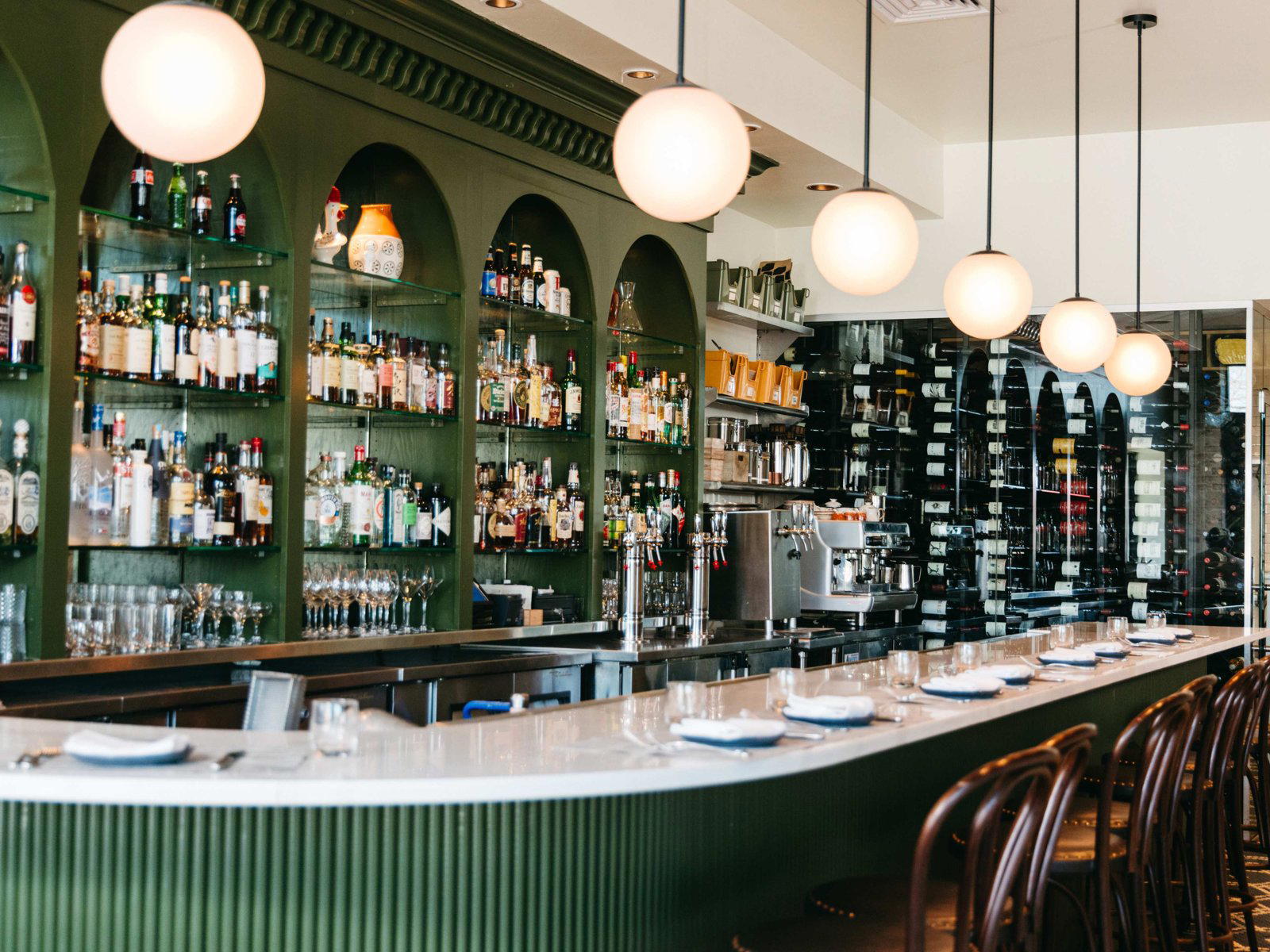
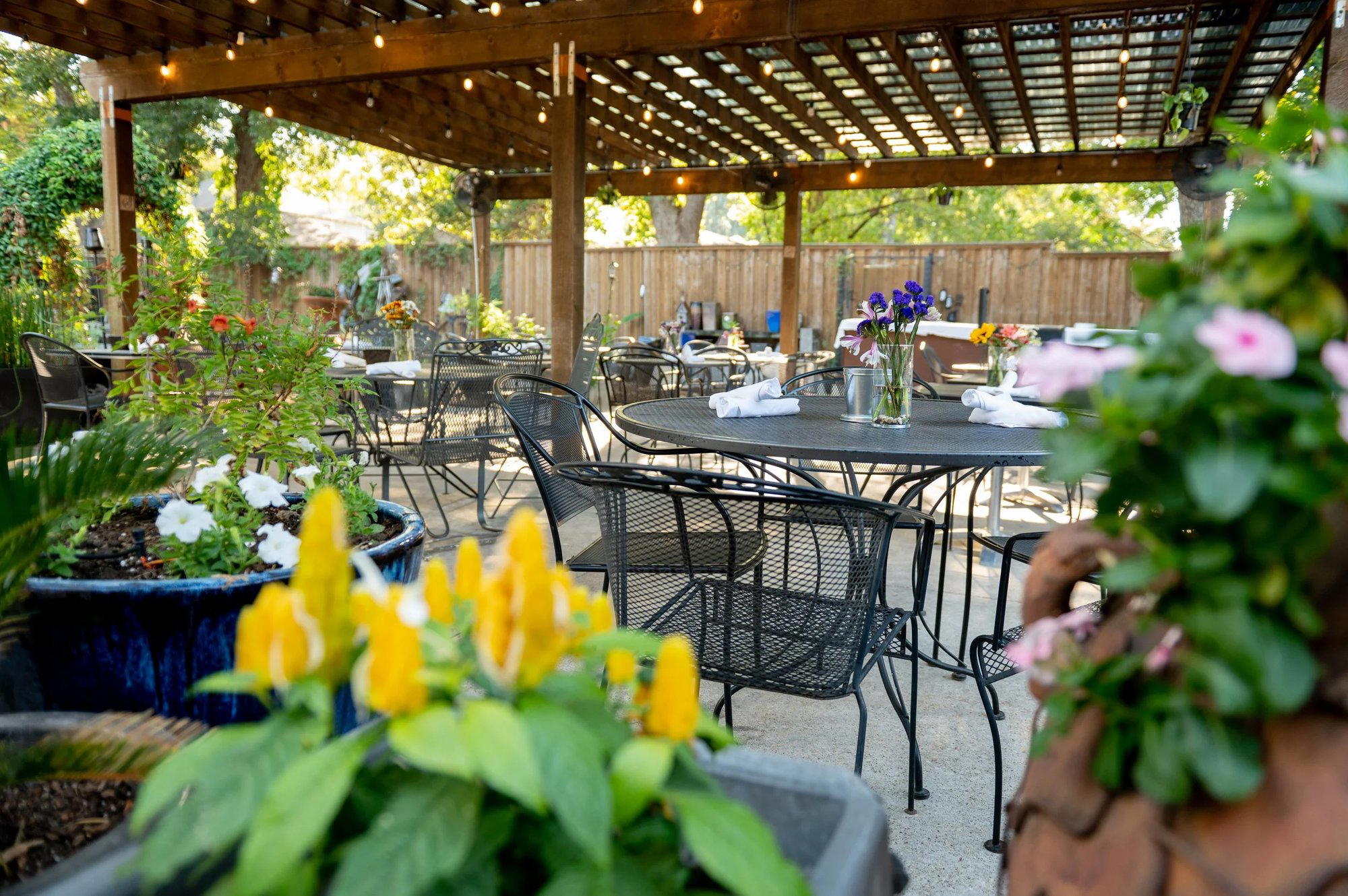
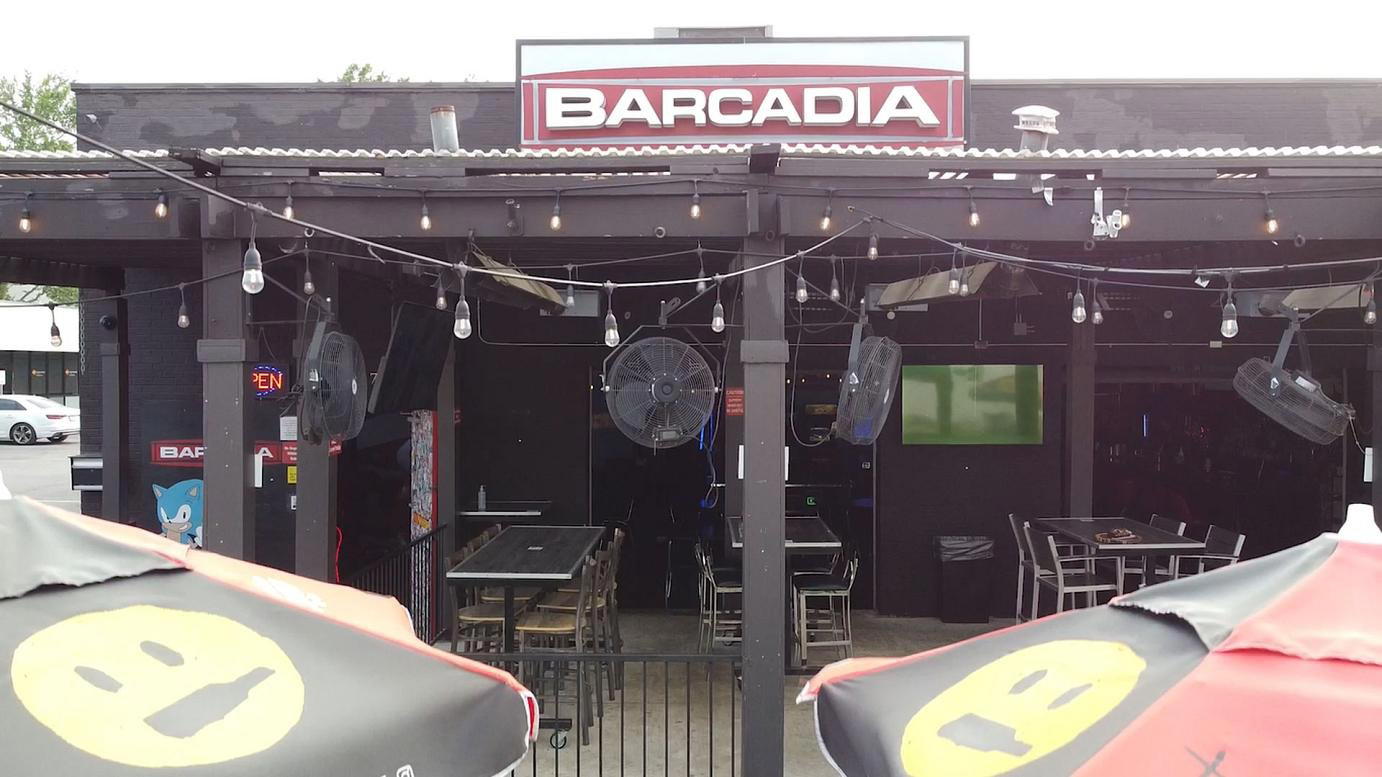
Casual and relaxed with a great outdoor patio; can be loud and lively during busy times, making conversation difficult.