sea beans
Sea Beans sits within Terranea Resort on the Palos Verdes Peninsula, occupying one of the most dramatic coastal positions in Southern California. The restaurant draws on the Pacific's proximity as both backdrop and larder, placing seafood and coastal ingredients at the center of its menu. For visitors making the drive south from Los Angeles, it represents a compelling case for destination dining on the peninsula.
Pearl is the En Primeur Club membership app — saves, bookings, and concierge access live there. Same editors, same standards.
- Address
- 100 Terranea Way, Rancho Palos Verdes, CA 90275
- Phone
- +18442420967
- Website
- terranea.com
- Directions
- Get directions
 Saves & bookings on Pearl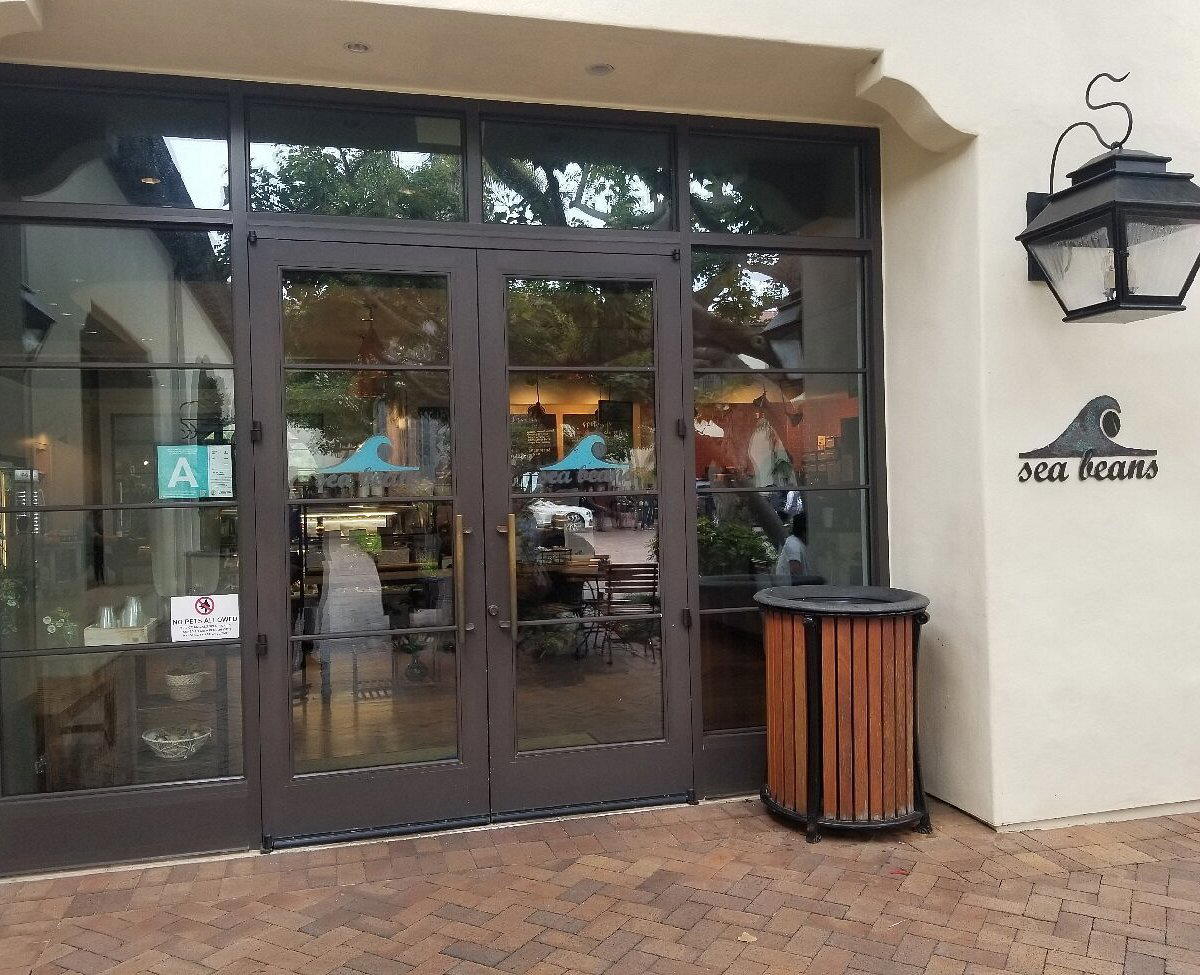
Where the Pacific Dictates the Menu
The Palos Verdes Peninsula has always operated at a remove from Los Angeles. The cliffs drop sharply into the ocean here, the light shifts differently than it does in the flatlands to the north, and the sense of remove from the city is more complete than the mileage suggests. Sea Beans sits within Terranea Resort at 100 Terranea Way, positioned to face the open Pacific, and that physical relationship with the ocean is not incidental — it shapes the entire logic of the restaurant. In a region where coastal dining often amounts to a view with food attached, the sourcing orientation at Sea Beans points in the other direction: the water is supplier as much as scenery.
This approach places Sea Beans in a specific and increasingly coherent category of American coastal restaurants that treat proximity to the ocean as a sourcing credential rather than a marketing asset. Restaurants like Providence in Los Angeles and Le Bernardin in New York City have long demonstrated that serious seafood programs require serious sourcing discipline. At the regional level, properties attached to coastal resorts have a particular opportunity — and a particular obligation, to make that connection legible on the plate.
Ingredient Logic on the Southern California Coast
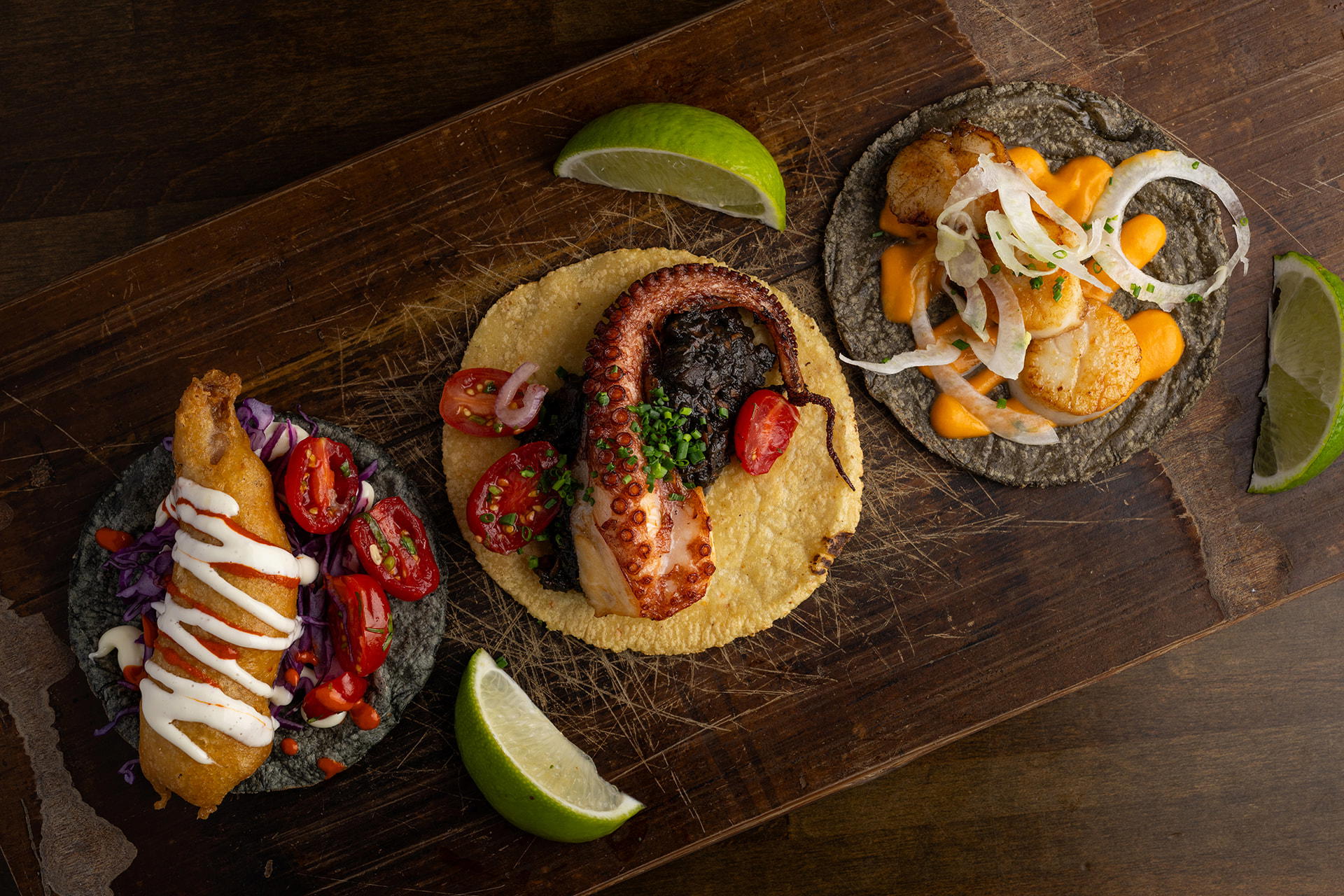
Southern California's coastal food identity is underwritten by an unusually productive stretch of Pacific fishery. The waters off the Palos Verdes Peninsula sit within the California Current system, which drives cold, nutrient-dense upwelling along the coast and supports diverse marine life year-round. This is the same ecological zone that supplies the kelp forests visible from the clifftops above Terranea, and it represents a genuine larder for any kitchen willing to work with local fishing operations and seasonal availability rather than importing standardized product.
The farm-to-table framework that shaped American fine dining over the past two decades has a marine equivalent, sometimes called dock-to-table, and Southern California's better seafood restaurants have been moving toward it steadily. The name Sea Beans itself gestures at this orientation: sea beans, the coastal succulent also known as salicornia, grows in saltmarsh habitats and has been adopted by restaurants on both coasts as a marker of genuine coastal sourcing. It is a plant that does not survive a long supply chain and requires a kitchen attuned to what grows and runs locally. That naming choice is a positioning statement.
For context on how ingredient-driven coastal programs operate at the highest tier, Single Thread Farm in Healdsburg has built one of the most discussed farm-integration models in American dining, while Blue Hill at Stone Barns in Tarrytown remains the reference point for tying restaurant menus directly to agricultural cycles. Sea Beans operates in a different register, resort dining rather than destination-only tasting menus, but the underlying sourcing logic shares the same premise: the menu should reflect what the surrounding land and sea actually produce.
The Peninsula's Dining Tier
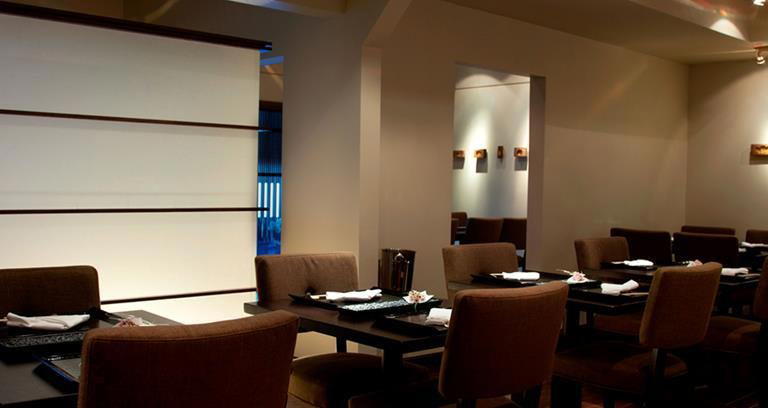
Rancho Palos Verdes does not have a dense restaurant scene in the way that coastal neighborhoods closer to central Los Angeles do. What it has, concentrated largely within Terranea, is a cluster of serious dining options that serve both resort guests and visitors making a deliberate trip from the city. Mar'sel, the American fine-dining anchor at Terranea, occupies the formal top tier with a $$$$ price point and a menu that leans heavily on local and seasonal California produce. Bashi and Swan Thai RPV round out the property's range. Sea Beans sits within this ecosystem as the option most directly oriented toward coastal and casual-format dining, positioned below the formal register of Mar'sel but sharing the same geographical advantage.
That positioning matters for visitors deciding how to allocate an evening on the peninsula. The choice between Sea Beans and Mar'sel is partly a question of format preference, relaxed coastal versus structured fine dining, and partly a question of what kind of sourcing story you want the menu to tell. Both restaurants benefit from the same Pacific-facing address; they simply narrate it differently.
For those mapping the broader Southern California fine dining circuit, Addison in San Diego represents the region's most decorated formal option to the south, while Providence anchors the serious seafood tier in central Los Angeles. Sea Beans occupies a different niche: resort-integrated, view-dependent, and oriented toward the kind of meal that makes geographic sense only in this specific location on this specific stretch of coast. Our full Rancho Palos Verdes restaurants guide maps the broader options for visitors planning a day or overnight on the peninsula.
National Context for Coastal Sourcing Programs
The push toward hyper-local sourcing at coastal American restaurants has accelerated significantly over the past decade. Programs at Lazy Bear in San Francisco and The French Laundry in Napa have demonstrated that California's food culture is willing to support ambitious sourcing frameworks at multiple price points. Further afield, Emeril's in New Orleans built its identity in part on Gulf sourcing specificity, while Bacchanalia in Atlanta and Brutø in Denver have shown how regional ingredient logic works outside obvious coastal settings. At the technically demanding end of the spectrum, Alinea in Chicago and Atomix in New York City demonstrate how ingredient provenance can be woven into highly composed tasting formats. The Inn at Little Washington and 8½ Otto e Mezzo Bombana in Hong Kong illustrate that the farm-and-sea sourcing conversation has moved well beyond California into both American regional dining and international fine dining.
Within this national conversation, a well-executed coastal resort restaurant on the Palos Verdes Peninsula has a genuine case to make. The sourcing conditions are favorable, the location is distinctive, and the gap in the Southern California dining map between central Los Angeles and San Diego is real. Whether Sea Beans fully capitalizes on those conditions is a question leading answered with a reservation in hand.
Planning a Visit
Sea Beans is located within Terranea Resort at 100 Terranea Way, Rancho Palos Verdes, CA 90275, approximately 25 miles south of downtown Los Angeles via the Pacific Coast Highway and Palos Verdes Drive. The drive requires a commitment, but the peninsula rewards it, particularly at sunset when the light off the ocean is at its most useful for understanding why this stretch of coast has attracted serious hospitality investment. Given the resort setting, booking ahead is advisable, particularly for weekend visits when Terranea draws both hotel guests and day visitors from the city. Specific hours, current menu details, and reservation options are best confirmed directly with the resort before traveling.
How sea beans Rancho Palos Verdes compares with similar nearby venues.
| Venue | Cuisine | Price |
|---|---|---|
| Mar'sel | American | $$$$ |
Continue exploring
More in Rancho Palos Verdes
Restaurants in Rancho Palos Verdes
Browse all →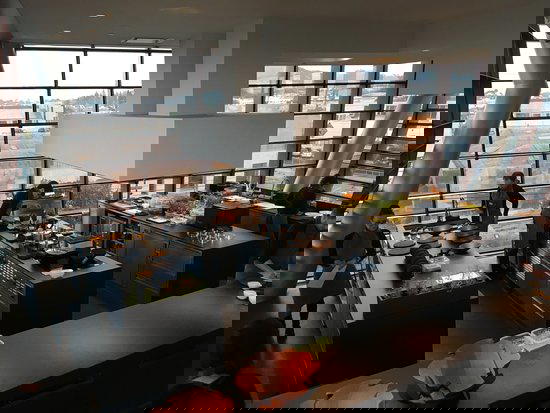
Bars in Rancho Palos Verdes
Browse all →
Hotels in Rancho Palos Verdes
Browse all →
Wineries in Rancho Palos Verdes
Browse all →
At a Glance
- Casual
- Scenic
- Cozy
- Trendy
- Brunch
- Casual Hangout
- Solo
- Family
- Waterfront
- Terrace
- Hotel Restaurant
- Beer Program
- Waterfront
Current opening hours
- Monday
- 6 AM–8 PM
- Tuesday
- 6 AM–8 PM
- Wednesday
- 6 AM–8 PM
- Thursday
- 6 AM–8 PM
- Friday
- 6 AM–9 PM
- Saturday
- 6 AM–9 PM
- Sunday
- 6 AM–8 PM
Hours can change for holidays and private events. Last verified .
Bright, airy, and laid-back coastal atmosphere with outdoor seating areas well-shaded and overlooking the ocean; relaxed and inviting with a contemporary café aesthetic.
Know Before You Go
- Getting there
- 100 Terranea Way, Rancho Palos Verdes, CA 90275