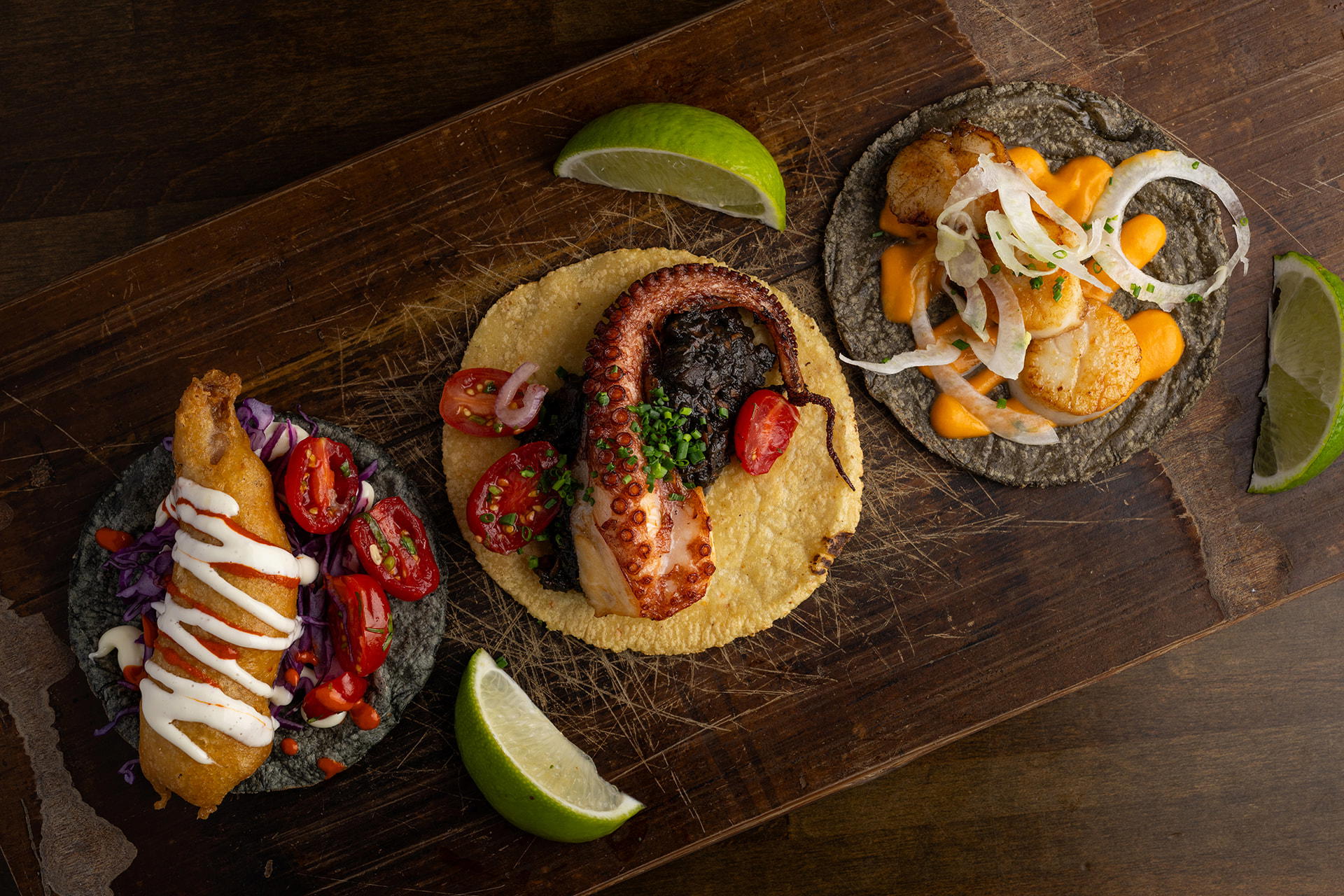
Bashi sits within the Terranea Resort on the Palos Verdes Peninsula, where the Pacific defines both the setting and the sourcing philosophy. The restaurant draws on the coastline's proximity to frame a seafood-forward menu, placing it alongside Terranea's broader dining cluster as one of the peninsula's more deliberately located dining options. For visitors already staying at the resort, it anchors the property's culinary offer.
Pearl is the En Primeur Club membership app — saves, bookings, and concierge access live there. Same editors, same standards.
- Address
- 100 Terranea Way, Rancho Palos Verdes, CA 90275
- Phone
- +18442517998
- Website
- terranea.com
- Directions
- Get directions
 Saves & bookings on Pearl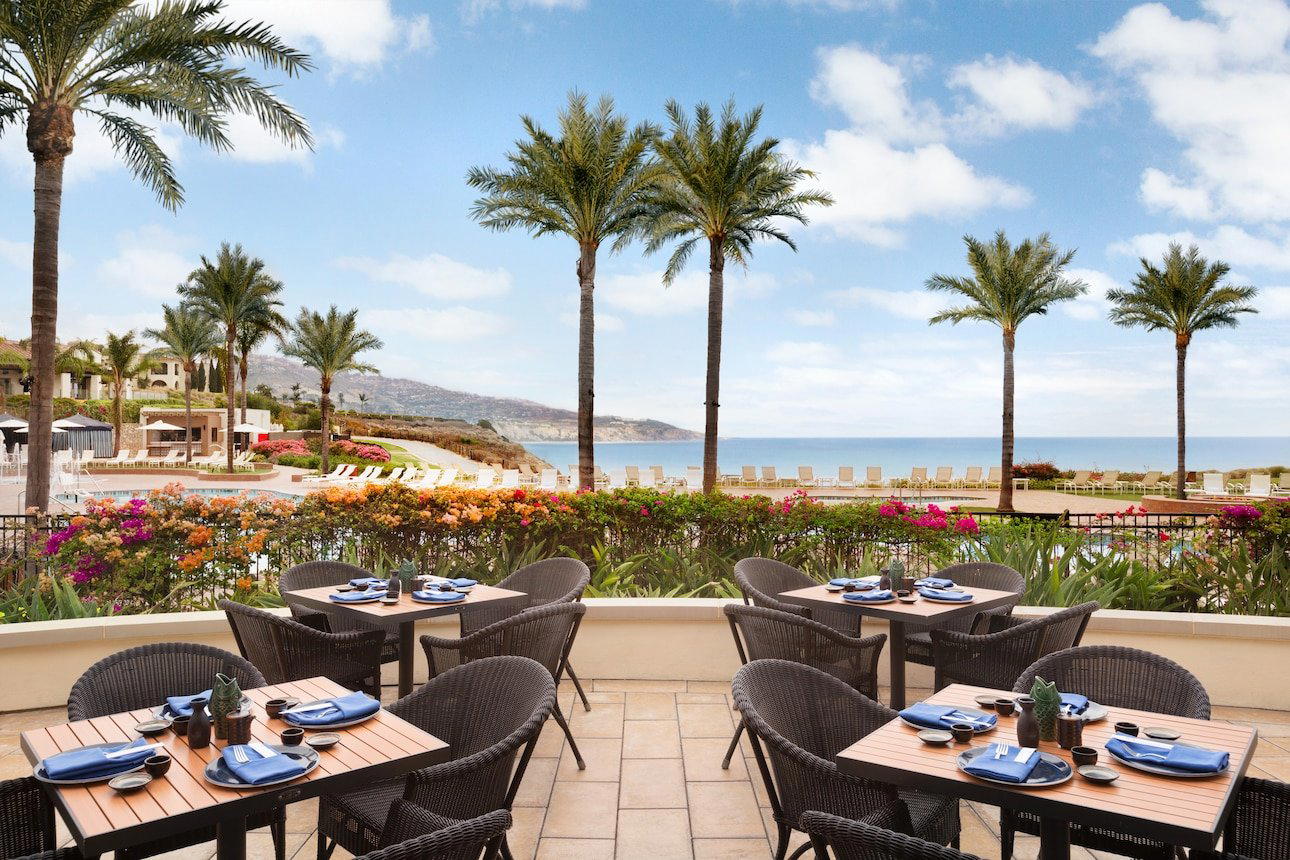
Where the Coastline Sets the Terms
The Palos Verdes Peninsula occupies one of the more quietly serious stretches of the Southern California coast. Forty miles of rugged bluffs drop into the Pacific, and on clear days the Channel Islands sit on the horizon like a rumor of wilderness. Terranea Resort, which occupies 102 acres of this coastline at 100 Terranea Way, Rancho Palos Verdes, is where bashi operates, and that geography is not incidental to what the restaurant does. Coastal proximity on this scale exerts pressure on a kitchen's sourcing decisions in ways that urban restaurants, however technically accomplished, cannot fully replicate. The Pacific here is not a backdrop. It is the primary argument.
Along the American coastline, a handful of restaurants have built their identity around this kind of geographic specificity: Single Thread Farm in Healdsburg uses a farming operation as the anchor for its kitchen; Blue Hill at Stone Barns in Tarrytown has made the source farm the actual premise of the menu. Bashi operates within a different model, embedded in a resort rather than a standalone property, but the coastal setting creates a comparable imperative: the ingredients available within reach of this particular point on the California coast are specific, seasonal, and worth treating as the starting point rather than the finishing touch.
The Sourcing Logic of the Southern California Coast
Southern California's culinary identity has long been shaped by access to ingredients that would be logistically difficult to replicate elsewhere. The waters off the Palos Verdes Peninsula yield species that inform the better seafood-focused kitchens in the region. Providence in Los Angeles has built its Michelin two-star program substantially around California seafood, demonstrating what a focused, sourcing-led approach to Pacific product can look like at a high level. Bashi, positioned at the coastline itself rather than in a city center, sits at an interesting remove from that urban fine-dining tier, one where the access to raw product is arguably closer, even if the format operates differently.
The agriculture and aquaculture infrastructure of California's southern coast supports a range of products with genuine seasonal variation. Sea urchin from the Channel Islands, spiny lobster from Southern California waters, and local halibut all follow patterns that a kitchen paying attention to its immediate geography will reflect in what it puts on the plate. Restaurants that take ingredient provenance seriously, from Le Bernardin in New York City to Addison in San Diego, treat sourcing transparency as a form of critical argument, not merely a marketing note. The geographic position of bashi makes that argument available to it, regardless of the format it chooses to occupy.
Bashi Within Terranea's Dining Cluster
Terranea Resort runs multiple dining outlets, which positions bashi within an internal competitive set as much as an external one. Mar'sel, the resort's American fine-dining room, occupies the upper tier of the property's food and beverage offer, operating at the $$$$ price point and drawing guests who want a full formal dining experience on-site. Sea beans and Swan Thai RPV round out the peninsula's restaurant options in different registers. Bashi occupies its own position in this cluster, and guests making a dining decision within the resort are effectively choosing between a defined set of formats and price signals, each of which corresponds to a different kind of evening.
The broader pattern here reflects how resort dining has evolved along California's premium coastal corridor. Properties that once treated food and beverage as an amenity now treat it as a differentiator. The model is visible at The French Laundry in Napa, which sits within the wine-country resort ecosystem even as a standalone property, and at destination-driven properties elsewhere. When a resort kitchen takes its coastal sourcing as seriously as its setting implies it should, the dining offer stops functioning as a convenience and starts functioning as a reason to be there.
Peer Context: Farm-to-Table and Coastal American Kitchens
The broader category of sourcing-led American restaurants has matured considerably over the past decade. Early iterations of the farm-to-table movement were sometimes more ideological than technically grounded. The generation of kitchens that followed, from Smyth in Chicago to Lazy Bear in San Francisco to The Wolf's Tailor in Denver, has treated local sourcing not as an ethical stance but as a technical discipline, with the quality of ingredient procurement directly shaping the ceiling of what the kitchen can achieve.
Internationally, the argument has been made even more sharply. Atelier Moessmer Norbert Niederkofler in Brunico operates on a strictly Alpine sourcing philosophy, with no ingredient that cannot be traced to the immediate mountain region. Atomix in New York City treats Korean ingredient provenance as the intellectual center of its tasting menu. Frasca Food and Wine in Boulder and The Inn at Little Washington in Washington each demonstrate that geographic commitment at a distance from major urban centers is not a compromise but a distinct advantage. Emeril's in New Orleans built its entire premise on the specificity of Louisiana Gulf Coast product. Bashi's position on the Palos Verdes bluffs places it inside this tradition rather than outside it, even if its format and scale differ from these reference points.
Planning a Visit
Bashi is located within Terranea Resort at 100 Terranea Way, Rancho Palos Verdes, CA 90275, which sits roughly 25 miles south of downtown Los Angeles via the Pacific Coast Highway and the Palos Verdes Drive corridor. The drive from LAX runs approximately 45 minutes outside peak traffic windows. Guests staying at Terranea have the most direct access, and the dining options are most naturally combined with an overnight stay given the resort's remove from the city. For those driving in for dinner specifically, the coastal setting means that arrival before sunset adds a dimension that purely urban restaurants cannot offer. Booking details, current hours, and reservation availability are best confirmed directly with Terranea Resort. For a broader orientation to dining on the peninsula, see our full Rancho Palos Verdes restaurants guide.
How bashi Rancho Palos Verdes compares with similar nearby venues.
| Venue | Cuisine | Price |
|---|---|---|
| Mar'sel | American | $$$$ |
Continue exploring
More in Rancho Palos Verdes
Restaurants in Rancho Palos Verdes
Browse all →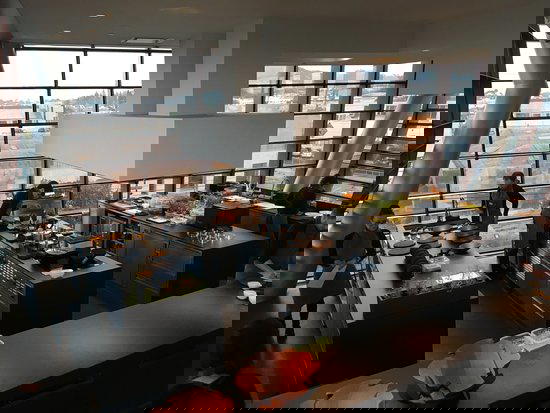
Bars in Rancho Palos Verdes
Browse all →
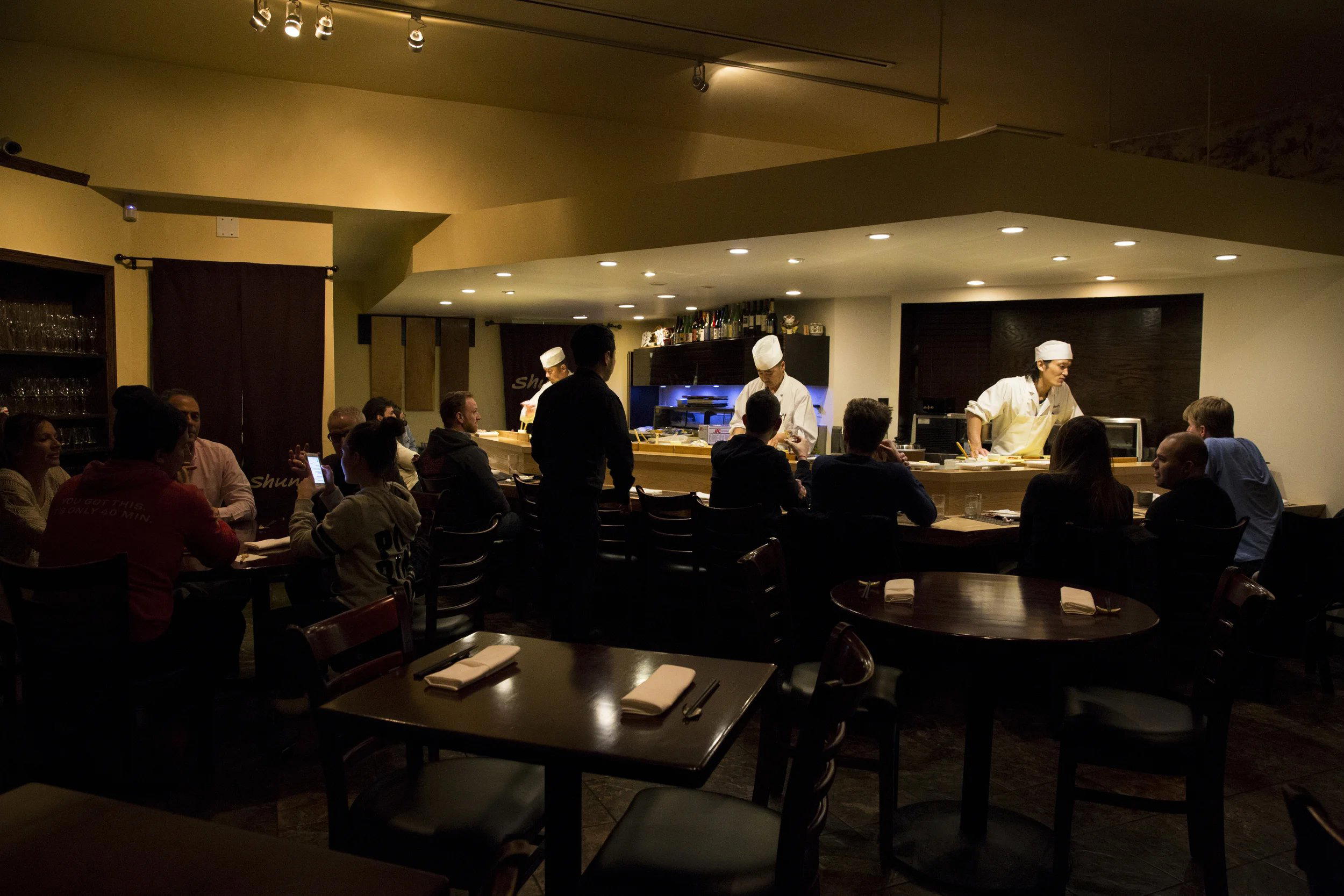
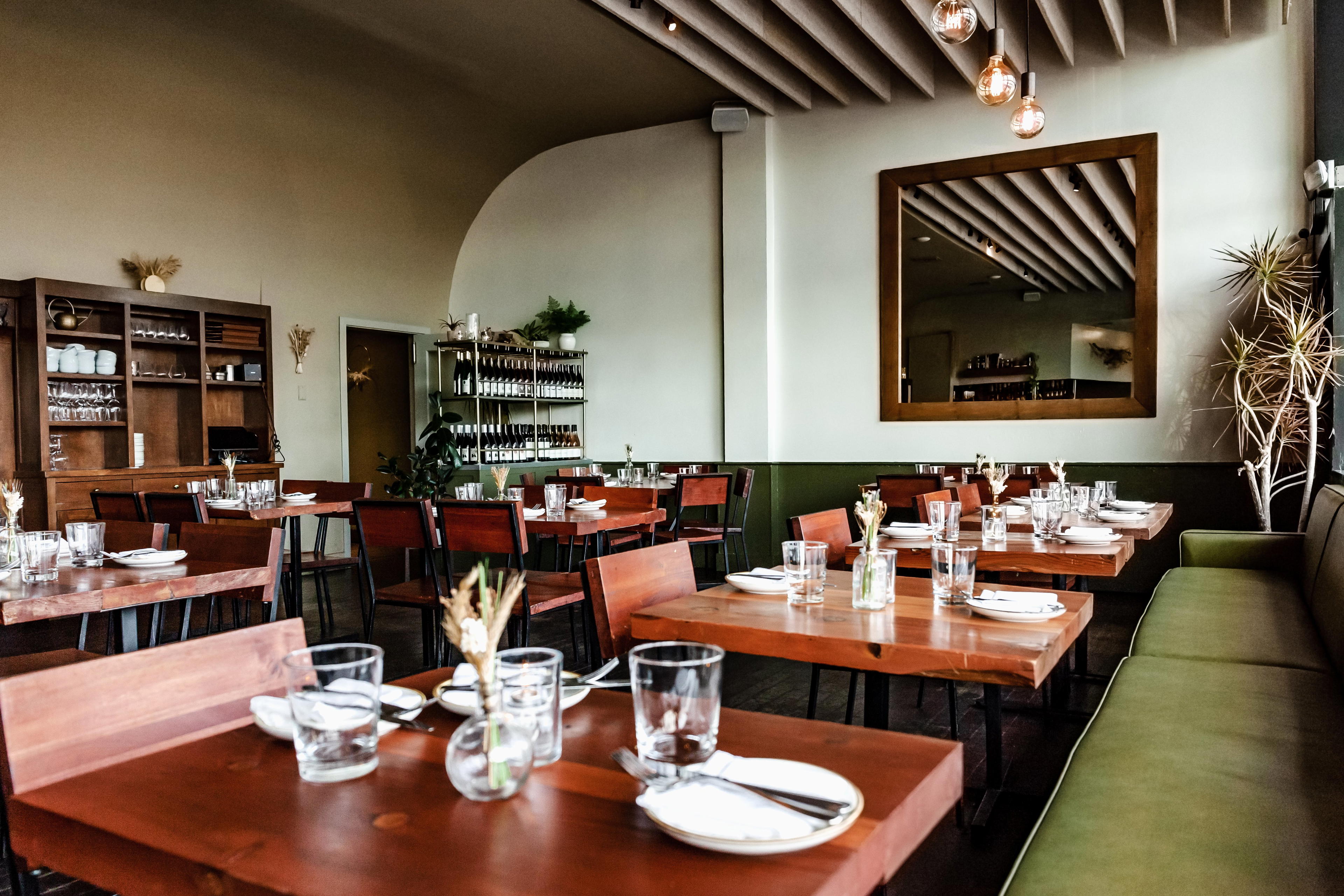
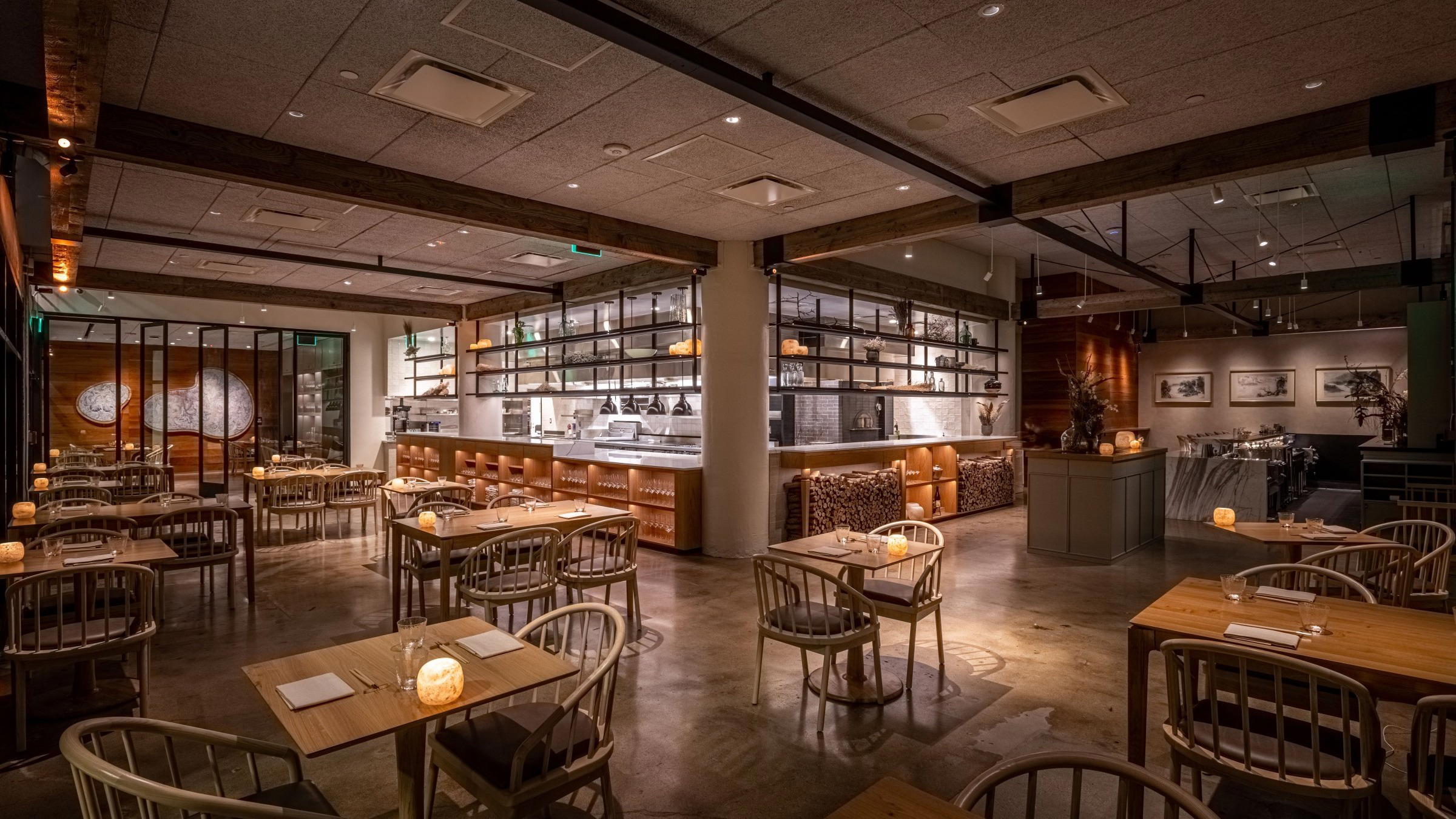
Hotels in Rancho Palos Verdes
Browse all →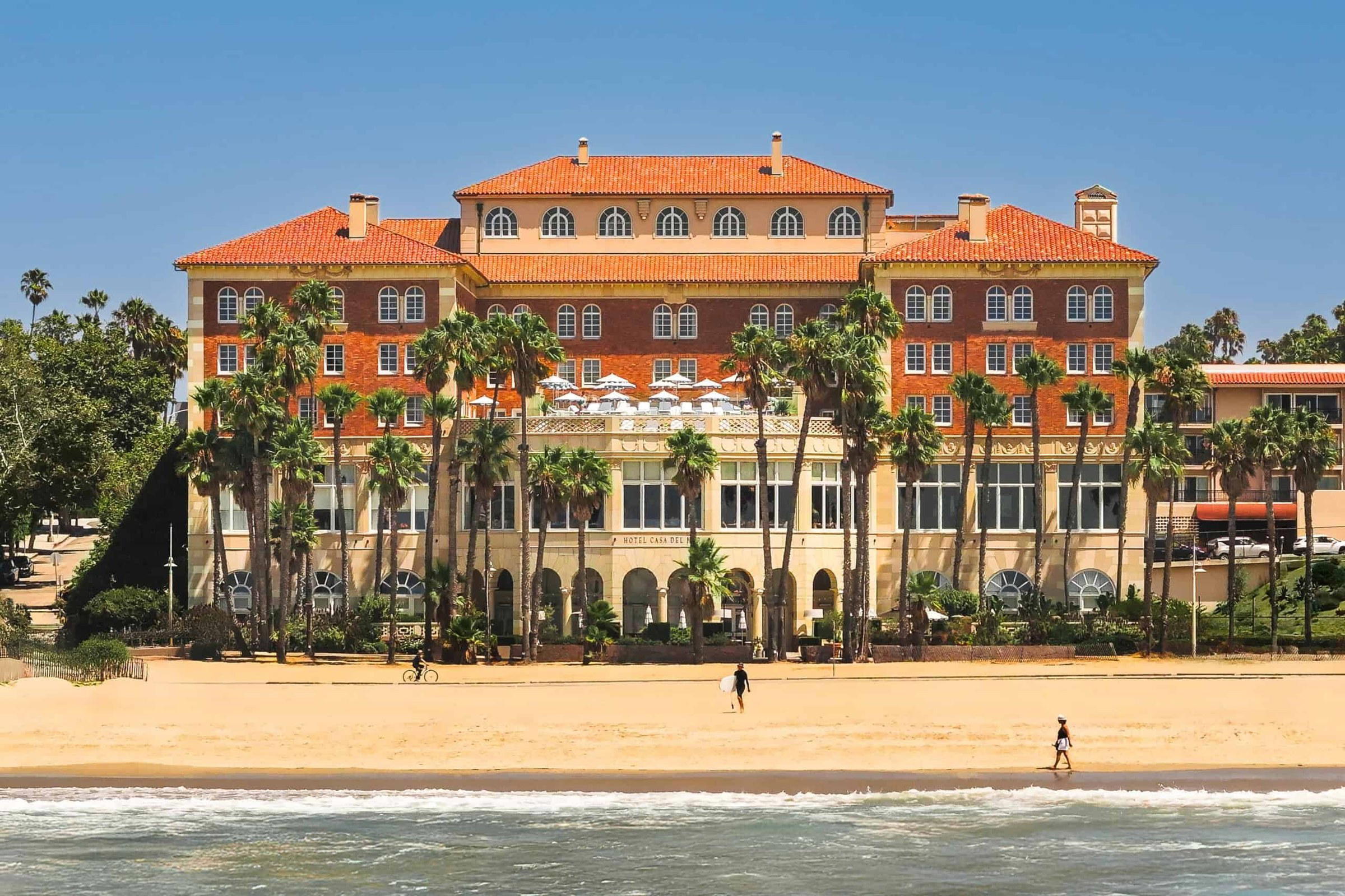
Wineries in Rancho Palos Verdes
Browse all →
At a Glance
- Elegant
- Sophisticated
- Modern
- Date Night
- Special Occasion
- Business Dinner
- Open Kitchen
- Standalone
- Sake Program
- Craft Cocktails
- Local Sourcing
- Sustainable Seafood
Current opening hours
- Monday
- 5–9 PM
- Tuesday
- 5–9 PM
- Wednesday
- 5–9 PM
- Thursday
- 5–9 PM
- Friday
- 5–10 PM
- Saturday
- 12–10 PM
- Sunday
- 12–9 PM
Hours can change for holidays and private events. Last verified .
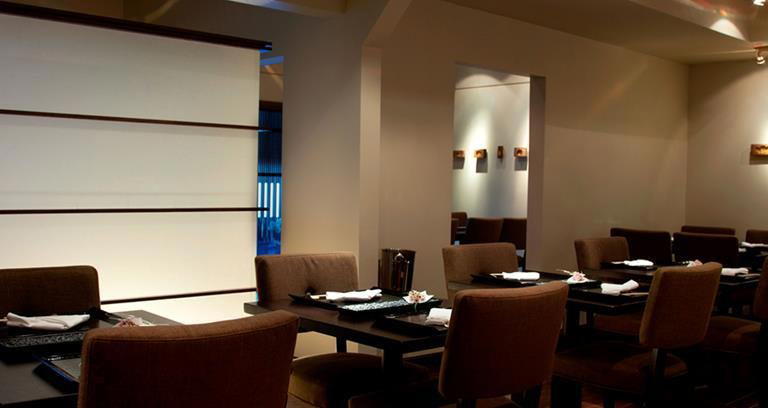
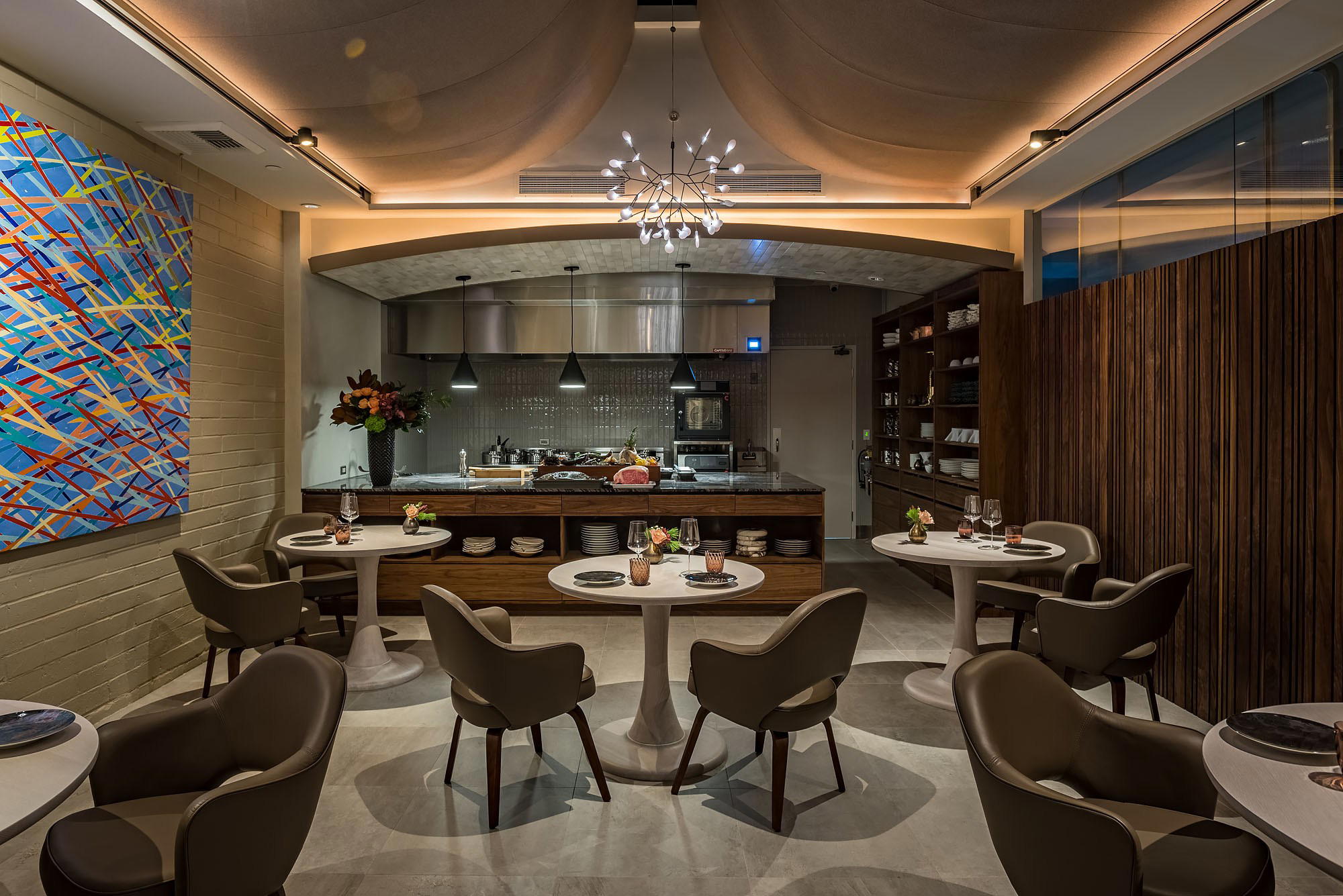
Modern, minimalist dining room with warm lighting and an open kitchen concept that creates an engaging culinary atmosphere.
Know Before You Go
- Getting there
- 100 Terranea Way, Rancho Palos Verdes, CA 90275