Scola

A fourth-generation family restaurant in the Ligurian hinterland, Scola has held a Michelin Plate since at least 2024 for its creative reinterpretation of the region's land-and-sea larder. Operating from a country house in Castelbianco since 1926, it occupies a specific niche in Italian dining: traditional Ligurian sourcing pushed through a modern culinary lens, at €€€ pricing, inside a room whose exposed beams and wooden floors encode a century of hospitality.
Pearl is the En Primeur Club membership app — saves, bookings, and concierge access live there. Same editors, same standards.
- Address
- Via Pennavaire, 166, 17030 Castelbianco SV, Italy
- Phone
- +39 0182 77015
- Website
- scola1926.it
- Directions
- Get directions
 Saves & bookings on Pearl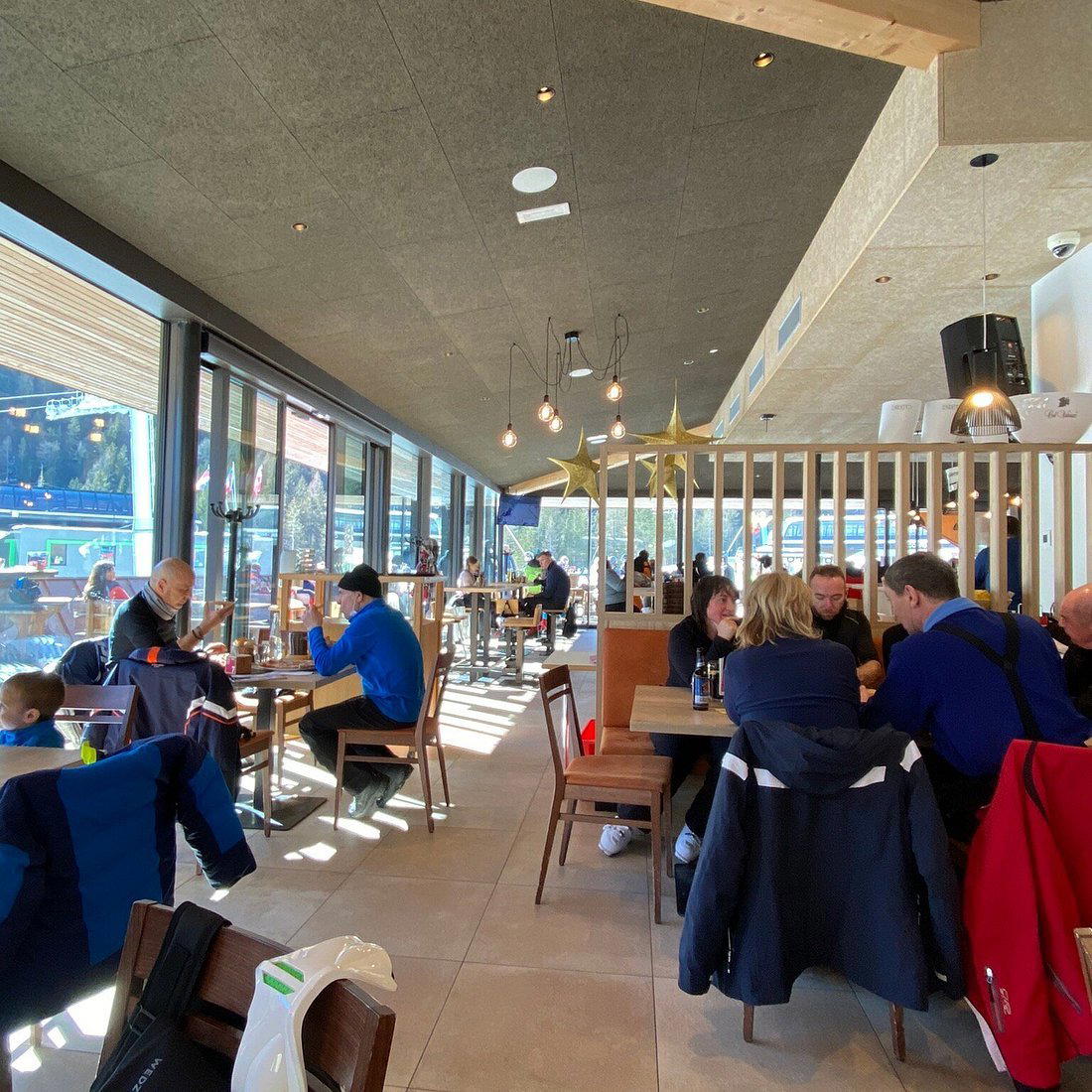
Where the Ligurian Hinterland Meets the Table
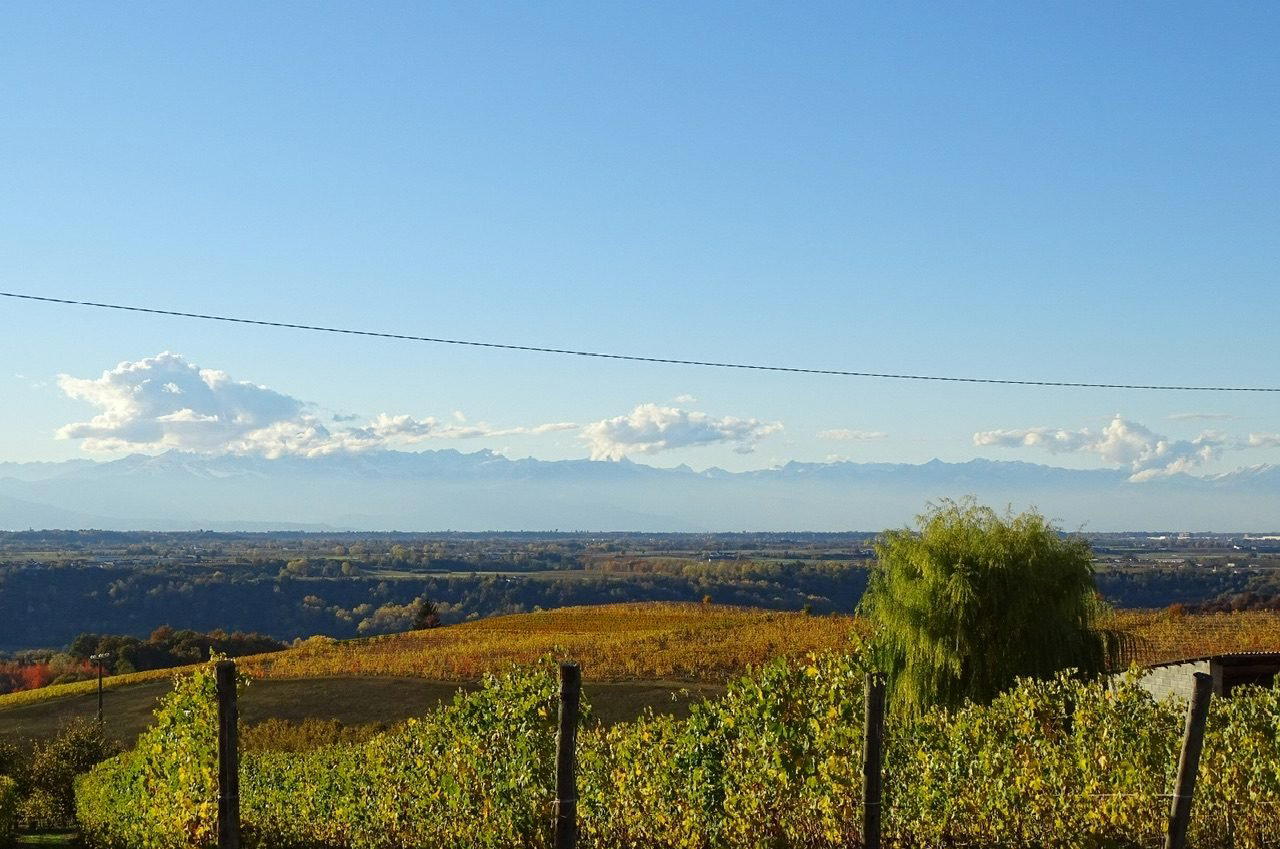
The road into Castelbianco rises through the Pennavaire valley, away from the Riviera crowds and into a stretch of Liguria that most visitors skip entirely. The village sits at an elevation that shifts the air and the ingredients: wild herbs, foraged greens, mountain streams, and a proximity to the Ligurian coast close enough to keep seafood viable but far enough inland to anchor the cooking in something more grounded than seaside tourism. This is not the Liguria of pesto jars and focaccia stalls on the waterfront. It is quieter, more specific, and the food reflects that.
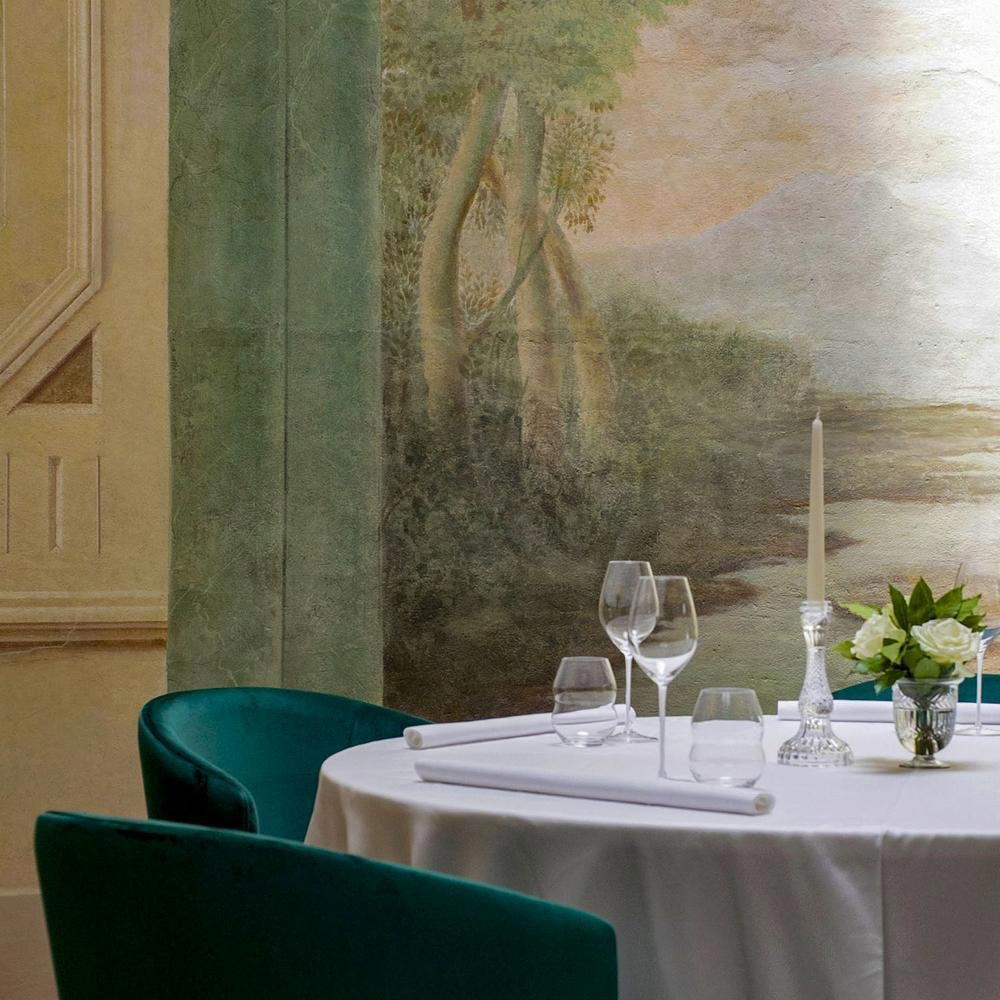
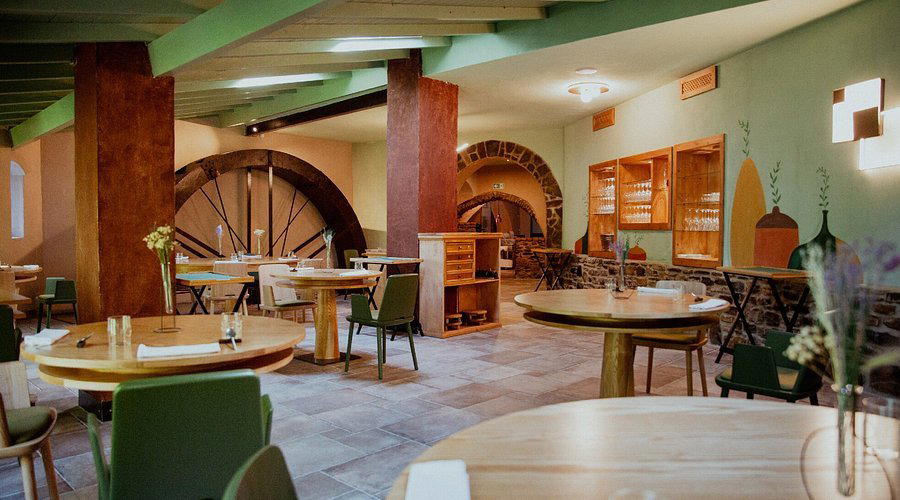
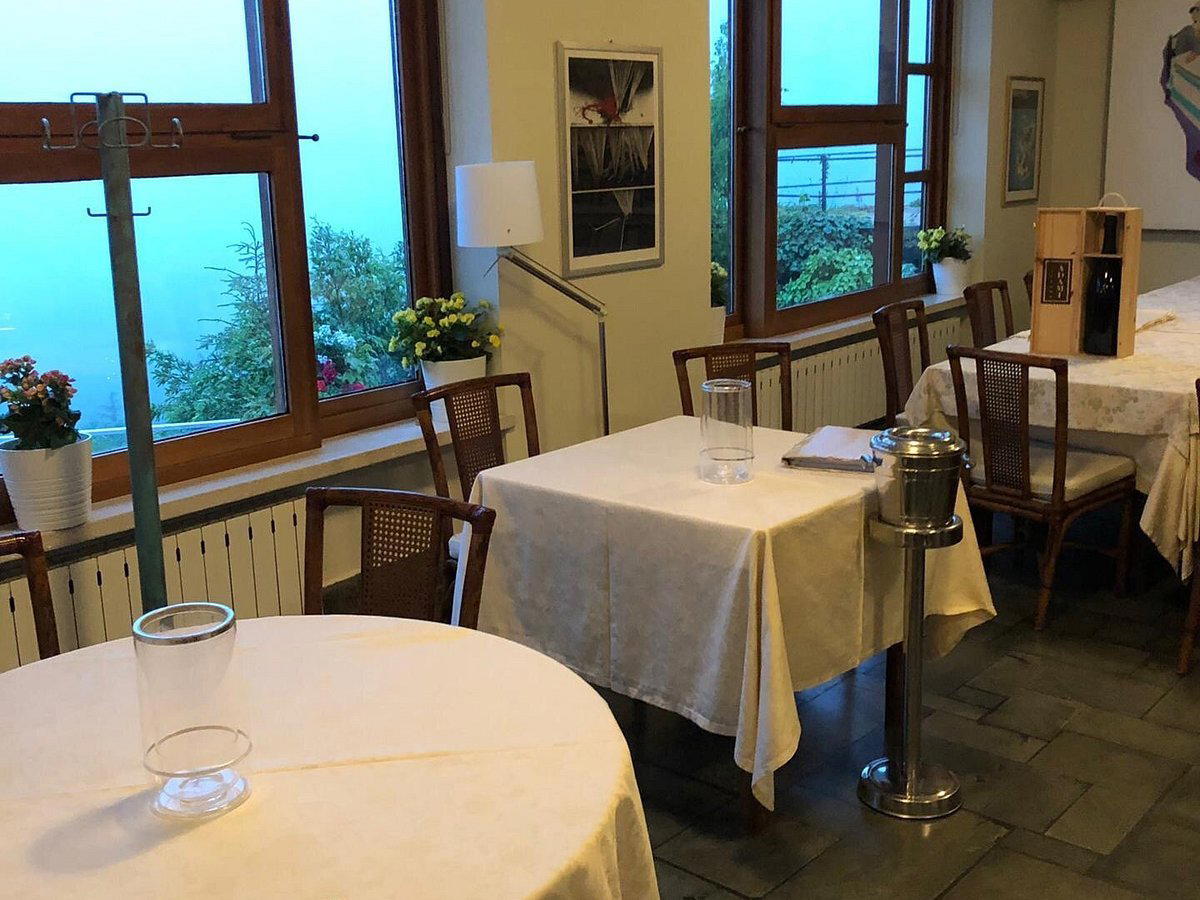
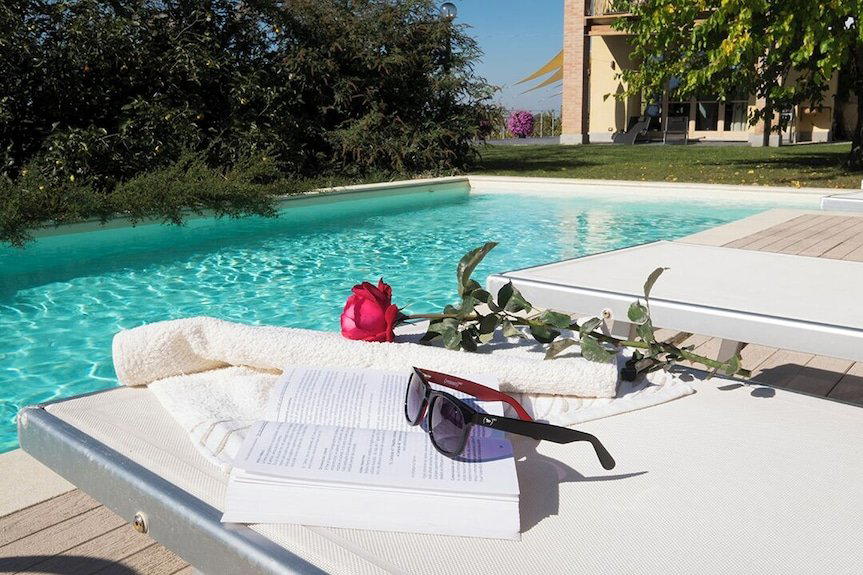
The building carries its age without apology: wooden floors, exposed ceiling beams, a warm dining room whose proportions suggest a domestic scale rather than a commercial one. Outside, the garden holds an English-style lawn that softens the stone surroundings. The physical environment is the first editorial statement the restaurant makes, and it is a coherent one.
A Century of Sourcing, and Why That Matters
The Ligurian hinterland produces ingredients that rarely travel far. Purple prawns from the nearby Ligurian coast, sea lettuce harvested from rocky stretches of water, citrus from the microclimate of the Italian Riviera, and foraged elements from the valley itself all represent a sourcing geography that is compressed and traceable. The creative cooking at Scola operates within that geography rather than importing prestige ingredients to decorate it.
This approach places Scola in a different conversation from the €€€€ Italian fine dining tier, where imported truffles, Japanese techniques applied to Italian product, and multi-course tasting menus built around abstraction have become the dominant grammar. Restaurants like Osteria Francescana in Modena, Enrico Bartolini in Milan, and Enoteca Pinchiorri in Florence represent Italian creative cooking operating at a different price point and with a different ambition. Scola's €€€ pricing and Michelin Plate recognition position it as a restaurant where the sourcing story is the story, not a supporting detail for technical ambition.
The Michelin Plate, awarded in both 2024 and 2025, signals a consistent kitchen producing food that meets the guide's threshold for quality without entering the starred tier. In practice, that distinction matters for the reader: this is not a destination for those assembling a starred-restaurant itinerary, but it is meaningful recognition for a family-run restaurant in a village that does not appear on most Italian food itineraries. For context on what the starred tier looks like in the Italian north, Dal Pescatore in Runate, Le Calandre in Rubano, and Piazza Duomo in Alba operate at a different register entirely.
Traditional Dishes, Modern Logic
The Michelin description references spaghetti with grapefruit, purple prawns, and sea lettuce as a representative dish. That combination is useful for understanding what the kitchen is doing: the citrus element introduces acidity and fragrance to balance the briny sweetness of the prawn, while sea lettuce keeps the dish anchored to its coastal sourcing even as the format (a pasta course) remains classically Italian. This is not fusion cooking in the borrowing-from-elsewhere sense. It is a reinterpretation that uses technique to clarify what the ingredients already are.
That kind of cooking has a specific Italian lineage. Restaurants such as Quattro Passi in Marina del Cantone and Uliassi in Senigallia represent the coastal Italian creative tradition at a higher price and recognition tier, but the underlying logic, of using the immediate marine environment as the primary creative constraint, runs through the category. Scola applies that logic at the hinterland-coast intersection, which produces a cooking style less concentrated on pure seafood than a Senigallia or Marina del Cantone kitchen, and more interested in the contrast between inland and coastal ingredients.
For comparison across creative formats beyond Italy, Alléno Paris au Pavillon Ledoyen and JAN in Munich represent creative cooking operating within the broader European fine dining framework, while Atelier Moessmer Norbert Niederkofler in Brunico offers a useful Italian Alpine counterpoint: another hinterland address where landscape and sourcing define the creative vocabulary.
The Fourth-Generation Factor
Family continuity across four generations of restaurant operation is not common. The Scola family has been receiving guests at this address since 1926, which means the kitchen has accumulated institutional memory about what grows, what fishes, and what travels well in this specific valley. That depth does not guarantee quality, but it does produce a different kind of restaurant than a concept built from scratch around a contemporary format. The building, the garden, the approach to hospitality, and the sourcing relationships have all compounded over decades in a way that is difficult to replicate quickly.
Planning Your Visit
Castelbianco is a small commune in the Province of Savona, in the Ligurian hinterland. Getting there requires a car; the village is not on a main train line, and the Pennavaire valley is accessed by road from the coastal autostrada. The address on Via Pennavaire places the restaurant in the centre of the village. The €€€ price range situates Scola above a casual trattoria but below the tasting-menu-only tier, making it viable as the main event of a day spent exploring the hinterland rather than a special-occasion restaurant requiring logistical planning months in advance. Given the restaurant's profile and the village's scale, booking ahead is sensible, particularly on weekends when Ligurian day-trippers from the coast make the drive inland.
For a fuller picture of what Castelbianco offers, see our full Castelbianco restaurants guide, alongside our Castelbianco hotels guide, bars guide, wineries guide, and experiences guide for a complete picture of the area. For those building a broader northern Italy itinerary, Reale in Castel di Sangro and Casa Perbellini 12 Apostoli in Verona represent other hinterland and mid-city creative addresses worth considering in the same journey.
Comparison Snapshot
| Venue | Cuisine | Price | Awards |
|---|---|---|---|
| ScolaThis venue — the venue you are viewing | Creative | €€€ | Not listed |
| Atelier Moessmer Norbert Niederkofler | Italian, Creative | €€€€ | Michelin 3 Star |
| Dal Pescatore | Italian, Italian Contemporary | €€€€ | Michelin 3 Star |
| Enoteca Pinchiorri | Italian - French, Italian Contemporary | €€€€ | Michelin 3 Star |
| Enrico Bartolini | Creative | €€€€ | Michelin 3 Star |
| Osteria Francescana | Progressive Italian, Creative | €€€€ | Michelin 3 Star |
Recognition history
Dated appearances from independent guides and award organizations, with the underlying list record or original source where available.
Michelin Plate
Michelin
Michelin Plate
Michelin
Michelin Plate
Michelin
Continue exploring
More in Castelbianco
Restaurants in Castelbianco
Browse all →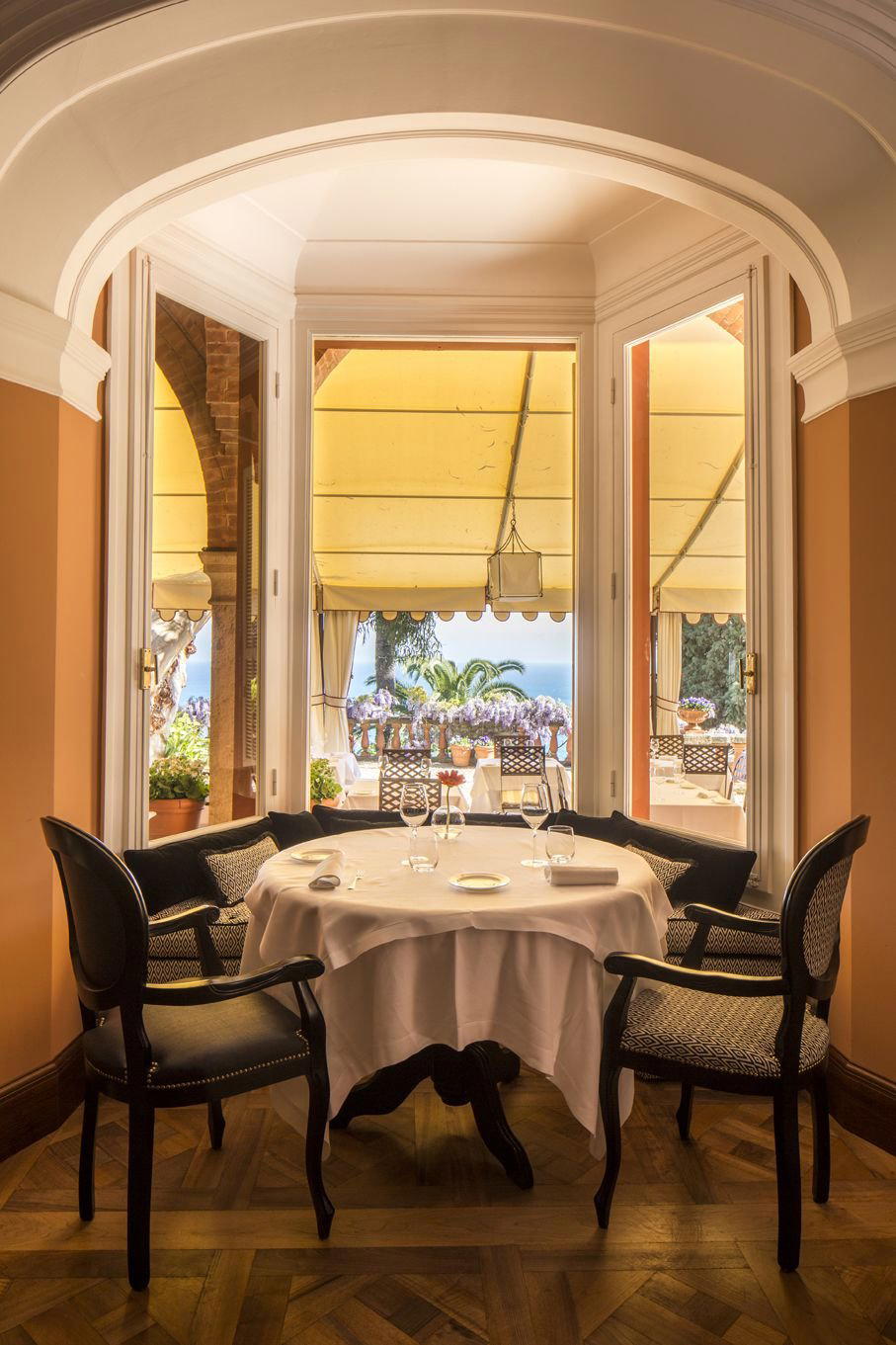
Bars in Castelbianco
Browse all →
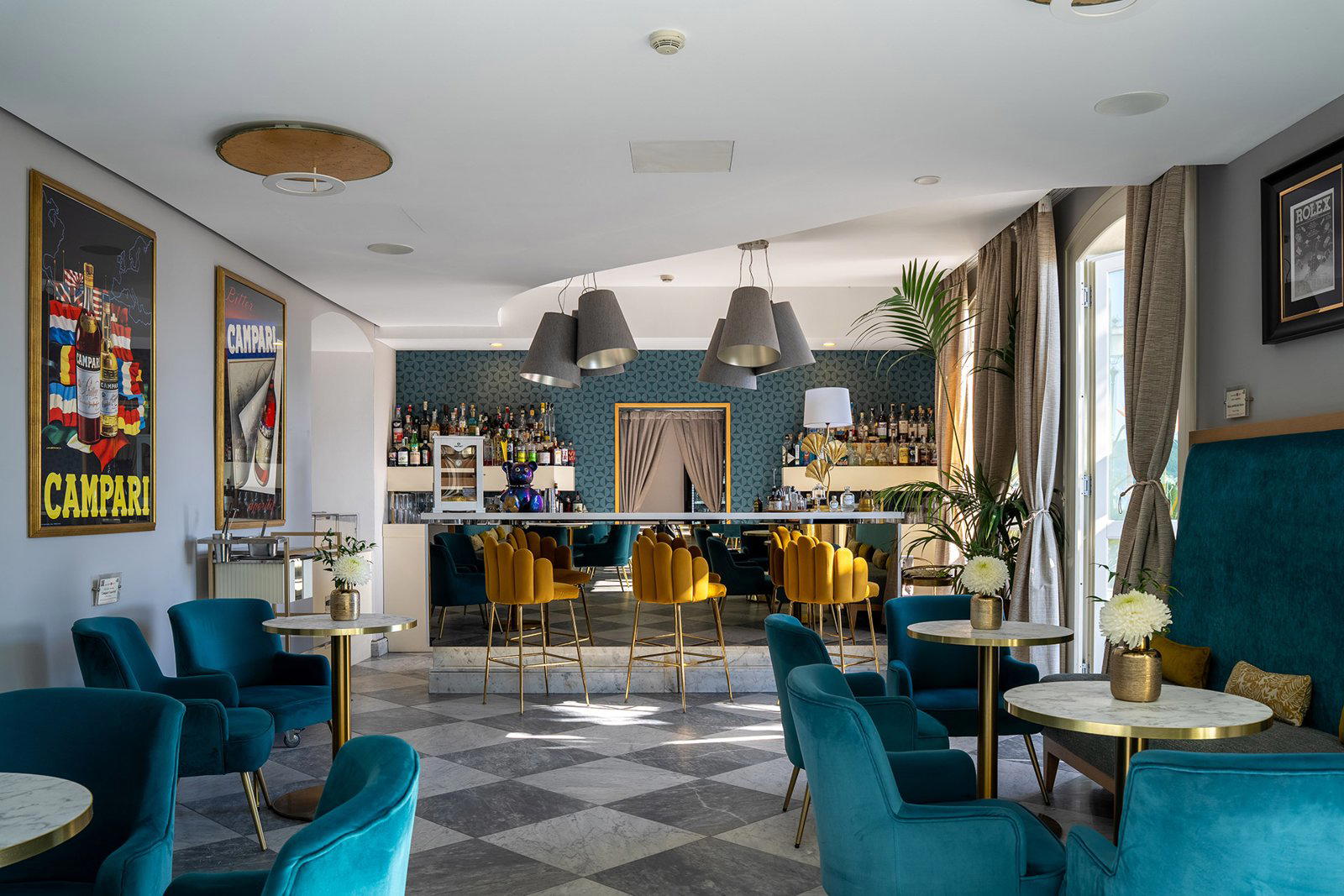
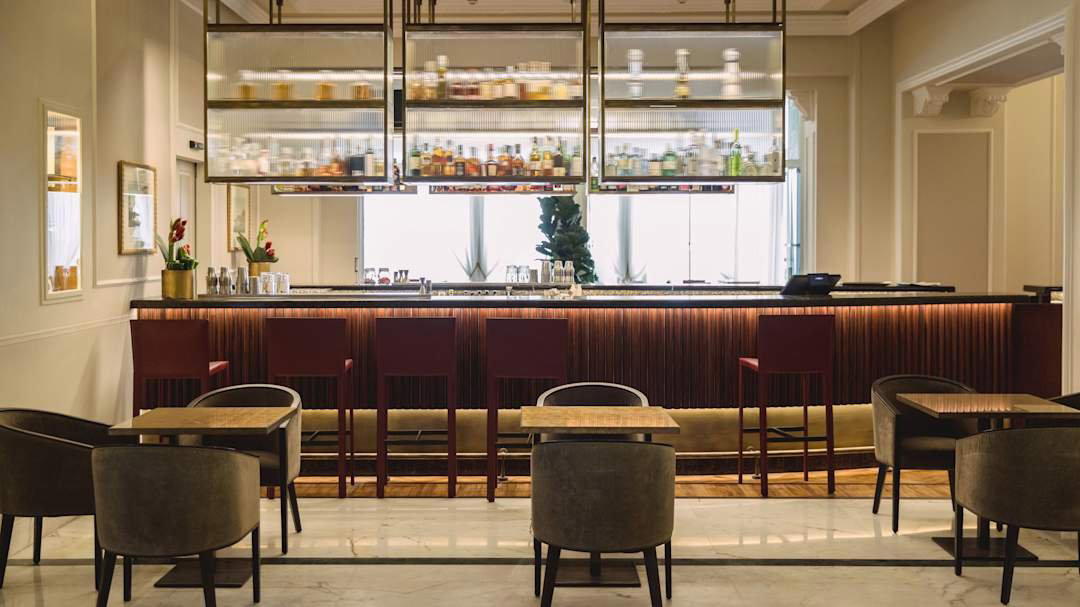
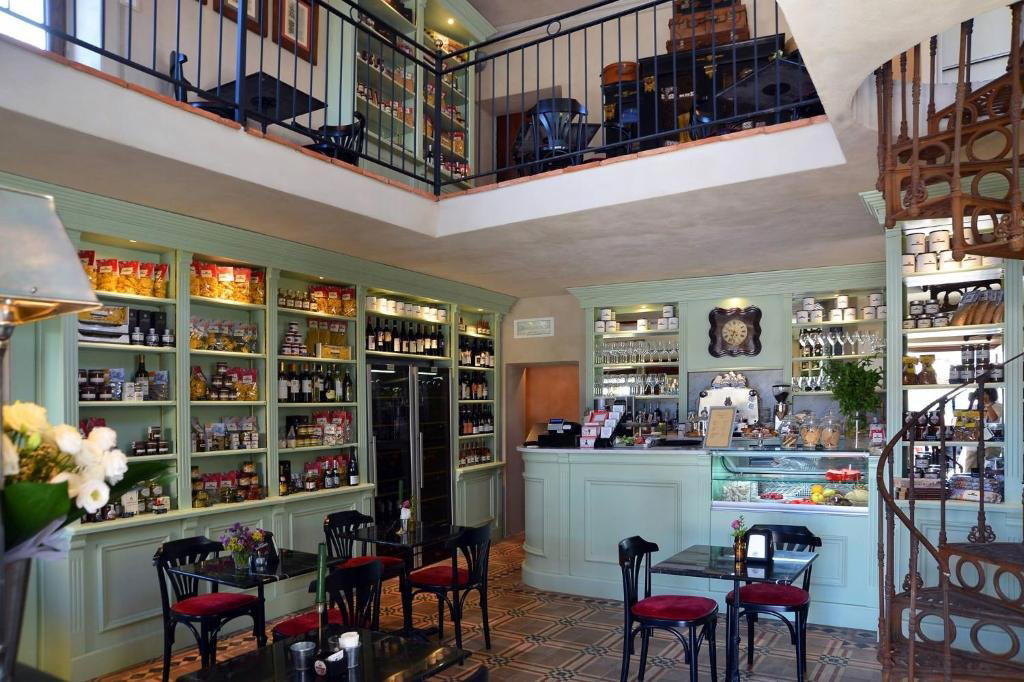
Hotels in Castelbianco
Browse all →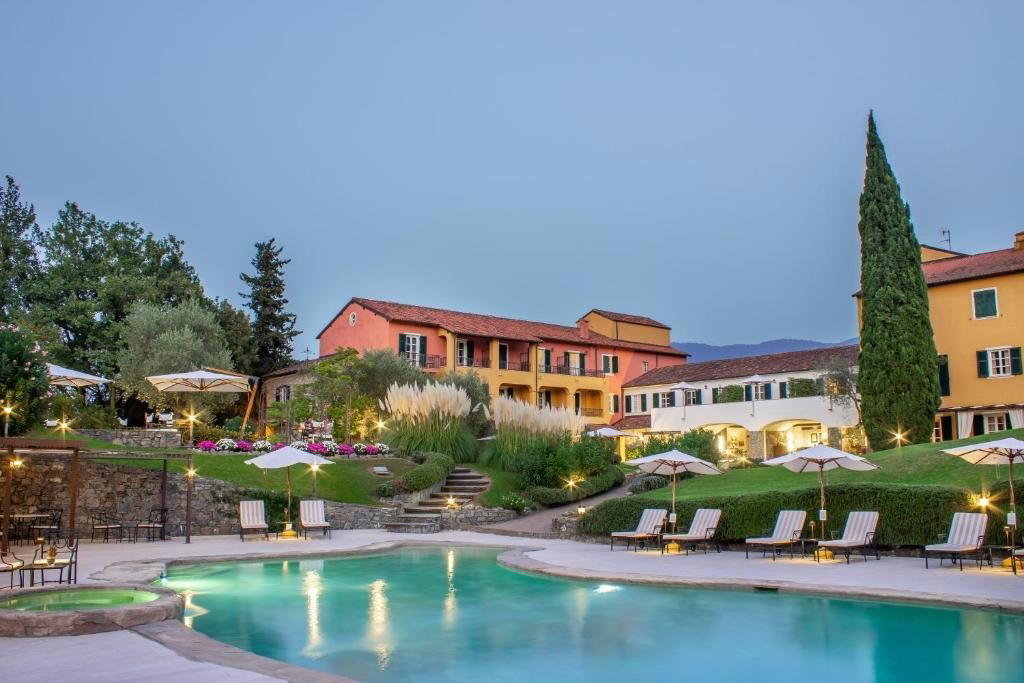

At a Glance
- Rustic
- Elegant
- Romantic
- Cozy
- Date Night
- Special Occasion
- Garden
- Historic Building
- Extensive Wine List
- Organic
- Local Sourcing
- Garden
Current opening hours
- Monday
- 9 AM–5 PM, 7:30–9:30 PM
- Tuesday
- Closed
- Wednesday
- Closed
- Thursday
- 7:30–9:30 PM
- Friday
- 12–2 PM, 7:30–9:30 PM
- Saturday
- 12–2 PM, 7:30–9:30 PM
- Sunday
- 12–2:30 PM, 7:30–9:30 PM
Hours can change for holidays and private events. Last verified .
Warm dining room with wooden floors, exposed beams, and romantic atmosphere; elegant outdoor terrace on the lawn.
Know Before You Go
- Getting there
- Via Pennavaire, 166, 17030 Castelbianco SV, Italy