Engel Stans
Engel Stans occupies the central Dorfplatz of this compact Nidwalden canton town, where Swiss alpine hospitality traditions run deep and sourcing from the surrounding mountain valleys shapes the kitchen's character. Set against a backdrop of working farmland and forest, the address connects a serious dining culture to a region still largely overlooked by international visitors making straight for Lucerne.
Pearl is the En Primeur Club membership app — saves, bookings, and concierge access live there. Same editors, same standards.
- Address
- Dorfpl. 1, 6370 Stans, Switzerland
- Phone
- +41416191010
- Website
- engelstans.ch
- Directions
- Get directions
 Saves & bookings on Pearl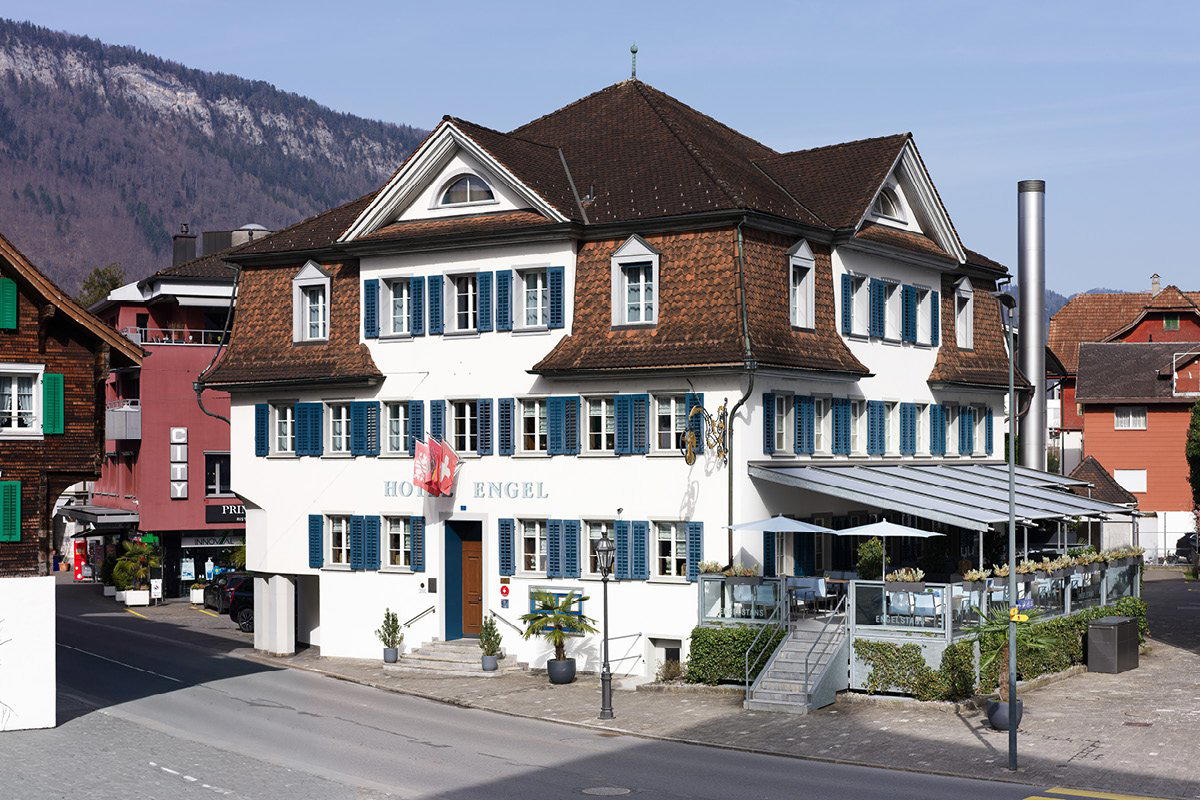
A Town Square Table in the Swiss Alpine Interior
Stans sits in the Nidwalden half-canton at the base of the Stanserhorn, roughly twenty minutes south of Lucerne by road or rail, and its Dorfplatz functions the way a proper central square should: as the gravitational centre of civic life, market activity, and communal eating. Engel Stans occupies that square at Dorfpl. 1, and in a town of this scale and character, that address is not incidental. Restaurants on a Swiss Dorfplatz earn their position over time. They feed the local council, the after-church crowd, the market traders, and the occasional visitor who turns off the Lucerne highway long enough to notice that Nidwalden has a dining culture worth pausing for. That layered local function distinguishes a Dorfplatz address from a destination restaurant built for tourists, and it shapes everything from the register of the room to the produce that passes through the kitchen door.
What the Mountains Around Stans Actually Supply
The argument for ingredient sourcing in alpine Switzerland rests on geography rather than marketing sentiment. The Nidwalden region is ringed by farmland that operates at altitude, producing dairy, mountain herbs, river fish, and seasonal game within a radius that few lowland European restaurants can match for directness. Swiss alpine cuisine at its most coherent treats this proximity as a structural fact rather than a selling point: the menu shifts with what the valley produces, and the kitchen's relationship with local farms and dairies is logistical before it is ideological.
This matters because it separates the genuinely rooted alpine table from restaurants that import regional branding while sourcing from centralised wholesalers. In Nidwalden, that distinction is legible to anyone who has eaten around the canton. The proximity of producers is a constraint as much as an advantage: the kitchen works within what is available rather than reaching for consistency from a broader supply chain. For a diner, that means the menu in October reads differently from the menu in April, and the cheese course reflects what is currently ripening in the valley rather than a curated shelf of national classics.
Comparable dining cultures in the Swiss interior, including the country cooking tradition represented by the Wirtschaft zur Rosenburg also in Stans, operate on similar sourcing logic, which tells you something about the broader kitchen philosophy of this particular canton: the region's restaurants, across price points and formats, share a common relationship to the land that produces their food.
The Stans Dining Scene in Context
Stans does not have the density of international dining attention that Lucerne attracts, and that gap reflects the centralising pull of larger Swiss cities rather than any deficiency in the town itself. For a traveller making a deliberate choice to eat in Stans, the options are coherent if compact. Le Mirage and SWISS TASTY each represent distinct positions in the local offer, and our full Stans restaurants guide maps the broader picture.
The wider Swiss fine dining circuit places different demands on its kitchens. Michelin-recognised restaurants such as Hotel de Ville Crissier in Crissier, Schloss Schauenstein in Fürstenau, and Memories in Bad Ragaz operate in a register where tasting menus, international wine lists, and extended booking horizons are standard. Cheval Blanc by Peter Knogl in Basel and Maison Wenger in Le Noirmont anchor the French-influenced end of Swiss haute cuisine, while Einstein Gourmet in Sankt Gallen represents the urban German-speaking tier. In mountain resort contexts, Da Vittorio in St. Moritz and focus ATELIER in Vitznau, the latter on Lake Lucerne and therefore within easy reach of Nidwalden, show how the alpine setting translates into different formats and price architectures.
Engel Stans is not positioned in that upper-tier Swiss circuit. Its relevance is different: a Dorfplatz address in a working canton town, shaped by local sourcing rhythms and a function that extends well beyond the tourist visit.
Planning Your Visit
Stans is served by the Zentralbahn rail line from Lucerne, with journey times of around twenty minutes, making it an accessible lunch or dinner destination from the city without requiring an overnight stay. The Dorfplatz location is a short walk from the Stans railway station, and the town's compact scale means orientation is immediate. Visitors combining Engel Stans with broader alpine dining in Central Switzerland might note the proximity of focus ATELIER in Vitznau and The Japanese Restaurant in Andermatt as part of a multi-stop itinerary through the region.
Swiss restaurants at the Dorfplatz level often operate with local regulars in mind, which can mean tighter weekend availability than their national profile might suggest.
Beyond the Alps: Swiss Dining in a Global Frame
Swiss alpine sourcing traditions have parallels in high-latitude and mountain dining cultures elsewhere. Kitchens such as Mammertsberg in Freidorf, La Table du Valrose in Rougemont, and Skin's in Lenzburg each engage with local terroir in ways that reflect regional specificity rather than a universal alpine formula. Further afield, the sourcing discipline visible in destination restaurants like Le Bernardin in New York City or the format experimentation at Lazy Bear in San Francisco show how ingredient provenance and producer relationships have become structuring principles across dining cultures globally, not just in mountain Switzerland.
That convergence makes a Dorfplatz address in Nidwalden easier to read for an internationally travelled diner. The sourcing logic is familiar; the geography that makes it possible here is specific to the alpine interior.
Quick Comparison
| Venue | Cuisine | Price | Awards |
|---|---|---|---|
| Engel StansThis venue — the venue you are viewing | This venue | Not listed | Not listed |
| Wirtschaft zur Rosenburg | Country cooking | €€ | Country cooking, €€ |
Continue exploring
More in Stans
Restaurants in Stans
Browse all →
Bars in Stans
Browse all →
Hotels in Stans
Browse all →

At a Glance
- Cozy
- Classic
- Elegant
- Business Dinner
- Group Dining
- Family
- Celebration
- Special Occasion
- Terrace
- Historic Building
- Hotel Restaurant
- Private Dining
- Extensive Wine List
- Beer Program
- Local Sourcing
- Farm To Table
- Street Scene
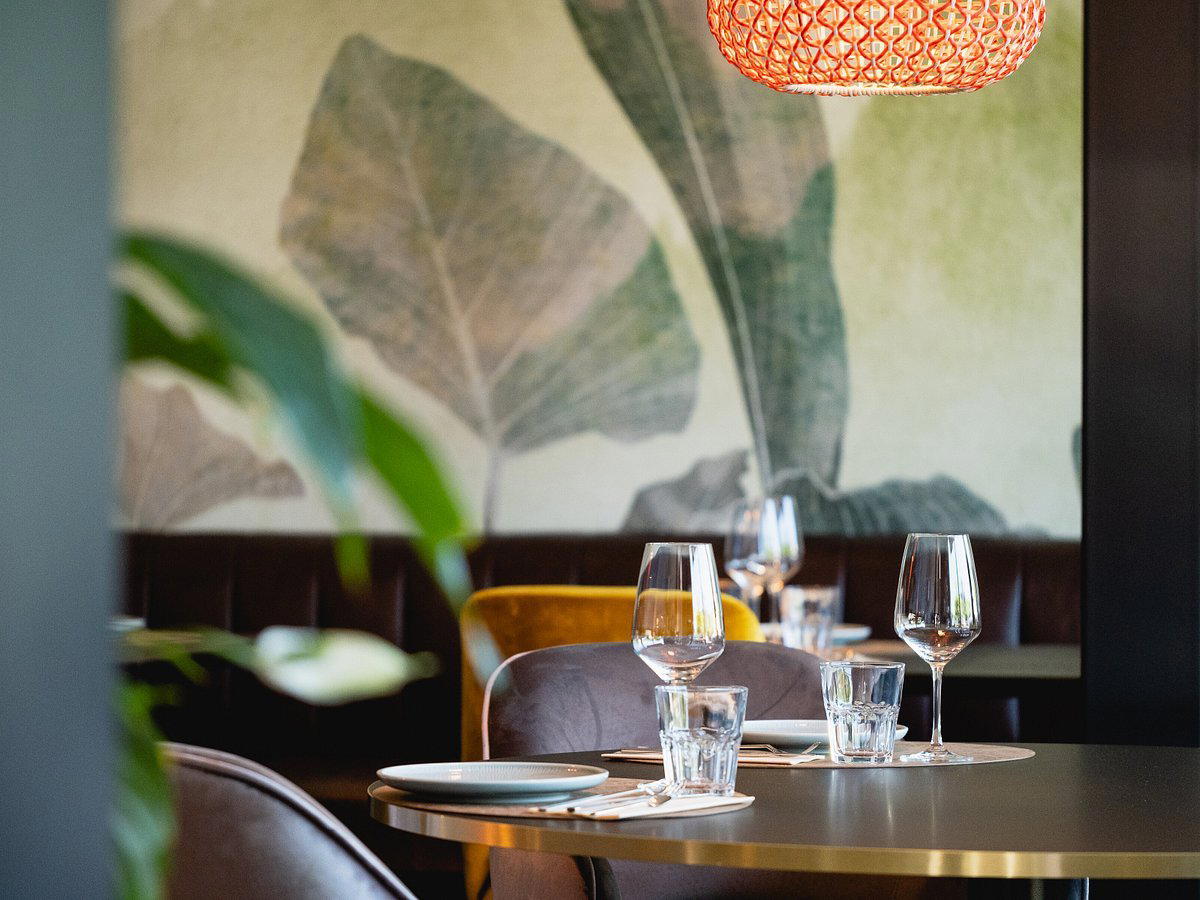
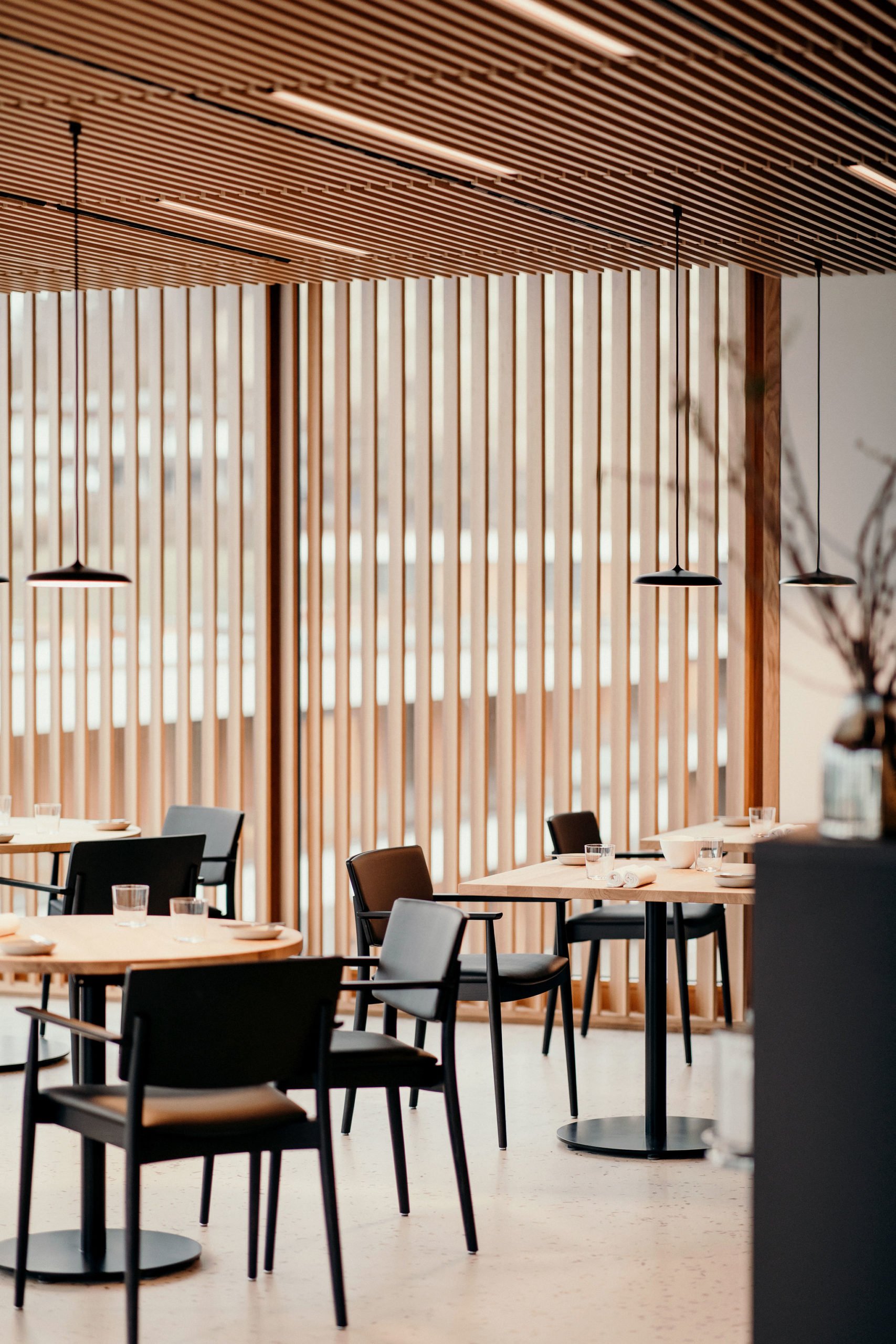
Dimly lit with a cosy, elegant yet homely atmosphere; features both a stylishly furnished main restaurant and a traditional parlour (Stübli).