Scapes Restaurant & Bar
Scapes Restaurant & Bar occupies a position in Dubai's increasingly layered dining scene where setting and menu architecture do much of the narrative work. Against a city that has normalized altitude dining and waterfront spectacle, Scapes reads as a venue where the structure of what arrives at the table is meant to carry as much weight as the view framing it. Worth tracking for those building a considered Dubai itinerary.
 Discover on Pearl
Pearl is the En Primeur Club membership app — saves, bookings, and concierge access live there. Same editors, same standards.
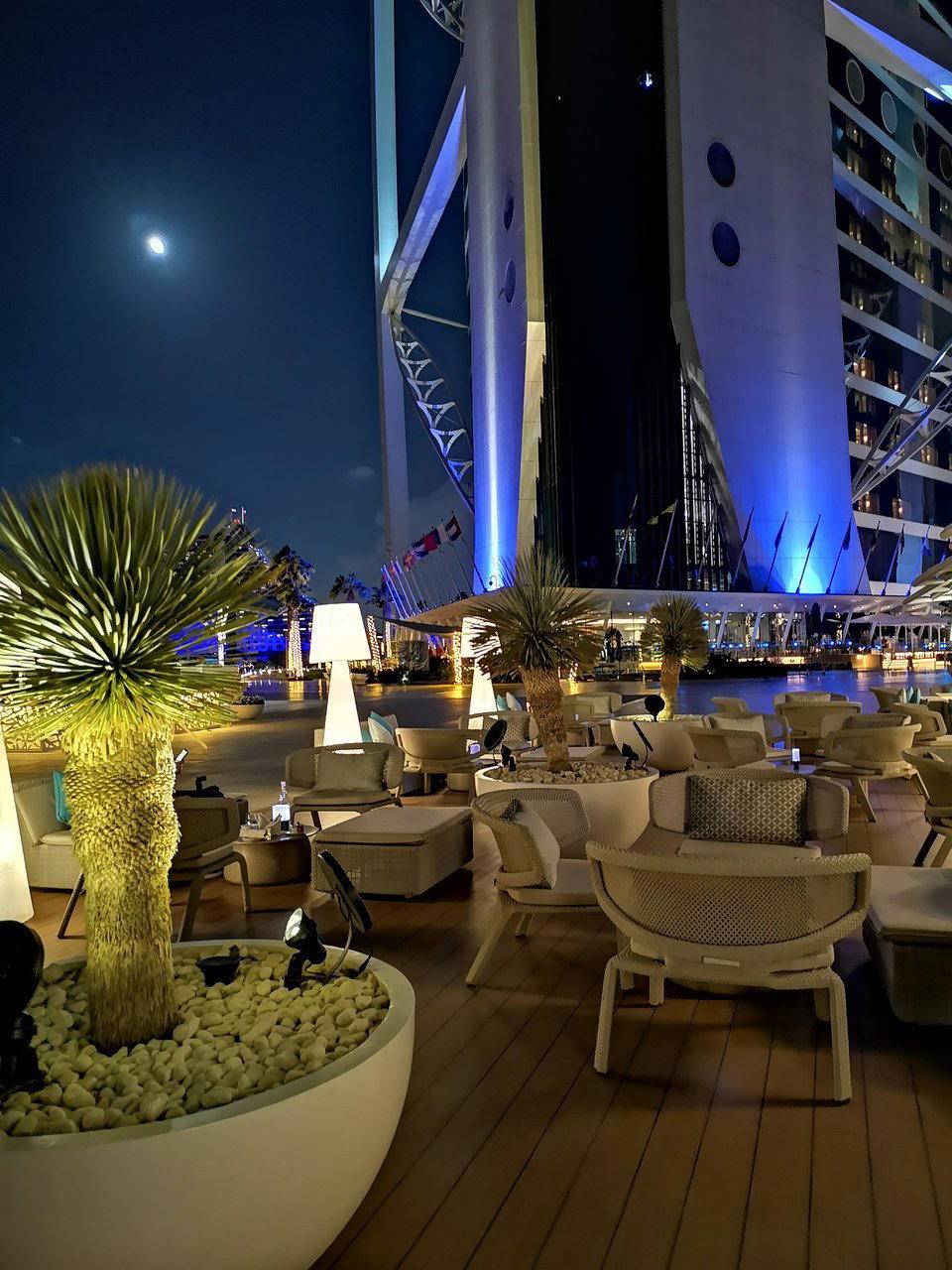
Where Dubai's Dining Ambition Meets Menu as Medium
Dubai has spent the better part of two decades constructing a dining culture around the dramatic: the 122nd-floor table, the underwater fish tank, the chef imported wholesale from a European three-star. The city's restaurant proposition has long leaned on context, altitude, architecture, brand, as a primary selling point, with the menu arriving as supporting evidence. What has shifted more recently is a cohort of venues where the menu itself carries the editorial weight, where what lands on the table and in what sequence tells you something deliberate about the kitchen's intent. Scapes Restaurant & Bar is a restaurant in Dubai serving Californian Fusion Mediterranean cuisine at a price tier of 4.
The name gestures at landscape, at panorama, which in Dubai almost always implies elevation. Whether that translates to a rooftop address, a glass-edged dining room, or something more grounded is the kind of logistical detail that determines the first impression before a dish arrives. In a city where Row on 45 has made height a structural part of its identity and FZN by Björn Frantzén uses its Atlantis perch to frame a particular kind of Scandinavian-inflected ambition, Scapes enters a peer conversation where setting is expected to do some of the credentialing. The question any serious diner in Dubai now asks is whether the kitchen earns the room, or whether the room is all there is.
How the Menu Speaks Before the First Course
Menu architecture, the way a restaurant sequences choices, signals price points, groups dishes by logic rather than convention, has become one of the more reliable indicators of kitchen confidence. In Dubai's upper-mid tier, where price compression between a casual all-day venue and a formal tasting counter has narrowed considerably, the structure of a menu often tells you more than the individual dishes listed. A venue that organizes around sharing plates is making one argument about hospitality; one that runs a linear progression from cold to warm to rich to sweet is making another. Both are legitimate, but they speak to different kinds of dining intention.
Scapes occupies a market where that distinction matters. Dubai diners in 2024 are operating with enough reference points, from the intensely researched tasting menus at Trèsind Studio to the wood-fire-led precision of 11 Woodfire, to read a menu as a statement of position. The venues that have earned sustained attention in the city are the ones where the menu's logic is coherent enough that removing any section would feel like a structural loss, not just a shorter list. That is the standard against which any newcomer to the Dubai conversation is now being measured.
Dubai's Broader Restaurant Tier: Where Scapes Sits
The city's dining market has stratified meaningfully. At the leading, a small cluster of venues competes for recognition that travels internationally: moonrise operates with the kind of creative seriousness that invites direct comparison with the progressive kitchens of Alinea in Chicago or Atomix in New York. Below that, a dense mid-market of brand-driven international exports, Japanese concepts, European brasseries, pan-Asian formats, competes largely on name recognition and location. Between those two layers, a smaller set of venues attempts something less easily categorized: regional ambition without the institutional backing, or a format specific enough to build a regular following rather than a tourist circuit.
The comparison set matters for any venue operating in that middle ground. Al Mahara's seafood-and-spectacle model and At.Mosphere's altitude proposition represent one end of the premium spectrum; Avatara's vegetarian tasting format and the wood-fire discipline of 11 Woodfire represent a different kind of investment in a singular concept. Internationally, the venues that have solved for this kind of positioning, Le Bernardin in New York with its seafood-only discipline, Amber in Hong Kong with its technically grounded French-Asian synthesis, Lazy Bear in San Francisco with its communal-tasting format, tend to succeed by being entirely clear about what they are not doing, which in turn sharpens what they are.
The Region's Wider Context
Dubai does not exist in dining isolation. The UAE's restaurant culture extends to Erth in Abu Dhabi, which has taken a deliberate approach to Emirati culinary heritage, and across to AL NAWAB RESTAURANT LLC in Sharjah, where a different price register and audience expectation produce a different kind of hospitality. The region's appetite for serious dining has been growing faster than its critical infrastructure, which means venues operating with genuine intent are finding audiences quicker than the traditional review cycle would suggest. For those planning a broader Gulf itinerary, that regional texture is worth mapping before committing to any single city.
Dubai itself rewards visitors who treat our full Dubai restaurants guide as a planning framework rather than a checklist. The city's dining geography is spread enough that an evening at a venue in DIFC, on the Palm, or in a hotel corridor in Downtown requires different logistics. Booking windows, dress expectations, and the question of whether a venue runs better at 7pm or later in the evening all vary by neighbourhood and format in ways that affect the actual experience as much as anything on the menu.
Planning a Visit
For venues in Dubai's mid-to-upper tier, the general booking guidance holds: weekends (Friday and Saturday in the UAE calendar) fill faster than weekdays, and the cooler months between October and April draw more competition for prime tables from both residents and visitors. Venues attached to hotels tend to have more structured reservation systems than standalone addresses, and dress expectations across Dubai's serious dining circuit lean toward smart-casual at minimum, with some hotel dining rooms maintaining a stricter standard. Consulting the venue directly for current hours, booking method, and any format specifics is always the practical step before committing a reservation slot in a tight travel schedule.
For those building a regional reference list, the international comparisons that tend to clarify Dubai's premium tier include 8½ Otto e Mezzo Bombana in Hong Kong, Alain Ducasse at Louis XV in Monte Carlo, Alléno Paris au Pavillon Ledoyen, Aponiente in El Puerto de Santa María, and Emeril's in New Orleans, venues that have each resolved the question of what they are definitively enough to become the standard for their category.
At a Glance
Comparable venues nearby, for context on price, style, and recognition.
| Venue | Cuisine | Price | Notes |
|---|---|---|---|
| Scapes Restaurant & BarThis venue — the venue you are viewing | $$$$ | ||
| L'Olivo | $$$$ | Palm Jumeirah, Mediterranean Fine Dining with Italian Influences | |
| C Restaurant | $$$ | Al Satwa, Mediterranean Seafood with Greek Influences | |
| Zuma Dubai | $$$$ | Za'abeel 2, Modern Japanese Izakaya | |
| Gordon Ramsay at Verre | Dubai Hills, Modern French Fine Dining | $$$$ | |
| Eauzone | $$$$ | Al Sufouh 2, Modern Pan-Asian Fusion |
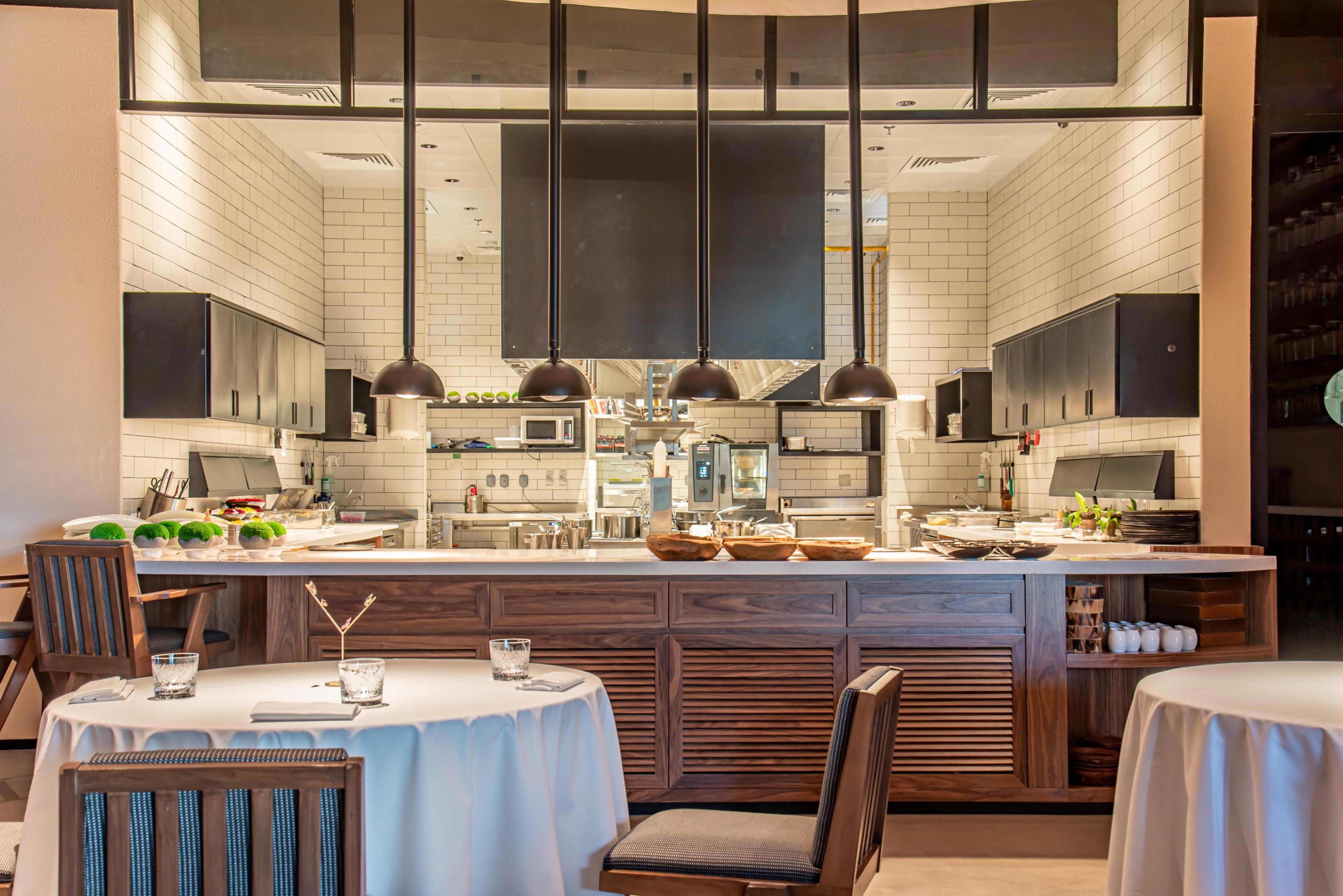
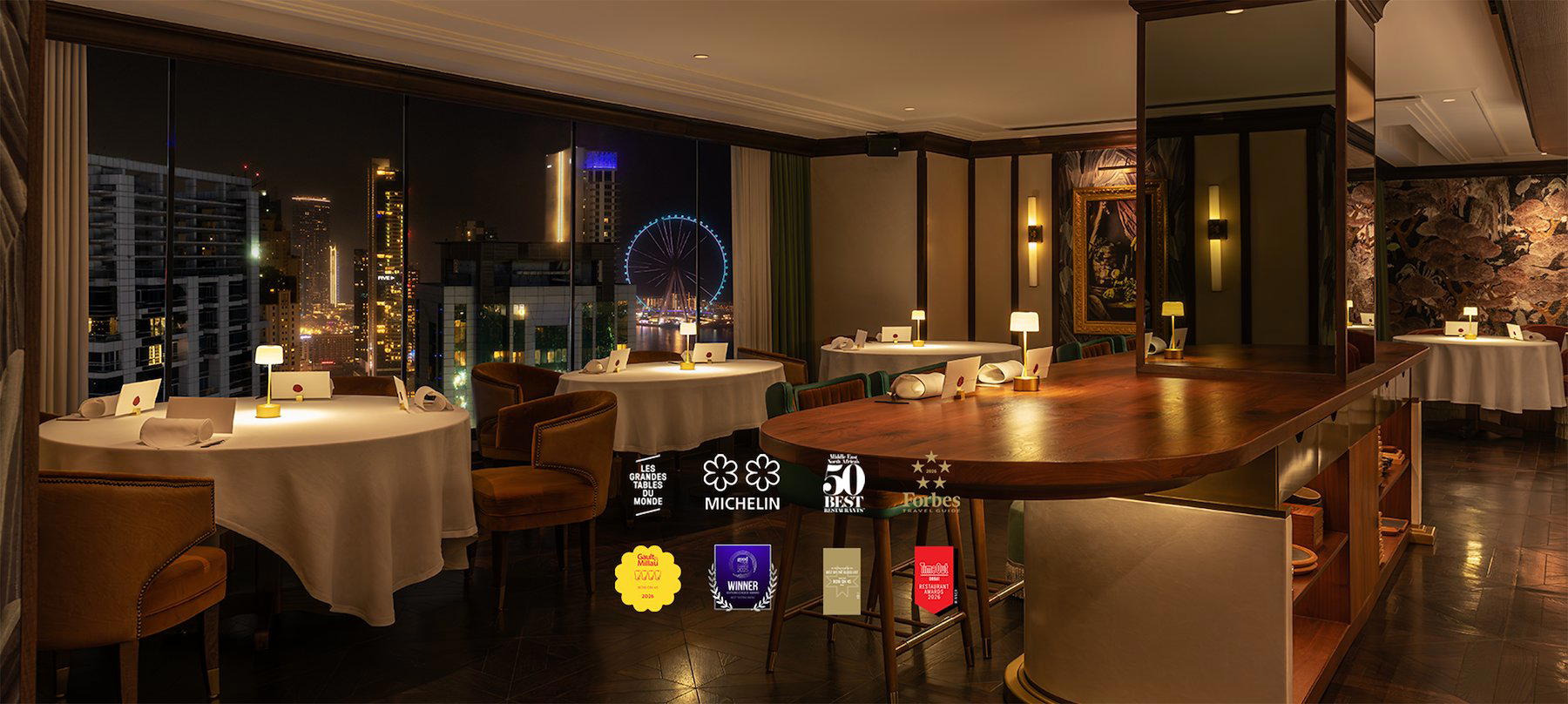
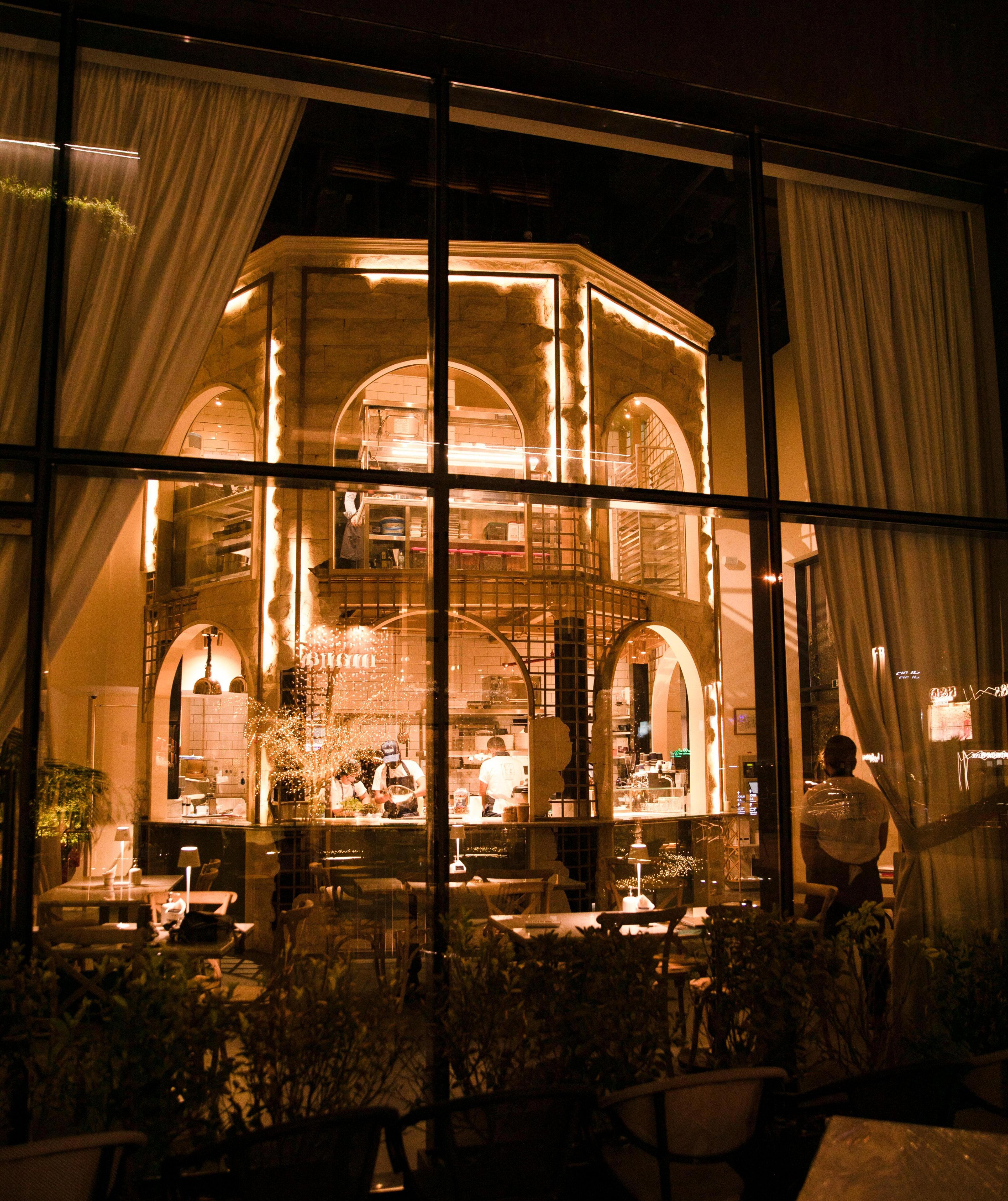
At a Glance
- Elegant
- Sophisticated
- Modern
- Scenic
- Date Night
- Special Occasion
- Rooftop
- Terrace
- Panoramic View
- Hotel Restaurant
- Craft Cocktails
- Waterfront
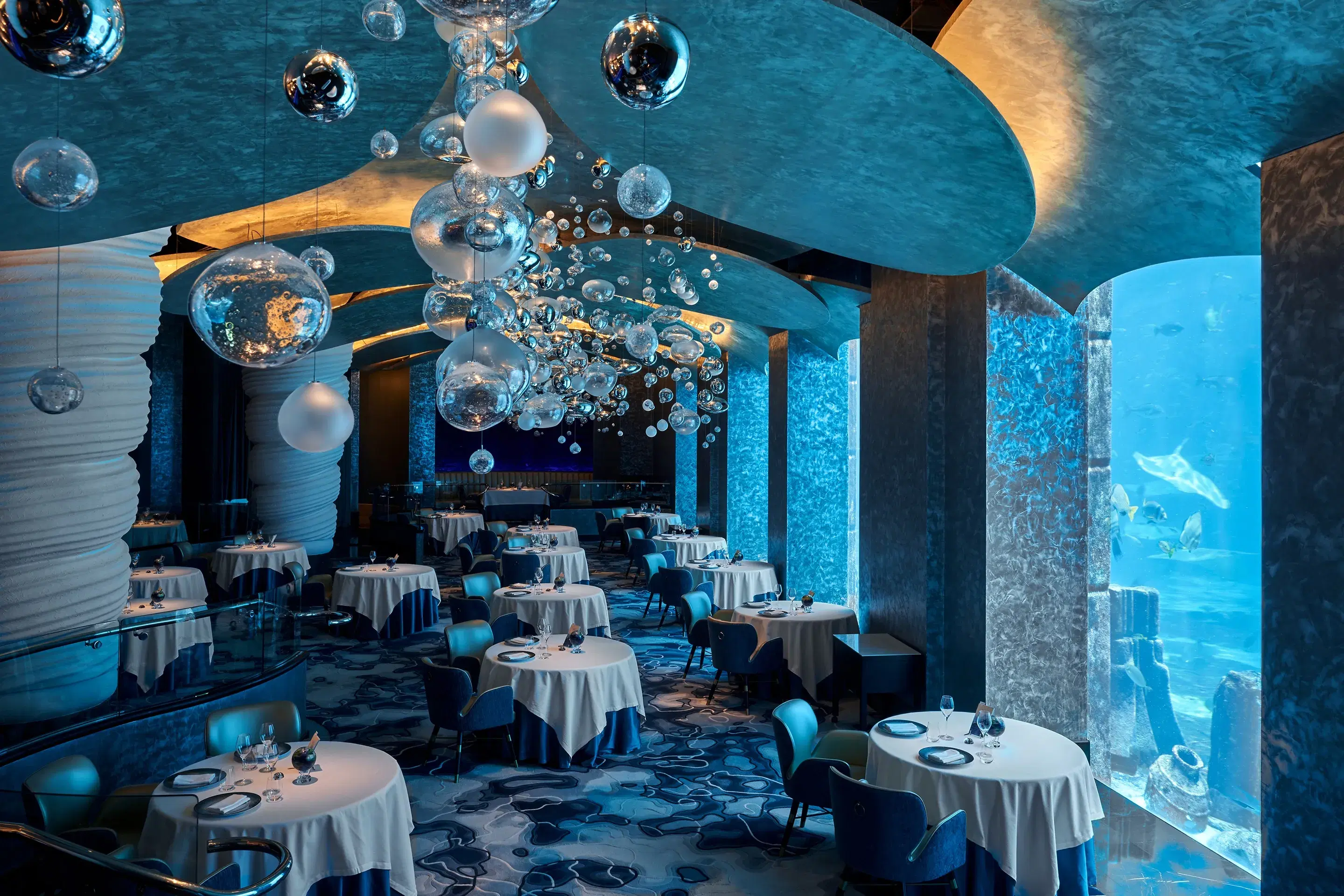
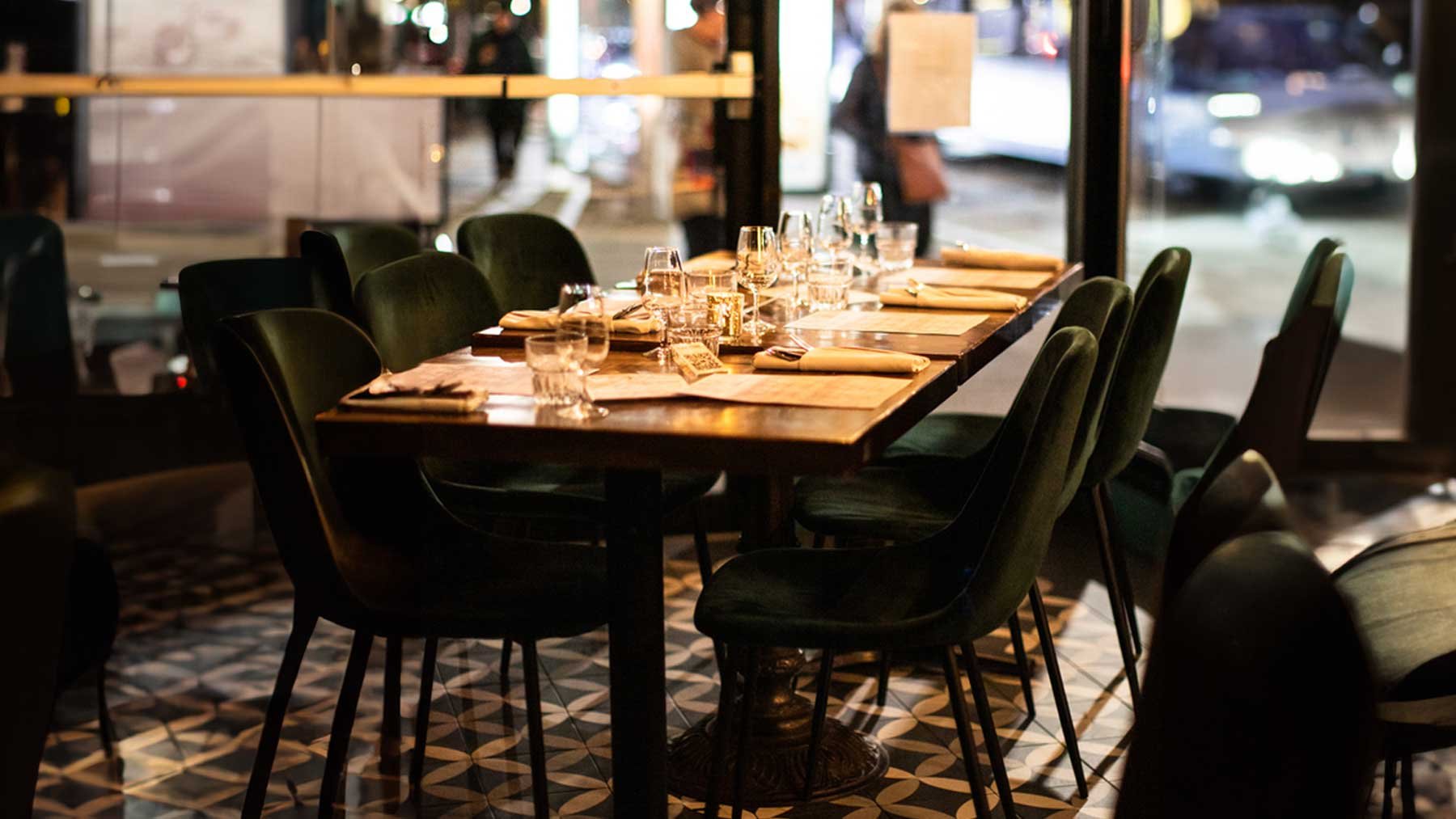
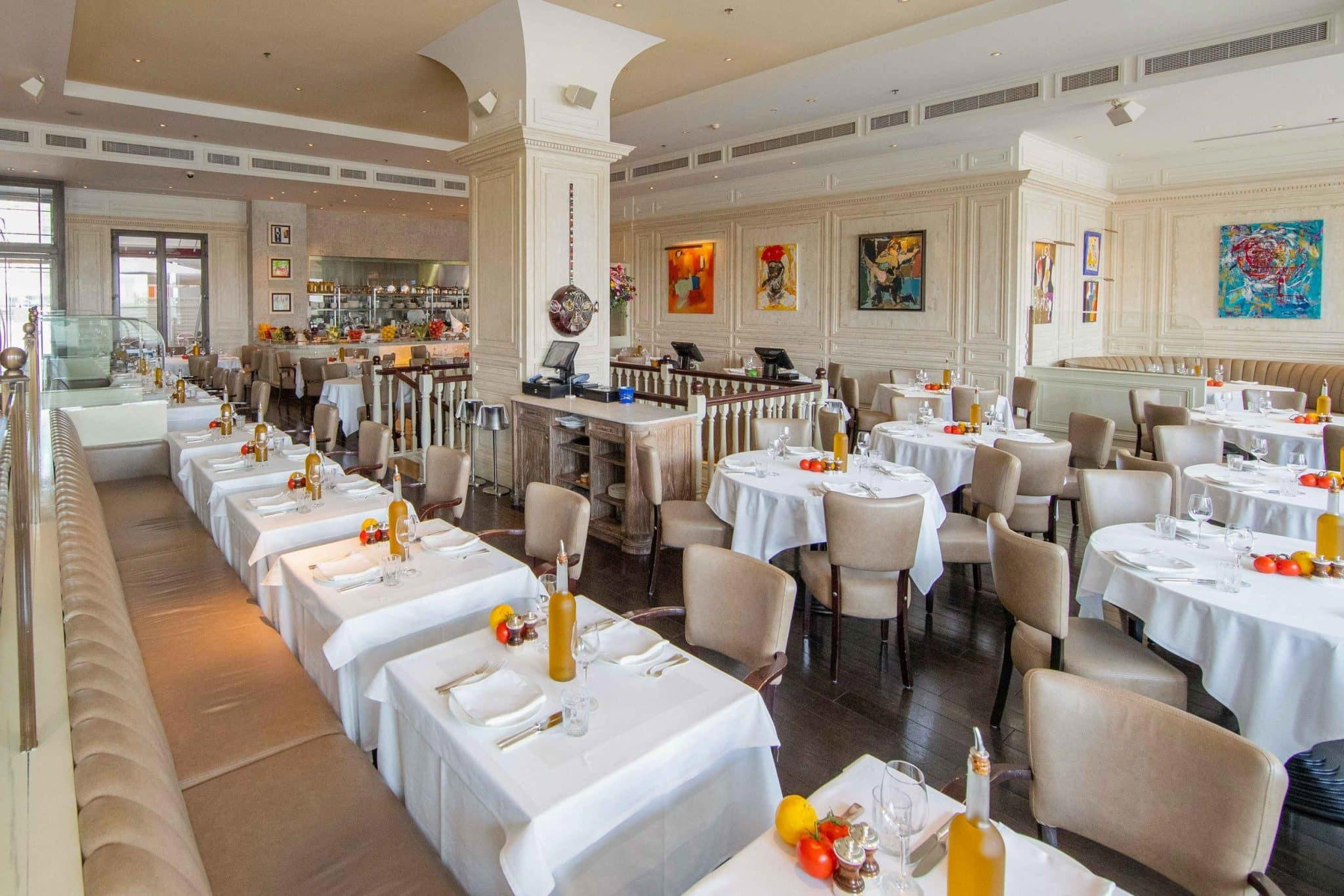
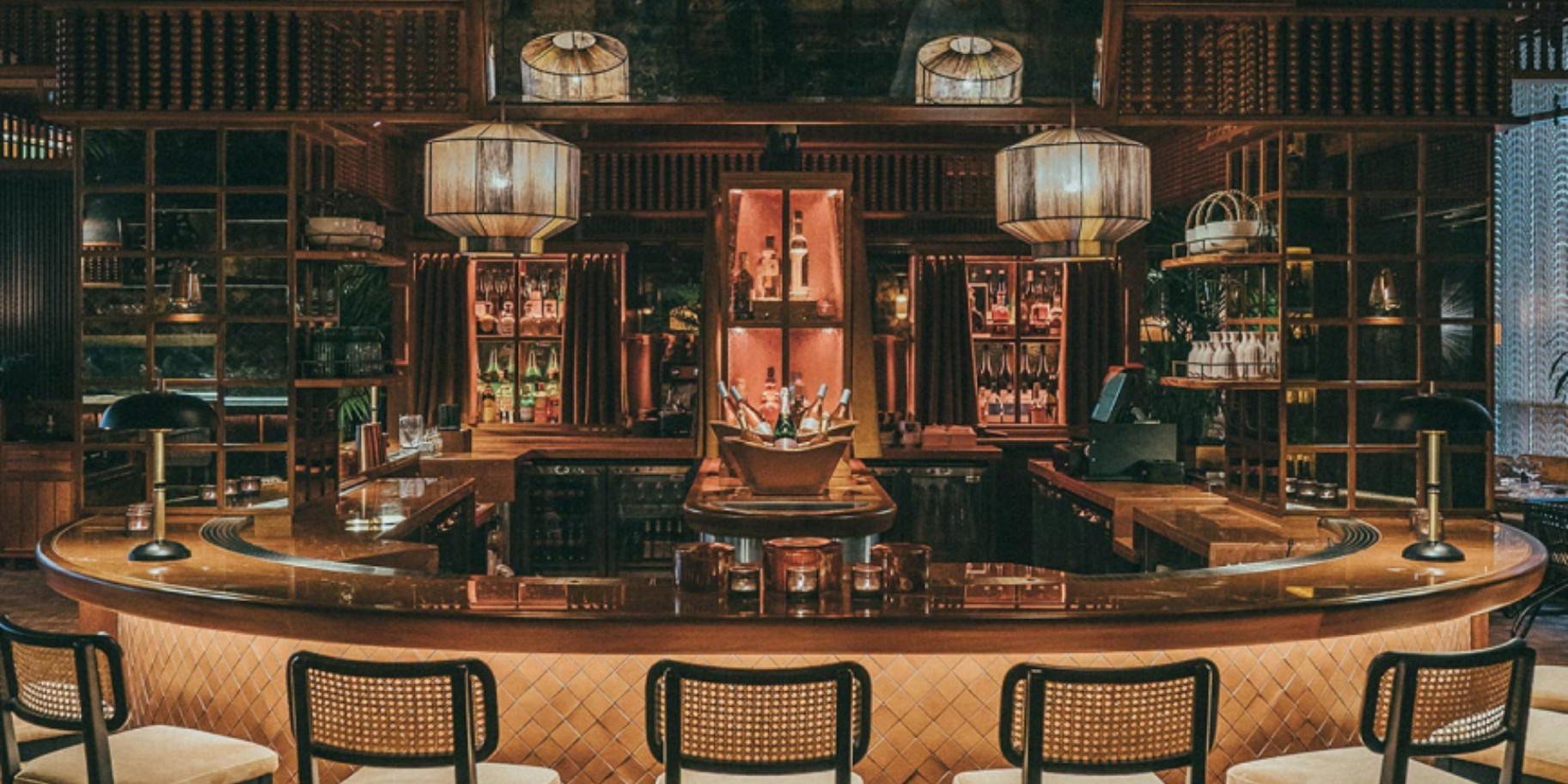
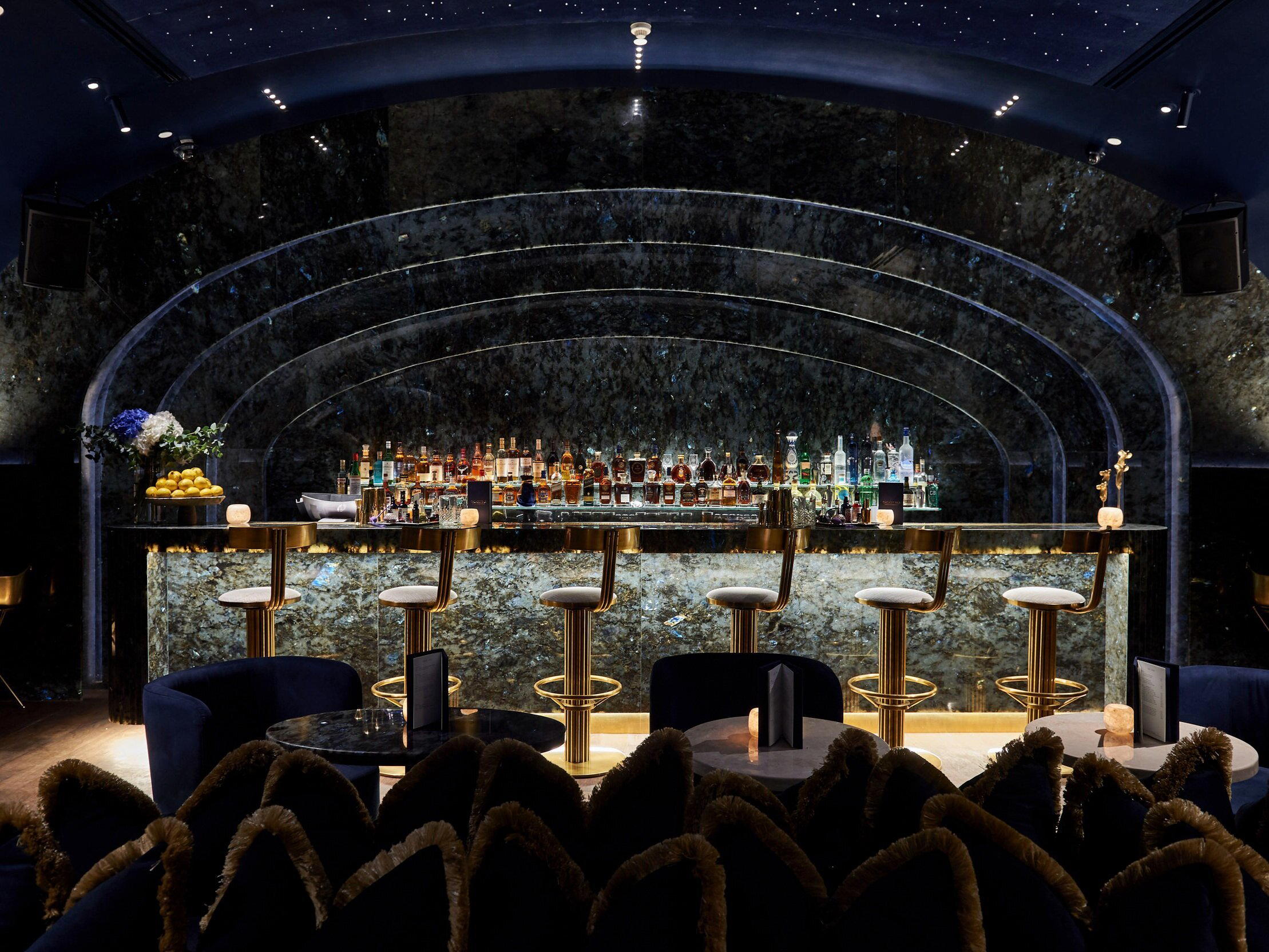
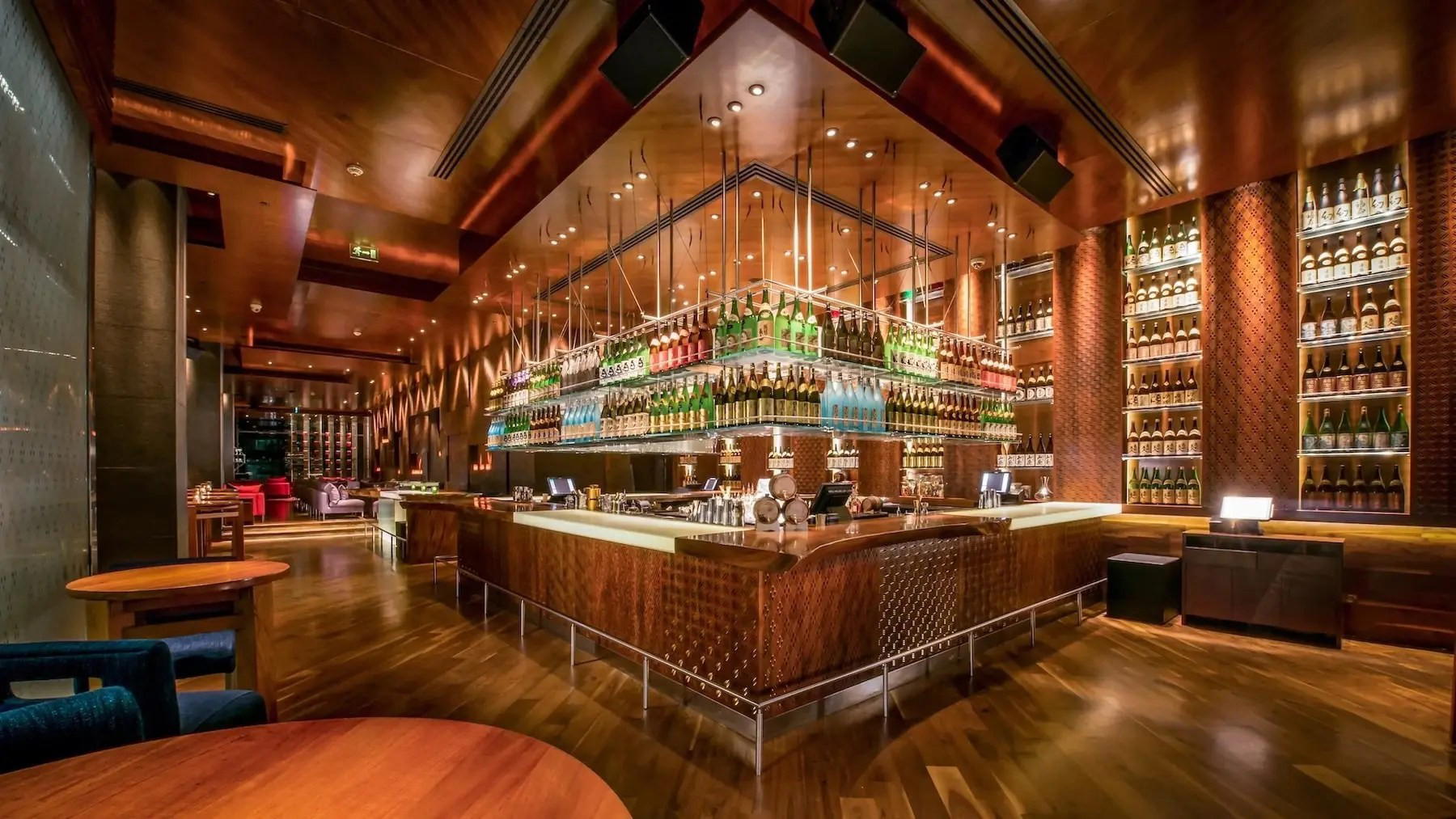
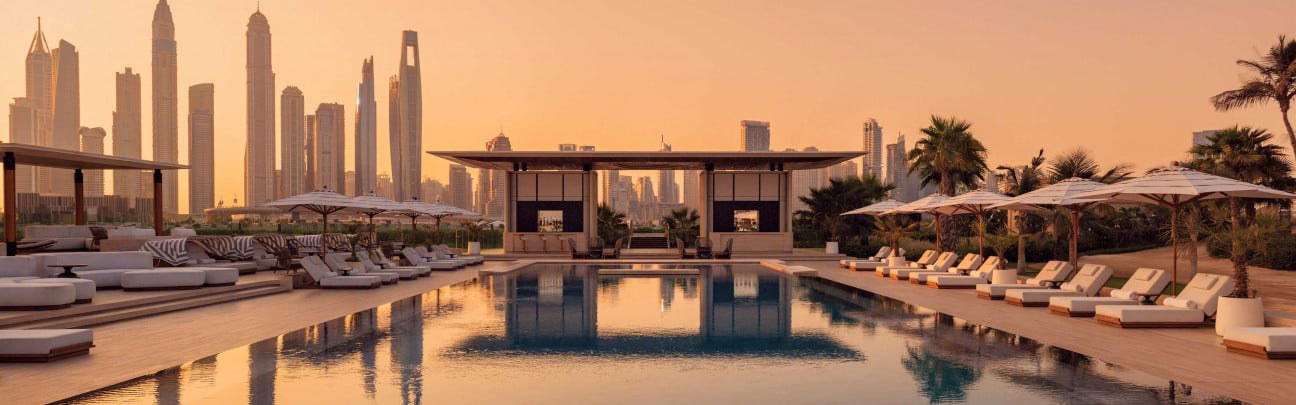
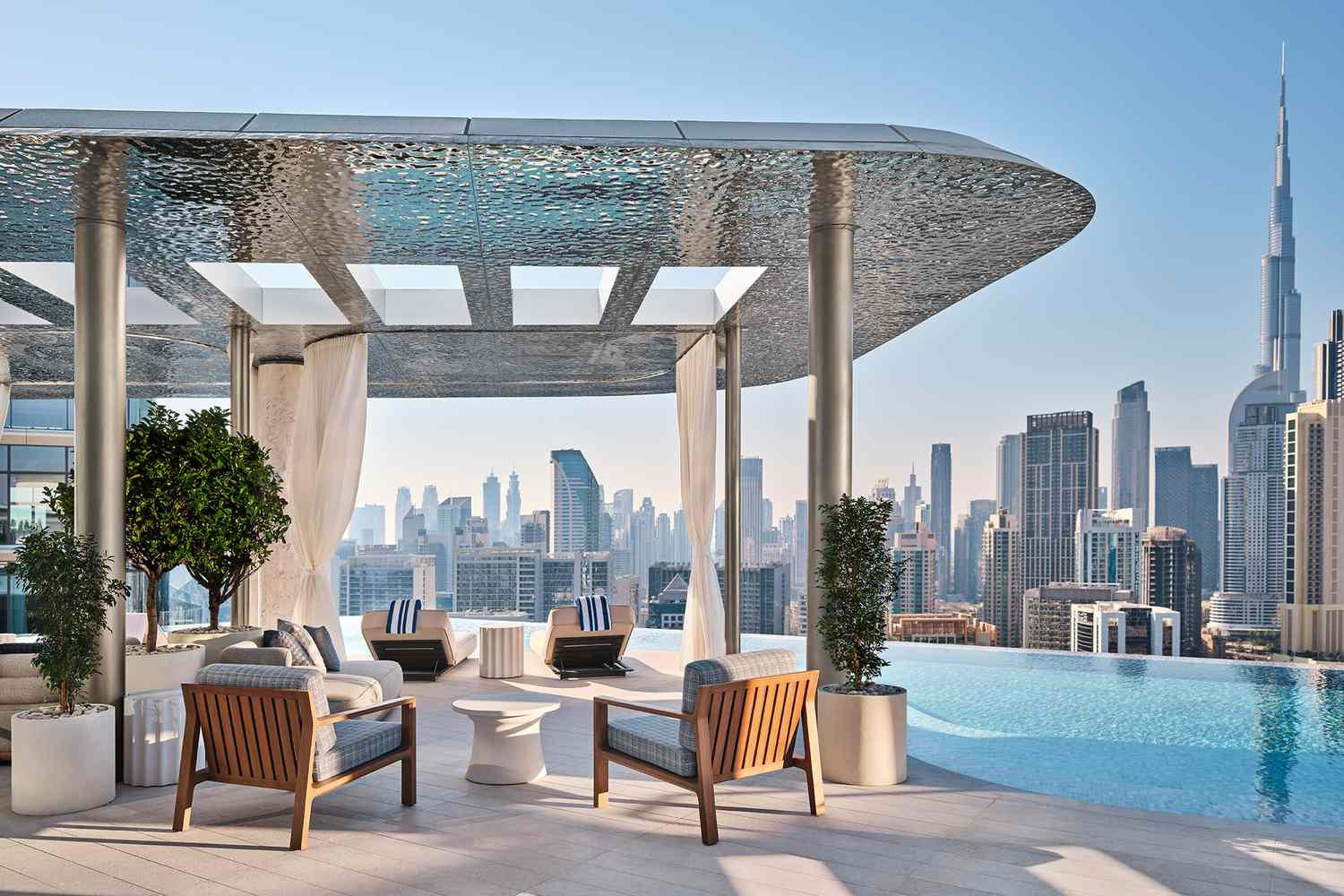
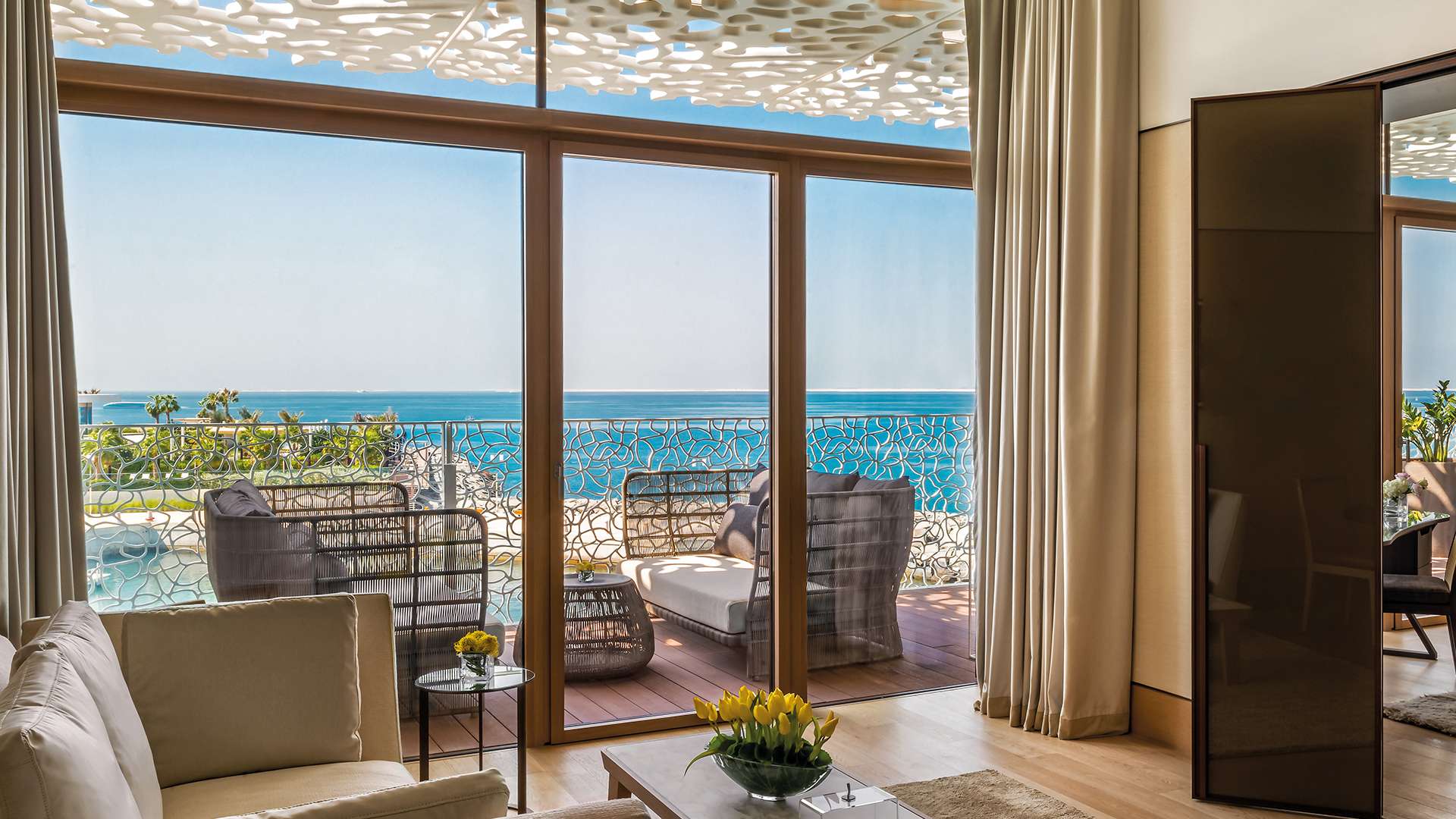
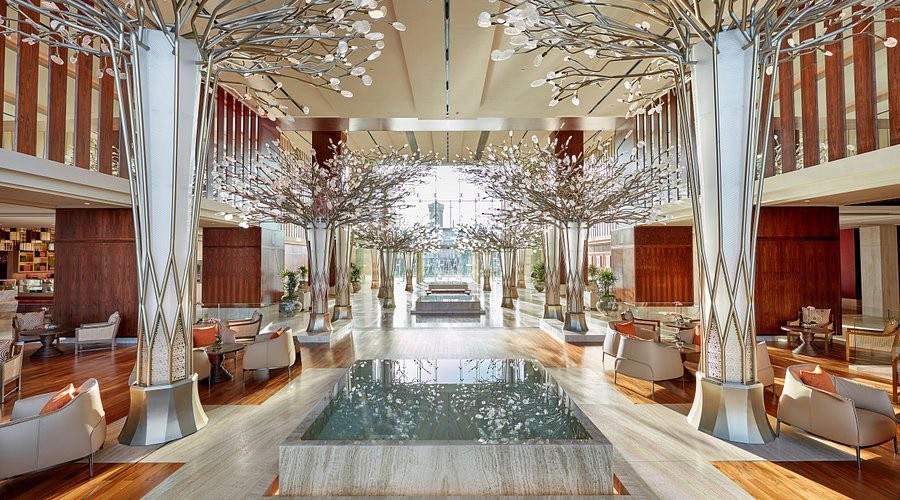
Vibrant and chic outdoor terrace atmosphere with minimalist elegant decor, sea views, and heaters for comfort.