Gordon Ramsay at Verre
Our verdict
Gordon Ramsay at Verre, located in the Hilton Dubai Creek, was among the first fine-dining restaurants in Dubai to plant a celebrity chef flag in the city, establishing a benchmark for European technique in the Gulf long before the current wave of Michelin-recognised openings. It occupies a quieter stretch of Deira, away from the Downtown gloss, and delivers a formal tasting progression rooted in classical French and British culinary tradition.

Pearl is the En Primeur Club membership app, where members save venues, book tables and use the concierge.

The menu
What to order
- Roasted sea scallops
- Pressed foie gras
- Beef fillet
A Creek-Side Setting Before the City Moved Elsewhere
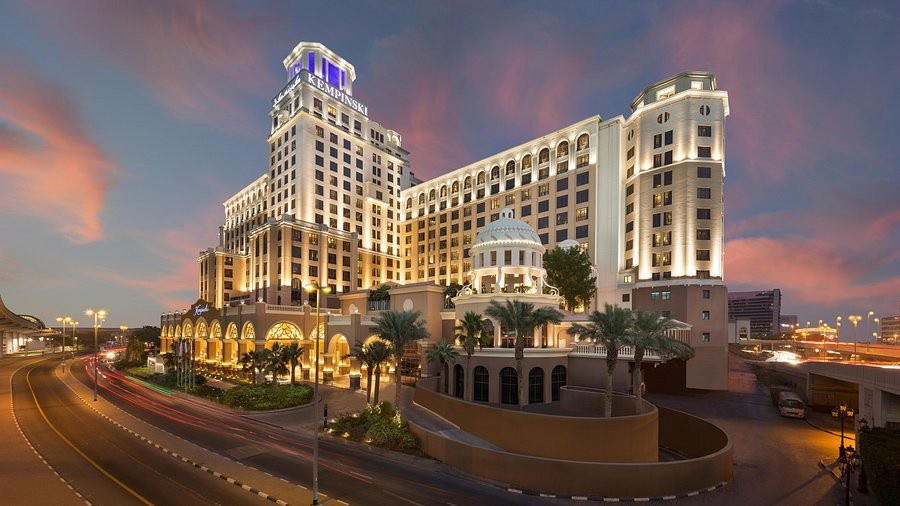
Beniyas Road runs along the older, merchant-facing side of Dubai, where the creek still dictates the neighbourhood's pace and the architecture belongs to a pre-tower era. The Hilton Dubai Creek, which houses Gordon Ramsay at Verre, sits in this stretch, and arriving here feels like a deliberate step away from the Downtown and Marina dining circuits that now absorb the bulk of Dubai's fine-dining conversation. The room itself is formal in the European tradition: measured lighting, composed table arrangements, and a sense of occasion that the venue has been communicating since it opened in 2001, when Dubai's restaurant scene was a fraction of its current scale. That longevity matters. Verre predates the Michelin Guide's UAE edition by roughly two decades, which means it built its reputation through an earlier and arguably harder mechanism: sustained word of mouth and the credibility of its parent name in a city that was still learning what European tasting-menu dining looked like.
The Architecture of the Meal
The broader shift in Dubai's premium dining sector over the past decade has been toward high-concept, culturally specific tasting formats. Trèsind Studio operates a narrative-driven Indian progression. Moonrise builds its menu around a specific creative arc. FZN by Björn Frantzén imports a Scandinavian technique framework. Against that backdrop, Verre's orientation toward classical European structure reads as a counterpoint: the meal here follows a logic of progression that does not require cultural novelty to justify each course. Canapes and an amuse signal the kitchen's register before anything formally begins. A fish course arrives before the meat; cheese is treated as a course rather than an afterthought; dessert has a composed arc of its own. This sequencing is not default fine dining, it is the inheritance of a specific culinary lineage, one that prioritises clarity of technique over theatrical disruption.
That lineage connects Verre to a broader set of chef-branded European restaurants that opened in the Gulf during the early 2000s, when the model was to bring a defined culinary identity from London or Paris and adapt it minimally for a new audience. Comparable moves happened elsewhere: Alain Ducasse at Louis XV in Monte Carlo codified the template for this kind of ambassador dining at the highest register, and restaurants like Verre carried a version of that ambition into younger markets. Today, that cohort is a small one in Dubai. Most chef-branded openings since 2015 have been concept restaurants or casual formats rather than the full formal-progression model Verre established.
Dubai's Michelin Guide, introduced for the 2022 edition, gave the city's dining scene a new sorting mechanism. 11 Woodfire earned one star for its fire-led modern cuisine at a $$$ price tier. Row on 45 operates at the creative-tasting end of the spectrum. At. Mosphere in the Burj Khalifa targets the same $$$$ bracket with Modern European cooking. Verre occupies a distinct position in this map: it is not competing on altitude or spectacle, and it predates the guide's framework entirely. The relevant comparison is less to current Michelin-starred peers and more to the generation of chef-brand restaurants that moved through the Gulf before the guide arrived, places that built authority through affiliation rather than anonymous inspection. Among that cohort globally, similar trajectories can be traced at Emeril's in New Orleans or, at the more ambitious end, the institutional authority carried by Le Bernardin in New York City across multiple decades.
For Dubai visitors whose itinerary extends to Abu Dhabi, the contrast with Erth illustrates how differently the two cities have positioned their fine-dining identities: Erth roots itself in Emirati culinary heritage, while Verre's identity is emphatically European and export-driven. Neither approach is superior, they answer different questions about what a fine-dining room in the Gulf should be.
The Case for Deira
One aspect of Verre's position that rarely gets sufficient attention is its neighbourhood. Deira is the commercial and historical core of Dubai, and dining here rather than in Downtown or the Marina is a geographic statement. The creek view at this stretch of Beniyas Road carries the traffic of dhows and water taxis rather than superyachts, which gives a meal at Verre a more grounded Dubai context than its peers in newer districts. Restaurants at this level in cities like Hong Kong, where 8½ Otto e Mezzo Bombana has held three Michelin stars in a non-tourist district, demonstrate that neighbourhood placement can reinforce rather than dilute a fine-dining identity. Verre's Deira address works in a similar register: it draws diners who are there for the food and the occasion, not for the surrounding leisure infrastructure.
Planning a Visit
The Hilton Dubai Creek is accessible from both the Deira and Bur Dubai sides of the creek, with Union Metro Station within practical walking distance and taxi access direct from any major part of the city. Given the formal nature of the meal and the tasting-progression format, an evening booking on a weekday generally allows more room in the dining room and a more composed service pace than a peak Friday or Saturday sitting. Dress code expectations align with formal European dining conventions, which in Dubai's hotel-restaurant context typically means smart business or cocktail attire. Diners travelling to Dubai with broader dining ambitions should also consult our full Dubai restaurants guide, as well as our Dubai hotels guide, bars guide, wineries guide, and experiences guide for a fuller picture of what the city offers across price tiers and formats. For those whose travel extends beyond the UAE, the creative tasting model is taken to its most technically demanding form at venues like Alinea in Chicago or Atomix in New York City, while Lazy Bear in San Francisco shows how the communal-table tasting format operates at a different social register entirely.
Frequently asked questions
What's the must-try dish at Gordon Ramsay at Verre?
Because EP Club's database does not carry confirmed current menu data for Verre, recommending a specific dish by name would risk directing you toward something no longer on the menu. What the kitchen's European-classical framework does consistently prioritise is technical precision across fish and meat courses, which form the load-bearing middle of the tasting progression. Confirmed dish details are leading sourced directly from the restaurant at the point of booking.
How far ahead should I plan for Gordon Ramsay at Verre?
Verre operates within Dubai's hotel-restaurant tier, where reservation windows depend on current demand and season. Dubai's peak dining season runs from October through April, when the city's population of residents and visitors is at its highest and competition for formal-dining tables is most acute. Booking two to three weeks ahead during peak months is a reasonable baseline; shoulder-season visits in May or September may allow shorter notice.
How does Gordon Ramsay at Verre compare to Dubai's newer Michelin-recognised restaurants?
Verre belongs to a generation of chef-branded European restaurants that pre-dates the UAE Michelin Guide by nearly two decades, which places it in a different competitive frame from the city's current starred cohort. Where venues like 11 Woodfire (one Michelin star, modern cuisine) or Trèsind Studio built their identities within the guide's framework, Verre's authority rests on longevity and the formal European tasting-progression model it has maintained since 2001. For diners specifically seeking Michelin validation, the newer cohort offers that signal directly; for those interested in the longer arc of Dubai's fine-dining history, Verre remains one of the few places where that history is still operational.
Cuisine and Awards Snapshot
A short peer table to compare basics side-by-side.
| Venue | Cuisine | Price | Awards | Notes |
|---|---|---|---|---|
| Gordon Ramsay at VerreThis venue (the venue you are viewing) | Modern French Fine Dining | $150–200 | Not listed | Not listed |
| 11 Woodfire | Modern Woodfire Grill | $150–200 | 1 Michelin Star · World's 50 Best #14 | Modern Cuisine |
| Avatara Restaurant | Modern Vegetarian Indian Fine Dining | Not listed | 1 Michelin Star · Gault & Millau UAE Selected Restaurant | Indian |
| Al Mahara | Modern Italian Seafood | $300–500 | Michelin Plate · World's 50 Best #31 | Seafood |
| Zuma | Modern Japanese Izakaya | $150–200 | Michelin Plate · World's 50 Best #34 | Japanese - Asian, Japanese, Japanese Contemporary |
| City Social | Modern European with Japanese influences | $150–200 | Michelin Plate · Star Wine List | Modern British, Modern Cuisine |
Continue exploring
More in Dubai
Restaurants in Dubai
All restaurants in Dubai →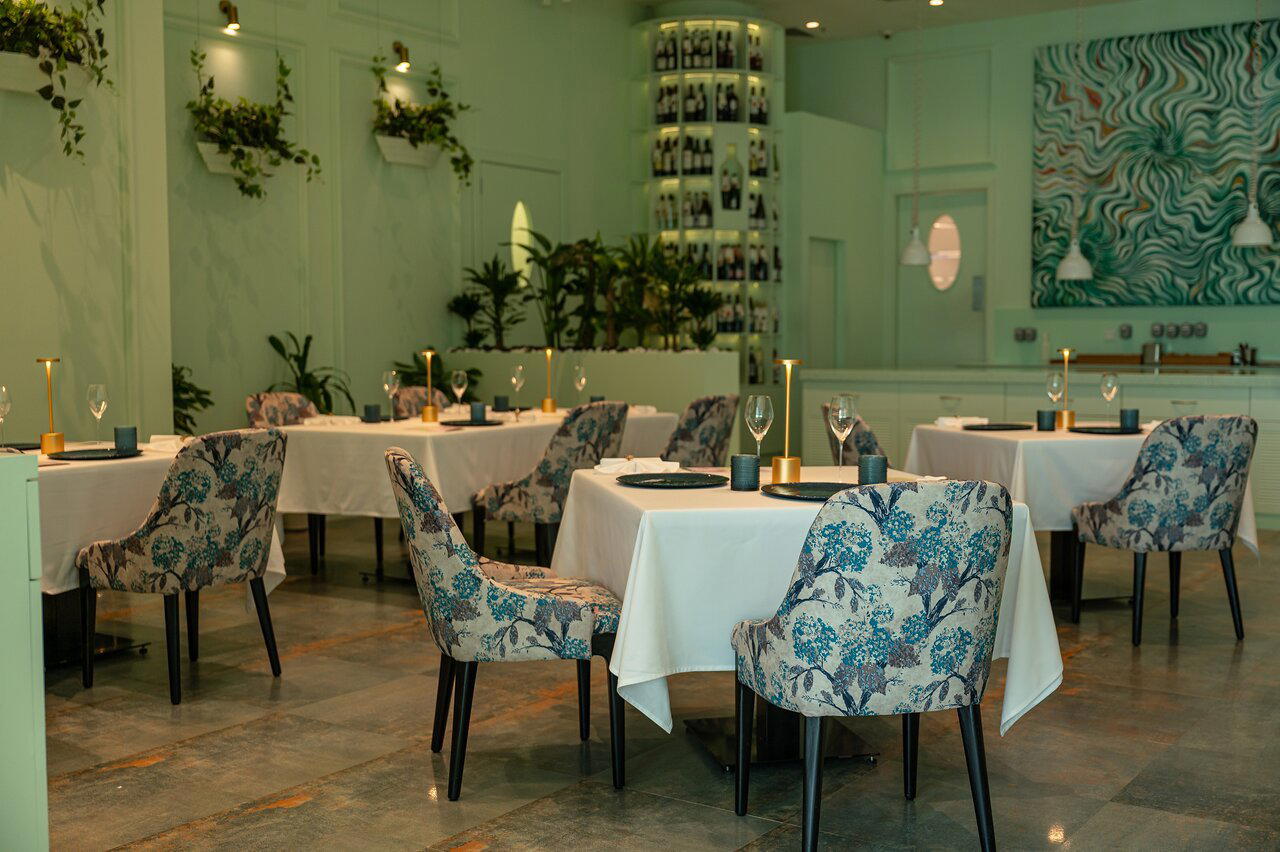
Bars in Dubai
All bars in Dubai →
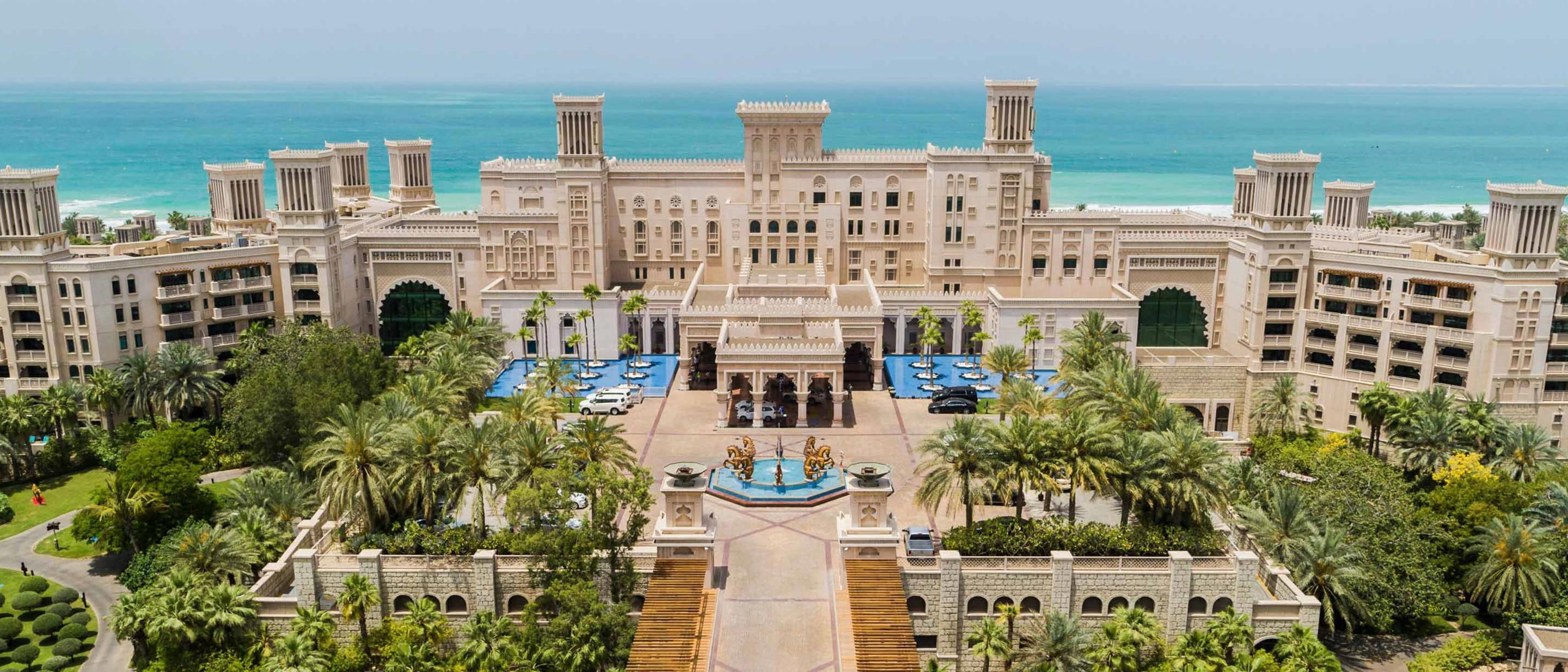
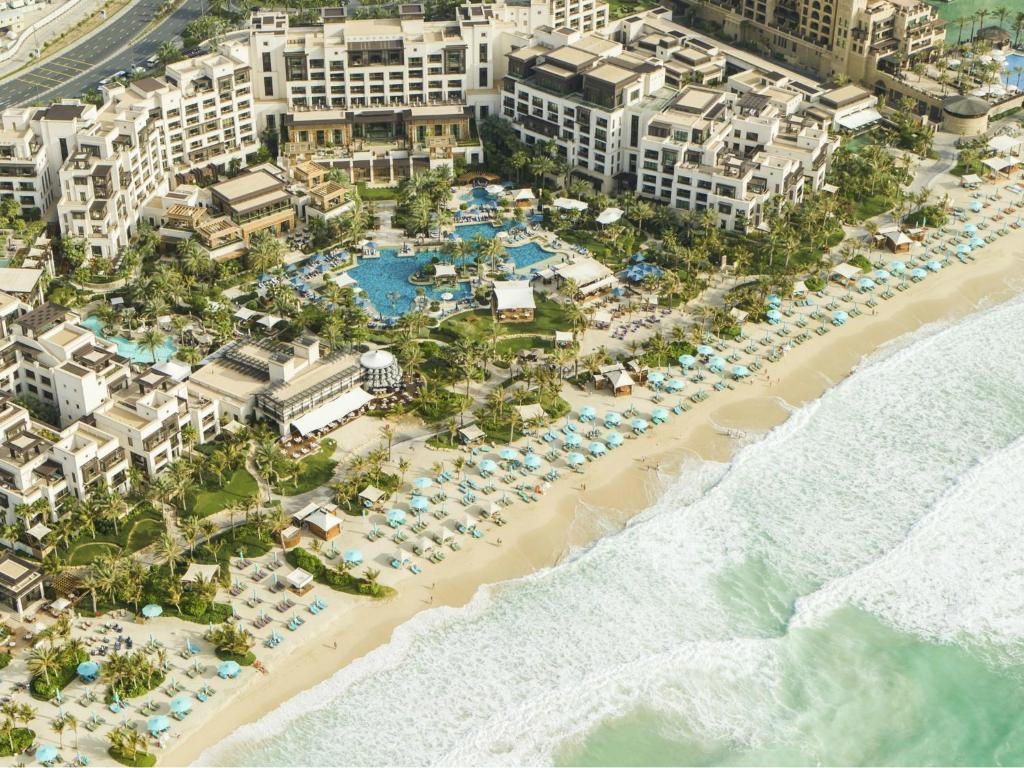
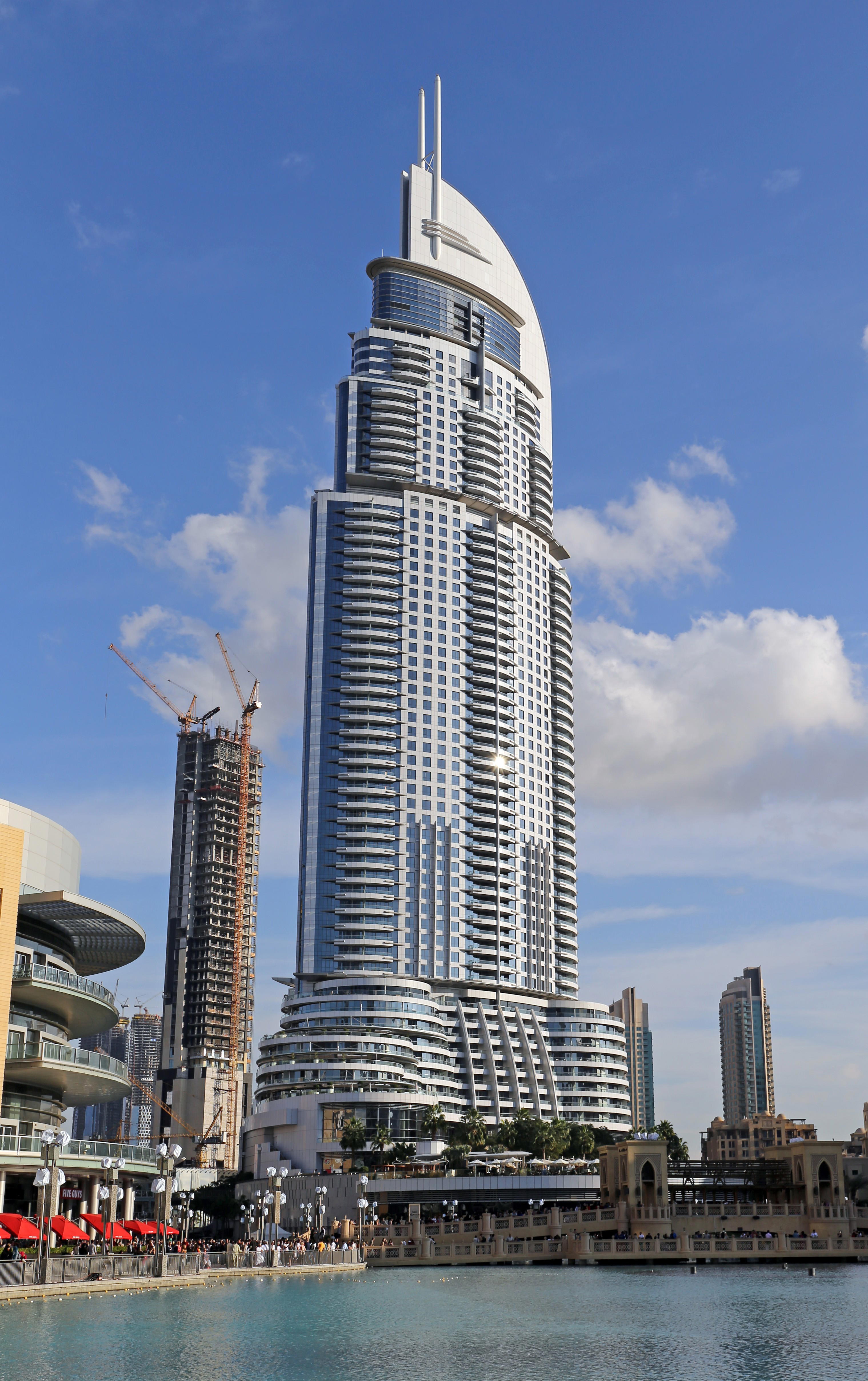
Gordon Ramsay at Verre
The wine
- Wine program
- Deep wine list
- Extensive wine list
- Sommelier-led
Details
- Elegant
- Modern
- Sophisticated
- Special Occasion
- Date Night
- Business Dinner
- Hotel Restaurant
- Extensive Wine List
- Sommelier Led
- Tasting Menu
- A La Carte
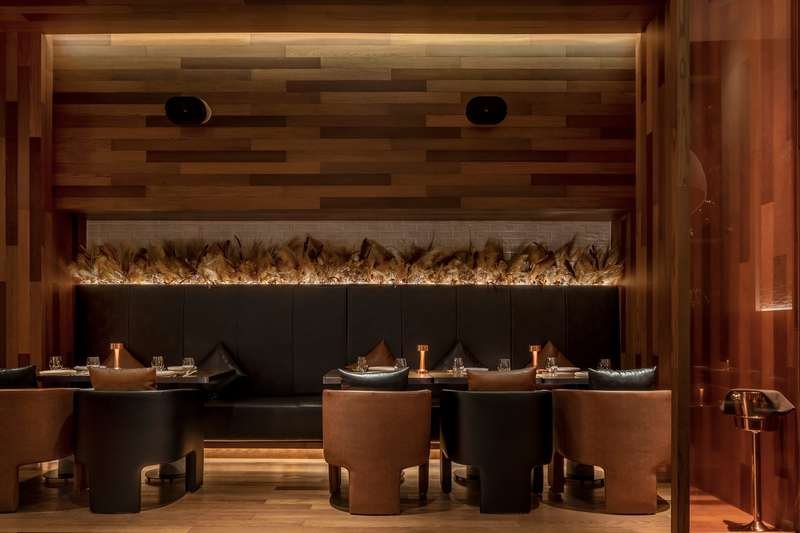
Modern and elegant dining room with white linen tablecloths, minimalist black and white decor, bright and airy during the day, classically sedate atmosphere.