Sattgrün Hafen
Sattgrün Hafen sits on Brückenstraße in Düsseldorf's Hafen district, where the city's plant-forward dining scene has found one of its more serious addresses. The restaurant draws on the broader German shift toward vegetable-led menus without leaning on the aesthetic minimalism that can make such places feel austere. A neighbourhood worth seeking out for those tracking how German cities are rethinking what a full meal looks like.
Pearl is the En Primeur Club membership app — saves, bookings, and concierge access live there. Same editors, same standards.
- Address
- Brückenstraße 12, 40221 Düsseldorf, Germany
- Phone
- +4921115923290
- Website
- sattgruen.de
- Directions
- Get directions
 Saves & bookings on Pearl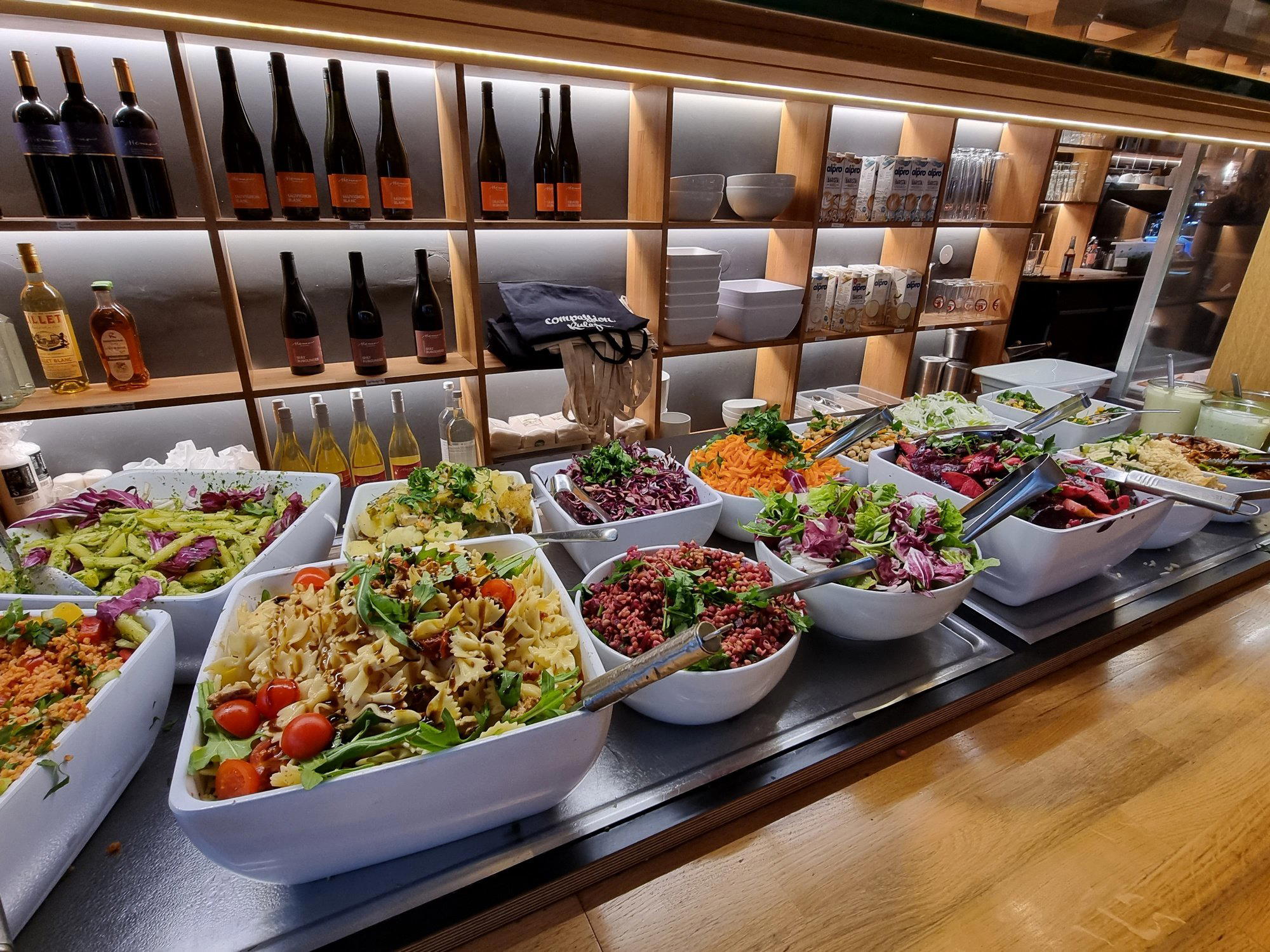
Where the Harbour Meets a Different Kind of Plate
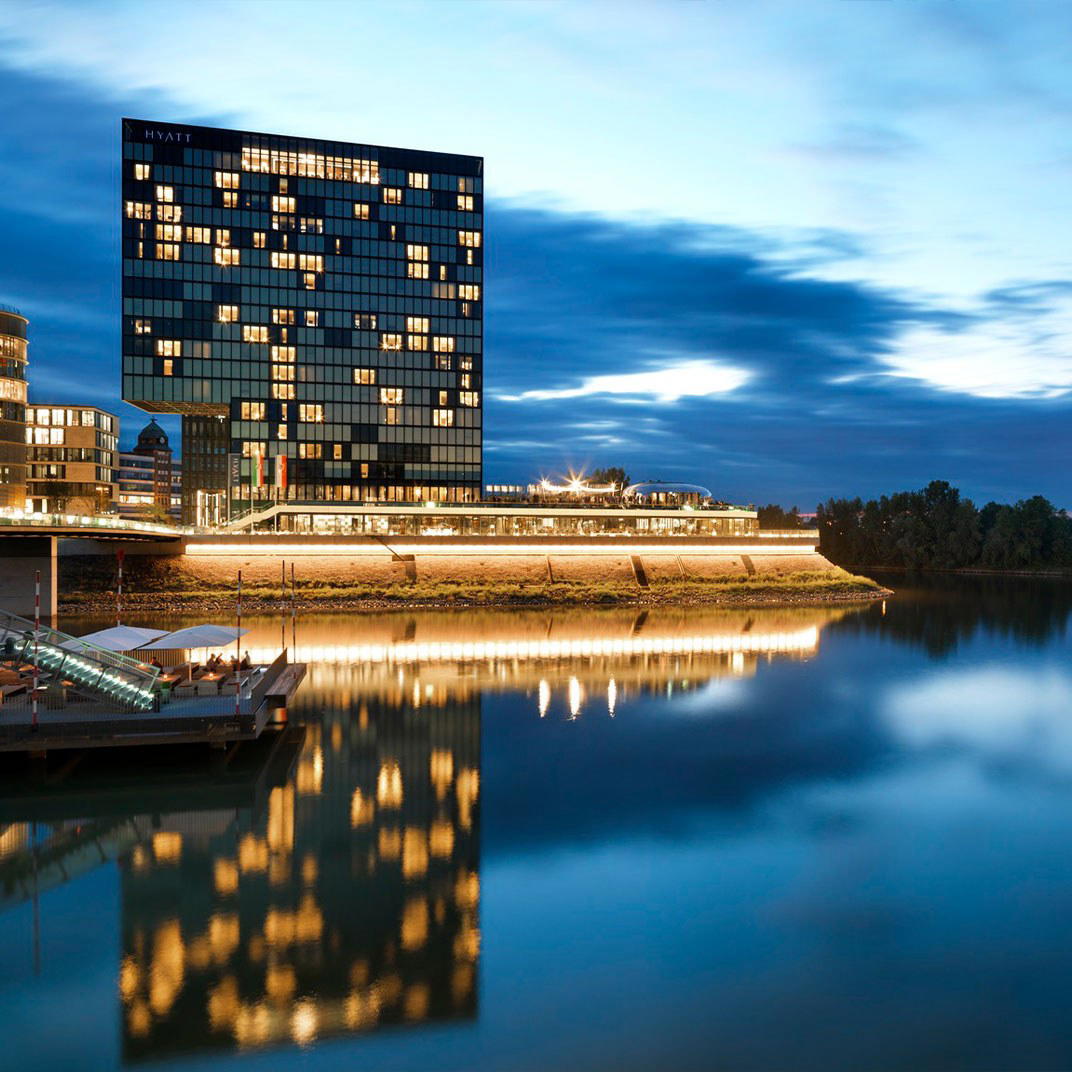
Düsseldorf's Medienhafen has spent two decades repositioning itself from industrial riverfront to the city's most architecturally self-conscious quarter. The Gehry buildings get the photographs, but the streets running east toward the Rhine have quietly accumulated a dining strip that now runs from casual Turkish and fast formats through to addresses that take the kitchen considerably more seriously. Brückenstraße sits inside that corridor, and the concentration of restaurants along it reflects a wider German pattern: mid-sized cities building out their food scenes not through flagship fine dining alone, but through a second tier of venues that operate with genuine technique at accessible price points.
Sattgrün Hafen occupies that middle register in the Hafen neighbourhood. The name signals the kitchen's orientation, sattgrün, saturated green, and the address places it in a part of the city where lunch crowds from the media and architecture firms mix with evening diners crossing the river from Altstadt. That dual-audience dynamic shapes the rhythm of service more than any single menu decision.
The Plant-Forward Turn in German Dining
Germany's fine dining tier has moved in the direction of vegetable-led cooking with some speed over the past decade. Restaurants like CODA Dessert Dining in Berlin have demonstrated that unconventional format and category restraint can coexist with serious critical recognition. At the three-star end, addresses such as Aqua in Wolfsburg and Schwarzwaldstube in Baiersbronn have long shown that German kitchens can sustain rigour at the highest level, while places like JAN in Munich and ES:SENZ in Grassau have pushed the conversation further into contemporary European idioms. The trickle-down effect on mid-market restaurants in cities like Düsseldorf has been real: kitchens that once defaulted to meat-centred menus now treat vegetables as primary rather than supplementary.
Sattgrün Hafen sits in that current, operating in a city where the dining scene spans considerable range. The Altstadt's density of restaurants makes Düsseldorf one of the more competitive markets in the Rhineland, and venues that survive in the Hafen tend to do so by finding a specific register and holding it rather than trying to serve every kind of diner.
Collaboration as Kitchen Logic
In restaurants that work from a plant-forward premise, the division of labour between kitchen and front-of-house matters in ways that a conventional meat-heavy menu can obscure. When protein is not doing the narrative work, the pairing of dishes with wine or non-alcoholic alternatives, the sequencing of courses, and the ability of service staff to read and guide the table all carry more weight. The team dynamic at Sattgrün Hafen, where the interplay between kitchen output and floor delivery defines the experience, reflects a broader shift in how mid-tier German restaurants are structuring their operations. Rather than a single chef as singular author, the guest's reading of the meal is shaped as much by what the sommelier recommends and what the server explains as by what arrives on the plate.
This is especially true in a neighbourhood like Medienhafen, where the lunch crowd wants efficiency and the dinner crowd wants to linger. Calibrating service tempo across those two modes requires a floor team with real awareness, not just technical knowledge of the menu.
Düsseldorf's Dining Depth Beyond the Altstadt
Visitors who default to the Altstadt for every meal miss the more interesting patterns forming elsewhere in the city. The Hafen is especially obvious alternative cluster, but the diversity of what is available across Düsseldorf's neighbourhoods is worth mapping. At the fast and focused end, addresses like Alanya Döner and 3h's burger & chicken reflect the city's strong tradition of casual eating at serious volume. For wine-led neighbourhood formats, Amuni Wein- und Käsebar operates in a different register entirely. Mediterranean-inflected kitchens appear at Anfora and Arca Alacati, both of which bring Aegean and southern European influence into the city's mid-market.
The restaurant's position in the Hafen means it competes less directly with the Altstadt's volume-driven places and more with the handful of Medienhafen addresses that have built a following based on a defined kitchen identity. That is a smaller and more demanding competitive set.
Germany's Broader Fine Dining Frame
For context on where Düsseldorf sits in Germany's wider restaurant hierarchy, the country's most decorated addresses cluster outside its major cities. Vendôme in Bergisch Gladbach and Victor's Fine Dining by Christian Bau in Perl sit at the three-star level, while Waldhotel Sonnora in Dreis and Schanz in Piesport represent the country's Moselle-adjacent fine dining tradition. Hamburg's Restaurant Haerlin is the clearest comparison for what serious urban dining looks like in a major German port city. Internationally, the format of thoughtful, vegetable-forward tasting menus has found its most rigorous expressions at places like Le Bernardin in New York City, where ingredient focus and kitchen discipline reinforce each other, and Atomix in New York City, where the interplay between kitchen and service team defines the experience as much as any individual dish.
The restaurant is not operating in that tier, but the structural logic it shares with those addresses, kitchen identity anchored in a specific ingredient orientation, service team as co-author of the guest experience, places it in the same conversation about what makes a restaurant coherent rather than merely functional.
Reputation First
Comparable venues nearby, for context on price, style, and recognition.
| Venue | Cuisine | Price | Notes |
|---|---|---|---|
| Sattgrün HafenThis venue — the venue you are viewing | Vegan Buffet | $$ | Not listed |
| Bob & Mary | American Smash Burgers | $$ | Hafen |
| Ham Ham bei Josef | Traditional German Schweinshaxe | $$ | Altstadt |
| Ruff's Burger | American Smash Burgers | $$ | Altstadt |
| Simple:Kitchen | Korean-Japanese Fusion | $$ | Flingern Nord |
| Phox - Feine Phớ Küche | Feine Vietnamese Pho Küche | $$ | Stadtmitte |
Continue exploring
More in Düsseldorf
Restaurants in Düsseldorf
Browse all →
Bars in Düsseldorf
Browse all →
At a Glance
- Modern
- Casual
- Trendy
- Casual Hangout
- Group Dining
- Solo
- Family
- Waterfront
- Standalone
- Zero Proof
- Beer Program
- Organic
- Local Sourcing
- Waterfront
Current opening hours
- Monday
- 12–10 PM
- Tuesday
- 12–10 PM
- Wednesday
- 12–10 PM
- Thursday
- 12–10 PM
- Friday
- 12–10 PM
- Saturday
- 12–10 PM
- Sunday
- 12–10 PM
Hours can change for holidays and private events. Last verified .
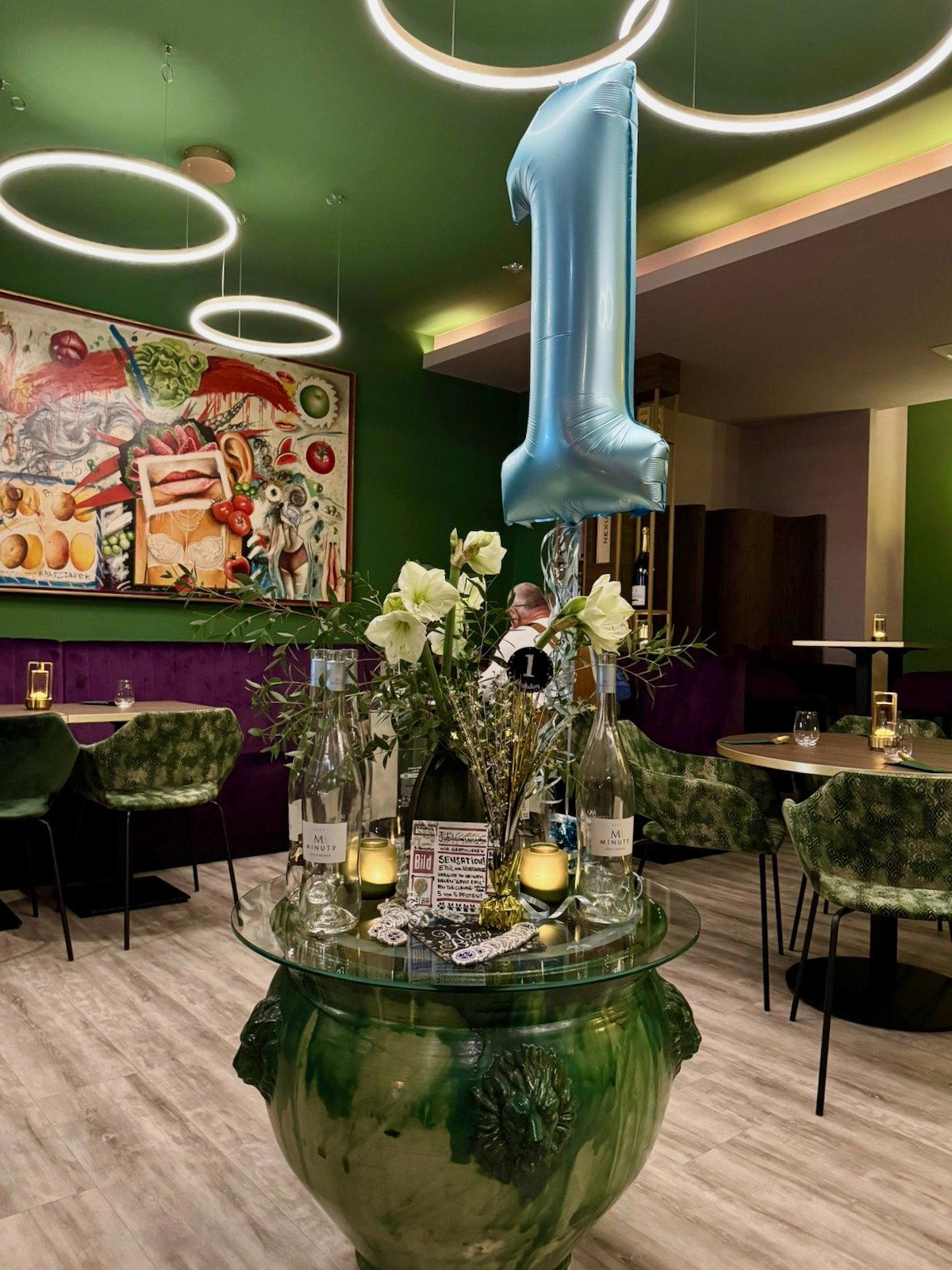
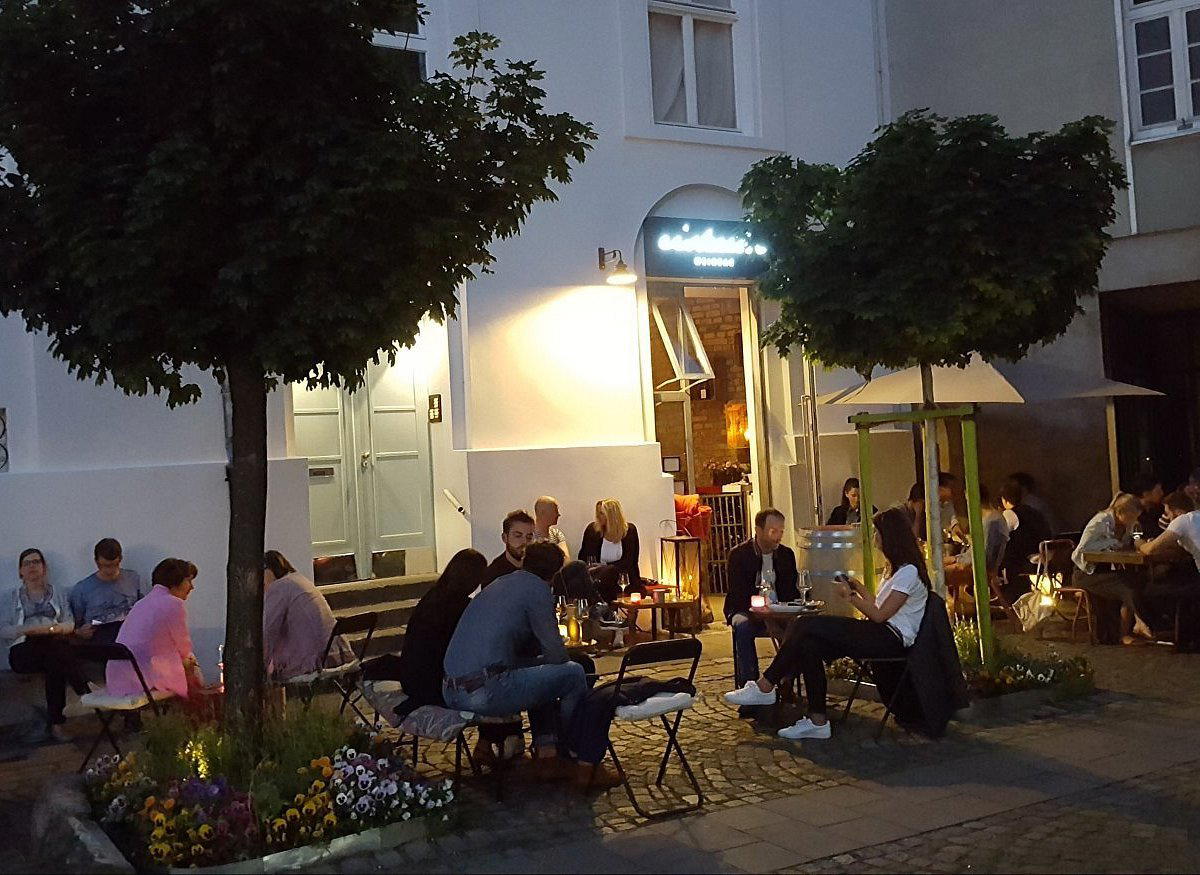
Bright, contemporary self-service dining space with emphasis on health-conscious, environmentally aware atmosphere; casual and welcoming environment.