SATO
Our verdict
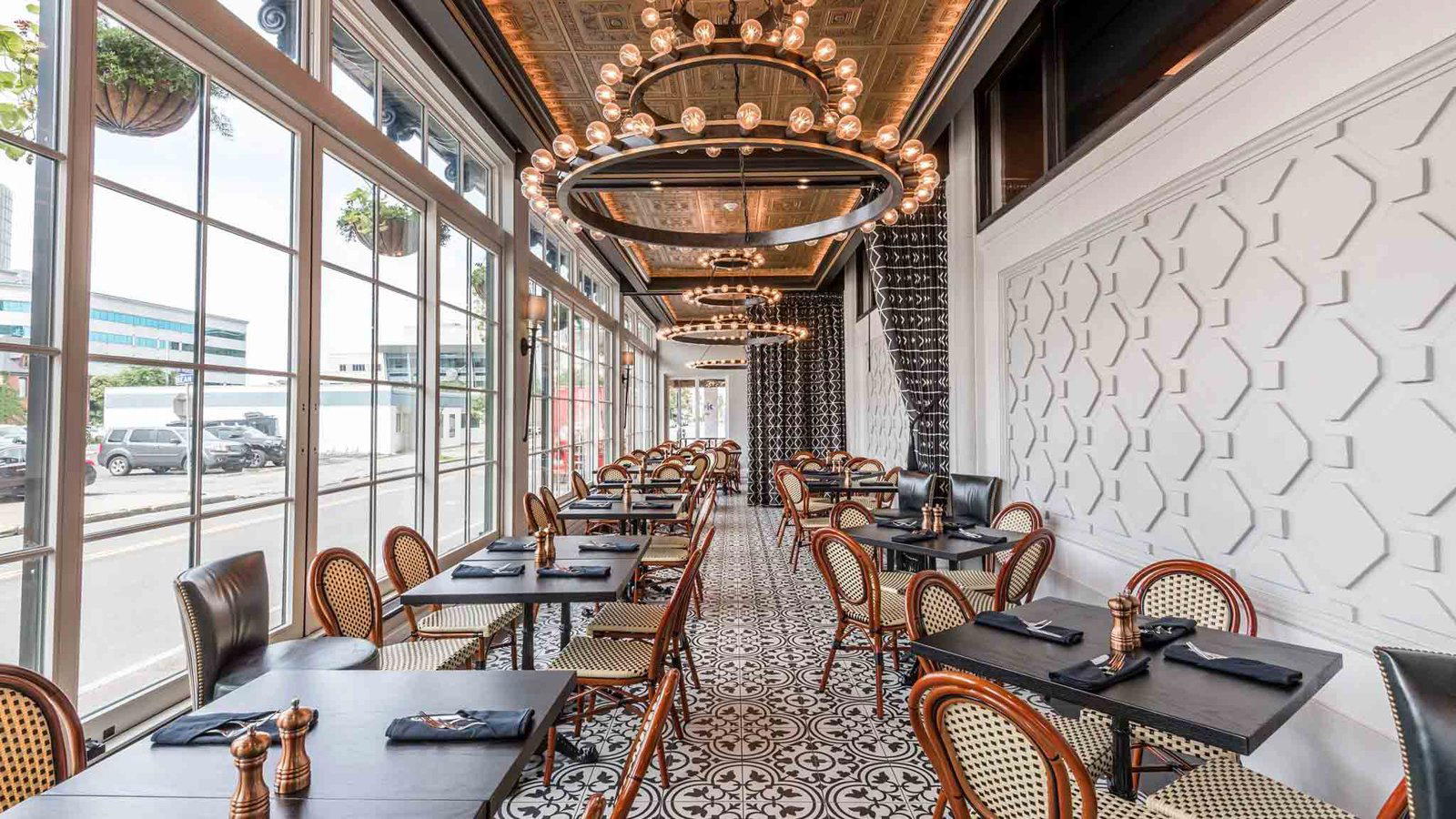
On Elmwood Avenue, SATO occupies a corner of Buffalo's most restaurant-dense corridor where regulars return not on occasion but on rhythm. The kitchen draws a loyal following built on consistency and a dining register that sits several notches above the neighborhood's casual baseline, making it a reference point for serious eating on the west side of the city.

Pearl is the En Primeur Club membership app — saves, bookings, and concierge access live there. Same editors, same standards.
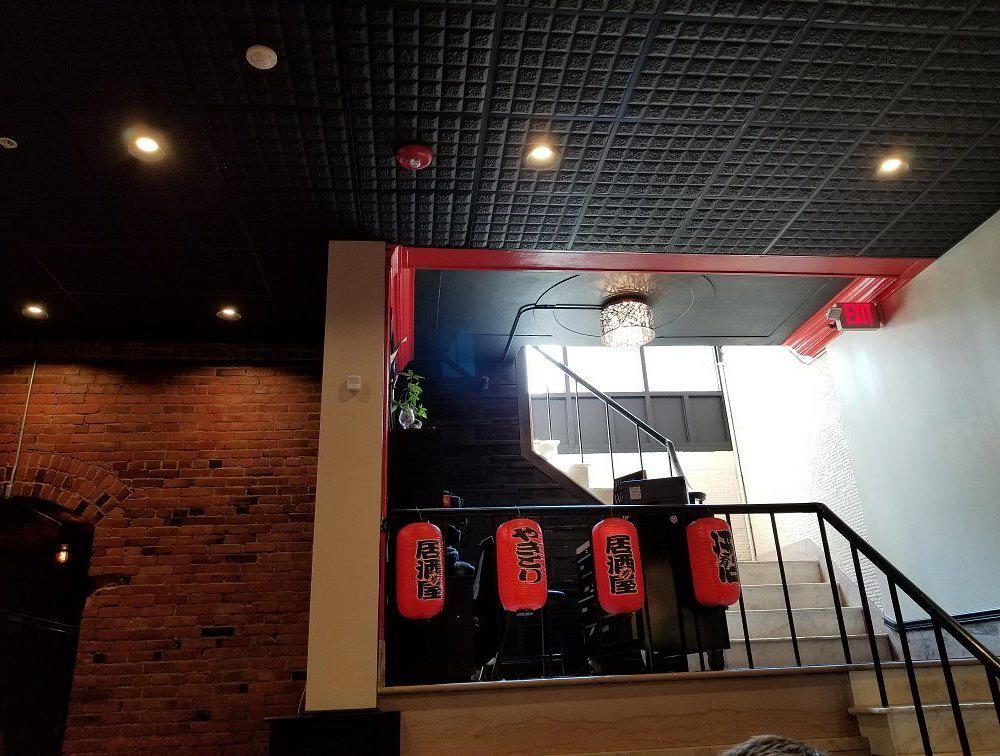
Elmwood Avenue and the Anatomy of a Regular
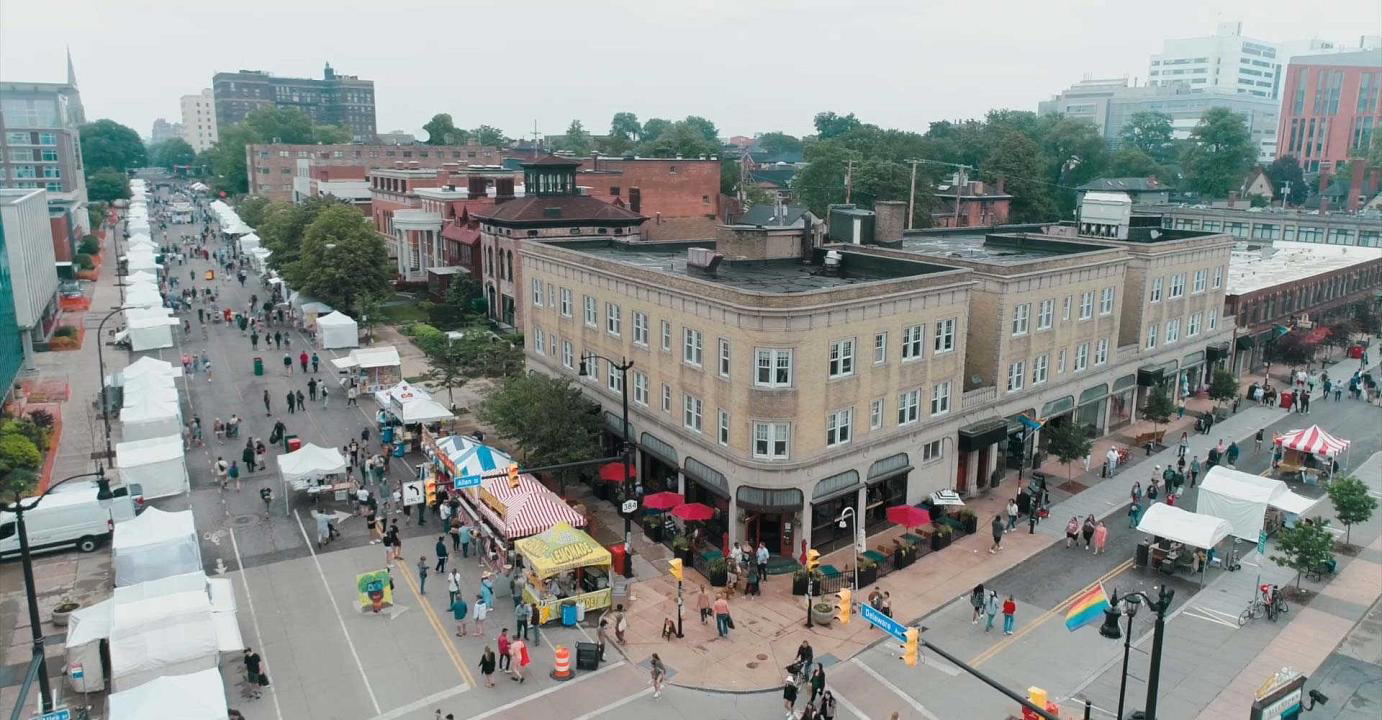
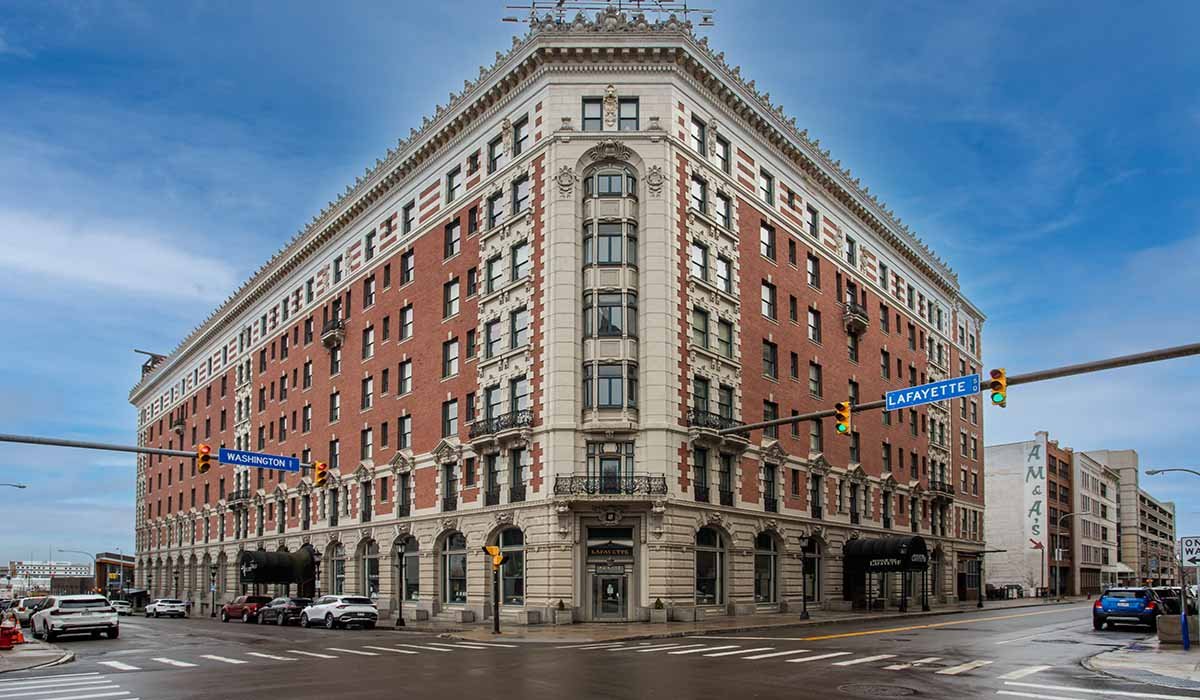
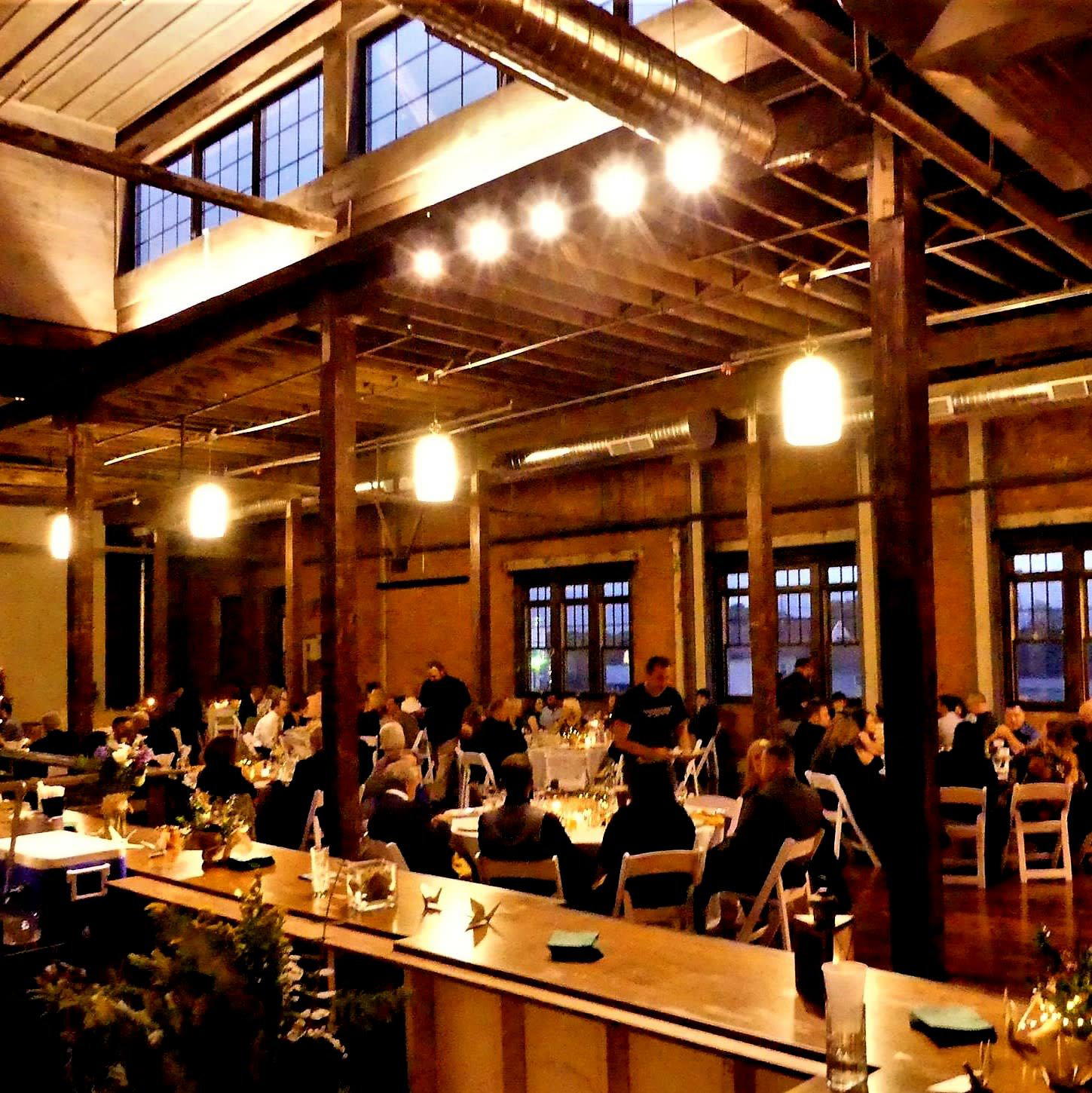
Buffalo's Elmwood Village has never been a destination neighborhood in the way that outsiders imagine food cities work. It doesn't have a single marquee address that draws visitors from other zip codes. What it has, instead, is density: a walkable stretch of independently owned restaurants where the sorting mechanism is repeat business rather than press attention. On that stretch, SATO, at 739 Elmwood Ave, has built the kind of following that doesn't require a publicist. Its regulars return on schedule, not on impulse, and that distinction matters when you're trying to understand what the kitchen is actually doing.
The Elmwood corridor sits in a broader shift happening across mid-size American cities: as destination dining consolidates around a small number of nationally recognized rooms, the meaningful mid-tier has either collapsed into casual or pushed harder into craft. It also sits apart from the waterfront positioning of 42N at The Flats, which draws on a different kind of occasion dining. SATO's gravity is local and earned.
What Keeps the Regulars Coming Back
In rooms where repeat clientele outnumber first-timers, the kitchen's real menu is rarely the printed one. What regulars actually return for is a set of reliable anchors: dishes that don't rotate arbitrarily, a service tempo that doesn't rush a table that wants to linger, and a sense that the room knows how to hold an evening together. These are not glamorous qualities, but they are the hardest ones to manufacture. They require consistency over time, not ambition on opening night.
Nationally, the restaurants that sustain this kind of loyalty tend to share a structural characteristic: they occupy a specific niche in their city's dining tier rather than trying to signal across multiple categories at once. Consider the difference in approach between community-anchored rooms and the kind of technically rigorous, high-investment formats seen at places like Lazy Bear in San Francisco or Alinea in Chicago. Those rooms are destinations built around a singular vision, and their regulars are enthusiasts who track the evolution of a program. SATO's regulars are something different: they are neighbors, in the broadest sense of that word, who have decided this is their room.
That kind of trust is not built through tasting menus or reservation-queue theatrics. It is built through the accumulation of good meals over months and years, through a kitchen that treats its core dishes as commitments rather than canvases. Buffalo's dining scene has enough history with restaurants that over-reach and close to recognize when a kitchen is playing a long game. SATO's location on Elmwood keeps it embedded in a community that values exactly that continuity.
Buffalo's Dining Register and Where SATO Sits
To understand SATO's position in Buffalo, it helps to map the city's dining tiers with some precision. At one end, Buffalo has the legacy casual tier: wing bars, fish fry spots, and neighborhood staples that define the city's food identity for outsiders. At the other end, a small number of rooms have pushed toward the kind of formal, produce-driven dining associated with nationally recognized programs. Between those poles, there is a contested middle ground where the most interesting eating in any mid-size American city tends to happen.
That middle ground is where Buffalo's Elmwood Village operates most coherently. Restaurants like Betty's and Billy Club have shaped what that register looks like: independent, chef-driven in ambition if not always in formal training, and oriented toward a local clientele rather than a tourist economy. SATO fits inside that pattern. It is not trying to compete with the kind of precision and investment you find at The French Laundry in Napa or the farm-system rigor of Blue Hill at Stone Barns in Tarrytown. Its competitive set is local, and its success criteria are local: is it the room you call when you want a proper dinner without traveling across the city?
For its regulars, the answer appears to be yes. That is not a small claim in a city where dining options have expanded considerably over the past decade, and where competition for the reliable-good-dinner position is genuinely contested.
The Unwritten Menu and How to Use It
Regulars at any restaurant eventually stop reading the menu. They have their order before they sit down, and they use the menu primarily to track what's changed since their last visit. This is the state SATO's most loyal guests have reached, and it tells you something about how the kitchen manages its program: there is enough consistency that a customer can build habits around it, and enough movement to keep those habits from going stale.
For a first-time visitor, the practical implication is to ask the room. In a restaurant where the staff has been watching the same customers for long enough to know their preferences, they tend to have sharper opinions about what's worth ordering than the menu itself communicates. This is a dynamic you find in the leading independently run rooms across the country, from the community-anchored dining rooms of the Northeast to the produce-forward independents of the West Coast. It is one of the clearest signals that a kitchen is run by people who eat in the room as well as cook in it.
For current menu and pricing, the address at 739 Elmwood Ave is the most direct route, and walk-in availability is leading assessed by contacting the restaurant directly before planning a visit. For a fuller picture of where SATO sits in Buffalo's dining geography, see our full Buffalo restaurants guide.
Planning Your Visit
SATO sits on the western stretch of Elmwood Avenue, a corridor that is walkable from several of Buffalo's residential neighborhoods and accessible from the city's main transit corridors. Elmwood's restaurant density makes it a reasonable base for a full evening: arrive early, eat well, and move on to one of the neighborhood's bars or cafes without needing to drive. What the address and neighborhood context make clear is that this is not a destination that requires significant logistical planning: it is a local room, and it rewards the approach of a local.
For context on how Buffalo's independent dining scene compares to nationally recognized programs, the gap between a room like SATO and the kind of investment and recognition seen at places like Le Bernardin in New York City, Providence in Los Angeles, or Atomix in New York City is real, but the comparison is also beside the point. Those rooms are built for a different kind of occasion. SATO is built for the kind of occasion that most people actually have: a Tuesday dinner, a neighborhood celebration, a meal that needs to be good rather than historic.
Frequently asked questions
Where is SATO located?
SATO is located at 739 Elmwood Ave, Buffalo, NY 14222, Buffalo.
Is SATO a good restaurant to visit if you're new to Buffalo's Elmwood Village dining scene?
SATO at 739 Elmwood Ave sits in one of Buffalo's most accessible neighborhood corridors, making it a practical entry point for anyone mapping the city's independent dining options. Elmwood Village skews toward locals over tourists, so the room at SATO will give a more accurate read of where Buffalo's everyday dining culture actually sits than a marquee destination would.
What's the best thing to order at SATO?
The menu at SATO rewards familiarity over first-visit guesswork. Regulars on Elmwood Avenue tend to move past the printed options quickly, ordering from memory or asking the floor what's changed. On an opening visit, track what comes out of the kitchen most frequently and start there.
Can I walk in to SATO?
SATO sits at 739 Elmwood Ave in Buffalo's Elmwood Village, a corridor that is walkable from several surrounding residential blocks. Whether the kitchen accepts walk-ins on a given night depends on volume, so arriving earlier in the service is the more reliable approach than showing up at peak hours.
What has SATO built its reputation on?
SATO's standing in Buffalo comes from its repeat clientele rather than from awards or destination-dining press. In a city where the dining tiers range from legacy casual to a growing roster of more considered independent rooms, SATO holds a position built on consistency with the people who live nearby and return often.
Is SATO allergy-friendly?
No allergy or dietary accommodation policy is documented for SATO at this time. The direct approach is to call ahead or ask the floor when you arrive at 739 Elmwood Ave, as kitchen flexibility at neighborhood-scale restaurants in Buffalo tends to be handled case by case rather than through a fixed policy.
Does SATO justify its prices?
Price range data for SATO is published details are limited, which makes a direct cost-per-dish comparison with Buffalo's wider Elmwood Village options difficult. What the restaurant's return-visit pattern does suggest is that the people paying the check are doing so again, which is a more durable signal than a one-time review. Check the venue's official channels for the latest details.
Where It Fits
Comparable venues nearby, for context on price, style, and recognition.
| Venue | Cuisine | Price | Notes |
|---|---|---|---|
| SATOThis venue — the venue you are viewing | Modern Japanese Izakaya | $20–30 | Not listed |
| Gabriel's Gate | Classic American Pub with Buffalo Wings | $20–30 | Allentown |
| Santasiero's Restaurant | Traditional Italian | Not listed | Upper West Side |
| Mothers | Classic New Orleans Po'boys & Creole | $20–30 | Central Business District |
| Swan Street Diner | Classic American Diner | $10–20 | Ellicott |
SATO
Featured Guides

Continue exploring
More in Buffalo
Restaurants in Buffalo
All restaurants in Buffalo →

Bars in Buffalo
All bars in Buffalo →


Details
- Modern
- Trendy
- Intimate
- Date Night
- Casual Hangout
- Open Kitchen
- Sake Program
- A La Carte
- Small Plates
- Sake
- Vegetarian Friendly
- Vegan Options
Current opening hours
- Monday
- 5–9:30 PM
- Tuesday
- 5–9:30 PM
- Wednesday
- 5–9:30 PM
- Thursday
- 5–9:30 PM
- Friday
- 4–9:30 PM
- Saturday
- 4–9:30 PM
- Sunday
- 4–9 PM
Hours can change for holidays and private events. Last verified .
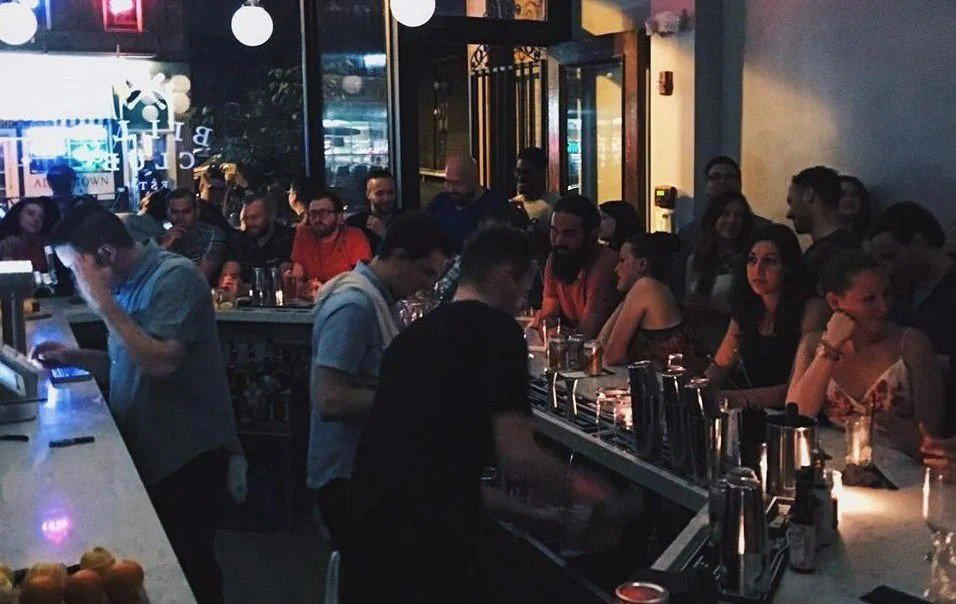
Upscale yet casual atmosphere with fresh, healthy, and sophisticated Japanese dishes in a modern setting.