Mothers
Our verdict
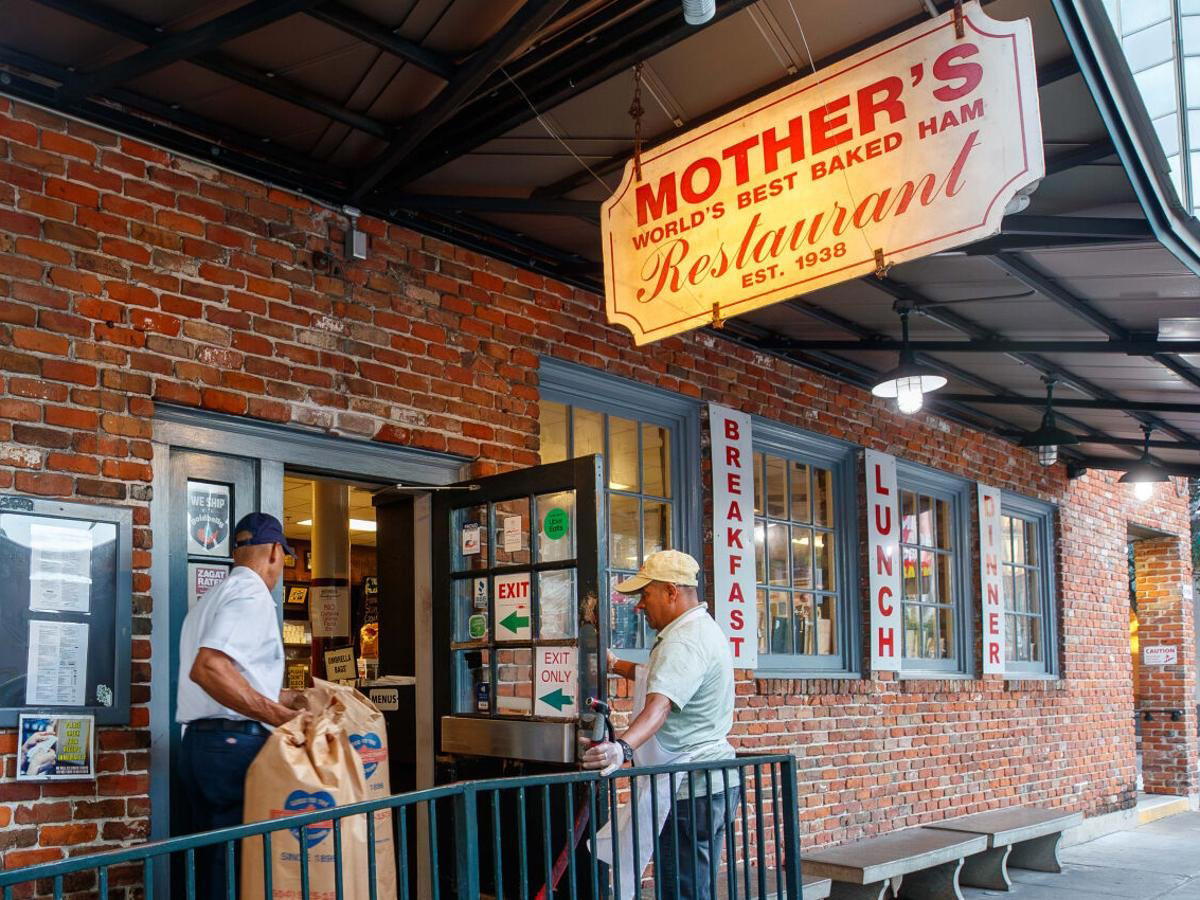
Mothers in New Orleans serves hands-on Cajun & Creole comfort with signature po'boys and classic plates. Must-try items include the Ferdi Special (roast beef and ham), the debris po'boy drenched in brown gravy, and the award-winning jambalaya. The kitchen focuses on slow-braised debris, fried shrimp, and hearty gumbo, producing bold, soulful flavors from morning biscuits to late lunches. Counter service and longtime family ownership deliver authentic, affordable meals in the Central Business District, just off the French Quarter. Expect generous portions, bread pudding with brandy butter for dessert, and a genuine local crowd that rewards patience with honest, craveable New Orleans cooking.

Pearl is the En Primeur Club membership app — saves, bookings, and concierge access live there. Same editors, same standards.
- Address
- 33 Virginia Pl, Buffalo, NY 14202
- Phone
- (716) 882-2989
- Hours
- Daily 4 PM–2 AM
- Website
- mothersbuffalo.com
- Directions
- Get directions
The menu
What to order
- Ferdi Special
- Jerry's Jambalaya
- Famous ham
New Orleans Comfort Food and the Weight of Occasion
There are meals you eat because you are hungry, and meals you eat because something in your life has shifted — a birthday, a homecoming, a goodbye. New Orleans has always understood the difference. The city's dining culture runs on ritual as much as appetite, and the places that endure here tend to be the ones that know how to hold both.
The atmosphere is deliberately unadorned. Long lines form before the doors open, fluorescent light falls across formica, and the ordering process rewards preparation over improvisation. That lack of pretense is part of the contract. In a city where Saint-Germain prices its contemporary tasting menus at the upper end of the local market and Bayona has held a decades-long reputation for refined New American cooking, Mothers occupies a different register entirely — one where the occasion is created by the people around the table, not the room surrounding them.
What the Menu Is Actually About
New Orleans po'boy culture is one of the more codified sandwich traditions in American food. The debate over who executes it properly runs deep in local conversation, touching questions of bread provenance, debris (the caramelized scraps that collect beneath a roast beef as it cooks), and the ratio of filling to loaf. Mothers has been central to that conversation for decades. The roast beef po'boy and its debris counterpart are the dishes that built the restaurant's following, and they remain the reference point against which other versions in the city get measured.
Beyond the po'boy, the menu pulls from the broader canon of Louisiana comfort food: red beans and rice, jambalaya, baked ham. These are not re-interpreted or refined in any contemporary sense. The appeal is fidelity, to technique, to proportion, to the expectation that the dish will taste the way it has always tasted. For visitors arriving from cities where Emeril's sets the register for Cajun cooking or Re Santi e Leoni is reframing what contemporary Southern dining can look like, Mothers reads as an argument for consistency over evolution.
The Occasion Angle: Why Locals Keep Coming Back
The sociology of celebration at Mothers differs from what you find at white-tablecloth venues. Post-funeral gatherings, pre-parade fueling, late-night returns from the airport, these are the events that map onto a Mothers visit for many New Orleanians. The restaurant fits into the city's relationship with communal eating in a way that is less about splendor and more about reliability. You know exactly what you will get. That predictability, in the context of a milestone moment, functions as comfort in its most literal sense.
Compare that to the occasion dining logic at a place like Zasu, which operates at the $$$ tier with an American Contemporary format, or to the formal celebration energy that surrounds a reservation at Commander's Palace. Mothers does not compete in that category. Its version of special-occasion dining is tied to personal history and repetition, the sense that this meal has been eaten at this counter by the same family across multiple generations. That is a different kind of prestige, and in New Orleans, it carries real weight.
New Orleans in the Broader American Food Context
New Orleans sits outside the coastal tasting-menu circuit that connects Le Bernardin in New York City to Alinea in Chicago, The French Laundry in Napa, Lazy Bear in San Francisco, Single Thread Farm in Healdsburg, Providence in Los Angeles, and Atomix in New York City. The city's culinary identity was never built around that model. It was built around deep-rooted regional traditions, Creole, Cajun, the po'boy counter, the seafood shack, and the restaurants that carry institutional authority here tend to be the ones that have resisted the pressure to modernize on someone else's terms.
Internationally, that logic applies to a handful of dining institutions. 8 1/2 Otto e Mezzo Bombana in Hong Kong operates with a similar sense of institutional weight in a completely different register: fine Italian cooking with three Michelin stars, a landmark address, and a guest profile that returns for consistency as much as discovery. The parallel is not about food category but about what a restaurant means when it has become part of a city's self-image. Mothers operates in that territory for New Orleans, at a price point and format that makes it accessible rather than exclusive.
Planning a Visit
The practical architecture of eating at Mothers rewards early arrivals. Lines build quickly on weekends and during festival season, which in New Orleans stretches from late winter through spring, Mardi Gras and Jazz Fest both generate significant foot traffic in the surrounding area. The cafeteria-style service means turnover is faster than at a seated restaurant, but the wait to order can still run long during peak hours. Going on a weekday morning, or arriving at opening, are the most reliable ways to eat without an extended wait. Given the cash-friendly, counter-service format, there is no reservation system to engage, the experience is first-come, and the food moves fast once you are at the front of the line.
For a broader picture of where Mothers sits within the city's dining options, the [EP Club New Orleans restaurants guide]() maps the full range from po'boy counters to multi-course Creole dining rooms. Supplementary resources include the [New Orleans hotels guide](), [bars guide](), [wineries guide](), and experiences guide for anyone building a longer stay around the city's full offer.
Frequently asked questions
What's the must-try dish at Mothers?
Should I book Mothers in advance?
What has Mothers built its reputation on?
Is Mothers allergy-friendly?
Is Mothers worth the price?
How does Mothers fit into a broader New Orleans food itinerary?
Peers You’d Cross-Shop
Comparable venues nearby, for context on price, style, and recognition.
| Venue | Cuisine | Price | Awards | Notes |
|---|---|---|---|---|
| MothersThis venue — the venue you are viewing | Classic New Orleans Po'boys & Creole | $20–30 | Not listed | Not listed |
| 42N at The Flats | Modern American Gastropub | $20–30 | Not listed | Allentown |
| Southern Tier Brewery Buffalo | American Brew Pub | $20–30 | Not listed | Central |
| Anchor Bar | Classic American Buffalo Wings | $20–30 | James Beard Award America's Classics | Fruit Belt |
| Patina 250 | Modern American Fine Dining | $50–100 | Not listed | Central |
Continue exploring
More in Buffalo
Restaurants in Buffalo
Browse all →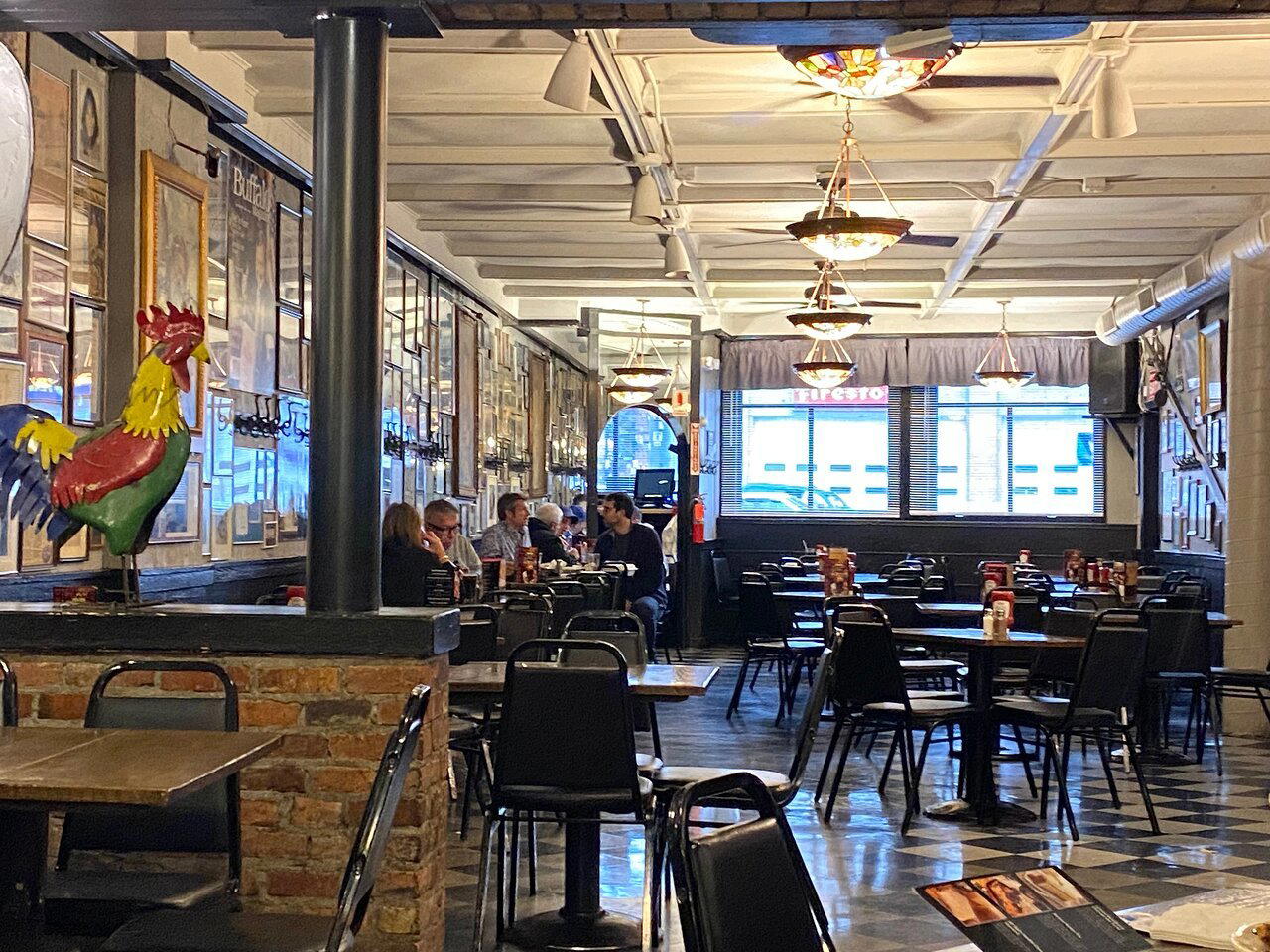
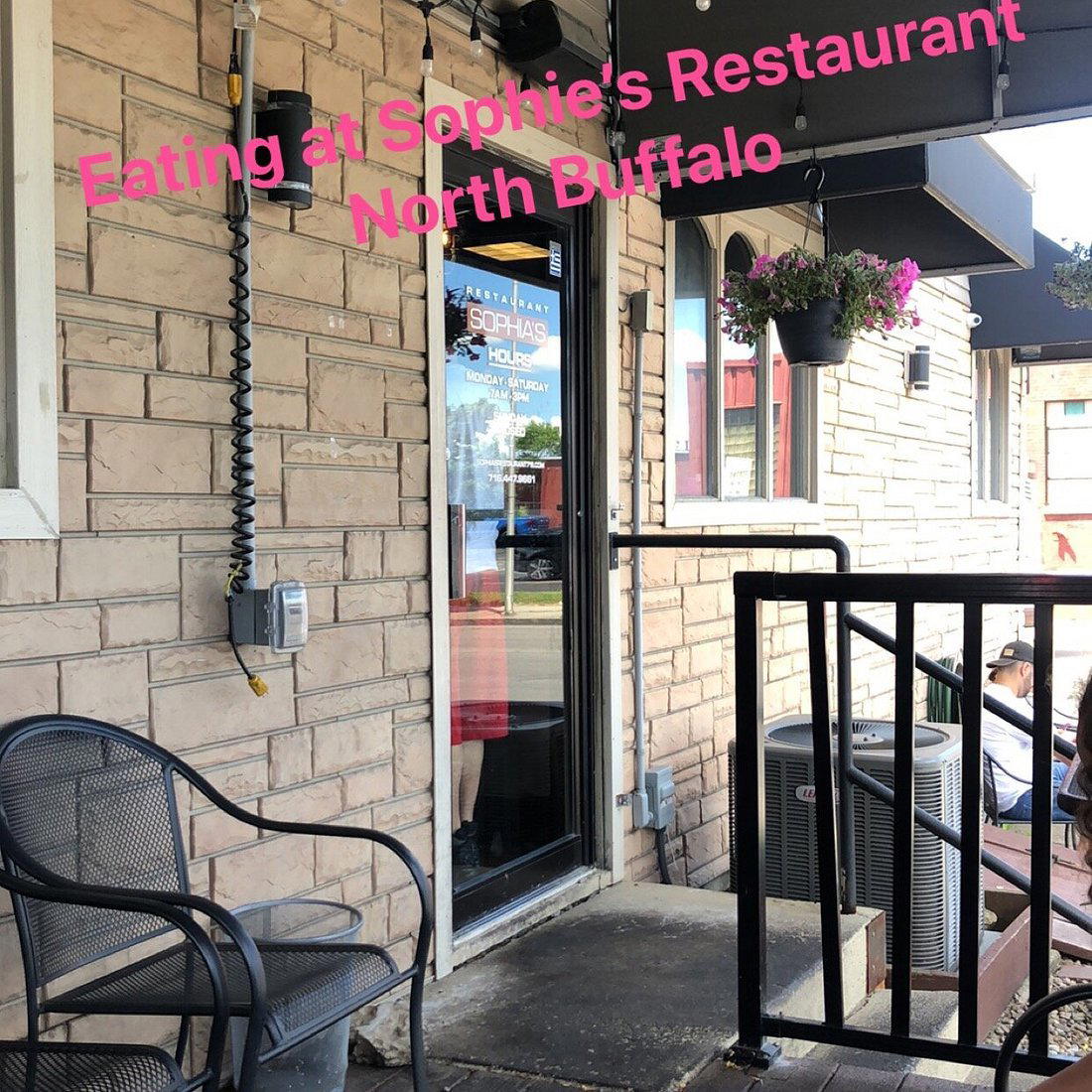
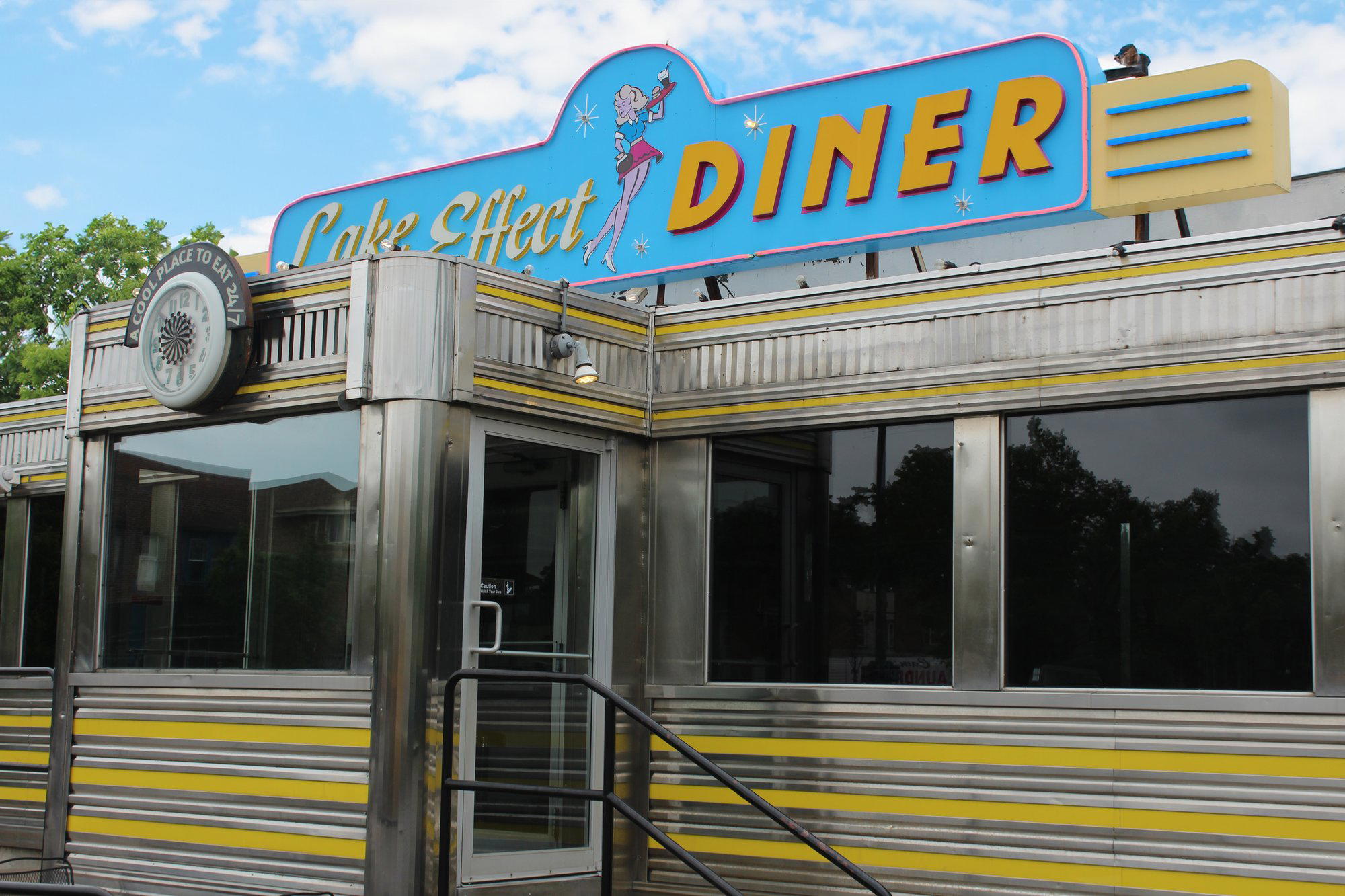
Bars in Buffalo
Browse all →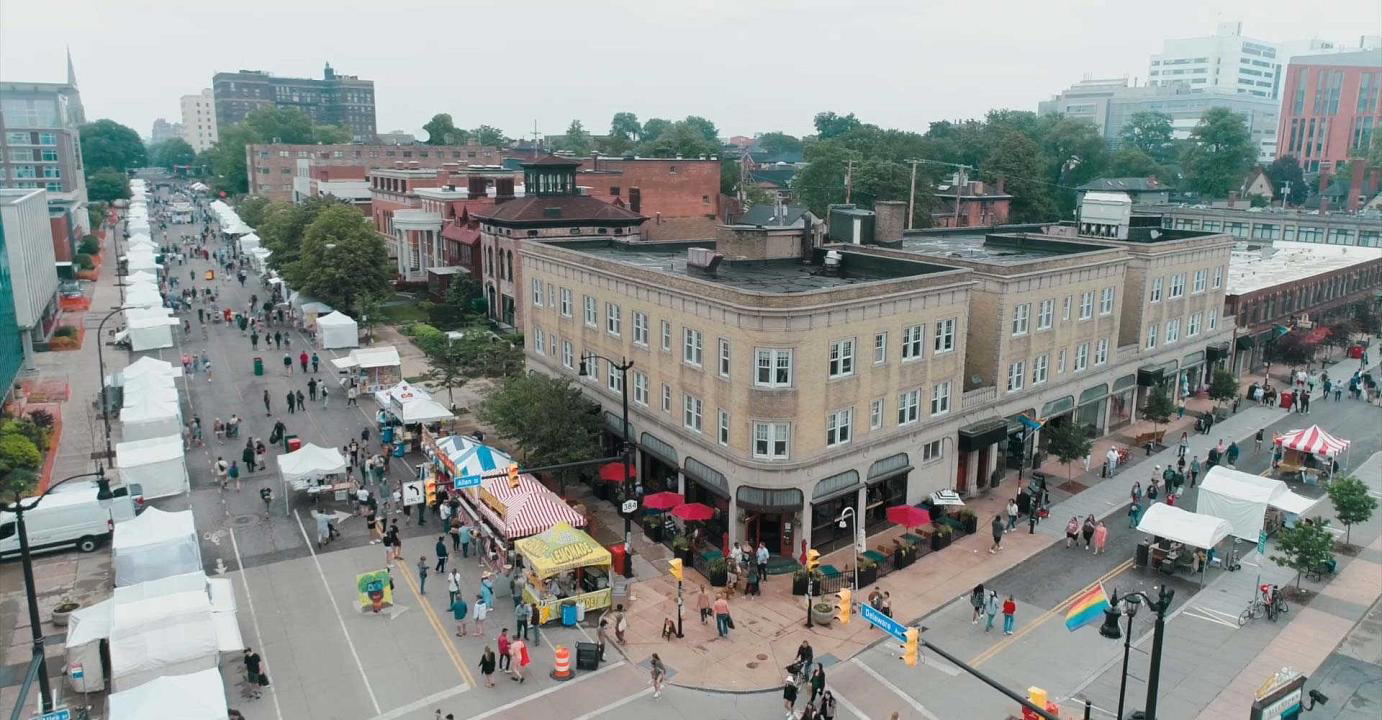
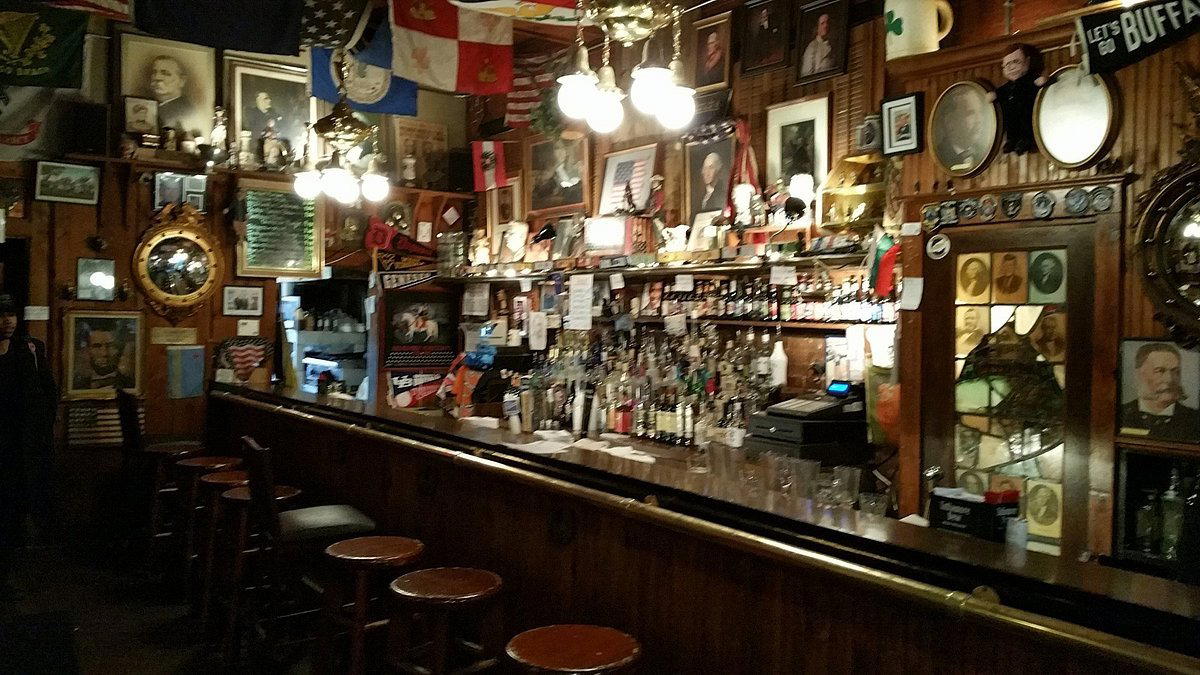
Hotels in Buffalo
Browse all →



Details
- Classic
- Well Known
- Lively
- Casual Hangout
- Family
- Group Dining
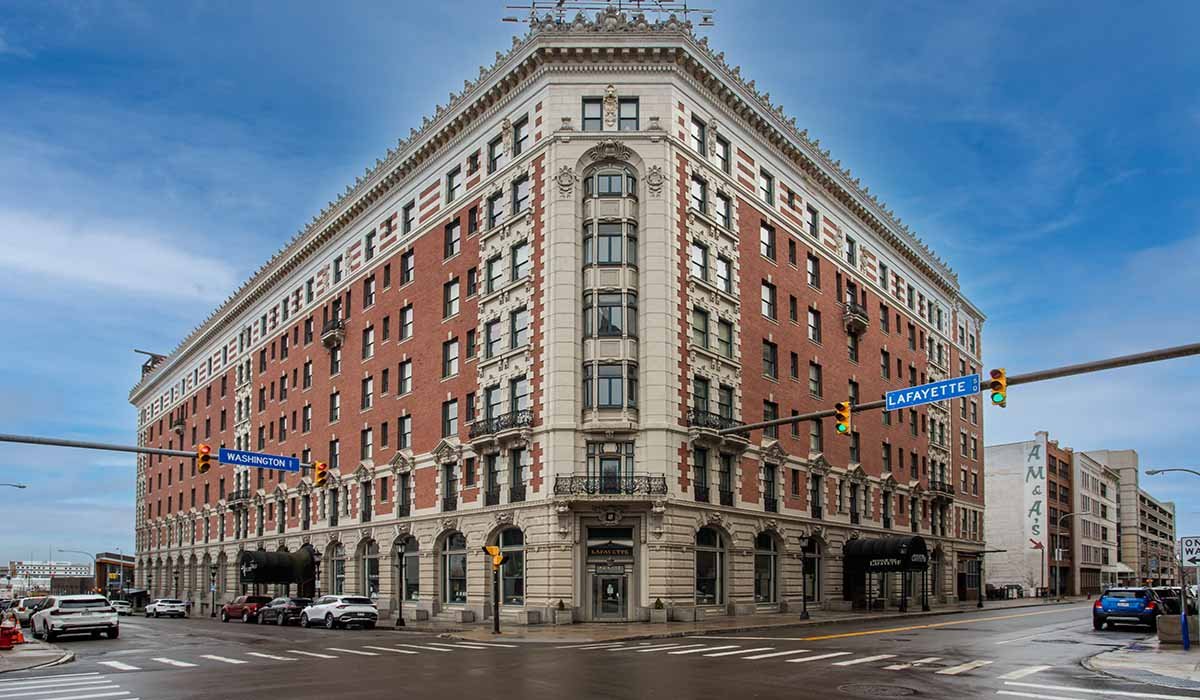
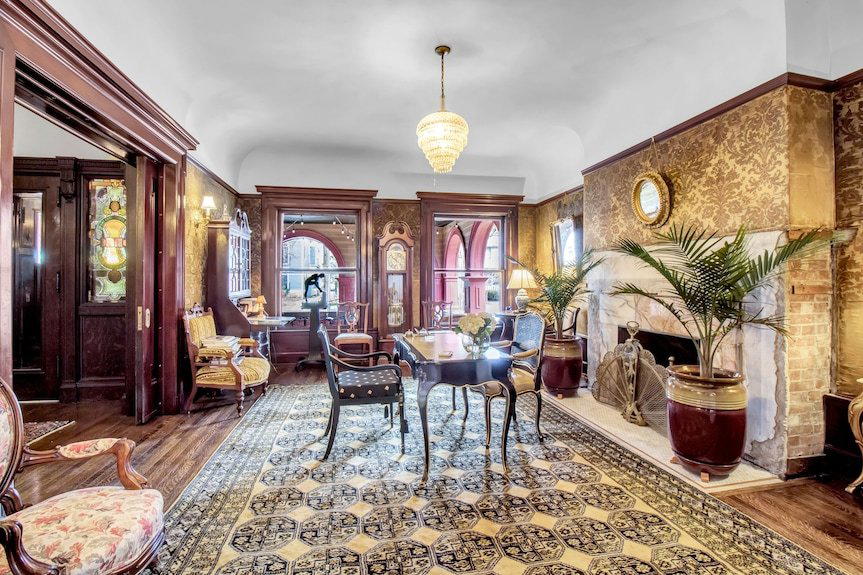
- Historic Building
- A La Carte
Current opening hours
- Monday
- 4 PM–2 AM
- Tuesday
- 4 PM–2 AM
- Wednesday
- 4 PM–2 AM
- Thursday
- 4 PM–2 AM
- Friday
- 4 PM–2 AM
- Saturday
- 4 PM–2 AM
- Sunday
- 4 PM–2 AM
Hours can change for holidays and private events. Last verified .
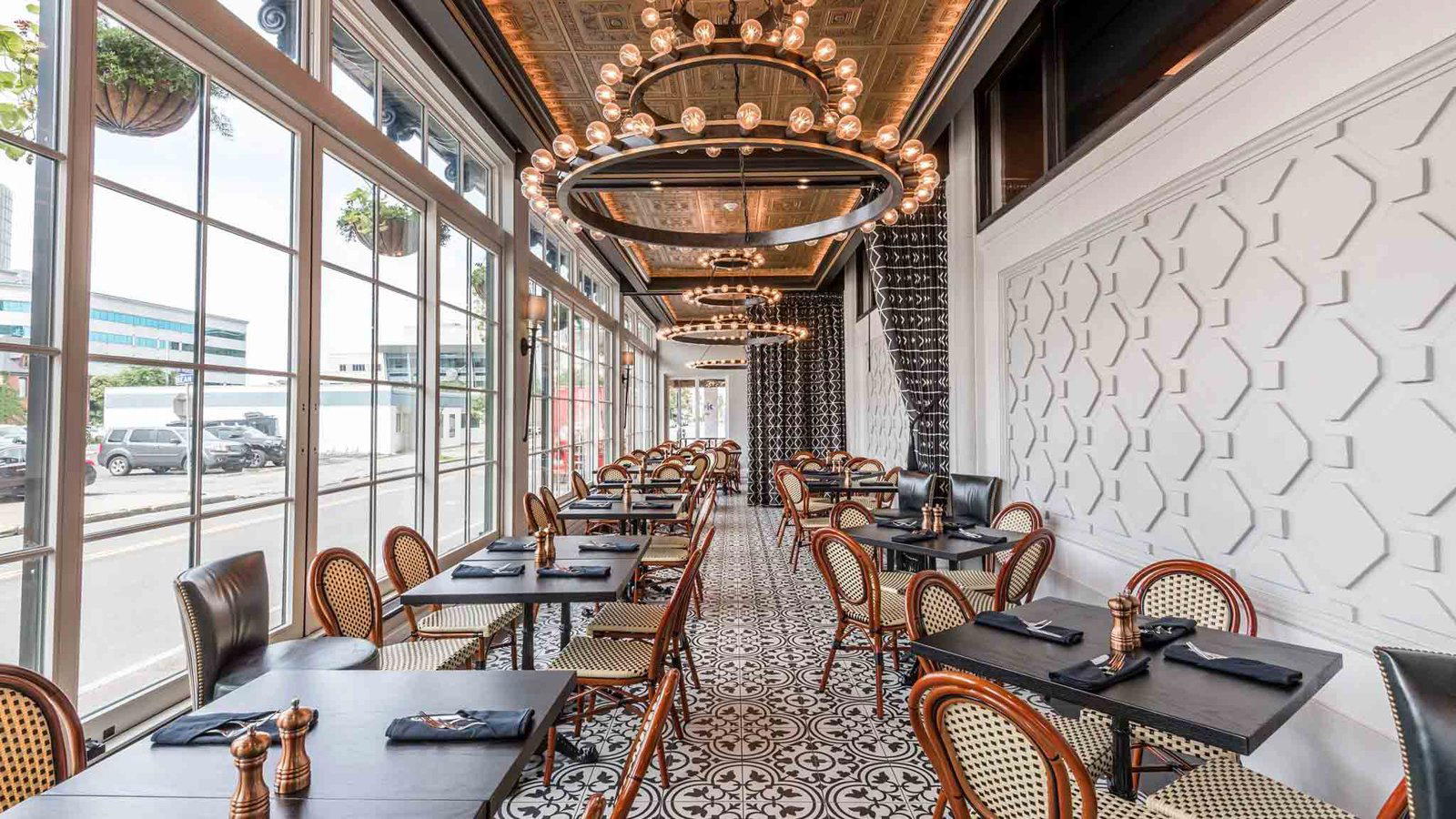
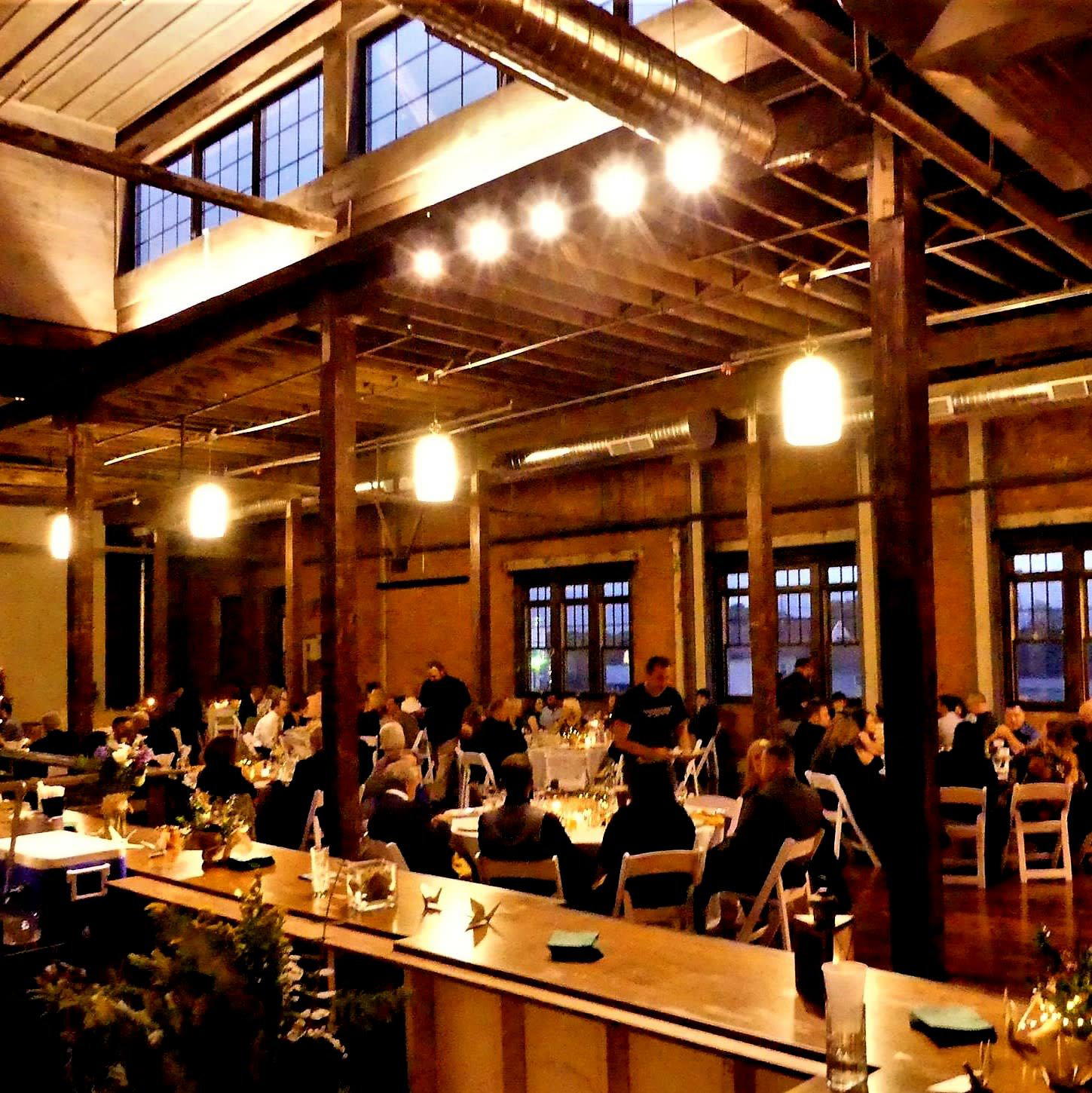
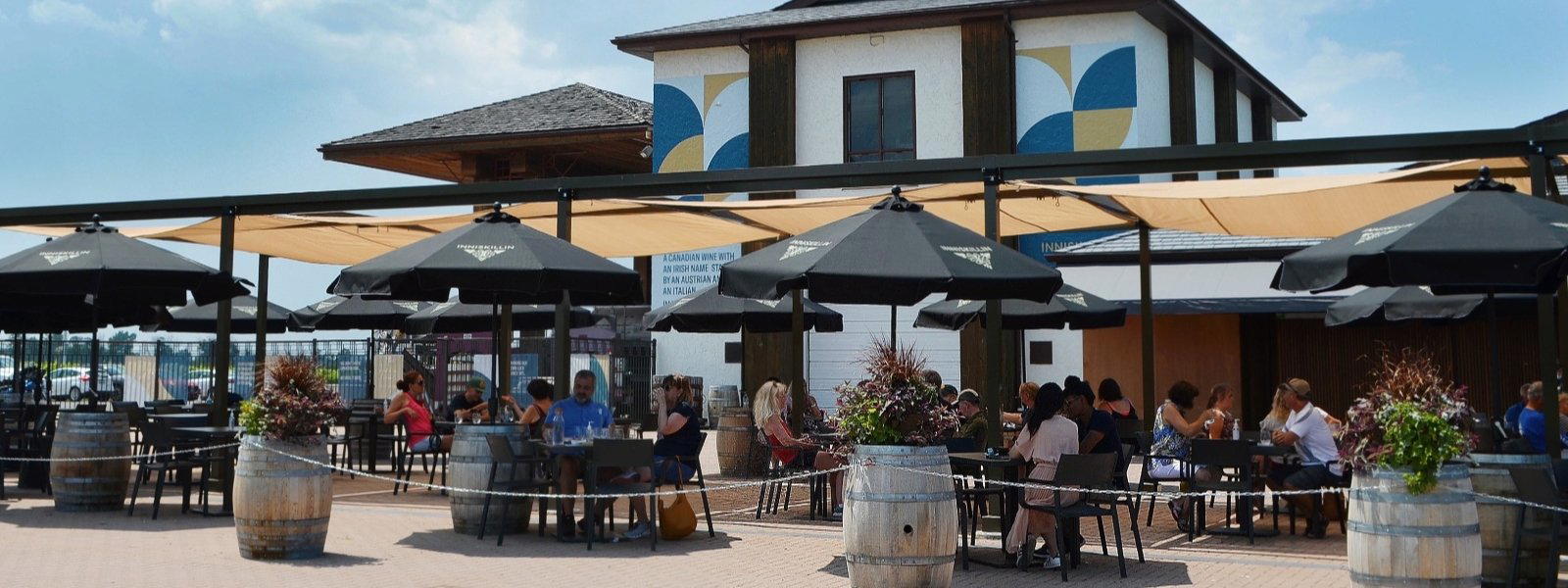
Casual, bustling cafeteria-style atmosphere with basic decor, long lines, and lively energy focused on hearty home-style meals.