Satkar Indian Cuisine
Satkar Indian Cuisine sits on North Dale Mabry Highway in Tampa's northern corridor, occupying a segment of the city's Indian dining scene that operates well outside the downtown restaurant cluster. The kitchen draws on the subcontinental tradition of layered spice construction, placing it in a different register from Tampa's heavily European-influenced fine dining tier. For North Tampa residents, it functions as a neighbourhood anchor rather than a destination splurge.
Pearl is the En Primeur Club membership app — saves, bookings, and concierge access live there. Same editors, same standards.
- Address
- 14422 N Dale Mabry Hwy, Tampa, FL 33618
- Phone
- +18139627300
- Website
- satkarflorida.com
- Directions
- Get directions
 Saves & bookings on Pearl
North Dale Mabry and the Shape of Tampa's Indian Dining
Tampa's restaurant conversation tends to centre on the Channelside corridor, Hyde Park, and the handful of destination-level rooms that pull reservation traffic from across the region. Places like Ebbe (Contemporary), Koya (Japanese), and Lilac (Mediterranean Cuisine) sit in the $$$$ tier and operate with the booking pressure and editorial attention that comes with it. The city's Indian dining, by contrast, is dispersed across suburban corridors, North Dale Mabry Highway among them, where restaurants function less as occasions and more as reliable weekly stops for a population that knows what it wants from the cuisine.
Satkar Indian Cuisine at 14422 N Dale Mabry Highway occupies that suburban-anchor role. The address puts it north of the urban core, in a stretch where strip-mall frontage is the architectural norm and the dining offer skews toward neighbourhood regulars rather than cross-city visitors. That spatial context shapes everything about how the room is used and how the kitchen positions itself.
The Physical Container: What the Space Communicates
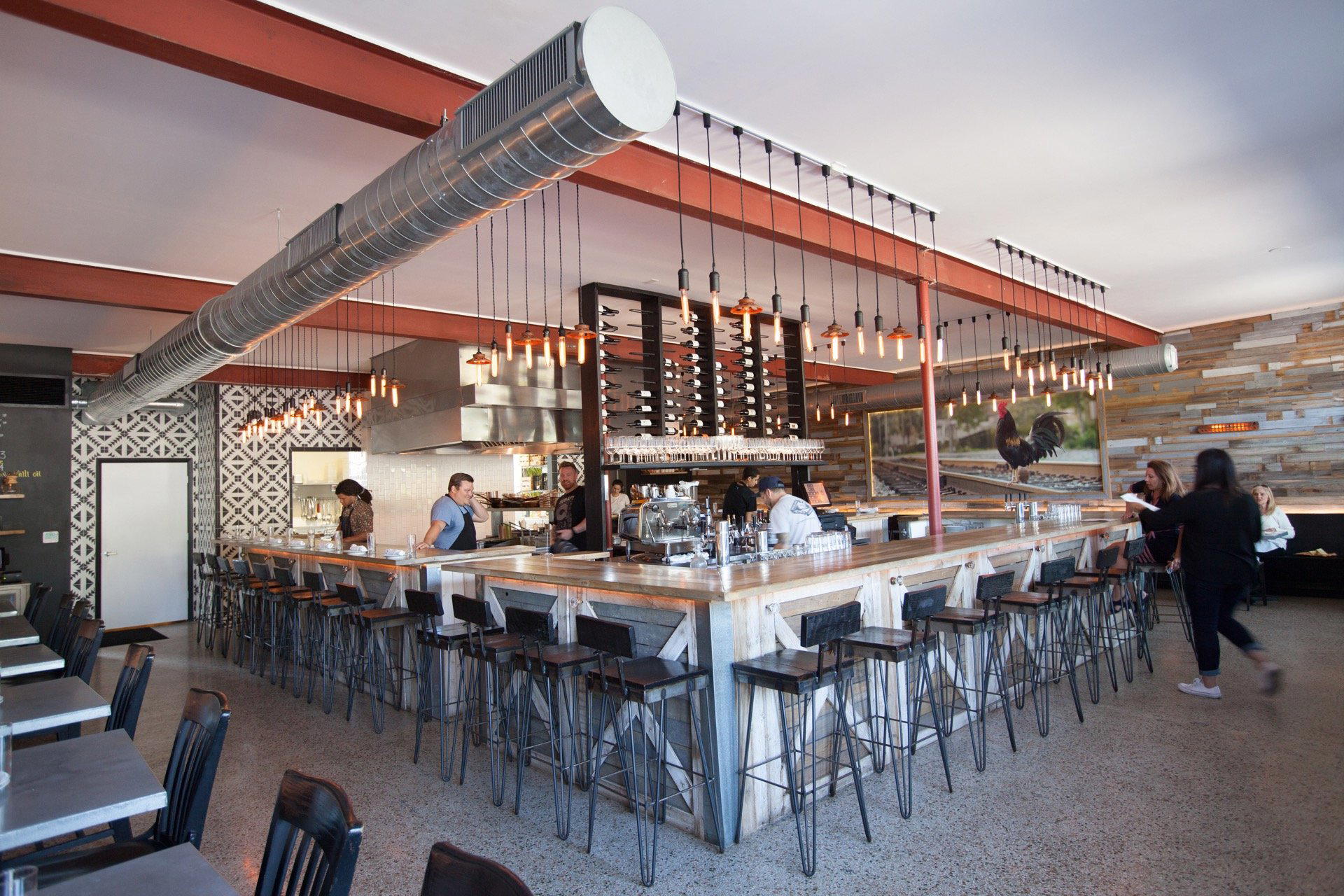
Indian restaurants in American suburban markets have historically operated in one of two registers: the formal white-tablecloth room aimed at occasion dining, or the no-frills storefront where the kitchen's credibility carries all the weight. North Dale Mabry's commercial strip leans toward the latter model. The physical environment along this corridor is functional rather than designed, with parking-lot access, shared retail buildings, and signage that competes for road-level attention rather than building-level presence.
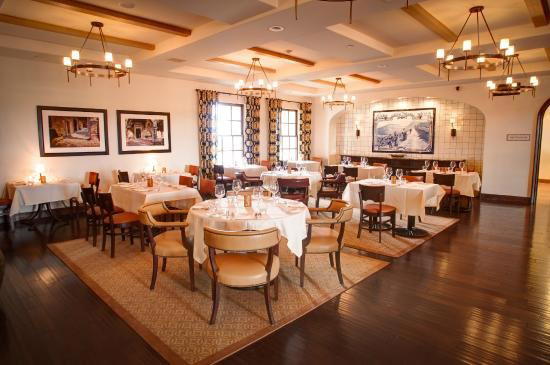
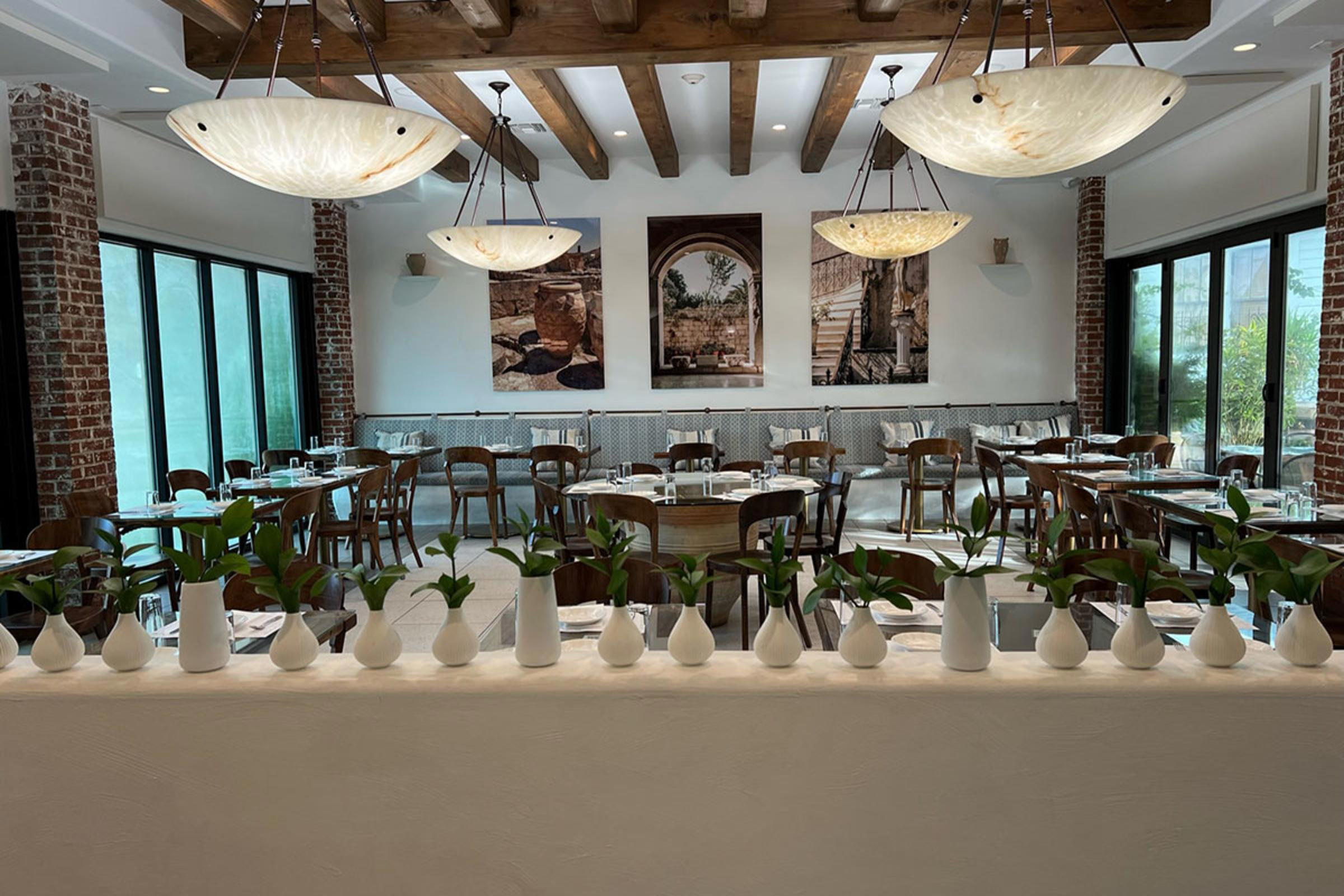
Within that context, the interior arrangement of a restaurant like Satkar matters more than it might in a neighbourhood where design investment is common. Suburban Indian dining in the US has long used the physical space to signal ambition, or the deliberate lack of it. A simply appointed room with modest seating sends a clear message: the food is the argument. That posture is well-established across Indian restaurant culture in American cities, from the curry-house tradition inherited from British dining patterns to the no-reservation dal specialists that anchor South Asian enclaves in New York and Chicago. Across the country, rooms like this one sit in a different competitive tier from the tasting-menu destinations: compare the stripped-back format to the structural ambition of Alinea in Chicago or the ingredient-obsessed precision of Blue Hill at Stone Barns in Tarrytown, and the contrast clarifies what each format is optimising for. Satkar is not in that conversation, nor is it trying to be.
Indian Cuisine in the American Suburban Context
The broader subcontinental dining tradition that restaurants like Satkar represent is one of the more technically demanding in any global repertoire. Spice layering in North Indian cooking, the sequential tempering of whole spices, the building of masala bases, the management of fat as a flavour carrier, requires kitchen discipline that doesn't announce itself in design terms. American diners who have tracked the rise of Indian fine dining through venues like Atomix in New York City (Korean, but instructive for how a non-European cuisine earns formal recognition) will understand how much complexity can exist outside the white-tablecloth frame.
Tampa's Indian dining offer is not well-documented in the national press. Unlike the city's steakhouse tier (anchored by Bern's Steak House, a local institution operating since 1956) or the Cuban tradition represented by Columbia Restaurant in Ybor City, Indian restaurants in Tampa have not accumulated the kind of named editorial record that would place them in a ranked national conversation. That absence of documentation is not the same as an absence of quality, it reflects the structural reality that suburban ethnic dining is systematically undercovered by food media regardless of what the kitchen is producing.
For comparison, the gap between a covered and an uncovered restaurant of equivalent quality is visible across other American cities: Le Bernardin in New York City, The French Laundry in Napa, and Providence in Los Angeles carry documented credentials and national recognition. Neighbourhood Indian restaurants carry neighbourhood knowledge, repeat customers, word-of-mouth routing, and the kind of loyalty that doesn't require a press release.
Where Satkar Sits in the Tampa Dining Picture
Against Tampa's documented fine dining tier, Kōsen (Japanese), Rocca (Italian), and the European-trained rooms that cluster around the $$$$ price point, Satkar operates in a different segment entirely. This is not a criticism. The city needs both registers, and the North Dale Mabry corridor serves a population that is not primarily motivated by occasion dining. The Indian subcontinent's cooking tradition is broad enough to support everything from the tasting-menu ambition visible at the upper end of the New York market to the efficient, high-throughput lunch service that defines a restaurant like this one.
The editorial case for a visit rests on context rather than credentials. That is a different kind of argument, one that says: this corridor, this cuisine tradition, and this type of room have a legitimate place in how a city's dining character is assembled. Not every restaurant needs to be measured against Single Thread Farm in Healdsburg or Addison in San Diego. Some are simply doing the quiet work of feeding a neighbourhood.
Planning a Visit
Satkar Indian Cuisine is located at 14422 N Dale Mabry Highway, Tampa, FL 33618, in the northern part of the city. The strip-mall setting means parking is direct, which is a practical advantage over downtown Tampa dining. The restaurant is recommended for reservations, with a casual business-casual dress code and an estimated price of about $30 per person.
Price and Positioning
Comparable venues nearby, for context on price, style, and recognition.
| Venue | Cuisine | Price | Notes |
|---|---|---|---|
| Satkar Indian CuisineThis venue — the venue you are viewing | Greater Northdale, Modern Indian Cuisine | $$ | Not listed |
| Sacred Pepper | North Tampa, Italian-American Comfort | $$ | Not listed |
| Tampa Burgers and Pirates | Not listed | $$ | North Franklin Street, American Grill & Burgers |
| Bosphorous Turkish Cuisine - South Tampa | Not listed | $$ | Courier City-Oscawana, Authentic Turkish Cuisine |
| Sal Rosa | Franklin Street, Latin-Caribbean | $$ | Not listed |
| Babushka's - Hyde Park | Hyde Park, Authentic Russian & Ukrainian | $$ | Not listed |
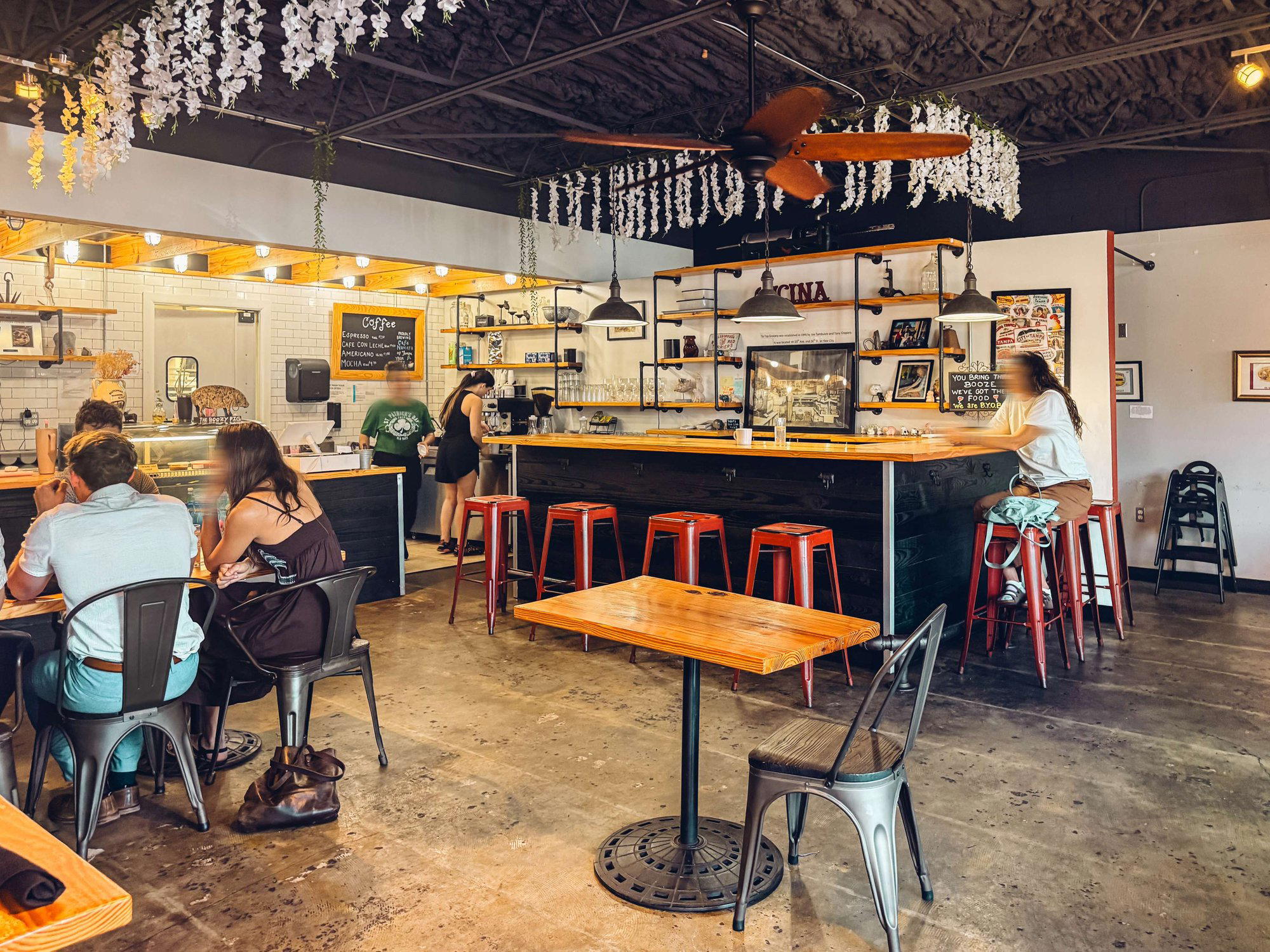
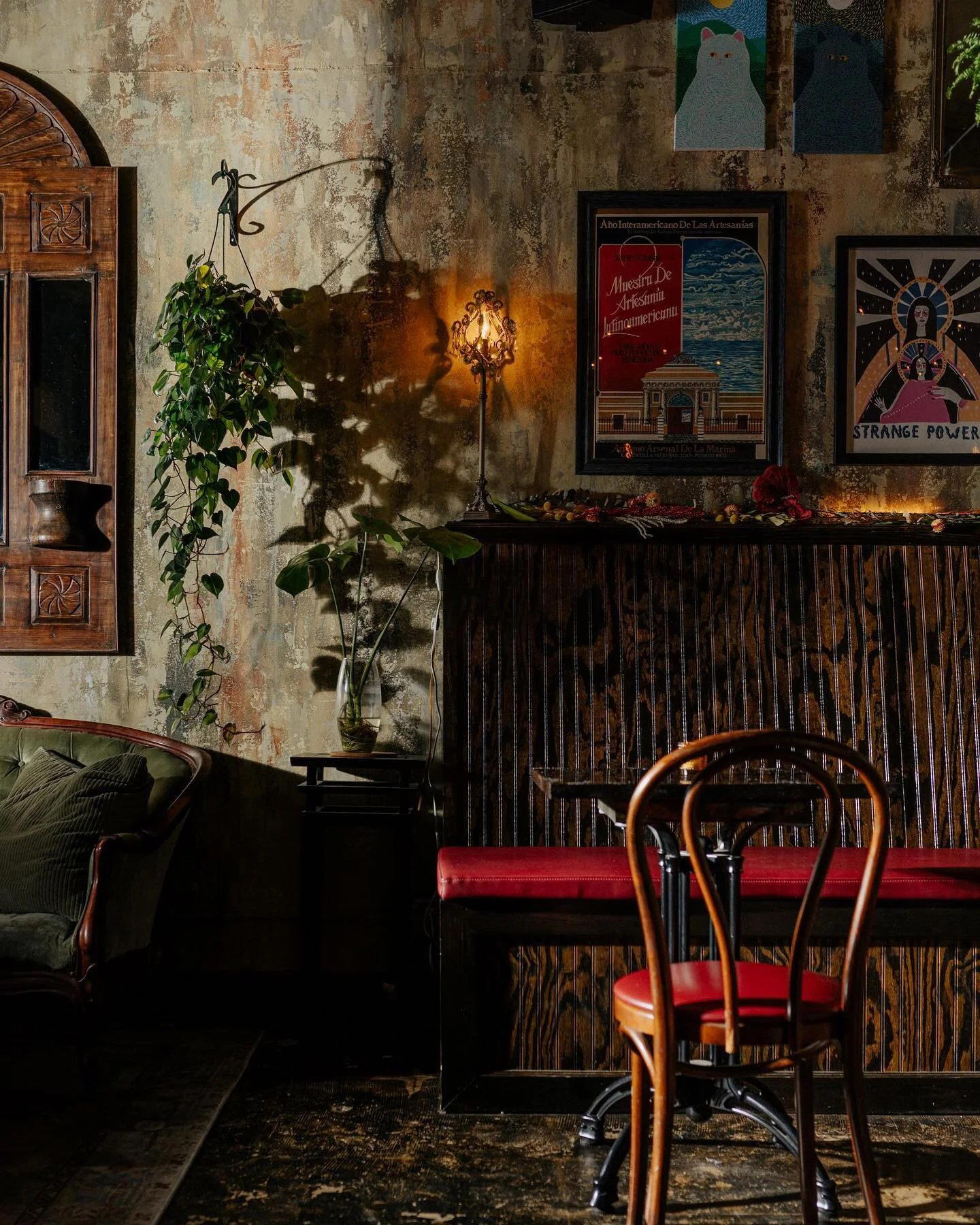
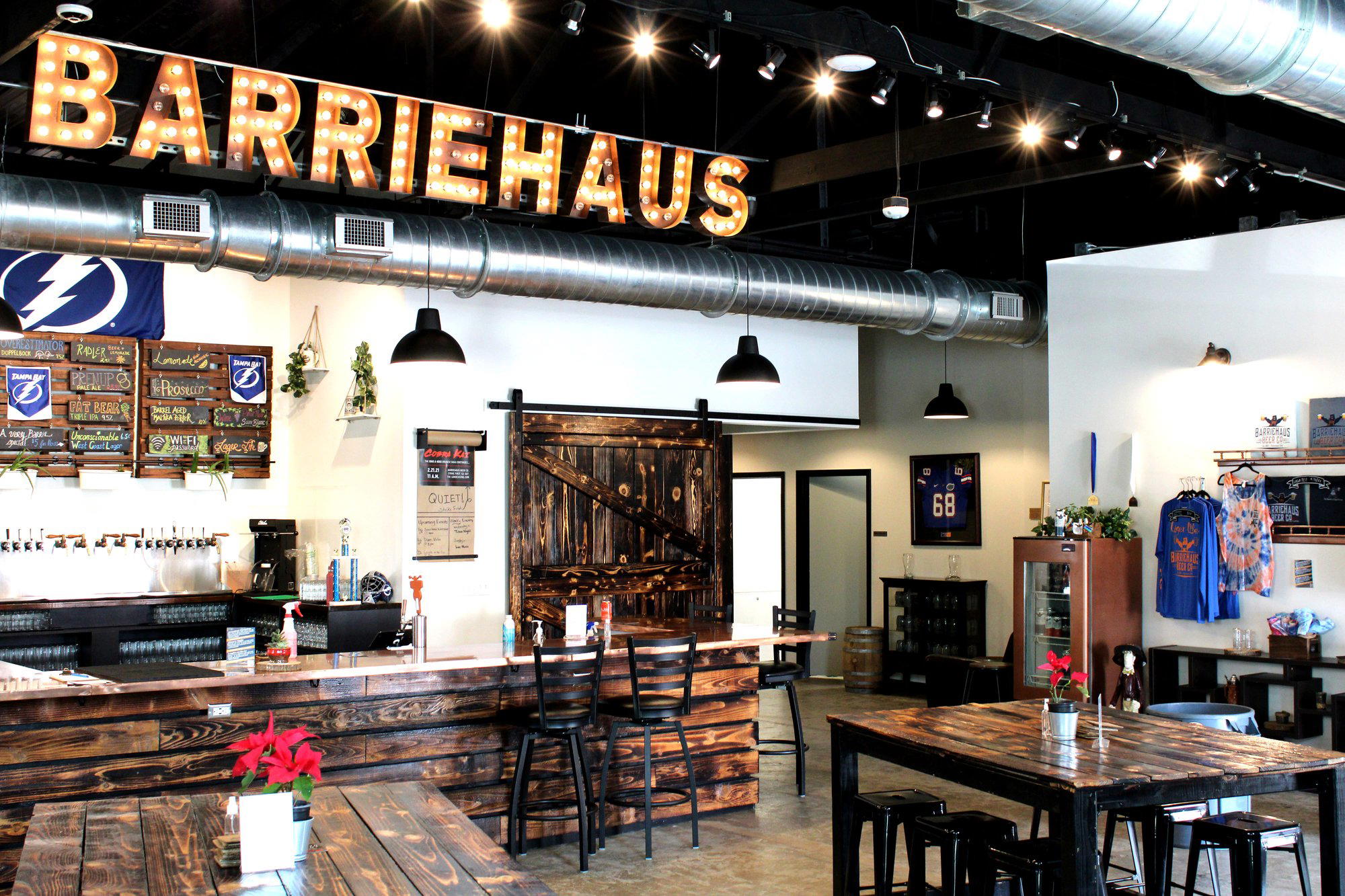
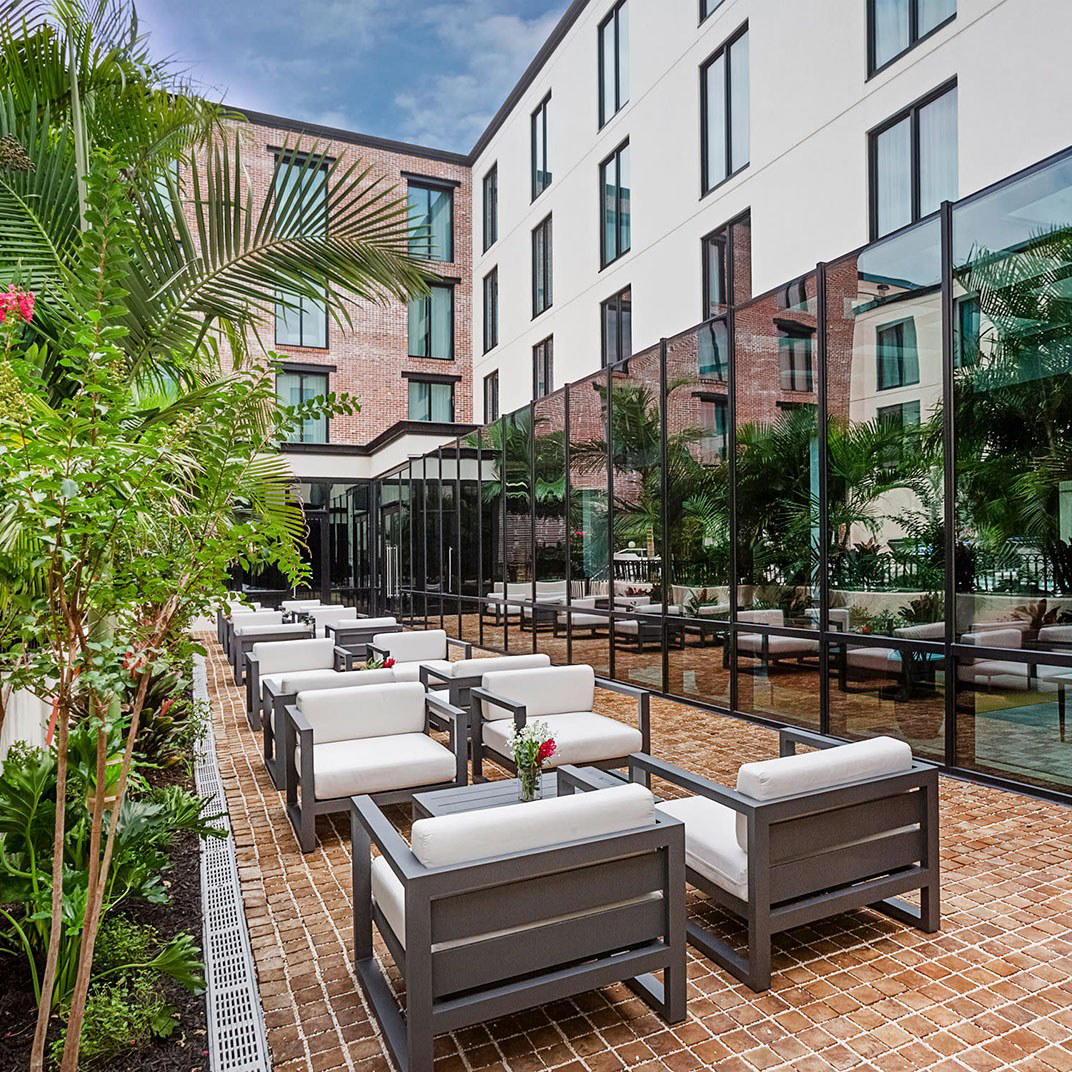
At a Glance
- Modern
- Elegant
- Casual Hangout
- Family
- Group Dining
- Standalone
Current opening hours
- Monday
- Closed
- Tuesday
- 11:30 AM–3 PM, 5–10 PM
- Wednesday
- 11:30 AM–3 PM, 5–10 PM
- Thursday
- 11:30 AM–3 PM, 5–10 PM
- Friday
- 11:30 AM–3 PM, 5–10 PM
- Saturday
- 11:30 AM–3 PM, 5–10 PM
- Sunday
- 11:30 AM–3 PM, 5–10 PM
Hours can change for holidays and private events. Last verified .
Lively setting with good atmosphere and clean, polite service environment.