Sasabune Beverly Hills
Our verdict
Sasabune Beverly Hills on West Olympic Boulevard operates in the omakase tradition that defines LA's most serious sushi counters. The format places sourcing and sequence above guest choice, situating it firmly within the city's high-discipline Japanese dining tier. Reservations and timing are worth planning in advance for anyone approaching this address intentionally.

Pearl is the En Primeur Club membership app — saves, bookings, and concierge access live there. Same editors, same standards.
- Address
- 9162 W Olympic Blvd, Beverly Hills, CA 90212
- Phone
- (310) 859-3878
- Hours
- Mon ClosedTue–Fri 12–2 PM, 5:30–9 PMSat 5:30–9 PMSun Closed
- Website
- sasabunebeverlyhills.com
- Directions
- Get directions
- Booking
- Book on OpenTable
The Room Before the Rice
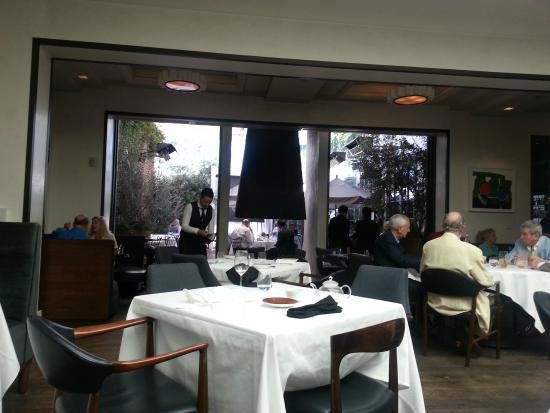
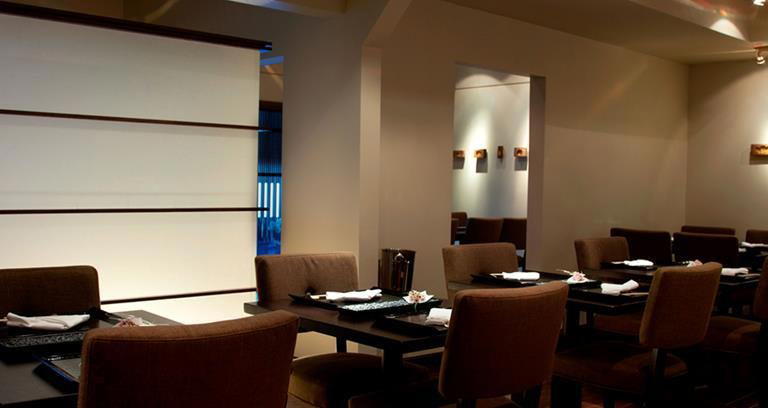
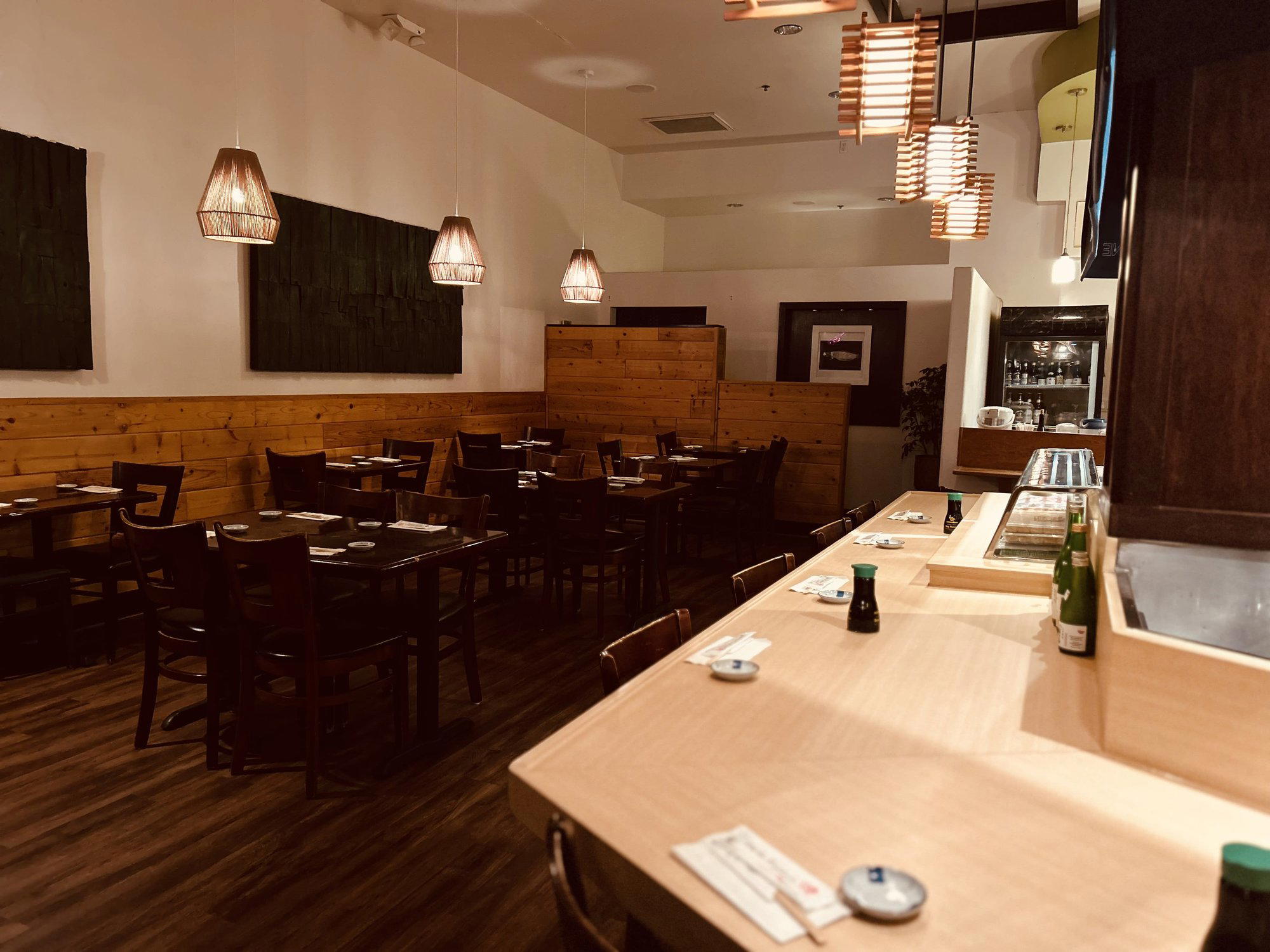
West Olympic Boulevard runs through the quieter residential fringe of Beverly Hills, well south of the boutique corridor on Rodeo and away from the louder Italian trattorias that line Canon Drive. Sasabune Beverly Hills occupies that quieter geography at 9162 W Olympic Blvd — a location that signals something about the dining format before a guest even steps inside. Counter-driven omakase in Los Angeles has never needed a marquee address. Its currency is sourcing, sequence, and repetition of visit; the room itself tends toward restraint, with clean sightlines to the chef's station and minimal acoustic competition. That is broadly the register Sasabune operates in, and it positions the restaurant within the discipline-first tier of the city's Japanese dining scene rather than its see-and-be-seen circuit.
For context on where Beverly Hills sits more broadly in LA's dining conversation, our full Beverly Hills restaurants guide maps the neighbourhood's current restaurant patterns across cuisine types and price tiers. Sasabune fits a narrower bracket within that picture.
Omakase as a Format, Not a Trend
The omakase format — chef-curated, course-by-course, with the guest surrendering menu control entirely, has existed in Japan for generations and reached Los Angeles in force during the 1990s and early 2000s. Since then, it has split into two distinct tiers in the city. One tier is production-oriented: larger rooms, fixed price points calibrated for volume, accessible enough to appear on OpenTable on short notice. The other tier runs on genuine sourcing relationships, small seat counts, and repeat-visitor familiarity. Counter seats in that second tier rarely exceed fifteen or twenty positions, and the sequence of fish presented in a given evening is determined by what arrived from the market that day rather than by a printed menu designed weeks in advance.
Sasabune belongs to the second category. The name carries lineage within Los Angeles's omakase history that precedes the current wave of Instagram-optimised sushi counters by a significant margin. Regulars in the city's Japanese dining community have tracked Sasabune across locations and decades, which is itself a signal: in a format defined by repetition and trust, loyalty follows the quality of the fish and the consistency of the hand, not the décor cycle.
That longevity places Sasabune in a different competitive conversation than newer omakase entrants. Comparisons across the broader American fine dining spectrum, venues like Providence in Los Angeles, The French Laundry in Napa, or Le Bernardin in New York City, illuminate a broader truth: restaurants that sustain a loyal following over multiple decades do so through consistency of method, not novelty of concept. Sasabune's durability in the Los Angeles market is consistent with that pattern.
The Sensory Register of a Serious Sushi Counter
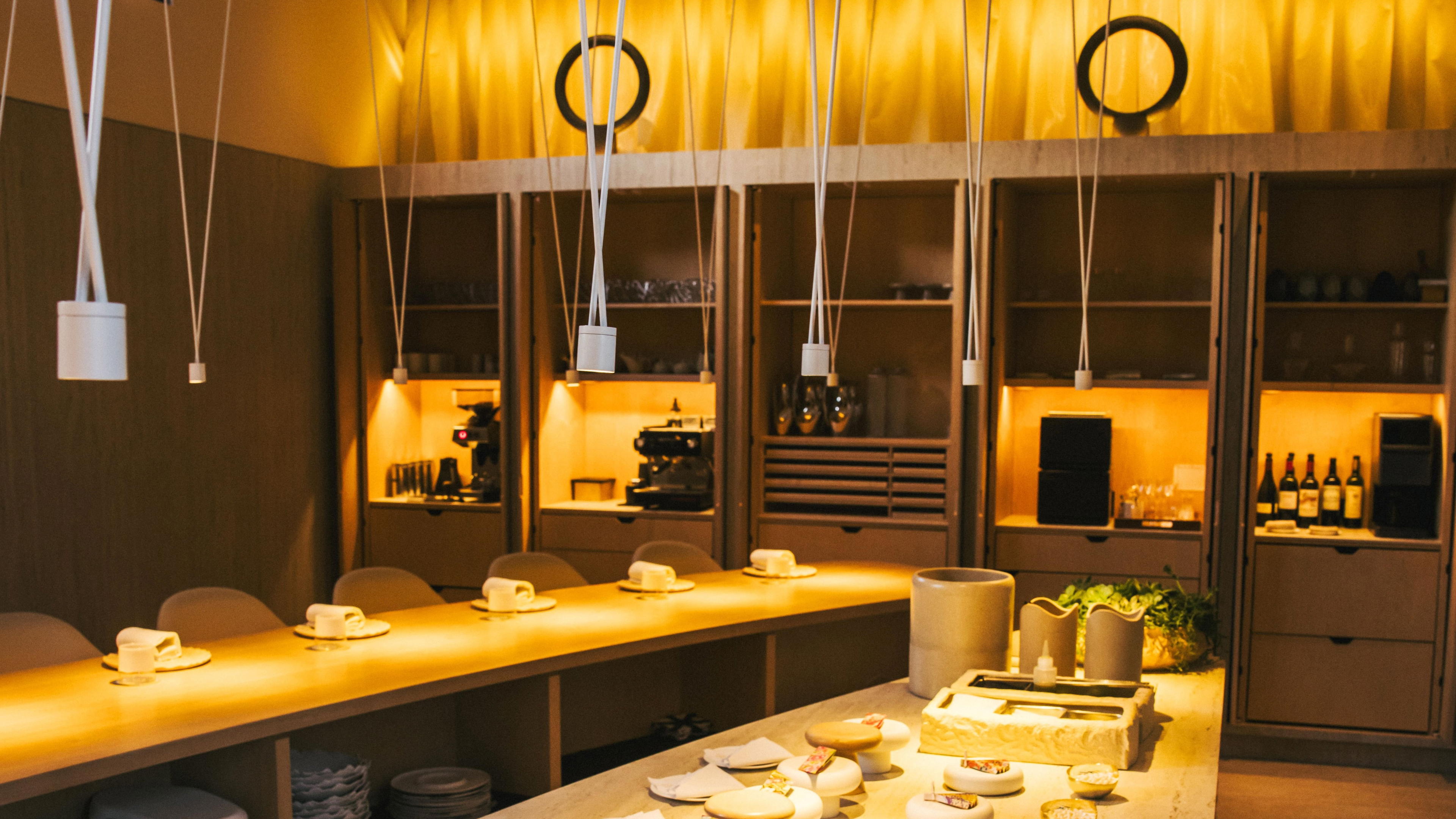
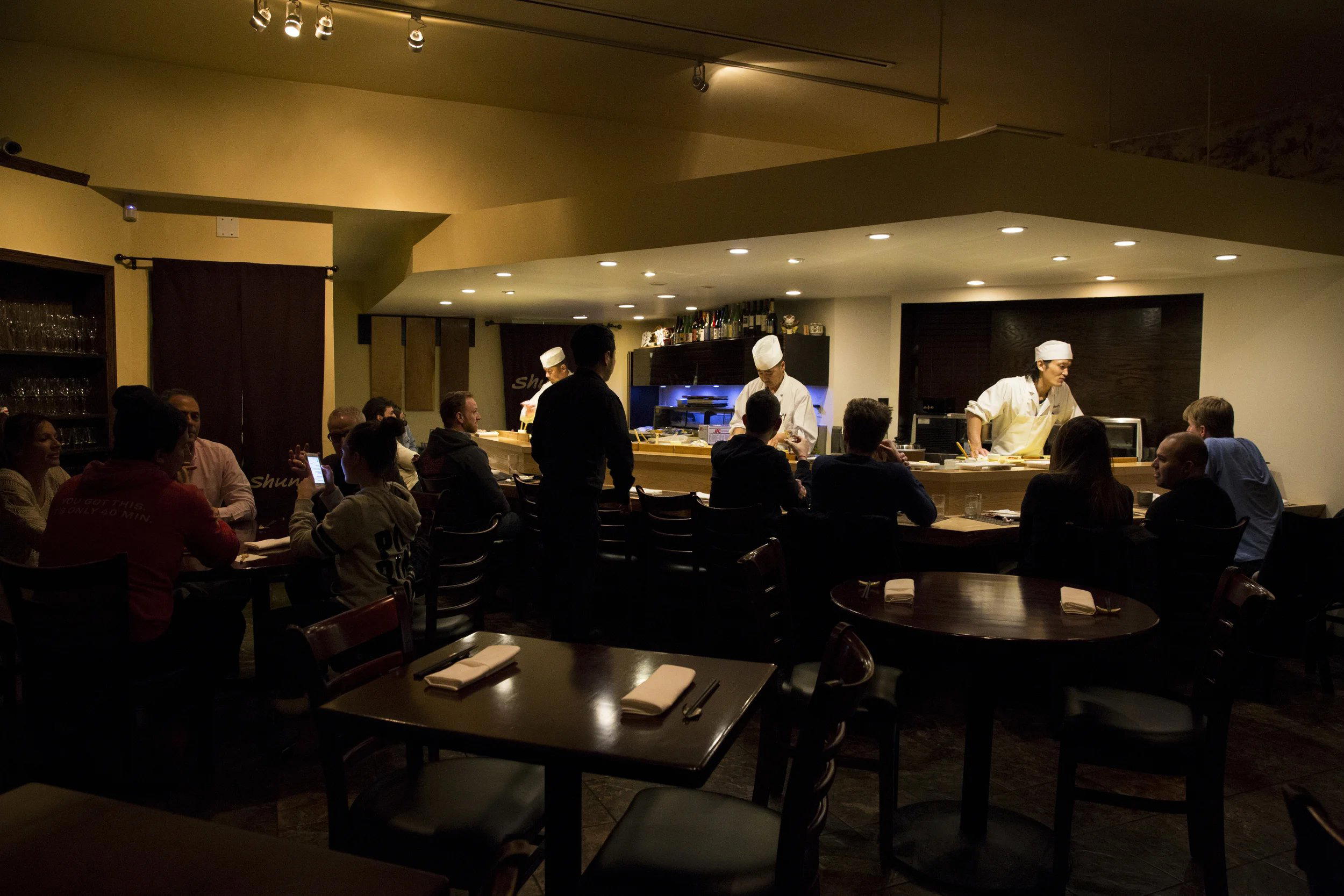
Walking into a room configured for omakase service carries its own physical grammar. The counter is the architecture. Conversation happens at close range, between guest and chef, with the fish case as both visual anchor and implicit menu. In kitchens organised this way, smell arrives before sight: clean rice vinegar, the cold mineral edge of well-kept fish, occasional citrus from yuzu or ponzu used in finishing. Sound is deliberately low, no playlist built for ambient energy, no open kitchen noise from a larger brigade. What you hear, predominantly, is the quiet percussion of knife on board and the murmur of a small room at full attention.
This sensory register is not incidental. It is structural. The format insists that the guest pay attention. There are no menus to consult, no decisions to defer to. The discipline of omakase is reciprocal: the chef commits to a sequence built around the day's leading fish; the guest commits to receiving it. Counter restaurants that execute this format well maintain that reciprocity throughout the meal, from the first nigiri through to the final roll. Sasabune has operated in this mode long enough in Beverly Hills that the format itself is the identity of the place.
For readers with a frame of reference built around other precision-format restaurants, places like Alinea in Chicago, Atomix in New York City, or Single Thread Farm in Healdsburg, the omakase counter offers a parallel discipline through a radically different tradition. The tasting menu format in Western fine dining and the omakase format in Japanese cuisine share structural DNA: both require the guest to surrender the ordering mechanism and trust the kitchen's judgment. What differs is the pace, the visual register, and the ingredient philosophy. Japanese counter dining moves faster and reads quieter. The product is almost always fish, and the technique is applied to reveal rather than transform.
Beverly Hills Context and the Immediate Neighbourhood
The stretch of Beverly Hills around West Olympic places Sasabune among a different set of neighbours than the more publicised dining corridor further north. The area draws a local regulars-first crowd rather than the hotel-adjacent tourist volume that gravitates toward destinations like 208 Rodeo or Baldi. That demographic split matters for omakase specifically: counter dining rewards familiarity. Guests who return regularly are better positioned to communicate preferences, track seasonal shifts in the menu, and build the kind of rapport with the counter team that the format implicitly encourages.
Other Beverly Hills addresses, Beverly Hills Grill, Cafe Amici, and Cameo, operate in formats that welcome drop-in traffic and accommodate a broader range of occasion types. Sasabune serves a more specific purpose in the neighbourhood's dining ecosystem: it is the address for guests who have already decided that omakase is the evening's format and who want a counter with documented roots in the city's Japanese dining history.
Broader regional comparisons help calibrate expectations further. The Pacific Coast's sushi infrastructure, from Los Angeles north through San Francisco and beyond, sits in a different tier than what most American cities can access. Venues like Lazy Bear in San Francisco, Addison in San Diego, and internationally, 8 1/2 Otto e Mezzo Bombana in Hong Kong, illustrate the spectrum of precision dining formats available across the Pacific Rim. Los Angeles, with its port infrastructure and longstanding Japanese-American community, has consistently maintained fish sourcing quality that puts its leading counters in legitimate conversation with their Japanese counterparts.
Planning a Visit
Counter dining at this level typically requires advance booking, and Sasabune is not a walk-in proposition for first-time visitors. The address is 9162 W Olympic Blvd, Beverly Hills, CA 90212, accessible by car with street and nearby garage parking options typical of this part of the city. Guests with dietary restrictions or allergy concerns should communicate those clearly at the time of booking, as the fixed-sequence format leaves limited room for mid-service adjustment. Referencing comparable formats at tightly curated venues like Blue Hill at Stone Barns in Tarrytown, Emeril's in New Orleans, or The Inn at Little Washington is useful for understanding the general etiquette of reservation-forward, chef-controlled dining, though omakase moves at a distinctly different pace than any of those rooms.
Frequently asked questions
What kind of setting is Sasabune Beverly Hills?
Sasabune occupies a low-profile address at 9162 W Olympic Blvd, well south of the Rodeo Drive corridor in the quieter residential fringe of Beverly Hills. The format is counter-centred omakase, which means the room is organised around the chef's workspace rather than conventional table service. It is a focused, intimate environment — not a scene restaurant.
What's Sasabune Beverly Hills's location?
Sasabune Beverly Hills is located at 9162 W Olympic Blvd, Beverly Hills, CA 90212, Beverly Hills.
Is Sasabune Beverly Hills part of a broader Sasabune group, and how does the Beverly Hills location compare?
The Sasabune name originated in Los Angeles and expanded to include locations in other markets, building its reputation around the same chef-directed omakase format across sites. The Beverly Hills location at 9162 W Olympic Blvd places it within one of California's most concentrated fine-dining cities, though its address on a quieter residential stretch distinguishes it from the more visible restaurant clusters nearby. Guests drawn to the name from other cities will find the counter-first philosophy consistent with what the Sasabune format is known for.
What do regulars order at Sasabune Beverly Hills?
At an omakase counter, ordering is not part of the arrangement. The chef sets the sequence and pacing, and guests follow it course by course. Regulars at Sasabune are there precisely because menu control is surrendered — familiarity comes from trusting the progression, not from selecting individual pieces.
Do they take walk-ins at Sasabune Beverly Hills?
Walk-ins are not a reliable approach for first-time visitors. Counter omakase at this level operates on advance reservations, and the seat count at a sushi counter is inherently limited. Guests should plan to book ahead rather than arrive without a confirmed time.
What do critics highlight about Sasabune Beverly Hills?
The Sasabune name has been part of the Los Angeles omakase conversation for a significant period, and the Beverly Hills address on W Olympic Blvd carries that accumulated reputation. Critics within the LA sushi circuit tend to focus on the counter format's discipline — the chef-dictated pacing and the absence of à la carte options signal a specific, uncompromising approach to the format.
How does Sasabune Beverly Hills handle allergies?
Because omakase is a set chef-directed sequence, guests with dietary restrictions or allergies should communicate them at the time of reservation rather than at the counter. The chef-curated format leaves limited room for mid-service substitutions, so advance notice is the practical approach for anyone with serious allergy concerns.
Recognition, Side-by-Side
Comparable venues nearby, for context on price, style, and recognition.
| Venue | Cuisine | Price | Awards | Notes |
|---|---|---|---|---|
| Sasabune Beverly HillsThis venue — the venue you are viewing | Japanese Omakase | $100–150 | Not listed | Not listed |
| Urasawa | Japanese Omakase | Not listed | Not listed | Beverly Hills |
| SUGARFISH by sushi nozawa | Traditional Tokyo-Style Omakase Sushi | $50–100 | Not listed | Beverly Hills |
| Jade Beverly Hills | Contemporary Japanese Fusion | $100–150 | Not listed | Golden Triangle |
| Baldi | Tuscan Steakhouse | Not listed | Not listed | Beverly Hills |
| Monsieur Dior by Dominique Crenn | Haute French Gastronomy by Dominique Crenn | $100–150 | Prix Versailles World Selection | Beverly Hills |