Sarsa

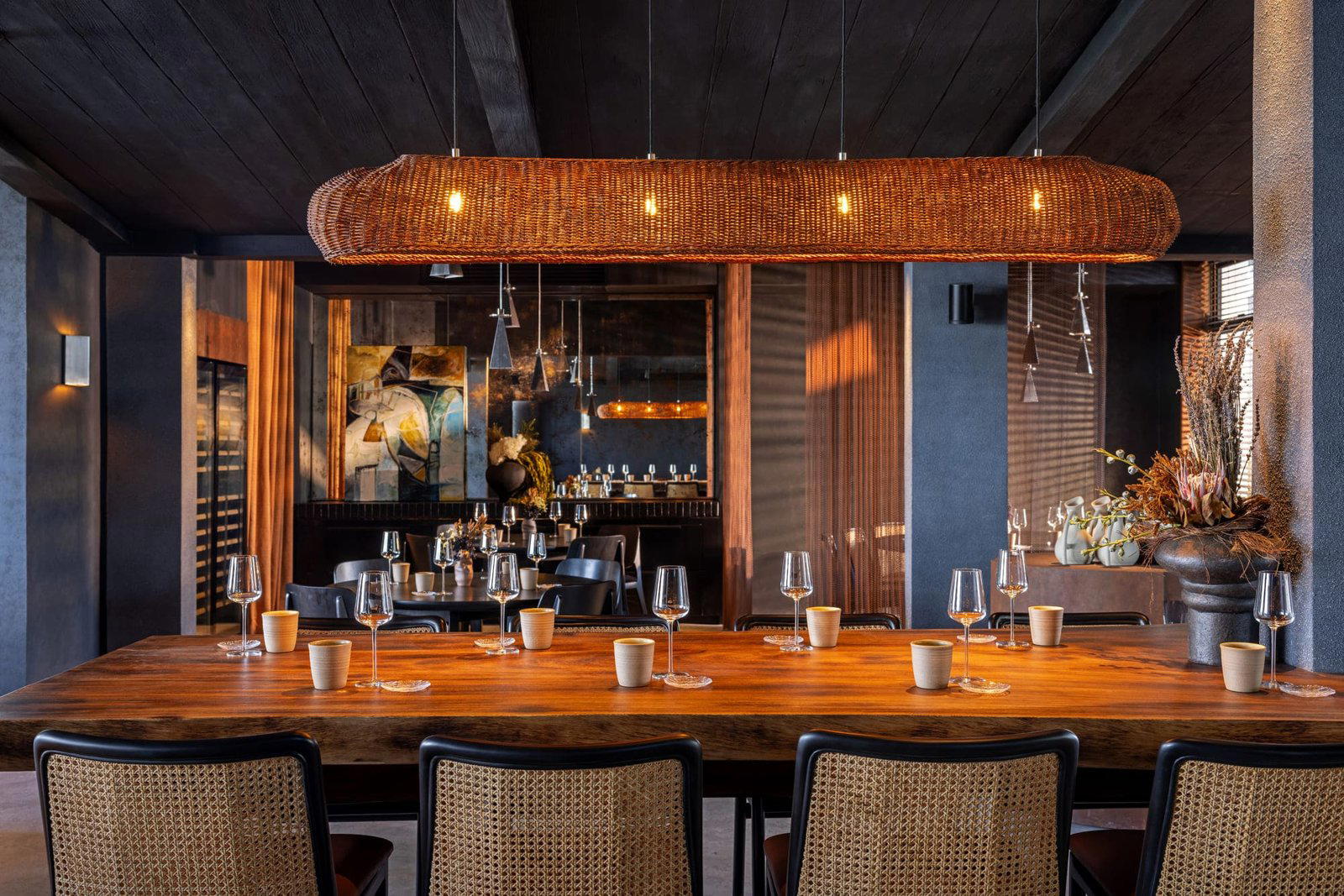
Sarsa in Makati is a contemporary Filipino restaurant offering generous, communal plates of classic Filipino fare. Signature dishes include kinilaw, lechon manok and turon a la mode. Recognized with a Michelin Guide Bib Gourmand and a Tripadvisor Travelers’ Choice award in 2025, Sarsa balances authentic flavors with excellent value. Expect warm, inviting textures, crisply charred skin, bright vinegar-citrus kinilaw, and caramelized banana with cold ice cream, served in a casual dining room with marbled tiles and rattan lamps. Ideal for shared lunches and relaxed dinners, Sarsa delivers approachable Filipino cuisine that feels both familiar and carefully prepared.
Pearl is the En Primeur Club membership app — saves, bookings, and concierge access live there. Same editors, same standards.
- Address
- The Frabella 1, 109 Rada, Legazpi Village, Makati City, 1229 Metro Manila, Philippines
- Phone
- +63 917 528 0115
- Website
- instagram.com
- Directions
- Get directions
 Saves & bookings on Pearl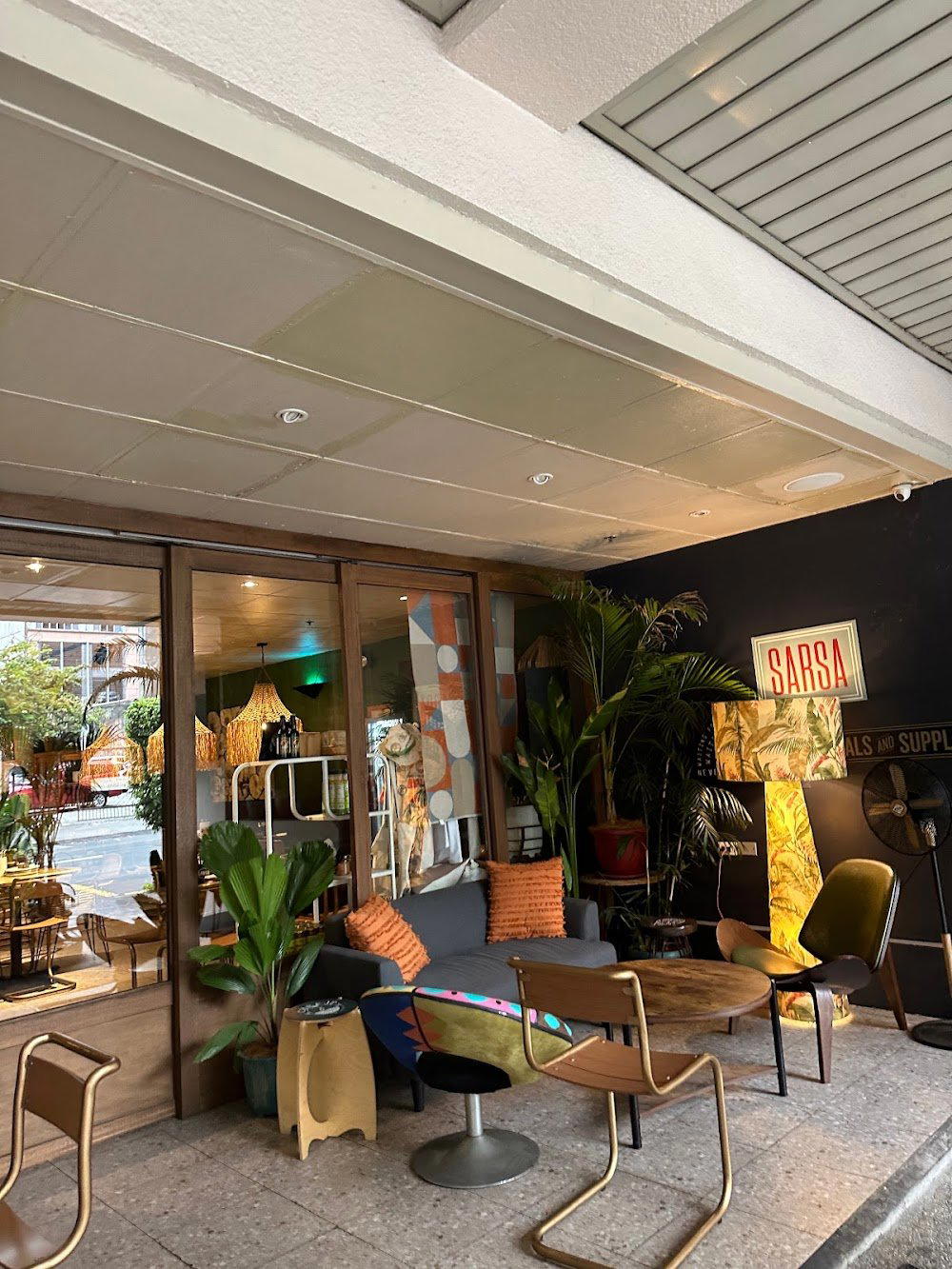
Filipino Cooking Grounded in the Source
Legazpi Village moves at a different pace from the rest of Makati. The streets around Rada are quieter than Poblacion, the foot traffic more purposeful, and the dining rooms here tend to attract people who have already worked through the city's louder options and know what they want. Sarsa sits on that stretch, at the Frabella 1 building, and its register is immediately readable: this is a restaurant anchored in Philippine regional cooking, with its 2026 Michelin Bib Gourmand recognition confirming the value-to-quality ratio that the local dining crowd had already noted.
The Bib Gourmand designation marks restaurants where the food meets a defined quality threshold at a price point below the fine-dining bracket. In Metro Manila, where that bracket has grown more competitive with the expansion of tasting-menu-format restaurants, the Bib Gourmand category signals something specific: cooking that is technically attentive without the ceremony-to-cost ratio of a multi-course progression. Sarsa operates in that space, and it occupies it with enough consistency to have held the designation through the 2026 guide.
Where the Ingredients Come From
Filipino cuisine's greatest strength, and its most persistent challenge in fine-dining reinterpretation, is its dependence on ingredient origin. The cooking traditions that define regional Philippine food, the fermented pastes and sauces of the Visayas, the vinegar-forward braises of Luzon, the grill culture of provinces where charcoal and calamansi are as foundational as salt, are inseparable from the sourcing chains that supply them. A bagoong that has been fermented in the correct region tastes categorically different from a commercial substitute. The same logic applies to sugarcane vinegar from Ilocos, to kesong puti from Laguna, to the specific sweetness of Batangas garlic.
Restaurants working in this mode face a procurement challenge that their European counterparts rarely confront at the same intensity: the Philippine archipelago spans over seven thousand islands, and the regional pantries that define its cooking are geographically dispersed. Getting those ingredients to a Makati kitchen with quality intact requires either direct supplier relationships with provincial producers or participation in the growing network of specialty distributors that have emerged as Metro Manila's serious dining scene has deepened. The Bib Gourmand assessment, which weighs value as much as quality, suggests Sarsa has found a supply approach that keeps costs manageable without collapsing the sourcing specificity that makes the cooking legible.
This sourcing logic connects Sarsa to a broader pattern visible across the better Filipino-focused restaurants in the city. Hapag (Filipino) in Makati works at the tasting-menu tier with similar ingredient-provenance discipline, translating regional sourcing into a more formal format. Linamnam in Parañaque operates in a comparable casual register, with regional Philippine recipes as its organizing logic. What distinguishes these restaurants from generic Filipino-themed dining is the specificity of their sourcing claims and the degree to which the cooking makes those claims perceptible on the plate.
Where Sarsa Sits in the Makati Field
Makati's restaurant concentration has thickened considerably over the past decade. The Legazpi and Salcedo corridors now contain enough serious dining options that any new opening is immediately measured against a meaningful comparable set. The Bib Gourmand tier in the 2026 Michelin Manila guide includes restaurants across multiple cuisines and formats, but within the Filipino-focused category, the field is smaller and the differentiation sharper.
At the higher-price end of Filipino cooking in the city, tasting-menu formats have become the dominant vehicle for ambition. Helm and Celera represent that tier in Makati, where the progression format allows chefs to develop ingredient narratives across multiple courses. Sarsa operates below that price point, in a register where dishes are ordered individually and the meal structure is more flexible. That format suits a different kind of use: weekday lunches, group meals where individual preferences diverge, return visits motivated by specific dishes rather than the full arc of a tasting menu.
For visitors building a broader Manila itinerary, the comparison set extends beyond Makati. Gallery by Chele in Manila approaches Filipino ingredients through a European technique framework at the fine-dining tier. Blackbird Makati works in a different mode entirely, its setting and format oriented toward a more international dining grammar. Sarsa's position in this field is defined by its commitment to Philippine regional cooking without the overlay of European tasting-menu convention.
Other Makati options worth knowing across categories include Inatô and Kása Palma, while further afield in the Metro Manila area, Asador Alfonso in Cavite, Abaseria Deli & Cafe in Cebu, and Bolero in Taguig each occupy distinct points on the regional dining map. For international reference points in the Bib Gourmand and value-focused tier, the contrast with starred properties like Le Bernardin in New York City or the Korean tasting-menu format of Atomix in New York City illustrates how different the Bib Gourmand positioning is from the starred fine-dining bracket, even within a single guide's assessment framework.
Planning Your Visit
Sarsa is located at the Frabella 1 building, 109 Rada Street, Legazpi Village, Makati City. The Legazpi Village address is a short ride from the Ayala and Greenbelt cluster. For Makati hotel options near this corridor, the full Makati hotels guide covers the range of accommodation from business-oriented to boutique.
The Bib Gourmand designation positions Sarsa in the mid-price bracket by Makati standards, below the tasting-menu tier and within reach for regular use rather than occasion-only dining. That price positioning, combined with the Michelin recognition, makes it one of the more defensible value propositions in the Legazpi Village dining corridor.
Fast Comparison
Comparable venues nearby, for context on price, style, and recognition.
| Venue | Cuisine | Price | Awards | Notes |
|---|---|---|---|---|
| SarsaThis venue — the venue you are viewing | Filipino | Not listed | Bib Gourmand | Not listed |
| Pilya's Kitchen | Regional Chinese Hand-Pulled Noodles | $$ | Bib Gourmand | Rockwell, Poblacion |
| The Underbelly | Modern Japanese Ramen | $$ | Bib Gourmand | Makati |
| Hálong | Asian-Mexican Fusion | $$$ | Bib Gourmand | Legazpi Village |
| Ramen Ron | Traditional Japanese Ramen | $$ | Michelin Plate | Rockwell |
| People's Palace | Modern Thai | $$$ | Michelin Plate | Greenbelt |
Recognition history
Dated appearances from independent guides and award organizations, with the underlying list record or original source where available.
Michelin Bib Gourmand
Michelin


At a Glance
- Modern
- Lively
- Family
- Casual Hangout
- Group Dining
- Standalone
Current opening hours
- Monday
- 11 AM–10 PM
- Tuesday
- 11 AM–10 PM
- Wednesday
- 11 AM–10 PM
- Thursday
- 11 AM–10 PM
- Friday
- 11 AM–11 PM
- Saturday
- 11 AM–11 PM
- Sunday
- 11 AM–10 PM
Hours can change for holidays and private events. Last verified .
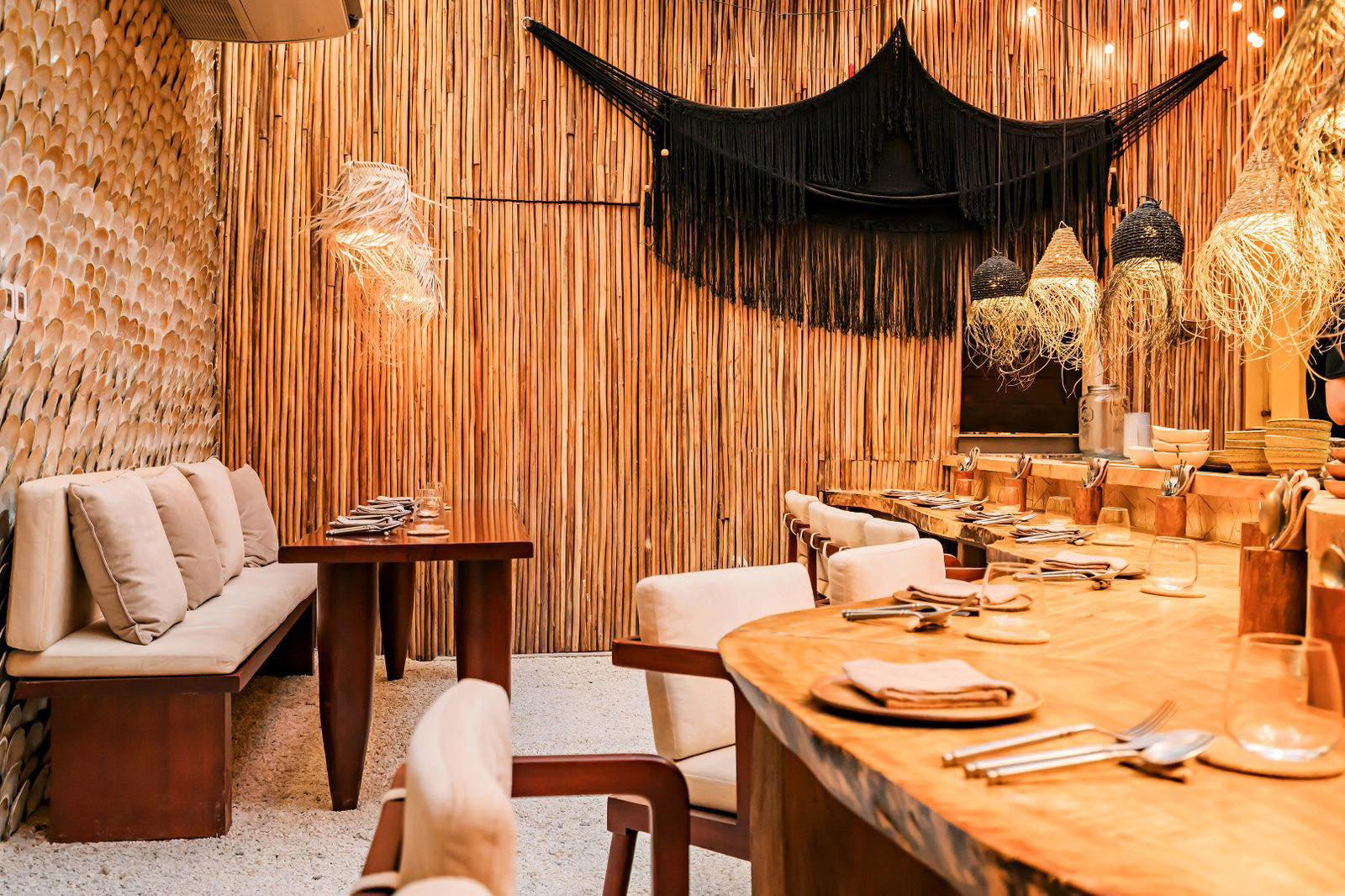
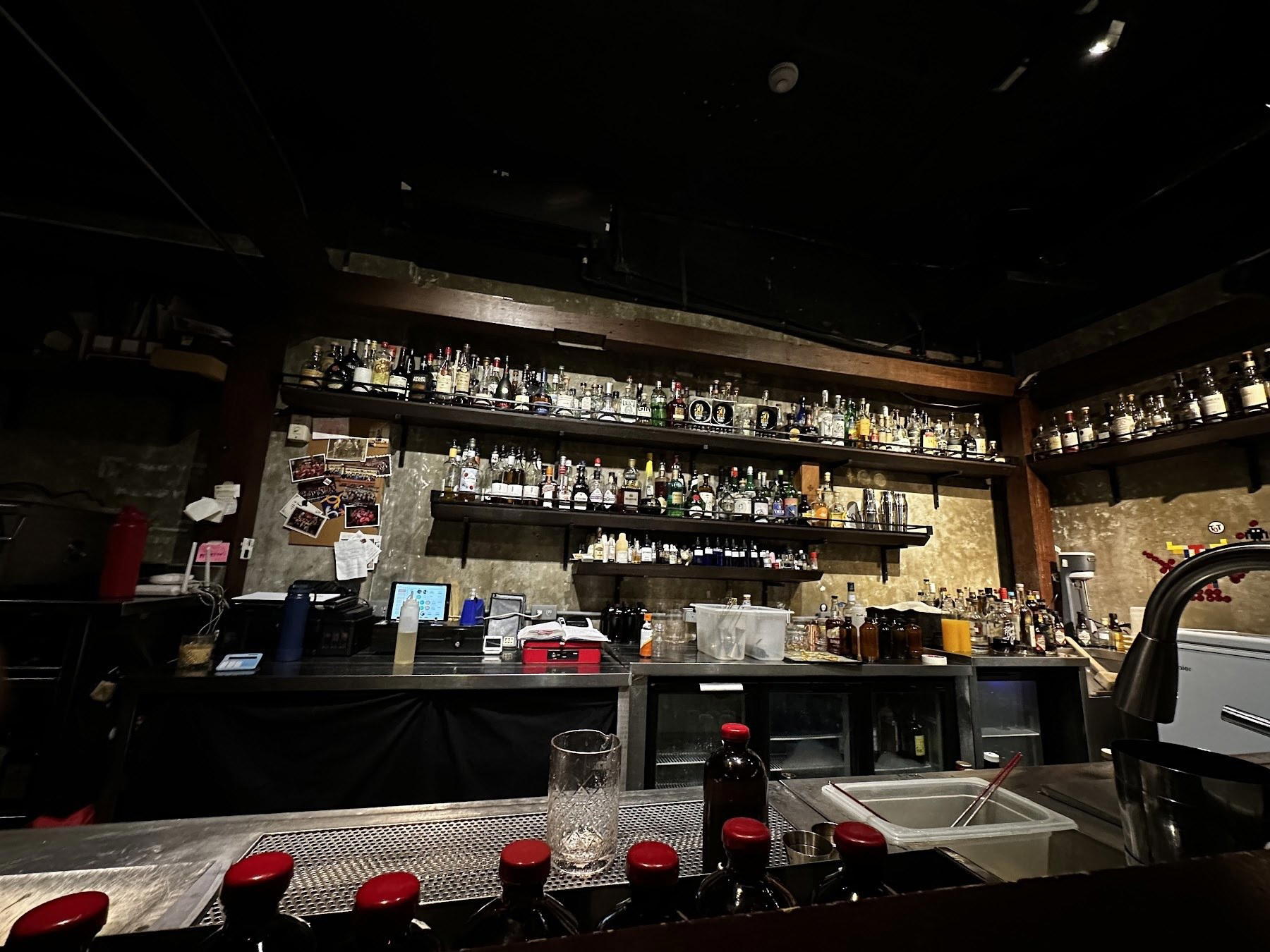
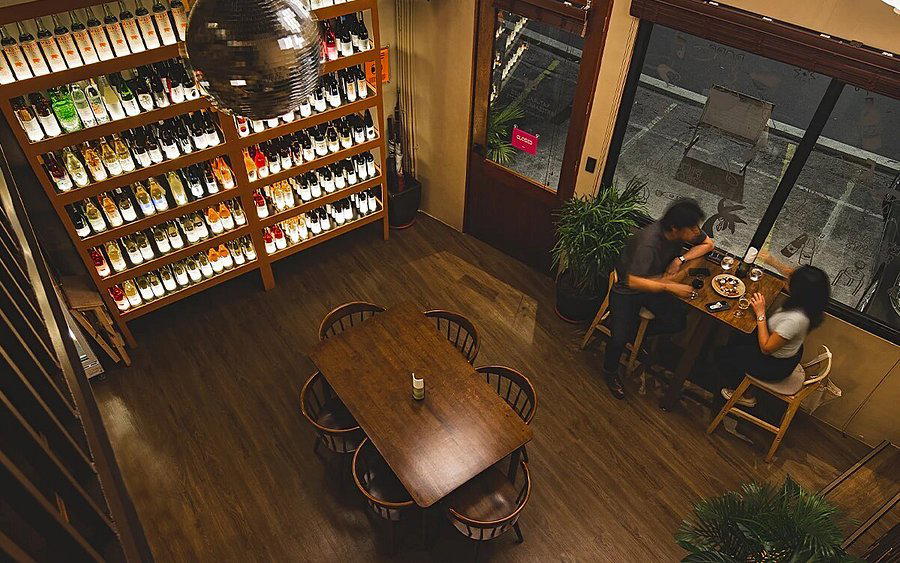
Casual, contemporary kitchen-and-bar atmosphere centered on approachable Filipino comfort food and family-style sharing.