
Tabelog 100 #91
Our verdict
Sapporo Tsukemen Sapporo Ramen Furaido sits in Toyohira’s ramen circuit with a format that matters in Hokkaido: ramen and tsukemen treated as local comfort food rather than tourist shorthand. Its Tabelog Ramen HOKKAIDO 100 selection in 2024 and 2025 gives it a clear quality signal in a city where noodle shops compete on broth style, portion rhythm, and everyday repeatability.

Pearl is the En Primeur Club membership app, where members save venues, book tables and use the concierge.
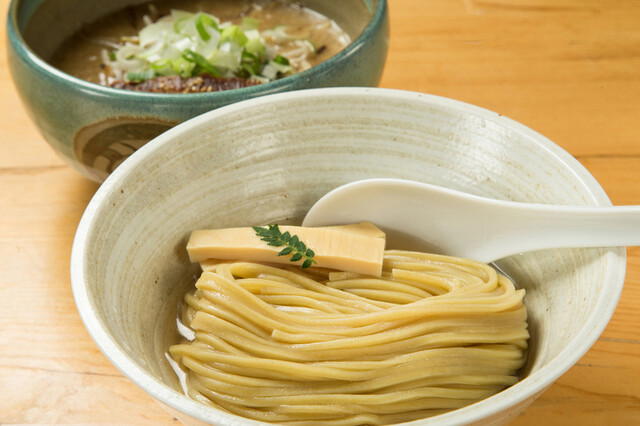
The menu
What to order
- Miso Tsukemen
- Special Miso Ramen
- Chahan (fried rice)
Approaching a Sapporo ramen shop is different from chasing a late-night bowl on a visitor checklist. The mood is practical and lunch-counter: a focused noodle stop, a quick rhythm, and a meal built around ramen or tsukemen. Sapporo Tsukemen Sapporo Ramen Furaido belongs to a strand of the city’s noodle culture that values utility and identity together. The point is not ceremony, but a bowl built for Sapporo appetites and easy to fold into an ordinary week.
Sapporo’s ramen reputation is often reduced outside Japan to miso, butter, corn, and winter weather. That shorthand misses the city’s breadth. Tsukemen, with noodles and dipping broth served separately, changes the pace: texture carries more weight, broth concentration becomes clearer, and the diner controls the ratio bite by bite. In Sapporo, where ramen shops sit alongside curry counters, seafood meals, bakeries, and other everyday dining, serious tsukemen must do more than echo a trend. It has to make sense as Sapporo food.
Tsukemen gives Sapporo ramen a slower, more deliberate grammar
The cultural importance here is format. Ramen is usually judged in one integrated motion: broth, noodle, aroma, seasoning, and topping arrive as a single bowl. Tsukemen separates that logic. The noodles become a standalone measure of chew, temperature, and portion; the dipping soup must carry intensity without exhausting the palate. For travelers who know Sapporo only through classic miso ramen, this is a useful correction. The city’s noodle scene is not static heritage. It absorbs national ramen movements, then tests them against local expectations for warmth, value, and fullness.
Recognition matters in a dense ramen field. Selection by Tabelog Hyakumeiten in 2025 places the shop inside a recognized Hokkaido ramen context, not a casual neighborhood-only category. Its public Tabelog score of 3.64 is not a trophy number alone, but in Japan’s restaurant-rating culture it signals consistent attention beyond convenience dining. For visitors, this is neither a luxury detour nor a generic quick bowl.
The format reinforces that middle ground. This is the kind of ramen stop that suits solo diners, pairs, and small groups rather than long meals. Ramen has its own practical etiquette: order decisively, eat while the noodles are in condition, and keep the pace suited to the category. The format also leaves space for an everyday rhythm important in Sapporo, where ramen is not only post-drinking food. It is lunch, quick dinner, weekend food, and a cold-weather fallback.
Sapporo puts the bowl outside a single visitor circuit
Location changes the meal’s reading. Sapporo is not one dining grid, and a ramen stop can feel different depending on how it fits into the day. Central convenience has its appeal, but the better ramen day in Sapporo often comes from linking meals and areas of the city rather than treating Sapporo as a single checklist. Sapporo Tsukemen Sapporo Ramen Furaido is best read as part of that wider local register: accessible in spirit, focused in category, and tied to repeat dining rather than spectacle.
Comparisons inside Sapporo sharpen the point. Casual local names such as THIRTY FOUR, European Curry Domon, E-itou curry Hiragishi honten, LOOK-Ka PyPy, and Okami Soup show the city’s parallel comfort-food economy, where everyday pricing and repeatable meals shape the category. Ramen and other casual dining compete for similar moments: solo lunch, quick dinner, a warming meal after a long day outside. Furaido sits on the ramen side, but the broader Sapporo context explains why the format must feel generous without becoming slow.
The broader city stack also includes Our full Sapporo hotels guide, Our full Sapporo bars guide, Our full Sapporo wineries guide, and Our full Sapporo experiences guide.
How to read the experience before ordering
Approach the category before chasing a single dish name. Tsukemen rewards attention to sequence: noodles first as texture, broth second as concentration, then the balance between them. Ramen rewards a faster read, because the bowl changes as noodles sit in hot soup. A shop listed for both formats gives mixed groups an advantage: one diner can stay with integrated ramen comfort while another takes the modular tsukemen route.
No chef mythology is needed to explain the appeal. The stronger signal is category recognition and steady public attention. With ramen and tsukemen as the stated categories, the shop is easy to understand before arrival: it is not trying to be a multi-course destination or a broad casual restaurant. In Sapporo, where weather, local loyalty, and repeat dining matter, that clarity can carry more weight than a personal origin story.
Planning should stay simple. The published budget places both lunch and dinner in the JPY 1,000 - JPY 1,999 range, which keeps the meal in the everyday ramen tier. Treat the visit like a focused noodle stop rather than a long reservation-led outing: check current operating details before going, arrive with some flexibility, and let the format set the pace. For visitors, the appeal is strongest when the meal is folded into a broader Sapporo day rather than isolated as a trophy stop.
For readers building a wider Japan dining file beyond Hokkaido, useful contrasts can sit outside Sapporo as well: other ramen counters, curry specialists, casual dining rooms, and city-specific comfort-food formats all help frame what makes a Sapporo noodle meal distinctive. Japanese food culture abroad adds another lens, but the most useful comparison here remains local: how ramen and tsukemen function as everyday Sapporo food.
The editorial case is narrow but persuasive: Sapporo Tsukemen Sapporo Ramen Furaido suits travelers who want the city’s ramen culture without reducing it to postcard miso. It gives tsukemen a Sapporo setting, keeps the format accessible, and sits far enough from the obvious visitor script to feel tied to a working city rather than a ramen checklist.
Frequently asked questions
What's the address for Sapporo Tsukemen Sapporo Ramen Furaido?
Sapporo.
When is Sapporo Tsukemen Sapporo Ramen Furaido open?
Current opening hours for Sapporo Tsukemen Sapporo Ramen Furaido are not provided here. Check the venue's official channels before visiting.
Is Sapporo Tsukemen Sapporo Ramen Furaido more mid-range or high-end?
Pricing at Sapporo Tsukemen Sapporo Ramen Furaido is listed as JPY 1,000 - JPY 1,999 JPY 1,000 - JPY 1,999, with the budget noted as Dinner: JPY 1,000 - JPY 1,999; Lunch: JPY 1,000 - JPY 1,999.
What do critics highlight about Sapporo Tsukemen Sapporo Ramen Furaido?
Critics and award lists point first to the format: ramen and tsukemen, with the shop selected for Tabelog Ramen HOKKAIDO "Tabelog 100" 2025. Its Tabelog score is listed as 3.64, and the JPY 1,000–1,999 price band places it in the everyday ramen tier rather than an occasion-only address.
What if I have allergies at Sapporo Tsukemen Sapporo Ramen Furaido?
Those details are not provided here. Sapporo Tsukemen Sapporo Ramen Furaido is listed in the ramen and tsukemen categories, so common allergens may appear in broth, noodles, or seasoning. Check the venue's official channels for the latest details.
Is Sapporo Tsukemen Sapporo Ramen Furaido good for families?
Family-specific details are not provided here. The venue is listed as a ramen and tsukemen shop in Sapporo, so families should check current venue information before visiting.
A Pricing-First Comparison
Comparable options at the same price tier.
| Venue | Cuisine | Price | Awards | Notes |
|---|---|---|---|---|
| Sapporo Tsukemen Sapporo Ramen FuraidoThis venue (the venue you are viewing) | Sapporo tsukemen and ramen | $10–20 | Tabelog 100 #91 | Not listed |
| Menya Suzuran | Sapporo ramen & soup curry-style ramen | $10–20 | Tabelog 100 #71 | Chūō, Sapporo ramen & soup curry-style ramen |
| MATALE Maruyama ten | Hokkaido soup curry | $10–20 | Tabelog 100 #71 | Chūō, Hokkaido soup curry |
| Gyoza Suguruya | Gyoza-focused Japanese dumpling bar | $20–30 | Tabelog 100 #64 | Chūō, Gyoza-focused Japanese dumpling bar |
| 鮨処 有馬 | Japanese Sweet Shop - Imo Youkan | Not listed | Not listed | Chūō, Japanese Sweet Shop - Imo Youkan |
| Ramen Jiro Sapporo ten | Jiro-Style Ramen | $1–10 | Tabelog 100 #98 | Kita, Jiro-Style Ramen |
Recognition history
Dated appearances from independent guides and award organizations, with the underlying list record or original source where available.
Tabelog 100 #91 · No. 91
Tabelog · Tabelog 100 - Ramen - HOKKAIDO - 2025
Continue exploring
More in Sapporo
Restaurants in Sapporo
All restaurants in Sapporo →
Bars in Sapporo
All bars in Sapporo →


Details
- Casual
- Lively
- Solo
- Casual Hangout
- After Work
- Late Night
- Family
- Group Dining
- Standalone
- A La Carte
- Counter Dining
- Soft Drinks
Current opening hours
- Monday
- 11 AM–3 PM, 5:30–8:30 PM
- Tuesday
- 11 AM–3 PM, 5:30–8:30 PM
- Wednesday
- 11 AM–3 PM, 5:30–8:30 PM
- Thursday
- 11 AM–3 PM, 5:30–8:30 PM
- Friday
- 11 AM–3 PM, 5:30–8:30 PM
- Saturday
- 11 AM–3 PM, 5:30–8:30 PM
- Sunday
- 11 AM–3 PM, 5:30–8:30 PM
Hours can change for holidays and private events. Hours as of .
Casual, brightly lit ramen food-hall stall atmosphere with counter seating and efficient service, set within the modern COCONO SUSUKINO complex directly connected to Susukino Station.