
Tabelog 100 #98
Our verdict
Ramen Jiro Sapporo ten brings the Jiro style into Sapporo’s compact, high-pressure ramen culture: counter-led, portion-conscious, and built around a narrow format rather than a sprawling menu. Its selection for Tabelog Ramen HOKKAIDO “Tabelog 100” in 2024 and 2025 places it among the city’s more closely watched ramen addresses, especially for diners comparing Sapporo’s miso tradition with heavier Tokyo-born bowls.

Pearl is the En Primeur Club membership app, where members save venues, book tables and use the concierge.
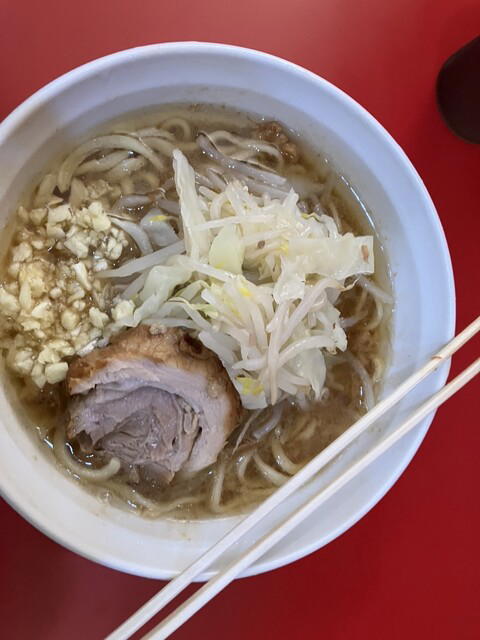
Approaching a well-regarded ramen stop in Sapporo rarely needs to feel ceremonial. The useful grammar is practical: a focused listing, a clear category, and a reputation that rests on the bowl rather than on elaborate room language. Ramen Jiro Sapporo ten belongs in that direct school of eating, where the basic format tells the diner what to expect before deeper assumptions are made. This is not a place to describe through unsupported décor or biography. It is best read through its Sapporo setting, its ramen category, and the recognition attached to it.
Sapporo ramen culture is often reduced to familiar shorthand, but the city’s current noodle map is wider and more competitive than any single image suggests. Tantanmen counters, soup curry specialists, long-running curry houses, and sushi rooms all compete across the city’s dining landscape. For a broader read on that spread, Our full Sapporo restaurants guide is the better starting point; this listing sits in the ramen subset where category focus, value, and local reputation carry more weight than expansive description.
A narrow ramen format in a city known for broader comfort eating
The point of this kind of ramen listing is not menu range. Its appeal comes from focus: a clearly defined category, a modest published budget, and an audience likely to be looking for a direct meal rather than a long-form dining production. That makes it useful as a contrast to Sapporo’s other casual staples. Soup curry, represented locally by places such as Soup Curry Hirihiri 2 Go, occupies a different comfort-food lane; other curry counters work through another register of spice and rice. Ramen Jiro Sapporo ten is tighter: ramen as a specialist stop rather than a browsing exercise.
That structure matters because Sapporo already has a famous ramen identity. A ramen shop in this city does not need to match every local shorthand to be relevant; it gains interest by showing how specialist noodle formats sit within Hokkaido’s capital. The Tabelog Hyakumeiten recognition in 2025 is the trust signal here. It places the shop inside a regional ramen conversation rather than merely inside a broad national noodle phenomenon.
Within Sapporo’s lower-priced noodle tier, the comparison is not luxury versus casual. It is discipline versus breadth. 175°DENO Tantanmen Sapporo kitaguchi ten works from the numbing-spice vocabulary of tantanmen, while Ramen Jiro Sapporo ten is listed squarely in the ramen category with a very modest published budget. Both are casual reference points, and both make sense for visitors who want one meal to reveal how Sapporo eats beyond seafood markets and hotel breakfasts.
Counter culture, not chef theatre
The useful way to read this address is through the category, not through biography. There is no need to invent a chef narrative when the listing information already does the editorial work. Ramen compresses a meal into a focused sequence: choose the shop, order the bowl, and let the format carry the experience. That is part of why ramen remains one of Japan’s great urban dining forms. It allows a city to support everyday meals and intense loyalty around differences in broth, noodles, toppings, and pacing, even when the public listing stays concise.
In Sapporo, that compactness carries particular value. The city can feel generous in scale, with broad streets, winter infrastructure, and eating districts that shift from practical daytime meals to later dining. A ramen stop in Sapporo operates differently from a destination dining room: it fits between movement, weather, and the appetite for something direct. Travelers building a wider Sapporo itinerary can pair this kind of stop with the hospitality layer in Our full Sapporo hotels guide, the drinking map in Our full Sapporo bars guide, regional wine context in Our full Sapporo wineries guide, and cultural planning through Our full Sapporo experiences guide.
The award history also clarifies expectations. Tabelog’s Hyakumeiten recognition is not a luxury signal in the Michelin sense; it is more useful as a category signal, especially for genres such as ramen where everyday pricing and specialist devotion overlap. A shop can be inexpensive, physically modest in public description, and still carry meaningful regional weight. That is the Sapporo lesson here: seriousness does not always arrive with tasting menus, linen, or reservation choreography.
Where this bowl fits in a Sapporo eating day
Ramen works differently in a travel schedule from sushi, teppan, or pastry. It is often a decisive single-purpose meal, not an evening’s whole production. A visitor comparing categories might place Sushi Tanabe in the composed, higher-ritual lane and Teppan in a chef-facing cooked format, while other casual Sapporo dining fills different comfort-driven roles. The ramen listing asks for less ceremony and more appetite. That is why it can be a sharp cultural read: the diner sees how a city eats when the point is focus rather than performance.
For EP Club readers crossing Japan, the same logic applies beyond Hokkaido. A ramen meal in Sapporo sits on a continuum with everyday-specialist formats elsewhere, from small grill counters to compact seafood rooms, cafés, and other focused neighborhood restaurants. The comparison is not about cuisine similarity; it is about how small-format restaurants create clarity through limits.
Internationally, that same appetite for focused formats explains why compact Japanese-influenced dining ideas can travel well without copying a full restaurant template. Ramen Jiro Sapporo ten is rooted in Sapporo’s ramen landscape, but its lesson is broader: a narrow category can say more about a city’s eating habits than a long menu description. In Sapporo, that makes the bowl less a detour from the local canon than a pointed argument with it.
Frequently asked questions
What is Ramen Jiro Sapporo ten known for?
It is selected for Tabelog Hyakumeiten 2025, which gives it clear local standing in Sapporo. The listing category is ramen, with budget information shown at - JPY 999 for both lunch and dinner.
Comparable Options
Comparable venues for orientation by cuisine and category.
| Venue | Cuisine | Price | Awards | Notes |
|---|---|---|---|---|
| Ramen Jiro Sapporo tenThis venue (the venue you are viewing) | Jiro-Style Ramen | $1–10 | Tabelog 100 #98 | Not listed |
| Teppan | Japanese Teppanyaki | $50–100 | Wine Spectator Best of Award of Excellence | Not listed |
| Soup Curry Hirihiri 2 Go | Sapporo soup curry | $10–20 | Tabelog 100 #97 | JPY 1,000 - JPY 1,999 JPY 1,000 - JPY 1,999 |
| Sushi Tanabe | Traditional Japanese Omakase | $100–150 | Not listed | Sushi |
| 175°DENO Tantanmen Sapporo kitaguchi ten | Japanese Tantanmen Ramen | $10–20 | Tabelog 100 #67 | JPY 999 - JPY 999 |
| Curry House Colombo | Classic Japanese curry house near Sapporo Station | $10–20 | Tabelog 100 #84 | JPY 1,000 - JPY 1,999 JPY 1,000 - JPY 1,999 |
Recognition history
Dated appearances from independent guides and award organizations, with the underlying list record or original source where available.
Tabelog 100 #98 · No. 98
Tabelog · Tabelog 100 - Ramen - HOKKAIDO - 2025
Continue exploring
More in Sapporo
Restaurants in Sapporo
All restaurants in Sapporo →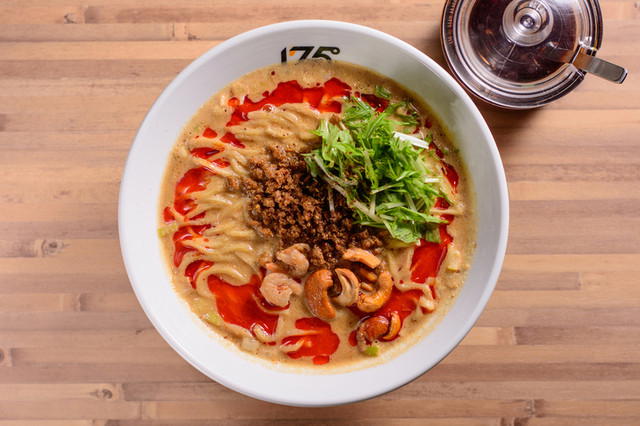
Bars in Sapporo
All bars in Sapporo →
Details
- Well Known
- Energetic
- Classic
- Solo
- After Work
- Casual Hangout
- Standalone
- Counter Dining
- A La Carte
A compact, counter-only ramen shop with a no-frills, high-energy atmosphere focused on fast turnover and serious ramen eating.