Santacafé
Our verdict
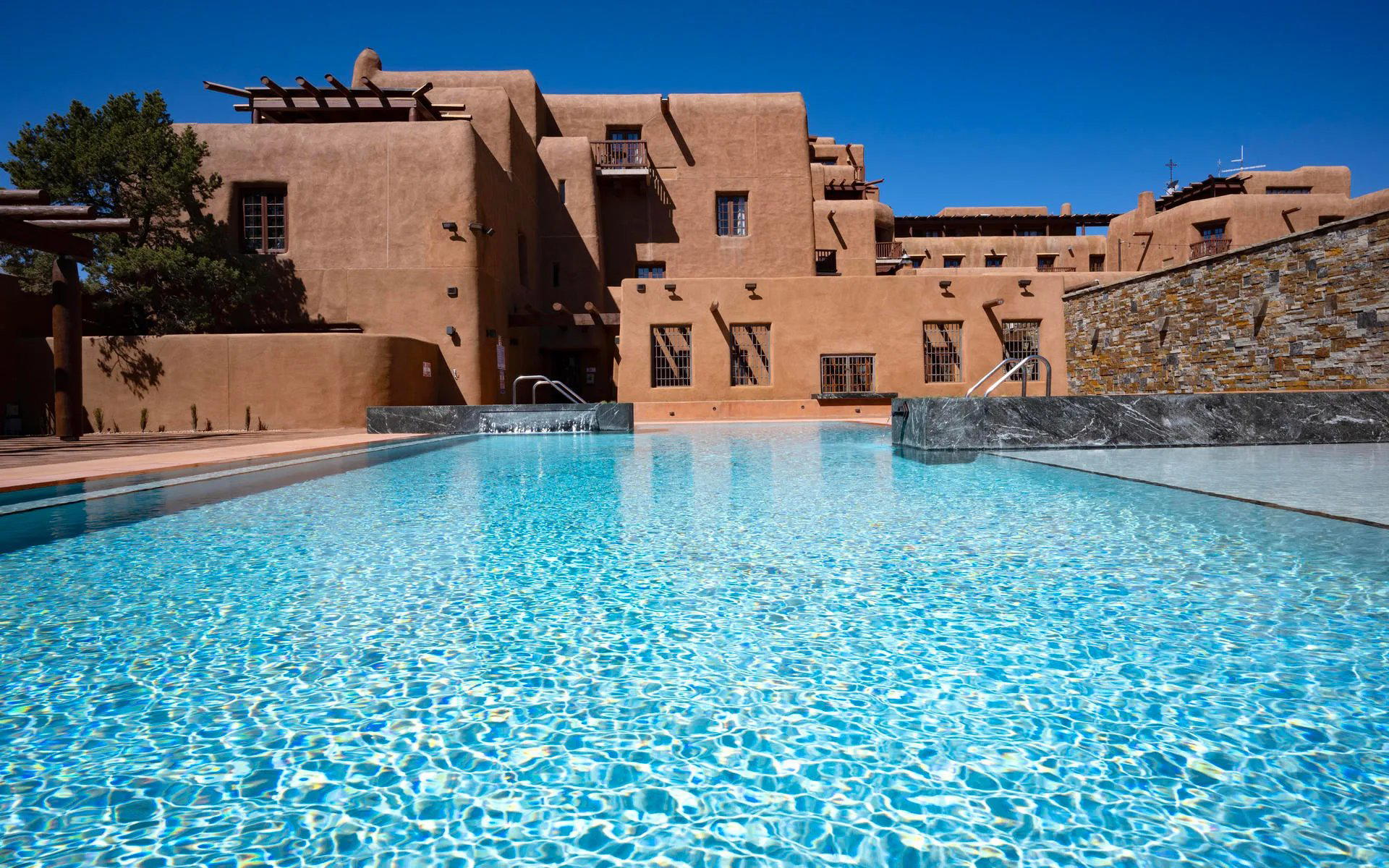
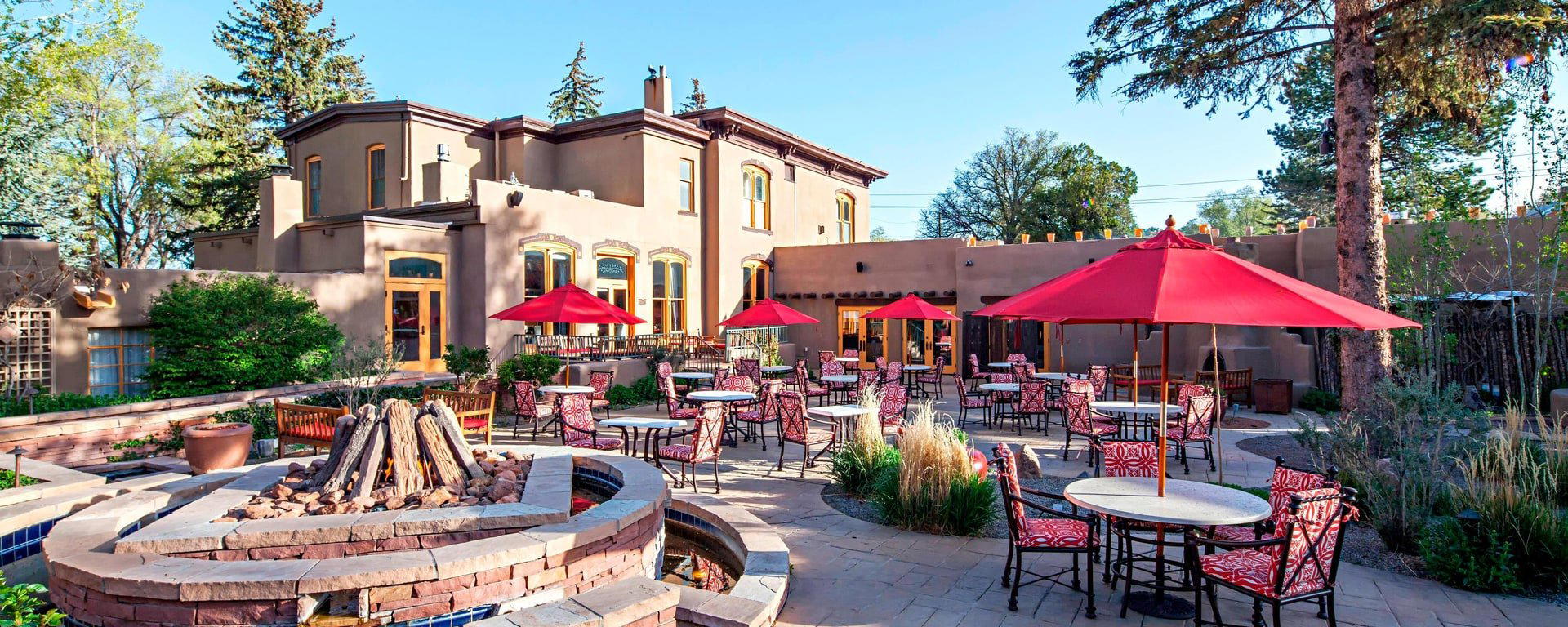
Santacafé occupies a landmark 18th-century adobe on Washington Avenue, a short walk from the Plaza, where the physical container — thick territorial walls, a courtyard garden, and spare interior lines — does as much work as anything on the plate. The restaurant represents the kind of serious, place-rooted dining that Santa Fe's upper tier has sustained for decades, drawing both locals and informed visitors to one of the city's most architecturally considered rooms.

Pearl is the En Primeur Club membership app — saves, bookings, and concierge access live there. Same editors, same standards.
- Address
- 231 Washington Ave, Santa Fe, NM 87501
- Phone
- (505) 984-1788
- Hours
- Mon–Sat 11:30 AM–2:30 PM, 5–9 PMSun 5–9 PM
- Website
- santacafe.com
- Directions
- Get directions
- Booking
- Book on OpenTable
The menu
What to order
- Miso sea bass
- Lobster roll
- Porcini soup
- Pappardelle bolognese
A Room That Earns Its Reputation on Architecture Alone
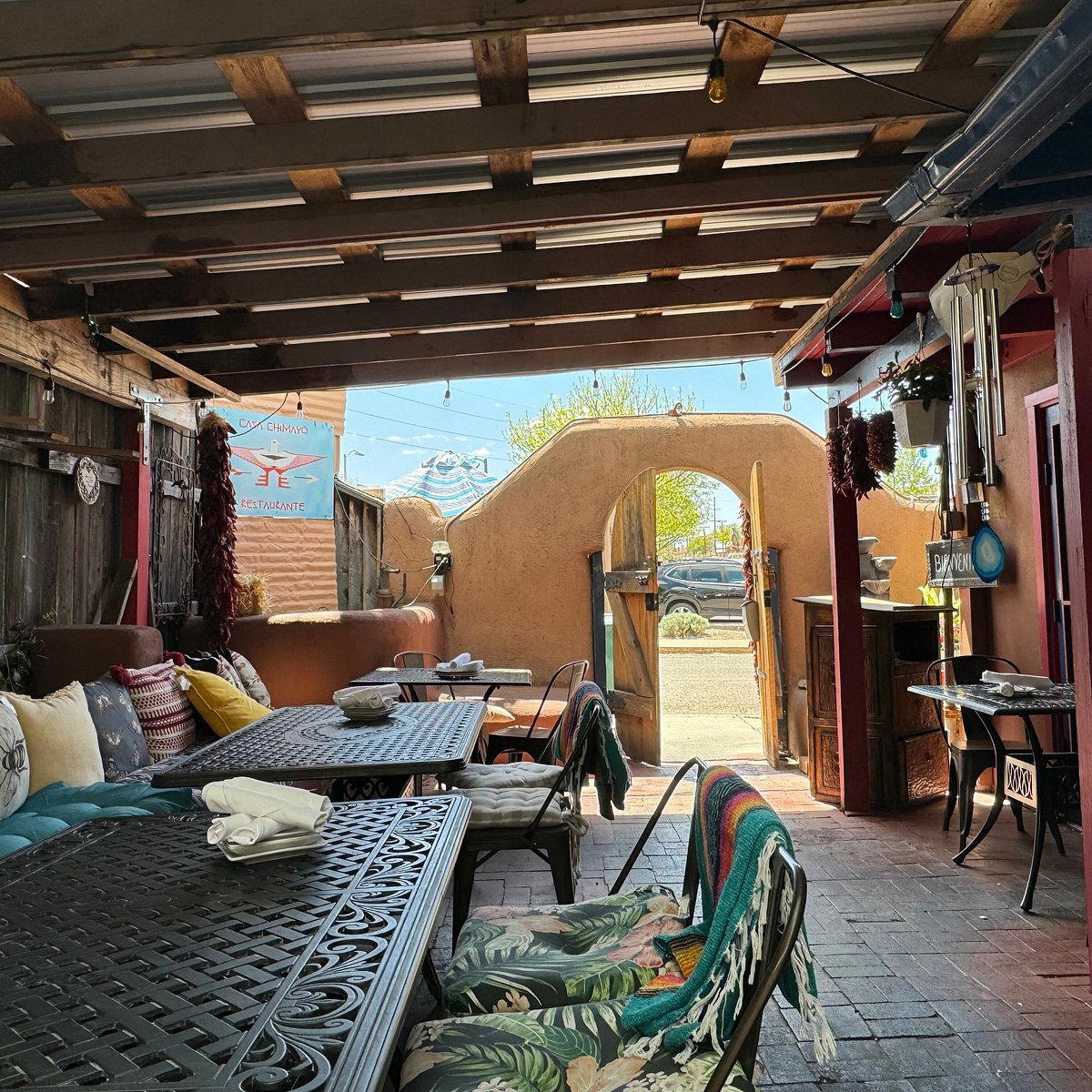
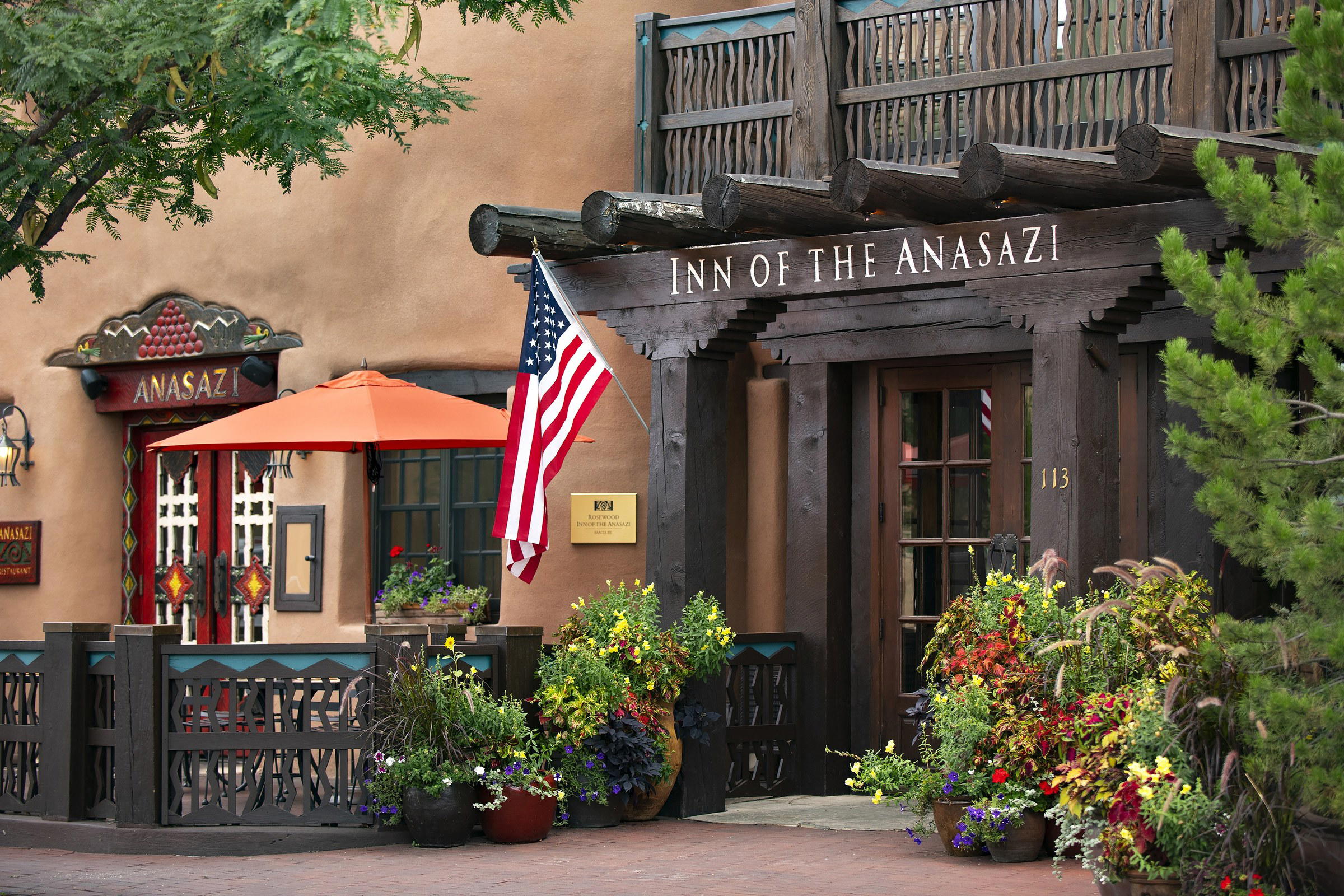
Santa Fe's dining scene has always operated inside an unusual constraint: the city enforces strict building codes that preserve adobe scale and territorial styling, which means restaurants here compete not just on food but on what they do with genuinely historic physical containers. On Washington Avenue, a short walk from the Plaza, Santacafé sits inside an 18th-century adobe compound whose walls are thick enough to hold the desert heat at arm's length even on August afternoons. Arriving, you notice the courtyard first — a shaded garden space that functions as a seasonal anteroom to the main dining room, softening the transition from sidewalk to table in a way that newer construction simply cannot replicate.
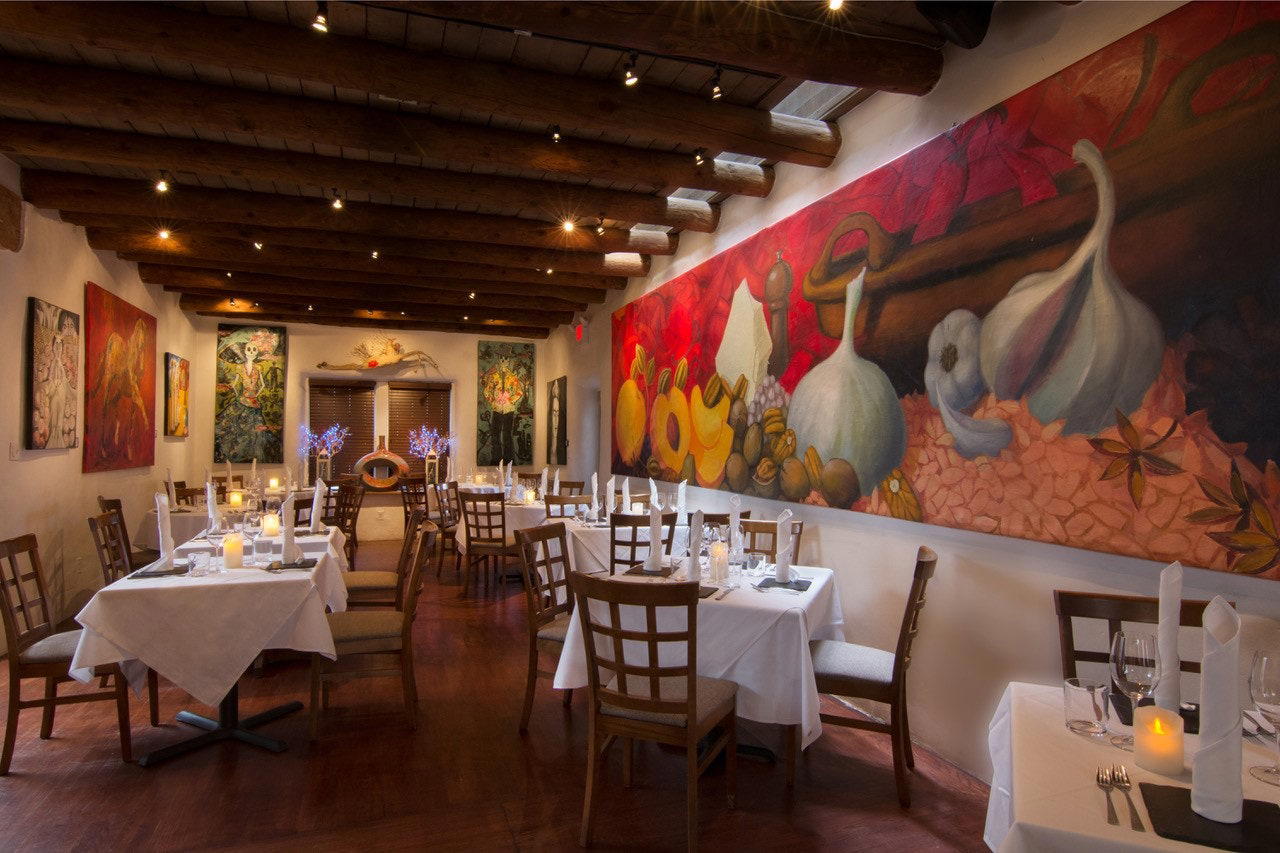
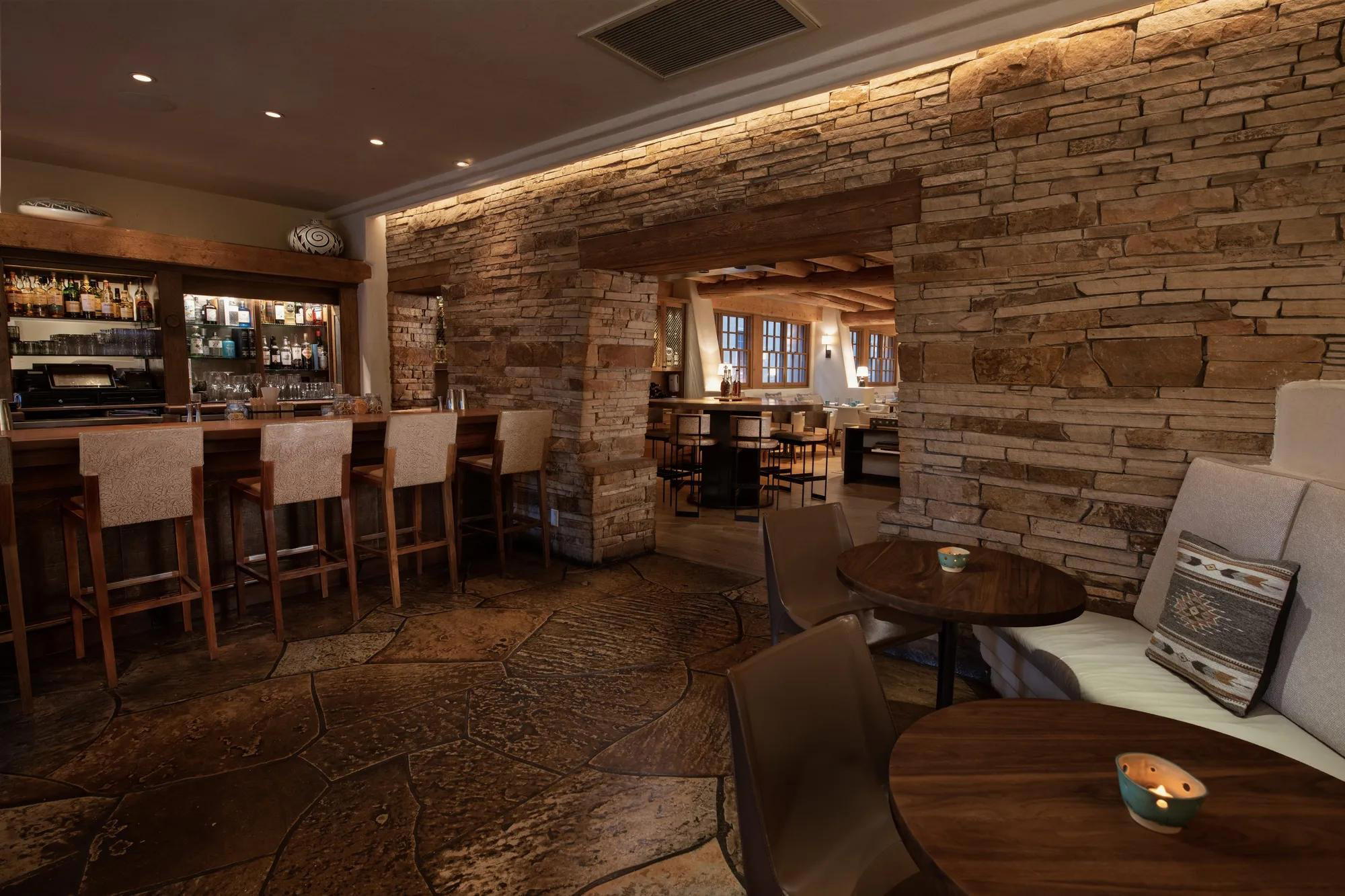
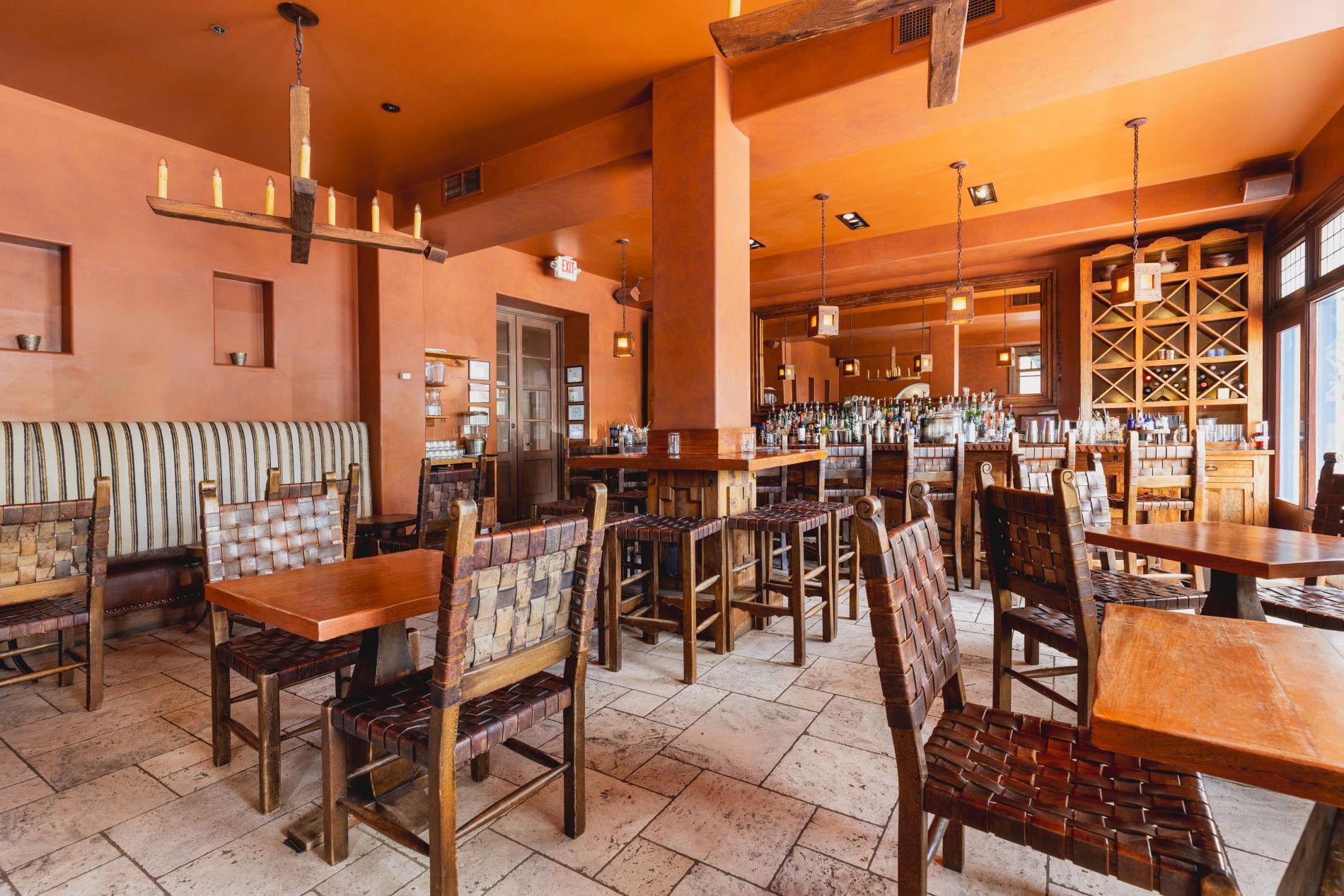
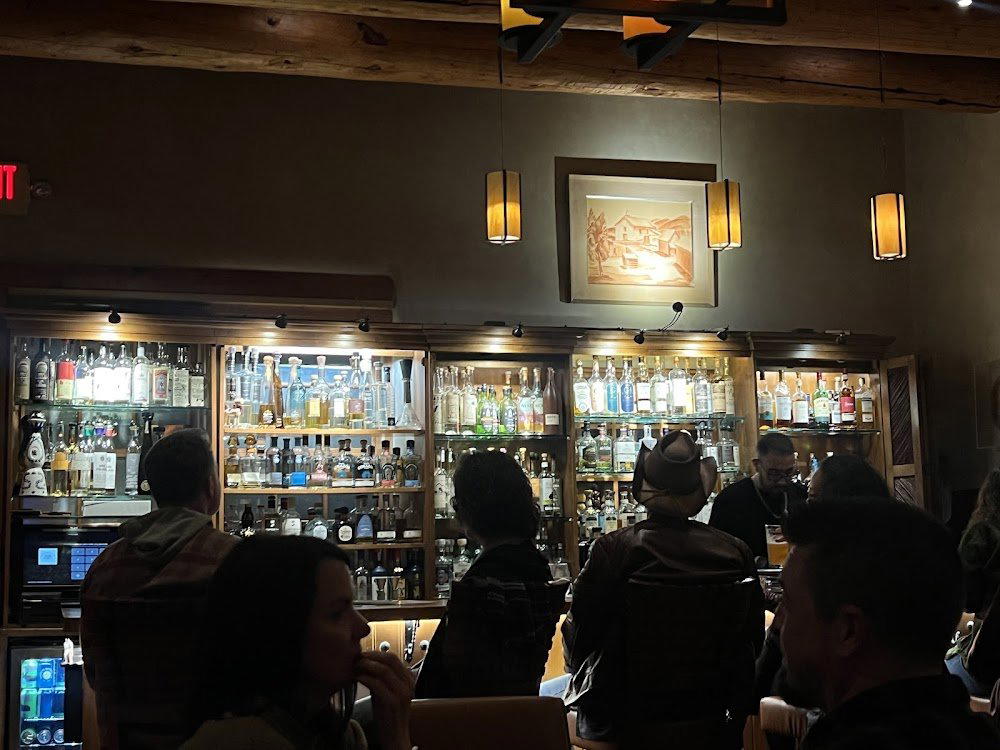
Inside, the design reads closer to a spare gallery than a traditional Southwest restaurant. The territorial architecture — low ceilings, deep-set windows, irregular room proportions shaped by centuries of gradual addition rather than a single architect's plan, gives the space a quality that deliberately finished interiors rarely achieve. The rooms feel accumulated rather than designed, which in Santa Fe's context is a specific kind of prestige signal.
Where Santacafé Sits in the Santa Fe Dining Tier
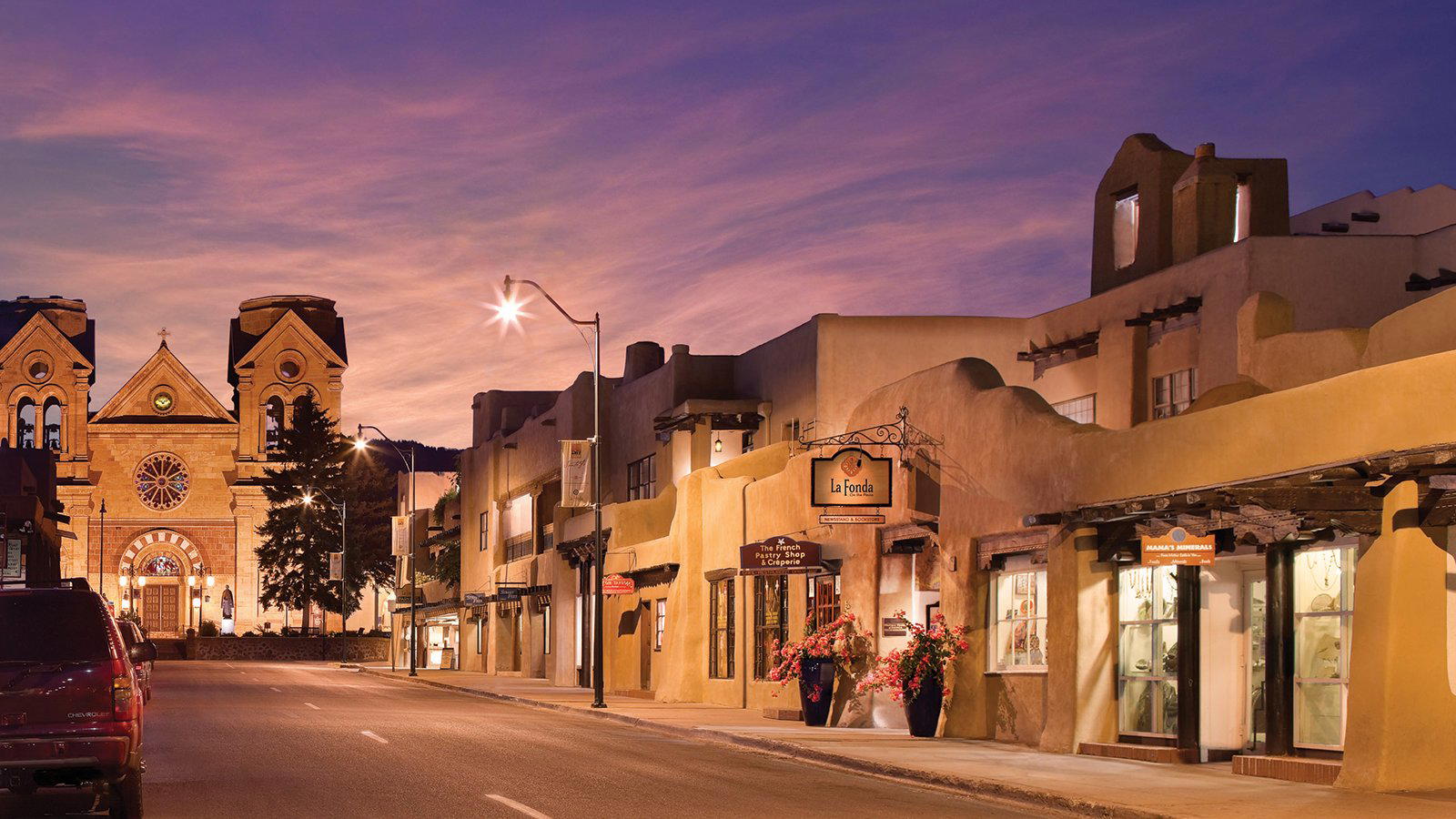
Santa Fe's upper dining tier is smaller than its tourism profile might suggest. The city sustains serious kitchens partly because of its unusually affluent visitor mix, the art market, the opera season, the collector traffic that passes through galleries on Canyon Road, and partly because of a resident base with expectations shaped by that same cultural economy. Within this context, certain addresses carry accumulated weight. The Washington Avenue location puts Santacafé within the central corridor that connects major cultural institutions to the Plaza, making it a natural stop for the kind of evening that begins at a gallery opening and ends over a late table.
The comparison set for a room of this character and address is not Bert's Burger Bowl or Back Road Pizza, both of which serve a different function in the city's food ecosystem. The relevant peers are places like Sazón, which anchors the serious New Mexican end of the market, and 229 Galisteo St and Alkemē, which represent the city's newer wave of chef-driven rooms. Santacafé's position among these reflects a longer operating history and a physical plant that newer entrants cannot match.
In national terms, the restaurant occupies a different register from destination-pilgrimage addresses like The French Laundry in Napa, Le Bernardin in New York City, or Smyth in Chicago. It is not competing in that tier. What it offers instead is something that places like Blue Hill at Stone Barns in Tarrytown and Single Thread Farm in Healdsburg also understand: that a strong sense of physical place, sustained over time, generates its own category of dining authority. The room is part of the argument.
The Courtyard and the Question of Season
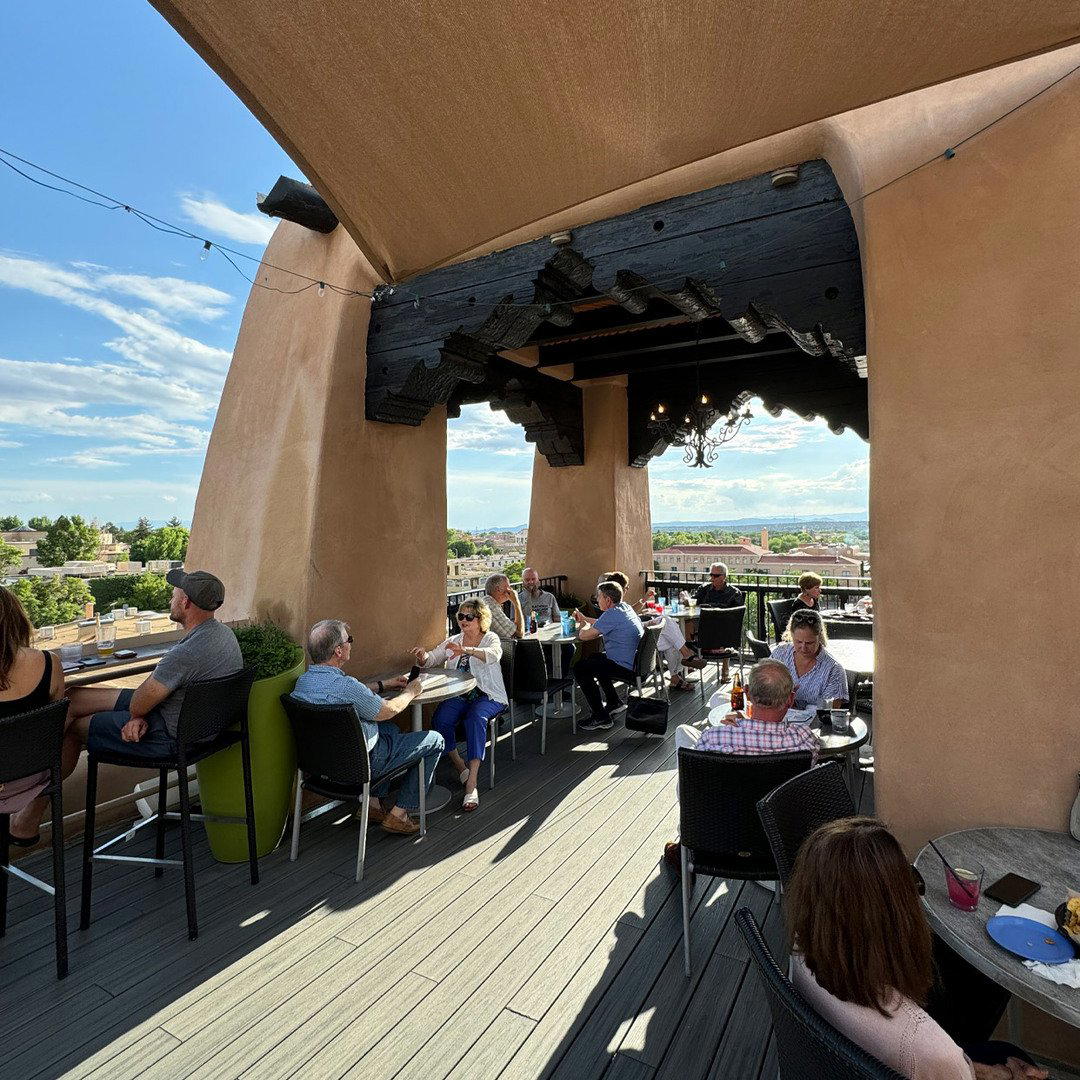
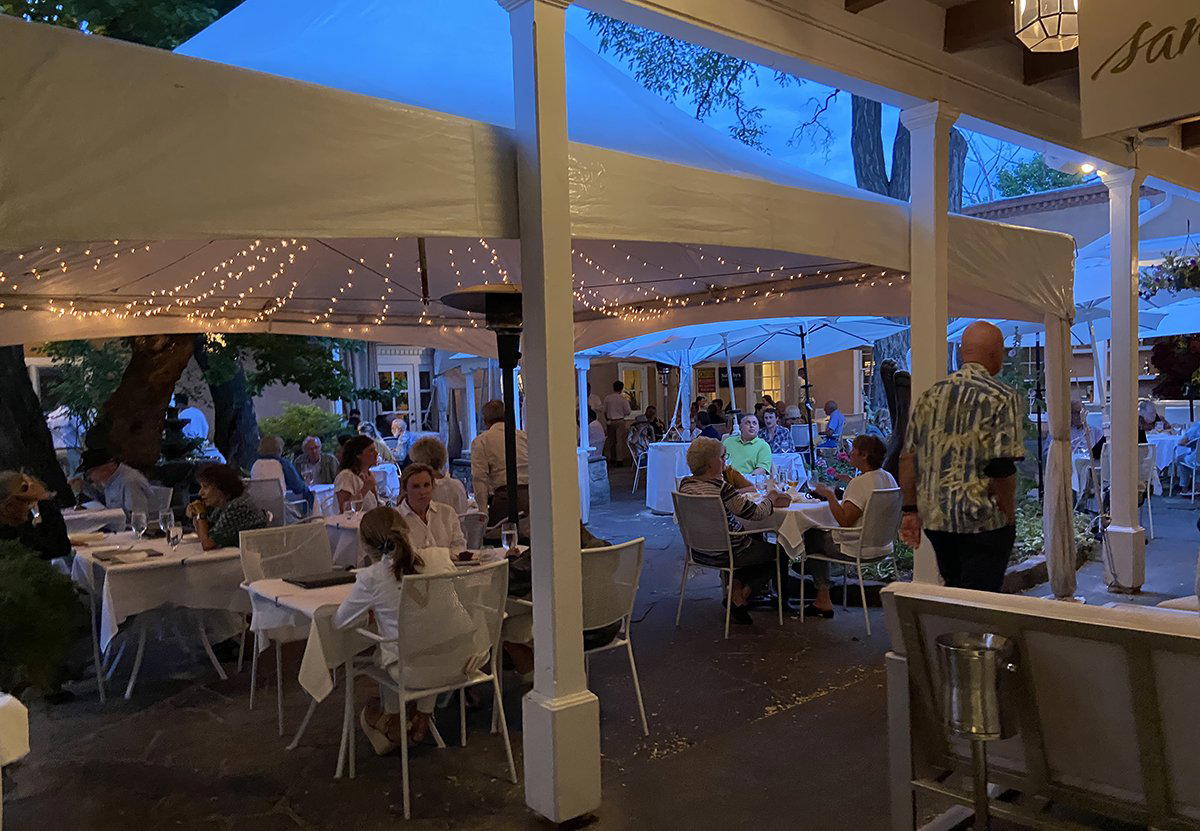
The courtyard garden is the detail that most clearly separates Santacafé from its Washington Avenue neighbors. In a city that gets genuine seasons, cold, clear winters and dry summers broken by afternoon monsoons from July through September, outdoor dining space carries timing implications that matter for planning. The courtyard operates as prime real estate in late spring and early fall, when evening temperatures drop cleanly after sunset and the sky over the Sangre de Cristo Mountains holds color well past eight. Summer dining in the courtyard works earlier in the evening, before the heat of the day fully releases. Winter tables move inside, where the adobe walls and low ceilings create a specific kind of interior warmth that functions as its own seasonal argument for the room.
For visitors planning around Santa Fe's cultural calendar, the summer opera season (typically July through August) creates the highest demand period across the city's serious restaurants. Reservations during opera weekends, particularly Saturdays, require more advance planning than the city's relatively modest size might imply. The shoulder seasons, late April through June, and September through October, offer the most favorable combination of availability and conditions for courtyard seating.
What the Address Tells You About the Room
231 Washington Avenue is, architecturally, a statement of a kind that most American restaurant addresses cannot make. The building predates New Mexico statehood by well over a century, which in a Southwest context means it has absorbed multiple eras of territorial, colonial, and indigenous material culture. That layered physical history does not announce itself didactically inside the dining room, the interior reads spare and controlled, but it is present in the proportions, in the thickness of the walls, in the irregularity of the floor plan. Restaurants operating in spaces of this age in American cities tend to fall into two approaches: they either over-lean into the historicity (exposed adobe as theme) or they treat the architecture as a neutral container. Santacafé's approach sits closer to the latter, letting the building's character work quietly rather than as spectacle.
This positions it alongside a broader pattern visible in serious American dining: rooms in New Orleans, Los Angeles, San Diego, and Washington, Virginia that understand the dining room as a physical argument for the restaurant's identity. At its most considered, think Atomix in New York City or Atelier Moessmer Norbert Niederkofler in Brunico, spatial design becomes inseparable from the culinary proposition. Santacafé operates at a less programmatic version of this, but the underlying logic is the same: the room is doing work.
For a fuller picture of where Santacafé sits within the city's dining options, the EP Club Santa Fe restaurants guide maps the scene by neighborhood, price tier, and cuisine type. Lazy Bear in San Francisco offers a useful reference point for understanding how format and physical space can become a restaurant's primary identity signal, independent of cuisine category, a dynamic Santacafé engages with in its own, distinctly Southwestern way.
Planning Your Visit
Santacafé sits at 231 Washington Avenue, walkable from the Plaza and from the main gallery district. The address places it within a five-minute walk of most central Santa Fe hotels and within easy reach of the New Mexico Museum of Art and the Palace of the Governors. For visitors without a vehicle, a viable approach in central Santa Fe, the location requires no planning beyond the reservation itself. Advance booking is advisable during the summer opera season and on weekend evenings year-round; the courtyard's limited capacity means outdoor tables fill faster than the interior during favorable weather. Specific hours, pricing, and current booking channels are best confirmed directly with the restaurant, as these details are subject to seasonal adjustment.
Frequently asked questions
Is Santacafé child-friendly?
Santacafé's setting — a pre-statehood adobe building on Washington Avenue with a formal courtyard garden — skews toward adult diners, particularly in the evening. Families visiting Santa Fe with older children who are comfortable in a quieter, architecturally serious room will find it manageable, but it is not a venue designed around younger guests. For daytime visits, the courtyard offers a more relaxed environment than the interior.
What's the vibe at Santacafé?
The room is composed rather than lively: low ceilings, thick adobe walls, and a historic building that predates New Mexico statehood set the register firmly toward intimate and unhurried. The Washington Avenue address puts it steps from Santa Fe's main gallery district, and the clientele reflects that — art collectors, serious travelers, and locals who treat it as a special-occasion room rather than a casual stop. The courtyard shifts the mood considerably in warm months, opening the experience toward something more relaxed without losing the sense of occasion.
Is Santacafé worth visiting if I'm only in Santa Fe for one night?
For a single night in Santa Fe, the address at 231 Washington Avenue positions Santacafé as one of the most walkable serious dining options from the Plaza — no car required, and the building itself justifies the detour on architectural grounds alone. Santa Fe's upper dining tier is compact, and Santacafé has maintained a presence there across decades, which in a city with this much restaurant turnover is its own credential. Confirm current hours and reservations directly before your visit.
What's the must-try dish at Santacafé?
The most reliable approach is to check directly with the restaurant for the current menu before visiting, as seasonal courtyard service and interior dining can follow different formats.
What part of town is Santacafé in?
Santacafé is located at 231 Washington Ave, Santa Fe, NM 87501, Santa Fe.
Where It Fits
Comparable venues nearby, for context on price, style, and recognition.
| Venue | Cuisine | Price | Awards | Notes |
|---|---|---|---|---|
| SantacaféThis venue — the venue you are viewing | Modern American with Southwestern Flair | $50–100 | Not listed | Not listed |
| Arroyo Vino | Contemporary American | $30–50 | Michelin Plate | Las Campanas |
| Bert's Burger Bowl | Classic New Mexico Green Chile Cheeseburgers | Not listed | Diners, Drive-Ins and Dives Featured Restaurant | Downtown Santa Fe |
| Restaurant Martin | Progressive American Fine Dining | $50–100 | Michelin Plate · Wine Spectator Award of Excellence | Downtown |
| Harry’s Roadhouse | New Mexican Roadhouse | $20–30 | Diners, Drive-Ins and Dives Featured Restaurant | Old Las Vegas Highway |