Coyote Cafe

James Beard Award Best Chefs
Our verdict
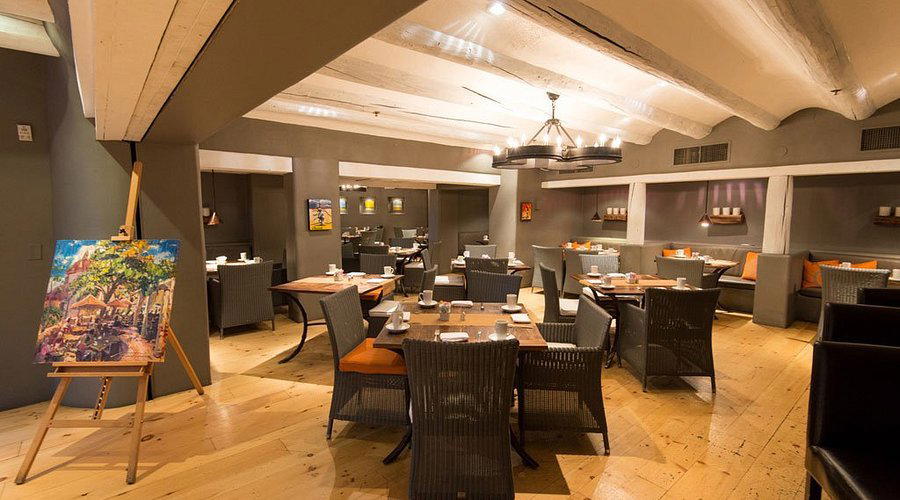
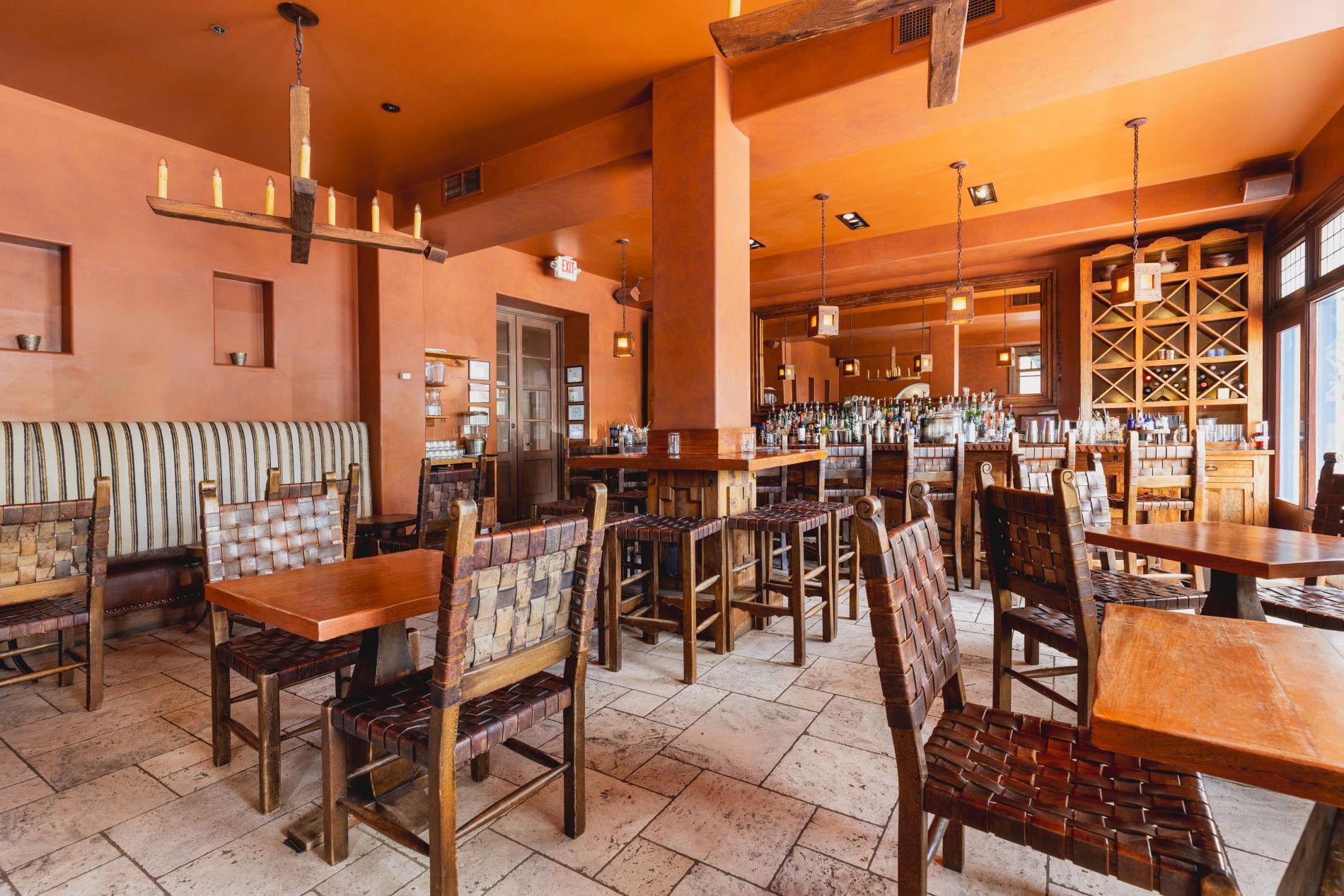
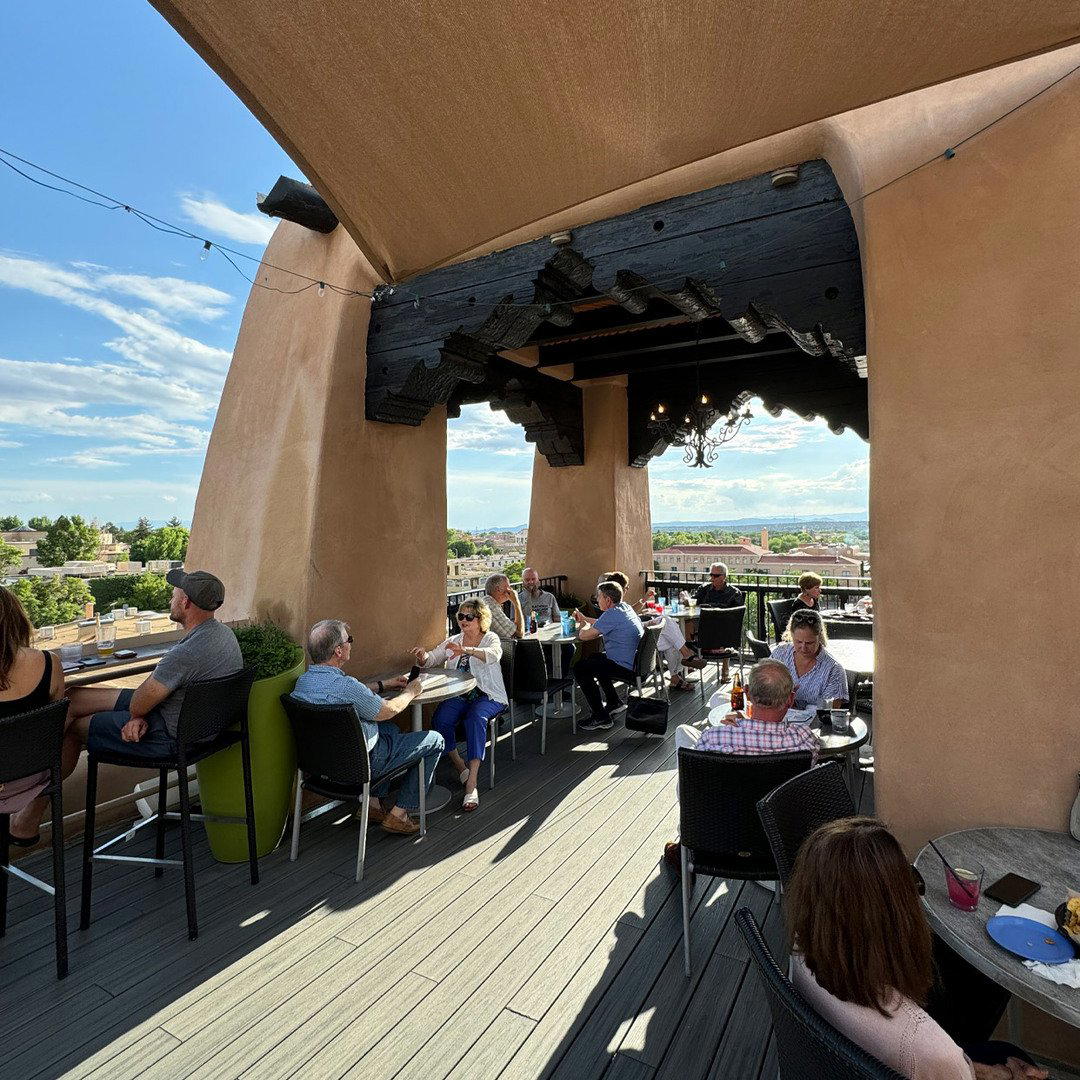
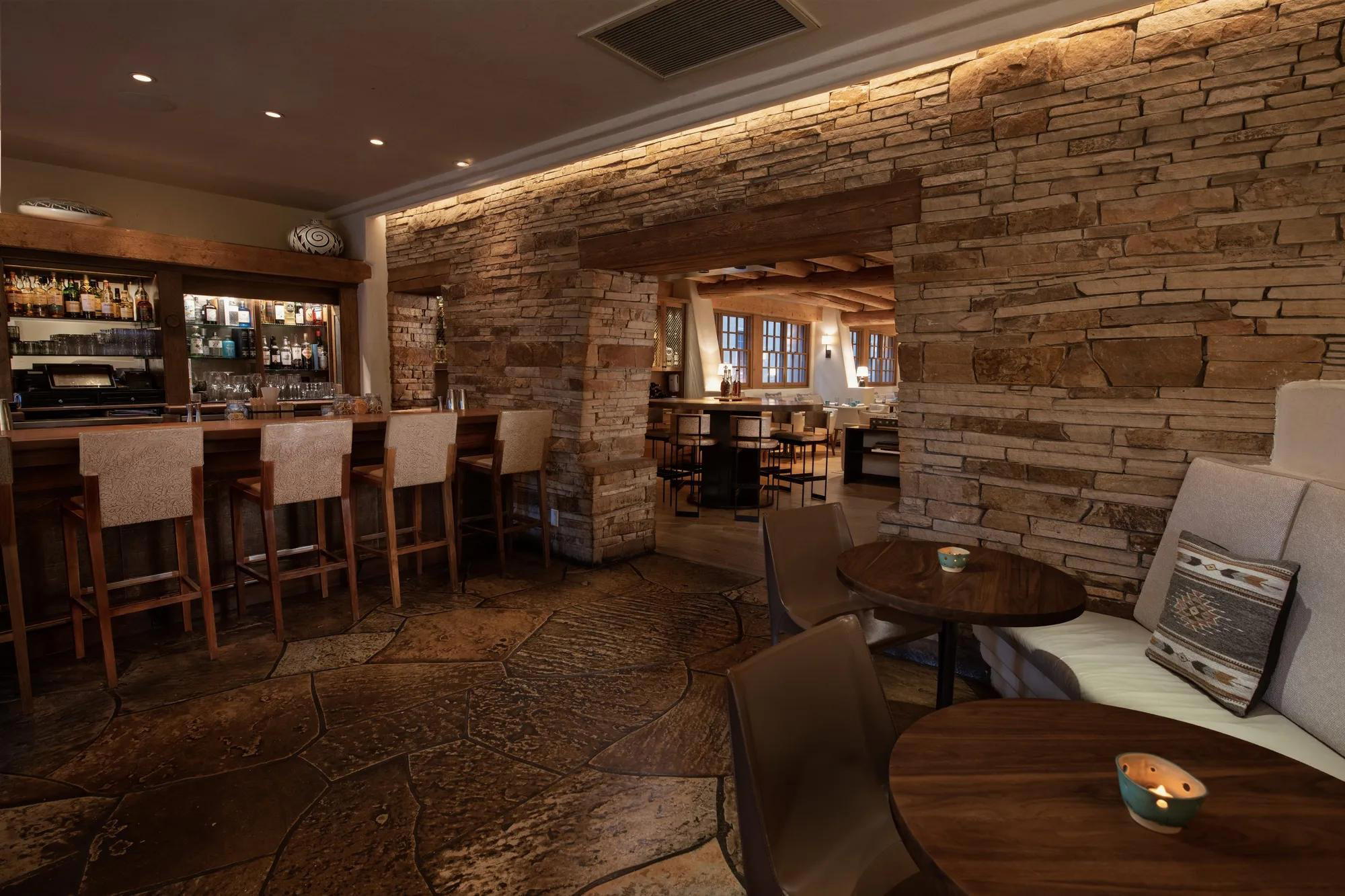
Coyote Cafe has anchored Santa Fe's upper dining tier for decades, translating the Southwest's chile-fired pantry into a format built for serious meals. Sitting at 132 W Water St, a short walk from the Plaza, it occupies a specific position in the city's restaurant scene: ambitious enough for milestone occasions, grounded enough in regional tradition to feel earned rather than performed.

Pearl is the En Primeur Club membership app — saves, bookings, and concierge access live there. Same editors, same standards.
- Address
- 132 W Water St, Santa Fe, NM 87501
- Phone
- (505) 983-1615
- Hours
- Mon–Thu 11:30 AM–9 PMFri–Sat 11:30 AM–9:30 PMSun 11:30 AM–9 PM
- Website
- coyotecafe.com
- Directions
- Get directions
- Booking
- Book on OpenTable
The menu
What to order
- Fiery Morita
- Peppery Elk Tenderloin
- Miso Crusted Sea Bass
- Black Sesame Honey White Shrimp Tempura
- Signature Cornbread
- Yellowtail Crudo
When Santa Fe Asks for a Serious Meal
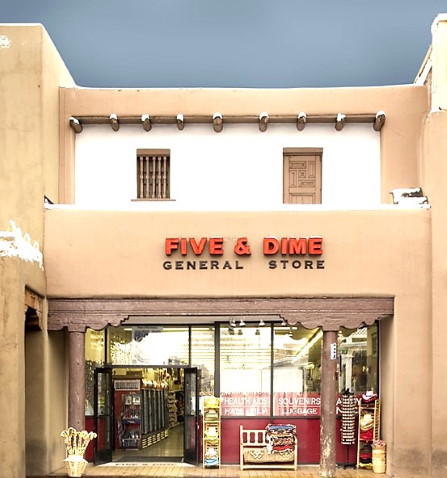
There is a particular kind of restaurant that a city's residents turn to when the occasion demands weight: a birthday that marks a decade, an anniversary that survived something difficult, a deal closed after months of negotiation. In Santa Fe, a city whose restaurant scene has grown considerably more sophisticated over the past twenty years, Coyote Cafe has occupied that role for long enough to become a reference point. It sits at 132 W Water St, close enough to the Plaza to feel central but set back enough to function as a destination rather than a convenience stop. The building itself signals intent before you reach the door.
Santa Fe's dining environment is genuinely competitive at the upper end. Sazón (New Mexican) works in a more intimate register, and 229 Galisteo St represents a newer wave of ambitious local cooking. That tenure matters when you are choosing a room for an occasion that should not misfire.
The Southwest as a Serious Culinary Tradition
The cooking style that made Coyote Cafe's reputation is rooted in the Southwestern tradition, a cuisine that is far more technically demanding than it appears from the outside. The pantry is built around dried and fresh chiles, each with a distinct heat profile, acidity, and depth; the layering of these into sauces and braises requires the same kind of institutional knowledge as a French fond. New Mexico's chile culture is codified in local agricultural practice, with the Hatch valley producing varieties that carry state-level pride. A restaurant that takes this tradition seriously is not simply cooking regional food; it is working within a culinary framework that has centuries of Indigenous and Spanish colonial influence compressed into it.
That framework distinguishes the Southwest from other American regional cuisines that have attracted fine-dining attention. Where Blue Hill at Stone Barns in Tarrytown builds around Hudson Valley provenance, or Single Thread Farm in Healdsburg around California's agricultural calendar, a kitchen serious about Southwestern cooking is navigating a set of ingredients and techniques that have no close analog in the European fine-dining canon. The challenge and the opportunity are the same: the tradition is deep, but the critical vocabulary for assessing it is still developing.
For comparison, consider where New Mexican food sits relative to broader American dining. Restaurants like Le Bernardin in New York City or The French Laundry in Napa operate within European-derived frameworks that critics and diners have decades of shared language to evaluate. Southwestern cuisine demands that diners recalibrate their reference points, which is part of what makes a meal here, on the right occasion, genuinely memorable rather than merely competent.
Santa Fe's Occasion Dining Tier
Santa Fe's upper restaurant tier is smaller than its tourist volume might suggest. The city draws significant visitor traffic, particularly in summer and during Indian Market in August, and a portion of that traffic inflates demand at the handful of restaurants that occupy the celebration end of the market. The rest of the year, the audience is a combination of serious local diners, second-home owners, and the gallery and arts community that gives the city its particular cultural character. Coyote Cafe's location near the Plaza places it at the geographic center of all of these audiences.
The question of where Coyote Cafe sits relative to peers like Alkemē in the local scene is partly a question of format and occasion weight. Some diners making occasion reservations in Santa Fe will also consider The Pink Adobe, which has its own long history in the city, or newer entries that have captured more recent critical attention. Coyote Cafe's argument to that diner is built on track record and on a specific relationship to the regional culinary tradition that younger restaurants are still establishing.
For diners whose occasion dining reference points come from rooms like Smyth in Chicago, Lazy Bear in San Francisco, or Addison in San Diego, the experience at Coyote Cafe will feel different in register: less choreographed, more regionally specific. That is not a flaw in the model; it reflects a deliberate alignment with a place rather than with a global fine-dining format. Restaurants like Atelier Moessmer Norbert Niederkofler in Brunico demonstrate that deep regional specificity can coexist with serious culinary ambition, and the same logic applies here.
Planning Around the Occasion
Santa Fe's dining peak runs from late spring through the end of summer, with August's Indian Market weekend creating the tightest reservation windows across all upper-tier restaurants in the city. If your occasion falls in that window, booking several weeks in advance is standard practice at this level of the market. The shoulder months, September through November, offer easier access and arguably better conditions: the summer heat breaks, the tourist volume drops, and the restaurants themselves tend to operate at a pace that allows more attention to each table.
The address at 132 W Water St is walkable from most of the city's central hotels and from the major gallery district on Canyon Road, which makes it a natural endpoint for a day spent in that part of the city. For diners building a longer stay around restaurants, the broader Santa Fe scene is worth mapping out in advance. Back Road Pizza and Bert's Burger Bowl occupy different ends of the casual end of the market, and our full Santa Fe restaurants guide maps the full range of options across price points and styles. For milestone meals specifically, the choice between Coyote Cafe and its peers comes down to how much regional specificity matters to the occasion versus how much the diner wants a format closer to the contemporary American tasting-menu model represented by places like Providence in Los Angeles, Atomix in New York City, or The Inn at Little Washington. Coyote Cafe answers a different question, and it has been answering it from the same address for long enough that the answer carries weight.
Diners who have built occasion-meal memories around rooms like Emeril's in New Orleans, where a city's culinary identity is the actual subject of the meal, will find the most direct parallel here. The Southwest is the point. The chile is the argument. The occasion is the reason to pay attention to both.
Frequently asked questions
What's the address for Coyote Cafe?
Coyote Cafe is located at 132 W Water St, Santa Fe, NM 87501, Santa Fe.
How does Coyote Cafe fit into Santa Fe's dining scene compared to other restaurants on Canyon Road or the Plaza?
Coyote Cafe's address at 132 W Water St places it close to the Plaza, Santa Fe's most visitor-concentrated zone, but it operates differently from the casual and tourist-oriented restaurants that dominate that corridor. The Southwestern culinary tradition it represents is technically demanding in ways that set it apart from the genre's more accessible interpretations found throughout the city. In a scene where Canyon Road and the Plaza generate significant dining traffic, Coyote Cafe draws the portion of that crowd looking for cooking with a defined point of view rooted in New Mexico's own food culture.
What's the must-try dish at Coyote Cafe?
Specific menu items change with the season and are not published in advance, which is consistent with how Santa Fe's serious Southwestern kitchens operate. The cooking tradition that defines Coyote Cafe's reputation draws on chile-forward techniques, indigenous ingredients, and preparations that take more skill than the cuisine is often given credit for. Confirm current menu details directly with the restaurant at 132 W Water St before your visit.
What's the best way to book Coyote Cafe?
Reservations should be made as far ahead as possible, particularly if your visit falls between late spring and August, when Santa Fe's dining rooms fill quickly and Indian Market weekend creates the tightest windows of the year. Walk-in availability exists outside peak season but is not reliable for occasion dining. check the venue's official channels at 132 W Water St, Santa Fe, for current booking options.
What is Coyote Cafe known for?
Coyote Cafe holds a position in Santa Fe's upper restaurant tier as a destination for occasions that demand a considered meal rather than a casual one. Its reputation is built on Southwestern cooking treated as a serious culinary tradition, one grounded in technique and regional identity rather than tourist-facing approximations. In a city where the gap between visitor-facing dining and resident-trusted dining is wide, Coyote Cafe sits firmly in the latter category.
Can Coyote Cafe adjust for dietary needs?
Southwestern cooking as a tradition works with a wide range of proteins, legumes, and produce, which gives kitchens in this style reasonable flexibility. Reach the restaurant at 132 W Water St, Santa Fe, NM 87501.
Is Coyote Cafe worth it?
For a meal in Santa Fe that carries genuine occasion weight, Coyote Cafe is one of a short list of addresses the city's residents return to for meaningful dinners. The upper dining tier in Santa Fe is smaller than the city's visitor volume suggests, which means the restaurants that hold positions in it do so on substance rather than foot traffic. Whether the specific visit delivers depends on timing, reservation lead time, and alignment with what the kitchen is doing that season.
Side-by-Side Snapshot
| Venue | Cuisine | Price | Awards |
|---|---|---|---|
| Coyote CafeThis venue — the venue you are viewing | Modern Southwestern Cuisine | $50–100 | James Beard Award Best Chefs |
| Santa Fe Bite | New Mexico Green Chile Cheeseburgers | $20–30 | Not listed |
| Harry’s Roadhouse | New Mexican Roadhouse | $20–30 | Diners, Drive-Ins and Dives Featured Restaurant |
| Sazón | Modern Mexican Fine Dining | $50–100 | James Beard Award Best Chef: Southwest · Wine Spectator Award of Excellence |
| Paper Dosa | South Indian Dosas | $20–30 | Michelin Bib Gourmand · Diners, Drive-Ins and Dives Featured Restaurant |
| The Pink Adobe | New Mexican Cajun | $30–50 | Relais Chateaux Award |
Recognition history
Dated appearances from independent guides and award organizations, with the underlying list record or original source where available.
James Beard Award Best Chefs
James Beard Award