La Fonda on the Plaza
La Fonda on the Plaza has anchored Santa Fe's historic central square since the early colonial era, making it one of the American Southwest's most architecturally significant hotels. The property's Pueblo Revival design, hand-painted furniture, and tin-work ceilings represent a sustained commitment to regional craft that newer Santa Fe hotels reference but rarely match. It sits at 100 E San Francisco St, directly on the Plaza, at the physical and cultural center of the city.
Pearl is the En Primeur Club membership app — saves, bookings, and concierge access live there. Same editors, same standards.
- Address
- 100 E San Francisco St, Santa Fe, NM 87501
- Phone
- +1 505 982 5511
- Website
- lafondasantafe.com
- Directions
- Get directions
 Saves & bookings on Pearl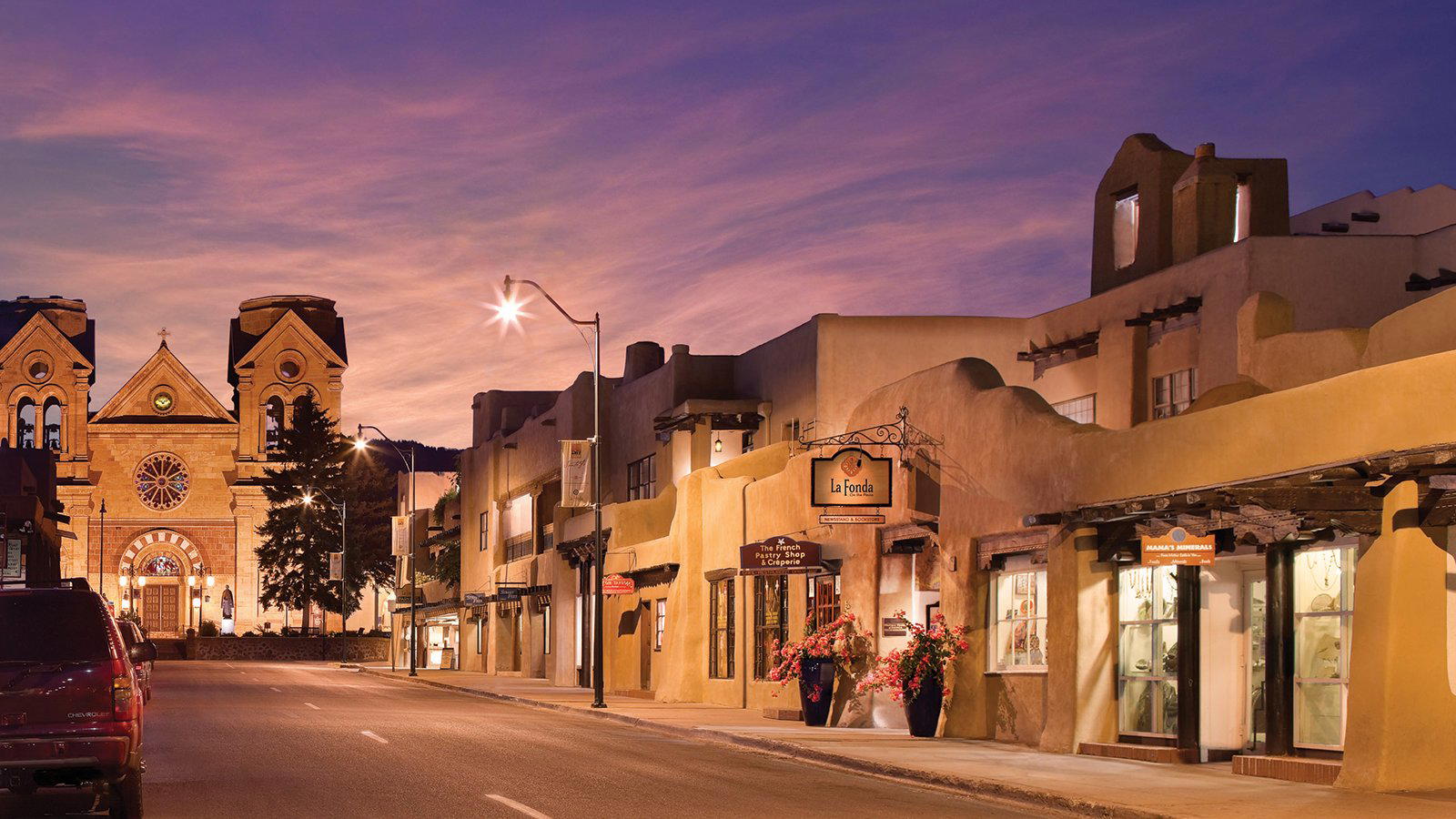
Where the Plaza Begins: La Fonda's Position in Santa Fe's Built Environment
La Fonda on the Plaza is a 4-star hotel in Santa Fe, New Mexico, at 100 E San Francisco St. The building at 100 E San Francisco St is not incidental to the Plaza, it forms part of the square's eastern edge, occupying ground where a fonda (inn) has stood since Spanish colonial settlement in the early 1600s. That continuity matters. In a city where the Pueblo Revival aesthetic has become both a point of civic pride and, in lesser hands, a shorthand applied to new construction without archaeological grounding, La Fonda represents the tradition rather than the imitation.
Santa Fe's premium lodging market has split between internationally branded properties positioned outside the city center, among them the Four Seasons Resort Rancho Encantado Santa Fe and Bishop's Lodge, Auberge Resorts Collection, and a cluster of historic in-city properties that trade on proximity and character rather than acreage and amenity programs. La Fonda sits at the center of that second group, both geographically and conceptually.
The Architecture as the Argument
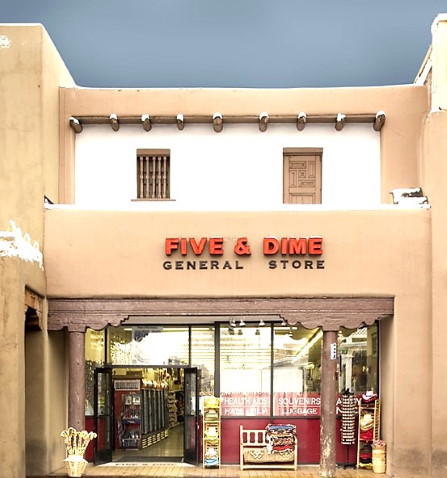
The current structure dates substantially to 1920 and was redesigned in 1929 by John Gaw Meem, the architect most associated with codifying the Pueblo Revival style in New Mexico. That credential is not decorative. Meem drew on Ancestral Puebloan and Spanish Colonial forms to produce a building that reads as genuinely indigenous to the region rather than imported. The result is a set of design choices, stacked forms, vigas protruding from exterior walls, rounded parapets, deep-set windows, that have since become the visual grammar of Santa Fe itself. Walking toward the hotel from the Plaza's central obelisk, the building's massing feels continuous with the low, sun-warmed skyline rather than imposed upon it.
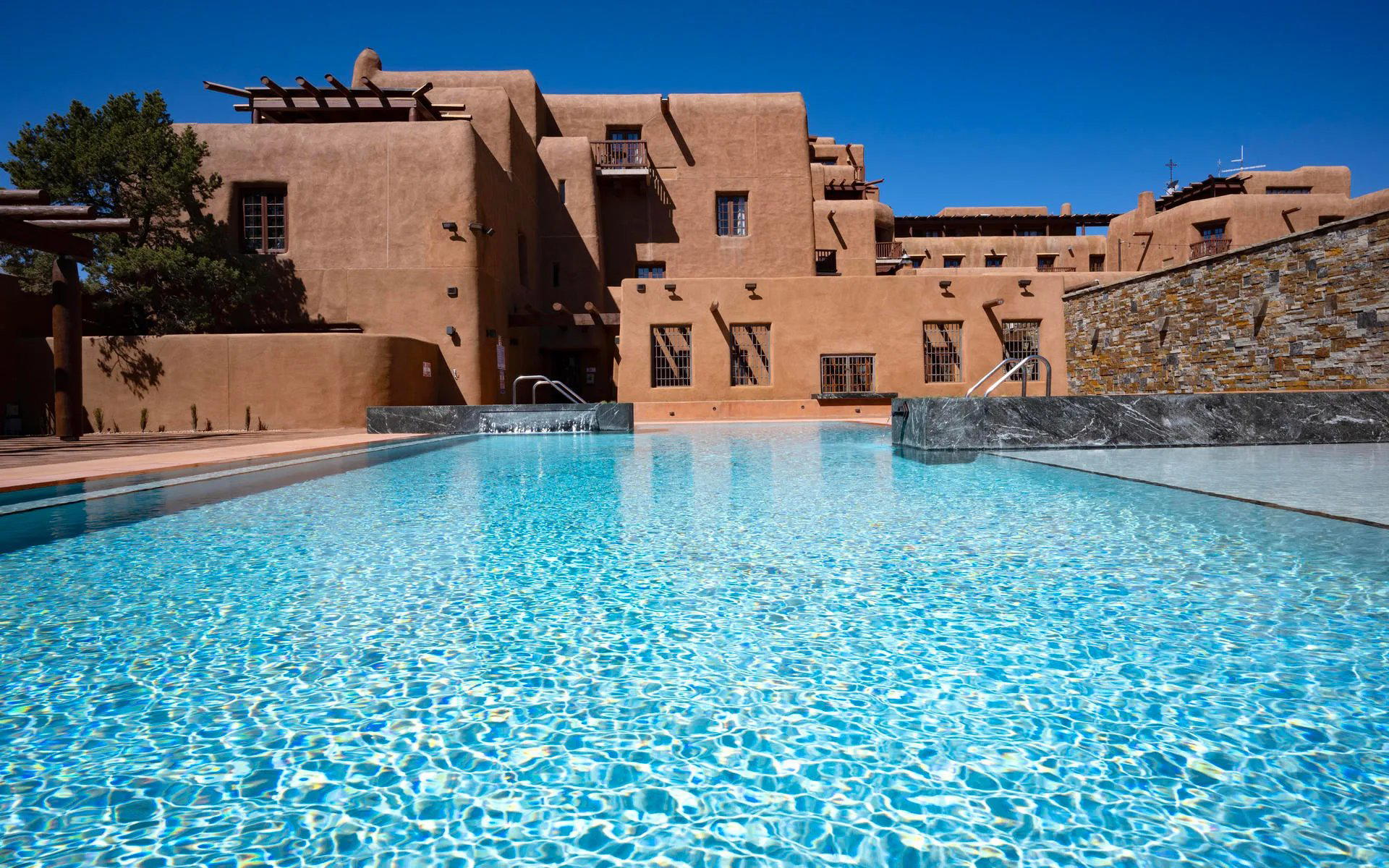
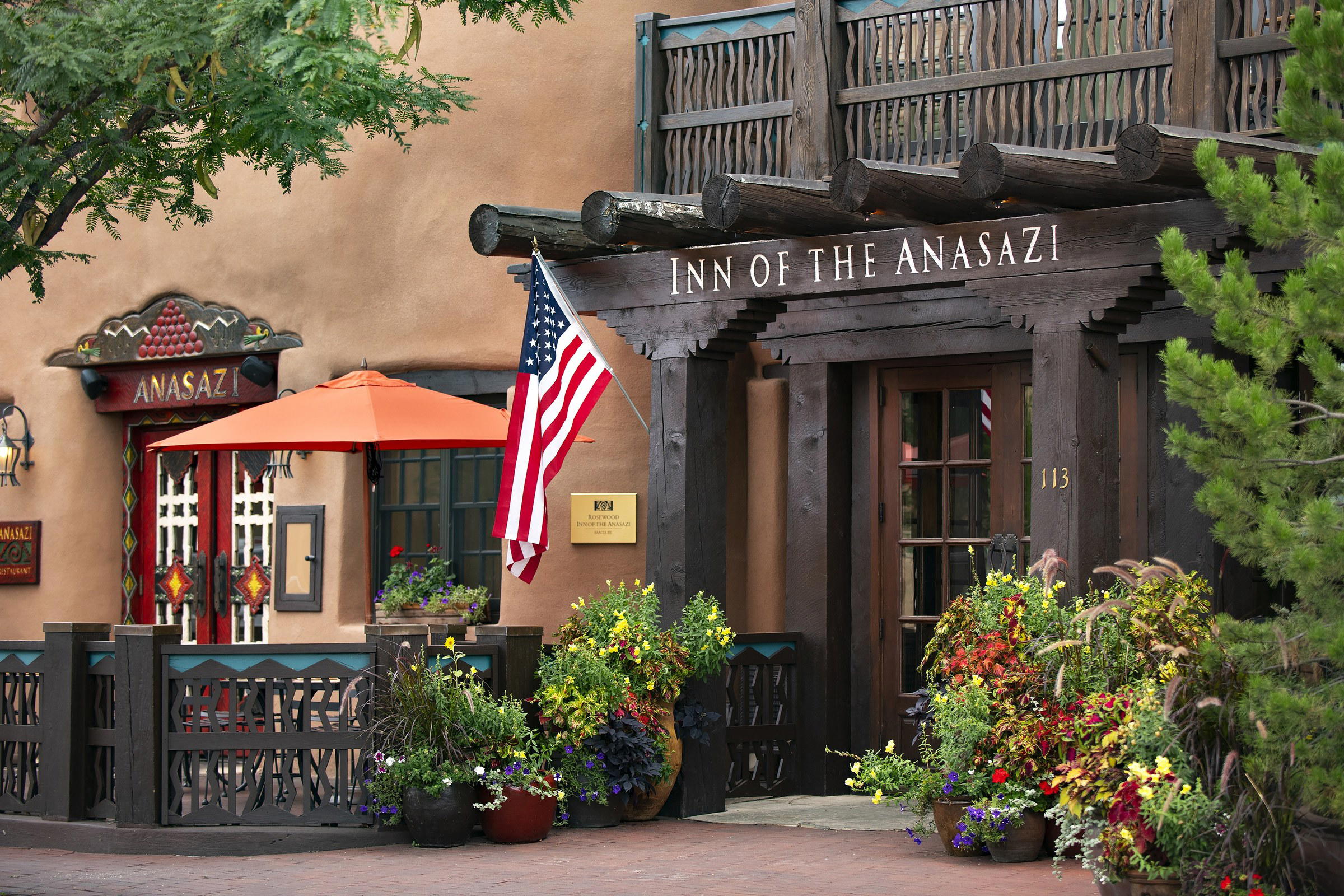
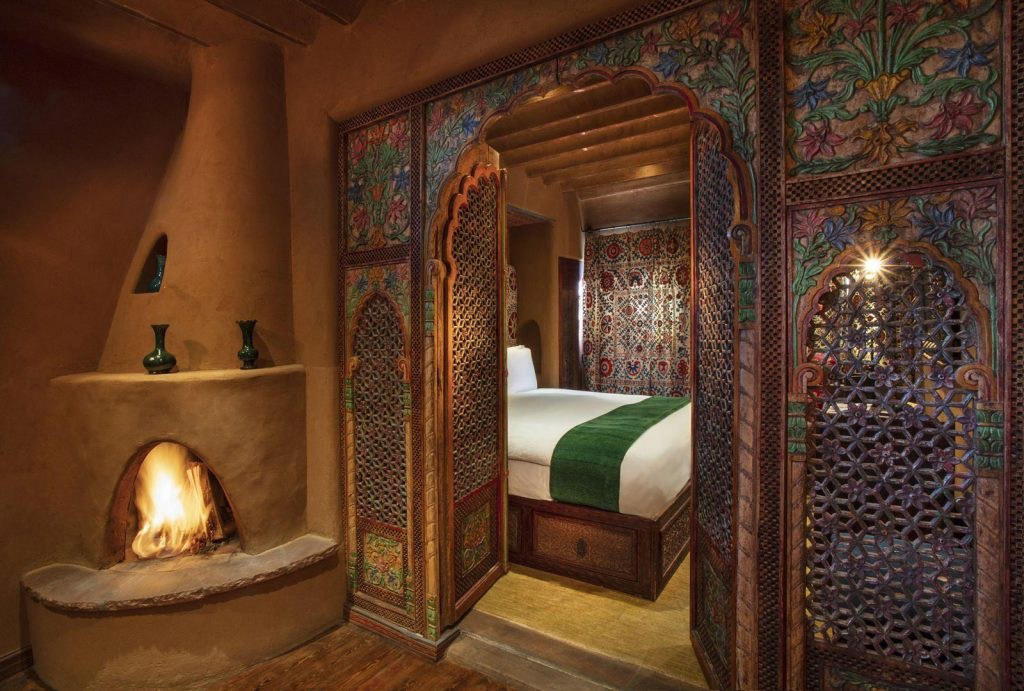
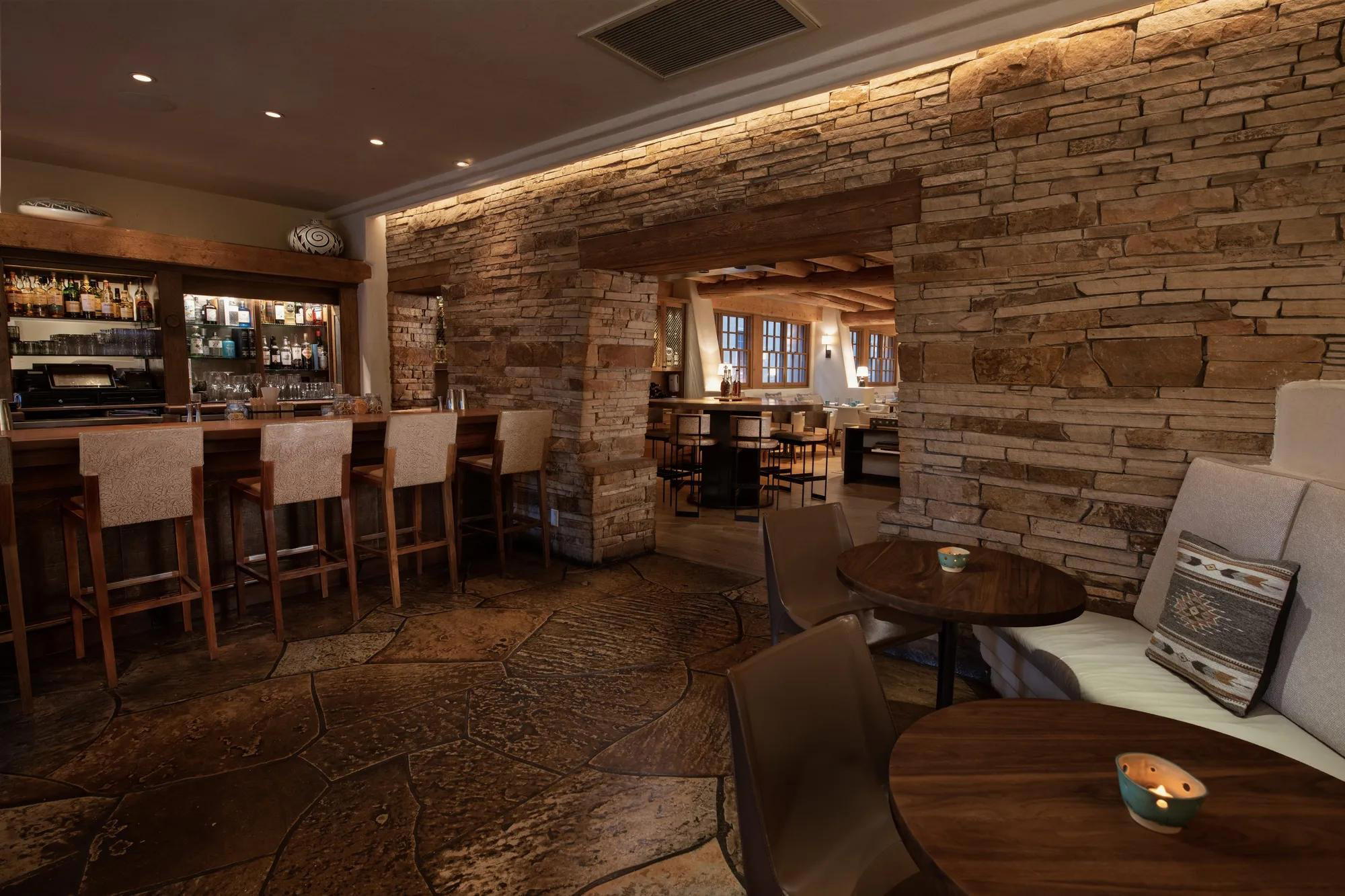
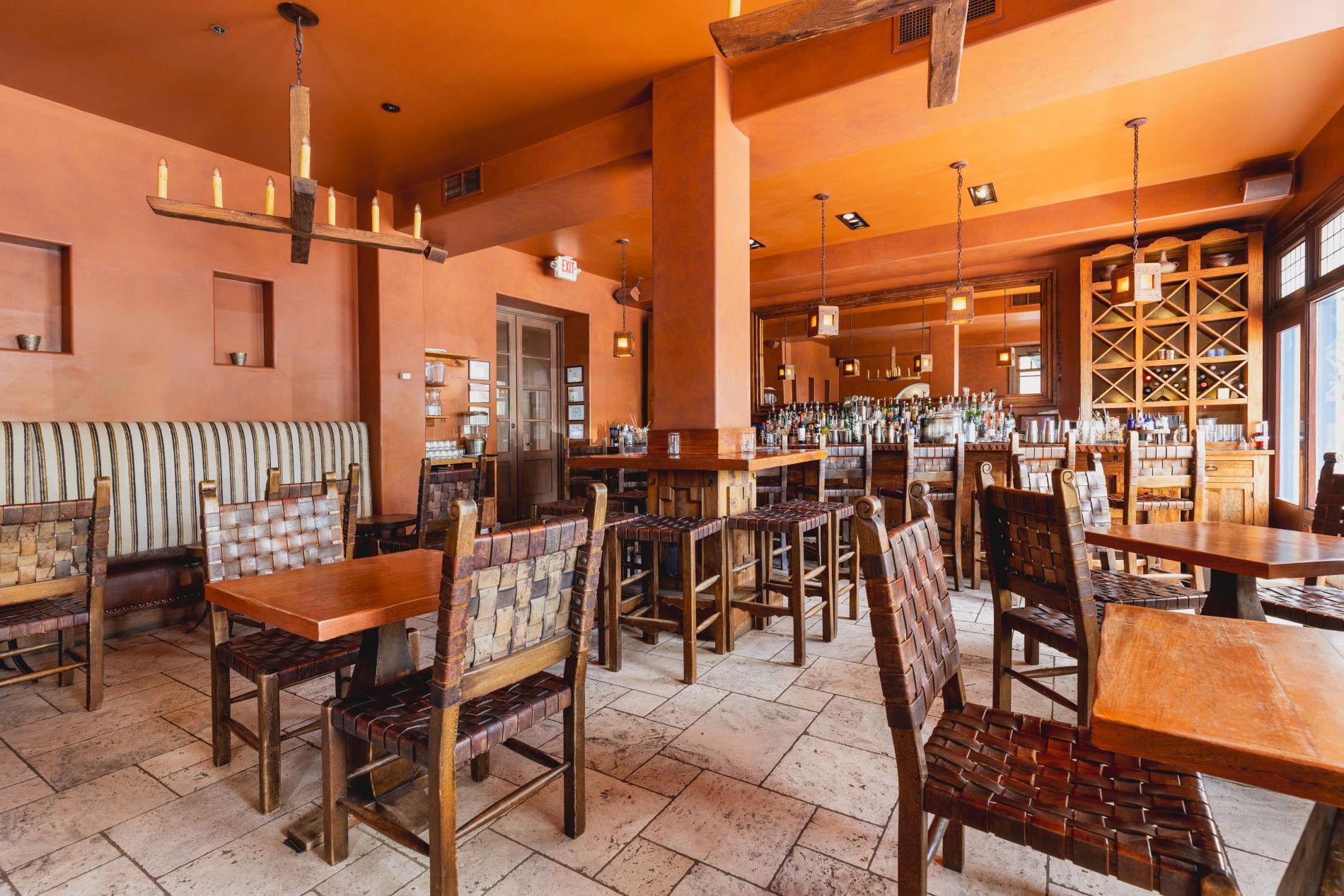
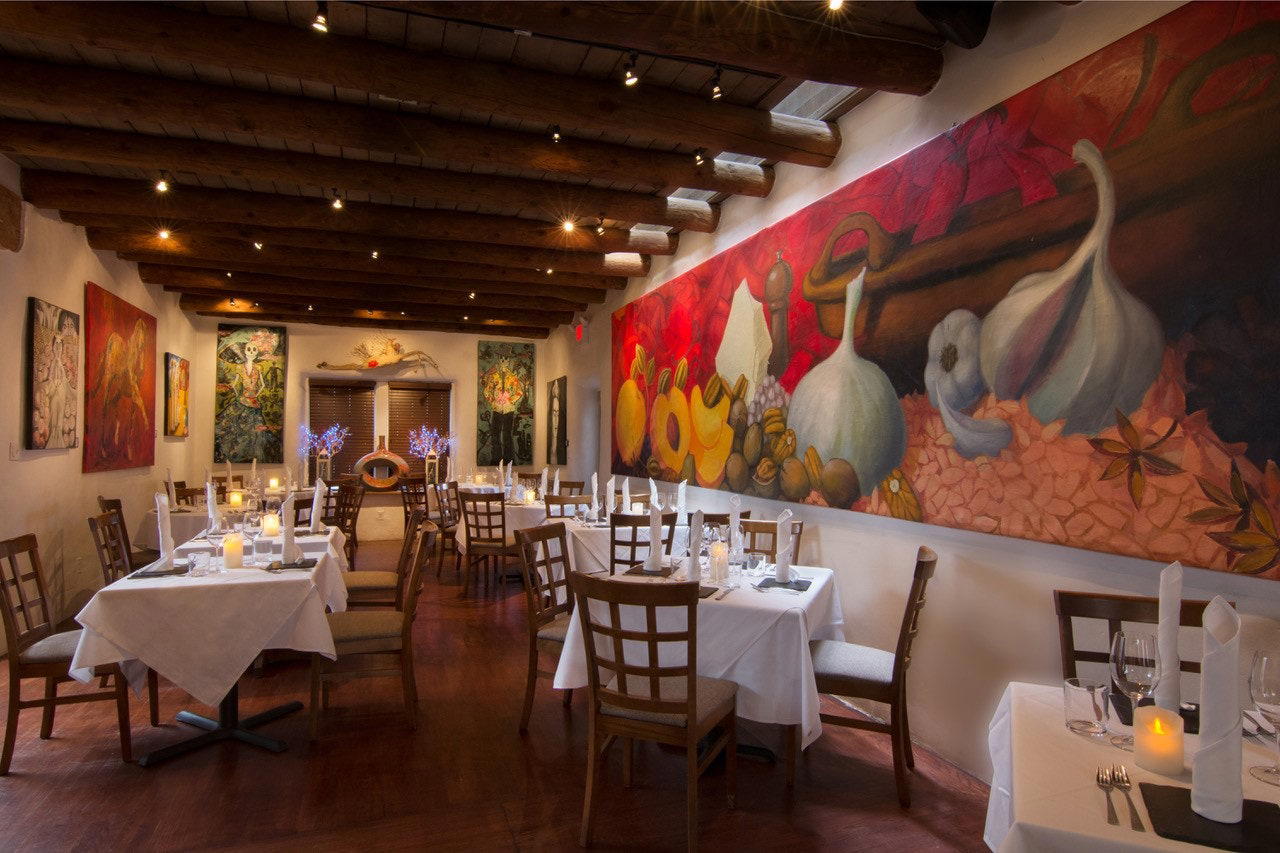
Inside, the design vocabulary intensifies. Hand-painted glass light fixtures, tin-work ceilings crafted by New Mexican artisans, and furniture painted in the regional tradition of the early twentieth century give the interior a material density that distinguishes it from properties whose Southwest aesthetic amounts to terracotta tiles and a few pieces of Navajo-pattern upholstery. The Rosewood Inn of the Anasazi occupies a similar design-led position in the city's historic core, with its own commitment to local materials and craft, but La Fonda's scale and Plaza-front location give it a different kind of civic weight.
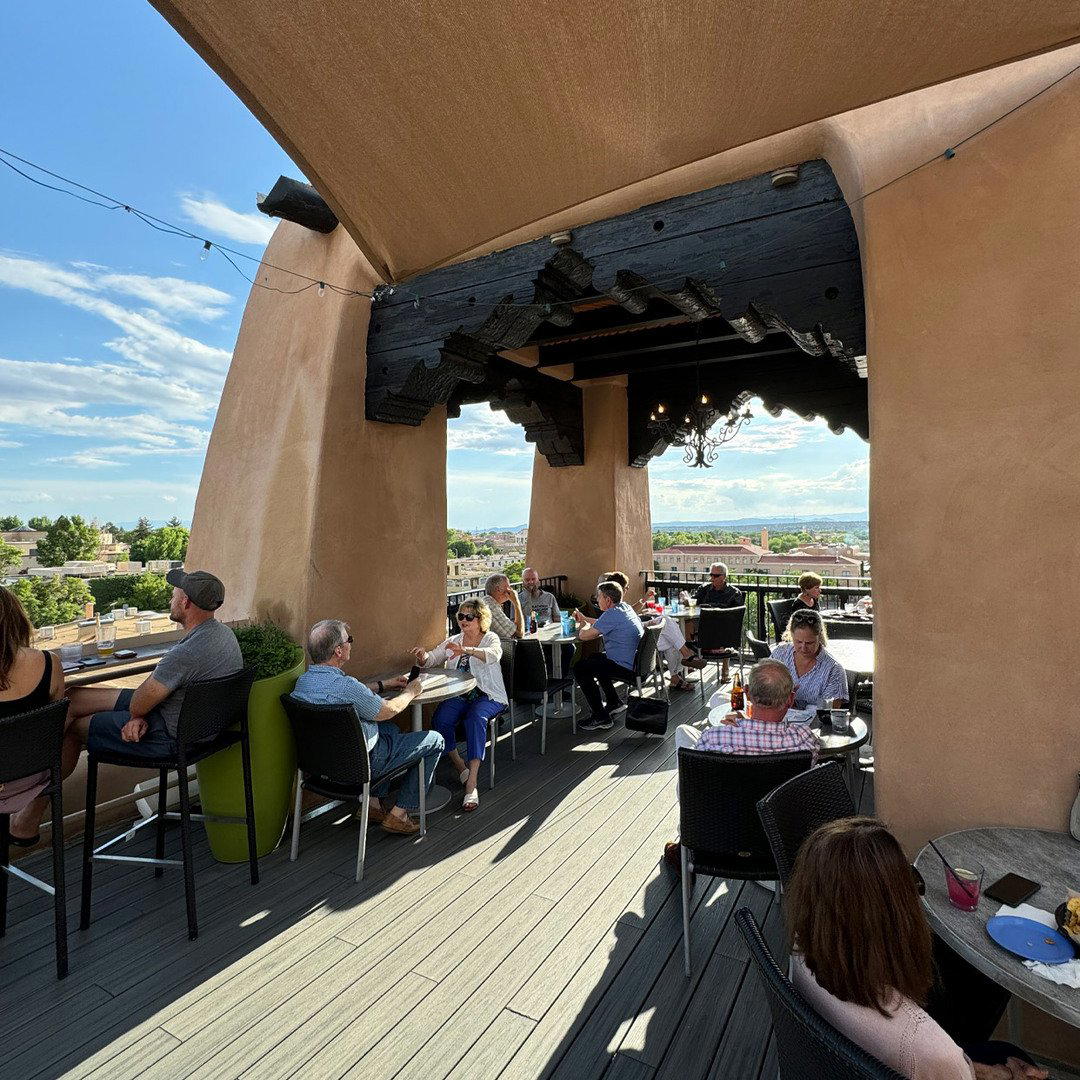
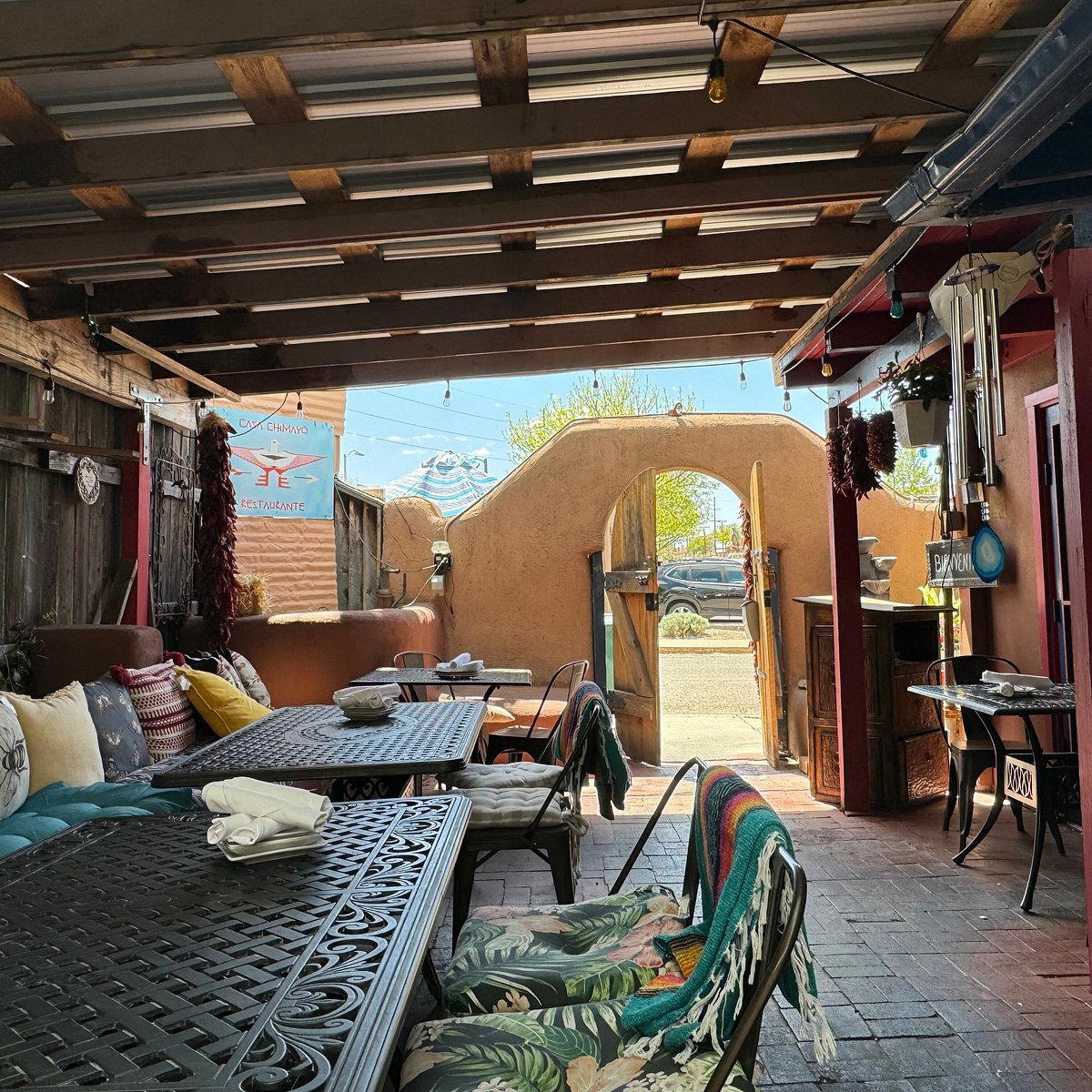
The property's interior courtyard functions as one of Santa Fe's more considered social spaces, particularly during the warmer months when the city's gallery season draws an informed, art-focused visitor. This is characteristic of the broader in-city hotel tier: in a destination where the cultural calendar drives travel decisions, placement and atmosphere matter more than resort amenities. Travelers who want a spa campus on acreage outside town choose properties like the Inn and Spa at Loretto; those who want to walk to the New Mexico Museum of Art in under three minutes choose La Fonda.
The Plaza Address and What It Implies
Location on the Plaza is not merely convenient, it is structural to the La Fonda experience. The Plaza has served as Santa Fe's commercial and civic center since the city's founding, and the hotel's address at its eastern edge means that the property is embedded in the same street grid as the Palace of the Governors, the Cathedral Basilica of St. Francis of Assisi, and the Canyon Road gallery corridor a short walk east. For a city where history is a primary attraction, proximity to this concentration of sites is a meaningful differentiator against campus-style properties that require a car for access to anything cultural.
That said, the Plaza address carries its own rhythms. Summer and autumn bring the highest visitor concentrations, when the Indian Market (held in August) and the Spanish Market draw collectors and dealers to the square directly outside. Spanish Market, in particular, is staged within view of La Fonda's facade. Booking well in advance for these periods is a practical requirement rather than a precaution: demand from collectors and gallery visitors compresses availability across all of the city's in-center hotels simultaneously.
The closest analogies in the premium hotel category are properties where historical continuity and architectural specificity drive the offer, places like Troutbeck in Amenia or Badrutt's Palace Hotel in St. Moritz, where the building itself is part of the reason you're there. In the American Southwest, the only property that operates at a comparable register of site-specific luxury is Amangiri in Canyon Point, though the formats are entirely different: Amangiri is landscape architecture at scale; La Fonda is urban craft and historical accumulation at the center of a living city.
Planning a Stay: What to Know Before Booking
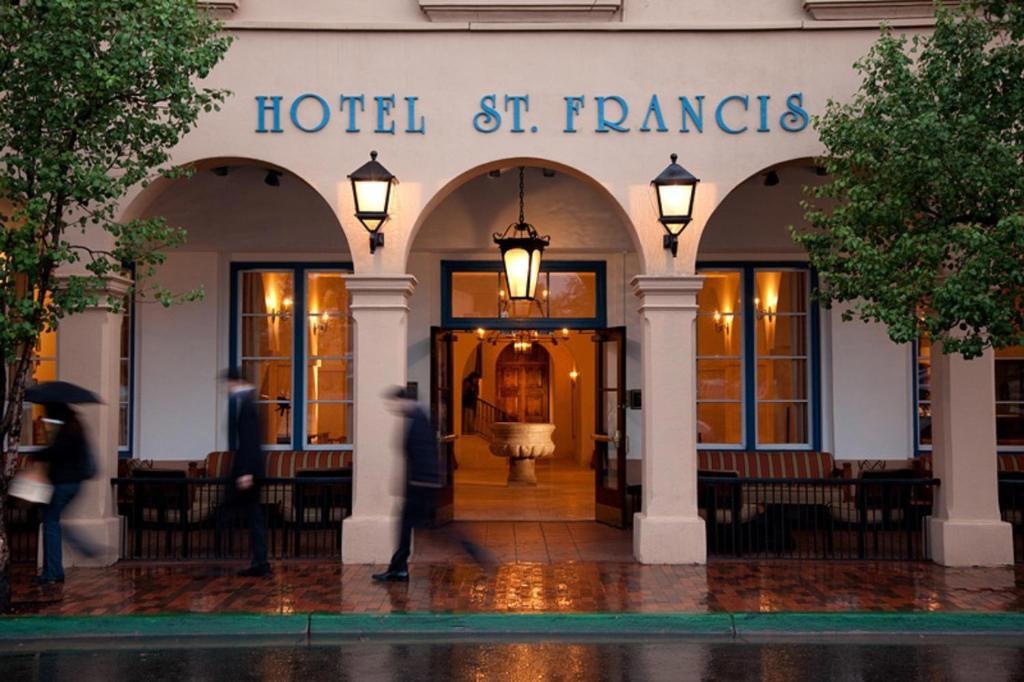
La Fonda on the Plaza sits at 100 E San Francisco St, Santa Fe, NM 87501, directly on the historic Plaza. Hotel Santa Fe, Hacienda & Spa or Hotel St. Francis, both of which carry flag affiliations.
The city's compact walkable center means that a car is largely unnecessary once you're in place, which is one argument for staying on or near the Plaza rather than at outlying resort properties, however well-regarded those may be.
Canyon Ranch Tucson in Tucson moves the Sonoran aesthetic into a wellness framework, while Post Ranch Inn in Big Sur and Sage Lodge in Pray represent how landscape-integrated design plays out in other American contexts.
Other domestic properties with comparable commitments to architectural specificity and cultural context include Inn on the Alameda, a few blocks east near Canyon Road, and La Posada de Santa Fe, a Tribute Portfolio Resort & Spa, which occupies a Victorian-era estate and offers a different historical register within the same city. Neither occupies La Fonda's Plaza-front position, which remains the hotel's single most consequential differentiator.
In Context: Similar Options
Comparable venues nearby, for context on price, style, and recognition.
| Venue | Cuisine | Price | Awards | Notes |
|---|---|---|---|---|
| La Fonda on the PlazaThis venue — the venue you are viewing | Historic Pueblo Revival with authentic New Mexican cultural elements. | $$$ | 4-Star | Not listed |
| Hotel Santa Fe, Hacienda & Spa | Pueblo-style hacienda with Native American cultural immersion | $$$ | 4-Star | Railyard District |
| Inn and Spa at Loretto | Historic boutique resort epitomizing northern New Mexico culture with artist design and internationally prominent accommodations | $$$$ | 4-Star | Downtown Santa Fe |
| Four Seasons Resort Rancho Encantado Santa Fe | Contemporary interpretation of traditional Santa Fe casita design | $$$$ | 5-Star | Sangre de Cristo foothills |
| Hotel St. Francis | Historic boutique hotel with Franciscan monastery theme and Mission Revival architecture. | $$ | 3-Star | Downtown |
| La Posada de Santa Fe, a Tribute Portfolio Resort & Spa | Historic Southwestern resort with Pueblo Revival adobe casitas | $$$$ | 4-Star | downtown |
At a Glance
- Historic
- Well Known
- Elegant
- Rustic
- Romantic Getaway
- Anniversary
- Weekend Escape
- Historic Building
- Wi Fi
- Pool
- Hot Tub
- Fitness Center
- Room Service
- Concierge
- Business Center
- Street Scene
- Wi Fi
- Pool
- Hot Tub
- Fitness Center
- Room Service
- Concierge
- Business Center
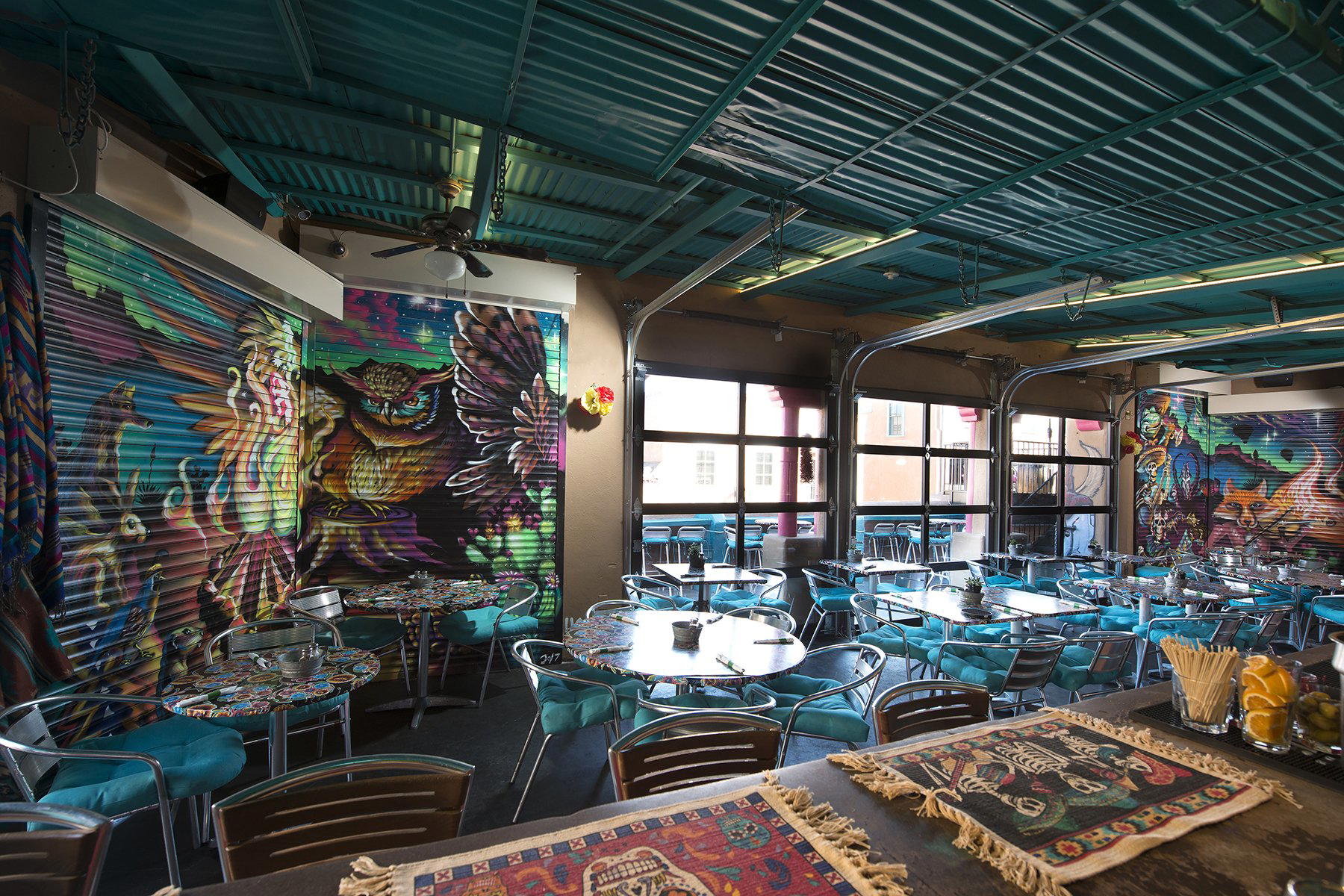
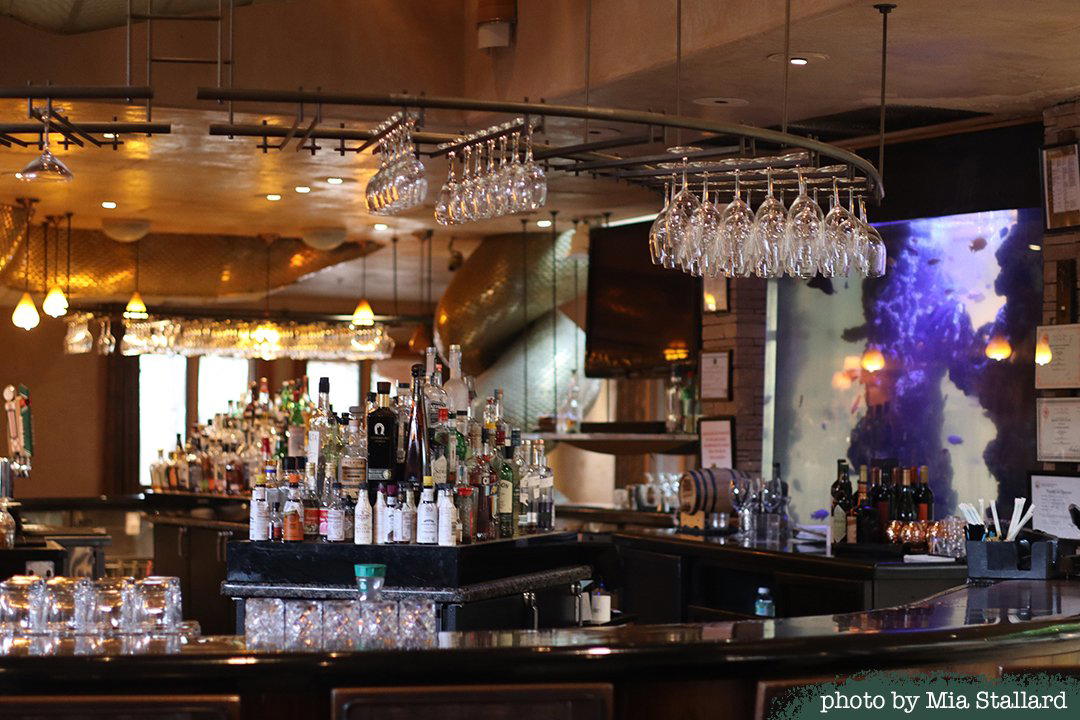
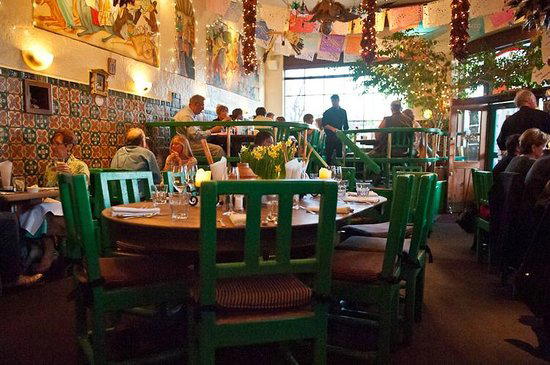
Romantic aura with thick wood-beamed ceilings, stained glass skylights, terracotta tiles, hammered tin chandeliers, and lively local artwork.