Luminaria Restaurant

Wine Spectator Award of Excellence
Our verdict
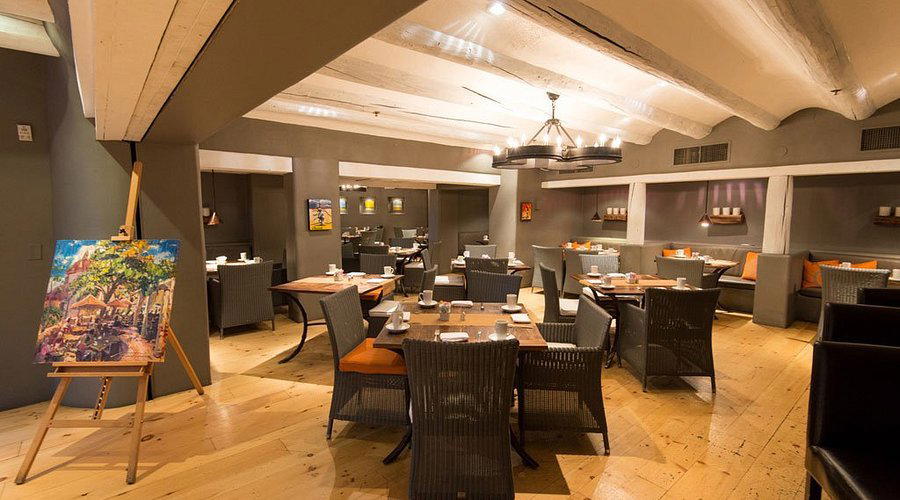
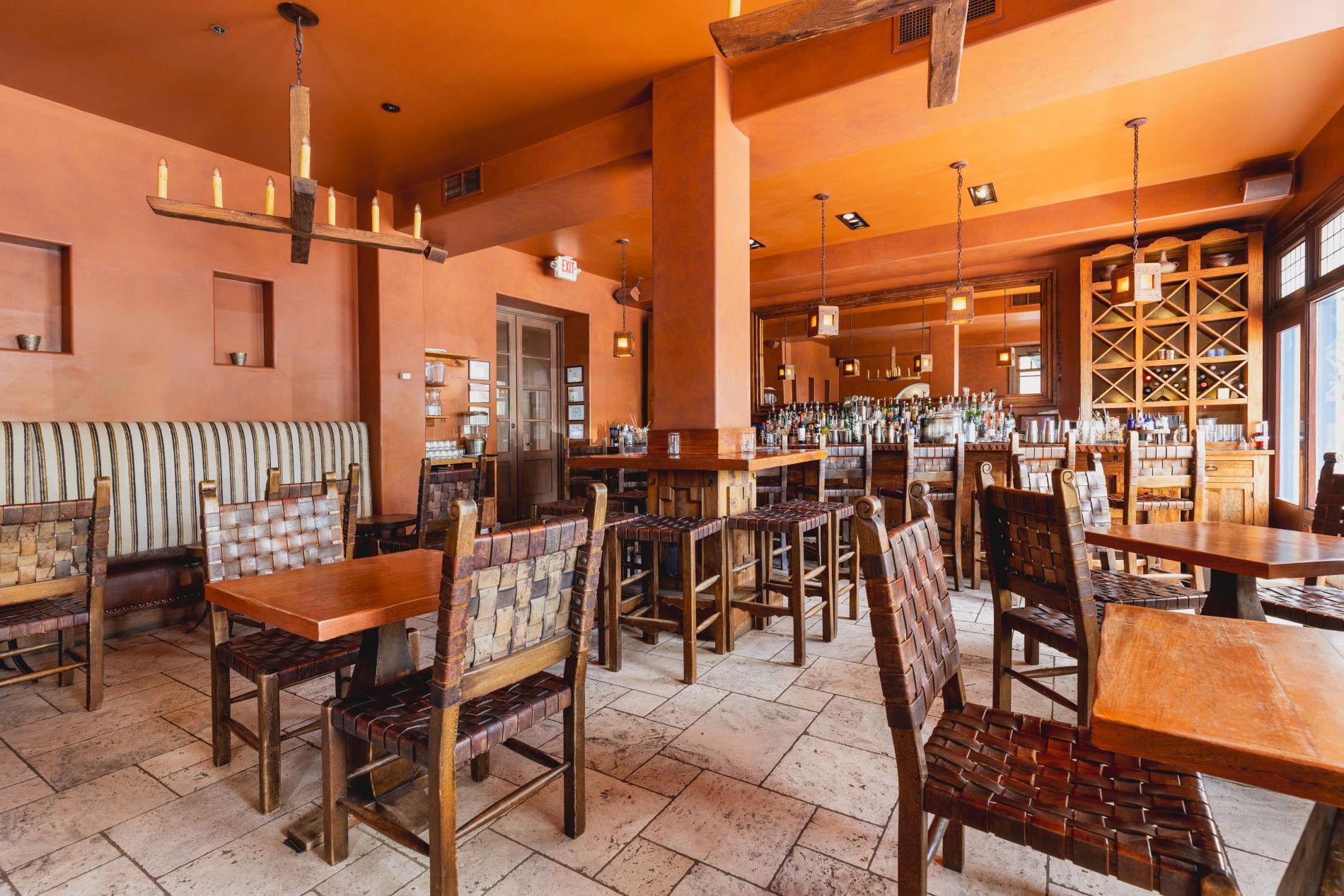
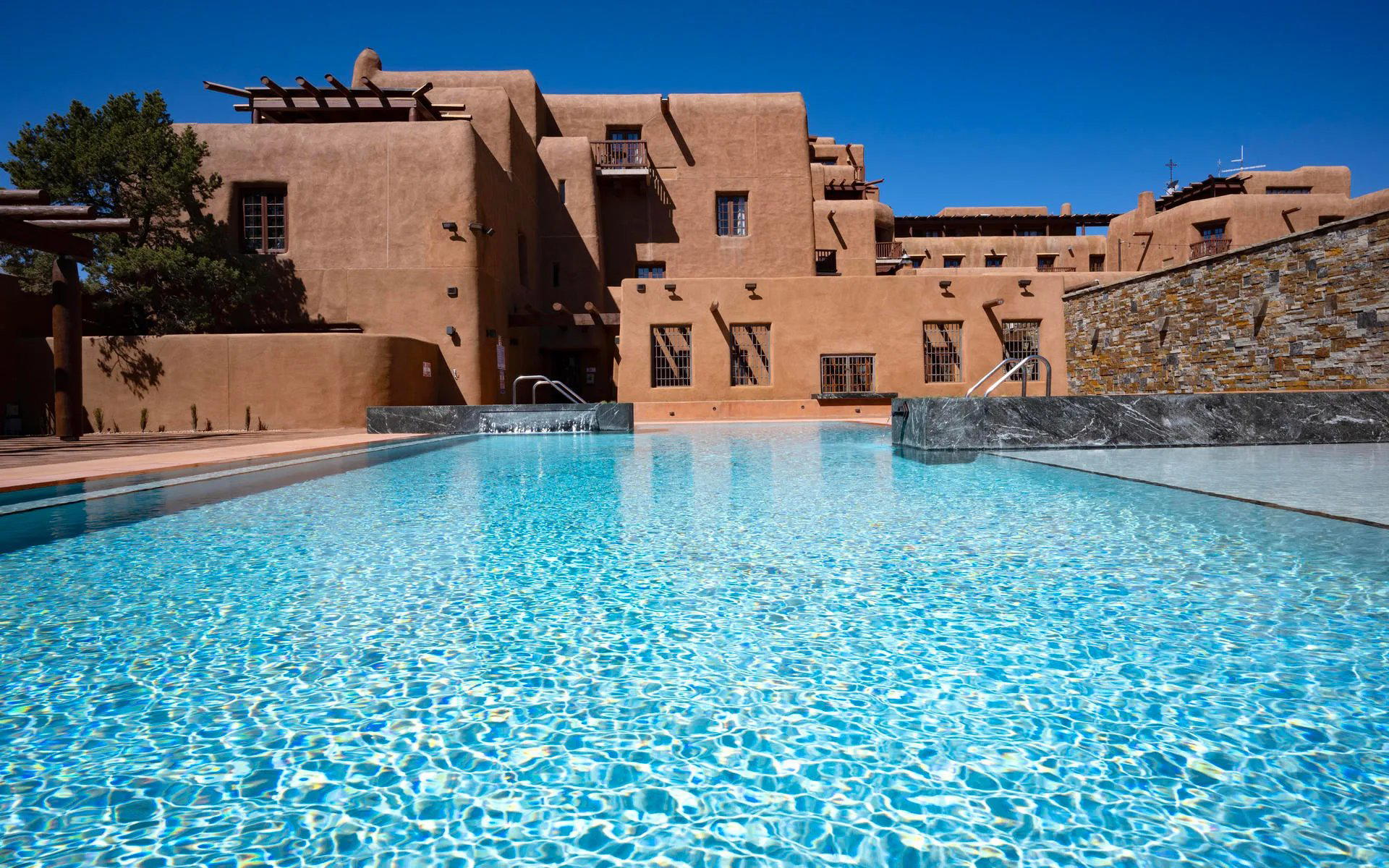
Positioned along Old Santa Fe Trail, Luminaria Restaurant sits within the Inn and Spa at Loretto, drawing on New Mexico's agricultural breadth to anchor its kitchen in regional sourcing. For Santa Fe diners weighing the city's ethical-sourcing tier against more conventional downtown options, it represents the cleaner-conscience end of the market. Expect a dining room that reflects the adobe Pueblo Revival architecture surrounding it.

Pearl is the En Primeur Club membership app — saves, bookings, and concierge access live there. Same editors, same standards.
- Address
- 211 Old Santa Fe Trail, Santa Fe, NM 87501
- Phone
- (505) 984-2400
- Hours
- Mon 7–11 AM, 11:30 AM–2 PMTue–Fri 7–11 AM, 11:30 AM–2 PM, 5–9 PMSat 7 AM–2 PM, 5–9 PMSun 7 AM–2 PM
- Website
- hotelloretto.com
- Directions
- Get directions
- Booking
- Book on OpenTable
The menu
What to order
- Loretto Green Chile Cheeseburger
- Huevos Rancheros
- Green Chile Duck Confit Carbonara
Adobe Walls, Earned Credentials, and the Case for Regional Sourcing
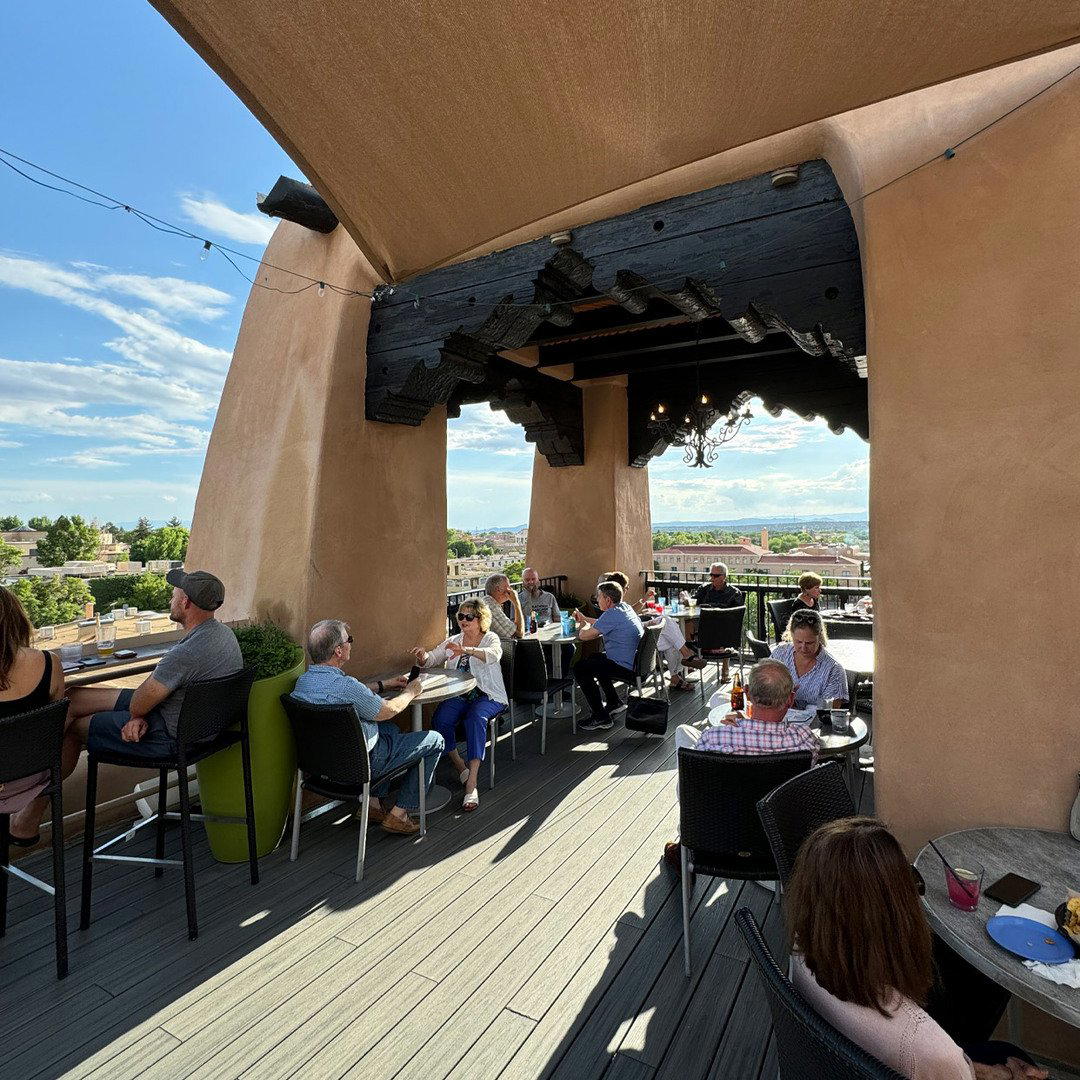
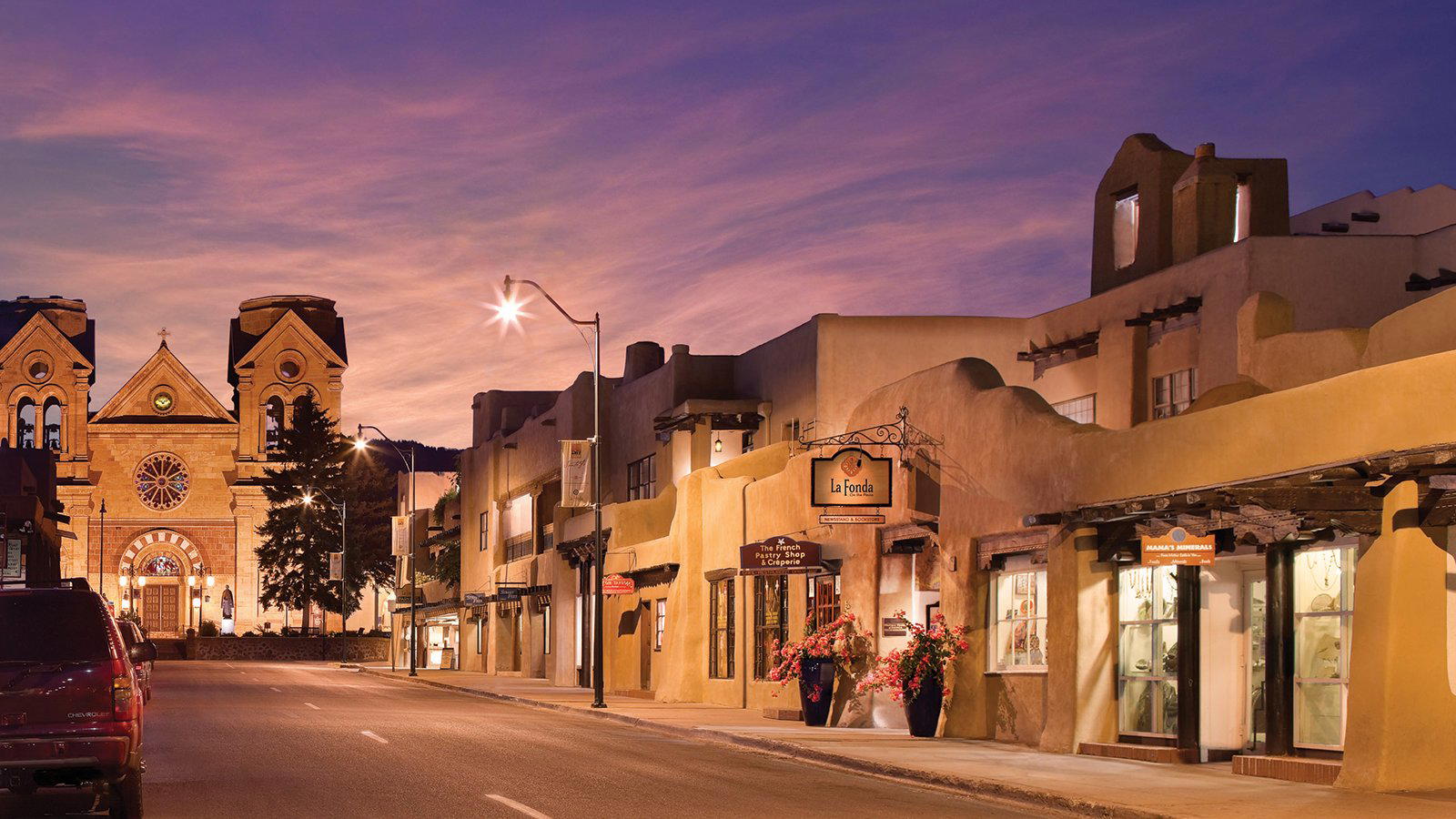
Old Santa Fe Trail is one of those addresses that does the contextual work before you even reach the door. The Inn at Loretto's Pueblo Revival silhouette, modelled on the Taos Pueblo, signals something specific about how Santa Fe presents itself to the world: as a city that treats its pre-colonial architectural inheritance as a living design language, not a museum exhibit. Luminaria Restaurant, situated within that building at 211 Old Santa Fe Trail, inherits that framing automatically. The more interesting question is what the kitchen does with it.
Santa Fe's restaurant market has, over the past decade, split into at least three legible tiers. There are the long-running New Mexican institutions, places like Sazón (New Mexican), which carry deep regional knowledge and strong local followings. There is the mid-market casual layer, represented by spots like Back Road Pizza and Bert's Burger Bowl, where the point is comfort and accessibility. And then there is a smaller set of hotel-anchored dining rooms that operate at the intersection of visitor expectations, regional identity, and the kind of sourcing programs that require actual agricultural relationships to sustain. Luminaria sits in that third category, where the pressure is to be more than a convenient option for inn guests and to actually justify attention from diners who could spend the same evening at 229 Galisteo St or Alkemē.
The Sourcing Logic Behind New Mexico's Premium Dining Rooms
New Mexico's agricultural geography makes a genuine case for hyper-regional sourcing in a way that not every American state can. The high-altitude farms of the Española Valley, the green and red chile harvests of the Rio Grande corridor, the ranching operations spread across the eastern plains — these are not marketing talking points but specific supply chains that a kitchen either taps or ignores. The restaurants that take them seriously tend to eat into their own margins to do so, because working with smaller producers at altitude is structurally more expensive than buying from a regional distributor. That cost discipline is one reliable signal of how committed a kitchen actually is to the sourcing claims it makes.
Nationally, the most rigorous examples of this model, places like Blue Hill at Stone Barns in Tarrytown and Single Thread Farm in Healdsburg, have built entire identities around the distance between the seed and the plate. The logic at that level is not aesthetic; it is philosophical and operational, with waste-reduction protocols, composting loops, and producer relationships that function more like partnerships than purchase orders. Santa Fe's more serious kitchens operate on a smaller scale but within a similar ethical framework, one that treats the New Mexican larder as a non-renewable resource worth protecting through purchasing decisions.
The broader trend across American fine dining is toward sourcing transparency. Smyth in Chicago, Addison in San Diego, and Providence in Los Angeles each built significant reputations partly on how they frame the provenance of their ingredients, not merely on technical execution. Even at the higher end — The French Laundry in Napa, Le Bernardin in New York City, Atomix in New York City, sourcing integrity now reads as a baseline expectation rather than a differentiator. In that context, a Santa Fe dining room that does the sourcing work properly is participating in a national conversation, not just serving regional cuisine to tourists.
What Ethical Sourcing Actually Looks Like at the Table
The sustainability story in restaurant dining is easy to talk about and harder to operationalise. The tell is usually in the menu's specificity: does it name producers, state regions, and change with harvest rhythms, or does it remain stable across seasons in a way that suggests a conventional supply chain behind the local-sounding language? At the more credible end of this spectrum, European models like Atelier Moessmer Norbert Niederkofler in Brunico have pushed toward a zero-waste philosophy where the sourcing geography is essentially a hard constraint on what can appear at all. That level of discipline remains rare in the American Southwest, but the directional pressure in Santa Fe's better kitchens is toward greater specificity and seasonal fidelity.
For a dining room inside a hotel property, the sourcing challenge has an additional layer. Hotel kitchens must accommodate a broader range of dietary requirements, more variable dining hours, and the operational realities of high-occupancy periods, all of which create pressure toward a more flexible and less producer-dependent supply model. The restaurants that manage to hold both, genuine sourcing relationships and hotel-grade operational scope, are the ones worth tracking. Comparable operations nationally, places like Lazy Bear in San Francisco and The Inn at Little Washington in Washington, have shown that a hotel or inn setting does not preclude culinary seriousness. It does, however, require a deliberate choice to prioritise it.
Planning Your Visit
Luminaria's position on Old Santa Fe Trail places it within comfortable walking distance of the Plaza and the State Capitol complex, making it a logical choice for visitors already headquartered in the historic centre. The Pueblo Revival setting means the approach on foot has its own character, especially in the early evening when the adobe walls catch the late New Mexico light. For those treating the city's dining scene as a broader project, the full Santa Fe restaurants guide maps the competitive set more completely and helps orient where Luminaria sits relative to the city's other serious options, including Alkemē and 229 Galisteo St, which occupy a similar premium tier. Given the hotel context, walk-in availability may be more accessible here than at Santa Fe's purely independent fine-dining rooms, though weekend evenings in the main tourist season, broadly April through October, will see fuller rooms and slower service rhythms. Booking ahead for those windows is the practical move.
For those comparing Luminaria against the city's broader options, it sits at the intersection of two things Santa Fe does well: architectural identity and regional-ingredient consciousness. Whether the kitchen is consistently executing at the level those inputs deserve requires a visit to verify, but the structural conditions, hotel investment, regional sourcing opportunity, and a location that draws an engaged dining public, are in place.
Frequently asked questions
Is Luminaria Restaurant okay with children?
The hotel context at Inn at Loretto, 211 Old Santa Fe Trail, makes Luminaria more accommodating for families than Santa Fe's purely destination-focused fine-dining rooms. The Pueblo Revival setting and hotel dining rhythm tend to produce a more relaxed pace than a tasting-menu-only counter. That said, weekend evenings during the April-through-October high season skew toward adult hotel guests and arts-calendar visitors, so timing matters.
What is the atmosphere like at Luminaria Restaurant?
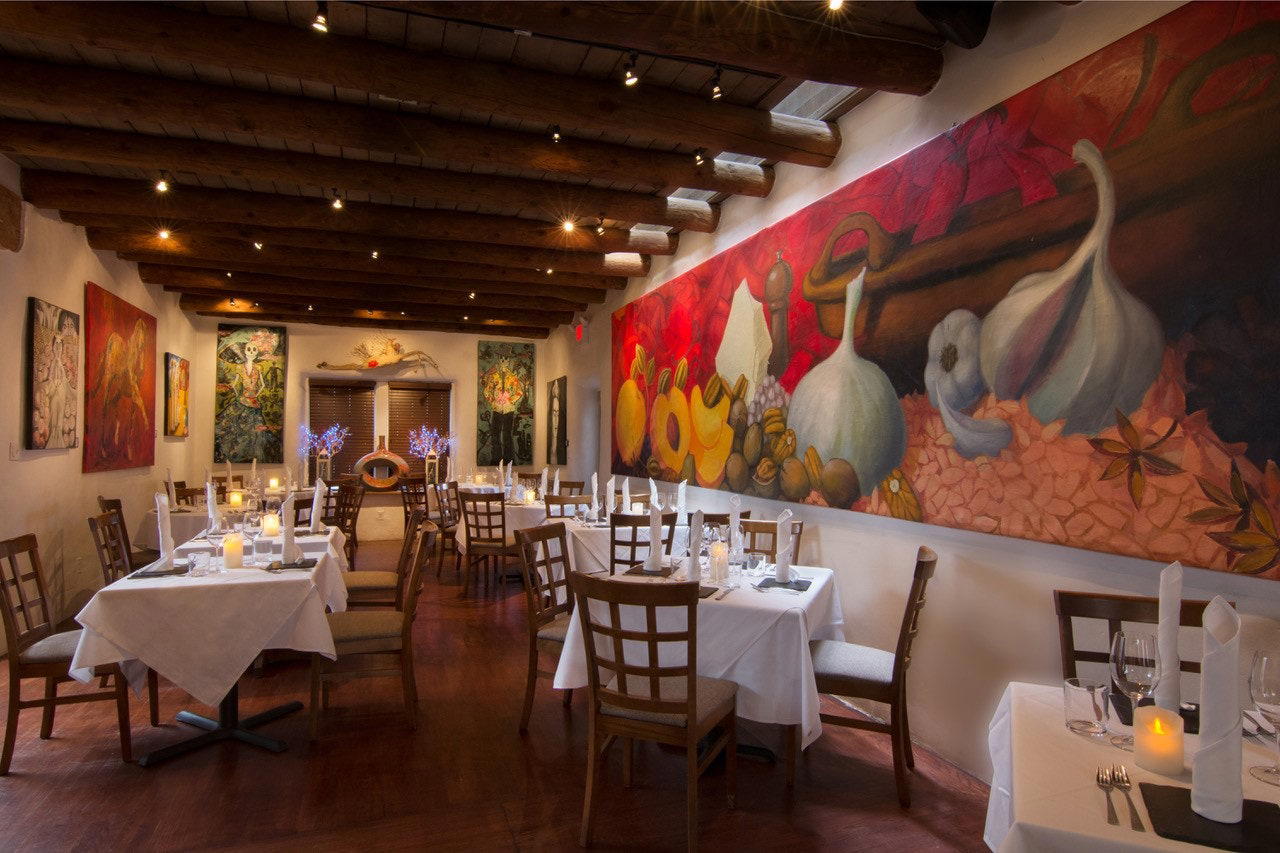
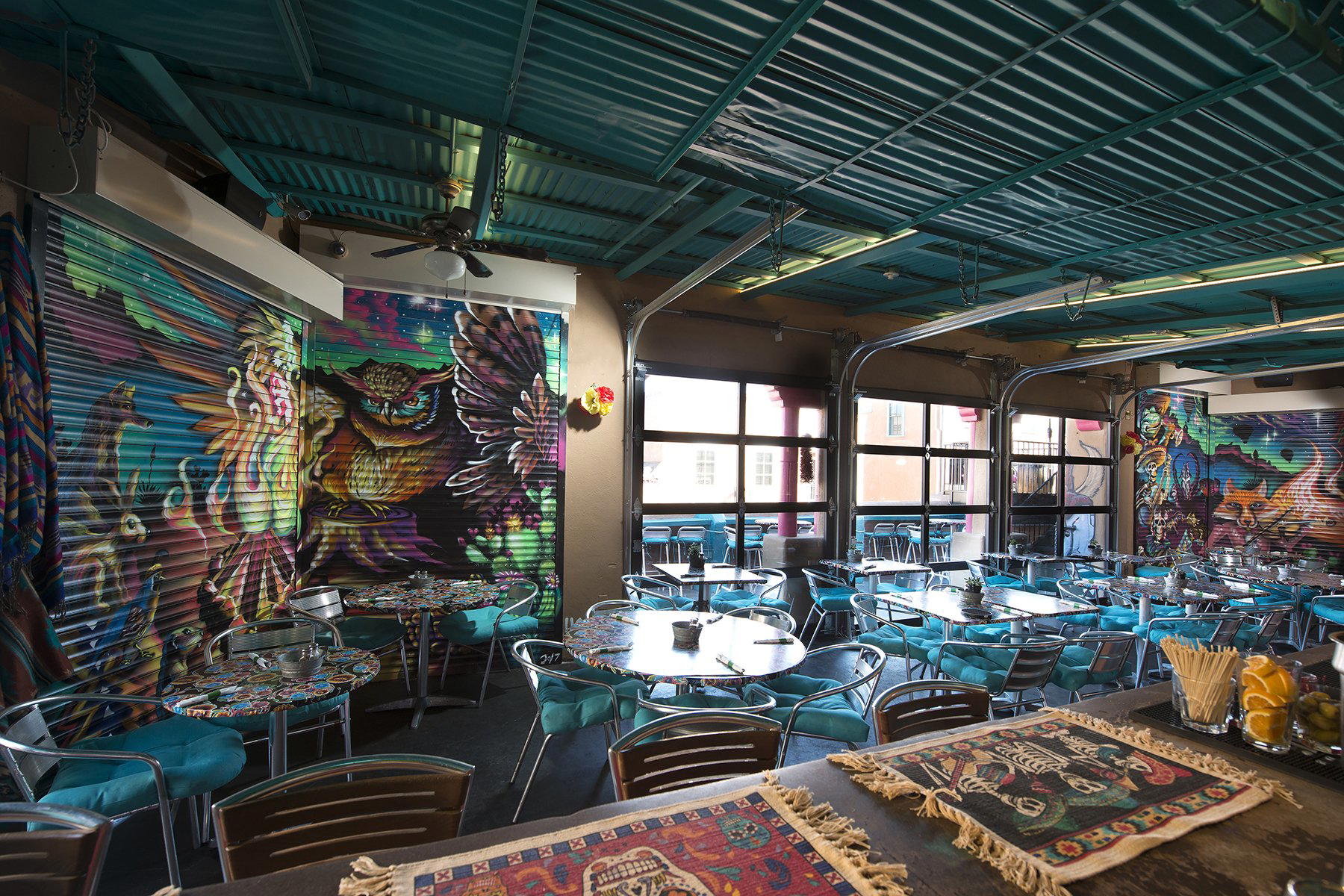
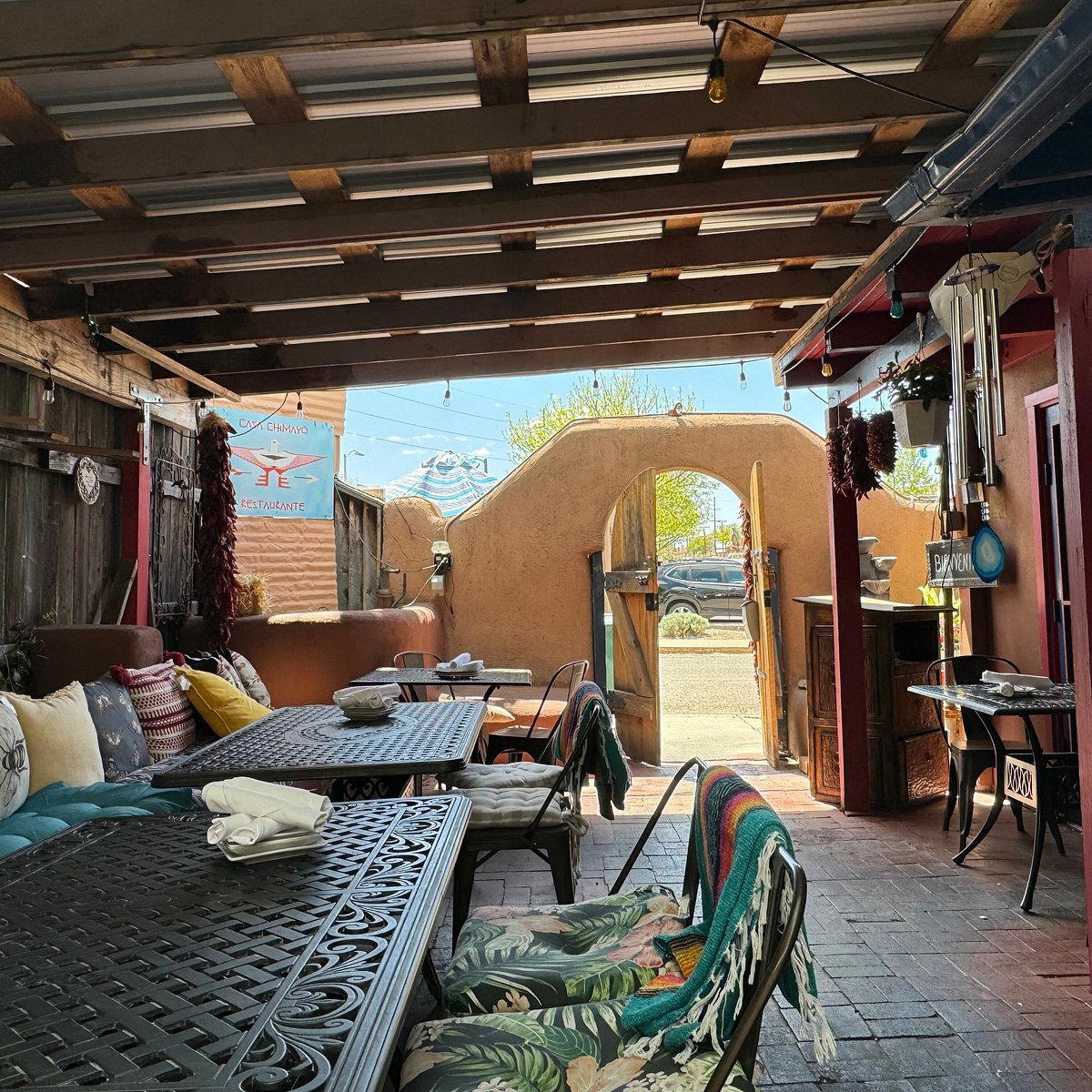
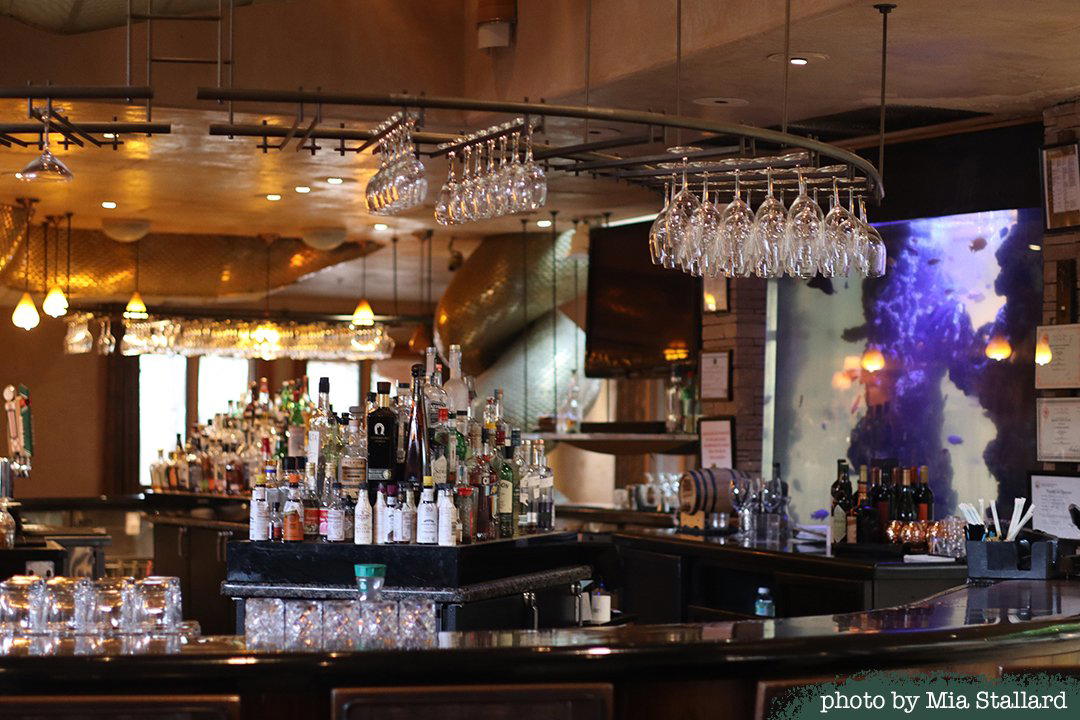
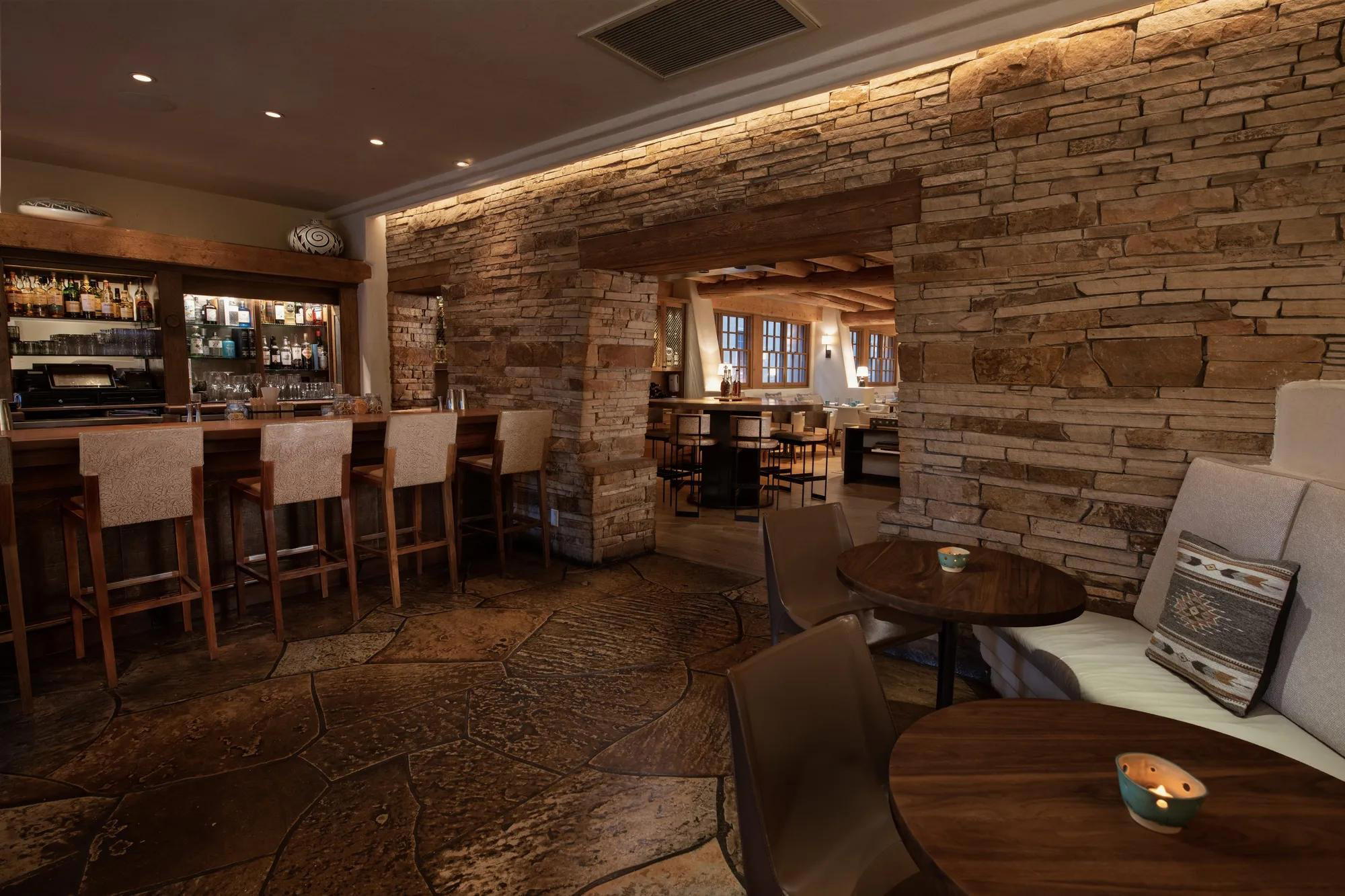
Arriving from a city with a dense fine-dining grid, the room at Inn at Loretto reads as composed rather than high-tension — Pueblo Revival architecture, adobe-influenced detailing, and a location on Old Santa Fe Trail that connects the Plaza to the State Capitol. The pace favors a longer meal without the performance pressure of a counter-seat omakase or a Michelin-listed city room. It functions as a serious regional dining room inside a hotel envelope.
Does Luminaria Restaurant reflect New Mexico's wine and spirits producers alongside its food sourcing?
New Mexico has a historically significant wine region with production concentrated in the Rio Grande Valley and the Mesilla Valley in the southern part of the state, making it a plausible fit for a Santa Fe restaurant with a stated regional sourcing orientation. Asking the floor team about New Mexico-label pours is the clearest way to gauge how far the beverage program extends the kitchen's regional sourcing logic.
What's the must-try dish at Luminaria Restaurant?
What New Mexico's culinary tradition consistently anchors to is green or red chile preparation — a choice that functions as a genuine regional identity marker rather than a garnish. Asking your server about the current chile sourcing is the most direct way to read how far Luminaria's kitchen takes its regional sourcing commitment on any given visit.
Where is Luminaria Restaurant located?
Luminaria Restaurant is located at 211 Old Santa Fe Trail, Santa Fe, NM 87501, Santa Fe.
How far ahead should I plan for Luminaria Restaurant?
Book at least one week ahead for weekend visits during the main season, which runs April through October in Santa Fe. The city's arts calendar — particularly the Santa Fe Indian Market in August and the Santa Fe Opera season — compresses hotel and restaurant capacity significantly, and Inn at Loretto's position on Old Santa Fe Trail places it at the center of that demand. Off-season visits from November through March carry considerably less booking pressure.
What do critics highlight about Luminaria Restaurant?
Regional food media in New Mexico tends to foreground the sourcing relationships that Santa Fe's better hotel dining rooms maintain with high-altitude farms and chile producers. That framing — provenance over spectacle — is the consistent editorial lens applied to this category of restaurant in the city.
Compact Comparison
Comparable venues nearby, for context on price, style, and recognition.
| Venue | Cuisine | Price | Awards | Notes |
|---|---|---|---|---|
| Luminaria RestaurantThis venue — the venue you are viewing | Modern American Southwestern Fusion | Not listed | Wine Spectator Award of Excellence | Not listed |
| Santacafé | Modern American with Southwestern Flair | $50–100 | Not listed | Downtown Santa Fe, Modern American with Southwestern Flair |
| State Capital Kitchen | New American Dim Sum | Not listed | Not listed | Downtown Santa Fe, New American Dim Sum |
| Zia Diner | New Mexican Comfort Diner | Not listed | Not listed | Railyard, New Mexican Comfort Diner |
| Joseph's Culinary Pub | Modern New Mexican Gastropub | $50–100 | Michelin Plate · James Beard Award Semi Finalist | Railyard District, Modern New Mexican Gastropub |
Recognition history
Dated appearances from independent guides and award organizations, with the underlying list record or original source where available.
Wine Spectator Award of Excellence
Wine Spectator
Details
- Elegant
- Rustic
- Sophisticated
- Date Night
- Special Occasion
- Brunch
- Hotel Restaurant
- A La Carte
- Vegetarian Friendly
- Vegan Options
- Gluten Free Options
Current opening hours
- Monday
- 7–11 AM, 11:30 AM–2 PM
- Tuesday
- 7–11 AM, 11:30 AM–2 PM, 5–9 PM
- Wednesday
- 7–11 AM, 11:30 AM–2 PM, 5–9 PM
- Thursday
- 7–11 AM, 11:30 AM–2 PM, 5–9 PM
- Friday
- 7–11 AM, 11:30 AM–2 PM, 5–9 PM
- Saturday
- 7 AM–2 PM, 5–9 PM
- Sunday
- 7 AM–2 PM
Hours can change for holidays and private events. Last verified .
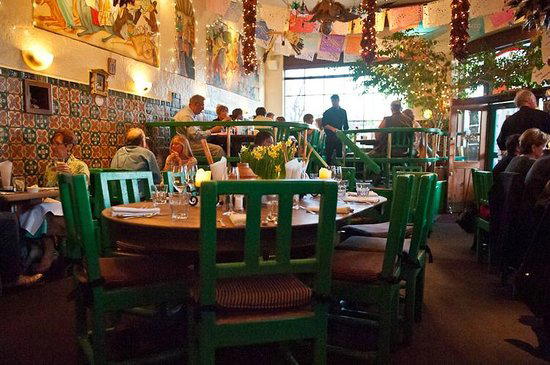
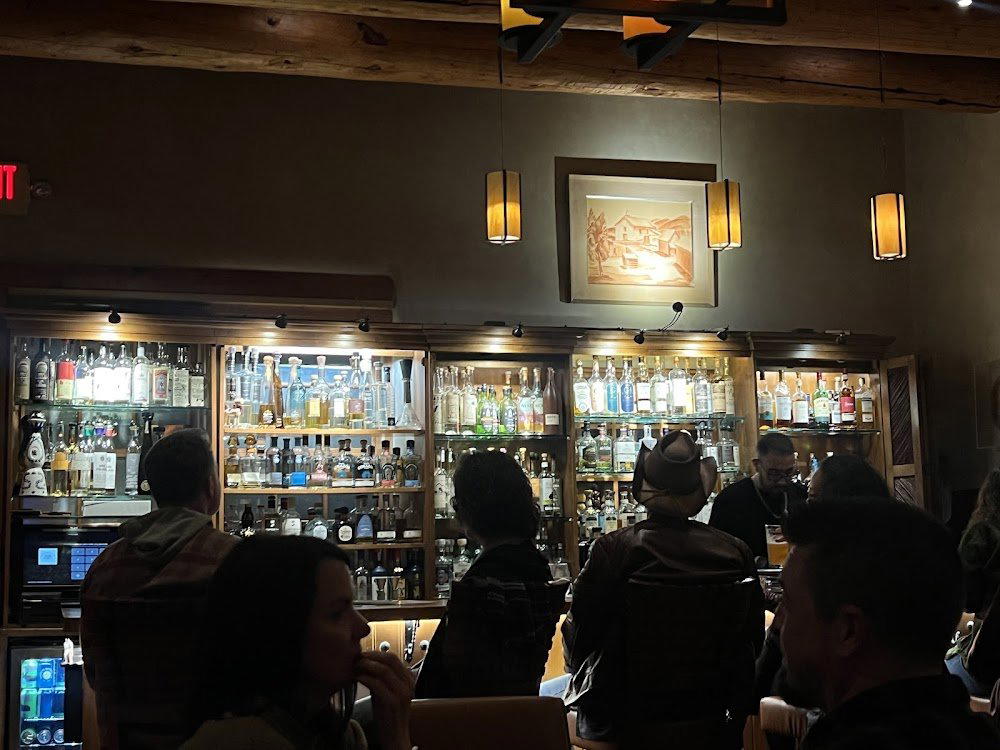
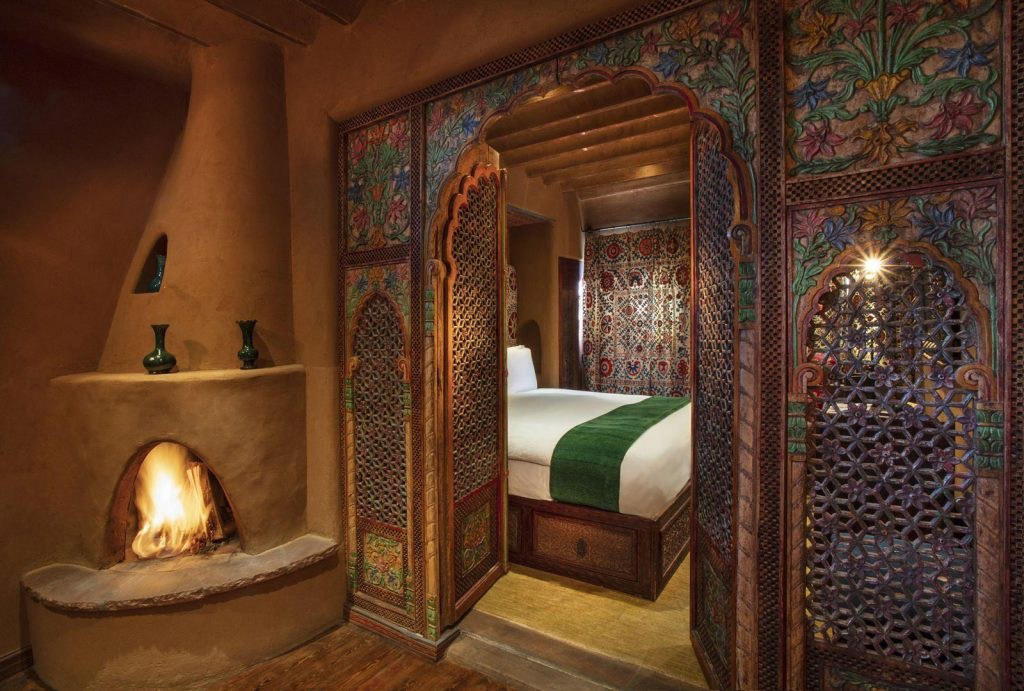
Tranquil and inviting with rustic Southwestern charm, modern sophistication, and a blazing fireplace; beautiful patio under trees.