
Inari Omakase Kuruçeşme holds back-to-back Michelin Bib Gourmand recognition for 2024 and 2025, placing it among a small group of Japanese Contemporary addresses in Istanbul that offer serious omakase formats at mid-range pricing.
Pearl is the En Primeur Club membership app — saves, bookings, and concierge access live there. Same editors, same standards.
- Address
- Kuruçeşme, Kuruçeşme Cd. No:11, 34345 Beşiktaş/İstanbul, Türkiye
- Phone
- +90 212 265 96 01
- Website
- inariomakase.com
- Directions
- Get directions
 Saves & bookings on Pearl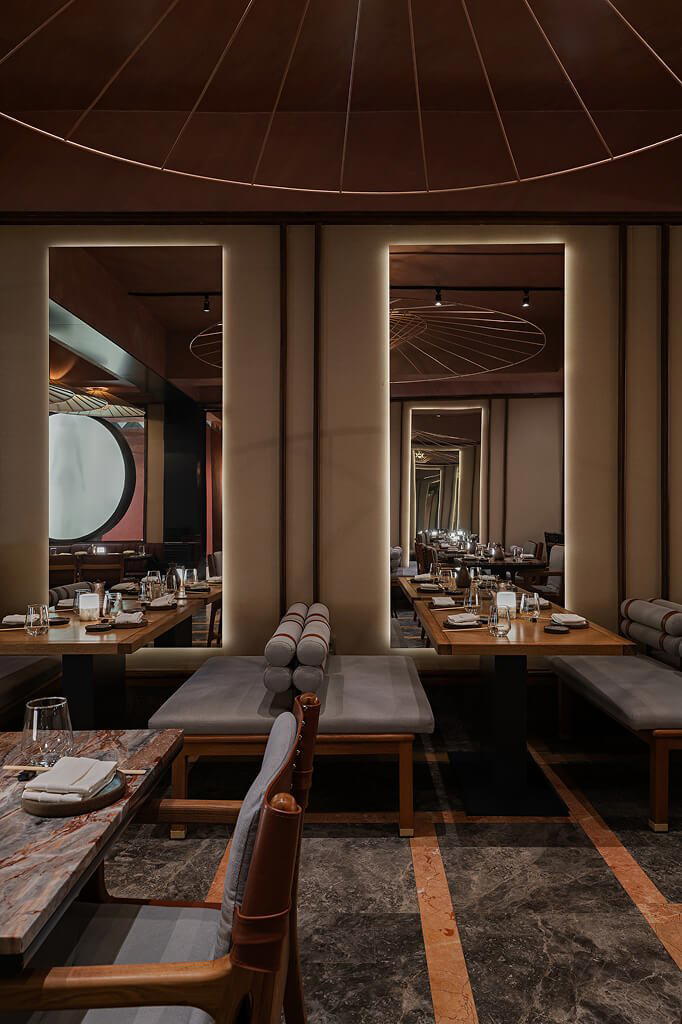
Where the Bosphorus Meets the Omakase Counter
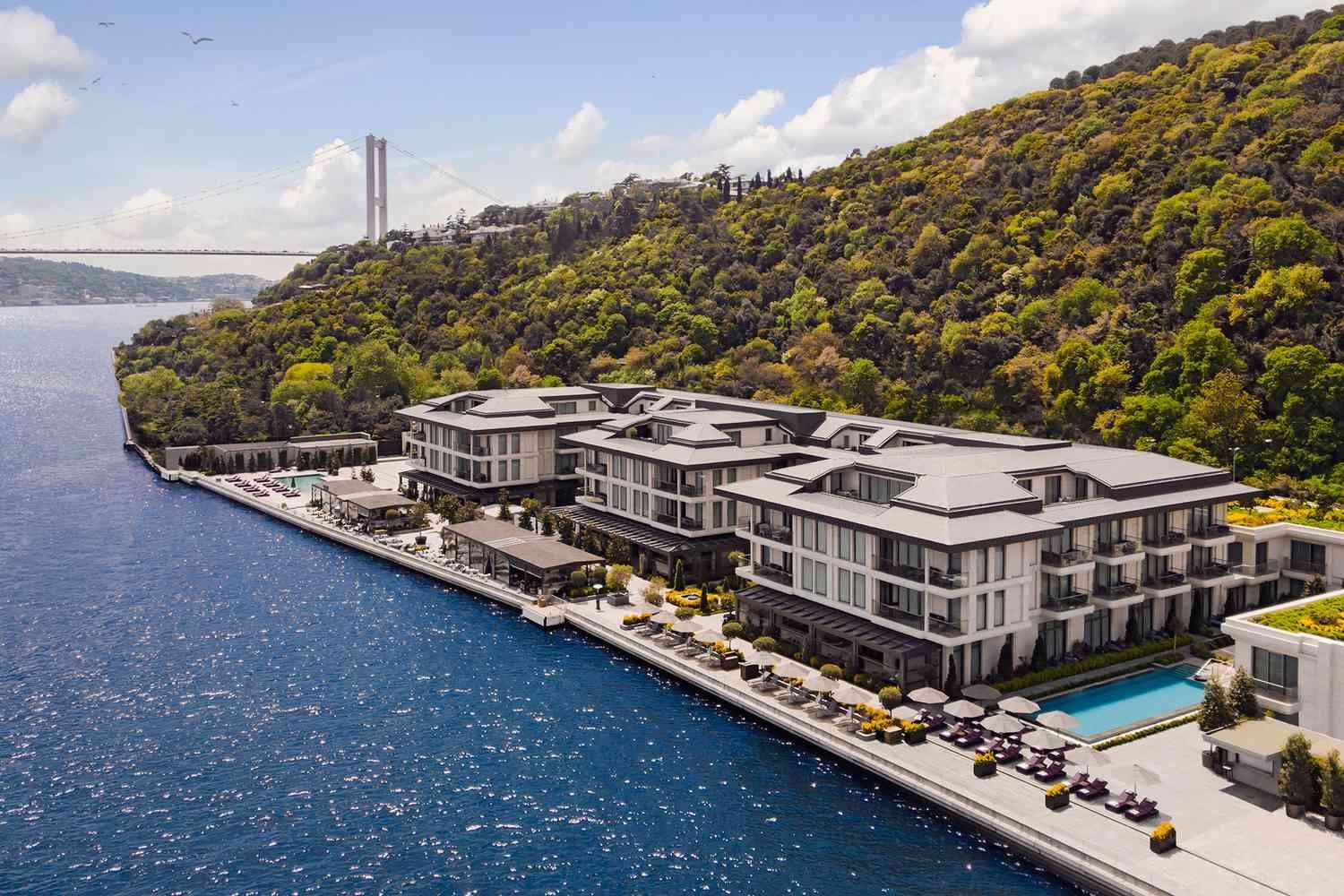
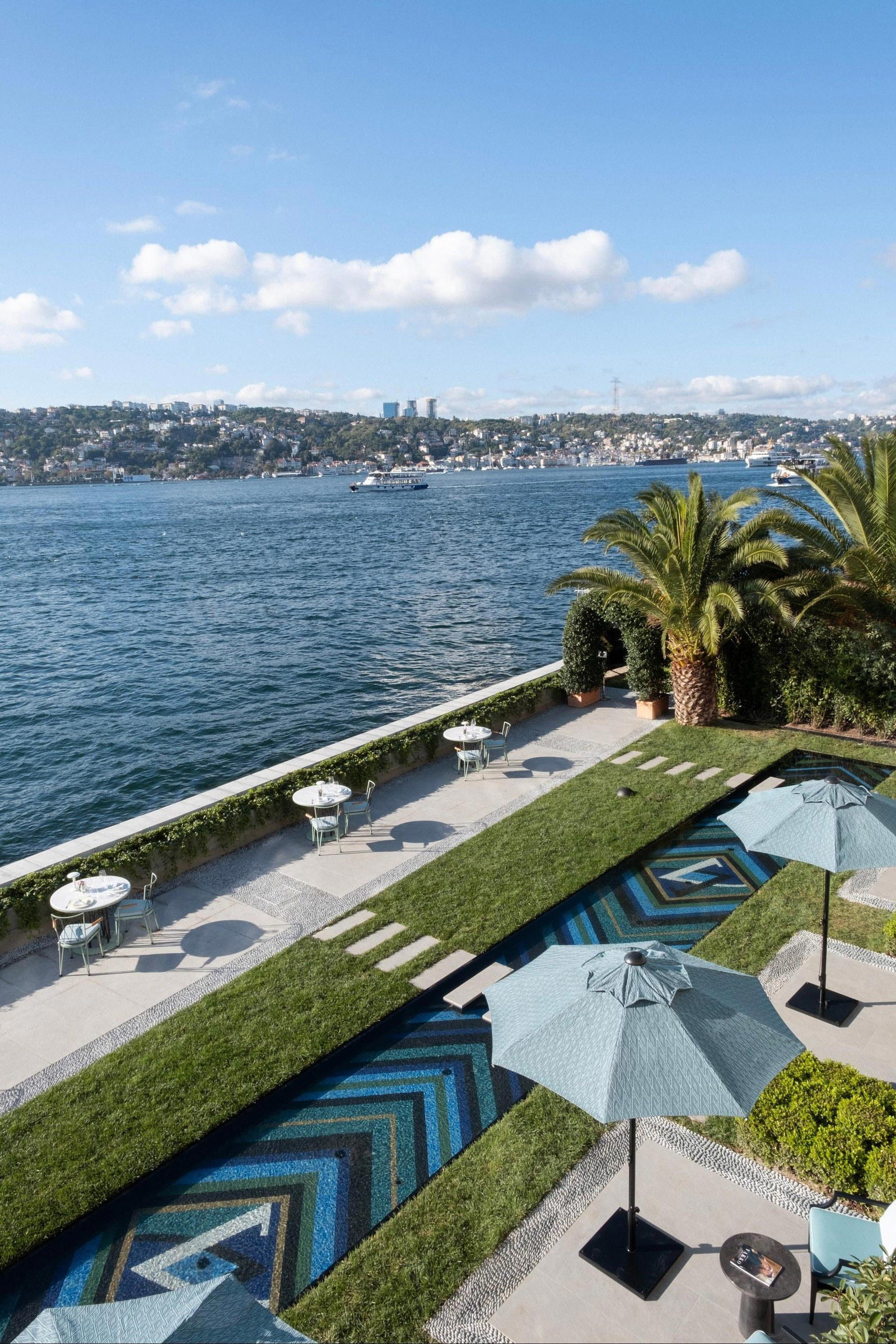
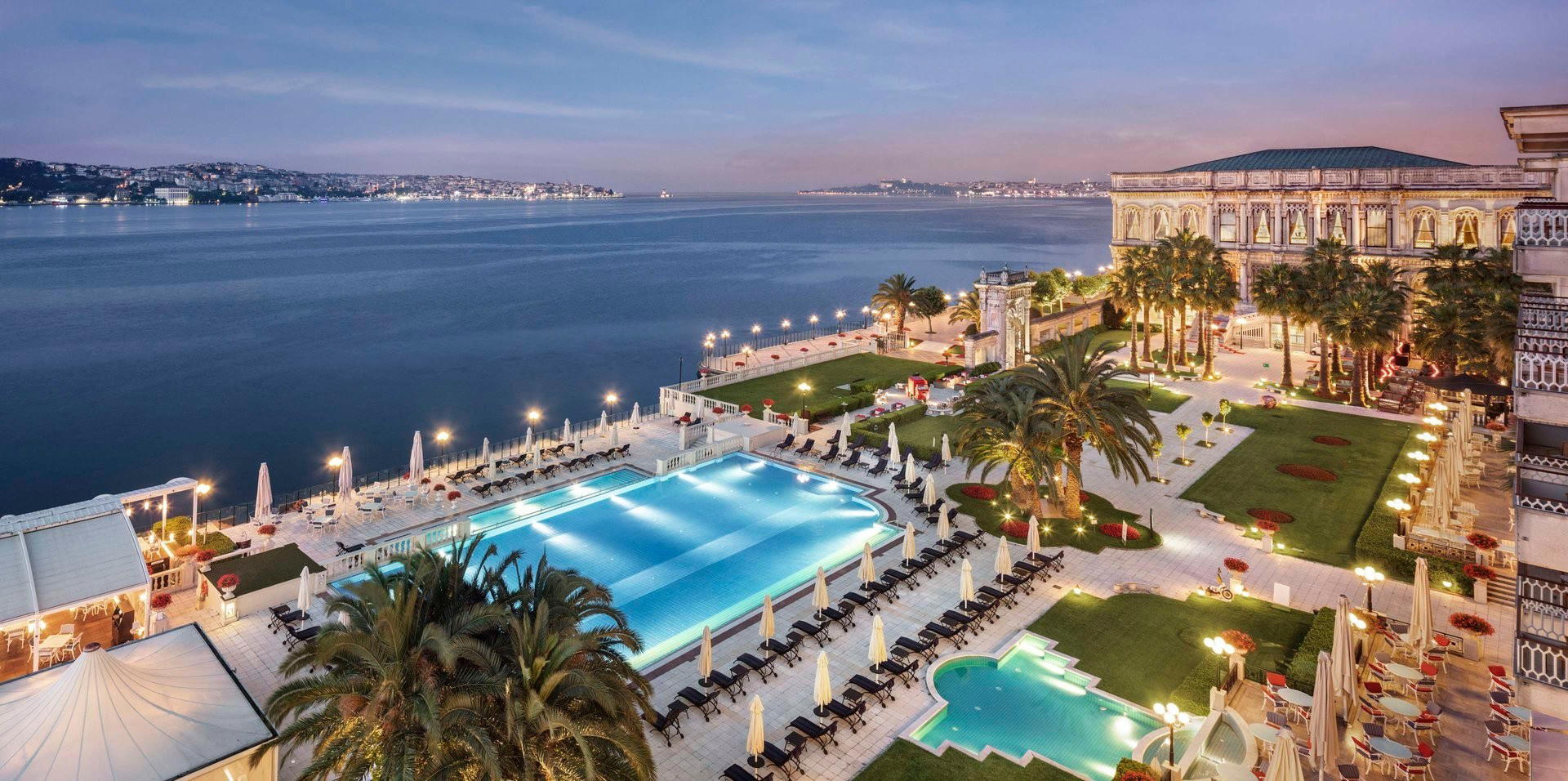
Kuruçeşme sits on the European shore of the Bosphorus, roughly between Beşiktaş and Arnavutköy, in a neighbourhood that has spent the last decade consolidating its position as Istanbul's most quietly serious dining corridor. The waterfront road is lined with old yalı facades and a handful of addresses that attract a local clientele with international points of reference. It is the kind of street where the setting does much of the framing before you have even sat down.
Inari Omakase operates within that context — a Japanese Contemporary counter format in a city where Japanese dining has historically split between high-volume, Nobu-influenced social restaurants and a smaller, more disciplined tier of omakase-led formats. The latter has grown steadily in Istanbul over the past five years, driven partly by a Turkish dining public that has become more fluent in Japanese culinary codes, and partly by the city's position as a crossroads for internationally trained chefs. Inari sits in this smaller, more focused tier, and its Michelin Bib Gourmand recognition in both 2024 and 2025 positions it as the accessible entry point into that world — not a compromise, but a deliberate price-point decision in a format that elsewhere in Europe commands considerably more.
The Omakase Tradition, Transplanted
Omakase, the Japanese practice of leaving the menu entirely to the chef's discretion, carries specific cultural weight that gets tested every time it moves to a new geography. In Tokyo, the format is underwritten by decades of supplier relationships, seasonal calendars, and a competitive density that enforces discipline. When omakase travels, the question is always what survives the translation: the pacing, the restraint, the sourcing logic, or simply the aesthetic surface.
Istanbul is an interesting host city for this test. Turkish food culture shares with Japanese cuisine a deep respect for ingredient provenance, the obsession with which region a fish or vegetable came from is as native to Istanbul's food conversation as it is to Osaka's. The Bosphorus itself, with its migratory fish patterns, gives local sourcing a genuine argument. A counter in Kuruçeşme can plausibly build part of its omakase logic around local seafood without it reading as a concession. This is the productive tension that Japanese Contemporary as a category exploits: the vocabulary of Japanese technique applied to ingredients that carry different geographic stories.
Chef Andrea Impero brings a European name to a Japanese format in a Turkish city, a layering that is itself characteristic of how contemporary omakase has internationalised. The format's discipline, rather than any single national identity, has become the throughline. For context on how Japanese dining is evolving across Istanbul's more formal tier, Sankai by Nagaya and Zuma İstanbul represent the range from traditional washoku lineage to high-volume contemporary Japanese, Inari occupies a different register from both.
Michelin's Bib Gourmand Signal and What It Means Here
Consecutive Michelin Bib Gourmand recognition, in 2024 and again in 2025, is a specific credential worth parsing. The Bib Gourmand is not a consolation prize for restaurants that missed a star; it is a category designed for addresses where quality exceeds what the price point would normally predict. In Istanbul's Michelin landscape, where the starred tier is anchored by restaurants such as Türk Fatih Tutak (two stars, ₺₺₺₺), Mikla, and Neolokal (each at ₺₺₺₺ with one star), Inari's ₺₺ price range creates a meaningful separation.
The practical implication is that Inari runs at roughly half the price point of Istanbul's Michelin-starred dining tier while earning its own Michelin recognition. For a format, omakase, that in comparable cities (London, Paris, Zurich) routinely operates at the highest price brackets, this is an anomaly worth noting.
For a wider view of what Michelin recognition means across Istanbul's dining scene, our full Istanbul restaurants guide maps the current landscape by neighbourhood and category.
Kuruçeşme as Context
The address on Kuruçeşme Caddesi, No. 11, places Inari on a street that runs along the Bosphorus shore in Beşiktaş district. Kuruçeşme is not the neighbourhood visitors typically prioritise, Beyoğlu and Galata absorb most of the attention for dining and bars, but that relative lower profile is partly what makes it work for a counter-format restaurant. The omakase pacing, which demands a certain quietness and focus, fits a neighbourhood that is animated by a local crowd rather than high tourist throughput.
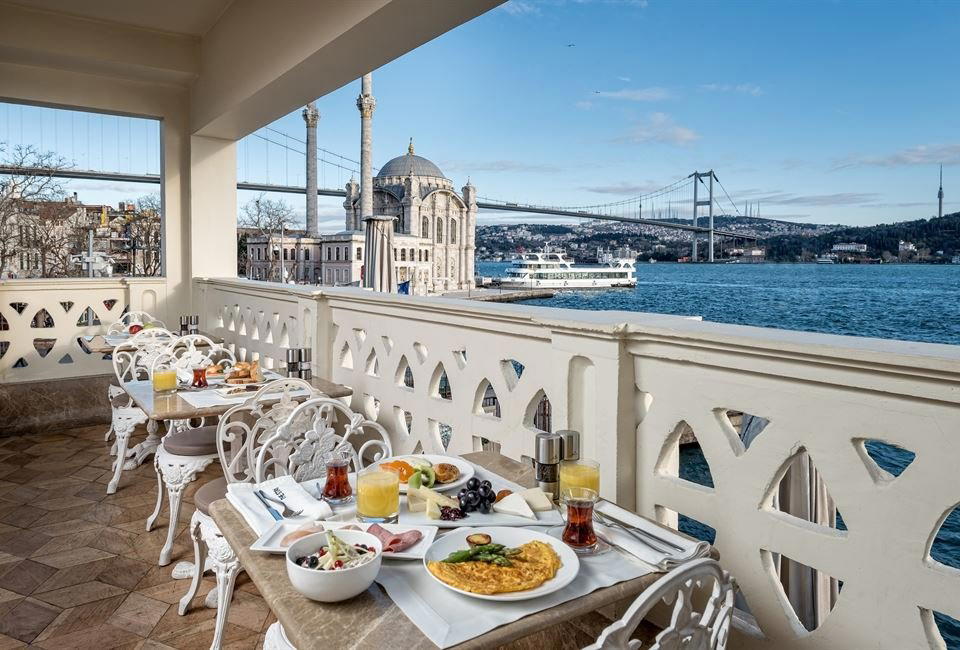
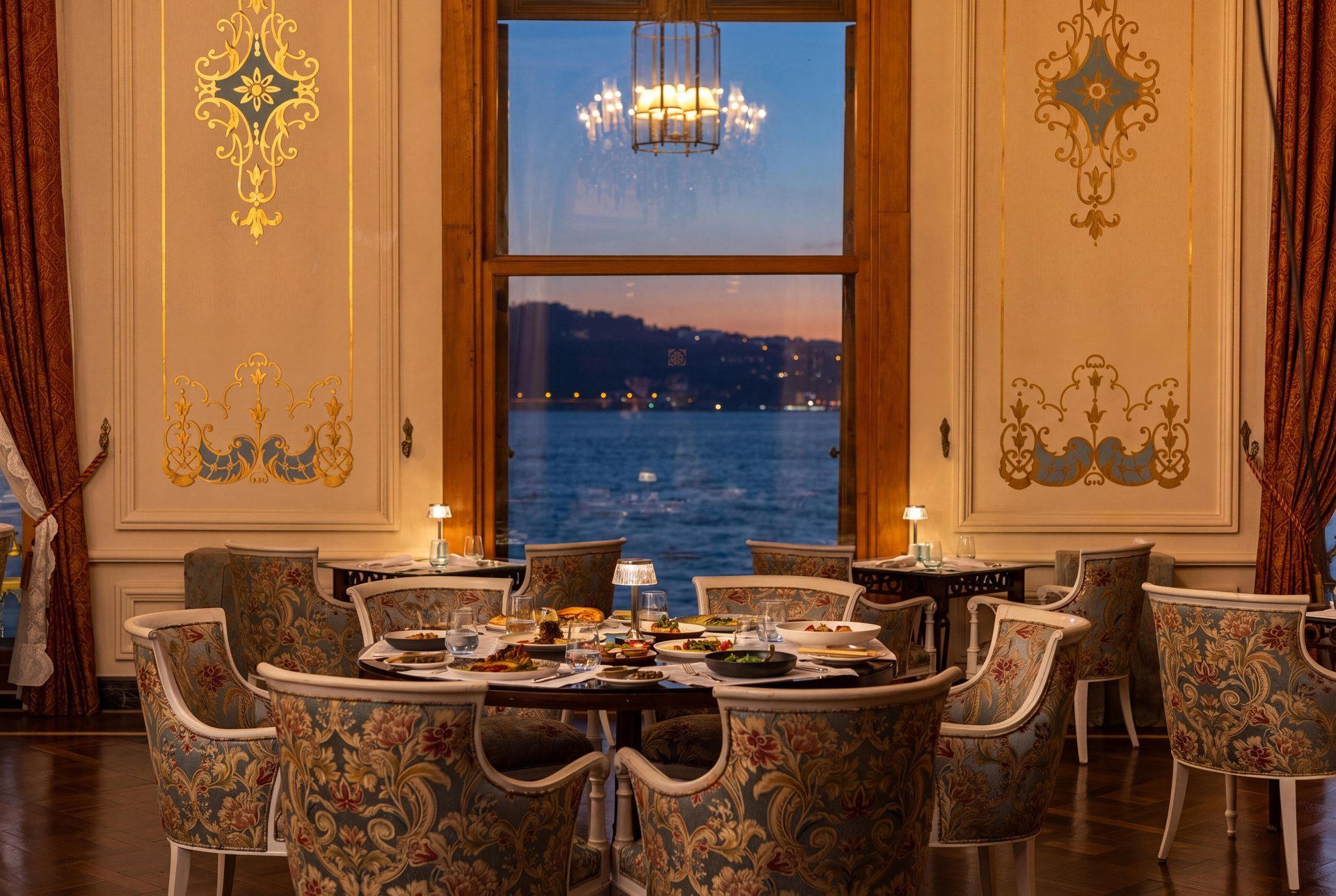
Arriving from the city centre, the European shore drive along the Bosphorus is itself a piece of the experience, the water visible through the yalı gaps, the light changing through the afternoon. The neighbourhood's dining character leans residential and intentional; the people who come here have usually come for a specific reason. That selectivity in the local clientele is one of the things that sustains a format like omakase, which asks something of the diner as well as the kitchen.
Istanbul has strong supporting infrastructure for travellers staying in other parts of the city. For accommodation context, our Istanbul hotels guide covers properties across European and Asian shore neighbourhoods. For after-dinner options in the broader city, the Istanbul bars guide is useful, and for those extending their time in Turkey, options like Kitchen by Osman Sezener in Bodrum, Narımor in Izmir, and Ahãma in Göcek represent the spread of serious dining across the country's western coast.
For those interested in how Japanese Contemporary operates in other international contexts, The Japanese Restaurant in Andermatt and Eika in Taipei offer useful comparisons in format and market positioning. Elsewhere in Turkey, 7 Mehmet in Antalya, Agora Pansiyon in Milas, and Aravan Evi in Ürgüp illustrate how seriously the country's regional dining scene has developed beyond the major cities.
Planning a Visit
Inari operates at ₺₺ pricing, which for an omakase format in Istanbul makes advance reservation advisable, the combination of counter seating, Michelin recognition, and a relatively contained dining room means demand reliably exceeds capacity. Booking ahead rather than attempting a walk-in is the practical approach, particularly on weekends and during the spring and autumn months when Istanbul's restaurant trade is at its most active. Specific hours and booking channels are not published in EP Club's verified database; the restaurant's current booking method should be confirmed through Google or local reservation platforms. The address is Kuruçeşme Caddesi No. 11, Beşiktaş, Istanbul. For broader planning across Istanbul's dining, drinking, and experience options, the Istanbul experiences guide and the Istanbul wineries guide cover the full picture.
Comparison Snapshot
A compact comparison to help you place this venue among nearby peers.
| Venue | Cuisine | Price | Awards | Notes |
|---|---|---|---|---|
| Inari Omakase KuruçeşmeThis venue — the venue you are viewing | Japanese Contemporary | ₺₺ | Bib Gourmand | Not listed |
| Turk Fatih Tutak | Modern Turkish | ₺₺₺₺ | Michelin 2 Star | ₺₺₺₺ |
| Mikla | Modern Turkish, Mediterranean Cuisine | ₺₺₺₺ | Michelin 1 Star | ₺₺₺₺ |
| Neolokal | Modern Turkish, Turkish | ₺₺₺₺ | Michelin 1 Star | ₺₺₺₺ |
| Arkestra | Fusion | ₺₺₺₺ | Michelin 1 Star | ₺₺₺₺ |
| Nicole | Modern Turkish, Modern Cuisine | ₺₺₺₺ | Michelin 1 Star | ₺₺₺₺ |
Recognition history
Dated appearances from independent guides and award organizations, with the underlying list record or original source where available.
Michelin Bib Gourmand
Michelin
Michelin Bib Gourmand
Michelin
At a Glance
- Modern
- Trendy
- Elegant
- Date Night
- Special Occasion
- Chefs Counter
- Craft Cocktails
Current opening hours
- Monday
- Closed
- Tuesday
- 4 PM–12 AM
- Wednesday
- 4 PM–12 AM
- Thursday
- 4 PM–12 AM
- Friday
- 4 PM–12 AM
- Saturday
- 1 PM–12 AM
- Sunday
- 1 PM–12 AM
Hours can change for holidays and private events. Last verified .
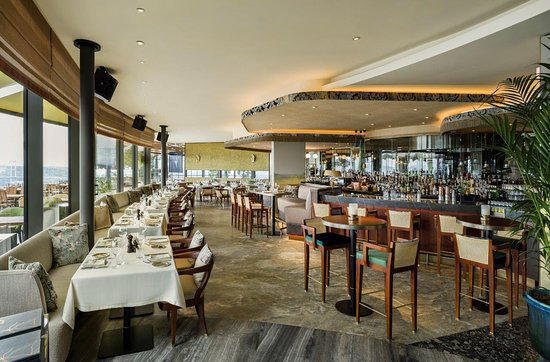
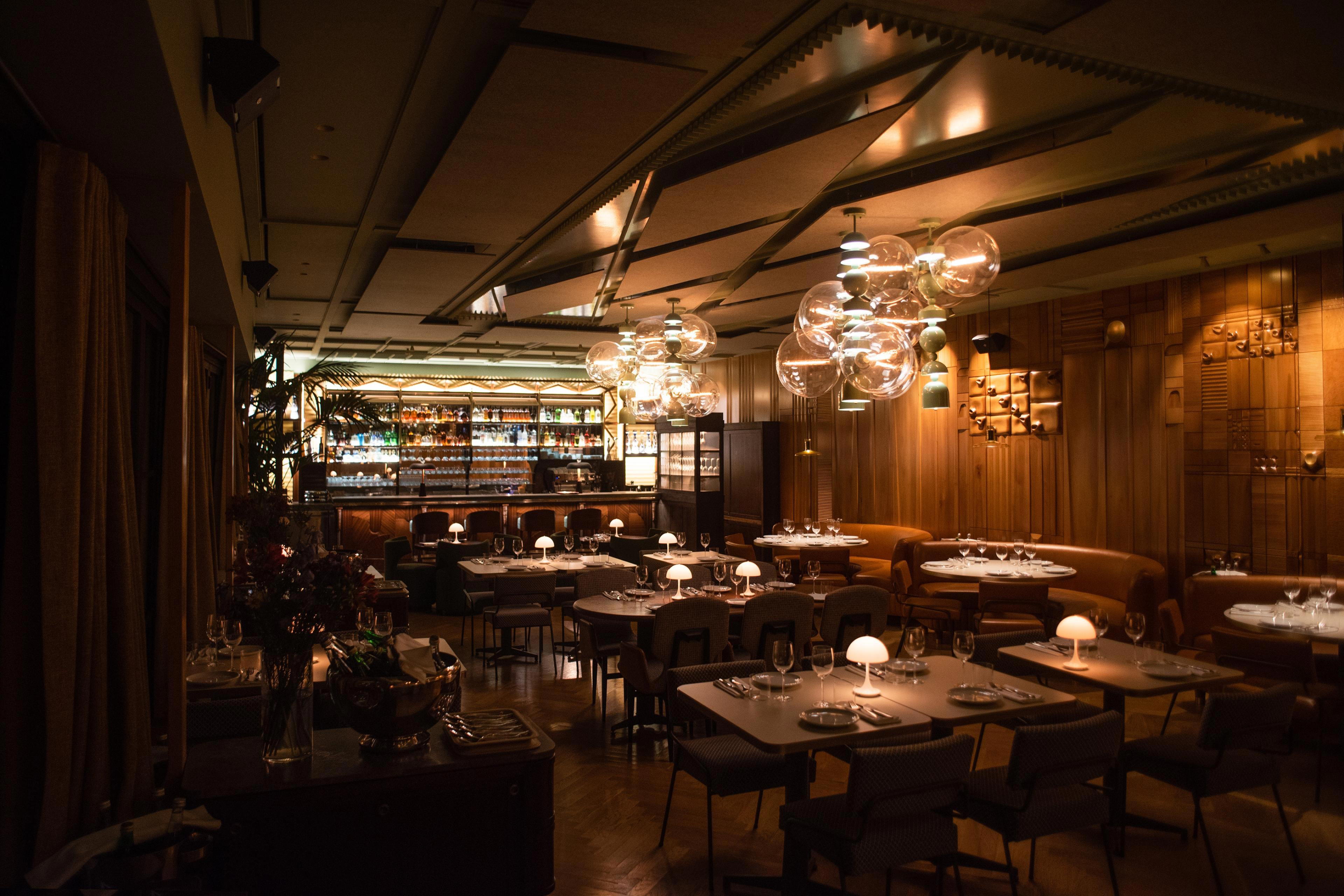
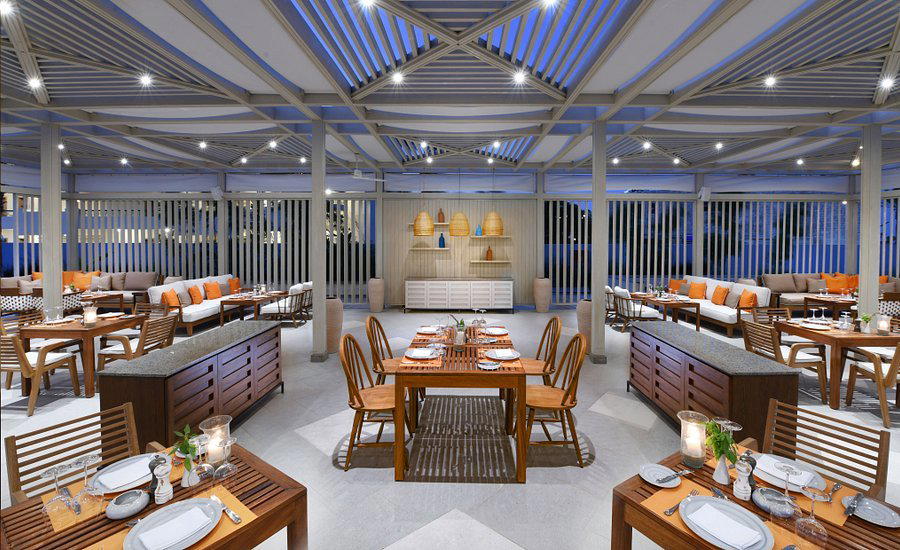
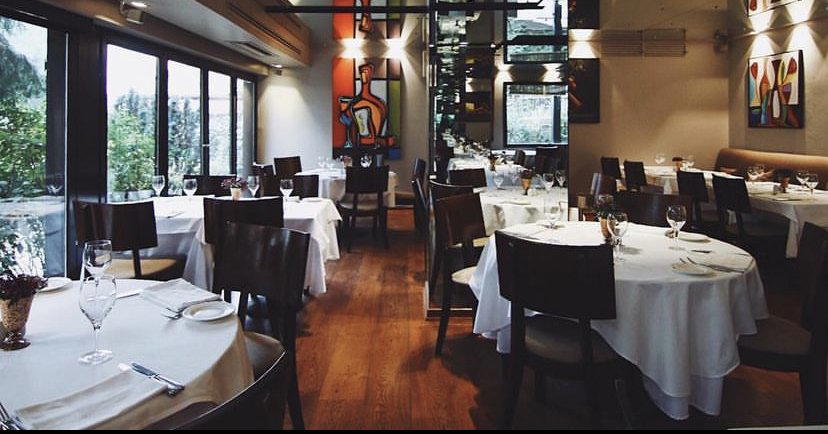
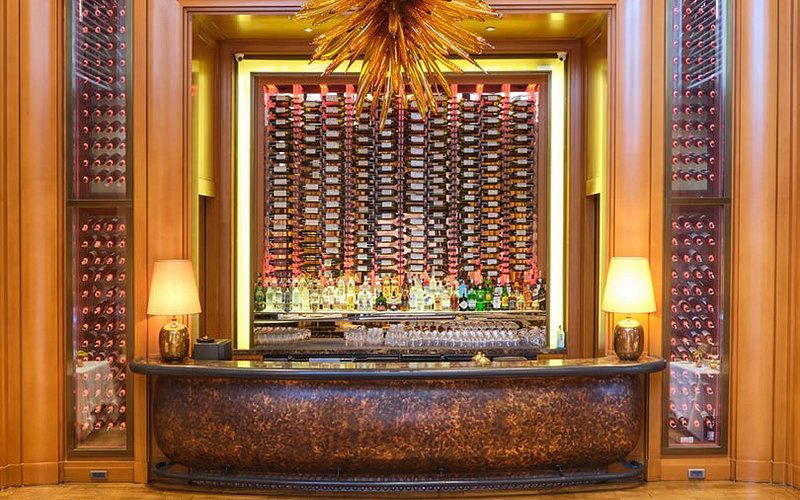
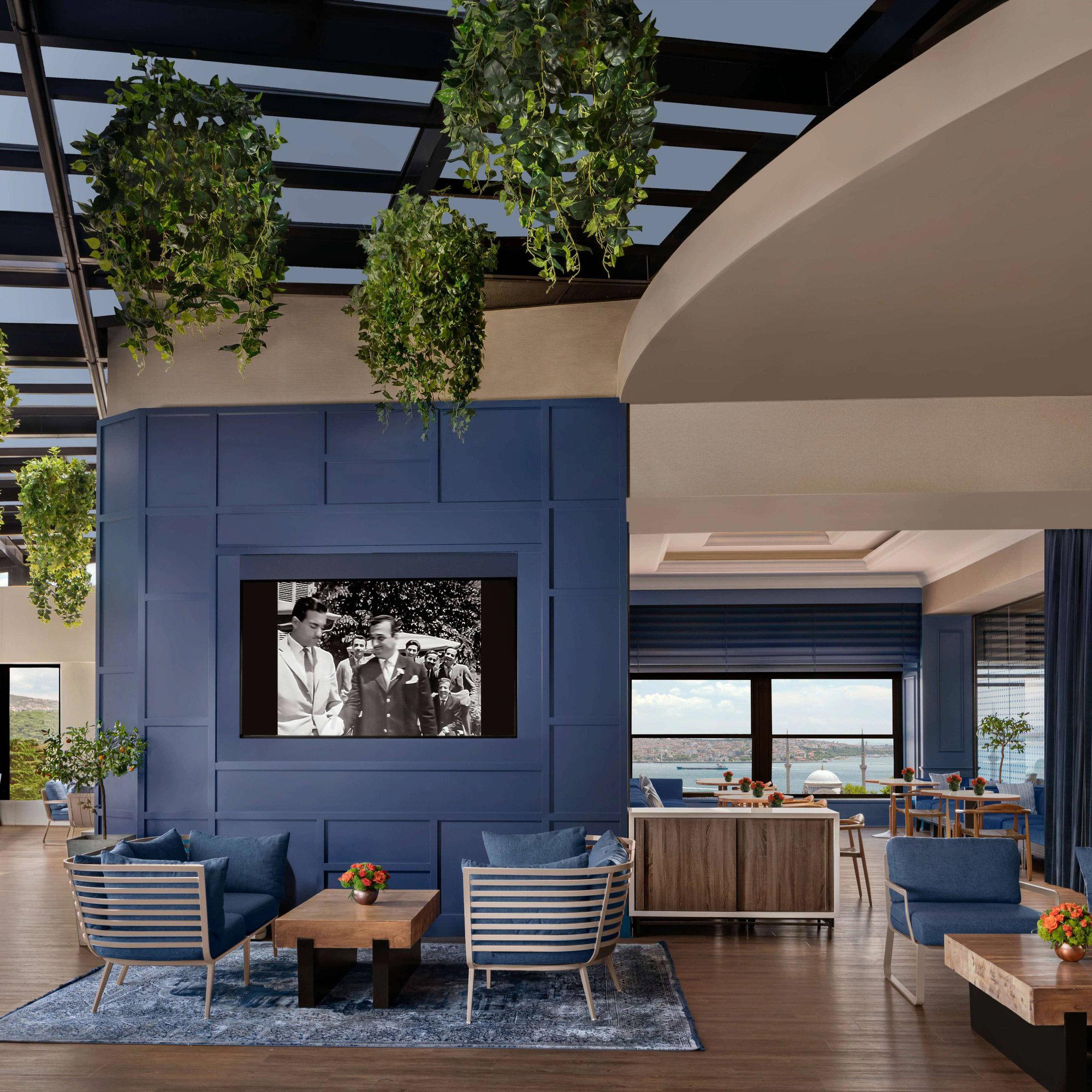
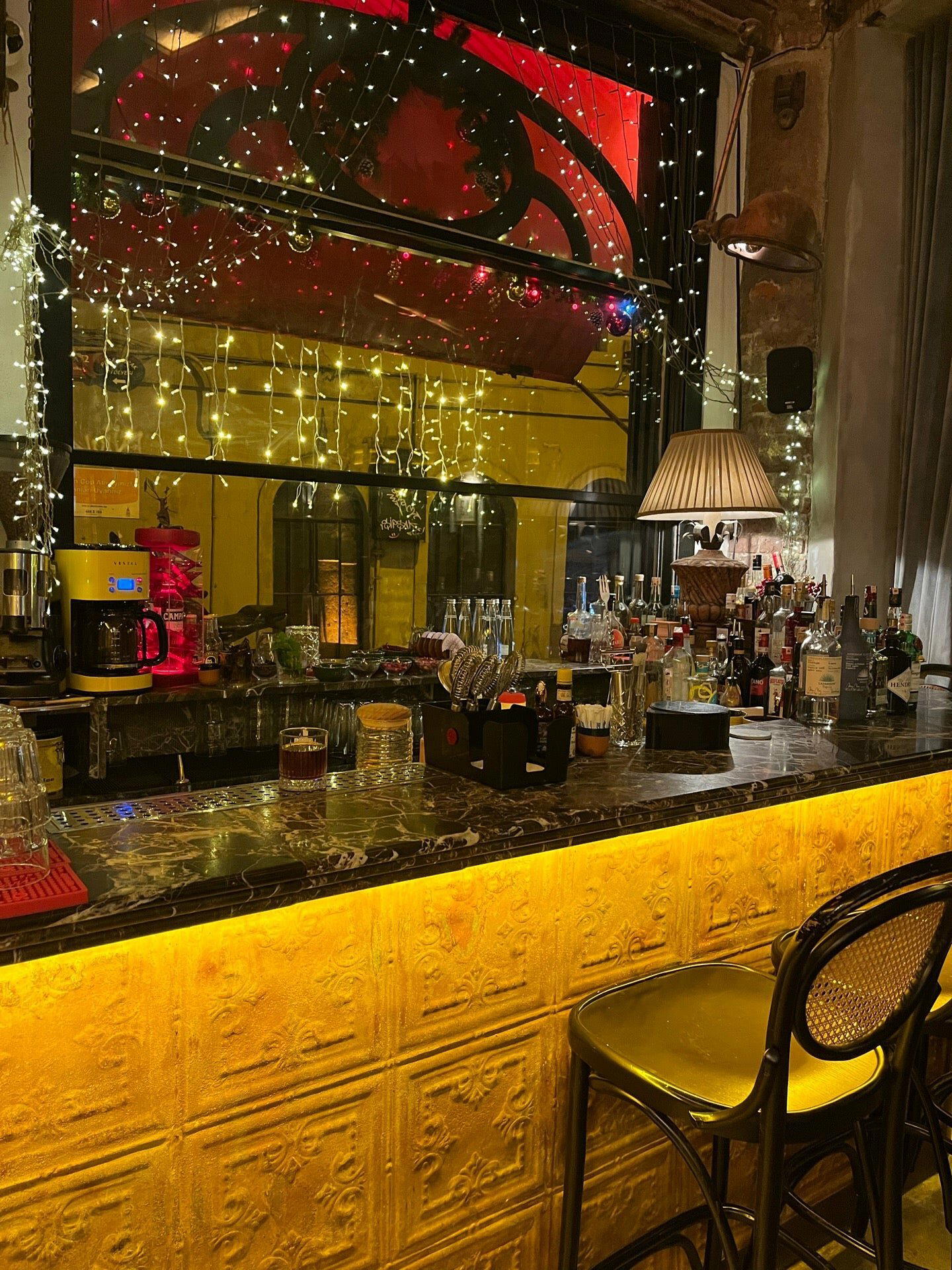
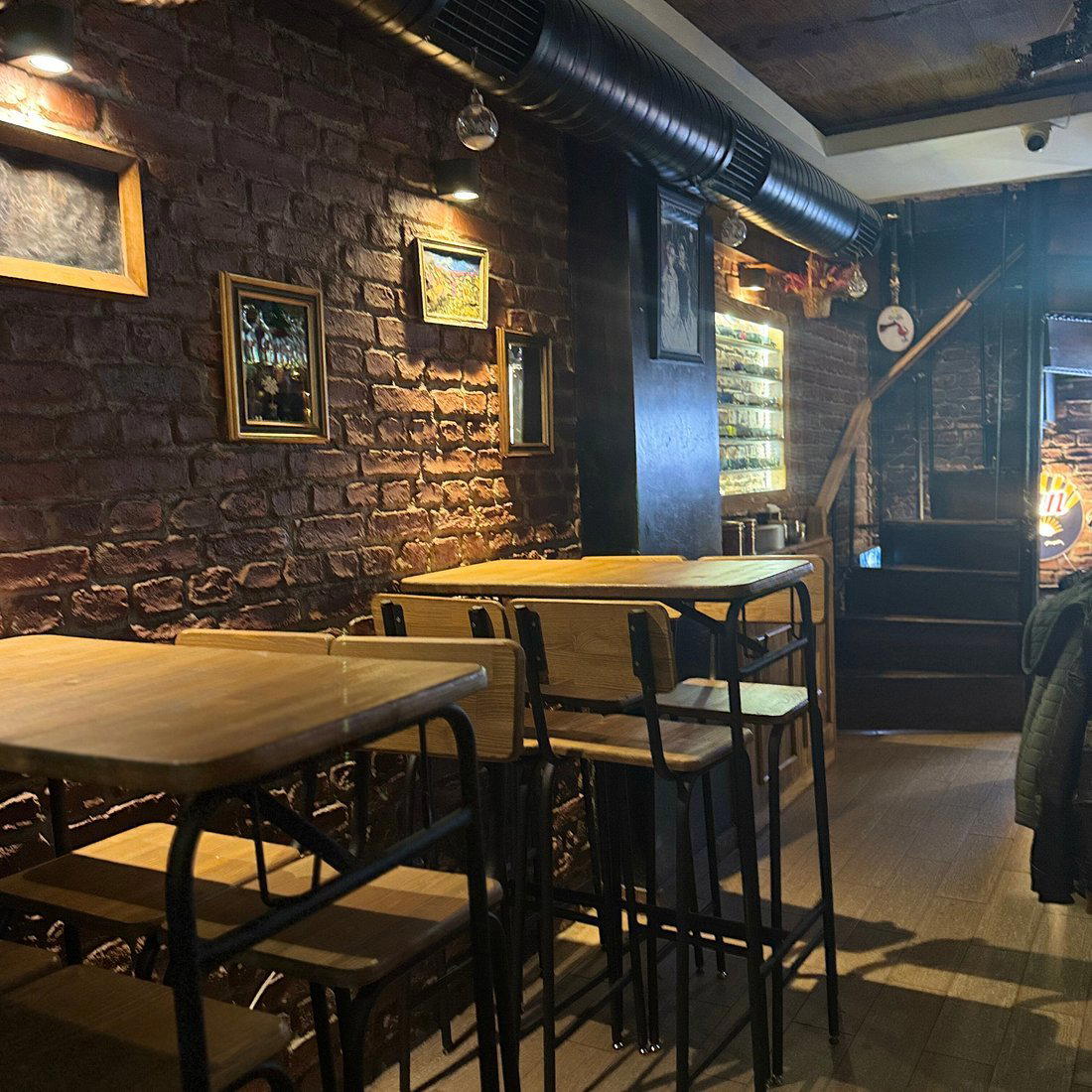
Bright and modern interior with retro 1950s diner-style seating, parasol- and rose-shaped pendant lighting, and a mesmerizing female silhouette decor element, creating a quiet afternoon vibe that transitions to trendy energy.
Know Before You Go
- Getting there
- Kuruçeşme, Kuruçeşme Cd. No:11, 34345 Beşiktaş/İstanbul, Türkiye