BlackHen
Our verdict
BlackHen occupies a Chestnut Street address in Philadelphia's Old City, positioning itself within a neighborhood that has long anchored the city's serious dining conversation. The space and its kitchen sit in a tier of Philadelphia restaurants where the physical container and the cooking are expected to carry equal weight — a format that the city's most deliberate operators have made their own.

Pearl is the En Primeur Club membership app — saves, bookings, and concierge access live there. Same editors, same standards.
- Address
- 120 Chestnut St, Philadelphia, PA 19106
- Phone
- (215) 220-4234
- Hours
- Mon ClosedTue–Thu 4–10 PMFri–Sat 4 PM–3 AMSun 4–10 PM
- Website
- blackhenphilly.com
- Directions
- Get directions
- Booking
- Book on OpenTable
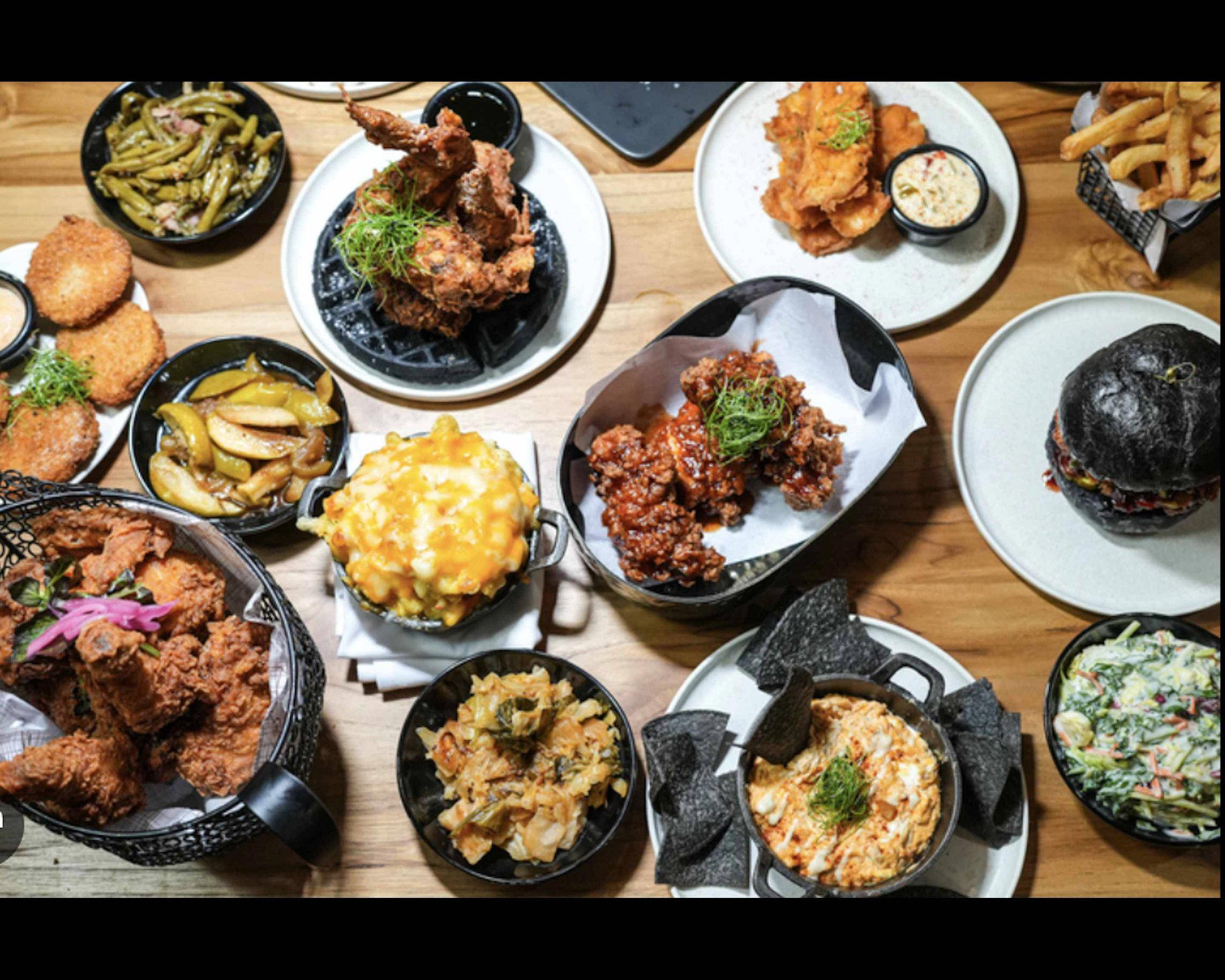
The menu
What to order
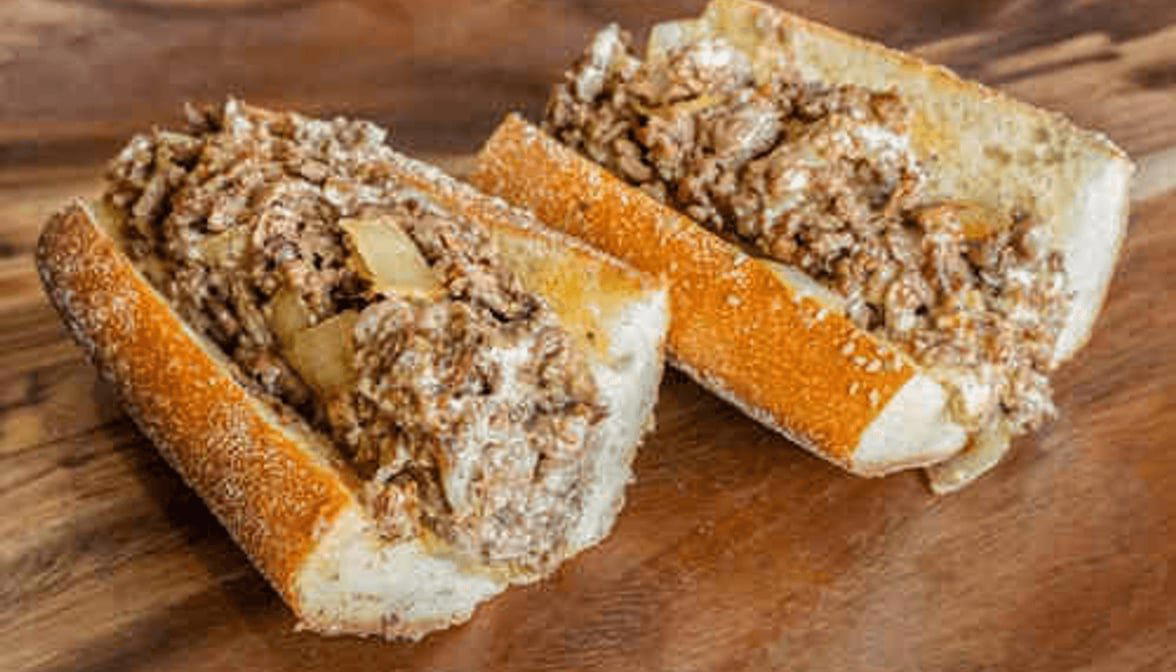
- Chicken Cheesesteak Beignets
- Fried Chicken
- Black Cherry Barbecue Sauce
- Peach Hand Pies
Old City's Architectural Dining Conversation
Old City, Philadelphia's oldest commercial district, has accumulated a restaurant density that forces genuine competition on every block. Chestnut Street in particular runs through a corridor where the built environment — cobblestone adjacency, Federal-era facades, repurposed warehouse bones — does half the atmosphere work before a kitchen fires a single burner. BlackHen, at 120 Chestnut St, enters that conversation from a physical address that carries its own editorial weight. In a neighborhood where the dining room is often as legible as the menu, the spatial decisions a restaurant makes at this postcode read as a statement of intent.
Across American cities, the most considered mid-to-upper dining rooms of the last decade have moved away from maximalist decoration toward architectural restraint: exposed material, controlled light, seating arrangements designed to shape how a table feels relative to its neighbors. Philadelphia's Old City has followed that broader pattern, and the restaurants that have held ground here, drawing both neighborhood regulars and visitors making deliberate choices, tend to be the ones where the interior logic reinforces the kitchen's logic. That alignment is what separates a durable dining room from a well-located one.
Where BlackHen Sits in Philadelphia's Dining Tier
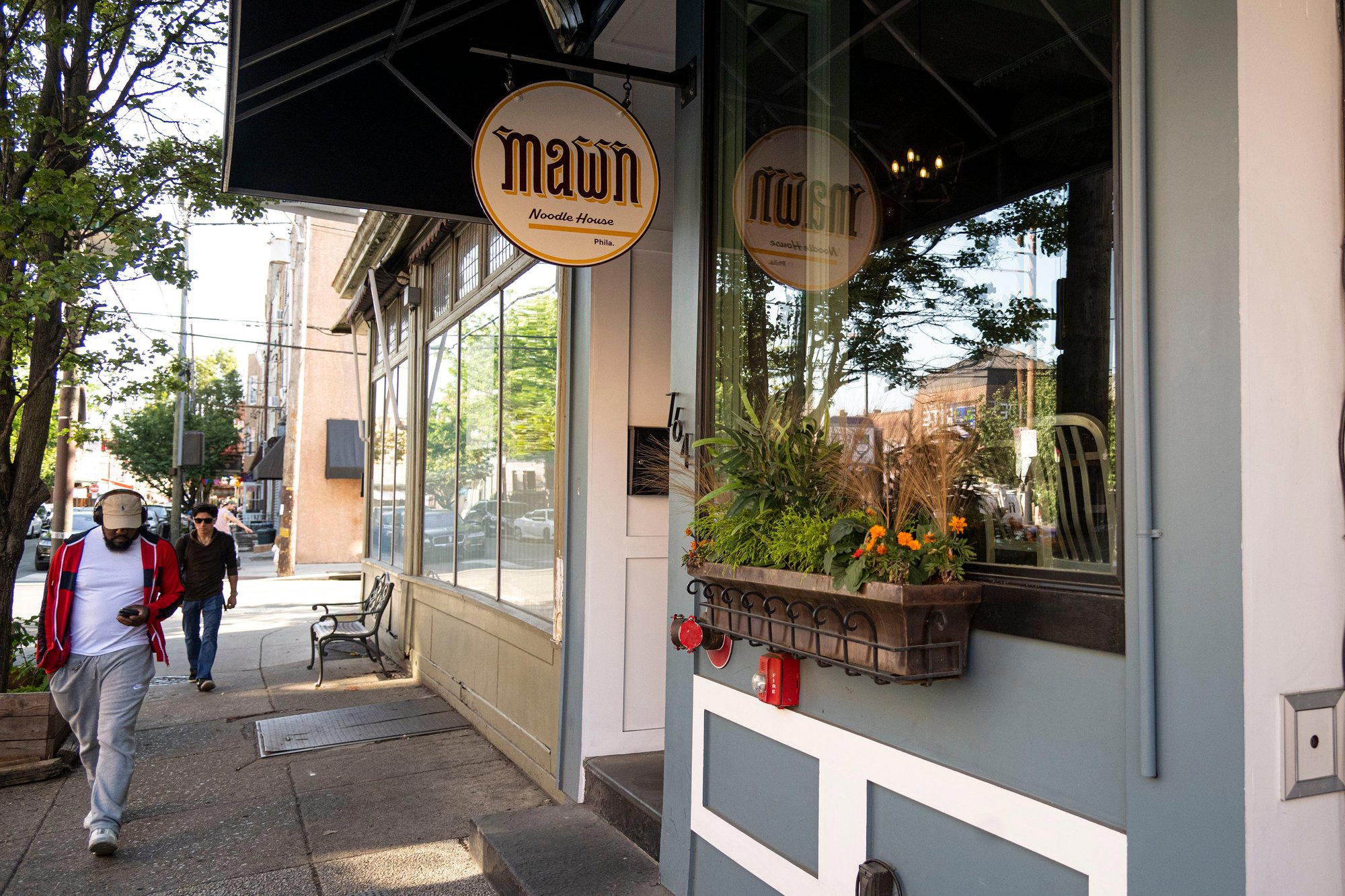
Philadelphia's restaurant scene has matured considerably over the past fifteen years, building a credible mid-to-upper tier that no longer requires comparison to New York to justify itself. Operations like Fork (New American) and Friday Saturday Sunday (New American) have set a standard for what thoughtful American cooking looks like in this city: ingredient-led, formally aware without being stiff, and anchored in dining rooms that function as destinations in their own right. The city also sustains a broader range of serious operators, from the hyper-specific sourcing ethos at South Philly Barbacoa (Mexican) to the precision-driven formats at Mawn (Cambodian, Pan-Asian) and My Loup (French-Inspired), that collectively demonstrate how far the city has moved from its previous reputation as a secondary dining market.
BlackHen at this address occupies a recognizable position within that tier: an Old City operator whose location places it in direct comparison with other destination restaurants in the neighborhood. In cities where dining geography matters, and Philadelphia is one of them, a Chestnut Street address in Old City signals a certain level of ambition and expected execution. The question, always, is whether the room and the kitchen deliver against that signal.
For readers calibrating Philadelphia against national benchmarks, the city's upper dining tier sits in a peer conversation with operators like Smyth in Chicago or Providence in Los Angeles, restaurants where the room, the sourcing, and the format are each considered independently before being assembled into a coherent experience. Philadelphia has earned that comparison, and Old City's better restaurants make the case directly.
The Physical Container as Editorial Argument
Interior architecture in serious dining rooms is rarely neutral. The decision to seat four at a round table rather than a rectangular one, to run banquettes along one wall rather than two, to let ambient noise settle at a particular register, these choices determine how a guest reads an evening before a dish arrives. In the American dining rooms that have built durable reputations over the past decade, from Blue Hill at Stone Barns in Tarrytown to Single Thread Farm in Healdsburg, the physical space functions as an argument about what the restaurant believes dining should feel like.
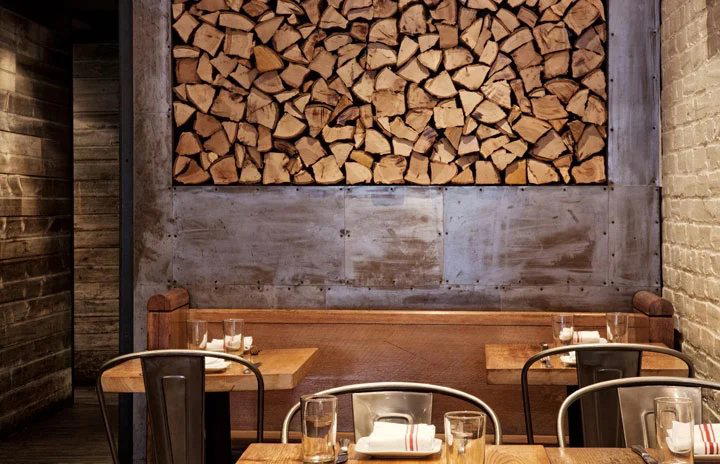
Old City's building stock gives restaurants here an advantage that purpose-built dining rooms elsewhere in the city don't automatically inherit. The material history, brick, timber, original fenestration, provides a structural depth that contemporary interiors often spend considerable budget attempting to simulate. How a restaurant at this address chooses to work with or against that material inheritance shapes its identity as directly as its menu does.
The seating arrangement in particular tells you a great deal about a restaurant's understanding of its guest. Counter formats signal transparency and chef-to-diner directness; banquette-and-table layouts prioritize the social geometry of the group. A room that gets this calibration right creates conditions for a meal that feels inevitable rather than accidental, a standard that the most considered American dining rooms, from Atomix in New York City to The Inn at Little Washington in Washington, hold themselves to explicitly.
Philadelphia's Old City in the Broader American Dining Map
Chestnut Street's restaurant corridor benefits from proximity to Independence Mall and the city's core tourism infrastructure, which means foot traffic is available but reliance on it is a strategic choice. The restaurants at this end of the market that have built lasting reputations in Old City tend to have a regular guest base that is not primarily tourist-driven, a dynamic that produces tighter service rhythms and more consistent kitchens over time. That same pattern appears in comparable urban dining districts: the French Quarter adjacency that shapes New Orleans operators like Emeril's in New Orleans, or the Napa Valley wine tourism context that operators like The French Laundry in Napa have built around rather than for.
Philadelphia's dining geography rewards operators who understand which guest they are primarily serving. Old City draws both residents and visitors, but the restaurants that have held their position longest here have made a legible choice about whose habits they are organizing around. That choice shows up in reservation structures, in service pace, and in the degree to which the menu changes with season or stays anchored to signature formats.
For readers planning a broader Philadelphia dining itinerary, our full Philadelphia restaurants guide maps the city's dining neighborhoods and places individual operators in the context of their immediate peer sets. Old City is one chapter in that geography, not the whole story.
Know Before You Go
Planning Details
- Address: 120 Chestnut St, Philadelphia, PA 19106
- Neighborhood: Old City, Philadelphia
- Phone: Not publicly listed, check directly at venue
- Website: Not publicly listed, search current booking platforms for availability
- Reservations: Booking method not confirmed; walk-in availability unverified
- Hours: Not confirmed, verify before visiting
Frequently asked questions
What do regulars order at BlackHen?
As a general principle in Old City restaurants at this tier, regulars tend to orient around dishes that reflect the kitchen's core technique rather than seasonal specials, items that appear consistently and demonstrate what the kitchen does at full confidence. Ask front-of-house directly on arrival for what the kitchen is running at its strongest that service.
Can I walk in to BlackHen?
Walk-in availability at BlackHen is not confirmed. In Old City, Philadelphia, restaurants at the mid-to-upper tier generally operate with some reservation structure, particularly on Thursday through Saturday evenings when the neighborhood draws both local and visitor traffic. If you are visiting without a reservation, arriving early in service (before 6:30pm) or later (after 9pm) improves the likelihood of securing a table, though this is not guaranteed at any specific operator.
What is BlackHen leading at?
For context on the broader Philadelphia restaurant tier, operators like Friday Saturday Sunday and Fork represent the New American standard in the city that comparable restaurants are measured against.
What if I have allergies at BlackHen?
Philadelphia restaurants at this tier are generally prepared to handle dietary restrictions with advance notice, but the process varies.
Is BlackHen worth the price?
Price-range data for BlackHen is not confirmed, which makes a direct cost-to-value assessment unreliable at this stage. As a reference point, Old City's mid-to-upper dining tier in Philadelphia generally runs from approximately $60 to $120 per person before beverage, which positions it below the tasting-menu tier occupied nationally by restaurants like Le Bernardin in New York City or Lazy Bear in San Francisco. Once confirmed pricing is available, that benchmark provides a useful calibration.
How does BlackHen's Old City location compare to other Philadelphia dining neighborhoods for a destination dinner?
Old City is one of Philadelphia's most historically dense dining corridors, drawing guests who are making deliberate evening plans rather than neighborhood convenience choices. Compared to Rittenhouse Square or Fishtown, Old City tends to attract a mix of visitors and residents who are specifically oriented toward the neighborhood's architectural character and its concentration of established operators. For a destination dinner, the 120 Chestnut St address places BlackHen within walking distance of other serious dining options, making it a practical anchor for a longer Old City evening. International visitors calibrating Philadelphia's scene against cities like New York or Chicago will find that Old City's better restaurants, including peers reviewed in our full Philadelphia restaurants guide, hold their own at that level of comparison.
Standing Among Peers
A quick peer check to anchor this venue’s price and recognition.
| Venue | Cuisine | Price | Awards | Notes |
|---|---|---|---|---|
| BlackHenThis venue — the venue you are viewing | Southern Fried Chicken | $20–30 | Not listed | Not listed |
| Friday Saturday Sunday | Modern American Tasting Menu | $100–150 | 1 Michelin Star · World's 50 Best #40 | New American |
| Fork | Seasonal New American | Not listed | James Beard Award Outstanding Restaurateur #1 · Wine Spectator Award of Excellence | New American |
| South Philly Barbacoa | Authentic Mexican Barbacoa Taqueria | $10–20 | James Beard Award Best Chef: Mid Atlantic · Chef's Table Featured on Chef's Table | Mexican |
| Jean-Georges Philadelphia | Modern French Fine Dining | $200–300 | La Liste Top Restaurants · Wine Spectator Best of Award of Excellence | French |
| Helm | Seasonal New American Small Plates | $50–100 | Not listed | Filipino |
Continue exploring
More in Philadelphia
Restaurants in Philadelphia
Browse all →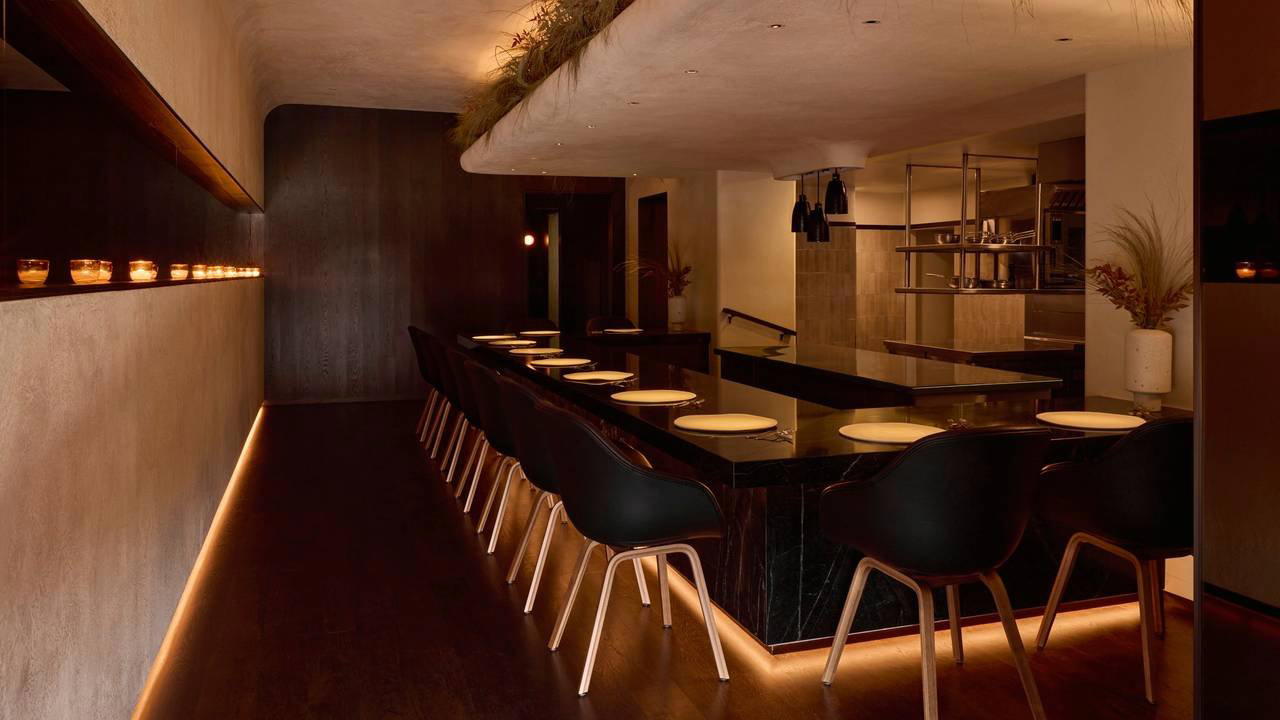
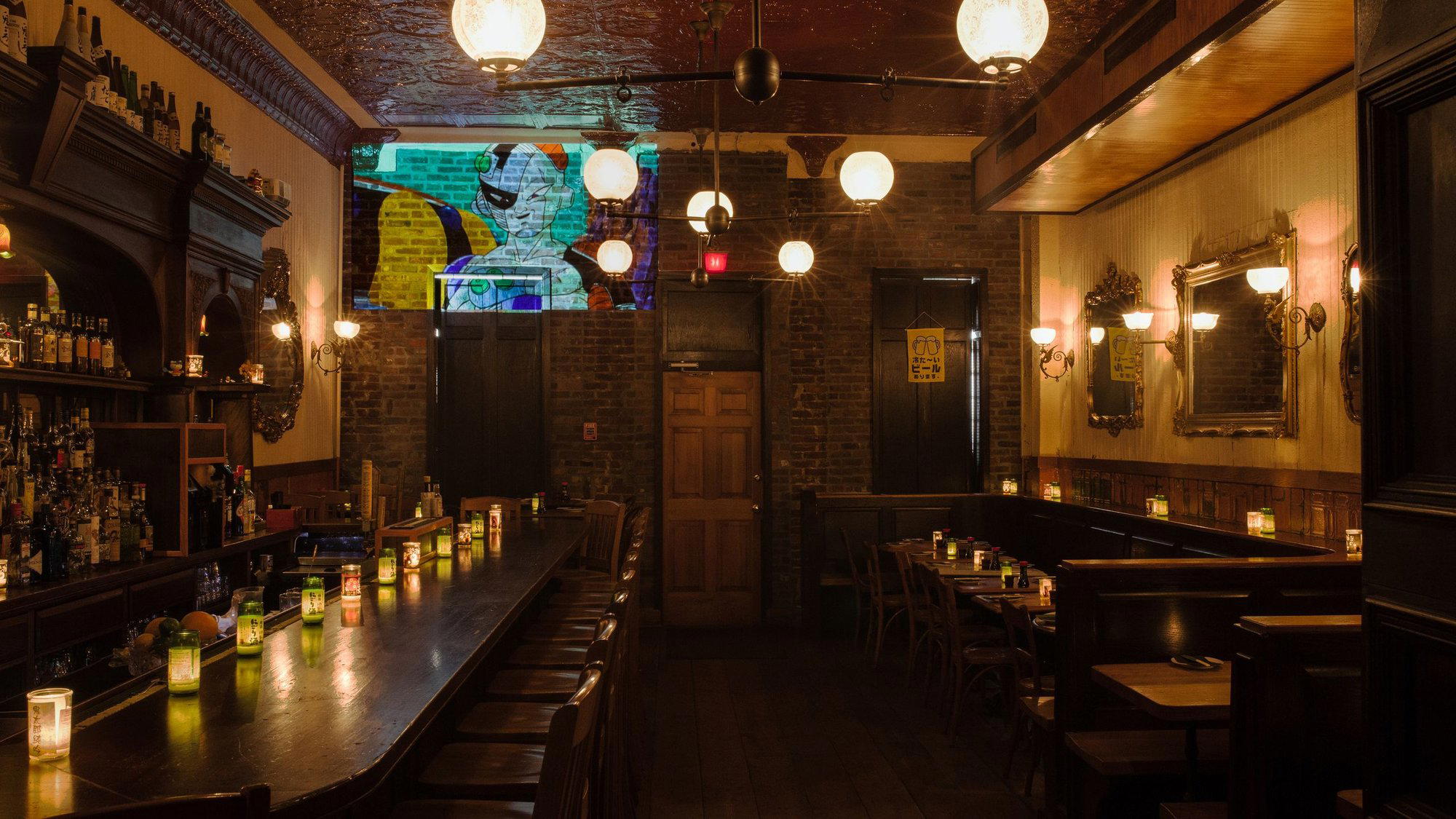
Bars in Philadelphia
Browse all →
Details
- Cozy
- Lively
- Casual Hangout
- Late Night
- Byob
- Local Sourcing
- A La Carte
- Vegetarian Friendly
Current opening hours
- Monday
- Closed
- Tuesday
- 4–10 PM
- Wednesday
- 4–10 PM
- Thursday
- 4–10 PM
- Friday
- 4 PM–3 AM
- Saturday
- 4 PM–3 AM
- Sunday
- 4–10 PM
Hours can change for holidays and private events. Last verified .
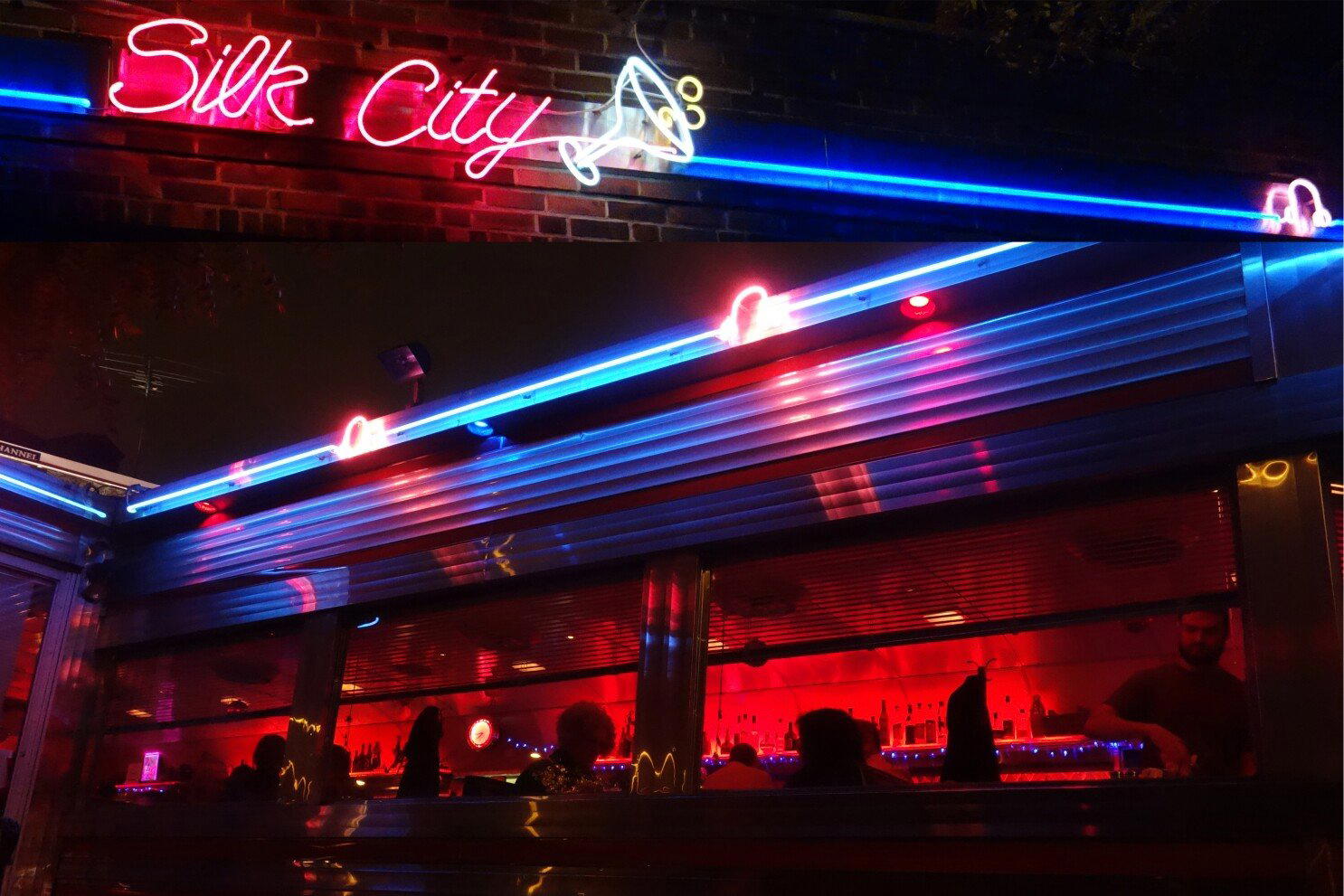
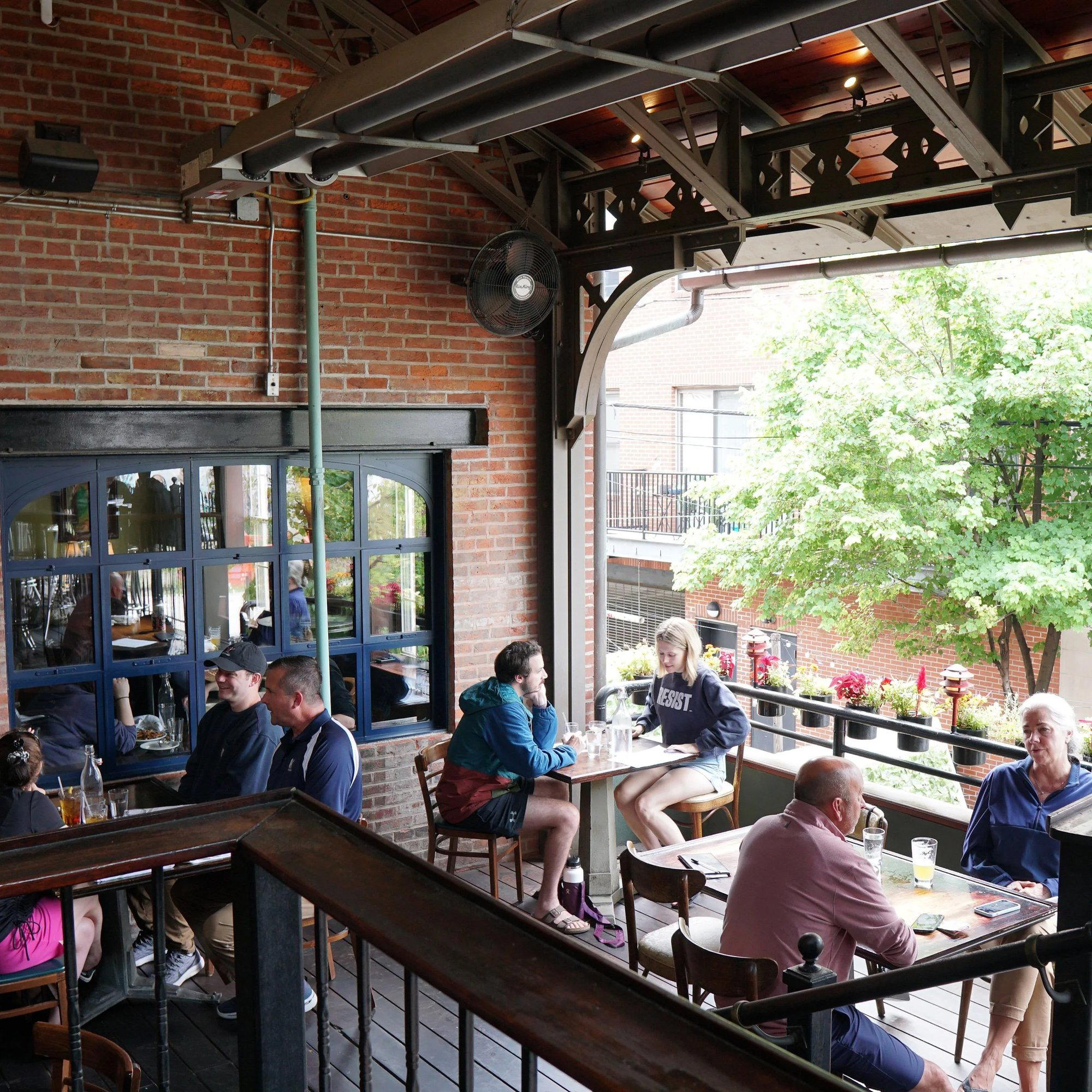
Cozy and lively atmosphere with moderate noise levels.