Royal Tavern
Our verdict
Royal Tavern sits on East Passyunk Avenue, Philadelphia's most competitive dining corridor, where the bar format and ingredient-conscious approach position it within a broader South Philly tradition of serious cooking in informal rooms. The address alone signals intent: this stretch rewards venues that earn repeat business from a neighborhood that knows its food.

Pearl is the En Primeur Club membership app — saves, bookings, and concierge access live there. Same editors, same standards.
- Address
- 937 E Passyunk Ave, Philadelphia, PA 19147
- Phone
- (215) 389-6694
- Hours
- Mon–Fri 4 PM–2 AMSat–Sun 10 AM–2 AM
- Website
- royaltavern.com
- Directions
- Get directions
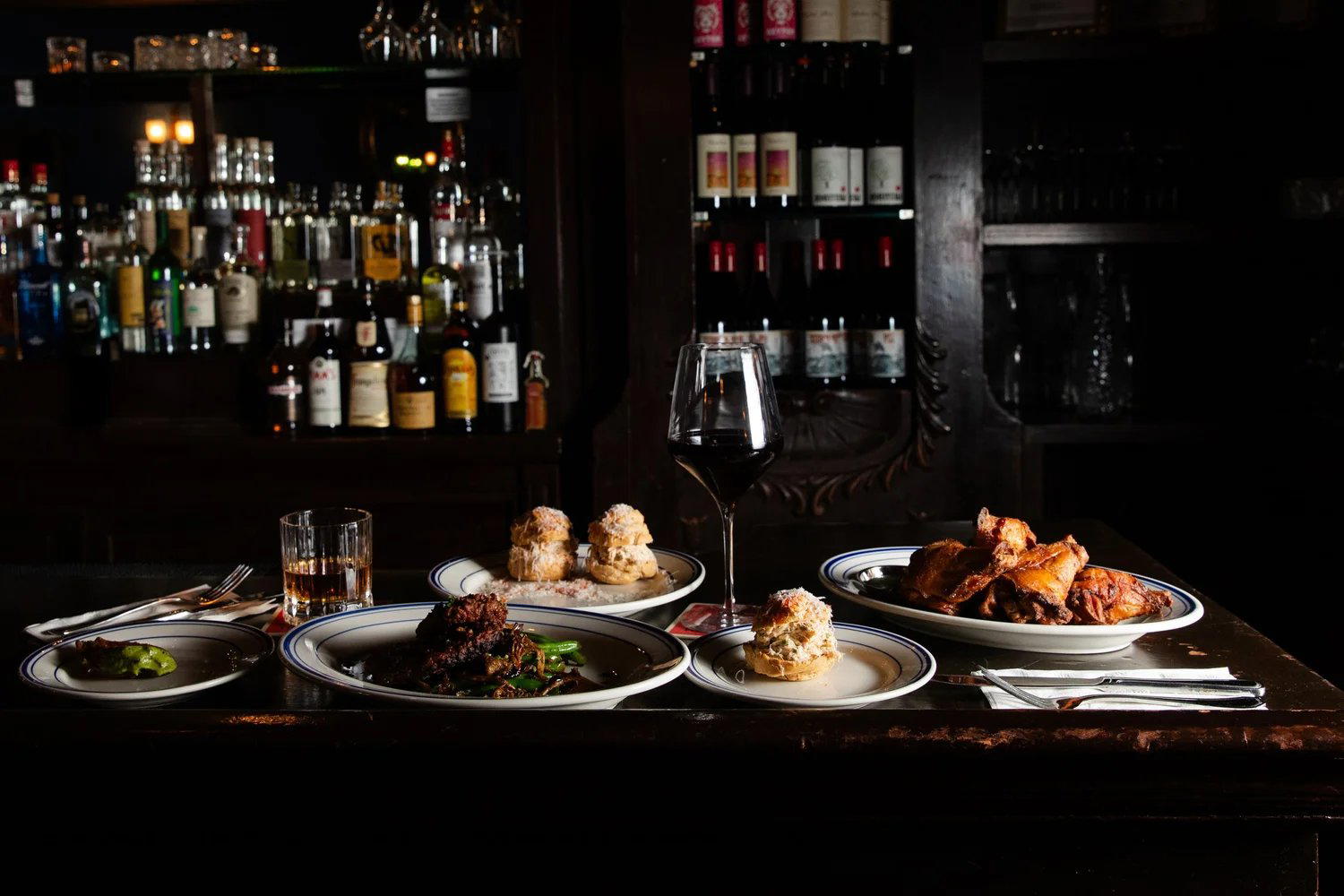
East Passyunk and the Bar That Takes Its Kitchen Seriously
East Passyunk Avenue has spent the better part of two decades becoming one of the more interesting dining streets in the American Northeast. The corridor runs through South Philadelphia with a density of independently operated restaurants that would be notable in any city, and it has developed a particular character: venues here tend to attract a local following first, a wider reputation second. Royal Tavern, at 937 East Passyunk, sits squarely inside that pattern. The address is a statement of intent before you walk through the door.
Philadelphia's bar-restaurant category occupies a specific position in the city's food culture. Unlike the tasting-menu format that defines much of the prestige dining on the Philadelphia restaurant scene, or the ingredient-forward New American approach practiced at places like Fork and Friday Saturday Sunday, the tavern format survives on volume, regularity, and the quality of what comes out of a kitchen that doesn't have the luxury of ceremony. The leading examples of the format in Philadelphia demonstrate that a bar menu can be sourced and executed with the same discipline applied to more formally positioned rooms.
The Ingredient Question on Passyunk
The editorial conversation around ingredient sourcing in American casual dining has shifted considerably over the past decade. What was once a differentiating claim, local produce, regional suppliers, traceable protein, has become a baseline expectation in neighborhoods where food literacy is high. East Passyunk is exactly that kind of neighborhood. Diners who walk this stretch regularly also eat at Kalaya and Mawn, venues that approach sourcing as a defining editorial position in their respective cuisines. The bar-format venues on this corridor feel that competitive pressure even if their menus don't announce it.
Nationally, the sourcing conversation has been most forcefully advanced at the upper tier of American dining. Blue Hill at Stone Barns in Tarrytown built its entire identity around provenance, operating its own farm as both kitchen resource and philosophical anchor. Single Thread Farm in Healdsburg pursues a similar integration of agricultural sourcing and fine-dining execution. These are formal, high-investment models. What East Passyunk's better bar kitchens demonstrate is that sourcing discipline doesn't require a tasting-menu price point to be meaningful. The constraint of a bar menu, fewer covers, simpler mise en place, actually sharpens the argument for quality sourcing because there is nowhere to hide behind technique.
South Philadelphia's Tavern Tradition
South Philadelphia has a long relationship with the tavern as neighborhood institution. The format predates the food media attention the area has received in recent years, and the better examples carry that continuity in how they operate: loyal regulars, an absence of performance, a kitchen that treats the daily menu as a professional obligation rather than a showcase. Royal Tavern inherits that context. The East Passyunk address places it in the more recently energized section of South Philly dining, where a younger wave of operators has brought higher kitchen ambition without abandoning the informal register that defines the tavern category.
This tension, between seriousness of execution and informality of setting, is what makes the South Philly bar-restaurant worth tracking as a category. It's a format that restaurants in other American cities have tried to replicate with varying degrees of sincerity. The Philadelphia version tends to resist the self-conscious craft-bar aesthetics that have proliferated in New York and San Francisco. The rooms feel used rather than designed, and the menus are written for people who will order the same thing on their fourth visit as on their first.
Philadelphia's Position in the American Dining Conversation
Philadelphia sits in an interesting position relative to the cities that dominate American food media. The fine dining tier includes serious operations that benchmark against national peers: the kind of precision and ambition found at Alinea in Chicago, Le Bernardin in New York City, or The French Laundry in Napa has its Philadelphia equivalents. But the city has also produced a bar and casual dining culture that operates with more collective integrity than most comparable American metros. Venues like My Loup on the French-inspired side demonstrate that rigorous cooking in a casual frame is not a compromise but a deliberate positioning. Royal Tavern occupies a similar structural position within the tavern category.
Nationally, the venues that have leading articulated the sourcing argument at the high end include Providence in Los Angeles, Addison in San Diego, The Inn at Little Washington, and internationally, operations like 8 1/2 Otto e Mezzo Bombana in Hong Kong. These are reference points for how sourcing philosophy scales into formal dining. The more instructive comparison for a venue like Royal Tavern is how that discipline translates into a format where the price point and setting make the commitment less visible but no less meaningful. Lazy Bear in San Francisco and Atomix in New York City each represent distinct approaches to the same underlying argument: that where food comes from shapes what it communicates, regardless of format.
What to Expect on Passyunk
East Passyunk rewards visitors who approach it as a corridor rather than a single destination. The street is walkable, the venues are concentrated, and the neighbourhood dynamic means that the leading experience of any single address here is usually preceded or followed by time spent in adjacent blocks. Royal Tavern at 937 is located in the active stretch of the avenue where foot traffic and repeat-visit culture are most evident. The format suggests an evening that begins rather than ends here, or a midweek visit when the neighbourhood regulars who define the room's character are most present.
Know Before You Go
- Address: 937 E Passyunk Ave, Philadelphia, PA 19147
- Neighbourhood: East Passyunk, South Philadelphia
- Format: Bar-restaurant; tavern format with kitchen
- Hours: Confirm current service hours directly with the venue before visiting
- Price: Specific; bar-format venues on this corridor typically run at a moderate price point relative to the city's tasting-menu tier
- Getting There: East Passyunk is accessible by public transit from Center City; the avenue itself is leading navigated on foot once in the neighbourhood
Frequently asked questions
Is Royal Tavern child-friendly?
Bar-format venues on East Passyunk typically operate with an evening-leaning crowd and an atmosphere shaped by adult regulars rather than families. If child-friendliness is a priority, Philadelphia has dedicated family-oriented options at various price points. That said, the suitability of a tavern setting for children depends heavily on timing: earlier service hours tend to be quieter and more accommodating than peak evening sessions. Confirm directly with Royal Tavern for their current policy.
What is the atmosphere like at Royal Tavern?
East Passyunk bar-restaurants tend to read as neighbourhood institutions rather than destination venues: the rooms feel inhabited rather than curated, and the energy is driven by regulars who have made the place part of a weekly pattern. Philadelphia's tavern culture on this corridor has a lower performative register than comparable venues in New York or Los Angeles. If you're coming from the city's more formally positioned dining rooms, the contrast is part of the experience.
What do people recommend at Royal Tavern?
In the bar-restaurant category across Philadelphia's better-regarded taverns, the kitchen tends to focus on a tight roster of reliably executed dishes rather than a broad or frequently changing menu. For sourced, ingredient-led cooking with a named editorial profile in the same part of the city, Kalaya and Mawn offer a point of comparison at a different format and price tier.
How does Royal Tavern fit into the East Passyunk dining corridor as a whole?
East Passyunk has developed one of the more concentrated independent dining scenes in Philadelphia, with the corridor supporting everything from Thai cooking with serious regional credentials to French-influenced wine bar formats. Royal Tavern represents the tavern anchor of that mix, a format that predates the avenue's food media attention and gives the street some of its neighbourhood credibility. For visitors planning an evening on Passyunk, it functions as the kind of address that local diners treat as a reference point rather than a special-occasion destination.
Price Lens
Comparable venues nearby, for context on price, style, and recognition.
| Venue | Cuisine | Price | Notes |
|---|---|---|---|
| Royal TavernThis venue — the venue you are viewing | Elevated American Gastropub | $20–30 | Not listed |
| Down North Foundation | Detroit-Style Philly Pizza | $20–30 | Northern Liberties, Detroit-Style Philly Pizza |
| Prohibition Taproom | American Gastropub | $20–30 | Callowhill, American Gastropub |
| Philadelphia Distilling | Northern Liberties, Modern Gastropub | $30–50 | Not listed |
| Bob's Diner | Classic American Diner | $10–20 | Roxborough, Classic American Diner |
| HipCityVeg | Plant-Based American Fast Casual | $10–20 | Rittenhouse Square, Plant-Based American Fast Casual |
Continue exploring
More in Philadelphia
Restaurants in Philadelphia
Browse all →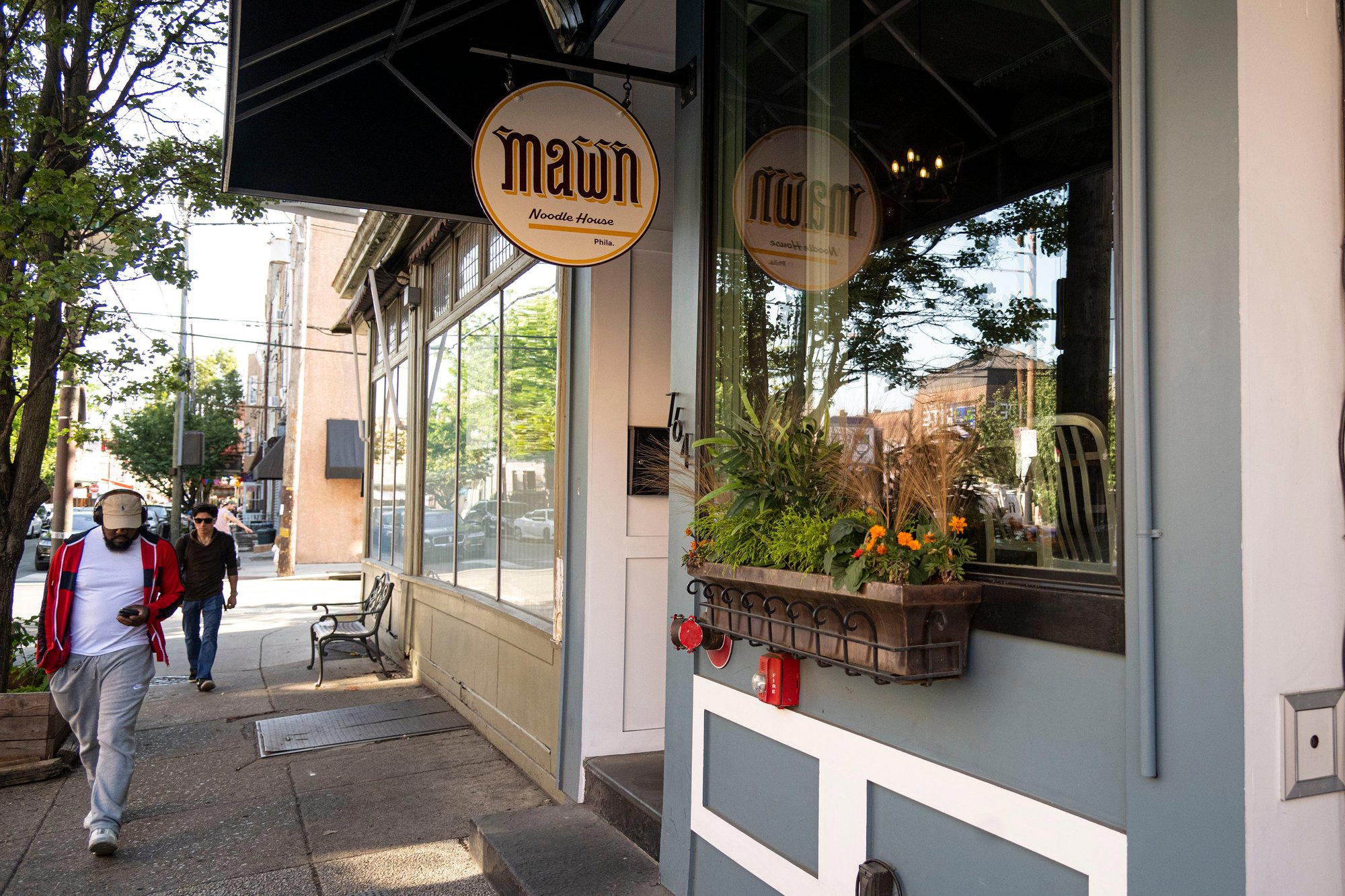
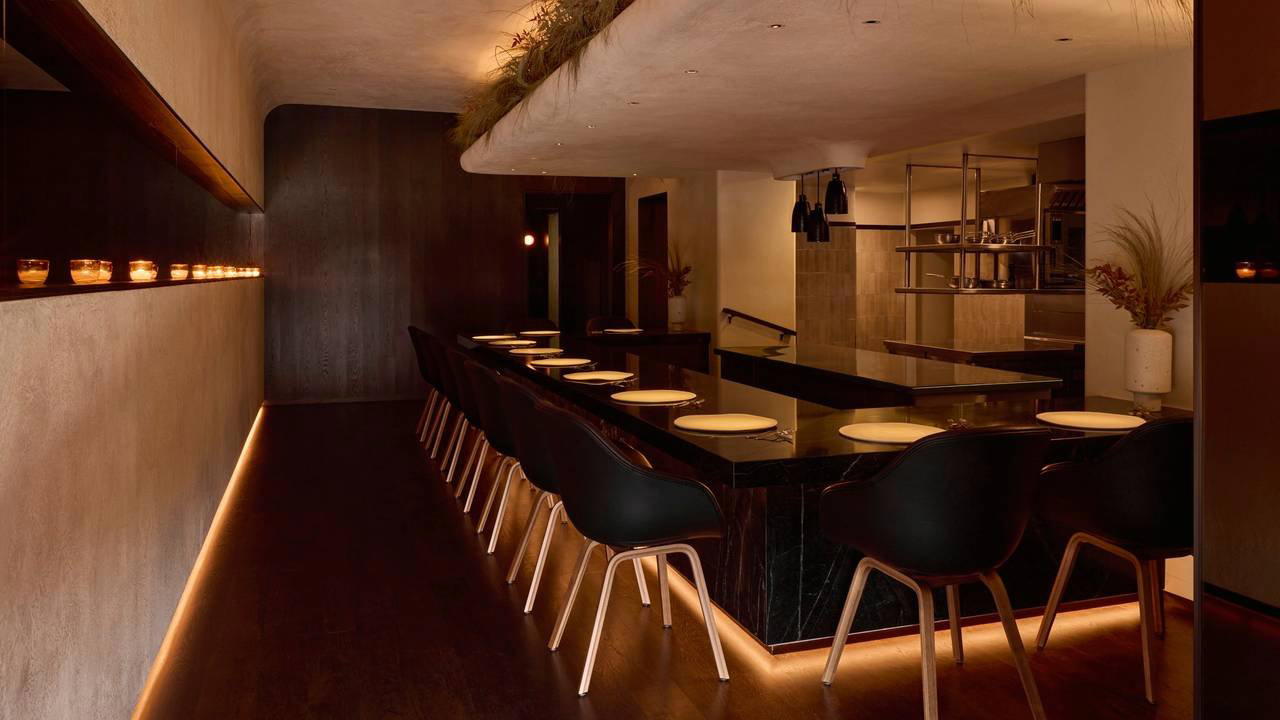
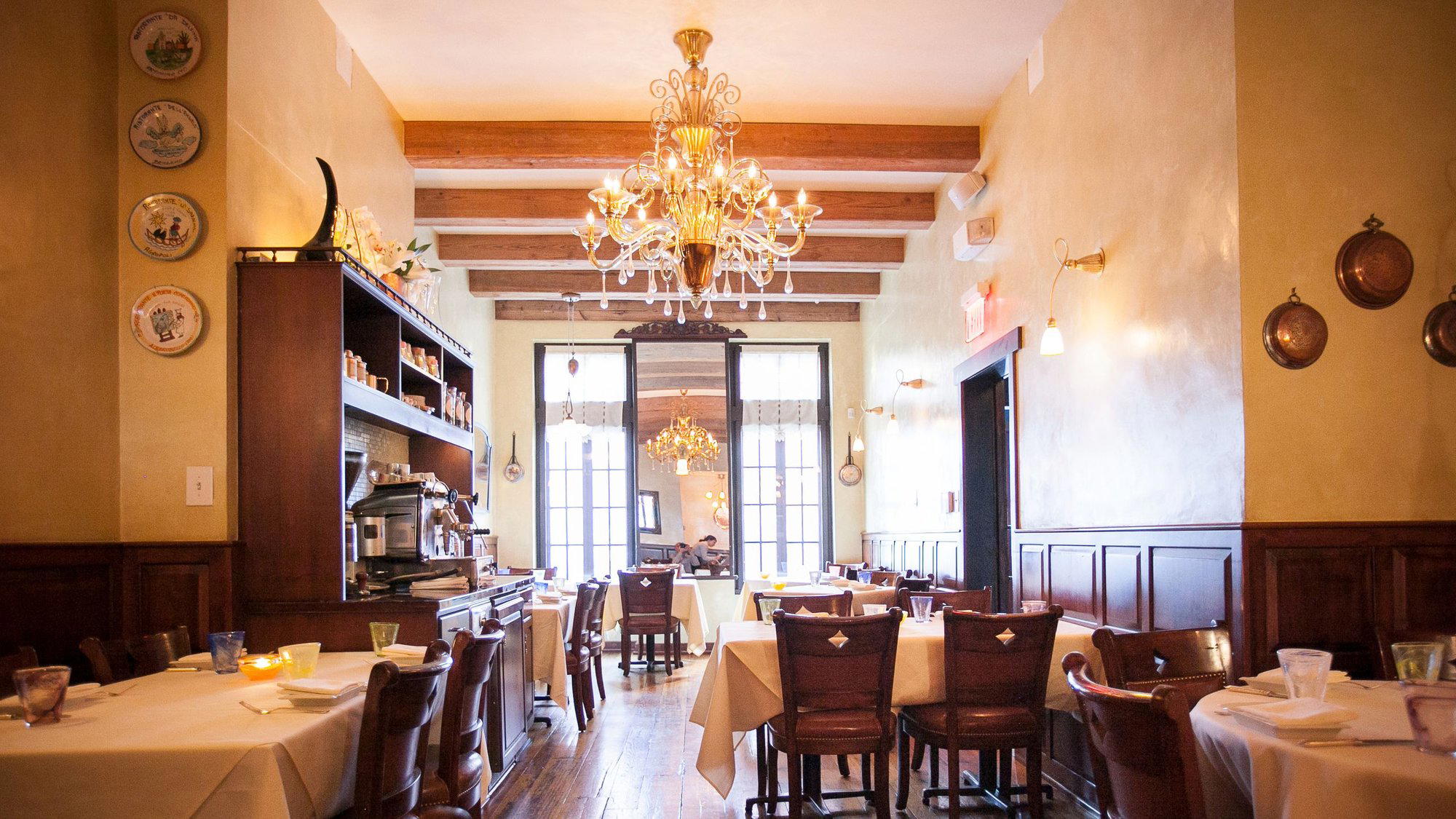
Bars in Philadelphia
Browse all →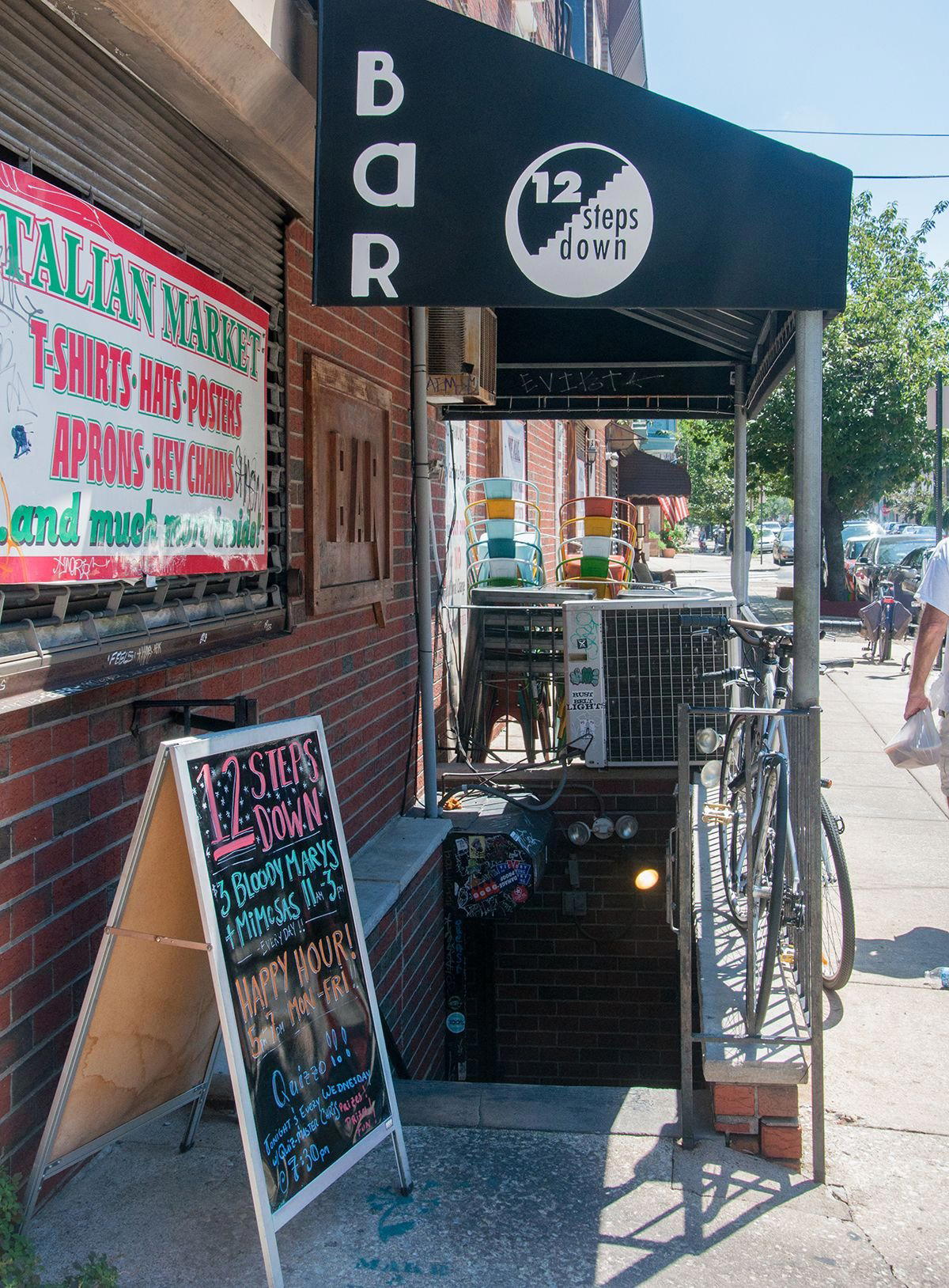
Details
- Cozy
- Lively
- Rustic
- Casual Hangout
- Group Dining
- Late Night
- Standalone
- Beer Program
- Craft Cocktails
- A La Carte
- Vegetarian Friendly
- Vegan Options
- Gluten Free Options
Current opening hours
- Monday
- 4 PM–2 AM
- Tuesday
- 4 PM–2 AM
- Wednesday
- 4 PM–2 AM
- Thursday
- 4 PM–2 AM
- Friday
- 4 PM–2 AM
- Saturday
- 10 AM–2 AM
- Sunday
- 10 AM–2 AM
Hours can change for holidays and private events. Last verified .
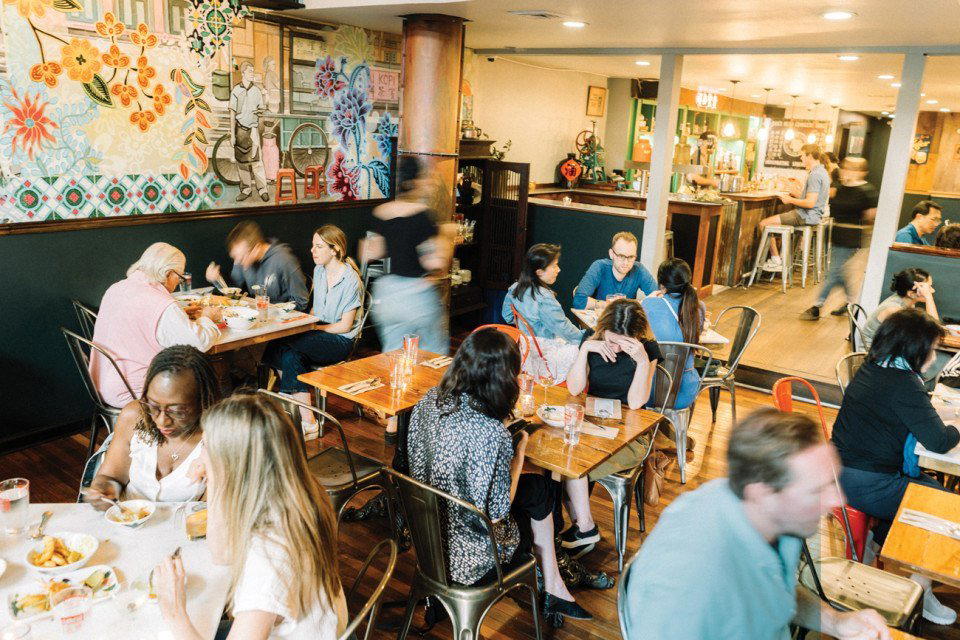
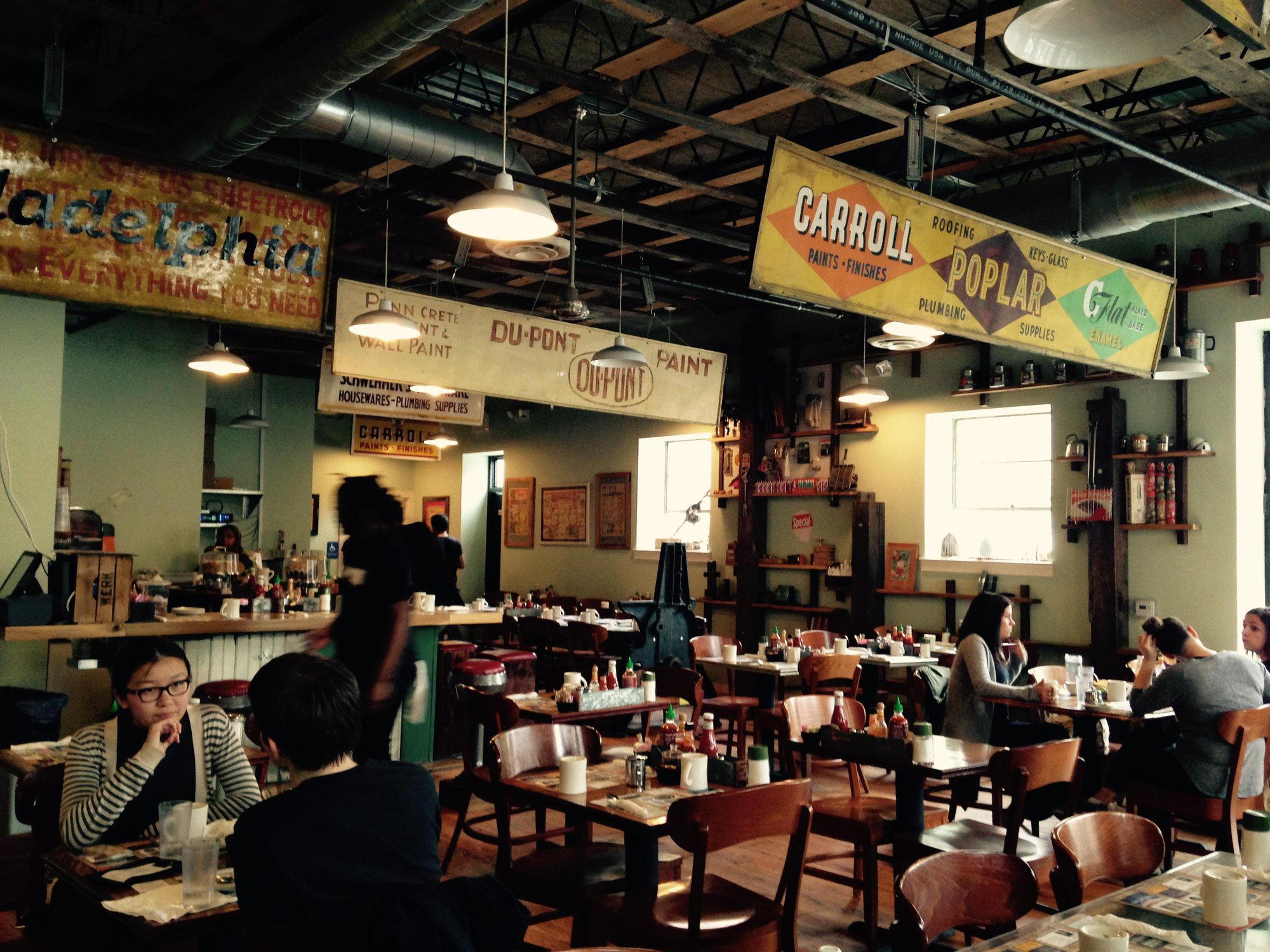
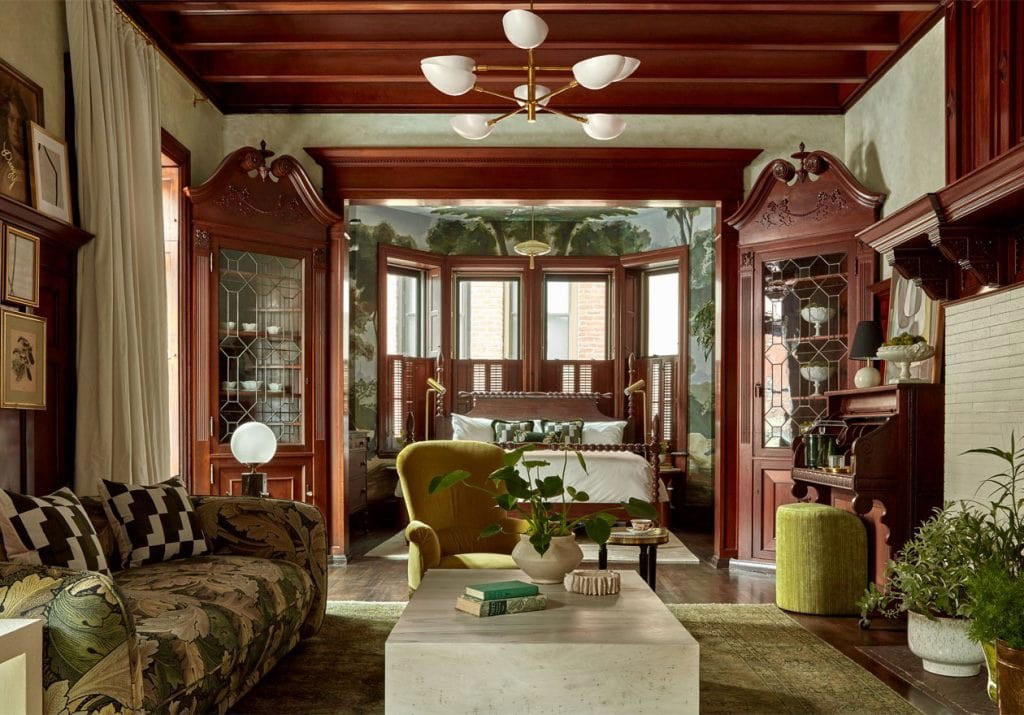
Warm, casual neighborhood tavern atmosphere with a cool, old-time bar feel well-suited for relaxed dining in t-shirts.