Sandhamns Värdshus sits on one of the Stockholm archipelago's most storied sailing islands, where the logic of the kitchen has always followed the logic of the sea. The setting shapes the menu more than any chef's ambition could: what arrives by boat, what the water yields, what the short Nordic seasons permit. For anyone making the ferry crossing to Sandhamn, it is the natural first stop.
Pearl is the En Primeur Club membership app — saves, bookings, and concierge access live there. Same editors, same standards.
- Address
- Sandhamn 101, 130 39 Sandhamn, Sweden
- Phone
- +46857153051
- Website
- sandhamns-vardshus.se
- Directions
- Get directions
 Saves & bookings on Pearl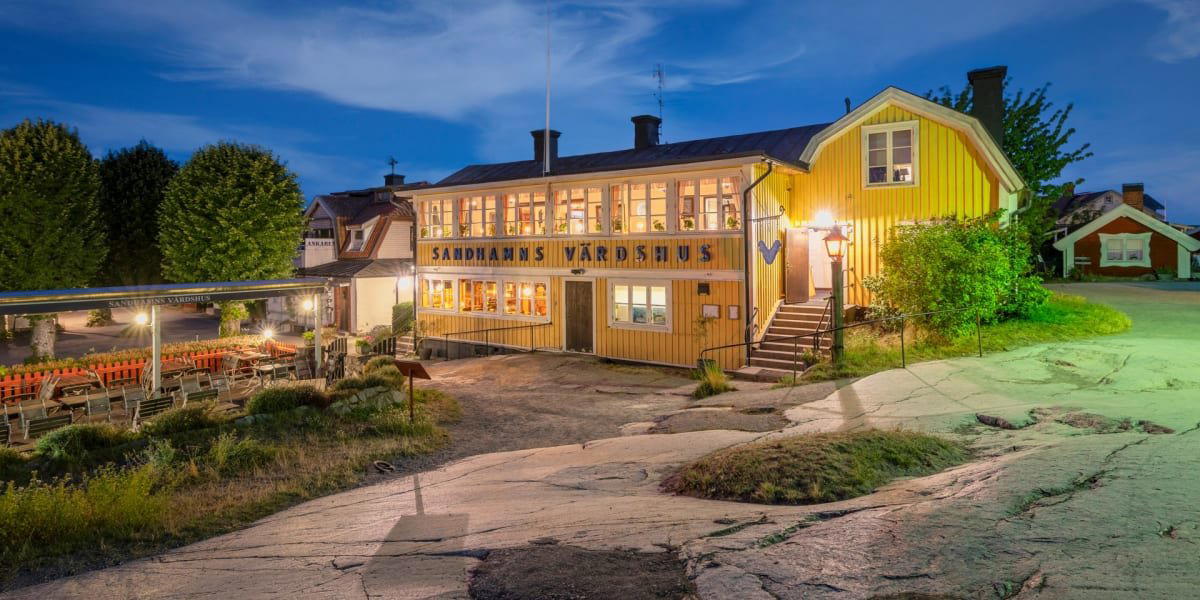
An Island That Sets Its Own Table
The Stockholm archipelago contains more than 30,000 islands, but Sandhamn occupies a particular position within that geography. For centuries it served as the outer gateway for ships entering the Swedish capital, and the sailing culture that grew up around it gave the island an identity distinct from the summer-cottage quietude of its neighbours. Reaching Sandhamn today still requires a ferry from Stavsnäs or a boat from the city, a crossing of roughly two hours that does something useful: it calibrates expectations. You are not in Stockholm anymore, and the food should reflect that. At Sandhamns Värdshus, the oldest inn on the island, it generally does. For a broader orientation to eating and drinking in the archipelago, see our full Sandhamn restaurants guide.
Where the Ingredient Is the Argument
The most coherent way to read dining in the Swedish archipelago is through sourcing, not through technique. The islands sit within a cold-water system that produces crayfish, Baltic herring, pike-perch, and perch at a quality that is simply unavailable inland at the same freshness. The logic of a coastal inn has always been to use what the water and the surrounding landscape provide before anything else arrives by truck or freight. That is not a marketing position; it is an economic and geographic reality that shaped how people ate in these communities long before the New Nordic movement codified it as an aesthetic.
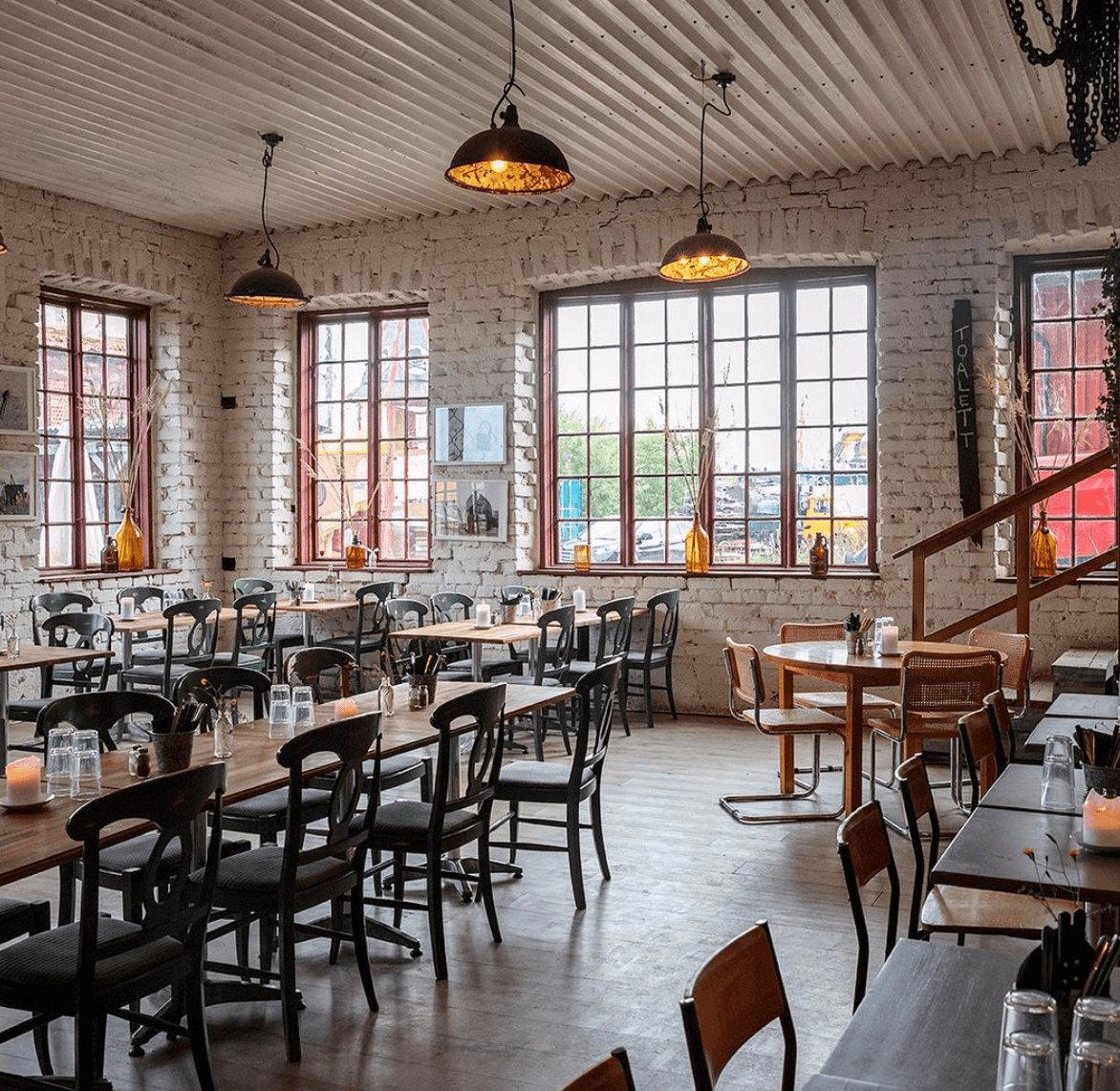
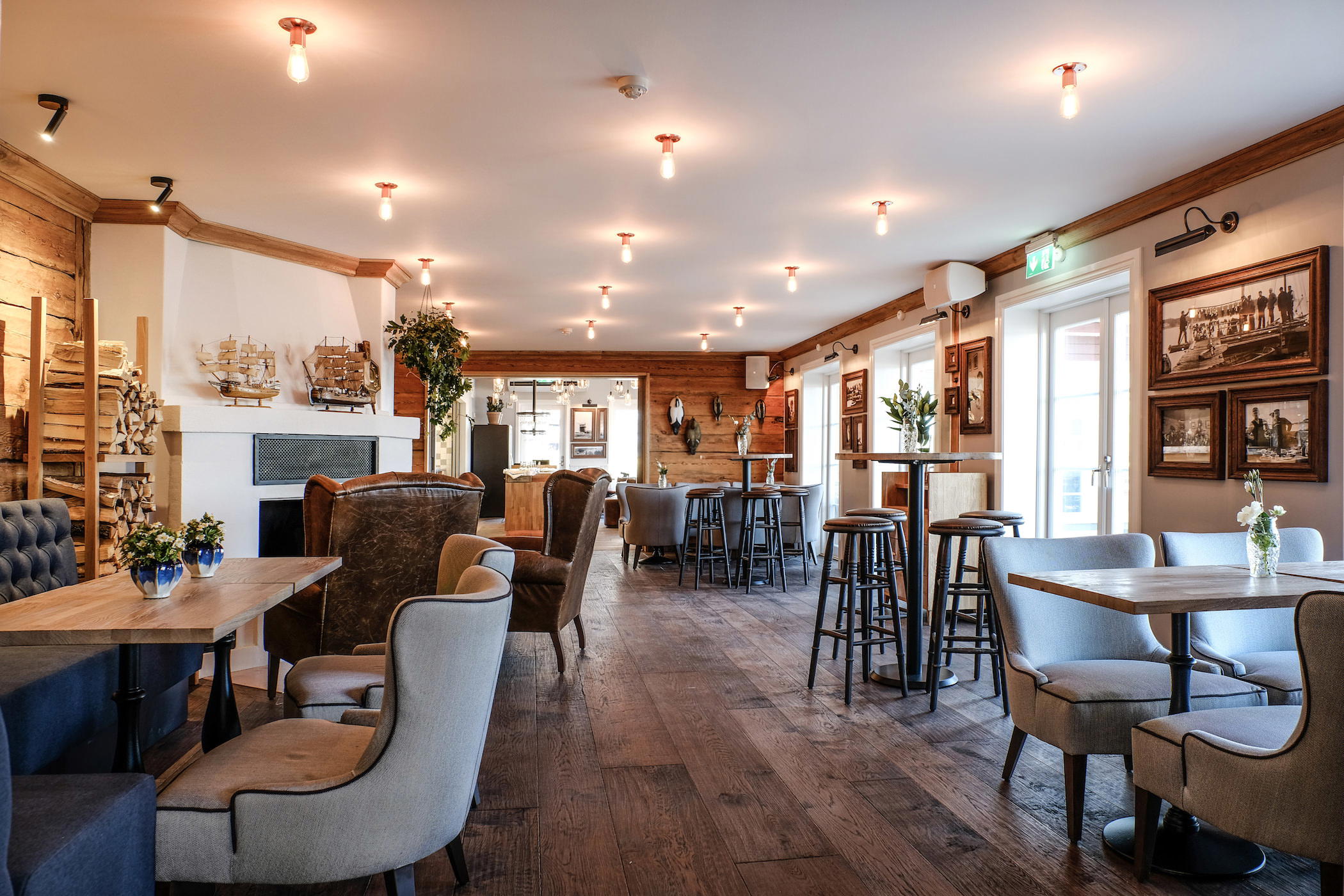
Sandhamns Värdshus, operating in a building that has housed travellers and locals across generations, sits within that tradition rather than performing it. The inn format, common across Scandinavia's coastal communities, was never primarily about fine dining in the contemporary sense. It was about feeding people who had arrived by sea, providing provisions alongside hospitality, and drawing on whatever the season had made available. That context matters when you assess what the kitchen is doing and why. Compare it with the ambitions of places like ÄNG in Tvååker or VYN in Simrishamn, both of which press hard on sourcing as a creative argument, and the värdshus format reads as something older and less self-conscious.
The Archipelago Table in Swedish Context
Sweden's restaurant scene divides roughly along a line between the international-facing fine-dining tier, concentrated in Stockholm and Gothenburg, and a secondary register of regional kitchens that work closer to their raw materials. Frantzén in Stockholm and Vollmers in Malmö occupy the upper bracket of the first category, where kitchen ambition and provenance are both on display. Sandhamns Värdshus belongs to a different conversation entirely, one about place-specific hospitality rather than culinary competition. That is not a lesser proposition, but it is a different one, and conflating them produces the wrong set of expectations.
Within the archipelago specifically, the short summer season concentrates demand intensely. The islands see the bulk of their visitors between late June and mid-August, when daylight is nearly continuous and the sailing races that Sandhamn is known for bring a temporary population of boat crews, families, and day-trippers. A kitchen operating in that context is managing volume and seasonality simultaneously, conditions that reward direct execution over elaborate tasting menus. Coastal inns across Scandinavia have answered this problem the same way for generations: anchor the menu on the most defensible local ingredients, keep the format flexible, and let the setting do the work that a tasting-menu narrative would otherwise have to carry.
Restaurants working a similar coastal-regional register elsewhere in Sweden include Lilla Bjers in Visby on Gotland, where the island's sheep and lamb define the menu, and John's Place in Varberg on the west coast. Each reflects the logic of its specific geography rather than a generic idea of Swedish cooking. Sandhamn's equivalent is the Baltic and archipelago catch, and any visit to Sandhamns Värdshus should be assessed against how well that raw material is being honoured in the kitchen on a given day.
Getting There and Timing Your Visit
Access to Sandhamn determines everything about how to plan around it. Waxholmsbolaget ferries run from Stavsnäs, reached by bus from Slussen in central Stockholm, with the crossing taking around two hours. Cinderellabåtarna operates a faster seasonal service direct from Stockholm's city centre, cutting travel time significantly for those willing to pay the premium. In peak summer, both services require booking ahead, as sailings fill with day-trippers on weekends. The most comfortable visits happen on weekdays in early July or late August, when the island is populated but not overwhelmed and the light quality in the archipelago is at its most characteristic: low-angled, golden, and persistent into the evening.
For context on what the premium end of Swedish regional dining looks like when it pushes harder on technique, Signum in Mölnlycke, 28+ in Gothenburg, and PM & Vänner in Växjö offer useful reference points. Further afield, Knystaforsen in Rydöbruk and Adrian Restaurang in Borås show how Swedish kitchens outside the major cities are working the sourcing argument at different levels of ambition. And for those planning a broader Scandinavian itinerary that includes international reference points, Le Bernardin in New York City remains the clearest benchmark for what serious seafood-led cooking looks like at its most technically disciplined, while Atomix in New York City illustrates how a different cultural tradition handles the tasting-menu format that archipelago inns explicitly do not pursue.
Additional Swedish regional references worth knowing: Brasserie Park in Jönköping, Enoteket in Norrköping, Camp Ripan in Kiruna, and Veto in Örebro each anchor a distinct regional context, and together they sketch how varied Swedish cooking has become outside the capital.
Practical Notes
Sandhamn has no cars, which means the island moves at a pace the food should match. Sandhamns Värdshus is within easy walking distance of the ferry pier, making it the logical first or last stop on any visit. Given the seasonal concentration of visitors, arriving with a reservation in place is advisable during July and peak sailing weekends. The inn has operated through enough summers to know how to handle volume, but that does not mean a table will be waiting. Contact details and current booking options are best confirmed directly via the island's tourism resources, as specific operational hours shift between the shoulder and high seasons.
Quick Comparison
| Venue | Cuisine | Price | Awards |
|---|---|---|---|
| Sandhamns VärdshusThis venue — the venue you are viewing | This venue | Not listed | Not listed |
| Operakällaren | Swedish, Modern Cuisine | €€€€ | Michelin 1 Star |
| AIRA | Modern European, Modern Cuisine | €€€€ | Michelin 2 Star |
| Vollmers | New Nordic, Contemporary | €€€€ | Michelin 2 Star |
| VYN | New Nordic, Creative | €€€€ | Michelin 2 Star |
| Adam / Albin | New Nordic | €€€€ | Michelin 1 Star |
Continue exploring
More in Sandhamn
Restaurants in Sandhamn
Browse all →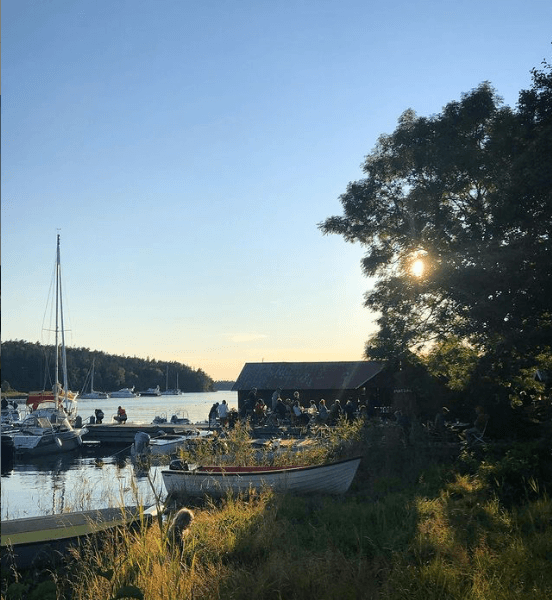
Bars in Sandhamn
Browse all →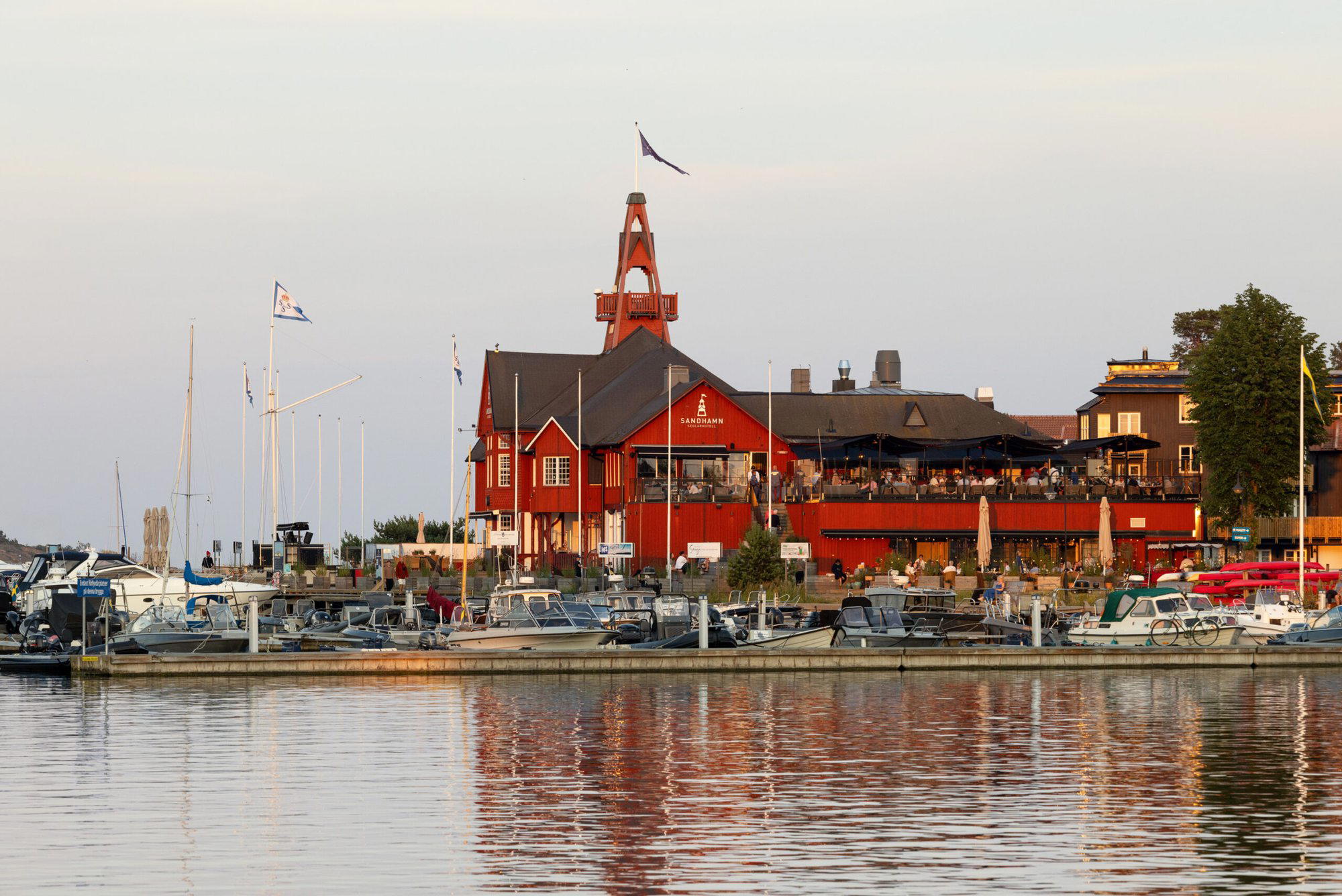
Hotels in Sandhamn
Browse all →
At a Glance
- Classic
- Rustic
- Scenic
- Casual Hangout
- Family
- Waterfront
- Historic Building
- Terrace
- Waterfront
Charming and classic atmosphere with dramatic seaside views from the outdoor terrace.
Know Before You Go
- Getting there
- Sandhamn 101, 130 39 Sandhamn, Sweden