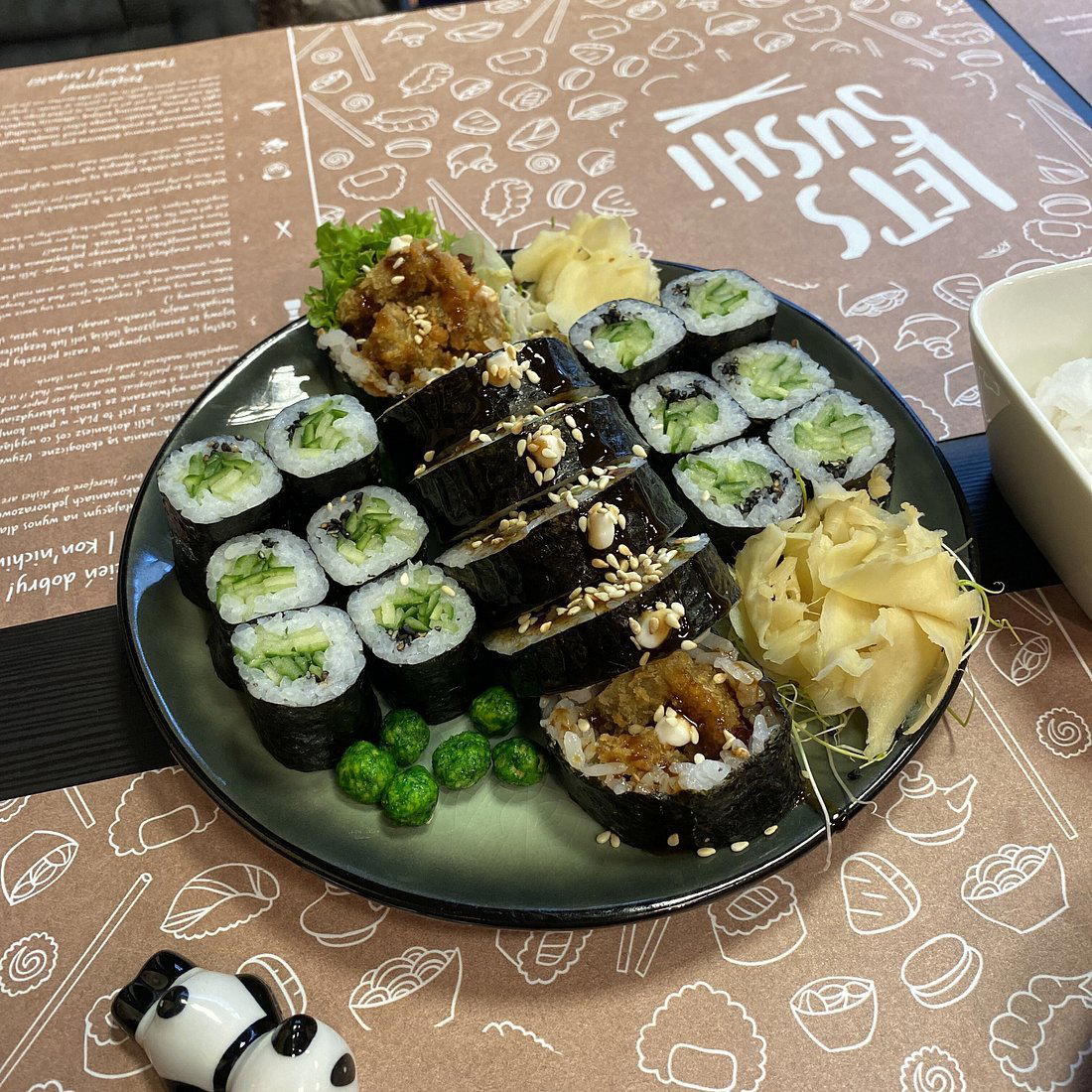
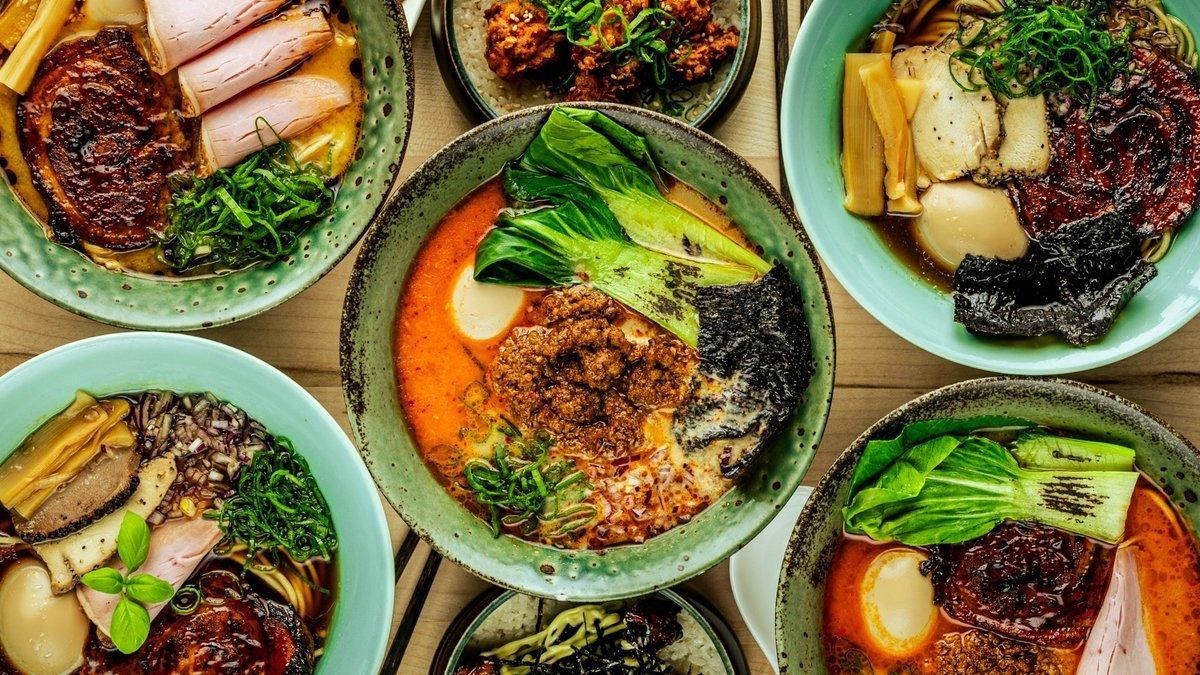
One of the few Japanese-focused restaurants in Bytom, Samurai occupies a distinctive niche in a city whose dining scene skews toward neighbourhood staples rather than international cuisines. Located on Marszałka Józefa Piłsudskiego, it sits within easy reach of the broader Silesian restaurant corridor, offering a local alternative to the more developed Japanese dining options available in nearby Katowice.
Pearl is the En Primeur Club membership app — saves, bookings, and concierge access live there. Same editors, same standards.
- Address
- Marszałka Józefa Piłsudskiego 33/28, 41-902 Bytom, Poland
- Phone
- +48886111048
- Website
- samurai-sushi.com.pl
- Directions
- Get directions
 Saves & bookings on Pearl
Japanese Dining in Poland's Industrial Heartland
Silesia's cities have spent the past two decades rebuilding their cultural identities after the coal industry's retreat, and Bytom sits at the more complicated end of that process. The city's dining scene is smaller and less internationally visible than neighbouring Katowice, where venues like Art Katowice represent a more developed restaurant culture, but that gap has created space for neighbourhood-level specialists to operate without the pressure of a crowded market. Samurai, on Marszałka Józefa Piłsudskiego, occupies that kind of position: a Japanese restaurant in Bytom serving Japanese Sushi & Ramen at an accessible price point.
Japanese cuisine in Polish cities away from Warsaw and Kraków tends to follow one of two patterns. The first is the fast-casual sushi bar format, driven by volume and accessible price points, which proliferated across Poland through the 2010s. The second, less common in smaller cities, is a sit-down restaurant that takes the sourcing and preparation of Japanese-influenced food more seriously, positioning itself against the backdrop of a local dining scene rather than competing directly with the capital's more developed Japanese restaurant tier. Bytom's context places Samurai in that second category by default, though the degree to which it fulfils that role depends on what the kitchen is actually doing with its ingredients, and that is where sourcing decisions become the telling variable.
Why Ingredient Sourcing Defines Japanese Cooking Outside Japan
The central challenge for any Japanese restaurant operating outside Japan is the supply chain. The cuisine's most characteristic qualities, the clean salinity of properly handled fish, the precise sweetness of short-grain rice cooked correctly, the depth of a dashi made from good kombu and katsuobushi, are almost entirely dependent on ingredient quality and provenance. A kitchen can have skilled hands and still produce flat results if the raw materials are compromised by transit, substitution, or cost-cutting. This is not a problem distinctive to Poland; it applies equally to Japanese restaurants in London, New York, or São Paulo.
What separates credible Japanese restaurants in markets like central Europe from the generic sushi bar format is a demonstrable commitment to sourcing decisions: whether the fish comes through a specialist seafood importer, whether the rice variety is appropriate, whether the soy sauce and mirin are Japanese-origin products rather than domestic substitutes. In Poland, these supply chains have improved considerably since the mid-2000s, partly because Warsaw's Japanese restaurant scene, which now runs from neighbourhood sushi counters to more technical operations, created the import infrastructure that smaller cities can access. For comparison, venues like Hashi Sushi in Gdansk and Hattori Hanzo in Czestochowa represent how Japanese dining has spread across Polish cities of varying sizes, each finding its own relationship with those supply questions.
At the international end of the spectrum, restaurants like Atomix in New York City or Le Bernardin set the bar for what rigorous sourcing looks like at a high-investment level. Samurai operates in a fundamentally different tier and city context, but the underlying logic, that the quality of the final plate is inseparable from the provenance of its components, applies regardless of scale.
Bytom's Restaurant Scene and Where Samurai Sits
Understanding Samurai requires understanding Bytom's position in the Silesian restaurant geography. The city of roughly 150,000 is close enough to Katowice to feel its gravitational pull, diners with the means and inclination to eat well often travel the short distance to the regional capital rather than searching locally. This is a pattern common to satellite cities across Europe, and it shapes what kind of restaurants can sustain themselves. Venues that survive in this context tend to serve a loyal local clientele rather than destination diners, which typically means pricing is calibrated to local spending norms and menus are structured for repeat visits rather than single-occasion spectacle.
For a broader sense of where Bytom's dining fits within Poland's restaurant geography, our full Bytom restaurants guide maps the city's options across categories. Elsewhere in Silesia and the wider Polish restaurant scene, the range is considerable: Bottiglieria 1881 in Kraków represents the Michelin-decorated end of Polish fine dining, while Muga in Poznań and hub.praga in Warsaw illustrate the diversity of approaches across different Polish cities. Arco by Paco Pérez in Gdańsk shows what happens when international chef credentials land in a Polish port city. Samurai's frame of reference is more local than any of these, which is not a criticism, it is a description of the market it serves.
Other regional comparisons worth noting for context: Kwestia Czasu in Białystok, Cudne Manowce in Olsztyn, Górnik in Krakow, Włoska Restauracja Bellanuna in Rzeszów, MaQAron Spaghetteria in Bydgoszcz, Kuchnia Manhattan in Gorzów Wielkopolski, Lolo Thai Jolo in Gdynia, and Giewont in Kościelisko all illustrate the range of specialist and regional dining that has developed in Polish cities outside the major centres.
Planning a Visit
Samurai is located at Marszałka Józefa Piłsudskiego 33/28 in Bytom, in a residential and commercial district that reflects the city's mixed urban character. It is walk-in friendly, open daily, and priced at about $15 per person. Bytom is accessible by train from Katowice in under thirty minutes, which makes it reachable for visitors already in the Silesian region without a dedicated trip.
How It Stacks Up
Comparable venues nearby, for context on price, style, and recognition.
| Venue | Cuisine | Price | Notes |
|---|---|---|---|
| SamuraiThis venue — the venue you are viewing | Japanese Sushi & Ramen | $$ | Not listed |
| ITAMAE SUSHI Japanese Restaurant | Japanese Sushi Izakaya | $$ | Plac Wolności |
| Kintaro Ramen&Sushi | Japanese Ramen & Sushi | $$ | Sandomierska |
| Nabo Sushi Rolls | Sushi Rolls | $$ | centrum |
| ŻYLETA BISTRO ŚNIADANIA / LUNCH SOSNOWIEC | Global Bistro Breakfasts & Lunches | $$ | :null |
| Tomo Sushi | Traditional Japanese Sushi | $$ | Ujazdow |
At a Glance
- Casual Hangout
- Solo
- Standalone
- Beer Program
Current opening hours
- Monday
- 10 AM–8:30 PM
- Tuesday
- 10 AM–8:30 PM
- Wednesday
- 10 AM–8:30 PM
- Thursday
- 10 AM–8:30 PM
- Friday
- 10 AM–8:30 PM
- Saturday
- 10 AM–8:30 PM
- Sunday
- 10 AM–7:30 PM
Hours can change for holidays and private events. Last verified .
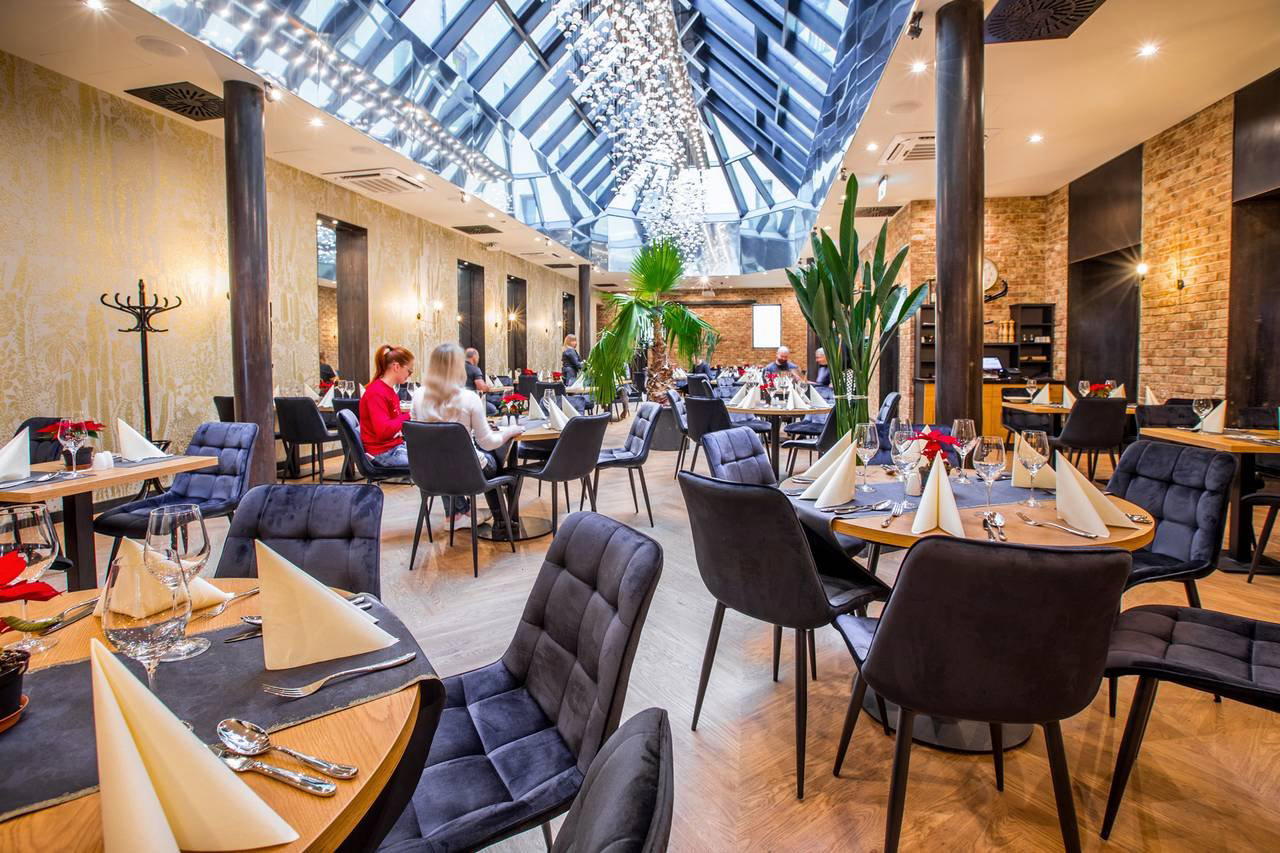
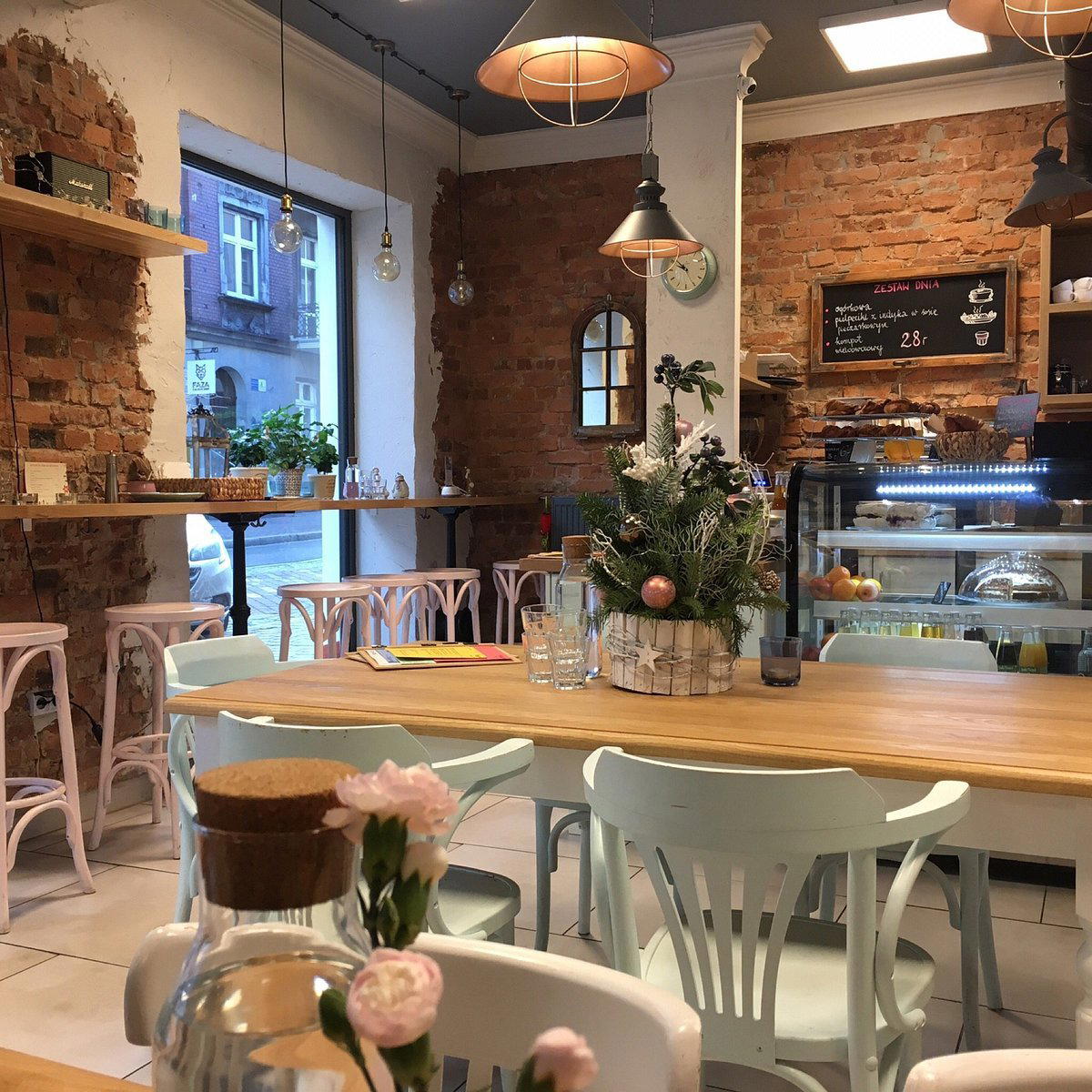
Casual and welcoming atmosphere with a focus on quality food preparation.