Thai Cooking in a Port City Built for Bold Flavors Gdynia has always been a city comfortable with the foreign. Built almost entirely in the twentieth century as Poland's answer to a landlocked trade rival, it absorbed influences from the Baltic...
Pearl is the En Primeur Club membership app — saves, bookings, and concierge access live there. Same editors, same standards.
- Address
- Jana z Kolna 2, 81-348 Gdynia, Poland
- Phone
- +48 512 644 412
- Website
- thaijolo.pl
- Directions
- Get directions
 Saves & bookings on Pearl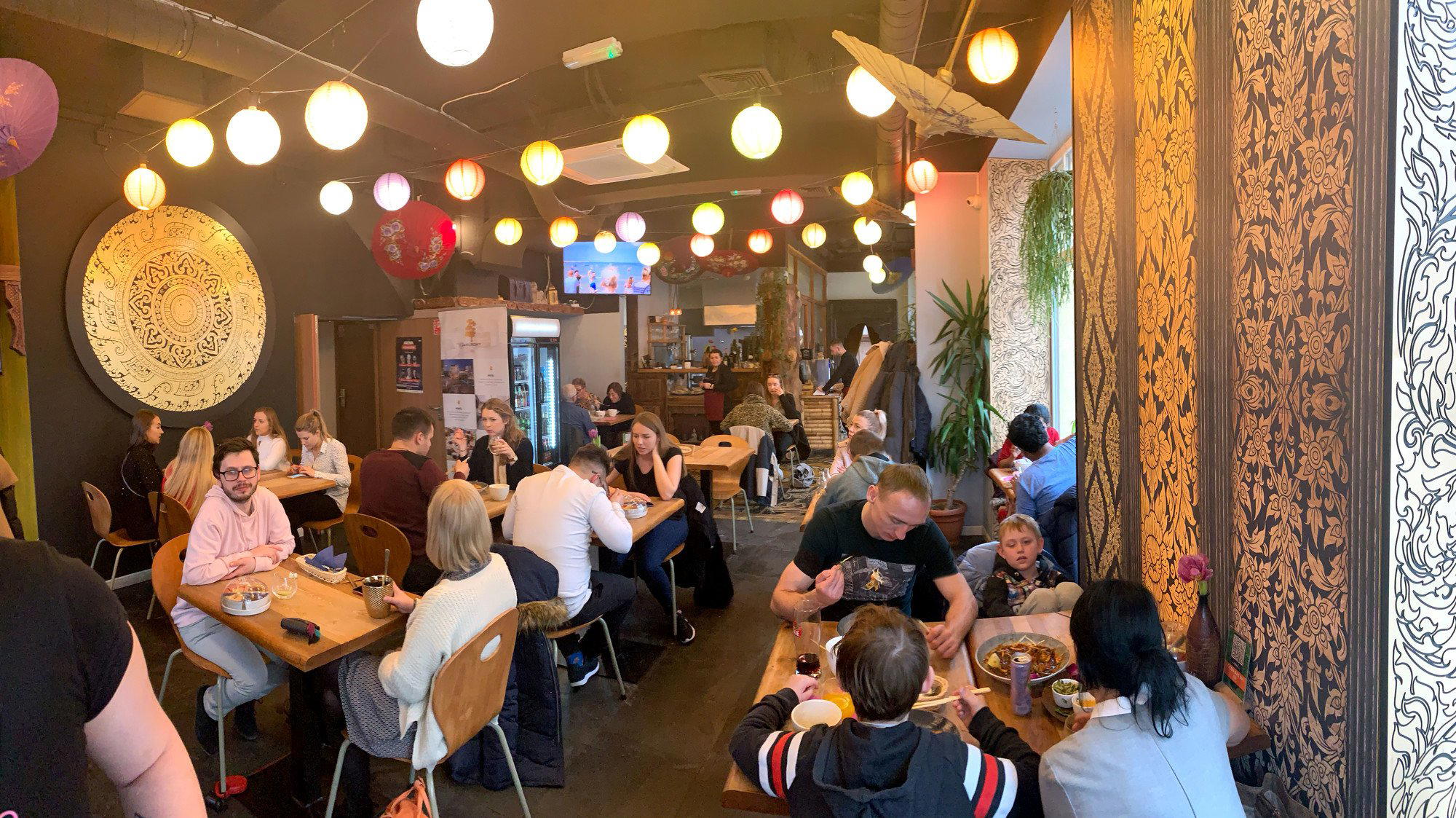
Thai Cooking in a Port City Built for Bold Flavors
Gdynia has always been a city comfortable with the foreign. Built almost entirely in the twentieth century as Poland's answer to a landlocked trade rival, it absorbed influences from the Baltic shipping lanes and wore them without apology. That same openness now shows in its restaurant culture, where Thai kitchens sit alongside Polish tradition and Japanese counters without much friction. Lolo Thai Jolo, a casual Thai restaurant at Jana z Kolna 2 in Gdynia, occupies this multicultural current rather than swimming against it.
Thai cuisine's presence in Polish cities has expanded considerably over the past decade, but quality distribution remains uneven. The gap between restaurants sourcing authentic aromatics, fermented pastes, and regional Thai produce versus those working from generic spice kits is wide, and diners have grown sharp enough to notice it. In Gdynia, where the dining scene includes everything from Biały Królik's Polish craft to the fire-focused approach at Butchery & Wine, the expectation for ingredient integrity has risen steadily.
Where the Ingredients Come From, and Why That Question Matters
The editorial case for any Thai restaurant outside Southeast Asia rests substantially on sourcing. Galangal, kaffir lime leaves, fresh turmeric, fish sauce with actual fermentation depth, palm sugar uncut with cane: these are not interchangeable with European substitutes, and a kitchen that treats them as such produces a flattened version of the cuisine. Across Poland's Thai restaurant sector, the kitchens that have built lasting reputations do so by maintaining supply relationships with specialist importers, often shared with larger city operations in Warsaw or Kraków, who can access Bangkok wholesale markets through Polish-Thai trade networks.
This sourcing logic matters at Lolo Thai Jolo because the Jana z Kolna address places it squarely in Gdynia's commercial core, within walking distance of the city's main transit and hotel cluster. A restaurant in that position draws a mixed audience: residents who return regularly and hold it to a standard, and visitors passing through the Trójmiasto on Baltic or business itineraries. Both groups, in different ways, apply pressure on consistency. The kitchens that hold under that pressure are generally the ones with supply chains disciplined enough to keep core ingredients at specification across seasons.
For comparison, the Thai restaurant tier in Poland's larger cities, including Warsaw, tends to split between high-volume delivery-optimized operations and smaller, more focused dining rooms where ingredient provenance is treated as a differentiator. Gdynia's scale means it supports the latter format more naturally: lower overhead, tighter seat counts, and a local customer base that rewards specificity over spectacle. That context shapes what Lolo Thai Jolo is positioned to offer.
Gdynia's Dining Scene: Where This Kitchen Fits
Gdynia's restaurant culture operates in a different register than Gdańsk's, which draws heavier tourist volume and tilts toward showpiece dining. Gdynia tends quieter and more resident-driven, a character that suits neighborhood Thai kitchens well. The city has developed a coherent mid-tier restaurant culture: Oberża 86 applies seasonal logic to its Polish menu, Hashi Sushi Gdynia anchors the Japanese end of the spectrum, and Kto Napoli handles the Italian crowd with enough seriousness to hold repeat business. The restaurant slots into this landscape as the Thai representative of a dining scene that has learned to take non-Polish cuisines seriously.
That seriousness matters because the reference points available to Polish diners for Thai food have shifted. International exposure through travel and media has raised the floor of what people recognize as authentic, and the same dynamic affecting ambitious kitchens at places like Arco by Paco Pérez in Gdańsk or Bottiglieria 1881 in Kraków trickles into expectations for every cuisine type, including Thai. A kitchen in 2024 that serves pad thai with ketchup in the sauce, or green curry built on dried herbs, is legible as a shortcut to a clientele with any Thai travel experience at all.
Reading the Menu Through a Sourcing Lens
Thai regional cooking divides broadly between the coconut-milk-heavy south, the herb-forward north, and the central plains style that became most exported globally. Each tradition carries its own sourcing demands. Southern curries require coconut cream of a specific fat content; northern larb depends on fresh herbs and toasted rice powder; central-style dishes need quality fish sauce and shrimp paste as foundational flavor rather than background note. The ambition a kitchen demonstrates through its menu structure tends to reflect what it can actually source. A menu that spans regional Thai with specificity is a signal of supply chain investment; a menu that stays safely within the five most globally familiar dishes is often a sign of the opposite.
Across Poland, the Thai kitchens with the strongest followings have generally committed to at least partial regional identity, rather than offering a flattened pan-Thai selection. That commitment requires regular relationships with importers willing to carry low-volume specialty ingredients: fresh lemongrass, bird's eye chilis, holy basil, and fermented items that do not shelf-stabilize well. The logistics are not trivial for a city of Gdynia's size, which is part of why a kitchen that does it consistently builds a loyal customer base faster than marketing alone would explain.
Planning Your Visit
The restaurant is located at Jana z Kolna 2 in central Gdynia, well-positioned for visitors arriving by rail at Gdynia Główna station or staying in the city center. Current hours run Mon-Wed 11:30 AM-10 PM; Thu-Sat 11:30 AM-10:30 PM; Sun 11:30 AM-10 PM, and reservations are recommended. Muga in Poznań, hub.praga in Warsaw, and Giewont in Kościelisko. Those comparing Asian cuisine options across the country will find points of reference at Hashi Sushi in Gdańsk, Hattori Hanzo in Częstochowa, and Kwestia Czasu in Białystok. For seasonal and local-ingredients dining elsewhere in northern Poland, Cudne Manowce in Olsztyn is a useful comparison point.
How It Stacks Up
Comparable venues nearby, for context on price, style, and recognition.
| Venue | Cuisine | Price | Awards | Notes |
|---|---|---|---|---|
| Lolo Thai JoloThis venue — the venue you are viewing | Authentic Thai Street Food | $$ | Not listed | Not listed |
| Pueblo | Mexican | $$ | Not listed | Gdynia |
| Kto Napoli Pizza, Pasta & Friends | Neapolitan Pizza & Pasta | $ | Not listed | Gdynia |
| Quadrille | Modern Polish Fine Dining | $$$$ | Not listed | Orlowo |
| Taverna Zante | Modern Greek Taverna | $$ | Not listed | Gdynia |
| Butchery & Wine | Steakhouse & Grill | $$$ | Michelin Plate | Gdynia |
Continue exploring
More in Gdynia
Restaurants in Gdynia
Browse all →
At a Glance
- Casual
- Cozy
- Casual Hangout
- Family
- Beer Program
Current opening hours
- Monday
- 11:30 AM–10 PM
- Tuesday
- 11:30 AM–10 PM
- Wednesday
- 11:30 AM–10 PM
- Thursday
- 11:30 AM–10:30 PM
- Friday
- 11:30 AM–10:30 PM
- Saturday
- 11:30 AM–10:30 PM
- Sunday
- 11:30 AM–10 PM
Hours can change for holidays and private events. Last verified .
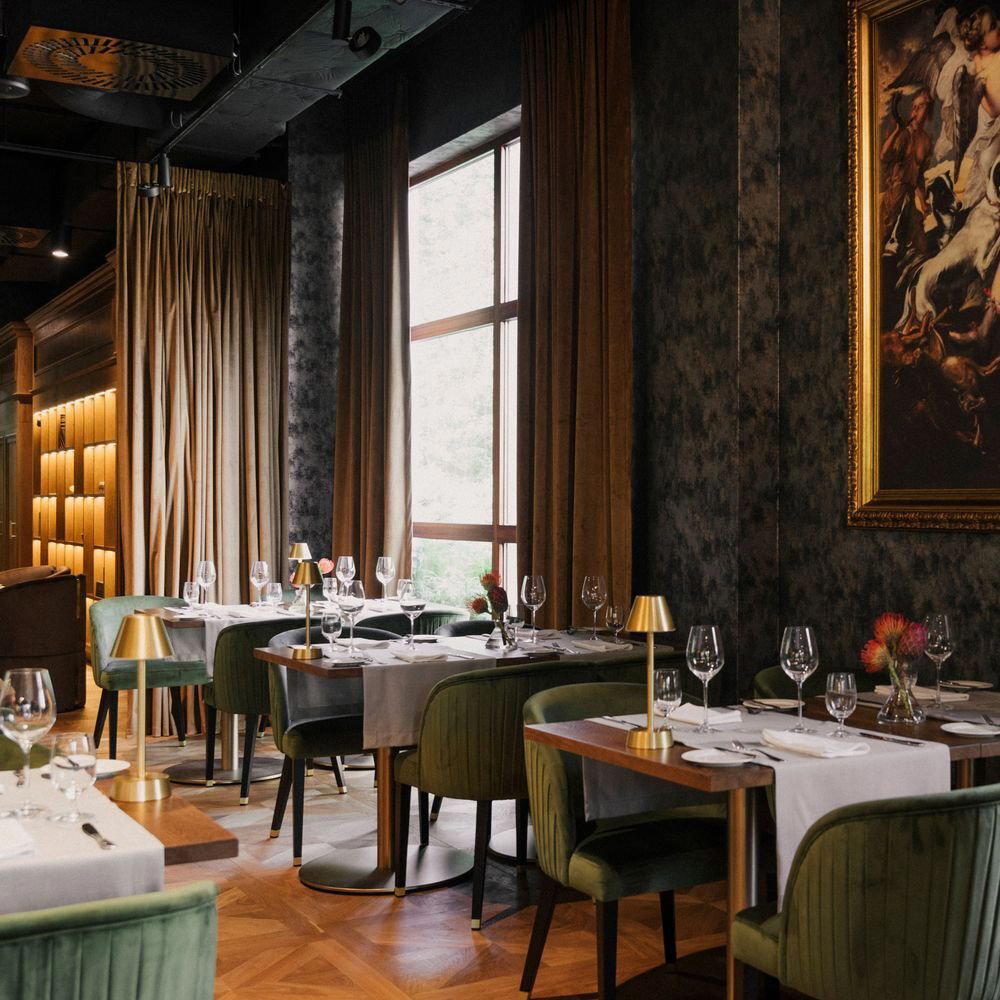
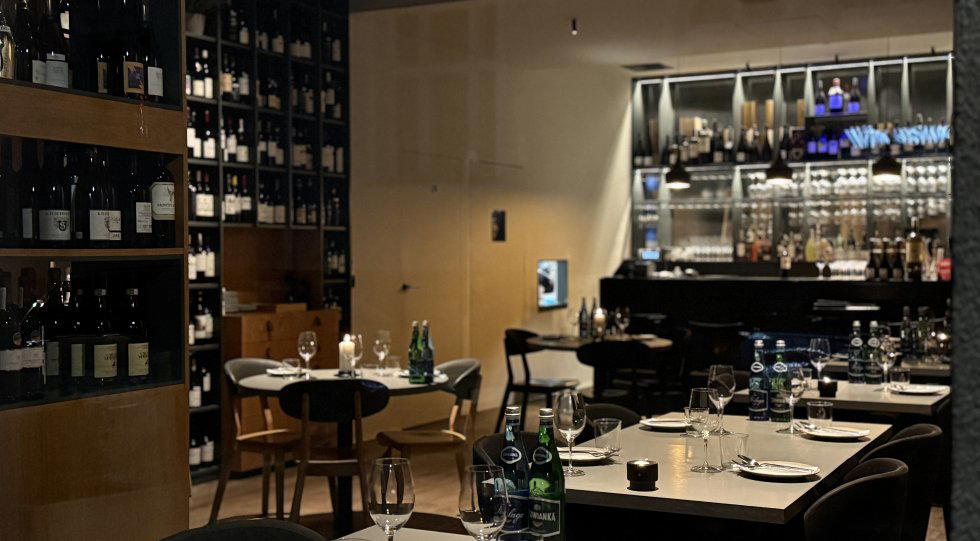
Casual and friendly atmosphere with beautifully presented, colorful Thai dishes.