Sampan

Our verdict
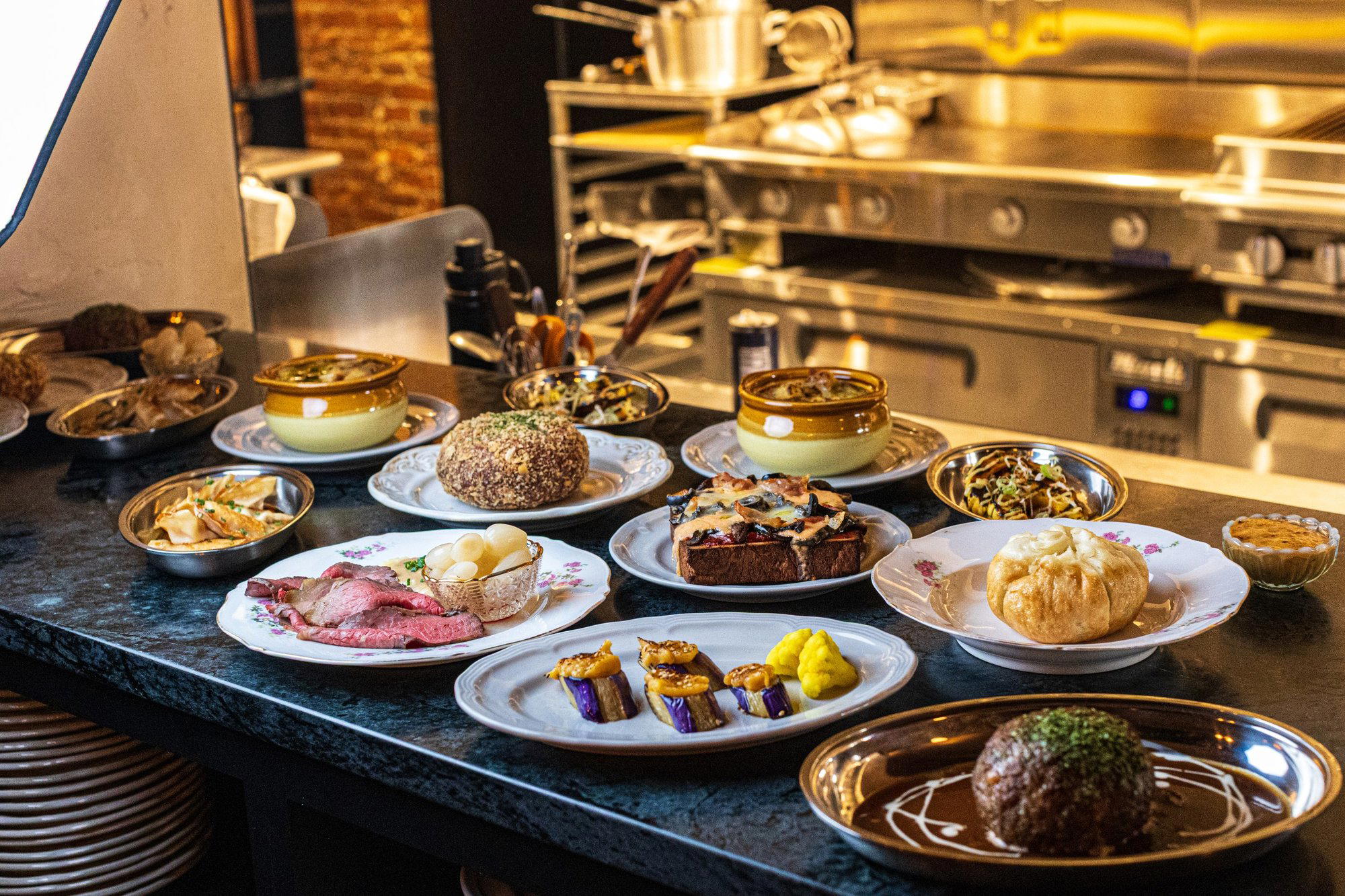
Ranked #656 in Opinionated About Dining's 2025 Casual North America list, Sampan at 124 S 13th St brings pan-Asian cooking to Philadelphia's Washington Square West neighborhood. Chef Michael Schulson oversees the kitchen.

Pearl is the En Primeur Club membership app, where members save venues, book tables and use the concierge.
The menu
What to order
- Cheesesteak_bao
- Crispy_duck
- Edamame_dumpling
- Korean_bbq_beef_satay
Where Philadelphia's Pan-Asian Scene Lands on the National Radar
Pan-Asian dining in American cities has followed a pattern over the past two decades: early iterations leaned on novelty and fusion shock, while the more durable restaurants settled into something more considered, building menus around coherent sourcing logic and a clear sense of where each dish sits geographically. Philadelphia's version of this progression has quietly outpaced expectations, and Sampan at 124 S 13th St represents one of the more telling data points in that story.
That upward movement through the OAD rankings matters as context. The list is assembled from votes by serious diners rather than critics alone, which means movement from unranked to recommended to top 700 over three years reflects a broadening base of considered opinion. For comparison, other Philadelphia addresses with national recognition, like Fork and Friday Saturday Sunday in the New American tier, operate in a category that already has a well-mapped critical vocabulary. Pan-Asian cooking at this level is harder to place on national lists, which makes Sampan's positioning more significant.
The Scene at 13th Street
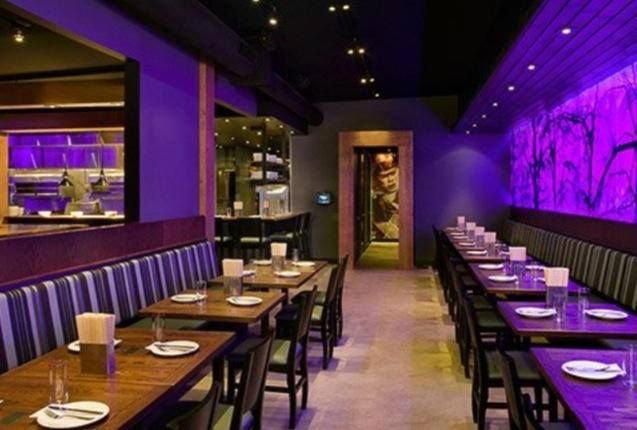
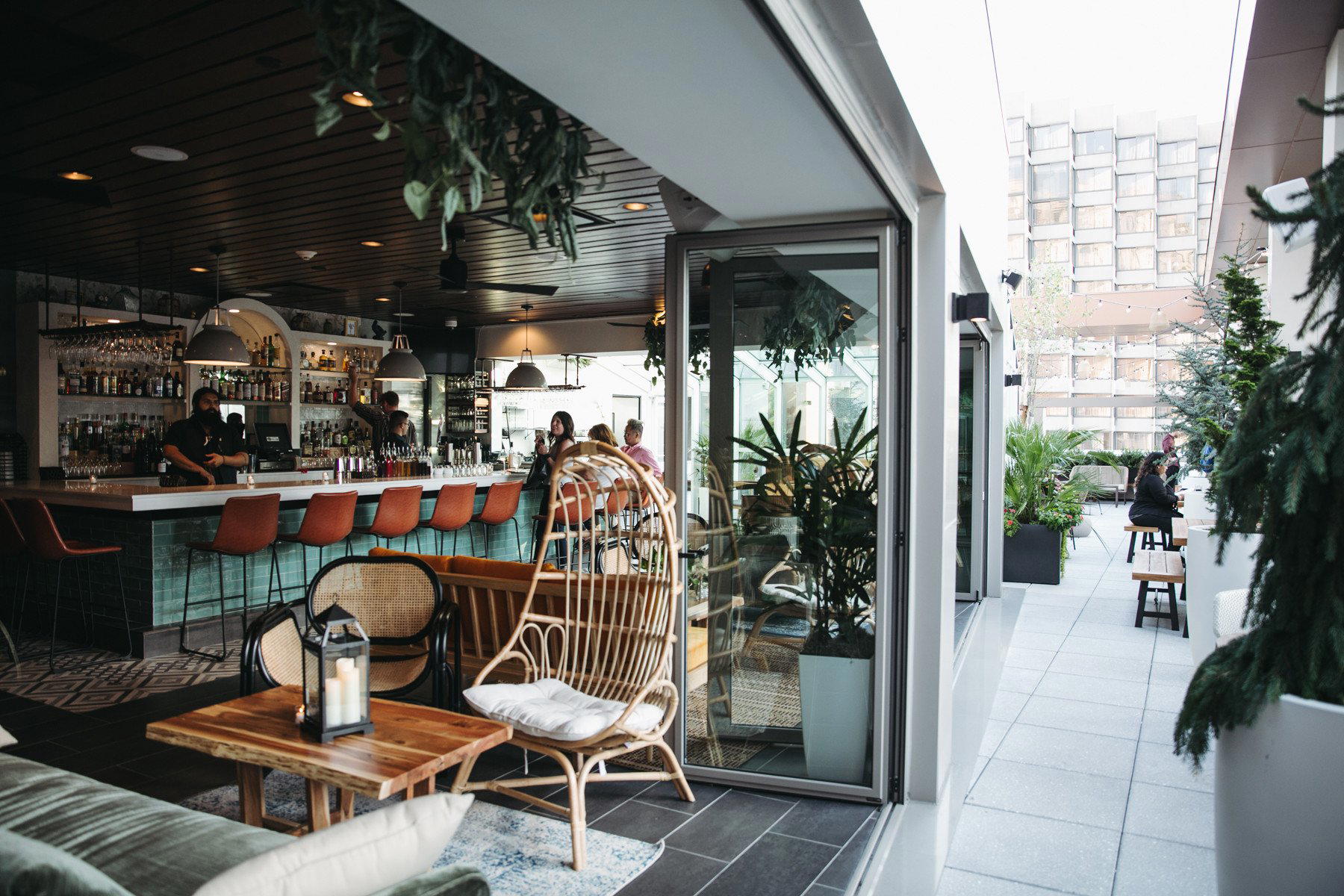
Washington Square West, the block-dense neighborhood running south from Market Street toward South Street, has built a restaurant identity over the last decade that leans into neighborhood regulars rather than destination diners. The stretch of 13th Street where Sampan operates carries that character: mid-rise buildings, narrow sidewalks, and an evening foot traffic that reads more like a local dining quarter than a tourist corridor. Approaching the entrance after 8 pm on a Friday, you are in a part of the city that has already committed to the night. The street stays active until midnight on weekends, and Sampan's hours reflect that pattern, staying open until midnight on Fridays and Saturdays and until 10 or 11 pm across the rest of the week.
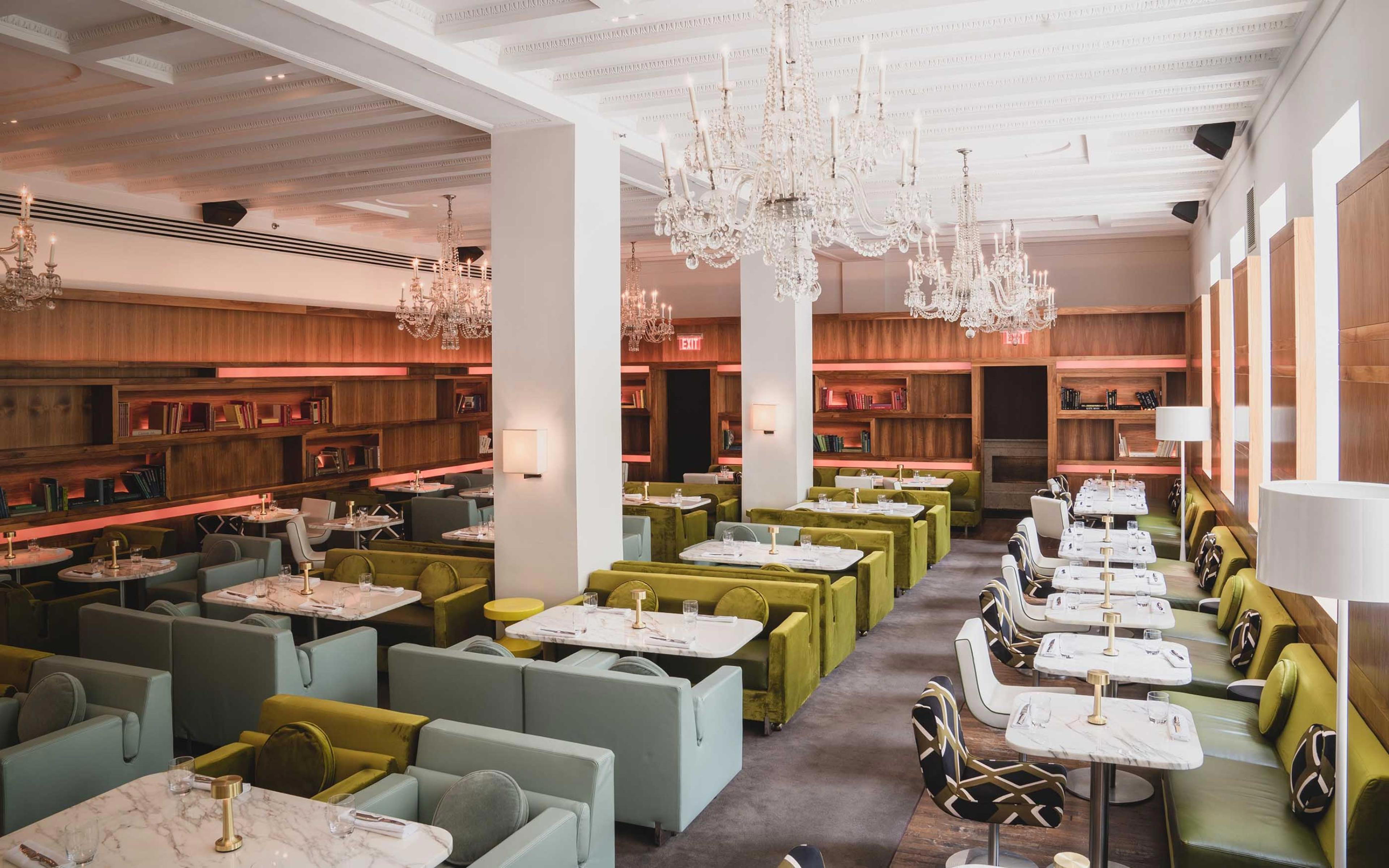
Inside, the format belongs to a category that Philadelphia has become increasingly good at: mid-scale restaurants with enough physical presence and kitchen ambition to compete on quality, without the formal architecture of a tasting-menu room. This sits in the same tier as Mawn, which handles Cambodian and broader pan-Asian influences further north in the city. Both operate in the space between casual neighborhood eating and destination dining, a zone that cities like San Francisco (see Lazy Bear) and New York (see Atomix) have monetized at higher price points but that Philadelphia has kept more accessible.
The Sourcing Question in Pan-Asian Cooking
Pan-Asian menus present specific sourcing challenges that single-cuisine kitchens do not face at the same scale. A restaurant that draws from Japanese, Chinese, Korean, and Southeast Asian traditions simultaneously must source ingredients that fall outside what regional American farms typically prioritize. This is where the sustainability angle in pan-Asian cooking becomes both more complicated and more interesting than it appears on the surface. The ingredients that define these cuisines, from specific fermented pastes to particular rice varieties to fresh aromatics, have historically relied on import supply chains rather than local networks.
The stronger operators in this category have begun to work around that constraint in meaningful ways, building relationships with mid-Atlantic farms that can grow specialty Asian vegetables (gai lan, shiso, specific pepper varieties) and sourcing proteins through regional suppliers who meet welfare and traceability standards even when the preparation method is distinctly Asian in orientation. Whether Sampan has formalized that kind of sourcing infrastructure is, but the direction of travel in this category nationally, at addresses like Single Thread Farm in Healdsburg and at restaurants with integrated farm relationships, has shifted the baseline expectation for what responsible pan-Asian sourcing looks like.
Chef Michael Schulson's presence in Philadelphia's restaurant conversation is relevant here as context rather than biography. Schulson operates multiple concepts in the city, and the operational footprint of a multi-unit operator tends to create purchasing use that a single-location kitchen cannot access. That scale can cut either way on sustainability: it enables better supplier relationships and higher minimum orders that make ethical sourcing economically viable, but it can also mean standardization that works against seasonal flexibility. The net effect depends on how the procurement is structured, which is a more useful way to assess sourcing practice than brand statements alone.
How Sampan Fits Philadelphia's Broader Restaurant Conversation
Philadelphia's dining scene has developed a reputation nationally for value density, producing restaurants that compete with counterparts in New York, Chicago, and San Francisco at lower price points. That positioning has been well documented, and it applies across cuisine types. The city's Mexican addresses, including South Philly Barbacoa, have drawn national attention for the same reason: serious cooking at prices that reflect the city's cost structure rather than a luxury markup. Sampan occupies a similar position within pan-Asian cooking, offering a level of execution that the OAD ranking places it ahead of the majority of casual Asian restaurants in North America while operating at an accessible price point in a walkable neighborhood.
The pan-Asian format at this level is worth comparing to what the category looks like at higher price tiers elsewhere. 8 1/2 Otto e Mezzo Bombana in Hong Kong and Le Bernardin in New York City operate in regions where ingredient sourcing, kitchen discipline, and a defined critical framework have raised the floor for what the category requires. Sampan is not in that formal tier, but its OAD trajectory suggests it is doing something that the broader casual dining market in North America finds worth ranking and returning to. Consistent improvement over three consecutive years on a voter-driven list is a harder signal to manufacture than a single strong review.
For the full picture of where Sampan sits within Philadelphia's dining scene, the city's restaurant context is useful: see My Loup for the French-influenced end of the local spectrum, or the broader Philadelphia restaurants guide for a mapped view of the city's categories and neighborhoods. Those planning a wider Philadelphia visit can also find context in the Philadelphia hotels guide, the bars guide, the wineries guide, and the experiences guide. Sampan's Washington Square West address puts it within reasonable walking distance of much of Center City's broader offer, which matters when planning an evening that might extend well past the kitchen's last orders.
Planning a Visit
Sampan opens at 4 pm daily, with the kitchen running until 10 pm Sunday through Tuesday, 11 pm Wednesday and Thursday, and midnight on Friday and Saturday. The late-night window on weekends makes it a workable option for post-theater or post-event dining, a use case that fits 13th Street's evening character. For additional context on the US dining scene at the level above Sampan's casual tier, Alinea in Chicago, Emeril's in New Orleans, and The French Laundry in Napa represent the formal end of what American restaurant ambition looks like at its most constructed.
Frequently asked questions
What dish is Sampan famous for?
The restaurant operates as a pan-Asian kitchen under Chef Michael Schulson, drawing from multiple Asian culinary traditions.
Booking and Cost Snapshot
Comparable options at a glance, pulled from our tracked venues.
| Venue | Cuisine | Price | Awards | Notes |
|---|---|---|---|---|
| SampanThis venue (the venue you are viewing) | Pan-Asian Fusion Small Plates | $50–100 | Not listed | Not listed |
| Fork | Seasonal New American | Not listed | James Beard Award Outstanding Restaurateur #1 · Wine Spectator Award of Excellence | New American |
| Friday Saturday Sunday | Modern American Tasting Menu | $100–150 | 1 Michelin Star · World's 50 Best #40 | New American |
| South Philly Barbacoa | Authentic Mexican Barbacoa Taqueria | $10–20 | James Beard Award Best Chef: Mid Atlantic · Chef's Table Featured on Chef's Table | Mexican |
| Barbuzzo | Mediterranean Small Plates & Pizza | $30–50 | Not listed | Italian |
| Federal Donuts | Fried Chicken & Donuts | $10–20 | Not listed | Doughnuts |
Recognition history
Dated appearances from independent guides and award organizations, with the underlying list record or original source where available.
Opinionated About Dining Casual in North America Recommended
Opinionated About Dining
Full recognition history (4 entries)
Opinionated About Dining Casual in North America Ranked #656
Opinionated About Dining
Opinionated About Dining Casual in North America Ranked #844
Opinionated About Dining
Opinionated About Dining Casual in North America Recommended
Opinionated About Dining
Continue exploring
More in Philadelphia
Restaurants in Philadelphia
All restaurants in Philadelphia →
Bars in Philadelphia
All bars in Philadelphia →
Details
- Trendy
- Lively
- Modern
- Sophisticated
- Date Night
- Group Dining
- Business Dinner
- Casual Hangout
- Open Kitchen
- Craft Cocktails
- Sake Program
- Small Plates
- A La Carte
- Tasting Menu
- Sake
- Cocktails
- Vegetarian Friendly
- Vegan Options
- Gluten Free Options
Current opening hours
- Monday
- 4–10 PM
- Tuesday
- 4–10 PM
- Wednesday
- 4–11 PM
- Thursday
- 4–11 PM
- Friday
- 4 PM–12 AM
- Saturday
- 4 PM–12 AM
- Sunday
- 4–10 PM
Hours can change for holidays and private events. Hours as of .