
A nine-seat Korean counter in Osaka’s Ikuno ward, Samgyetang Niru treats samgyetang as occasion food rather than casual comfort fare. Its selection for Tabelog’s Asian cuisine / Ethnic cuisine WEST 100 in 2022, 2023, and 2024 places it among the region’s more closely watched Korean restaurants.
Pearl is the En Primeur Club membership app — saves, bookings, and concierge access live there. Same editors, same standards.
- Address
- 大阪府大阪市生野区桃谷4-1-11
- Phone
- +81672210710
- Website
- somegettown.co.jp
 Saves & bookings on Pearl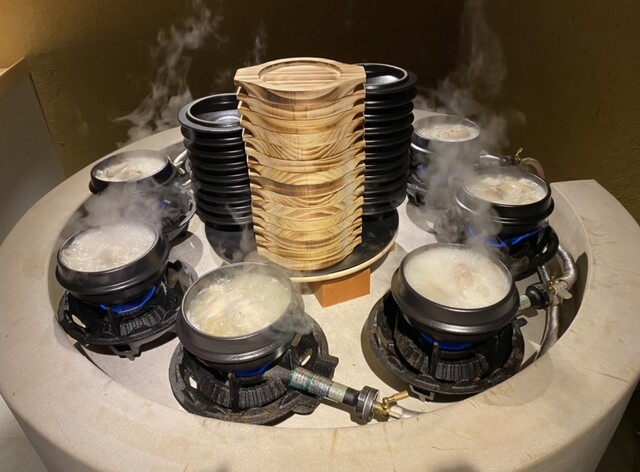
Ikuno’s Korean dining culture has always been less about spectacle than concentration: small rooms, regulars who know what they came for, and dishes that carry the weight of family gatherings as much as restaurant fashion. In that setting, a nine-seat counter changes the mood of samgyetang. The chicken-and-ginseng soup is not treated as an anonymous restorative bowl between errands; it becomes a focused, sit-down event, the kind of meal that suits birthdays, parent visits, and quiet celebrations where ceremony matters more than noise.
Osaka has several dining identities running at once. Dotonbori feeds the city’s appetite for bright signage and quick decisions, while neighborhoods such as Tsuruhashi and Momodani keep Korean food tied to market streets, everyday shopping, and multigenerational habits. Samgyetang Niru belongs to the latter Osaka. The category is Korean, but the editorial point is narrower: a restaurant built around a dish associated in Korea with stamina, heat, and care, presented in a room small enough to make timing and seat choice part of the occasion.
A Korean celebration dish given counter-level focus
Samgyetang has a different cultural rhythm from barbecue or fried chicken. It is not designed around group grazing or late-night drinking; it centers on a whole-bird soup traditionally associated with nourishment, especially during Korea’s hottest summer days. In Japan, Korean restaurants often win attention through grill smoke, shared platters, and convivial abundance. A counter-format samgyetang specialist points in another direction: slower, quieter, and more intentional.
That makes the restaurant useful for a specific kind of Osaka meal. It is intimate without being formal in the Western fine-dining sense, and its appeal is not built on a long tasting menu. The draw is the compression of the experience: a limited number of counter seats, a defined Korean category, and a dish with enough cultural weight to justify planning around it. For diners marking a small milestone, that can be more persuasive than a louder room with a broader menu.
The recognition matters because ethnic and Asian cuisine lists in western Japan cover a wide field, from South Asian curry specialists to Vietnamese counters and Korean dining rooms. Selection for Tabelog’s Asian cuisine / Ethnic cuisine WEST 100 in 2022, 2023, and 2024 signals consistency within that mixed competitive group. It does not turn the meal into haute cuisine, and it should not be read like a Michelin star. It does, however, mark the restaurant as part of a narrower set of regional specialists whose reputations are built on repeat confidence rather than tourist novelty.
Where it sits in Osaka's occasion-dining map
Osaka occasion dining is often misunderstood from outside the city. Not every celebration requires a hotel dining room, a steak counter, or a long omakase spend. The city is good at meals that feel personal because they are specific: okonomiyaki in a family-run room, ramen with a loyal queue, Korean soup in Momodani, or a bakery stop folded into a neighborhood itinerary. That is why Samgyetang Niru’s scale matters. Nine counter seats create a different social contract from a large hall; the meal rewards diners who want attention on one dish and one conversation.
Within the comparison set available in Osaka, Okonomiyaki Omoni Honten occupies a similar casual price tier while speaking to a different tradition: griddle-centered, shared, and Kansai-coded. Man masa moves into a higher spend bracket, while Ramen Shuki sits lower and faster. Yaoyasu overlaps more closely on cost, and Pocket reaches into a different range depending on meal period. Samgyetang Niru is not competing with all of them for the same evening. It is the choice when a Korean specialty, counter seating, and a contained meal carry more value than breadth.
For a broader Osaka plan, it pairs well with a day that takes the city seriously beyond its central entertainment zones. Readers building a dining map can start with Our full Osaka restaurants guide, then branch into other city categories through Our full Osaka hotels guide, Our full Osaka bars guide, Our full Osaka wineries guide, and Our full Osaka experiences guide. Nearby or contrasting restaurant references in the wider Osaka file include.cafe, 52CHO-ME BAKERY, 551 Horai (551蓬莱), 99 Pizza Napoletana Gourmet, and a canto (Italian).
The decision: intimate, specific, and better for small milestones
The strongest case for the restaurant is not that it tries to cover every Korean craving in Osaka. Its case is discipline. A compact counter, a Korean specialty associated with care and recovery, and repeated Tabelog 100 recognition make it better suited to a two-person or small-group occasion than to a loose night out. The price tier also keeps the meal grounded: this is celebration dining without the performative spend of a luxury tasting counter.
That specificity also creates limits. Diners looking for a broad Korean spread, private-room ease, or a long drinks-led evening should choose another format. The better match is a traveler or local host who wants a meal with cultural clarity and enough recognition to justify advance planning. In Osaka, where casual dining can be as serious as formal dining, that is exactly the point.
For readers comparing Japanese dining formats beyond Osaka, the wider EP Club restaurant file includes -Grilled beef Sukiyaki- KAMAKURA TANUKIAN 鎌倉 たぬき庵 in Kamakura. 鮪と炭火焼き うお炭 秋葉原店 in Tokyo.know in Kumamoto, (Shoku) Vietnam in Kawasaki, [Curry Senmon Ten] Maruyama Kyoju. in Sapporo, [ki:] in Kyoto, Jōdo Saké Bar in Los Angeles, and Onigiri Time in Pasadena.
Awards and Standing
Comparable venues to calibrate price, style, and recognition.
| Venue | Cuisine | Price | Notes |
|---|---|---|---|
| Samgyetang NiruThis venue — the venue you are viewing | Samgyetang-focused Korean restaurant | $$ | Not listed |
| カドヤ食堂 本店 | Classic Osaka Chuukasoba Ramen | $$ | Nishi-Ku / Nishi-Nagahori |
| Manbo Chip | Traditional Korean house‑style dining | $$$ | Ikuno |
| Singh's Kitchen | Authentic Indian curry house with Hyderabadi biryani | $$ | Chūō |
| Grill Bon | Classic Yoshoku beef cutlet & katsu sando | $$ | Naniwa |
| Takada Noageage | Osaka stand-up fried foods bar | $$ | Chūō |
Recognition history
Dated appearances from independent guides and award organizations, with the underlying list record or original source where available.
Tabelog 100 #87 · No. 87
Tabelog · Tabelog 100 - Asian cuisine / Ethnic cuisine - WEST - 2024
Continue exploring
More in Osaka
Restaurants in Osaka
Browse all →




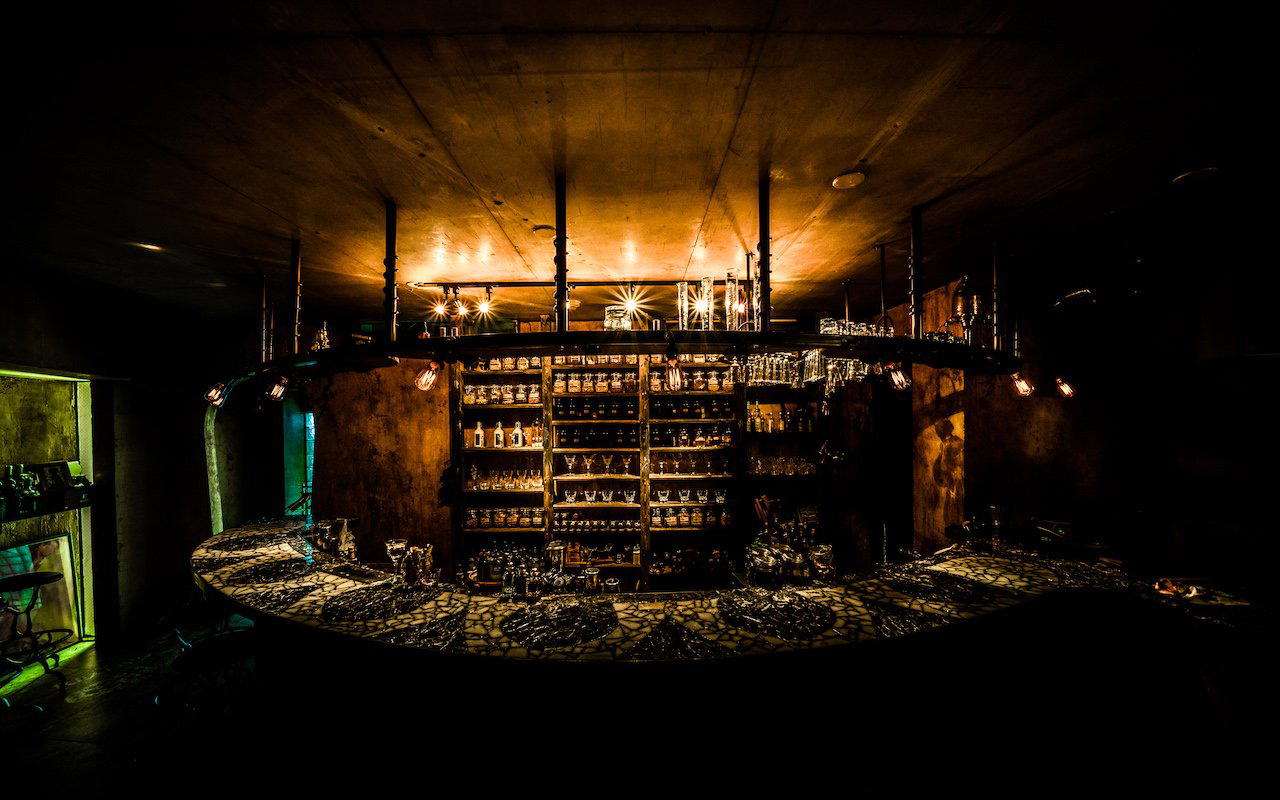
Bars in Osaka
Browse all →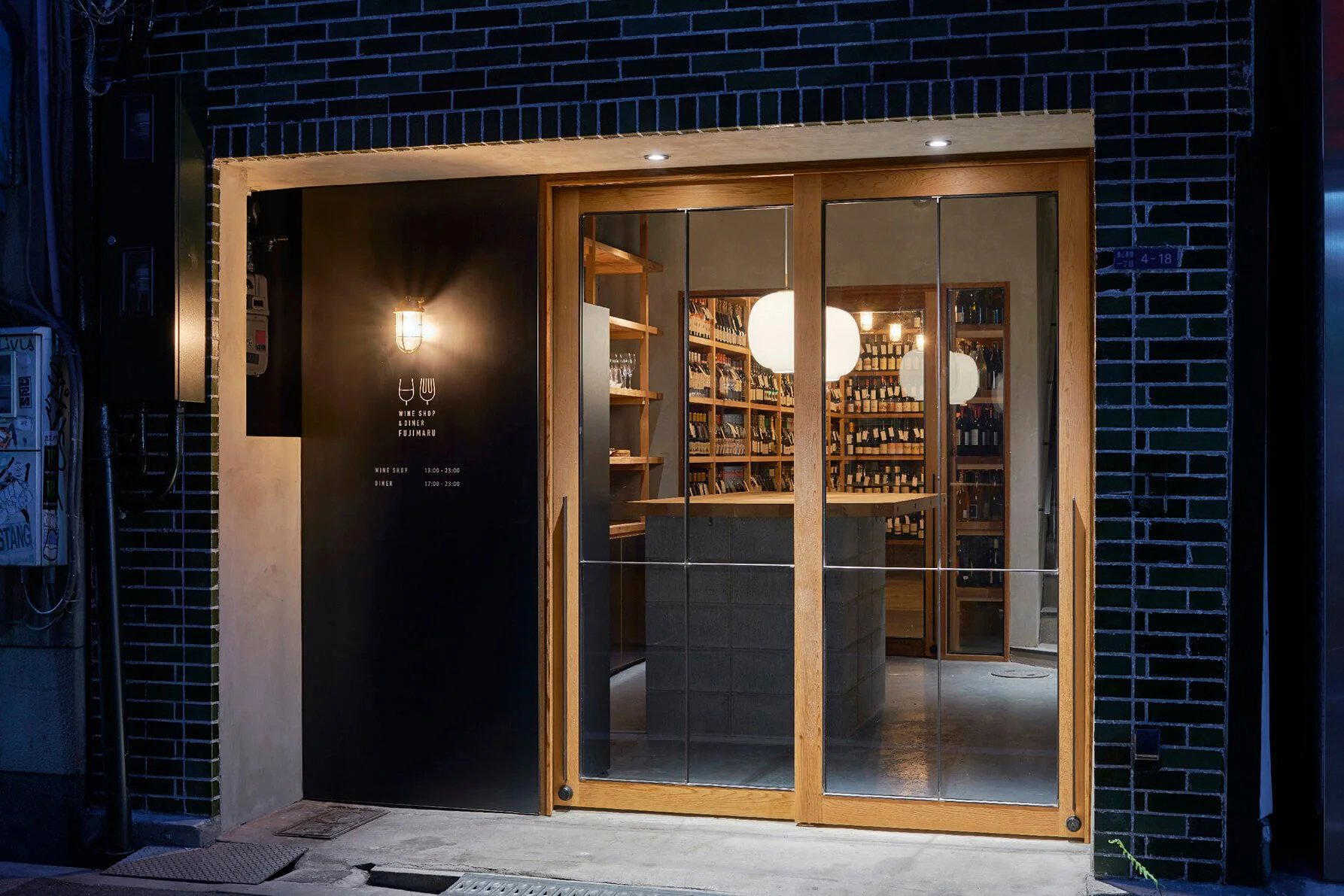
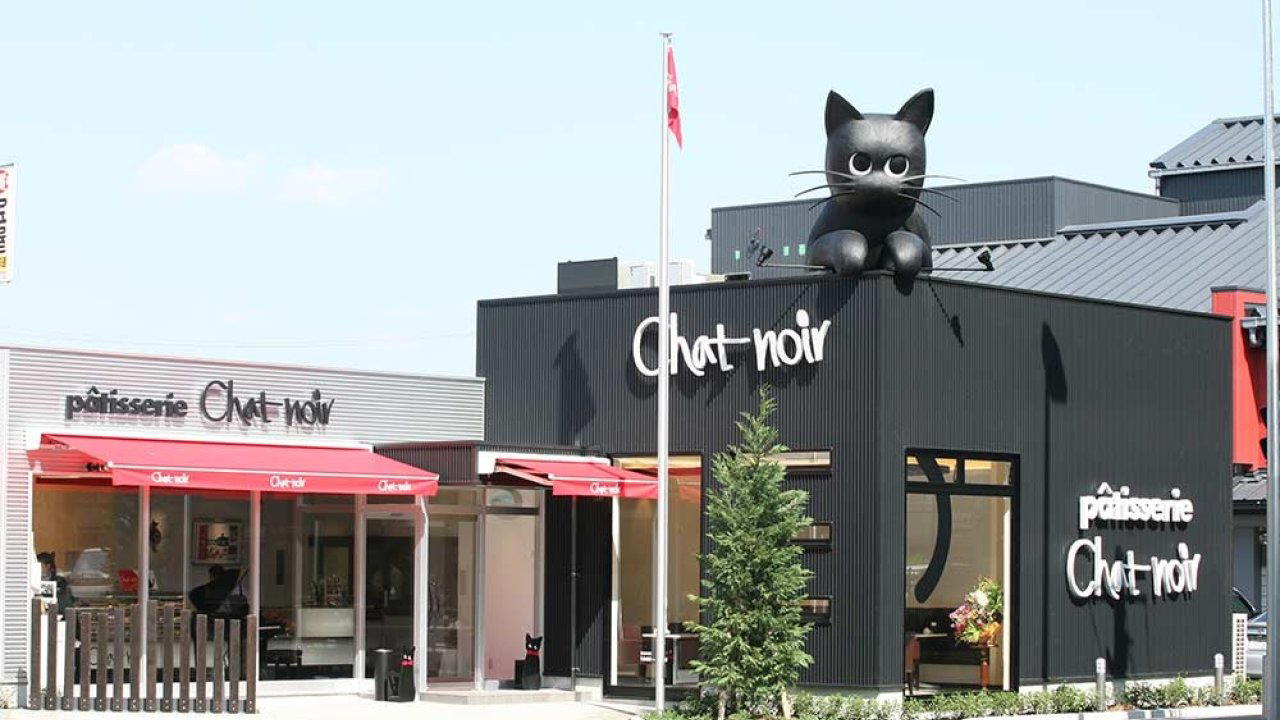

Hotels in Osaka
Browse all →



Wineries in Osaka
Browse all →
At a Glance
- Cozy
- Intimate
- Solo
- Casual Hangout
- After Work
- Standalone
small counter-only space with a warm, homely feel; guests sit side by side at a simple counter while steaming pots of samgyetang and colorful banchan create a cozy, convivial atmosphere rather than a formal dining experience.