
A small yoshoku counter near Ebisucho, Grill Bon gives Osaka’s Western-influenced comfort cooking a compact, value-led expression. Its Tabelog 100 Yoshoku WEST 2025 selection, 15-seat scale, sandwich-steak category, and alley setting place it in a narrower bracket than the city’s louder street-food addresses.
Pearl is the En Primeur Club membership app — saves, bookings, and concierge access live there. Same editors, same standards.
- Address
- 1 Chome-17-17 Ebisuhigashi, Naniwa Ward, Osaka, 556-0002, Japan
- Phone
- +81 6-6632-3765
- Website
- tabelog.com
 Saves & bookings on Pearl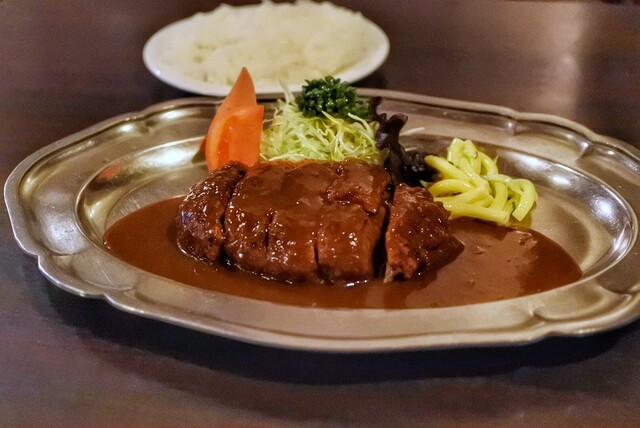
Approaching the alleys around Ebisucho, Osaka changes register. The city’s neon appetite is nearby, but the smaller lanes move differently: short menus, quick turnover, regulars who know what they came for, and kitchens built around durable ideas rather than spectacle. Grill Bon belongs to that Osaka, where yoshoku is not novelty but a practical language for bread, beef, sauce, and rice.
Yoshoku, Japan’s long-running interpretation of Western cooking, is often flattened abroad into nostalgia food. In Osaka, it reads better as an urban price-performance category. It rewards compact rooms and tight menus because the dishes feel considered yet familiar enough to keep lunch and early dinner moving. Grill Bon’s selection for Tabelog 100 Yoshoku WEST 2025 gives it an external marker in that field; more important is how the format fits the neighborhood: small scale, direct cooking, and a bill below the city’s luxury dining conversation.
Yoshoku value in a city that already eats well
Osaka’s casual dining economy is unusually competitive. Udon counters, okonomiyaki rooms, curry specialists, bakeries, takeout pork buns, and small Western-style kitchens all fight for attention within a few train stops. Yoshoku therefore has to justify itself with more than retro charm. Compared with lower-priced casual peers such as Mutekko Oosaka ten, Okonomiyaki Chitose, Tezukuri Udon Tenkomori, and Yuai Tei, Grill Bon occupies a slightly higher spend bracket. The question is simple: does the format return enough cooking and comfort for the difference?
The answer depends on what the diner values. Yoshoku is not built for the long arc of a tasting menu. It is built for concentration: a few categories, handled consistently, in a room where the kitchen is close to the table. The restaurant’s listed categories, Japanese-style Western cuisine, sandwich, and steak, place it in the part of the genre where beef and bread matter as much as sauce. That makes it a sharper choice for travelers who have already covered Osaka’s batter-and-griddle staples and want a meal that feels local without repeating the usual takoyaki-and-okonomiyaki script.
This is where the value proposition clarifies. Osaka has no difficulty selling inexpensive food; the real test is whether a modestly priced meal feels specific rather than generic. A Tabelog 3.58 score and inclusion in a 2025 regional yoshoku list show enough local attention to separate it from interchangeable comfort-food addresses. The 15-seat setup, with counter seating and three four-seat tables, also matters. Small rooms can be inconvenient, but here they preserve the point: a limited operation focused on throughput, regular demand, and dishes that do not need luxury theater to make sense.
A compact room, an alley address, and the Osaka habit of eating efficiently
Osaka dining often rewards decisiveness. The better casual meals are rarely designed for lingering; they are built around a clear order, a short wait, and the sense that the room has repeated the same movements for years. The restaurant’s alley location and compact seating fit that pattern. It is not competing with hotel restaurants or high-design counters. It belongs to the everyday Osaka tradition in which loyalty is earned through portion, speed, cooking confidence, and repeatable pleasure.
That context helps visitors mapping a day across the city. Naniwa Ward sits close to visible tourist traffic, yet Ebisucho’s dining appeal is often less polished than central hotel districts. A meal here can sit between market walking, Shinsekai wandering, and a deeper survey of casual Kansai cooking. For a broader restaurant day, EP Club’s Osaka coverage can be read alongside places such as .cafe, 52CHO-ME BAKERY, 551 Horai (551蓬莱), 99 Pizza Napoletana Gourmet, and a canto (Italian), which show how wide Osaka’s casual-to-specialist range becomes once the search moves beyond a single dish category.
There is a useful distinction between yoshoku and imported Western dining in Japan. A French restaurant such as au soleil couchant belongs to a different grammar, even when ingredients or techniques overlap. Yoshoku is more domestic: Western forms translated into Japanese habits of portioning, sauce, rice, bread, and set-meal logic. That is why a sandwich or steak specialist in this category can feel more local than an address with a conventionally Japanese label. The tradition is hybrid, but the dining behavior around it is deeply Japanese.
How to place it in an Osaka itinerary
The strongest case for the restaurant is usefulness, not rarity for its own sake. Osaka visitors often over-index on food that photographs easily and under-index on categories locals fold into ordinary weeks. Yoshoku fills that gap. It gives a traveler a different reading of the city’s appetite: less street-snack theatre, more counter-and-table cooking with Western influence absorbed into daily life.
For planning, treat this as one piece of a wider Osaka map rather than a destination that carries an entire day. Pair yoshoku with a bakery stop, a coffee address, a bar later in the evening, or a hotel base that keeps transit simple. EP Club’s wider city pages are useful for that bigger frame: Our full Osaka restaurants guide, Our full Osaka hotels guide, Our full Osaka bars guide, Our full Osaka wineries guide, and Our full Osaka experiences guide.
Seen nationally, the restaurant fits a broader Japanese pattern: specialist casual restaurants often carry as much cultural information as acclaimed fine dining rooms. Compare that with focused addresses outside Osaka, from -Grilled beef Sukiyaki- KAMAKURA TANUKIAN 鎌倉 たぬき庵 in Kamakura and 鮪と炭火焼き うお炭 秋葉原店 in Tokyo to.know in Kumamoto, (Shoku) Vietnam in Kawasaki, [Curry Senmon Ten] Maruyama Kyoju. in Sapporo, and [ki:] in Kyoto. Even outside Japan, focused Japanese formats keep traveling, as seen at Jōdo Saké Bar in Los Angeles and Onigiri Time in Pasadena. The lesson is not that every specialist counter deserves a detour. It is that value in Japanese dining often comes from narrow formats executed with discipline. In Osaka’s yoshoku lane, the restaurant gives that idea a compact, locally legible form.
A Credentials Check
Comparable venues at the same tier for side-by-side context.
| Venue | Cuisine | Price | Notes |
|---|---|---|---|
| Grill Bon | Classic Yoshoku beef cutlet & katsu sando | $$ | Naniwa |
| Itamae Yakiniku Itto Tengachaya honten | Japanese Yakiniku | $$ | Nishinari |
| Tahei | Traditional Yakiniku (Japanese BBQ) | $$ | Naniwa |
| Junkissa American | Traditional Japanese Kissaten / Cafe | $$ | Chūō |
| Udo An | Handmade Soba & Seasonal Izakaya | $$ | Chūō |
| Gokan Kitahama honkan | Japanese Patisserie & Cafe | $$ | Chūō |
Recognition history
Dated appearances from independent guides and award organizations, with the underlying list record or original source where available.
Tabelog 100 #17 · No. 17
Tabelog · Tabelog 100 - Yoshoku - WEST - 2025
Continue exploring
More in Osaka
Restaurants in Osaka
Browse all →




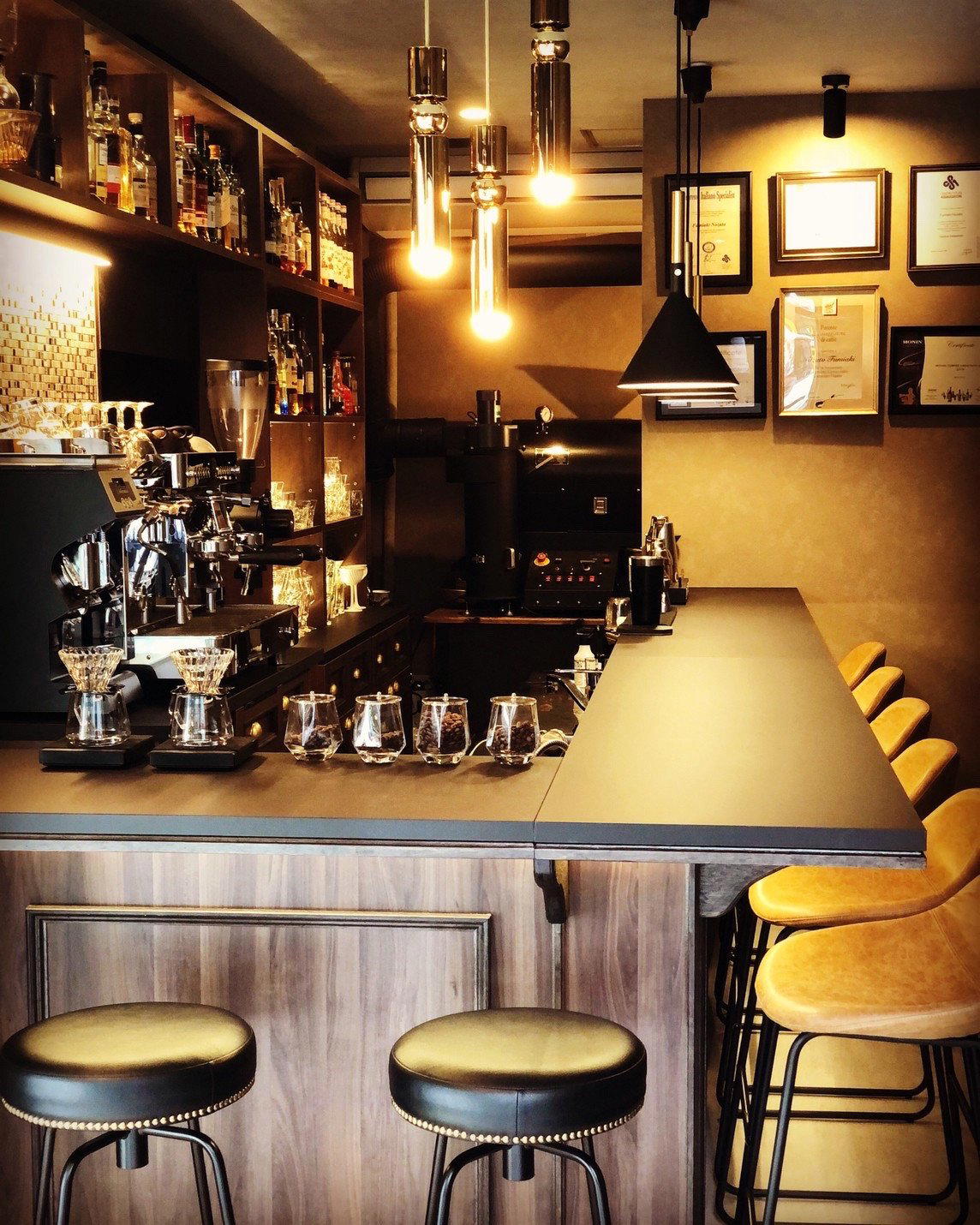
Bars in Osaka
Browse all →

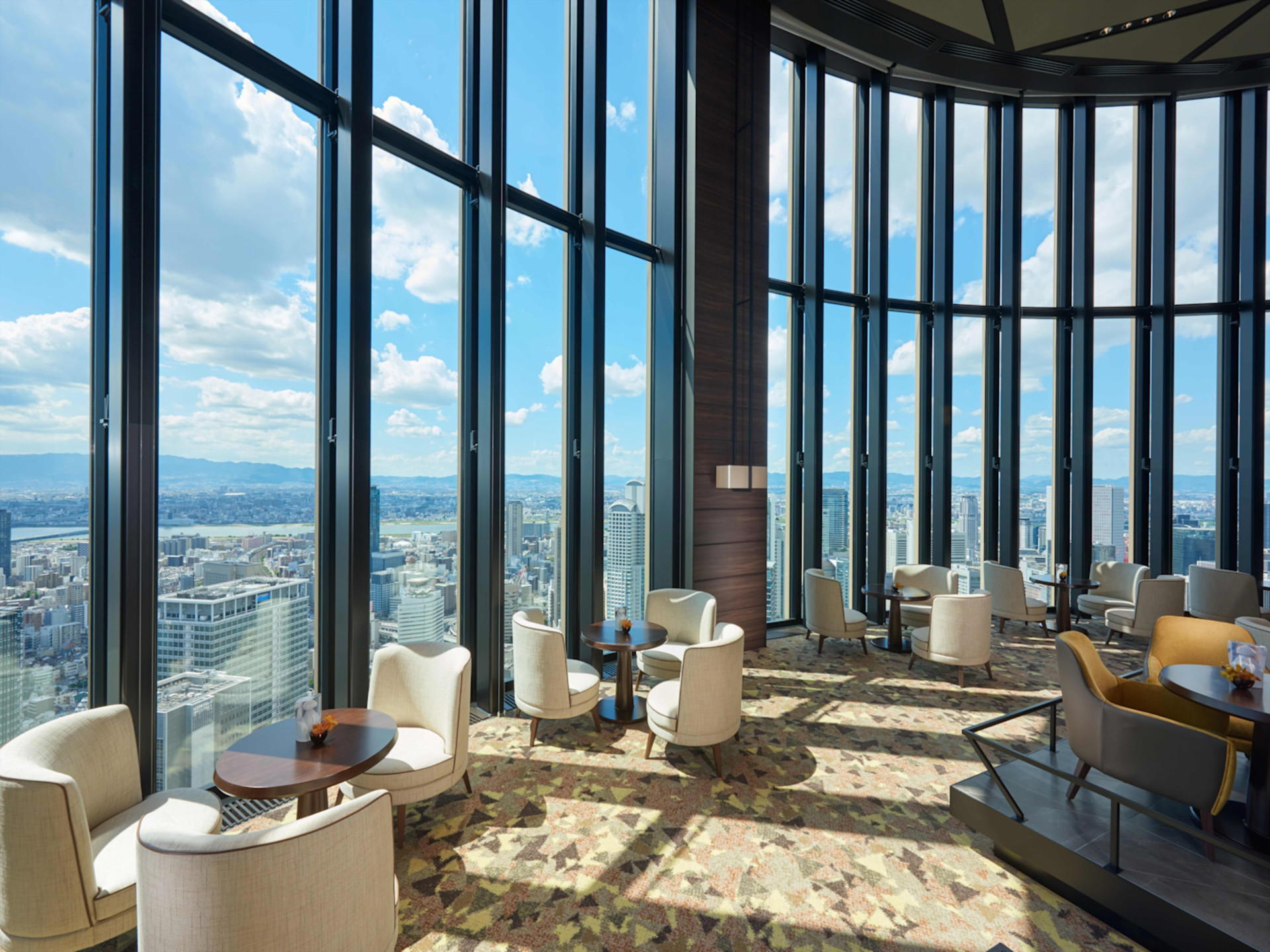
Hotels in Osaka
Browse all →



Wineries in Osaka
Browse all →
At a Glance
- Classic
- Cozy
- Intimate
- Family
- Casual Hangout
- Solo
- After Work
- Standalone
Current opening hours
- Monday
- 12–2 PM, 5–7:30 PM
- Tuesday
- 12–2 PM, 5–7:30 PM
- Wednesday
- 12–2 PM, 5–7:30 PM
- Thursday
- 12–2 PM, 5–7:30 PM
- Friday
- 12–2 PM, 5–7:30 PM
- Saturday
- 12–2 PM, 5–7:30 PM
- Sunday
- 12–2 PM, 5–7:30 PM
Hours can change for holidays and private events. Last verified .
Small, classic Japanese yoshoku dining room with just 15 non‑smoking seats, counter and simple tables tucked in an alley; the atmosphere is cozy and low‑key, like a nostalgic neighborhood hideout popular with families and friends rather than a formal venue.