Our verdict
Samayalkaran Restaurant sits on Pondy Main Road in Ariyur, on the Villianur edge of Puducherry, serving the kind of Tamil home cooking that rarely makes it onto dining lists. The address alone, a modest complex on a working arterial road, signals this is a place operating for a local clientele rather than a tourist circuit, which in this part of the Coromandel Coast tends to mean the cooking is more honest for it.

Pearl is the En Primeur Club membership app, where members save venues, book tables and use the concierge.
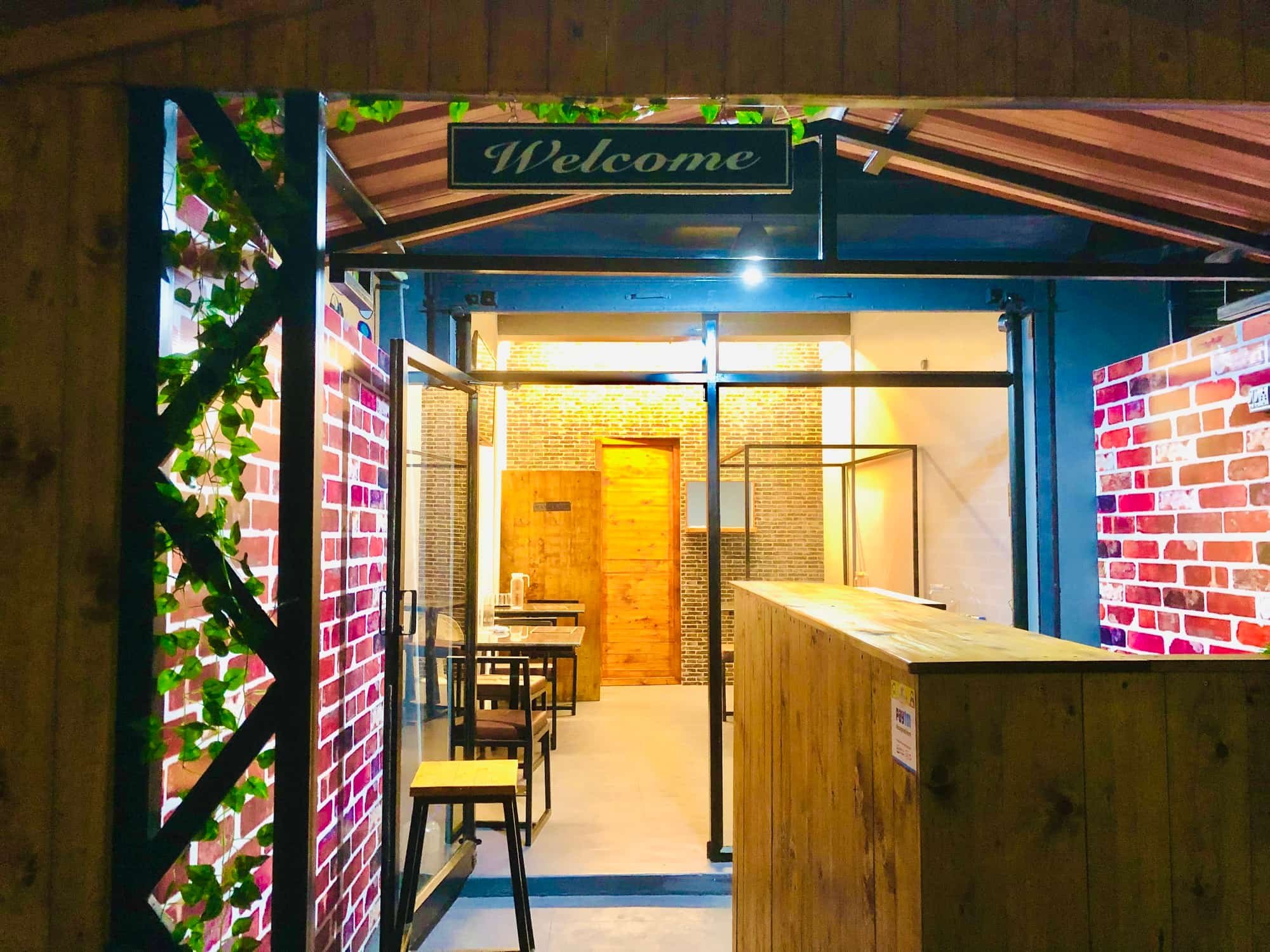
Where Pondy Main Road Meets Tamil Kitchen Tradition
The stretch of road connecting Villianur to central Puducherry carries a particular kind of local commerce: auto-repair yards, provision stores, morning flower sellers, and the kind of restaurants that fill up before noon and again well before dusk. Samayalkaran Restaurant sits at the Ariyur end of this corridor, inside Arun Complex on Pondy Main Road, operating in a register that has very little to do with the curated heritage dining experiences that Puducherry's French Quarter has built its culinary reputation around. That distance, both literal and conceptual, is the point.
Tamil Nadu and the Union Territory of Puducherry share a cooking tradition rooted in rice, lentils, tamarind, and a pantry of dried and fresh chillies that varies by district and even by household. The Villianur belt, sitting between the Bay of Bengal coast and the agricultural interior of Puducherry, draws on both. Coastal produce, fresh fish, dried anchovies, shellfish, moves through local markets alongside the field crops and dairy that define inland Tamil cooking. A restaurant embedded in this neighbourhood, serving a predominantly local crowd, has direct access to that supply chain in a way that restaurants positioned for the tourist economy often do not.
The Ingredient Logic Behind Neighbourhood Cooking in This Region
Sourcing in this part of South India operates on short, informal networks. Fish from the Ariyur and Villianur catchment area reaches local kitchens quickly; the same is true of the greens, drumstick pods, and raw mangoes that cycle through Tamil home menus by season. This is not farm-to-table as a marketing proposition, it is simply how cooking has worked here for generations. The distinction matters because it shapes what ends up on the plate: freshness in this context is a function of geography and relationships rather than premium logistics.
Across the broader South Indian dining spectrum, this kind of neighbourhood restaurant occupies a tier that receives almost no editorial attention despite often delivering the most regionally specific food available. Compare this to the positioning of restaurants like Farmlore in Bangalore, which foregrounds its sourcing relationships explicitly as part of its identity, or Leela Kerala Terrace in Trivandrum, which frames regional ingredients within a more formal hospitality context. Samayalkaran operates without that framing apparatus, the sourcing is embedded in the cooking rather than declared above it.
This pattern repeats across Indian regional dining. Some of the most ingredient-faithful cooking in the country happens in roadside and market-adjacent restaurants where supply chains are short because they have to be, not because a chef has made a philosophical decision. The name Samayalkaran itself is Tamil for "cook" or "one who cooks", a functional, unadorned designation that aligns with the register the restaurant appears to occupy.
The Puducherry Dining Context
Puducherry's dining identity is genuinely bifurcated. The heritage zone around the French Quarter trades heavily on colonial architecture, Indo-French culinary crossover, and a café culture that draws domestic and international visitors year-round. The Tamil-majority areas beyond that zone, including Villianur, Ariyur, and the surrounding communes, operate on an entirely different axis, one shaped by the daily rhythms of a working population rather than by tourism economics.
For visitors who have already spent time with the French Quarter's creperies and fusion menus, the contrast is instructive. Tamil cooking in this part of the territory shares lineage with the broader Chettinad and coastal Tamil traditions, though local inflections vary. The use of gingelly oil, fresh curry leaf, and the specific sourness that comes from both tamarind and kokum in coastal preparations gives the food here a character distinct from what you would find further north in Tamil Nadu. Restaurants like Dosa Crepes N More in Mehsana illustrate how dosa-format cooking travels and adapts across the country, but the version anchored to this coast, fermented rice and lentil batters using local water and grain, is measurably different from its migrations.
For reference points on what formally recognised Indian restaurant cooking looks like at the high end, Bukhara in New Delhi and Esphahan in Agra represent the kind of awarded, destination-dining tier that shapes how Indian cuisine is perceived internationally. Samayalkaran is not in that conversation by any structural measure, no recorded awards, no published star rating, no established chef profile, but the value of understanding where it sits in the broader matrix is precisely that it exists in a category that sustains Indian culinary tradition at a local level without that apparatus.
Planning Your Visit
Samayalkaran Restaurant is located at No. 1, Arun Complex, Pondy Main Road, Ariyur, Puducherry 605102, a direct address on a well-trafficked route that connects Villianur to central Puducherry. The area is accessible by auto-rickshaw from central Puducherry, and the Pondy Main Road corridor is a navigable route for visitors with their own transport. Arriving early, for lunch service particularly, tends to be the more reliable approach at restaurants of this type, as popular items sell through by early afternoon. No price range or dress code is formally published; regional context suggests this is an everyday-cost proposition. For a broader read on what Villianur and surrounding areas offer in terms of dining, see our full Villianur restaurants guide.
Travellers building a wider South India itinerary who want to contrast local neighbourhood cooking with more formally recognised regional restaurants might also consider Naar in Kasauli for a mountain-region comparison, Harvest Kitchen Somnath in Veraval for a coastal Gujarat parallel, or WelcomCafe Oceanic Restaurant in Visakhapatnam for how seafood-forward Indian restaurant cooking operates in a more formal hospitality setting. At the international end of the restaurant spectrum, Le Bernardin in New York City and Atomix in New York City offer useful calibration for what awarded, ingredient-led cooking looks like when it operates with a full formal infrastructure, the contrast with South India's neighbourhood restaurant tradition is illuminating rather than hierarchical.
Frequently asked questions
Would Samayalkaran Restaurant be comfortable with kids?
Its location on Pondy Main Road in Ariyur, Puducherry, puts it squarely in everyday local-dining territory rather than formal-restaurant territory, which generally makes for a relaxed environment without strict decorum expectations. Tamil neighbourhood restaurants at this address type typically see family groups across all ages. That said, no specific family facilities are documented so it is worth confirming directly when you visit.
What kind of setting is Samayalkaran Restaurant?
Samayalkaran occupies No. 1, Arun Complex on Pondy Main Road, Ariyur, a corridor defined by local commerce rather than tourist infrastructure. Expect a working neighbourhood dining room oriented toward the Villianur and Ariyur residential community, not the colonial-quarter café circuit that Puducherry's French Quarter is known for. The setting reflects the kitchen's priorities: functional, locally anchored, and unpretentious.
Is Samayalkaran Restaurant a good option for visitors coming from central Puducherry specifically for South Indian food outside the French Quarter?
Samayalkaran's address at Arun Complex on Pondy Main Road, Ariyur places it well outside the heritage-zone restaurant circuit, which is precisely why it represents a different register of Puducherry dining. Where the French Quarter skews toward Indo-French menus and tourist footfall, the Villianur-Ariyur corridor operates on Tamil neighbourhood logic, local sourcing, regional recipes, and a community-facing format. For visitors whose priority is regional Tamil cooking rather than colonial-era atmosphere, the detour along Pondy Main Road is the more direct route to that experience.
What's the must-try dish at Samayalkaran Restaurant?
No specific menu has been documented for Samayalkaran, so naming a single dish would be speculation. Given its location in the Ariyur-Villianur corridor of Puducherry, the kitchen almost certainly draws on South Tamil coastal staples, rice-based meals, fish preparations sourced from local catchment areas, which form the backbone of neighbourhood cooking in this part of the region. Asking the staff what came in fresh that day is the most reliable approach.
How do I find Samayalkaran Restaurant?
Samayalkaran Restaurant is located at îNo:1, Arun Complex, Pondy Main Rd, Ariyur, Puducherry 605102, India, Villianur.
Should I book Samayalkaran Restaurant in advance?
No booking contact, phone or website, is publicly documented for Samayalkaran at No. 1, Arun Complex, Pondy Main Road, Ariyur. Neighbourhood restaurants in this stretch of Puducherry typically operate on a walk-in basis, serving the local Villianur community rather than a reservation-driven clientele. Arriving at standard meal times is the practical approach.
What's the defining dish or idea at Samayalkaran Restaurant?
The name itself is the clearest signal: 'Samayalkaran' translates broadly to 'the cook' or 'the one who cooks' in Tamil, which frames the restaurant's identity around the act of cooking rather than a branded concept or a chef's celebrity. That positions it within the South Indian tradition of cook-forward neighbourhood dining, where the daily preparation, not a fixed prestige menu, is the point.
| Venue | Cuisine | Price | Awards |
|---|---|---|---|
| Samayalkaran RestaurantThis venue (the venue you are viewing) | Indian Casual Dining | Not listed | Not listed |
| Bukhara | North West Frontier Tandoori | $30–50 | World's 50 Best #37 · La Liste Top Restaurants |
| Dum Pukht | Awadhi Dum Pukht Fine Dining | $50–100 | World's 50 Best #89 · La Liste Top Restaurants |
| Indian Accent | Modern Indian Fine Dining | $50–100 | World's 50 Best #46 · La Liste Top Restaurants |
| Karavalli | Coastal South Indian Seafood | $20–30 | La Liste Top Restaurants |
| O Pedro | Modern Goan-Portuguese | $30–50 | Not listed |
Continue exploring
More in Villianur
Restaurants in Villianur
All restaurants in Villianur →
Hotels in Villianur
Browse all →
Details
- Energetic
- Casual Hangout
- Group Dining
- Family
- Standalone
- A La Carte
Energetic and casual dining environment with friendly staff serving throughout the day.