Samarkand
On Langstrasse, Zurich's most electrically charged street, Samarkand occupies a position that signals something specific: Central Asian cuisine in a European city that rarely programmes it. The name alone carries the weight of a Silk Road trading post, and the address places it squarely in the district where the city's more adventurous dining tends to cluster.
Pearl is the En Primeur Club membership app — saves, bookings, and concierge access live there. Same editors, same standards.
- Address
- Langstrasse 193, 8005 Zürich, Switzerland
- Phone
- +41443041015
- Website
- samarkand-restaurant.com
- Directions
- Get directions
 Saves & bookings on Pearl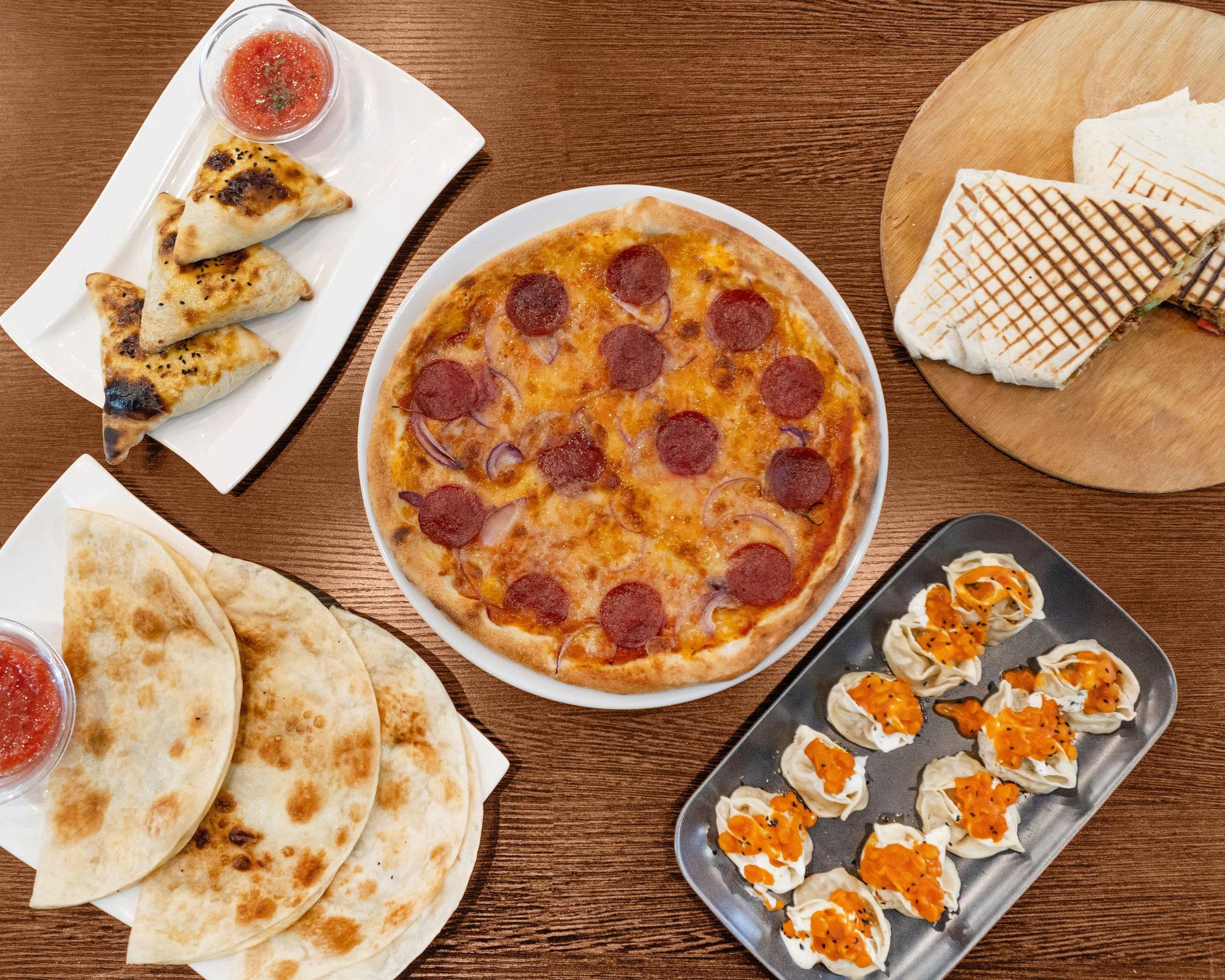
Langstrasse and What It Selects For
Zurich's dining scene concentrates its experimental energy in Kreis 4 and Kreis 5, and Langstrasse sits at the spine of that zone. The street has long attracted restaurants that would not survive in the more conservative dining rooms of the Altstadt or the Seefeld, and it is precisely that tolerance for unfamiliar formats that makes an address like Langstrasse 193 legible. Samarkand arrives at a moment when Central Asian cuisine, long absent from serious European restaurant programming, is beginning to find an audience in cities with enough culinary diversity to receive it.
The name references the ancient Uzbek city that served as a principal interchange on the Silk Road, a place where Persian, Chinese, Indian, and Turkic food traditions converged across centuries of trade. That convergence is the conceptual inheritance any restaurant carrying the name takes on, whether explicitly or implicitly. Ingredients moved through Samarkand before they moved anywhere else in the medieval world: saffron, dried fruits, lamb from the steppe, flatbreads baked in clay ovens. The culinary tradition that developed there is not a single cuisine but a synthesis, and restaurants interpreting it in European cities must decide how faithfully to follow that logic.
The Ingredient Tradition Behind the Name
Central Asian cooking, in its most grounded form, is defined by the relationship between animal protein and the land that produces it. Lamb from high-altitude grazing carries a specific mineral quality that low-altitude grain-fed animals do not replicate. Pilaf traditions, which form the backbone of Uzbek festive cooking, depend on cottonseed or sesame oil, long-grain rice varieties, and yellow carrots that behave differently in the pot than the orange varieties that dominate Western markets. Flatbreads like non are shaped and baked in tandoor-style ovens, developing a char and chew that ovens built for European bread cannot reproduce without modification.
Where ingredients travel, they compromise. A European restaurant working in this tradition faces real choices about substitution, sourcing, and fidelity. The distance between an authentic Fergana Valley lamb and a Swiss-reared alternative is not simply geographic; it is textural, aromatic, and structural. The most honest Central Asian restaurants in Western cities tend to acknowledge this gap by foregrounding what they can source faithfully and adjusting what they cannot. This is the editorial question that Samarkand's kitchen answers every service, and it is what separates this style of cooking from the kind of pan-regional fusion that papers over those gaps with spice blends.
For context on how Zurich's broader dining scene handles ingredient provenance, IGNIV Zürich by Andreas Caminada has made Swiss regional sourcing central to its sharing format, and The Restaurant operates at the tier where supply chain transparency is a given rather than a talking point. Samarkand occupies a different register, where the sourcing challenge is not proximity but category: finding ingredients that belong to a tradition that Switzerland does not natively produce.
Kreis 5 and Its Dining Character
The district around Langstrasse has changed considerably over the past fifteen years. What was once associated primarily with nightlife has developed a genuine restaurant culture, partly because lower rents allowed operators to take risks that the more expensive quarters could not absorb. That risk-tolerance has produced a range of formats: from the direct to the technically ambitious, from neighborhood standbys to destination-level kitchens that happen to be sited on streets you might not otherwise visit.
Samarkand's Langstrasse address places it in that second category, a restaurant whose cuisine type draws visitors who would not otherwise be in the neighborhood for other reasons. This is the structural dynamic that makes Central Asian cooking in Zurich more than a curiosity: it fills a gap in a city that otherwise programmes its international dining around Japanese, Italian, French, and occasionally Korean or Indian cuisines. The Silk Road tradition represented by the name falls outside all of those categories.
For readers exploring Zurich's broader dining options, The Counter operates a creative format in the same price conversation, while Eden Kitchen & Bar anchors the Italian end of the international range. Widder represents the Swiss-rooted end of the spectrum. A fuller map of the city's dining options is available in our full Zurich restaurants guide.
Switzerland's Fine Dining Context
Switzerland programmes some of the most technically demanding restaurant kitchens in Europe. Hotel de Ville Crissier in Crissier and Schloss Schauenstein in Fürstenau represent the country's highest Michelin-recognised tier. Cheval Blanc by Peter Knogl in Basel, Memories in Bad Ragaz, and 7132 Silver in Vals extend that pattern across German-speaking Switzerland. Further afield, Colonnade in Lucerne, Da Vittorio in St. Moritz, Einstein Gourmet in Sankt Gallen, and focus ATELIER in Vitznau show how widely distributed that ambition is. In French-speaking Switzerland, L'Atelier Robuchon in Geneva anchors a different culinary lineage entirely.
Samarkand does not compete in that tier. Its significance is categorical rather than technical: it represents a cuisine tradition that the Swiss restaurant system has not historically accommodated, on a street that has shown it can support unconventional formats.
For international reference points where cross-cultural ingredient fidelity is a central editorial concern, Le Bernardin in New York City sets a standard for sourcing discipline in seafood, and Atomix in New York City has demonstrated how a non-European culinary tradition can be presented at the highest technical level in a Western city.
Planning Your Visit
| Venue | Cuisine | Price Tier | Format |
|---|---|---|---|
| Samarkand | Central Asian | Not confirmed | Not confirmed |
| IGNIV Zürich | Sharing | €€€€ | Sharing plates |
| The Counter | Creative | €€€€ | Counter dining |
| Eden Kitchen & Bar | Italian | €€€€ | À la carte |
Samarkand is located at Langstrasse 193, 8005 Zürich. We recommend contacting the venue directly or checking current listings before visiting.
How Samarkand Zürich compares with similar nearby venues.
| Venue | Cuisine | Price |
|---|---|---|
| Josef | European Contemporary | €€ |
Continue exploring
More in Zürich
Restaurants in Zürich
Browse all →
Bars in Zürich
Browse all →

Hotels in Zürich
Browse all →

At a Glance
- Casual Hangout
Current opening hours
- Monday
- 11 AM–10 PM
- Tuesday
- 11 AM–10 PM
- Wednesday
- 11 AM–10 PM
- Thursday
- 11 AM–10 PM
- Friday
- 11 AM–1 AM
- Saturday
- 11 AM–1:30 AM
- Sunday
- 12:30–8:30 PM
Hours can change for holidays and private events. Last verified .
Casual and welcoming with Central Asian Silk Road influences.
Know Before You Go
- Getting there
- Langstrasse 193, 8005 Zürich, Switzerland