Bei Fouad
Our verdict
Bei Fouad sits on Dübendorfstrasse in Zurich's Oerlikon district, a neighbourhood that has drawn growing attention from the city's dining community as an alternative to the more established restaurant corridors around Langstrasse and Niederdorf. Limited public information makes advance research difficult, which places this address in a tier where word-of-mouth carries more weight than formal credentials.

Pearl is the En Primeur Club membership app — saves, bookings, and concierge access live there. Same editors, same standards.
- Address
- Dübendorfstrasse 4, 8051 Zürich, Switzerland
- Phone
- +41788392609
- Hours
- Mon–Sat 10 AM–8 PMSun Closed
- Website
- bei-fouad.ch
- Directions
- Get directions
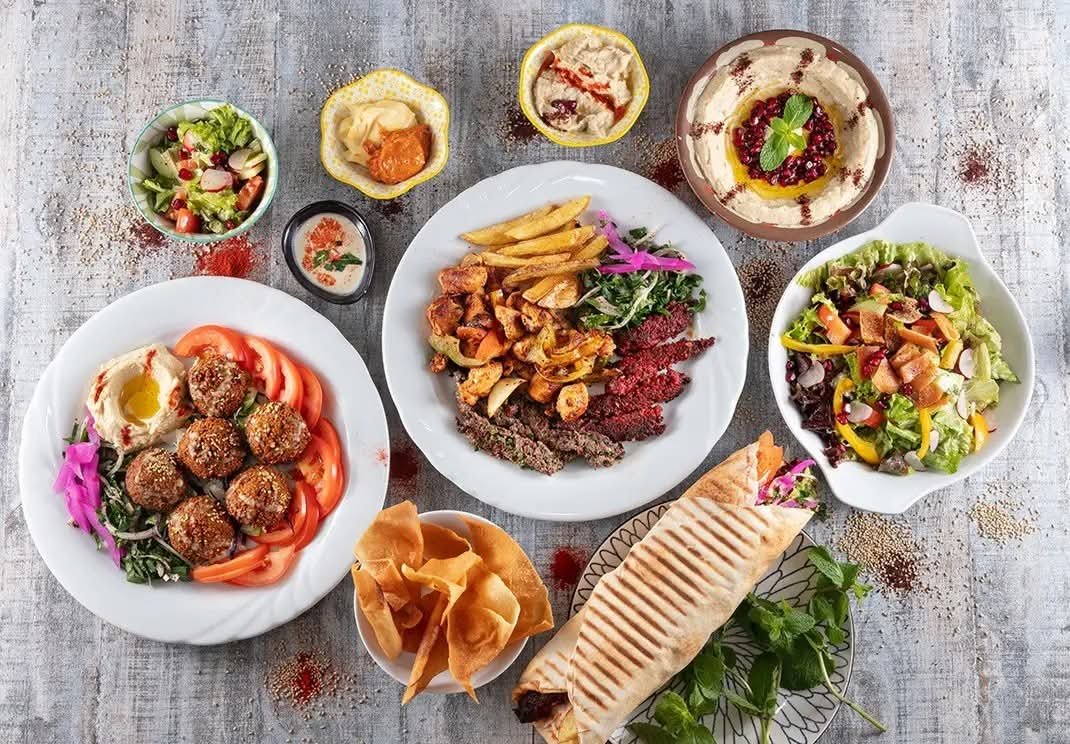
An Address in Oerlikon's Emerging Dining Circuit
Zurich's restaurant geography has shifted meaningfully over the past decade. The city's most-discussed tables once clustered almost exclusively around Niederdorf, Langstrasse, and the lakefront, but a second wave of openings has pushed into districts that previously sat outside the premium dining conversation. Oerlikon, long associated with trade fairs and corporate architecture, has been part of that shift, attracting addresses that draw a local clientele rather than tourists working through a guidebook. Bei Fouad, at Dübendorfstrasse 4, sits within that broader movement — an address in a district where context and neighbourhood character do significant work in shaping the experience before anyone has ordered a dish.
The street-level approach along Dübendorfstrasse reflects what Oerlikon's newer dining scene tends to deliver: less theatre than you would find on a Langstrasse corner, more neighbourhood regularity. The dining rooms that have succeeded in this part of the city tend to rely on repeat custom rather than destination foot traffic, which shapes everything from portion scale to the rhythm of service. Whether Bei Fouad follows that logic precisely is worth investigating on arrival, since publicly available data on format and style is limited — but the postcode itself is informative about likely positioning.
What the Menu Structure Implies
In Zurich's mid-to-upper dining tier, the architecture of a menu communicates almost as much as the food itself. The dominant formats in the city's premium bracket have split between long tasting menus with minimal choice, a format practised with considerable rigour at venues like IGNIV Zürich by Andreas Caminada on the sharing end and The Counter on the creative side, and more conventional à la carte formats where guests retain more control over progression and portion size. A third tier operates somewhere between the two: prix-fixe structures with two or three course options that allow the kitchen to maintain consistency without imposing the rigid sequencing of a full tasting menu.
For comparison, the broader Swiss fine dining circuit does operate at considerable ambition, Schloss Schauenstein in Fürstenau, Hotel de Ville Crissier, and Memories in Bad Ragaz represent the highest formal tier in Switzerland, but the Zurich city dining scene includes a wide range of registers below that level, and the district a restaurant occupies often signals which register it inhabits.
Zurich's Neighbourhood Dining Character
Understanding Bei Fouad requires some familiarity with how neighbourhood dining operates in Zurich specifically. The city has a relatively high baseline cost of living, which means that even casual neighbourhood restaurants operate at price points that would read as mid-range in London or Berlin. The presence of a large professional and expatriate population in districts like Oerlikon also creates demand for formats that are internationally legible, menus that do not require deep knowledge of Swiss-German regional traditions to read and enjoy.
This contrasts with the more tradition-anchored dining rooms that have defined certain Zurich institutions. Widder and The Restaurant operate within the city's established hospitality corridor and carry the weight of that positioning in their format and pricing. Neighbourhood addresses like those in Oerlikon tend to price and present differently, building their regulars from proximity and consistency rather than occasion dining.
The name Bei Fouad carries a personal register common to neighbourhood bistros and family-run dining rooms across French-speaking and German-speaking Switzerland. Restaurants of this type form the connective tissue of Zurich's dining week, not the destination tables that draw visitors from Geneva or Basel, but the addresses that keep neighbourhood residents from cooking at home on a Wednesday.
For broader context on the Zurich restaurant circuit, including venues across multiple price points and cuisines, the EP Club Zurich restaurants guide covers the city's dining geography in depth. Italian-leaning formats in Zurich's upper bracket can also be assessed through Eden Kitchen & Bar, which occupies a different neighbourhood and price register. Further afield in Switzerland, Cheval Blanc by Peter Knogl in Basel, Maison Wenger in Le Noirmont, Einstein Gourmet in Sankt Gallen, Da Vittorio in St. Moritz, Mammertsberg in Freidorf, La Table du Valrose in Rougemont, and focus ATELIER in Vitznau illustrate the range of formats operating at the formal end of Swiss dining. For international reference points on how neighbourhood-anchored cooking competes with destination formats, Le Bernardin in New York City and Lazy Bear in San Francisco represent contrasting models of how ambition and accessibility interact at the top of a city's dining market.
Frequently asked questions
How do I find Bei Fouad?
Bei Fouad is located at Dübendorfstrasse 4, 8051 Zürich, Switzerland, Zurich.
Is Bei Fouad a good option for dining in Zurich's Oerlikon district specifically?
Bei Fouad's address at Dübendorfstrasse 4 in the 8051 postal district places it squarely within Oerlikon, a neighbourhood that has drawn genuine dining attention in Zurich over the past decade as an alternative to the city-centre cluster around Kreis 1 and Kreis 8. For visitors or locals making a trip specifically to the north of the city, it represents a grounded local option rather than a destination requiring a cross-city journey.
Do they take walk-ins at Bei Fouad?
Oerlikon restaurants at this address level in Zurich — Dübendorfstrasse 4, within the 8051 postal district — typically operate with limited seat counts, so arriving without a reservation on a weekend carries real risk. Calling ahead or checking at the door on a weekday afternoon is the safer move.
Booking and Cost Snapshot
Comparable venues nearby, for context on price, style, and recognition.
| Venue | Cuisine | Price | Awards | Notes |
|---|---|---|---|---|
| Bei FouadThis venue — the venue you are viewing | Lebanese Street Food | $20–30 | Not listed | Not listed |
| Veganitas | Vegan Middle Eastern Pitas | $10–20 | Not listed | Aussersihl, Vegan Middle Eastern Pitas |
| Palestine Grill | Authentic Palestinian Street Food | $10–20 | Not listed | Aussersihl, Authentic Palestinian Street Food |
| Bebek | Lebanese & Middle Eastern Meze | $20–30 | Not listed | Aussersihl, Lebanese & Middle Eastern Meze |
| Sham – Café | Modern Syrian Mezze | $20–30 | Not listed | Oberstrass, Modern Syrian Mezze |
| Luigia | Traditional Italian | $30–50 | Gambero Rosso 3 Spicchi | City center / Kreis 1, Traditional Italian |
Continue exploring
More in Zürich
Restaurants in Zürich
Browse all →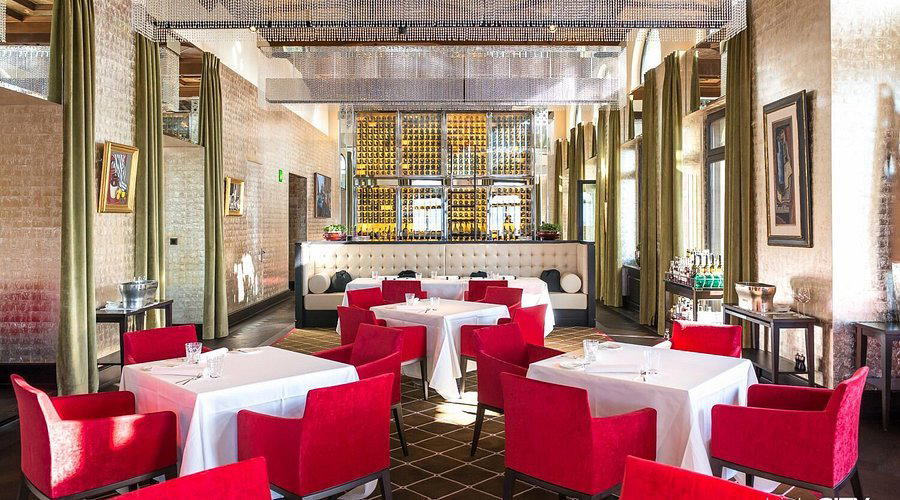
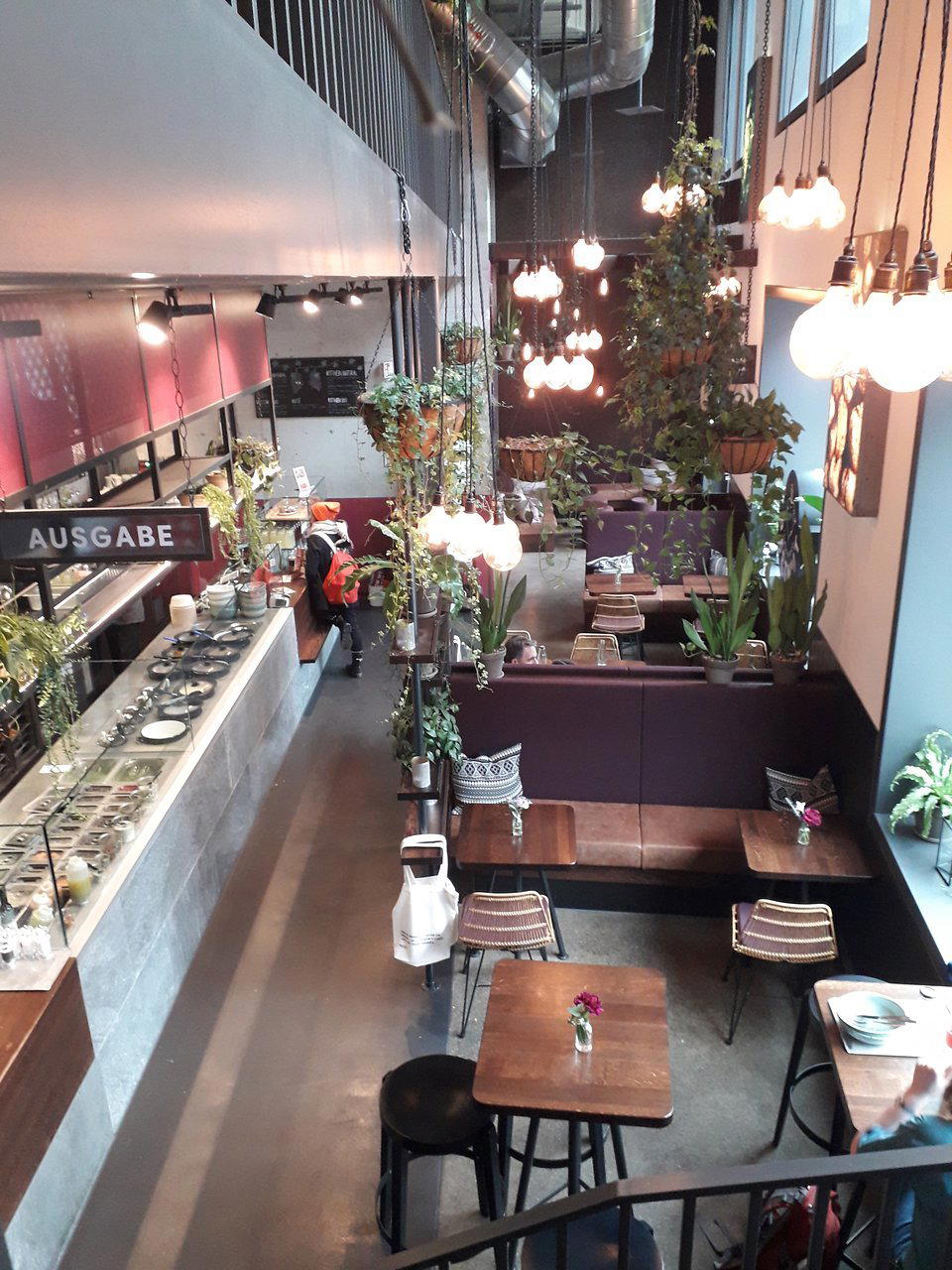
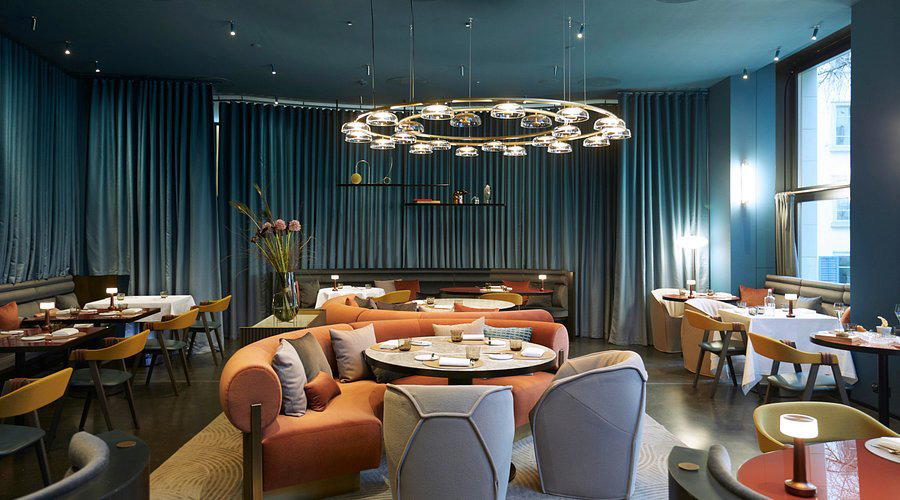
Bars in Zürich
Browse all →
Hotels in Zürich
Browse all →

Details
- Cozy
- Casual Hangout
- Terrace
- A La Carte
- Vegetarian Friendly
Current opening hours
- Monday
- 10 AM–8 PM
- Tuesday
- 10 AM–8 PM
- Wednesday
- 10 AM–8 PM
- Thursday
- 10 AM–8 PM
- Friday
- 10 AM–8 PM
- Saturday
- 10 AM–8 PM
- Sunday
- Closed
Hours can change for holidays and private events. Last verified .
Warm and inviting with authentic Lebanese decor, cozy garden for outdoor seating.