Le Cèdre
Le Cèdre occupies a quiet stretch of Badenerstrasse in Zurich's District 4, a neighbourhood where longstanding locals-first restaurants sit alongside newer arrivals. The address places it at the junction between the city's working Swiss-German dining habits and its appetite for something closer to the eastern Mediterranean. Regulars return for cooking that doesn't announce itself, in a room that rewards repeat visits over first impressions.
Pearl is the En Primeur Club membership app — saves, bookings, and concierge access live there. Same editors, same standards.
- Address
- Badenerstrasse 78, 8004 Zürich, Switzerland
- Phone
- +41442414272
- Website
- libanesisch.ch
- Directions
- Get directions
 Saves & bookings on Pearl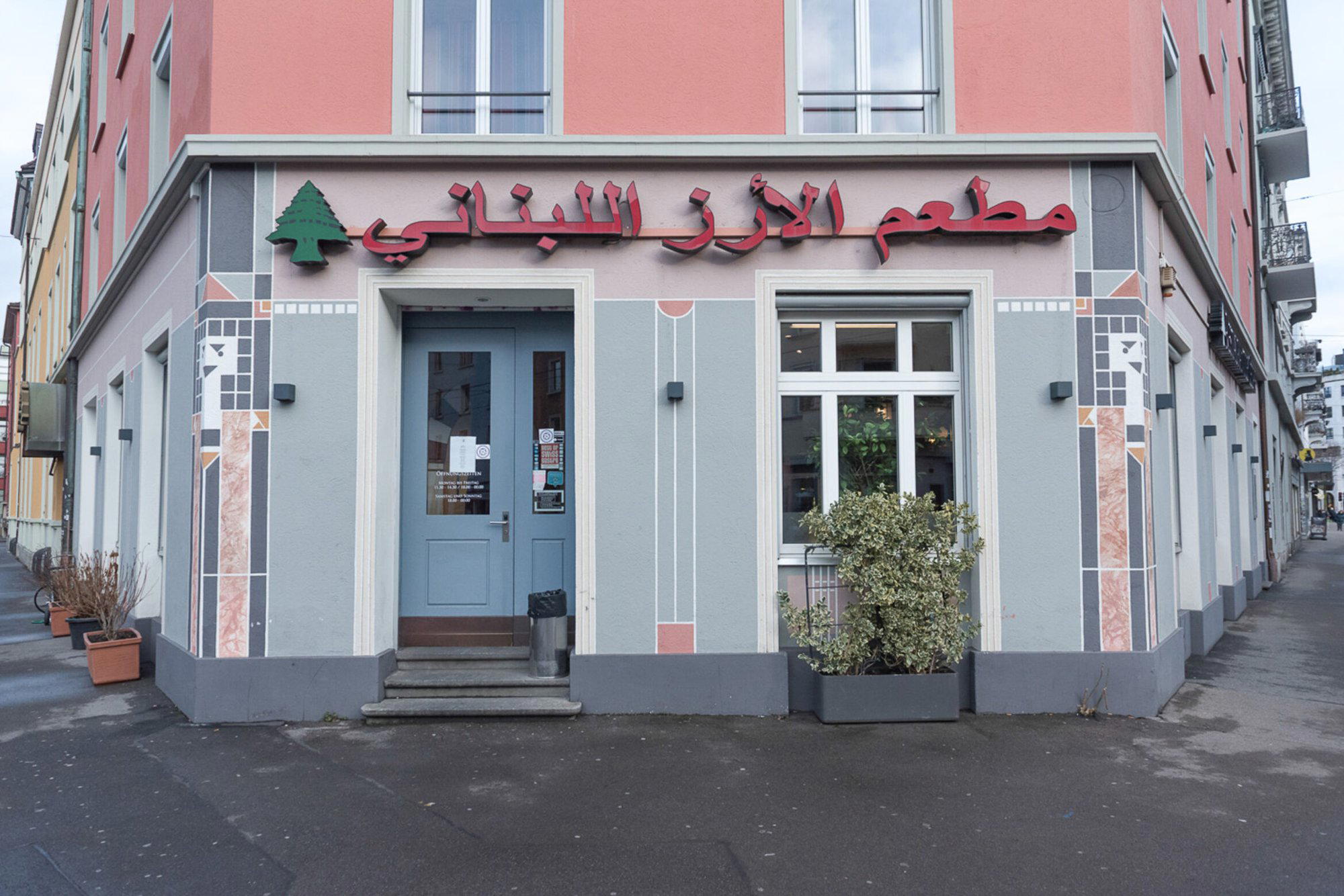
District 4 and the Logic of the Local
Badenerstrasse is one of Zurich's longer arterial streets, running from the Sihlquai freight yards south through Langstrasse and into the quieter residential blocks of Aussersihl. By the time you reach number 78, the street has shed much of its late-night noise and settled into the cadence of a neighbourhood that feeds itself rather than performs for visitors. Restaurants here tend to survive on returned custom, not on tourism cycles or new-opening momentum. That is the context Le Cèdre operates in, and it shapes what the room asks of you: patience over spectacle, familiarity over novelty.
IGNIV Zürich by Andreas Caminada holds its position in the sharing-format category at the summit of the price spectrum. The Counter and The Restaurant anchor the creative end of the city's fine dining offer, while Widder holds the Swiss-traditional ground. Le Cèdre operates outside that documented tier, in the mid-register space where a neighbourhood's character matters as much as a kitchen's credentials, and where the distinction between what regulars order and what the menu formally offers becomes genuinely interesting.
What Keeps People Coming Back
The name Le Cèdre, the cedar, in French, points toward the eastern Mediterranean and the Levantine food cultures that have been arriving in European cities in waves since the 1980s. In Zurich, Lebanese and Syrian-influenced cooking has settled into a particular niche: neither fully assimilated into Swiss tastes nor performing an exoticised version of itself for curious diners. The restaurants that endure in this tradition do so by serving the communities that brought them here, then finding a secondary audience among residents who discovered them through proximity rather than recommendation.
That pattern tends to produce menus with an unwritten layer that only regulars know to access. In many Lebanese and Levantine kitchens, this means the meze that never appears on the printed card, the particular way a dish is finished for someone who comes every week, the kitchen's shorthand for a table that knows what it wants. These are not secrets held back from newcomers so much as vocabulary that develops over time. The first visit gives you the menu. The fifth visit gives you the restaurant.
For Zurich restaurants operating in this register, staying power is itself a signal. District 4 has seen significant turnover in its food and drink offer as the area gentrified through the 2010s, pushing rents and shifting the demographic mix. Restaurants that have held their footing through that period have generally done so because their core clientele did not shift with the neighbourhood's surface-level changes. Le Cèdre's address on Badenerstrasse 78 places it in that zone of proven continuity.
The Levantine Tradition in a Swiss Context
Lebanon's contribution to global restaurant culture is disproportionate to its size. The country's diaspora has seeded Lebanese kitchens from West Africa to Scandinavia, and those kitchens share certain structural commitments: the meze table as a social contract, the hierarchy of dips and flatbreads that precedes the protein, the use of preserved lemon, sumac, and pomegranate molasses as the acidic backbone of dishes that might otherwise read as heavy. In Swiss cities, where dairy and root vegetables dominate the traditional canon, this acidic brightness reads as a counter-argument rather than a complement, and that tension is part of what makes the cuisine interesting here.
Zurich's status as an international financial hub has long ensured a wider range of global cuisines than Switzerland's population size would otherwise support. The city hosts serious Italian at Eden Kitchen and Bar, and Swiss fine dining that competes with recognised houses elsewhere in the country, including Hotel de Ville Crissier, Schloss Schauenstein, and Cheval Blanc by Peter Knogl in Basel. The Levantine segment occupies a different space in that ecosystem: it is less institutionally recognised, more embedded in daily life, and more resistant to the critical apparatus that tracks tasting menus and chef trajectories.
That resistance is not a weakness. Restaurants like Memories in Bad Ragaz or focus ATELIER in Vitznau operate in the documented, award-tracked tier of Swiss dining. The restaurant operates as a local favourite, where the evidence of quality is the full room on a Tuesday and the fact that the table next to you has clearly been there before. These are different kinds of credibility, and both are real.
Reading the Room Before You Order
When a restaurant's regulars are its primary audience, the first-time visitor faces a useful challenge: the room is already coded for people who know it. Watch which dishes are being shared across multiple tables. Note the rhythm of how food arrives, whether it comes in waves with bread at the centre, or whether the kitchen sends things individually. In Levantine dining, the meze logic usually means the table is treated as a single unit rather than a set of individual orders, and sharing is the default assumption rather than an option that needs to be negotiated.
This matters for how you approach the menu at a restaurant like Le Cèdre. Ordering for the table rather than per person will give you a fuller picture of the kitchen's range. Coming with three or four people rather than two opens up the spread considerably. And arriving without a specific agenda, without having pre-decided which dish you have come to try, puts you closer to the experience that regulars describe as the reason they return. The food is part of it. The format is the other part.
Switzerland's Broader Restaurant Context
The documented high end runs from 7132 Silver in Vals to Colonnade in Lucerne and Da Vittorio in St. Moritz, with Einstein Gourmet in Sankt Gallen and L'Atelier Robuchon in Geneva marking the western end of the country's formal fine dining map. Alongside that tracked tier sits a parallel infrastructure of neighbourhood restaurants, Lebanese, Turkish, Kurdish, Persian, Vietnamese, that feeds Zurich's actual daily life and has done so for decades. The restaurant belongs to this second infrastructure, and understanding it as such gives you more useful expectations than treating it as a fine dining proposition.
Know Before You Go
- Address: Badenerstrasse 78, 8004 Zürich, Switzerland
- District: Aussersihl / District 4
- Cuisine: Levantine / Lebanese-influenced
- Price range: About $35 per person
- Reservations: Recommended
- Getting there: Badenerstrasse 78, 8004 Zürich, Switzerland
- Leading approach: Share meze across the table rather than ordering individually
- Hommos bi Lahme
- Maschewi
- Tabbouleh
- Falafel
- Castaletta Ghanam
- Mahalabia
Recognition Snapshot
Comparable venues nearby, for context on price, style, and recognition.
| Venue | Cuisine | Price | Notes |
|---|---|---|---|
| Le CèdreThis venue — the venue you are viewing | Authentic Lebanese Mezze & Grill | $$ | Not listed |
| Restaurant Le Cèdre - Badenerstrasse | Authentic Lebanese Meze | $$ | Aussersihl |
| Veganitas | Vegan Middle Eastern Pitas | $$ | Aussersihl |
| Lou's Comfort Food | American Comfort Food | $$ | Aussersihl |
| Knödl | Austrian Knödel | $$ | Aussersihl |
| Frida Seefeld | Authentic Mexican Street Food | $$ | Hottingen |
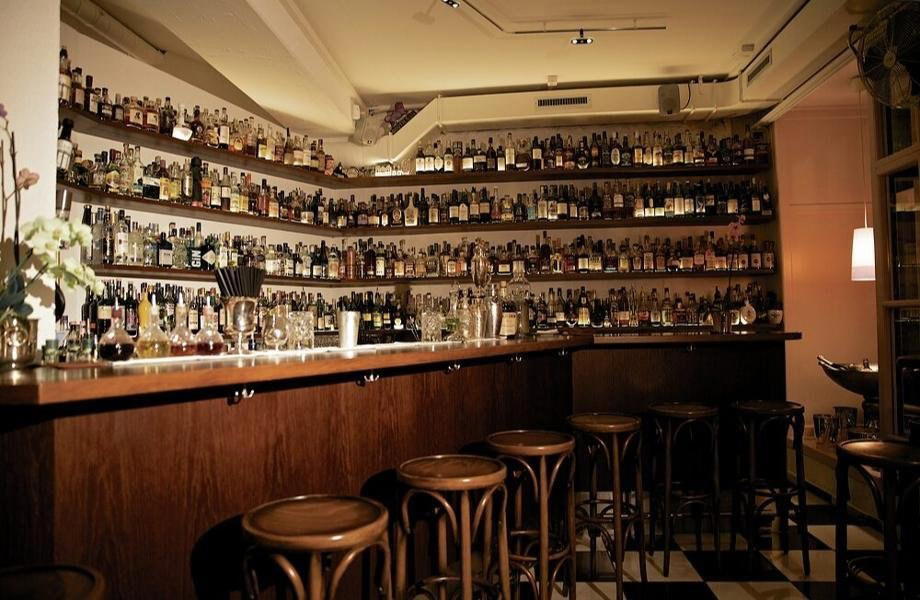
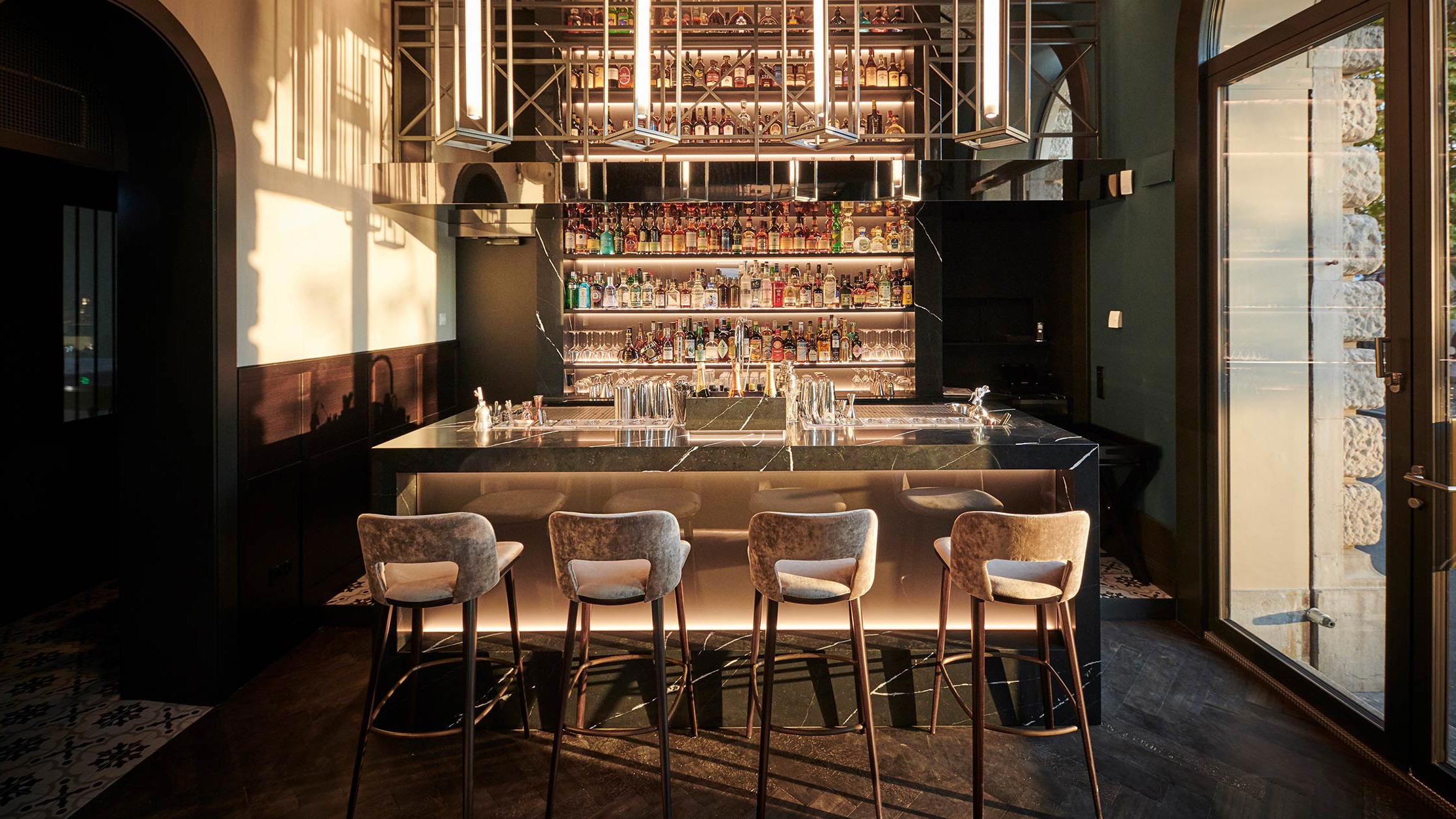
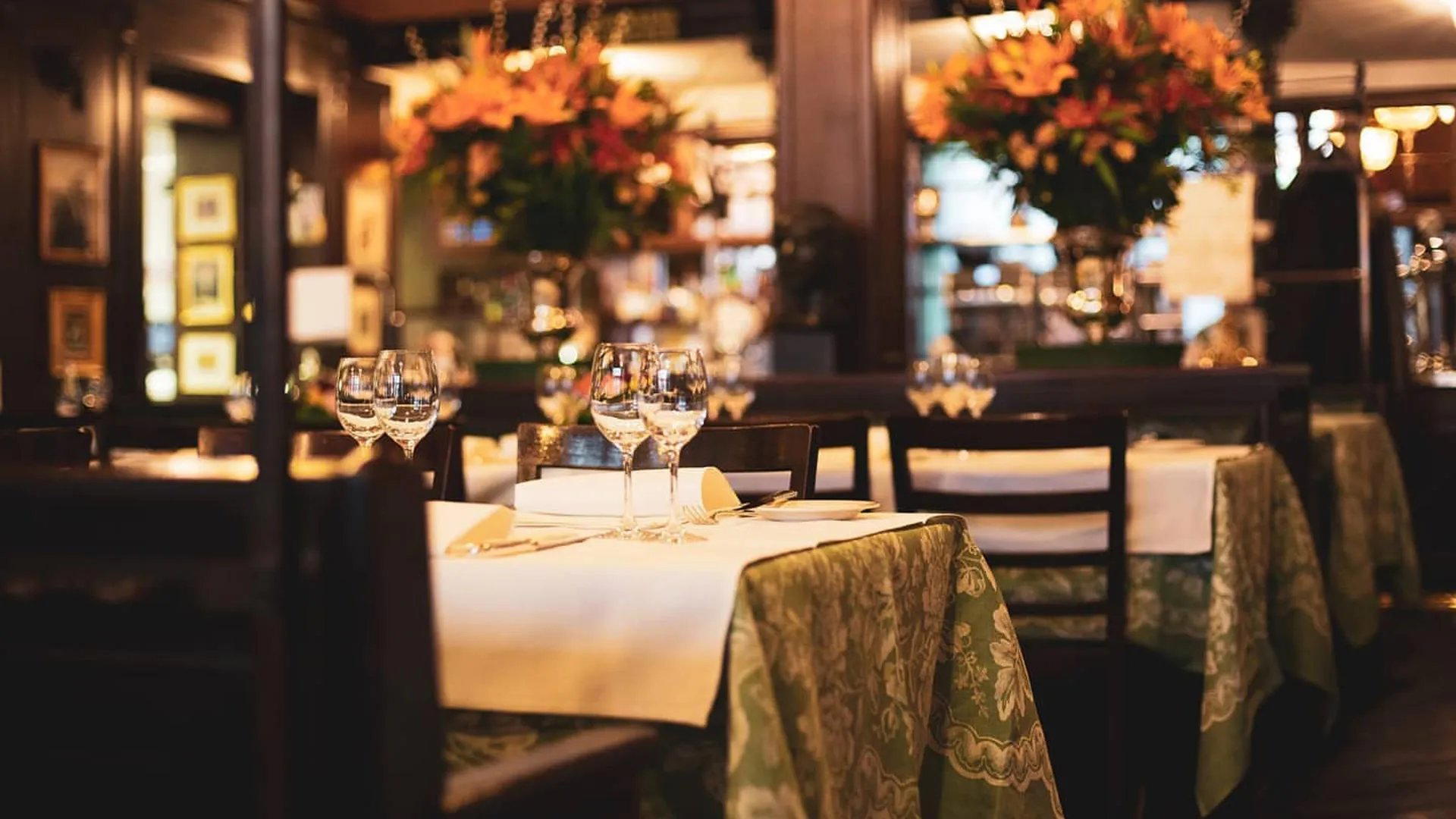
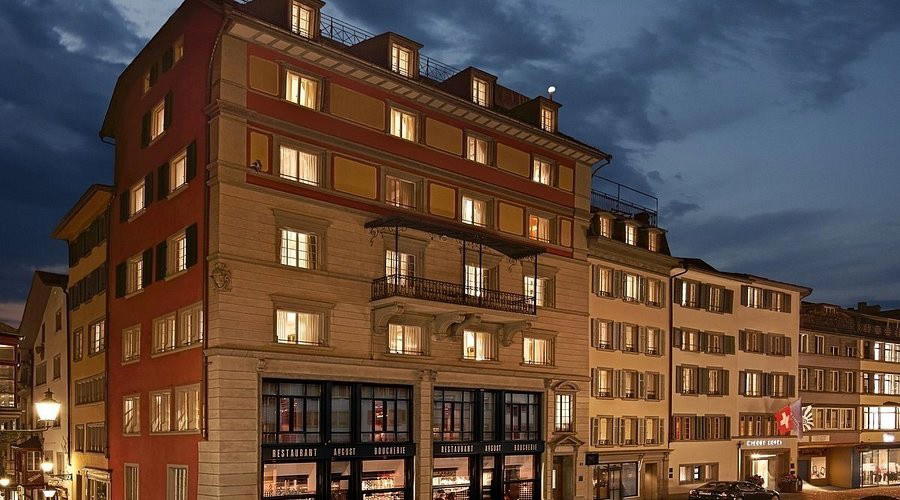
At a Glance
- Classic
- Cozy
- Lively
- Group Dining
- Casual Hangout
- Terrace
- Waterfront
- Local Sourcing
- Waterfront
Current opening hours
- Monday
- Closed
- Tuesday
- 11:30 AM–2:30 PM, 6 PM–12 AM
- Wednesday
- 11:30 AM–2:30 PM, 6 PM–12 AM
- Thursday
- 11:30 AM–2:30 PM, 6 PM–12 AM
- Friday
- 11:30 AM–2:30 PM, 6 PM–12 AM
- Saturday
- 6 PM–12 AM
- Sunday
- 6 PM–12 AM
Hours can change for holidays and private events. Last verified .
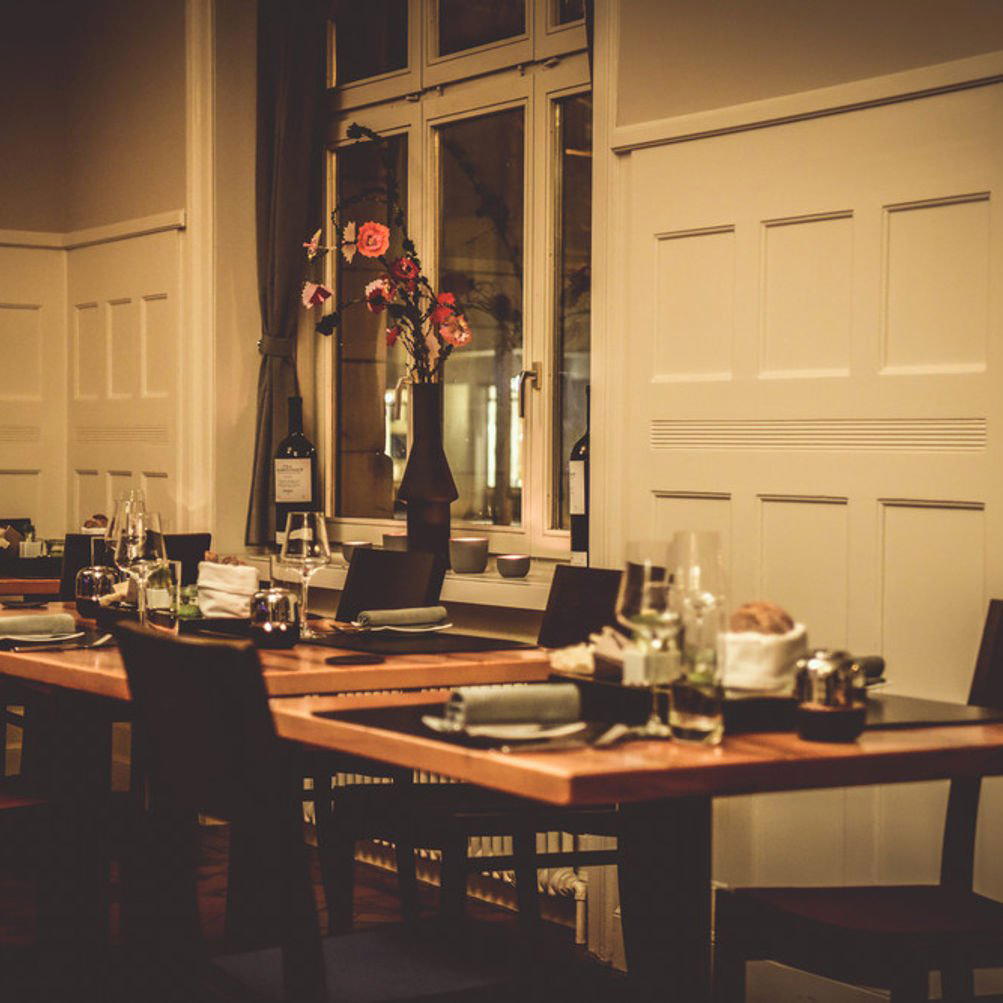
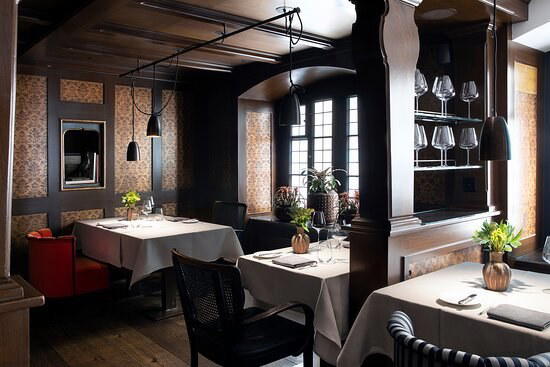
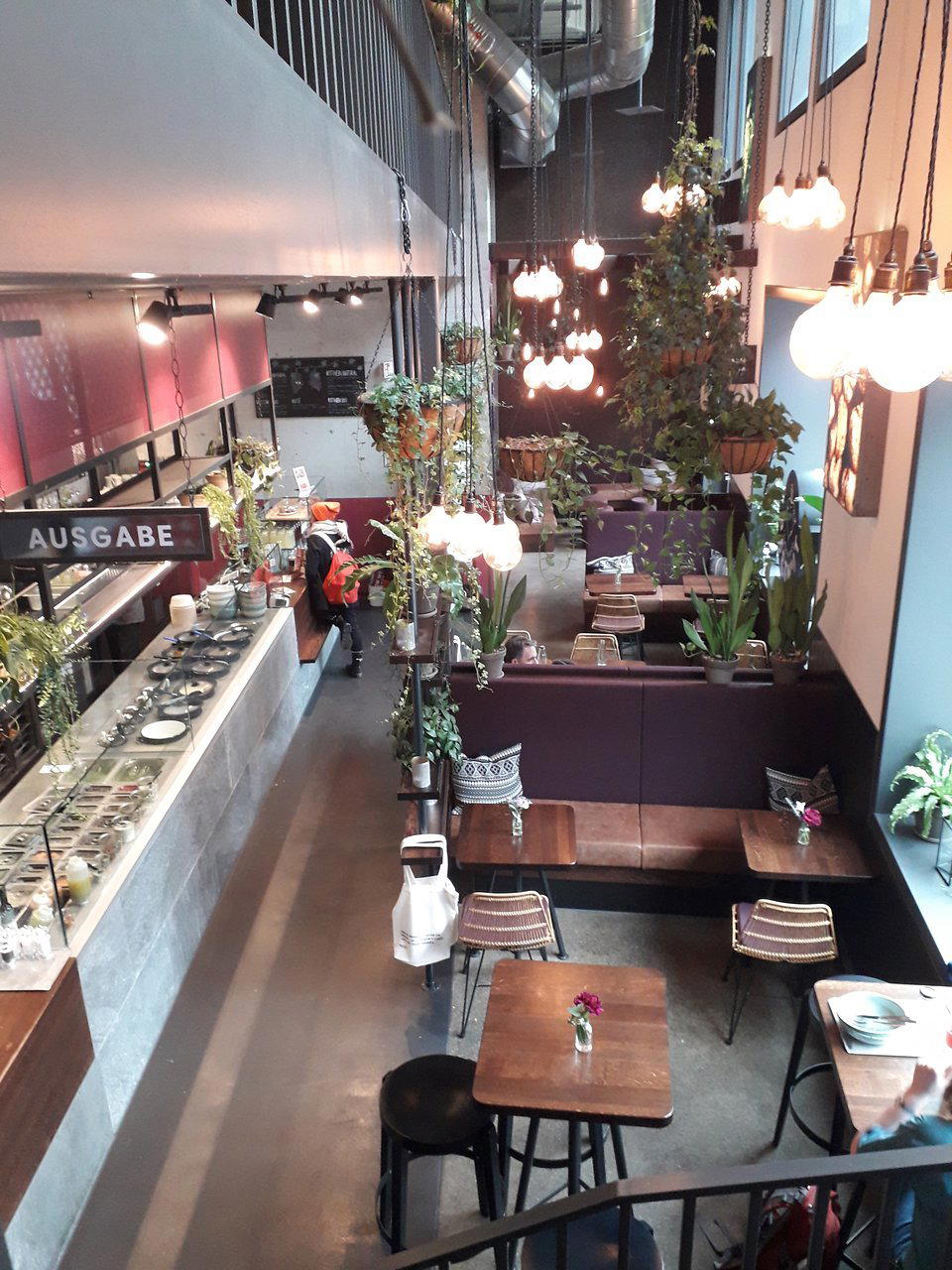
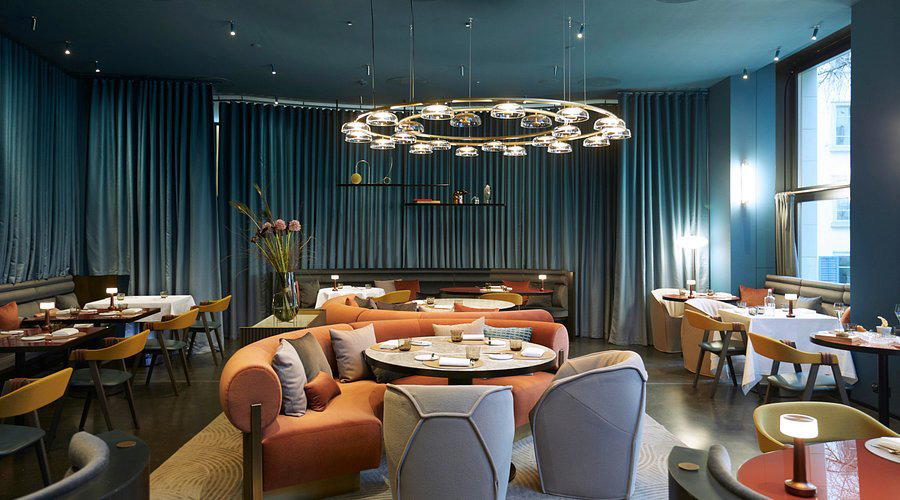
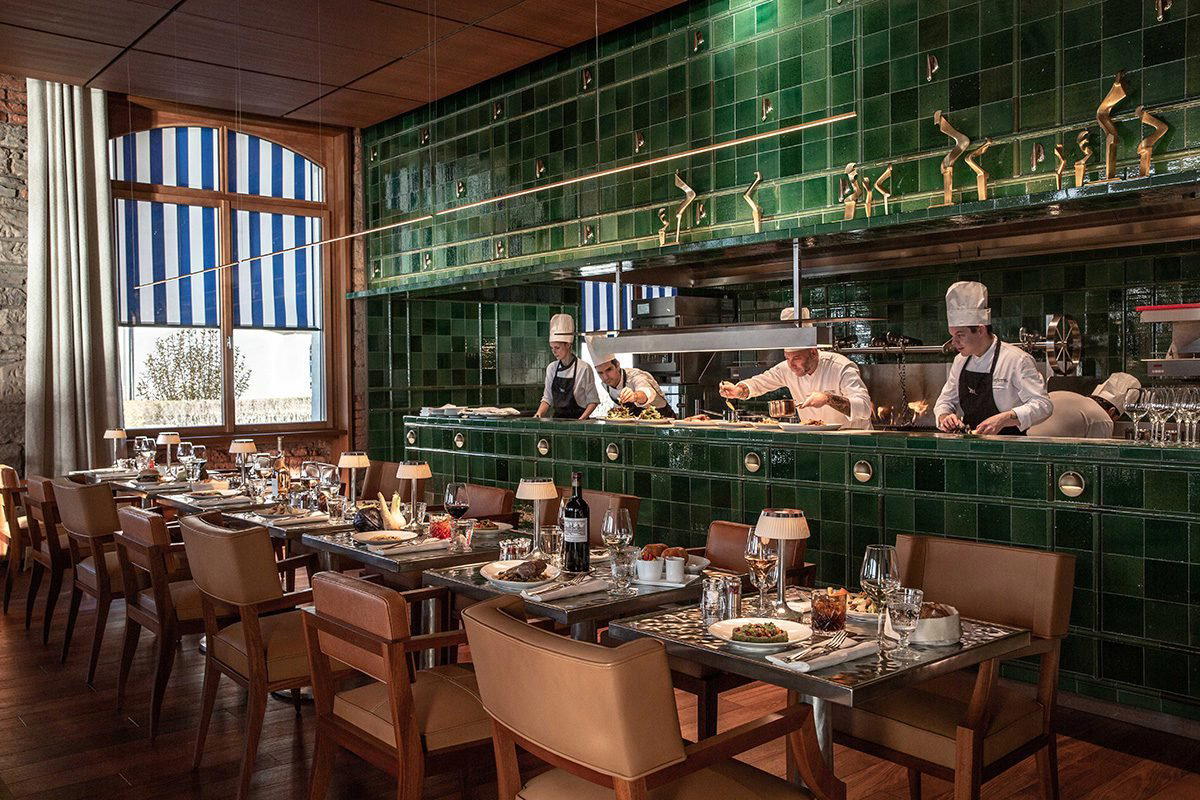
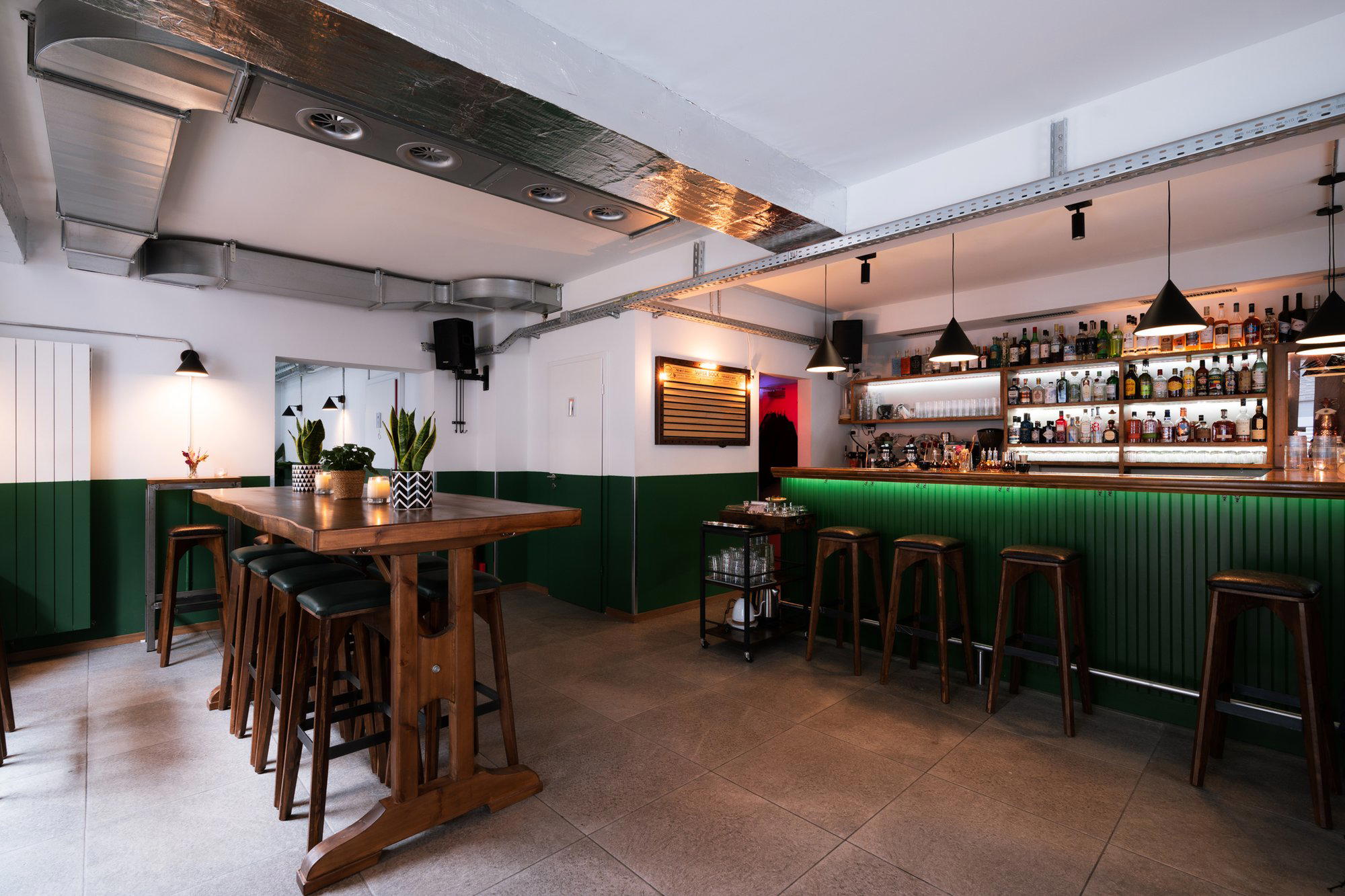
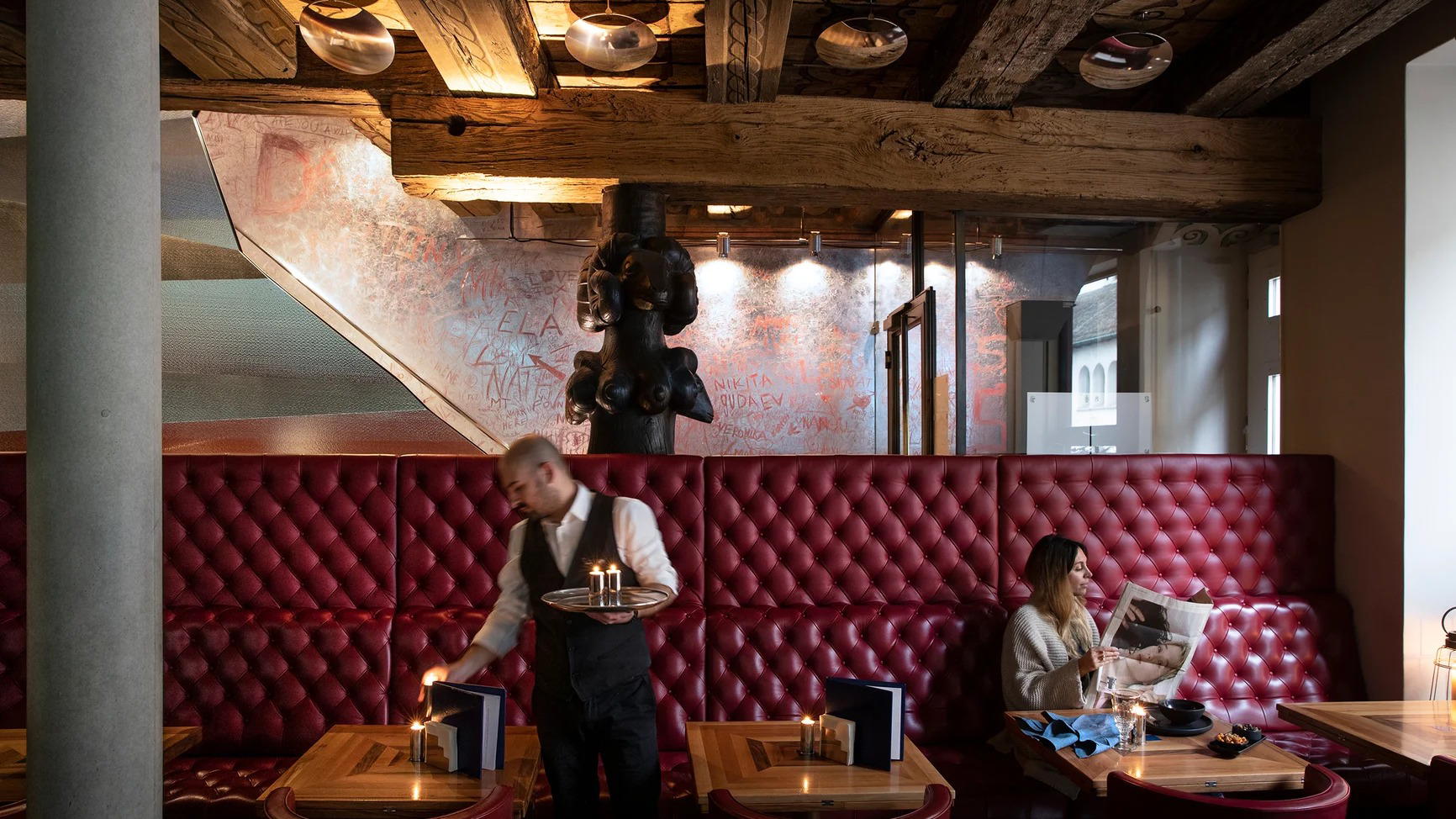
Warm oriental hospitality in a two-story setting with a bustling, energetic atmosphere; the Bellevue location features waterfront views and outdoor seating.