SALZHAUS

SALZHAUS sits on the Landhausquai in Solothurn, holding consecutive Michelin Bib Gourmand awards in 2024 and 2025 for contemporary cooking that punches above its modest price point. Under chef Christian Härtge, the kitchen applies considered technique to seasonal produce without the ceremonial overhead of a tasting-menu-only format. For a city of Solothurn's size, the recognition is notable.
Pearl is the En Primeur Club membership app — saves, bookings, and concierge access live there. Same editors, same standards.
- Address
- Landhausquai 15a, 4500 Solothurn, Switzerland
- Phone
- +41 32 622 01 01
- Website
- restaurant-salzhaus.ch
- Directions
- Get directions
 Saves & bookings on Pearl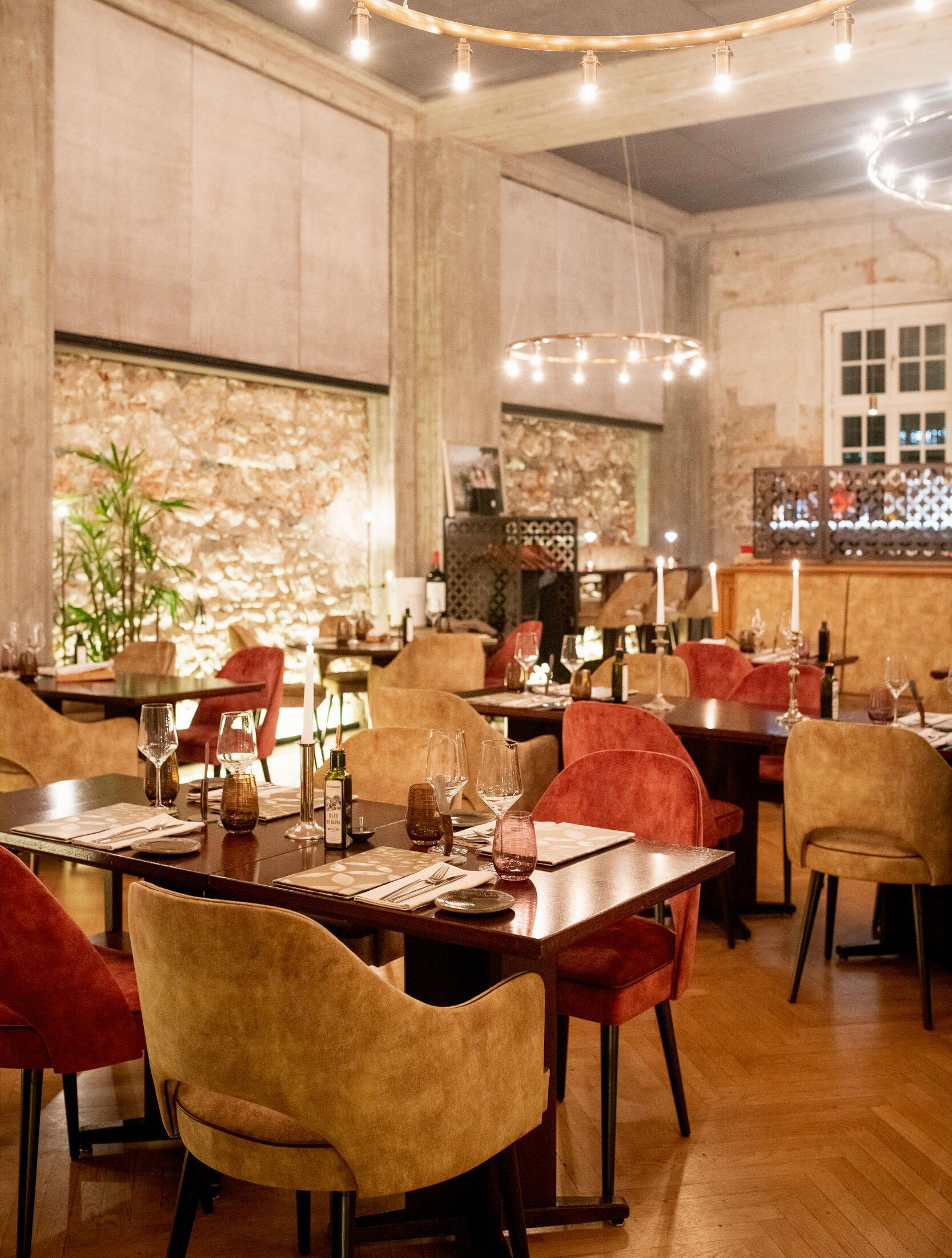
The Aare and the Table: Contemporary Cooking on Solothurn's Riverfront
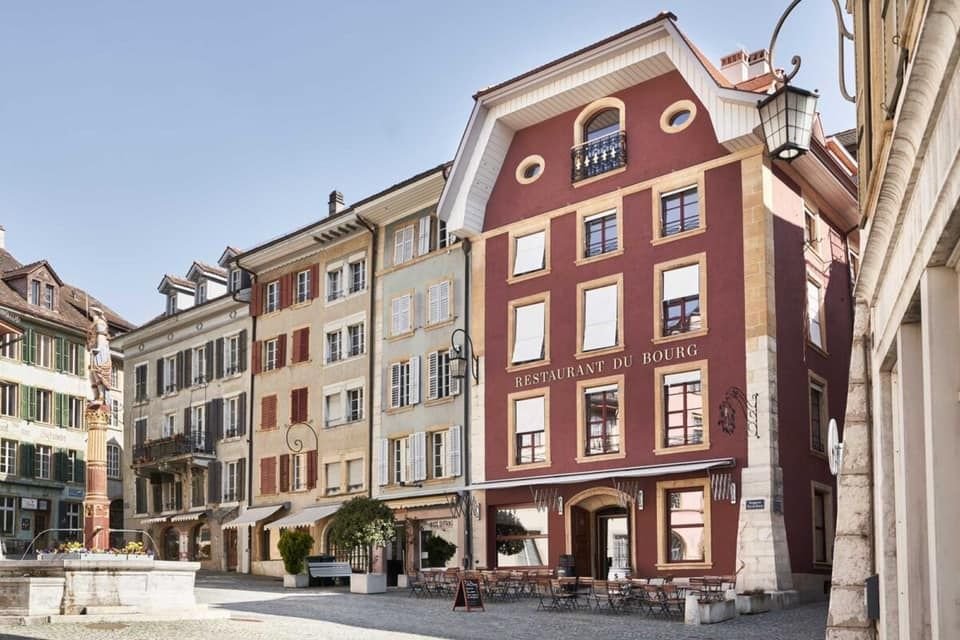
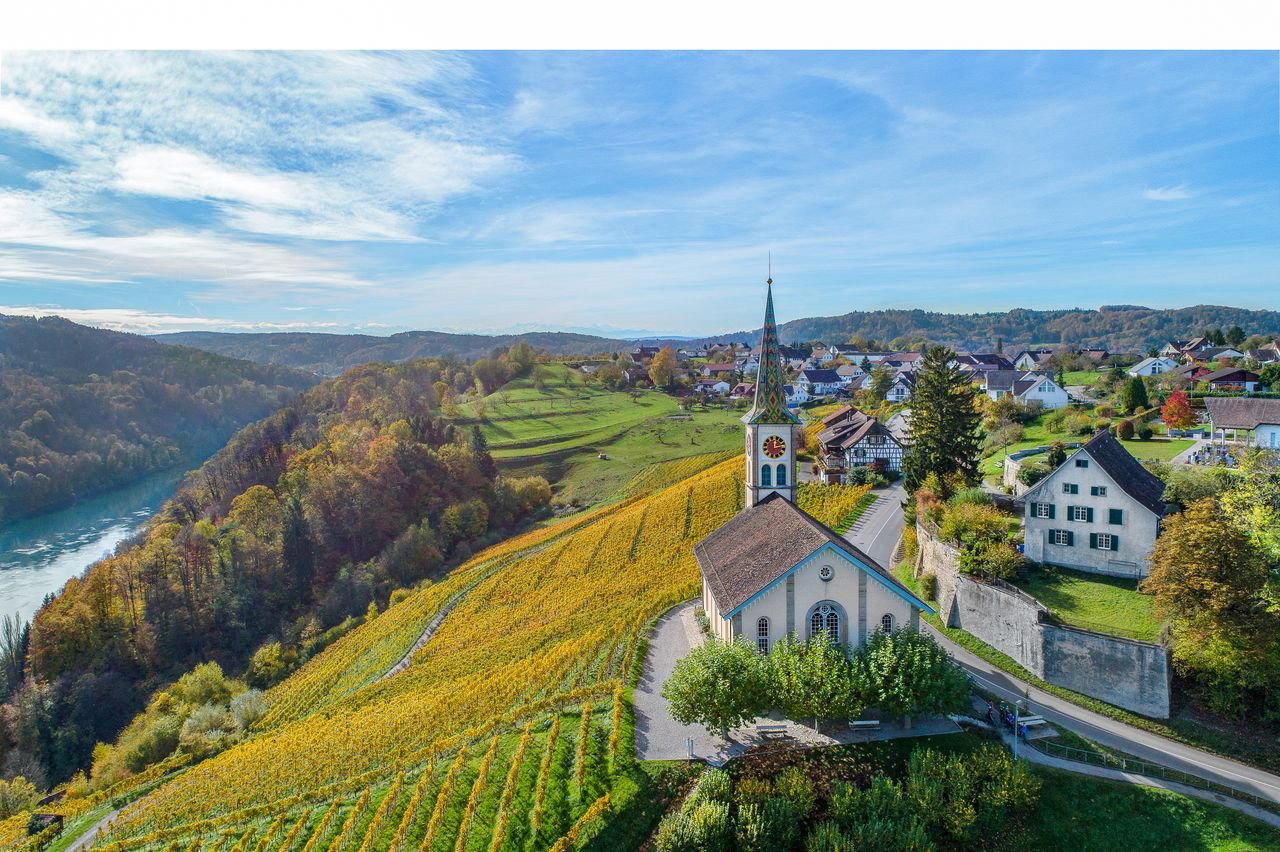
Solothurn's Landhausquai runs along the Aare with the unhurried confidence of a city that has never needed to prove itself to outsiders. The baroque facades, the cathedral, the compact pedestrian centre — none of it is arranged for tourism. It exists because it was built well and has been maintained with Swiss consistency. SALZHAUS occupies a position on this quai, at number 15a, and the address matters: the riverfront in a small Swiss city like this sets a particular register before a single dish arrives. You are not in a hotel dining room or a converted industrial space. You are in a place that reads as part of the city's civic fabric.
Within Solothurn's restaurant scene, which spans classic French rooms like Le Restaurant and more grounded farm-to-table formats like Zum Alten Stephan, SALZHAUS occupies the contemporary mid-tier with formal recognition. Two consecutive Michelin Bib Gourmand awards, in 2024 and 2025, position it in the tier Michelin reserves for kitchens that deliver cooking of genuine quality at prices that do not require the meal to be a financial event. That is a specific and useful distinction in a Swiss context, where the gap between affordable and starred can feel like a category jump rather than a spectrum.
What the Bib Gourmand Tells You About the Kitchen
The Bib Gourmand designation has a precise meaning in the Michelin system: good food at a moderate price, with the threshold defined locally rather than globally. In Switzerland, where food costs run structurally higher than in most of Europe, a Bib Gourmand still implies a kitchen operating with meaningful skill and product awareness. It is not a consolation prize below a star; it is a signal about value architecture and about a kitchen that has decided not to chase the tasting-menu format or the per-head economics that go with it.
Chef Christian Härtge leads the kitchen, and the contemporary classification is the relevant frame. Swiss contemporary cooking at this level tends to draw on the country's position at the intersection of French technique, German structure, and Italian ingredient sensibility, with the alpine and Mittelland agricultural base providing the raw material. The Solothurn region sits in the canton of the same name in the Swiss Mittelland, which means access to the dairy farming of the plateau, proximity to the Jura foothills, and reasonable distance from the agricultural corridors running toward Basel and Bern. That geography shapes what is seasonally plausible on a plate, even when a menu does not announce its sourcing agenda explicitly.
Where the Ingredients Come From and Why That Frame Matters
Contemporary kitchens at this price point in Switzerland operate in a specific tension: they cannot absorb the cost of the hyper-local sourcing networks that starred restaurants build with years of supplier relationships, but they also cannot default to commodity produce without losing the quality signal the Bib Gourmand implies. The kitchens that resolve this tension well tend to be selective rather than comprehensive — anchoring two or three key seasonal ingredients to regional producers while managing the rest of the plate with disciplined technique.
The Mittelland's agricultural calendar runs roughly in line with broader Central European seasons: spring alliums, asparagus, and early herbs; summer stone fruit, courgette, and river-caught freshwater fish from tributaries of the Aare and Rhine systems; autumn mushrooms and root vegetables from the Jura slopes; winter cured and preserved proteins, aged dairy, and the denser preparations that make sense when temperatures drop. A contemporary kitchen working this calendar has material to build seasonal menus that read as place-specific without requiring an elaborate supply chain.
Across Switzerland's more prominent contemporary tables, from Schloss Schauenstein in Fürstenau to Memories in Bad Ragaz to focus ATELIER in Vitznau, the emphasis on Swiss provenance has become a defining competitive signal rather than a marketing footnote. SALZHAUS operates at a different price tier than any of those rooms, but it sits within the same national conversation about what contemporary Swiss cooking means and where its ingredients should originate. For comparison, the starred tier in Switzerland includes Hotel de Ville Crissier in Crissier, Cheval Blanc by Peter Knogl in Basel, Einstein Gourmet in Sankt Gallen, 7132 Silver in Vals, Colonnade in Lucerne, and Da Vittorio in St. Moritz, all operating at €€€€ price architecture. SALZHAUS at €€ is doing something structurally different and, in a city like Solothurn, more useful to the local dining ecosystem.
Solothurn as a Dining City
Solothurn is a city of roughly 17,000 people in the canton of Solothurn, with a restaurant density that reflects both its compact size and its status as a cantonal capital. It is not a dining destination in the sense that Basel or Zurich generates culinary travel. What it has instead is a self-sufficient food culture built for residents rather than for food tourism. That creates conditions where a Bib Gourmand-level kitchen survives on repeat local trade rather than on the one-visit economics of a destination restaurant, which in turn tends to produce more consistent kitchen discipline over time.
For the wider context of eating and drinking in the city, the full Solothurn restaurants guide maps the complete scene. Those planning a longer stay can also consult the Solothurn hotels guide, the Solothurn bars guide, the Solothurn wineries guide, and the Solothurn experiences guide.
For reference on what the contemporary format looks like in other international markets, César in New York City and Jungsik in Seoul illustrate how the contemporary category operates across different price tiers and culinary traditions.
Planning Your Visit
SALZHAUS is at Landhausquai 15a in central Solothurn, within walking distance of the old town and the main rail station on the Bern-Basel line. At the €€ price range, it functions as an accessible weeknight option as well as a considered weekend table.
Budget and Context
| Venue | Cuisine | Price | Awards |
|---|---|---|---|
| SALZHAUSThis venue — the venue you are viewing | Contemporary | €€ | Bib Gourmand |
| Schloss Schauenstein | Modern European, Creative | €€€€ | Michelin 3 Star |
| Memories | Modern Swiss | €€€€ | Michelin 3 Star |
| focus ATELIER | Modern Swiss, Creative | €€€€ | Michelin 2 Star |
| IGNIV Zürich by Andreas Caminada | Sharing | €€€€ | Michelin 2 Star |
| La Table du Lausanne Palace | Modern French | €€€€ | Michelin 2 Star |
Recognition history
Dated appearances from independent guides and award organizations, with the underlying list record or original source where available.
Michelin Bib Gourmand
Michelin
Michelin Bib Gourmand
Michelin
Continue exploring
More in Solothurn
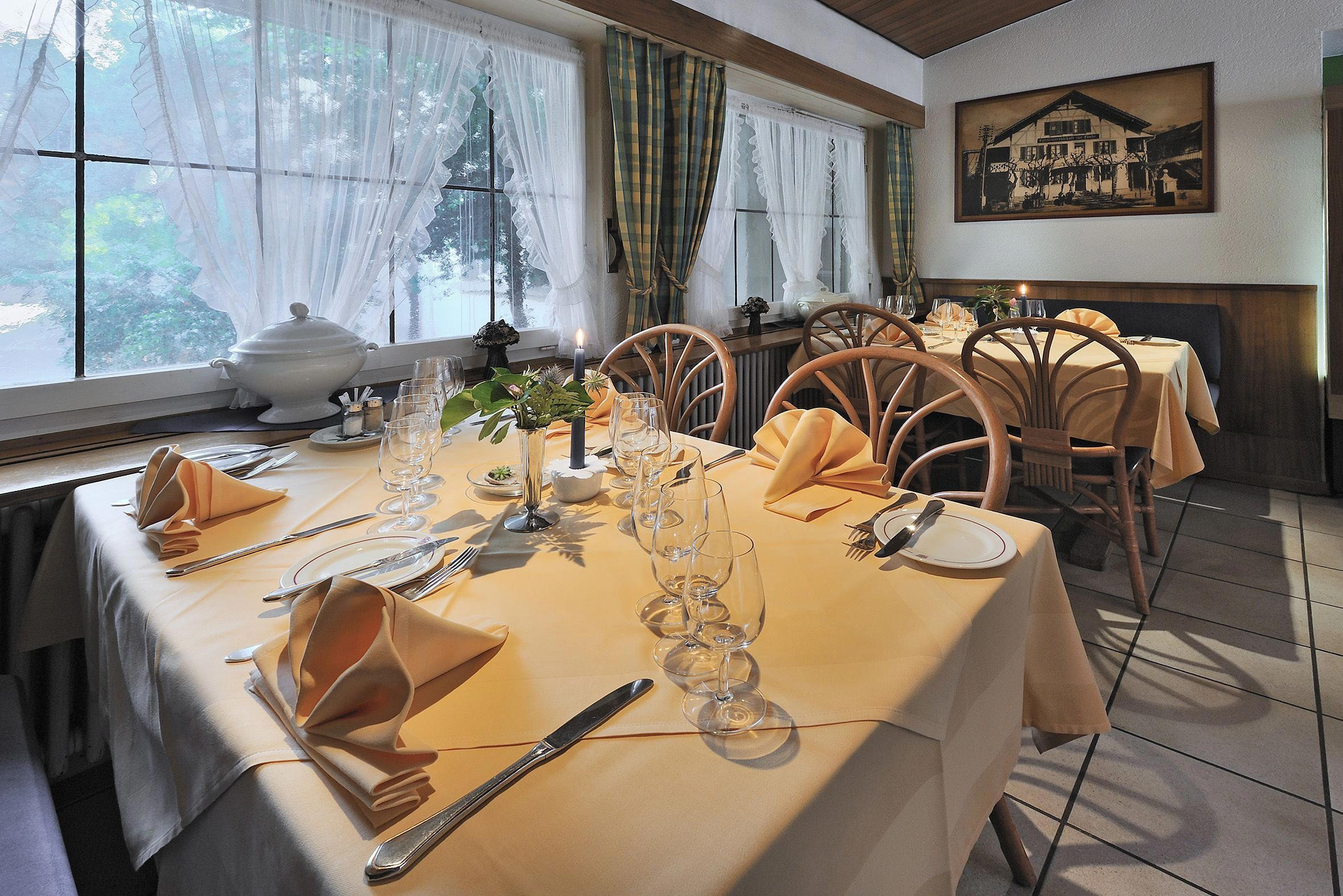
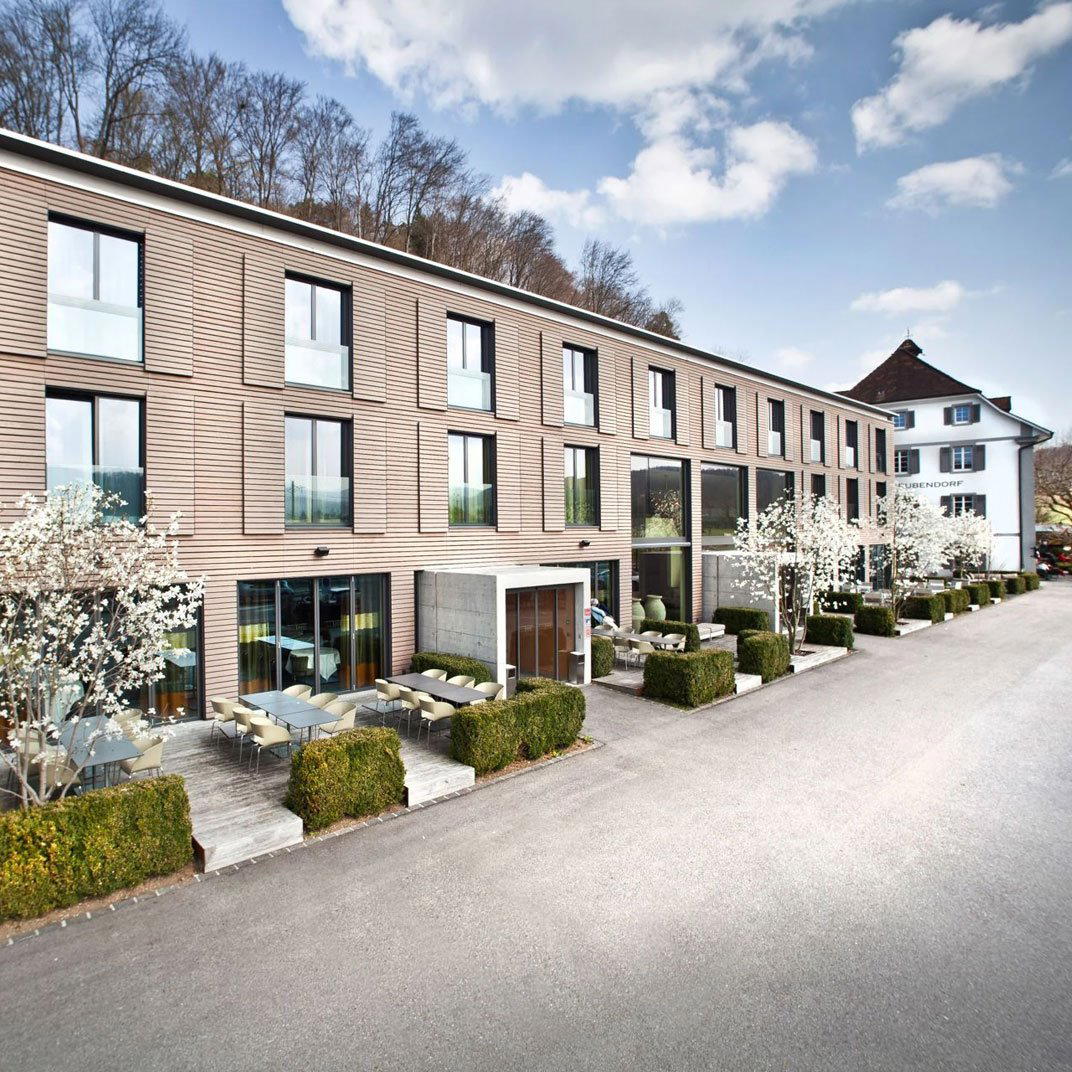
Restaurants in Solothurn
Browse all →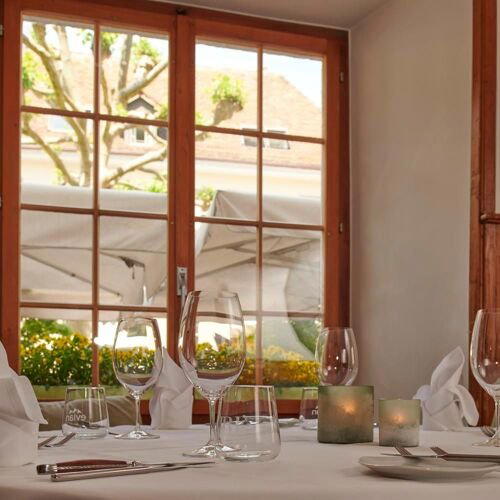
Bars in Solothurn
Browse all →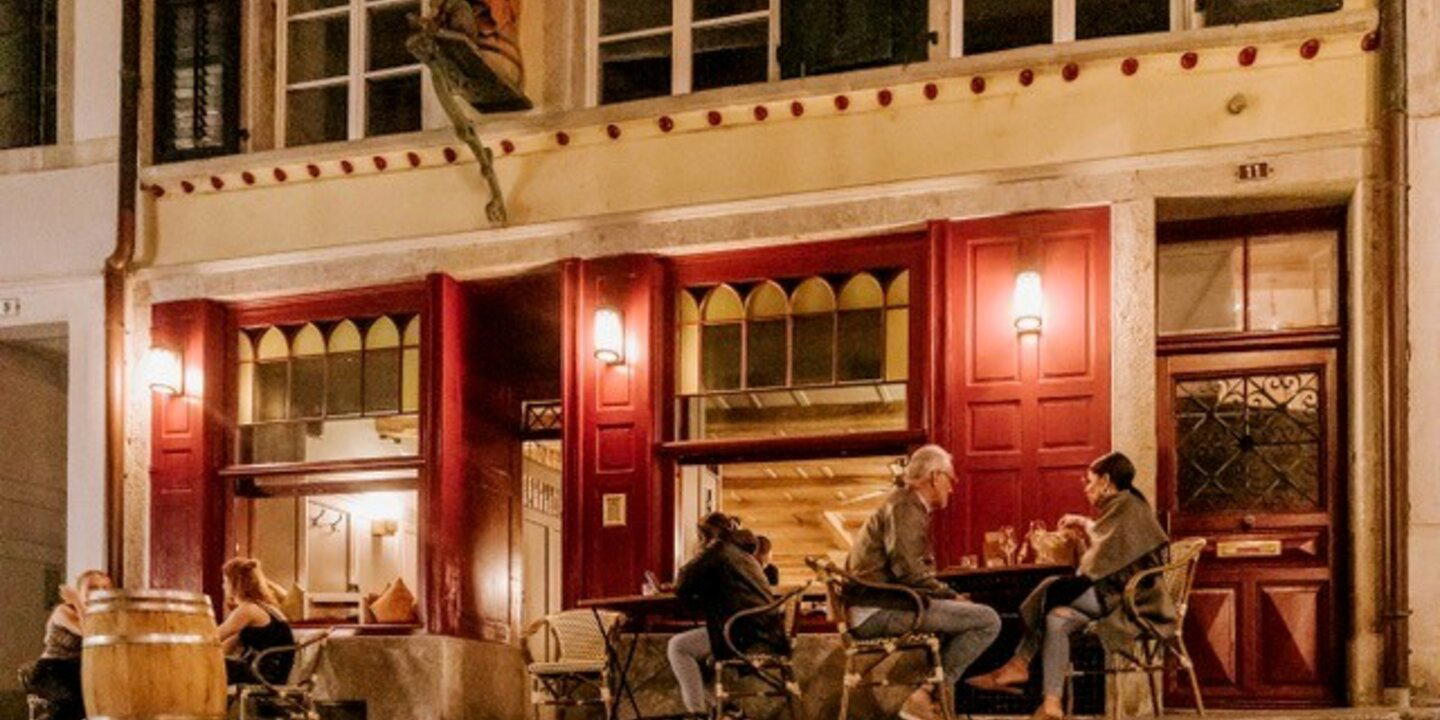
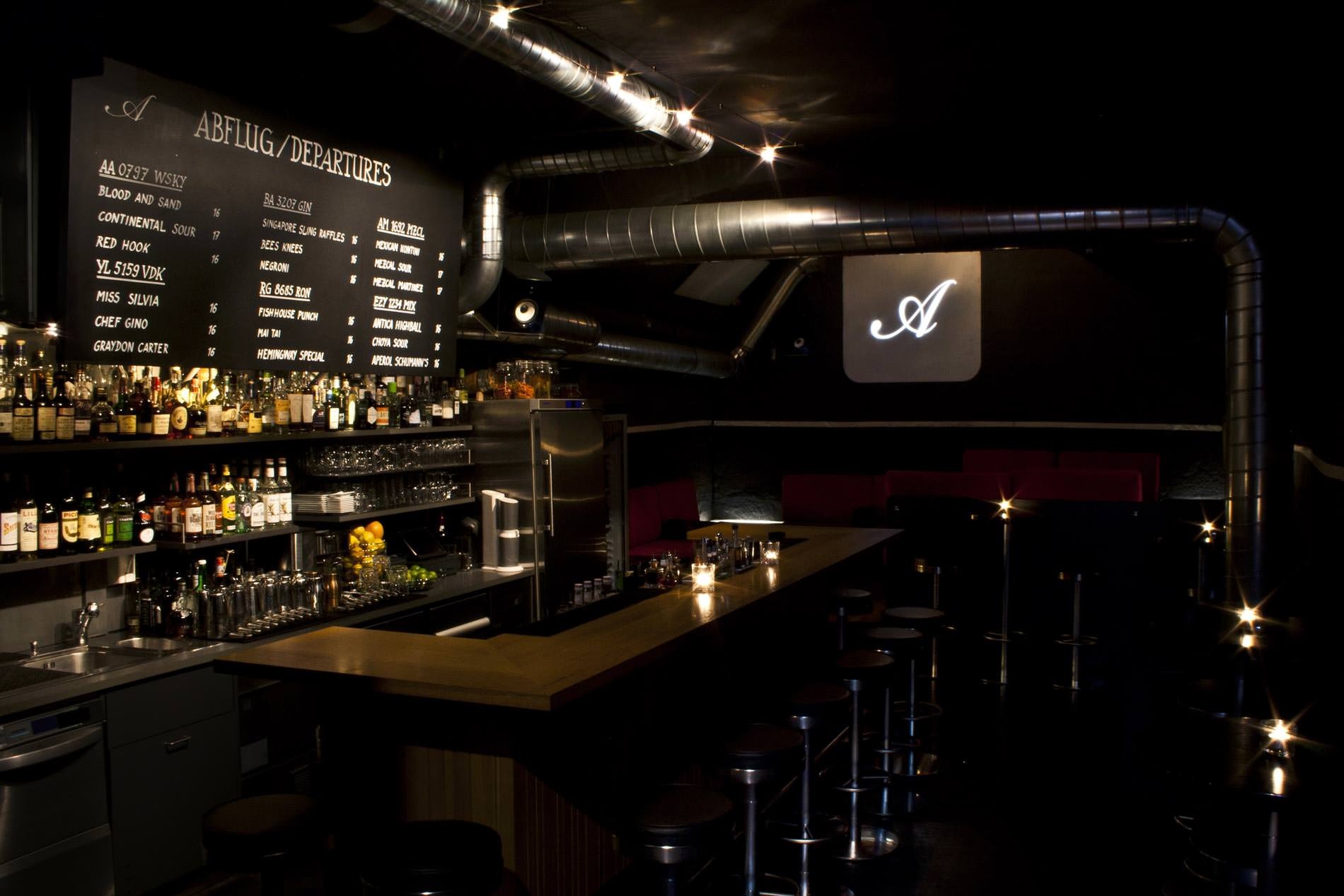
Hotels in Solothurn
Browse all →

At a Glance
- Modern
- Cozy
- Historic
- Elegant
- Date Night
- Business Dinner
- Special Occasion
- Waterfront
- Terrace
- Historic Building
- Extensive Wine List
- Waterfront
Current opening hours
- Monday
- Closed
- Tuesday
- Closed
- Wednesday
- 11:30 AM–2 PM, 6–11:30 PM
- Thursday
- 11:30 AM–2 PM, 6–11:30 PM
- Friday
- 11:30 AM–2 PM, 6–11:30 PM
- Saturday
- 11:30 AM–2:30 PM, 6–11:30 PM
- Sunday
- Closed
Hours can change for holidays and private events. Last verified .
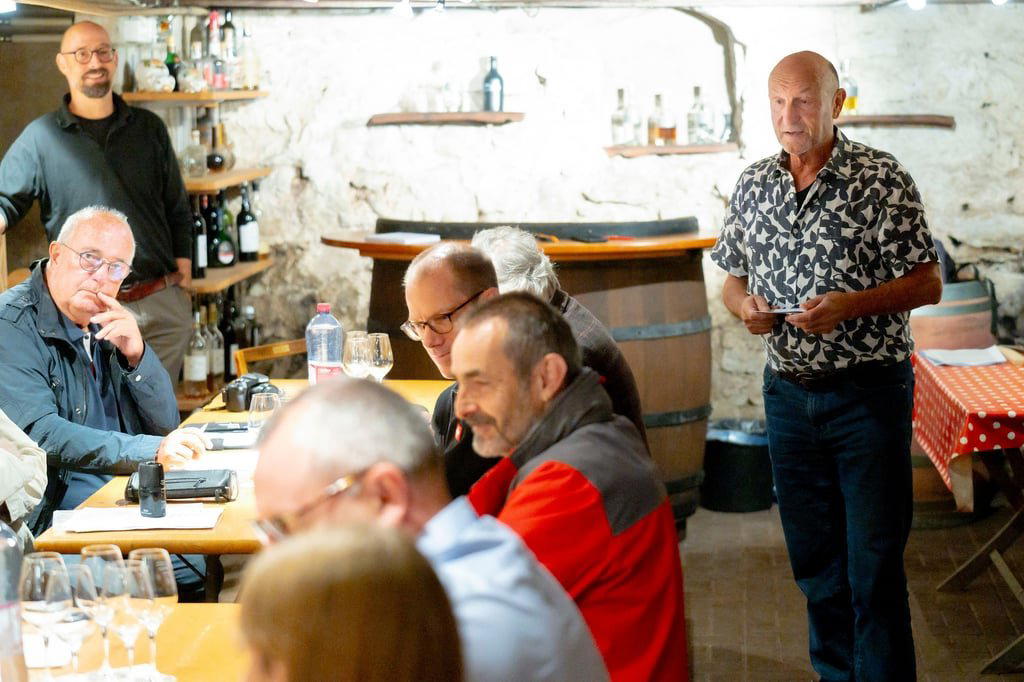
Atmospheric blend of urban cool and historical charm with exposed brickwork, cozy modern interior, and waterfront terrace.