Le Restaurant


Le Restaurant on Hauptgasse brings classic French technique to Solothurn at a price point that remains accessible by Swiss standards, earning consecutive Michelin Bib Gourmand recognition in 2024 and 2025. Chef Jeremy Degras leads the kitchen, while sommelier Cristina Iuculano oversees a wine list of 1,400 selections drawn from Bordeaux, Burgundy, Champagne, and Italy. Lunch and dinner service makes it one of the more versatile fine-dining addresses in the canton.
Pearl is the En Primeur Club membership app — saves, bookings, and concierge access live there. Same editors, same standards.
- Address
- Hauptgasse 64, 4500 Solothurn, Switzerland
- Phone
- +41 32 625 10 10
- Website
- lacouronne-solothurn.ch
- Directions
- Get directions
 Saves & bookings on Pearl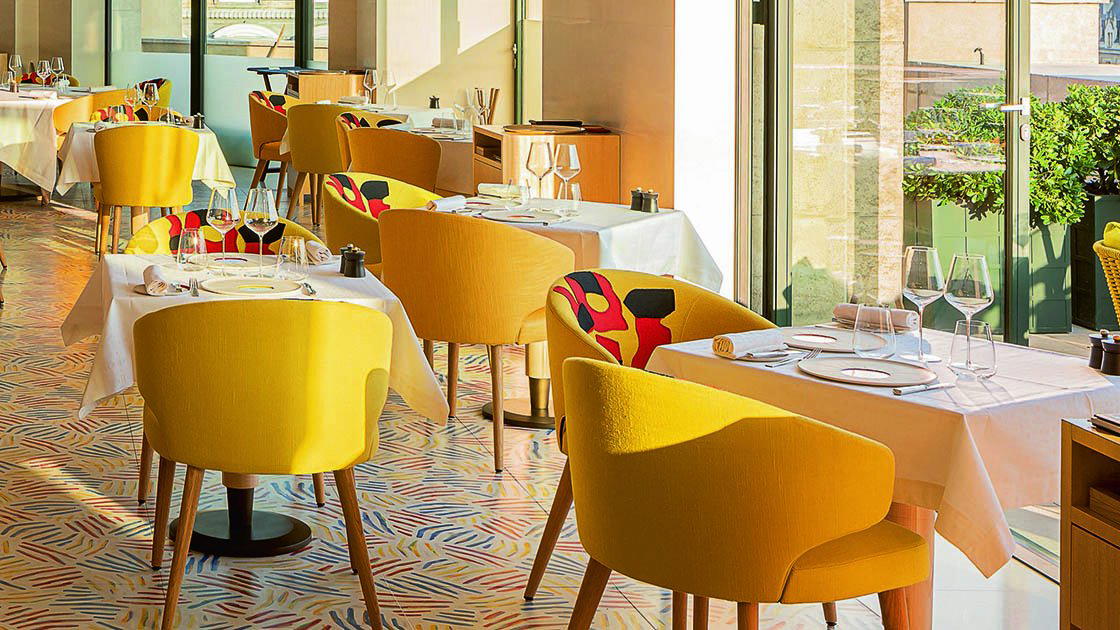
Classic French in a Swiss Baroque City
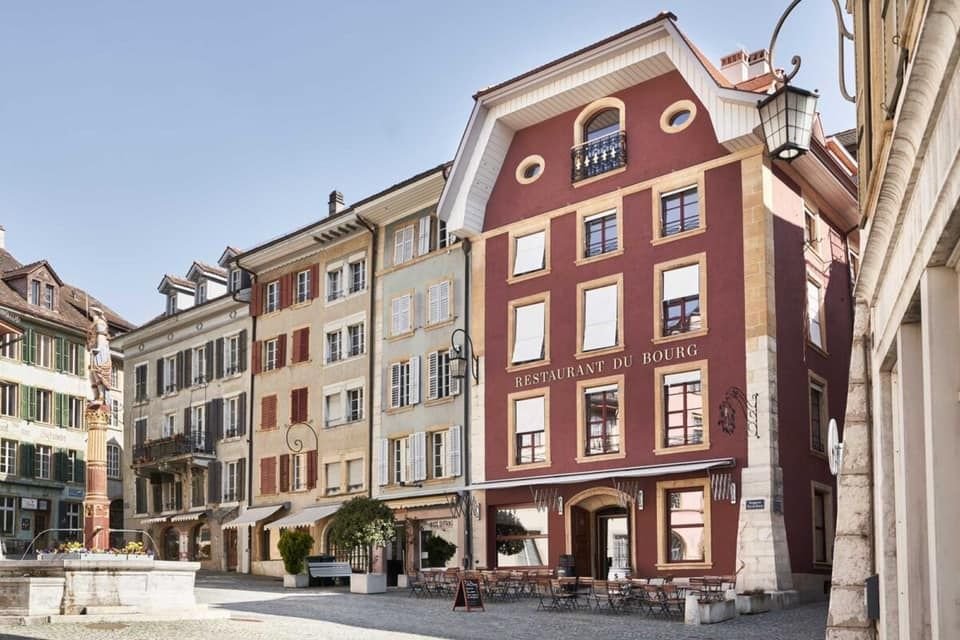
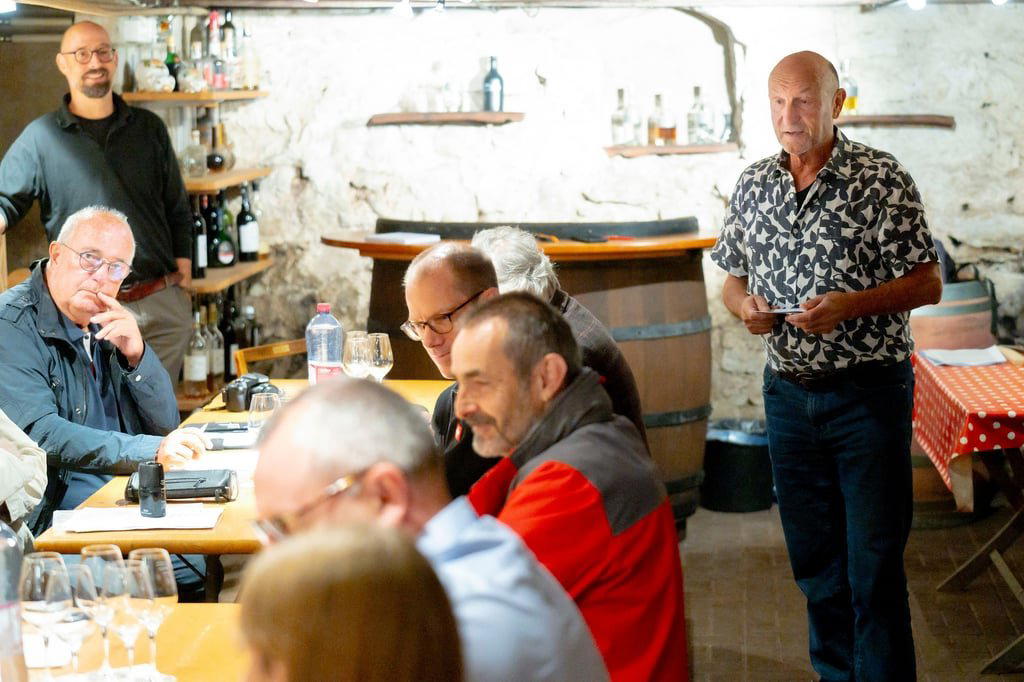
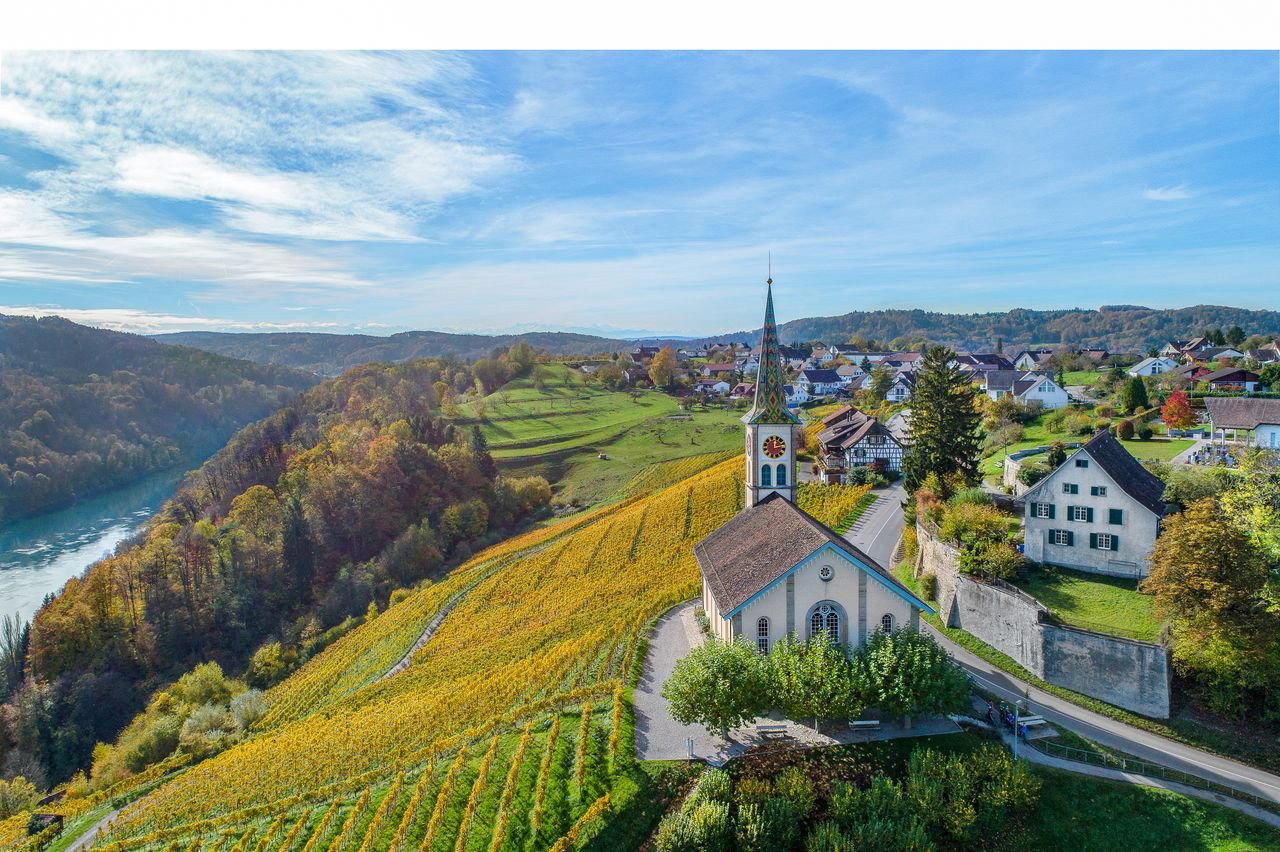
Solothurn is unusual among Swiss cities in that its Baroque streetscape, considered one of the most complete north of the Alps, creates an architectural frame that most restaurant rooms can only borrow from, not replicate. Hauptgasse, the long pedestrian spine running through the old town, is where that atmosphere is most legible: sandstone facades, arcaded walkways, and a scale that keeps the street human rather than monumental. Le Restaurant sits at number 64, inside that context, and the address does quiet editorial work before a plate arrives.
Classic French cuisine has a complicated relationship with Switzerland. The country's western arc, from Geneva through the Vaud and into the Valais, has its own deeply embedded French-language food culture, but the German-speaking cantons have historically been less natural territory for the Paris-trained repertoire. Solothurn, positioned near the linguistic boundary, occupies an interesting middle ground, and Le Restaurant operates as one of the cleaner expressions of the classic French tradition in a city where the default reference points run more toward hearty central European cooking.
What the Bib Gourmand Signal Actually Means
Two consecutive years of Michelin Bib Gourmand recognition, in 2024 and 2025, place Le Restaurant inside a specific tier of the Swiss dining map: technically accomplished, price-conscious relative to the market, and consistent enough to satisfy repeat Michelin scrutiny. The Bib Gourmand is not a consolation category. It identifies restaurants where the kitchen is delivering at a level the guide considers meaningful, but where the price-to-quality ratio is the editorial headline. For Swiss French cuisine specifically, where the benchmark restaurants, including Hotel de Ville Crissier in Crissier and Cheval Blanc by Peter Knogl in Basel, operate at the multi-star level with price structures to match, the Bib tier fills a genuine gap.
The restaurant's two-course meal pricing falls in the upper bracket by general European standards but sits comfortably within normal range for Swiss dining, where food costs and labour make the €€ to €€€ gap smaller than in most other markets. The cuisine pricing reflects a €€€ classification for typical two-course meals, which signals that this is not a casual lunch stop but neither does it require the financial planning associated with tasting-menu destination dining at places like Schloss Schauenstein in Fürstenau or Memories in Bad Ragaz.
Provenance on the Plate and in the Glass
Classic French cuisine, at its most coherent, is an argument about provenance. The tradition depends on the idea that where something comes from, the river valley, the coastal shelf, the highland pasture, determines what it should taste like and how it should be treated. That principle is more demanding to apply in a landlocked German-Swiss city than it is in Lyon or Bordeaux, where the supply chain from producer to kitchen is both shorter and more culturally embedded. The kitchen at Le Restaurant, under Chef Jeremy Degras, operates within those constraints, working a French idiom in a Swiss market.
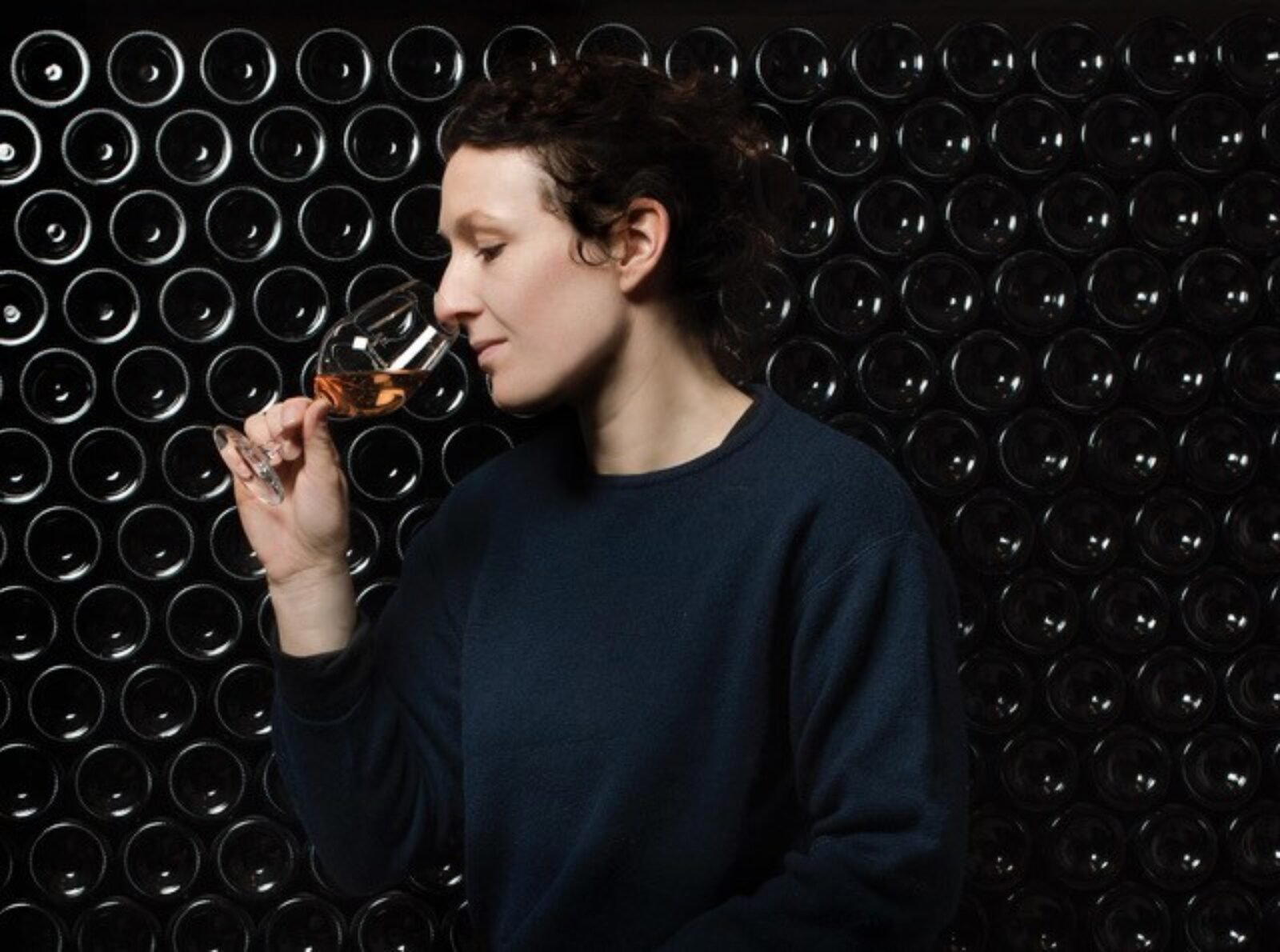
The wine program provides the clearest expression of the provenance philosophy. Sommelier Cristina Iuculano oversees a list of 1,400 selections with an inventory of approximately 30,000 bottles, with stated strengths in Bordeaux, Burgundy, Champagne, France, and Italy. That range is not decorative. A list built around Burgundy in particular functions as a direct link to the soil-specific thinking that underlies the French table tradition, where terroir is not a marketing concept but an organising principle. Bordeaux adds the structural, cellar-worthy dimension. Champagne covers the aperitif register with appropriate seriousness. The Italian component suggests a willingness to look beyond French borders for wines that share the same land-driven logic, which is common among wine programs at this level.
Wine pricing is classified at the $$$ level, indicating that the list carries significant inventory of bottles above the $100 threshold. A corkage fee of $150 applies, which effectively positions the list as the preferred route: at that corkage rate, bringing your own bottle makes sense only for something specific and significant that the cellar does not carry. The structure of that fee is itself an editorial signal about the seriousness with which the wine program is managed.
Among Solothurn's restaurant options, Le Restaurant operates in a different register from both the contemporary-format SALZHAUS and the produce-forward Zum Alten Stephan, the latter taking a farm-to-table approach that situates provenance in regional Swiss supply rather than French culinary lineage. Together, these three addresses map out a useful range of what serious eating in a mid-sized Swiss city can look like in 2025.
Service Structure and the Team Behind It
General Manager Richard Leuenberger adds an operational layer that distinguishes this from kitchen-led projects where front-of-house is an afterthought. In the classic French tradition, the dining room is as much a part of the offer as the kitchen, and the combination of a dedicated sommelier and a named general manager signals that the service architecture here follows the classical model. For guests accustomed to the full-service format at Swiss addresses like focus ATELIER in Vitznau or Einstein Gourmet in Sankt Gallen, the ratio of front-of-house investment to cover count will feel familiar, if at a different price tier.
A score in that range, drawn from a large sample, suggests consistent delivery rather than a polarising experience. High-variance restaurants tend to cluster at the extremes; 4.1 across nearly 700 responses indicates that what the kitchen and dining room are doing lands reliably across a broad range of guest expectations.
Planning a Visit
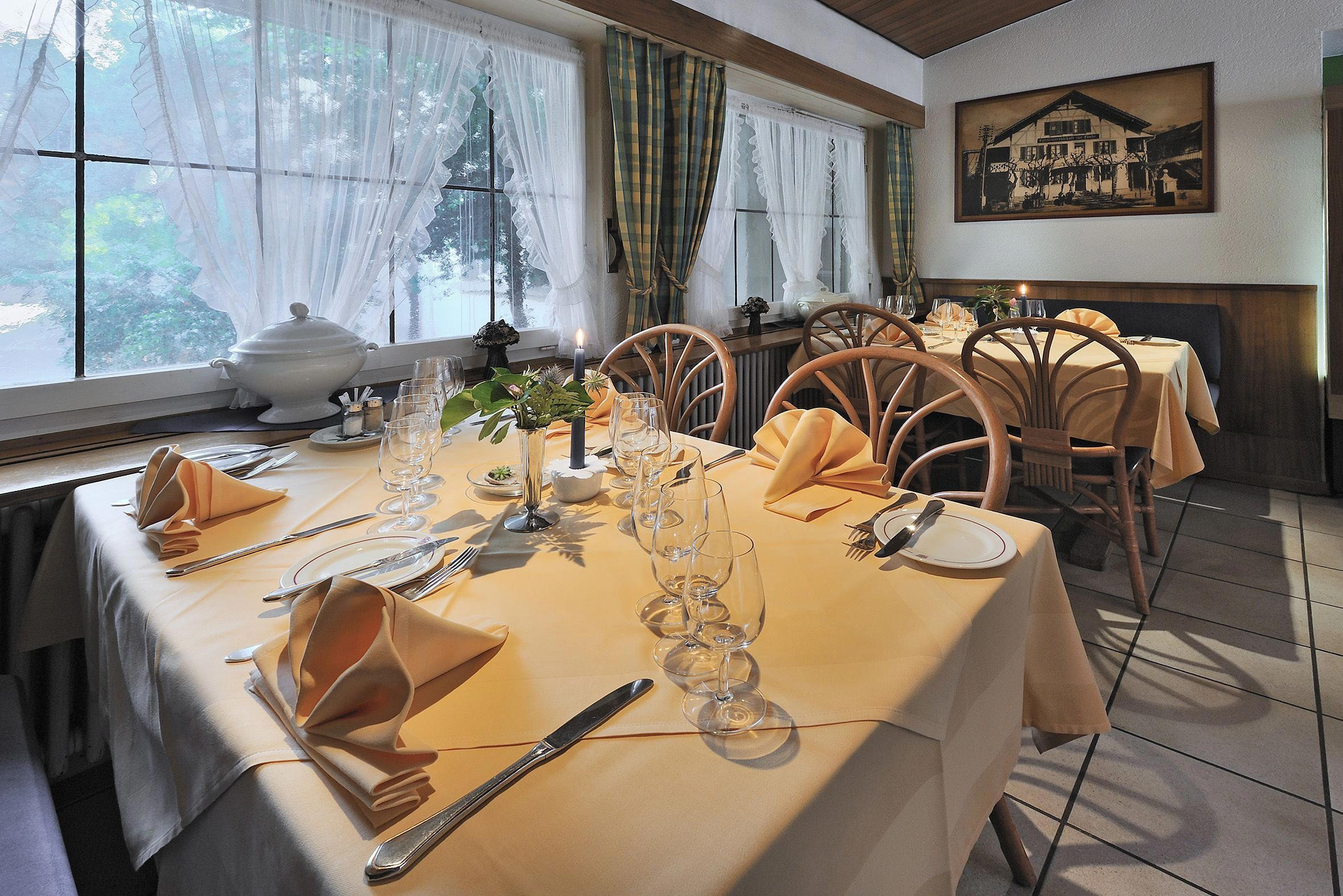
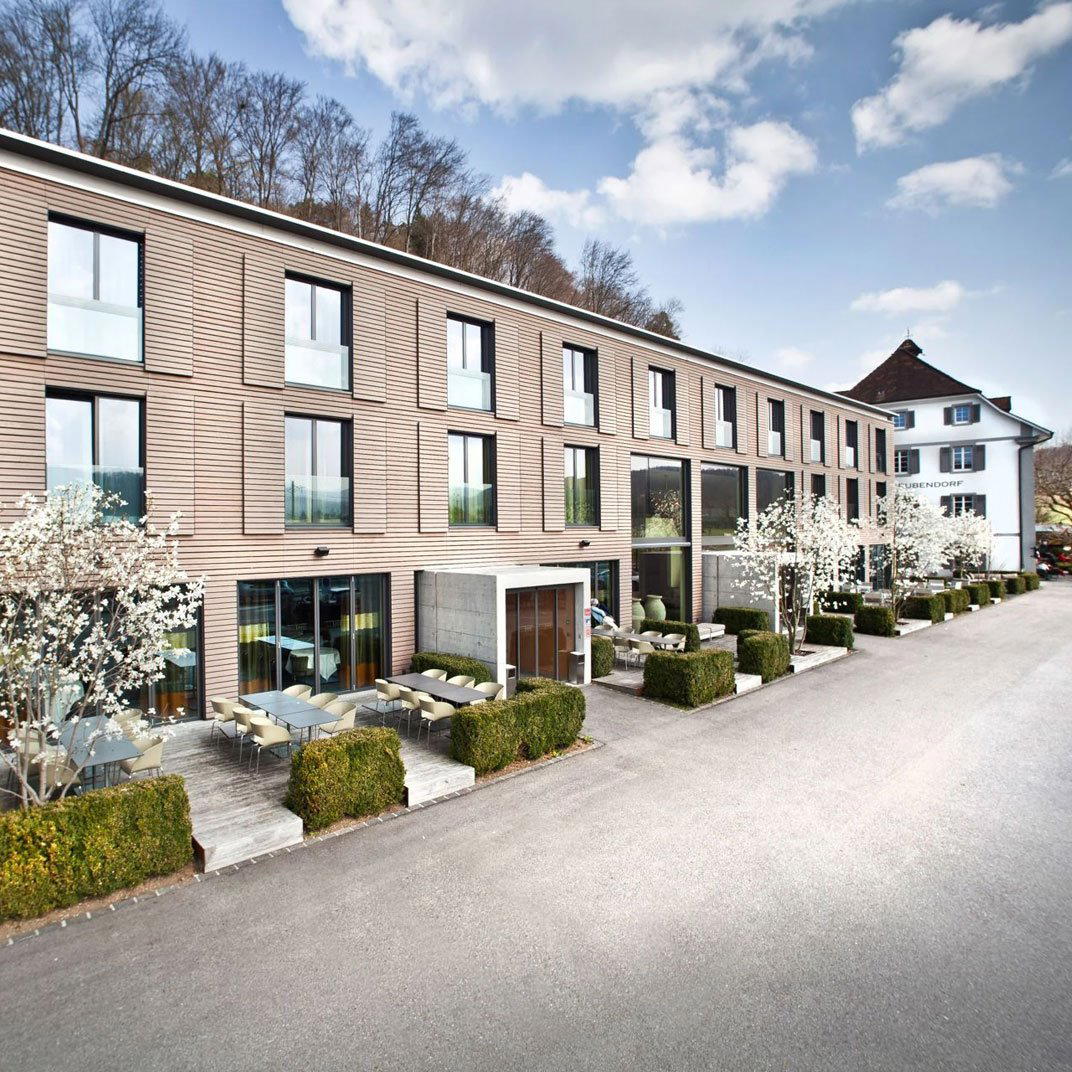
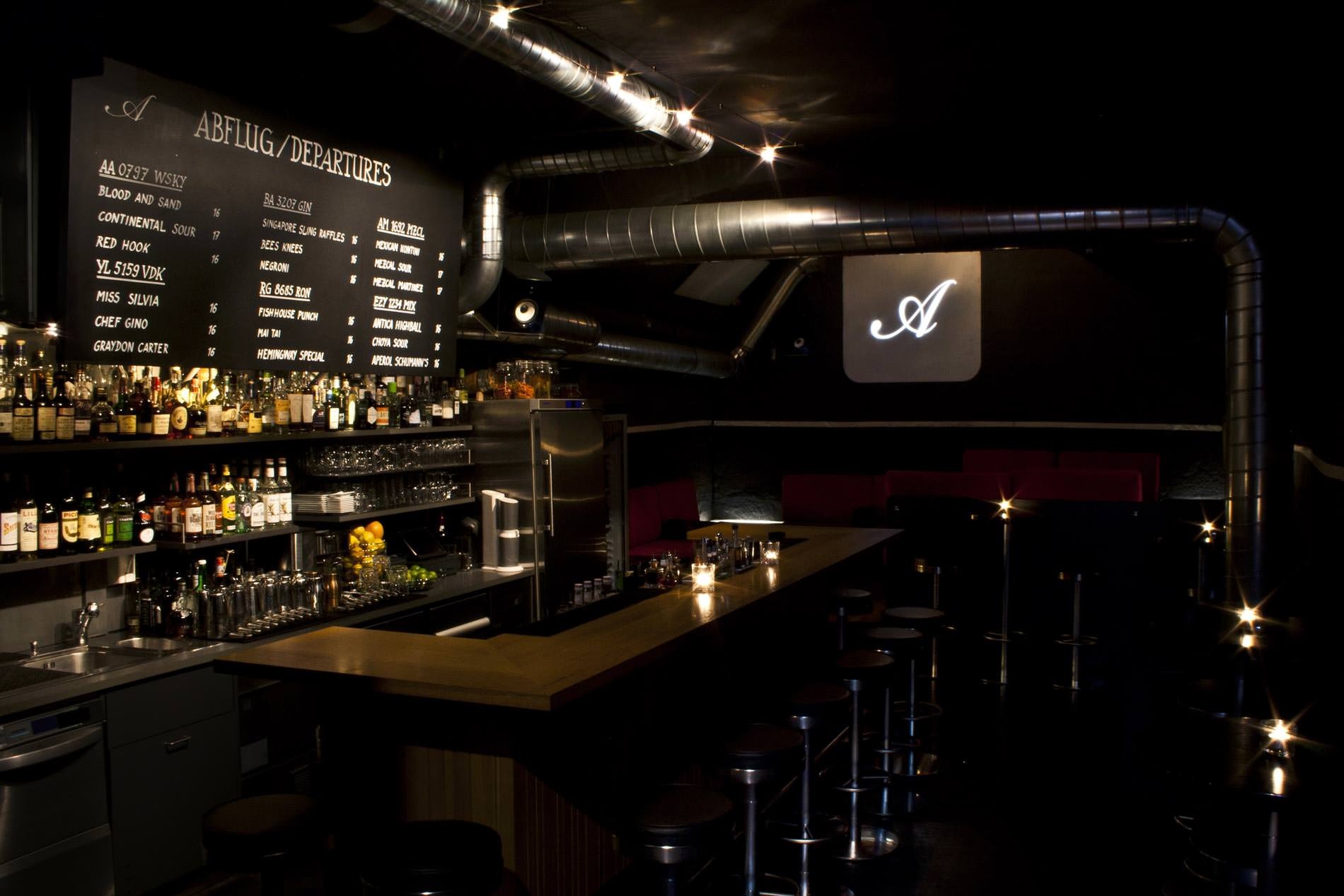
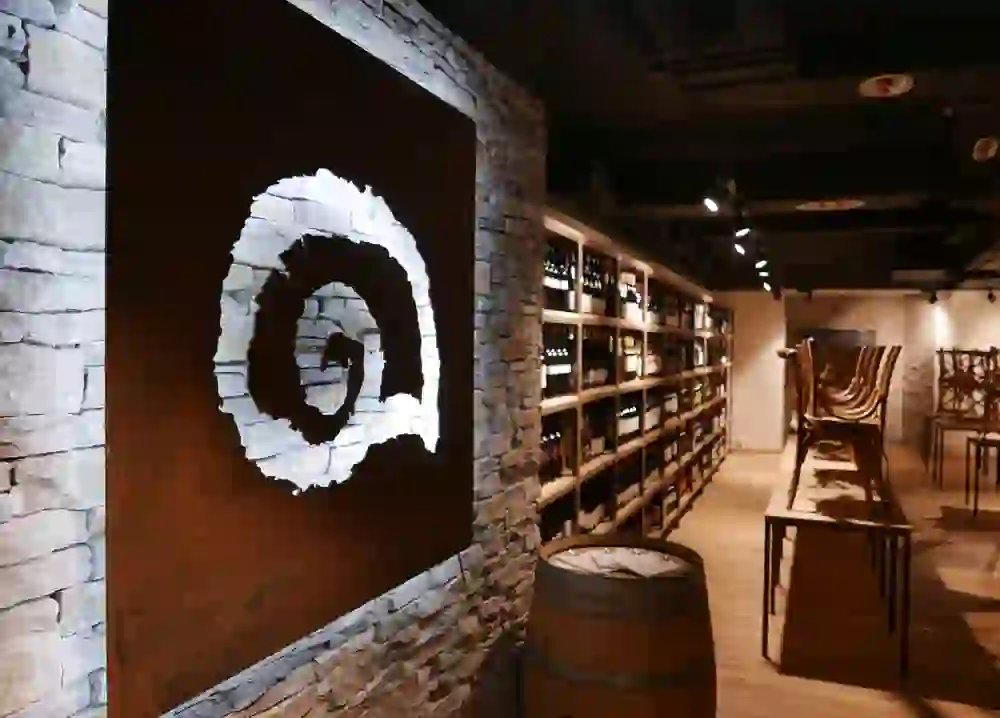
Le Restaurant serves lunch and dinner, making it one of the more flexible options on the Solothurn fine-dining circuit. Hauptgasse 64 is in the pedestrian core of the old town, walkable from any of the central hotels. For a broader picture of where this address sits within the city's eating and drinking options, the full Solothurn restaurants guide covers the range in detail. Accommodation, bar, and experience options are catalogued separately in the Solothurn hotels guide, the bars guide, and the experiences guide. For those using this visit as part of a wider Swiss wine itinerary, the Solothurn wineries guide is a useful companion resource.
Internationally, the classic French tradition Le Restaurant works within has strong reference points at Waterside Inn in Bray and d'Eugénie à Emilie in Baudour, both of which operate within the same culinary lineage at different price and recognition tiers. Closer to home in Switzerland, Da Vittorio in St. Moritz and Colonnade in Lucerne offer comparative reference points for the country's broader fine-dining range. Booking in advance is advisable for dinner, particularly for parties wanting specific seating or sommelier-led wine pairing service.
At-a-Glance Comparison
| Venue | Cuisine | Price | Awards |
|---|---|---|---|
| Le RestaurantThis venue — the venue you are viewing | Classic French | €€ | Bib Gourmand |
| Schloss Schauenstein | Modern European, Creative | €€€€ | Michelin 3 Star |
| Memories | Modern Swiss | €€€€ | Michelin 3 Star |
| focus ATELIER | Modern Swiss, Creative | €€€€ | Michelin 2 Star |
| IGNIV Zürich by Andreas Caminada | Sharing | €€€€ | Michelin 2 Star |
| La Table du Lausanne Palace | Modern French | €€€€ | Michelin 2 Star |
Recognition history
Dated appearances from independent guides and award organizations, with the underlying list record or original source where available.
Michelin Bib Gourmand
Michelin
Wine Spectator Best of Award of Excellence
Wine Spectator
Michelin Bib Gourmand
Michelin
Continue exploring
More in Solothurn
Restaurants in Solothurn
Browse all →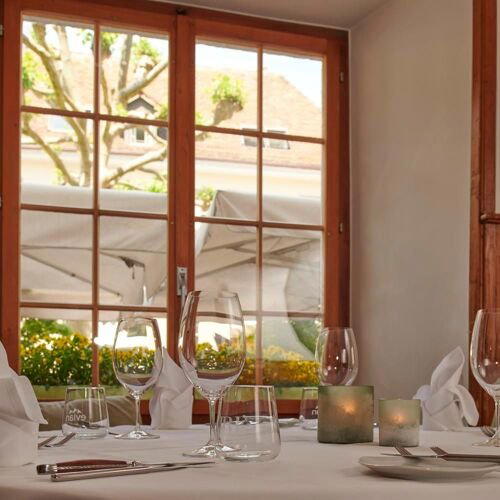
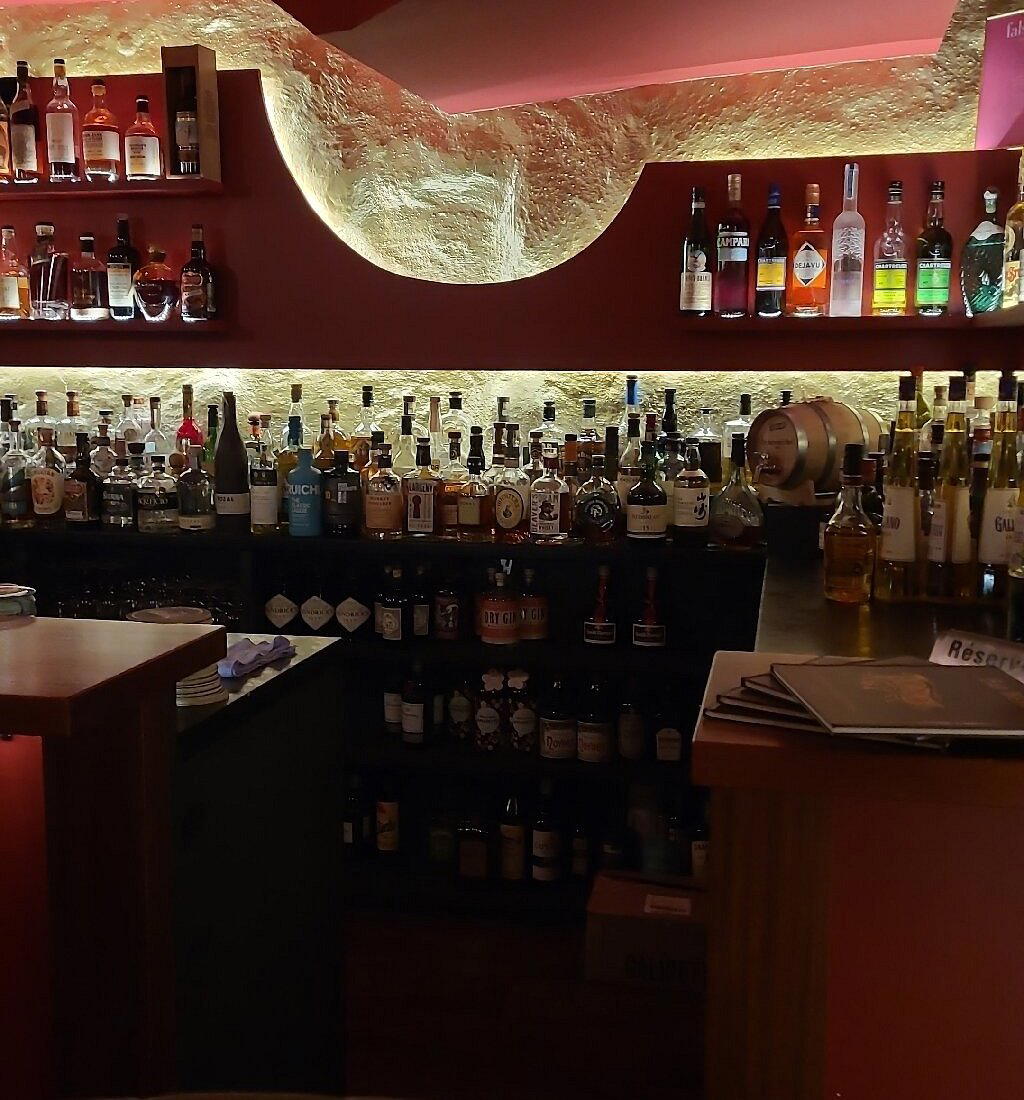
Bars in Solothurn
Browse all →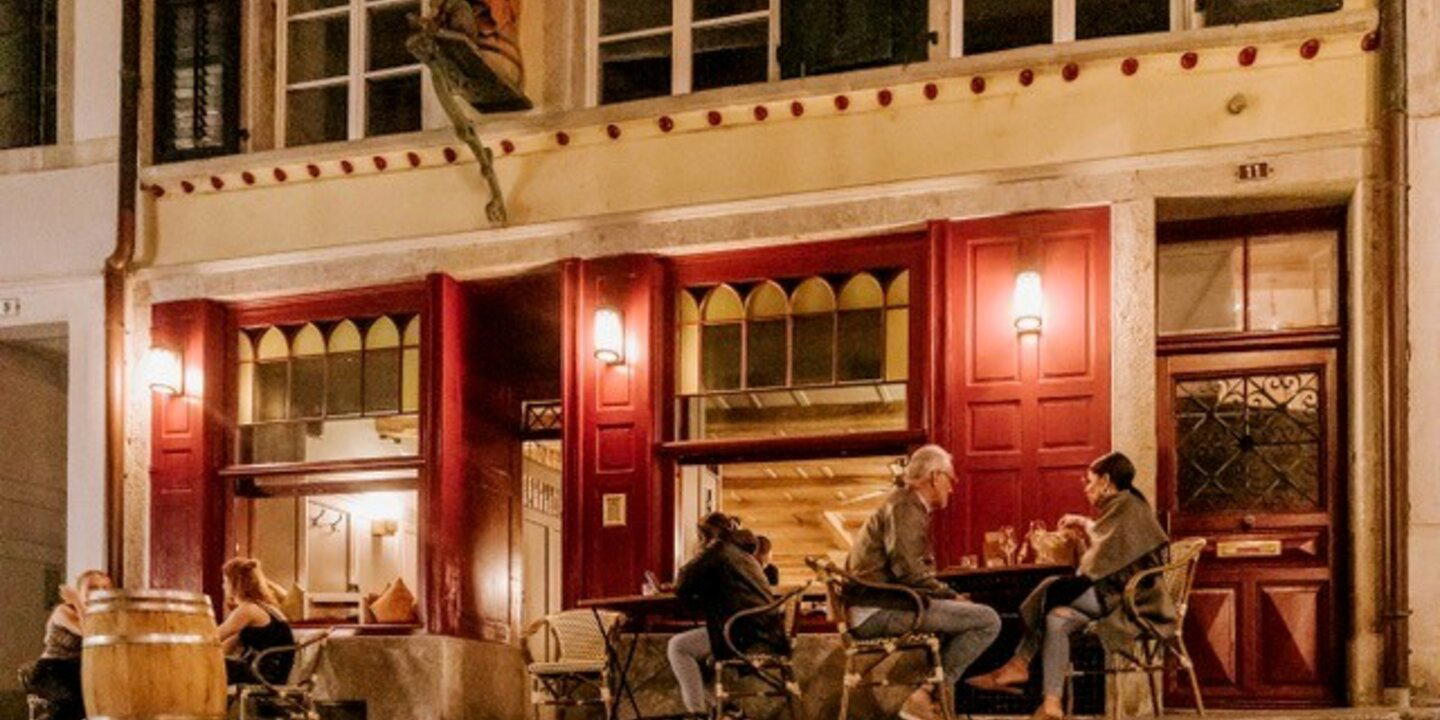
Hotels in Solothurn
Browse all →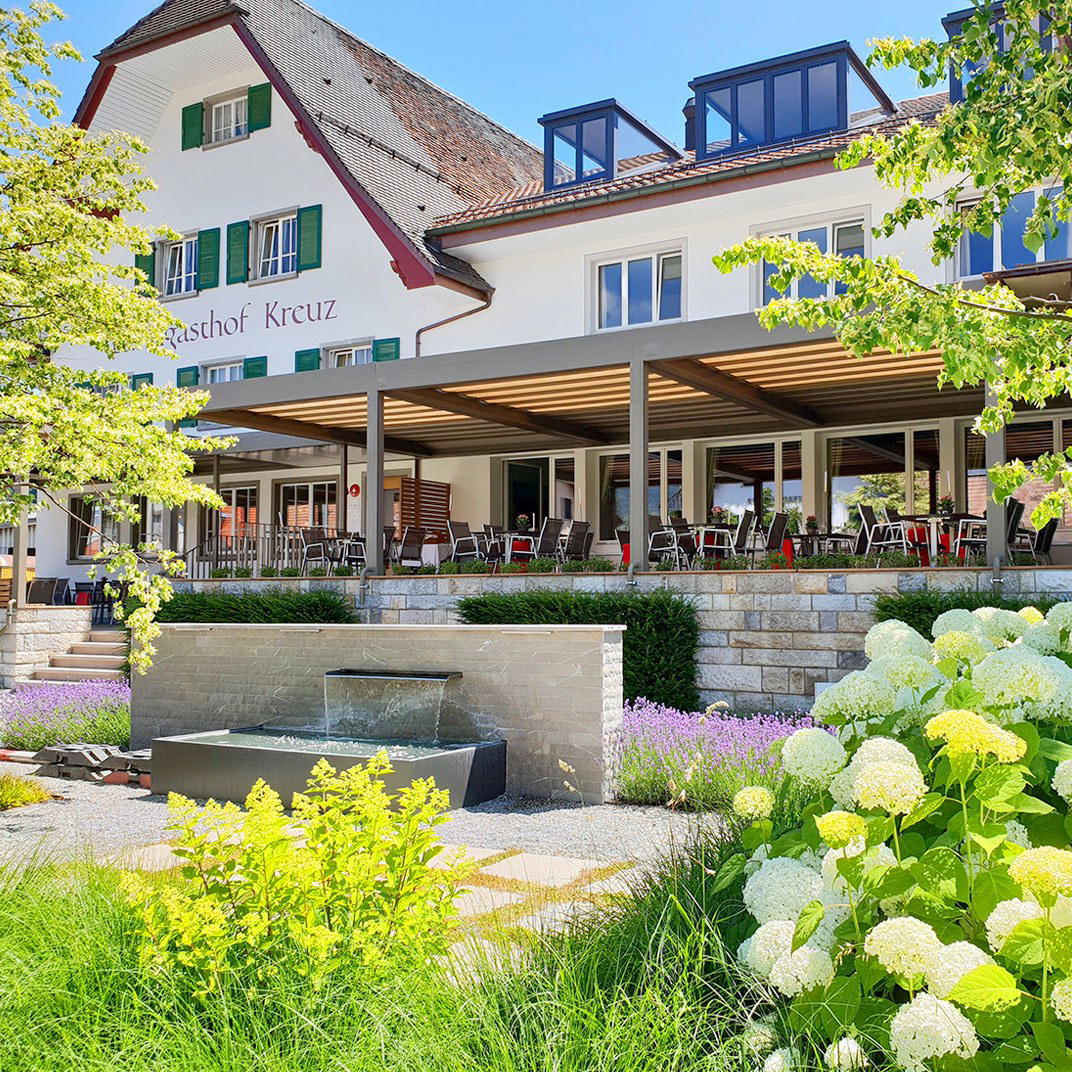

At a Glance
- Elegant
- Classic
- Cozy
- Sophisticated
- Date Night
- Business Dinner
- Special Occasion
- Garden
- Terrace
- Historic Building
- Hotel Restaurant
- Extensive Wine List
- Garden
Neat mood with warm service, soundproofed rooms, and tranquil garden terrace atmosphere.