Sallet al Sayad seafood restaurant مطعم سلة الصياد للمأكولات البحرية
A neighbourhood seafood restaurant in Al Karama, Sallet al Sayad sits within Dubai's broader tradition of affordable, no-frills fish dining that predates the city's luxury dining boom. Al Karama's dense residential fabric means the venue draws regulars rather than tourists, positioning it in a different comparable set from the high-ticket seafood operations along the waterfront.
Pearl is the En Primeur Club membership app — saves, bookings, and concierge access live there. Same editors, same standards.
- Address
- Bin Abdulah - AL Shafar building - 46 47C Street - Al Karama - Dubai - United Arab Emirates
- Phone
- +97143355722
- Website
- salletalsayad.com
- Directions
- Get directions
 Saves & bookings on Pearl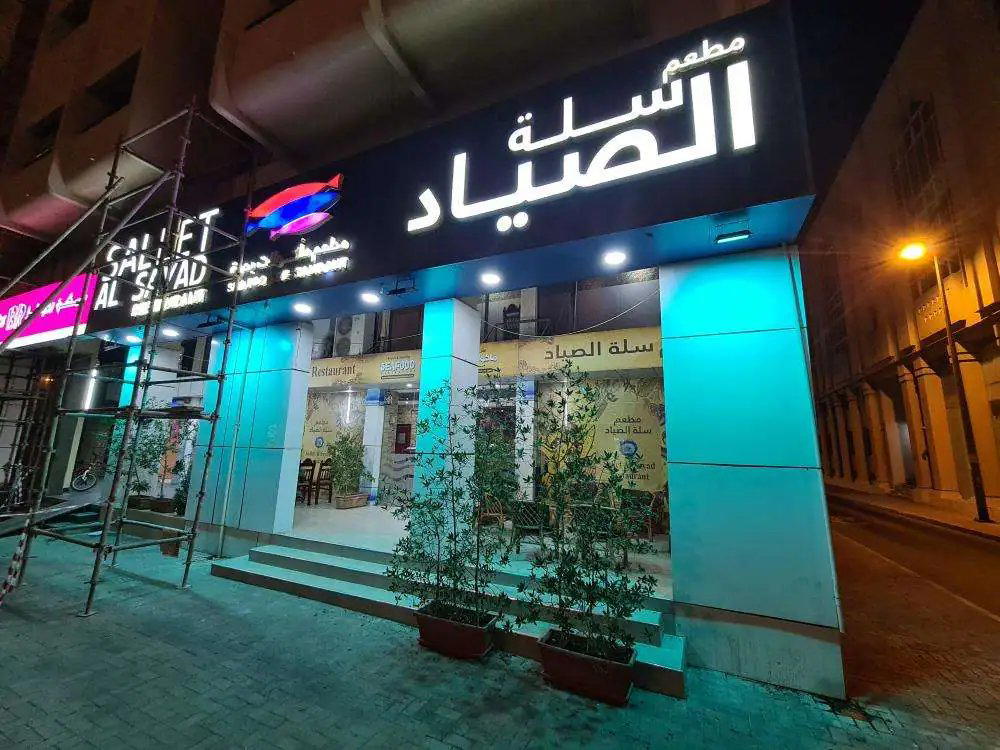
Al Karama and the Other Seafood Dubai
Dubai's seafood conversation tends to start and end along the water. Al Mahara's aquarium-framed dining room and the city's string of waterfront fish restaurants draw the international press, while the neighbourhoods inland develop their own parallel tradition, quieter and considerably less photographed. Al Karama is part of that inland tradition. The area's low-rise commercial blocks, South Asian grocery shops, and longstanding family restaurants represent a version of Dubai that absorbed waves of expat workers across decades and built a food culture around their preferences: direct cooking, generous portions, and prices calibrated to regular visits rather than occasions.
Sallet al Sayad seafood restaurant occupies that context. The address on Bin Abdulah, in the Al Shafar building off 46/47C Street, places it within walking distance of Karama's market corridor, a part of the city where the dining calculus differs sharply from Downtown or the Marina. This is not the Dubai of destination restaurants drawing visitors from Riyadh or London for a single meal. It is the Dubai of neighbourhood loyalty, where a restaurant's standing is measured in how consistently it fills at lunch during a weekday.
How the Neighbourhood Shaped the Format
Al Karama's evolution as a dining district tracks with broader shifts in Dubai's demographics. The area developed in the 1970s and 1980s as worker housing expanded to support the construction boom, and its restaurants evolved to serve a population that wanted familiar food at a price that made sense for daily life. Over time, that baseline created a competitive floor: restaurants that couldn't maintain quality at accessible prices were replaced by those that could.
Seafood within that context follows its own logic. Gulf fish, including hammour, safi, and sheri, form the backbone of the regional tradition, and preparation in neighbourhood settings tends toward the direct: grilled whole, fried simply, or cooked in light spice blends that complement rather than obscure the fish. The more elaborate presentations associated with fine-dining seafood in Dubai do not translate into a Karama context and aren't expected to.
What evolves in neighbourhood seafood restaurants over time is something more operational: the supply relationships that determine freshness, the accumulated knowledge of which fish the regulars prefer, the small menu adjustments that happen over years of feedback from a returning clientele. These are the markers of a restaurant that has outlasted its initial opening rather than one that arrived with a concept and a publicist.
Dubai's Seafood Spectrum: Where Neighbourhood Restaurants Fit
The city's seafood offer now runs across a wide range of price tiers and formats. At the leading end, restaurants like Al Mahara operate with theatrical presentation and wine lists priced against international fine-dining peers. The creative end of the city's dining scene, represented by places such as Trèsind Studio for Indian cuisine and FZN by Björn Frantzén for modern European formats, reflects the investment Dubai has made in high-concept, tasting-menu dining over the past decade. Internationally, the benchmark for precise, technique-led seafood fine dining is set by places like Le Bernardin in New York City, where a single cuisine type sustains multiple decades at the summit of a competitive hierarchy.
Neighbourhood seafood restaurants occupy a different part of the spectrum entirely. Their measure is the consistency of their cooking, the reliability of their sourcing, and the frequency with which locals return. In that frame, longevity in a competitive area like Karama carries its own signal. Restaurants that survive past their first few years in a high-turnover neighbourhood environment do so because the regular customer base sustained them, not because a marketing campaign or critical review drove footfall.
Across the region, this neighbourhood tier is the one most visitors miss. AL NAWAB RESTAURANT LLC in Sharjah represents a comparable format in a nearby emirate, where neighbourhood restaurants serving regional food have built sustained clienteles without the visibility of Dubai's marquee dining scene. Erth in Abu Dhabi shows that regional culinary identity can achieve critical recognition when it is presented with the right format; the neighbourhood tier rarely gets that treatment, but it is where many of the same food traditions are practised daily without ceremony.
The Case for Neighbourhood Seafood in a City of Destination Dining
Dubai's dining press has, over the past decade, shifted its attention heavily toward the city's new-opening cycle: ambitious chef-led concepts, internationally backed groups, and restaurants that position themselves in a global peer conversation. Places like 11 Woodfire, moonrise, and Row on 45 represent that current moment of creative ambition. The editorial energy follows the new.
What that attention cycle obscures is a category of restaurant that does not need editorial recognition to survive: the neighbourhood staple with a fixed local audience, operating in a format that has been refined through repetition rather than reimagined through a rebrand. These are restaurants where the fish is chosen in the morning, the preparation is consistent because it has been practised for years, and the clientele has strong enough opinions to tell the kitchen when something is off. That feedback loop, absent from most destination dining contexts, produces a different kind of quality assurance.
For visitors to Dubai who are working their way through the city's dining range, the Karama seafood tier offers a reference point that the waterfront restaurants and hotel dining rooms cannot provide. It is not a substitute for the ambition and technique on show at the city's high-end venues, but it documents what fish eating in Dubai looks like when it is not organised around tourism or critical visibility. That is a useful data point for any serious understanding of how the city eats.
Al Karama is a dense, walkable commercial district, and lunchtime tends to be the busiest period across its restaurants, consistent with the neighbourhood's working-population base. Arriving during off-peak hours, mid-afternoon or early evening on weekdays, generally gives more flexibility at neighbourhood-format restaurants in this area.Where the Accolades Land
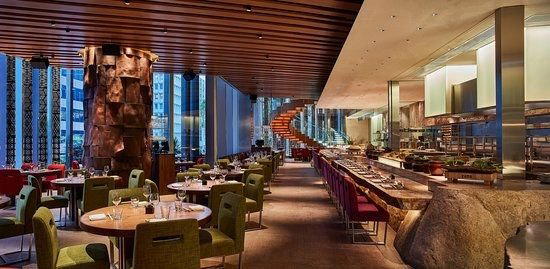
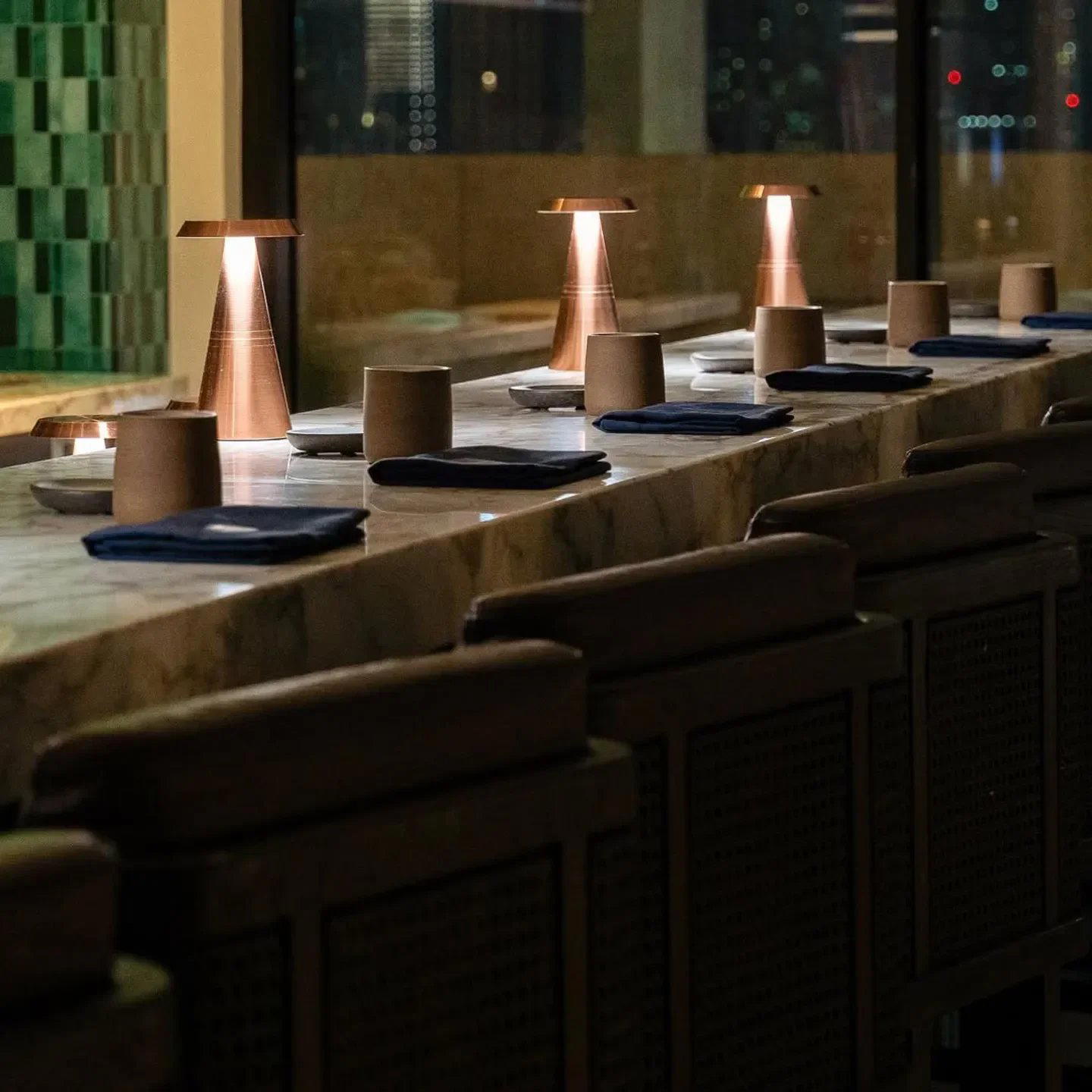
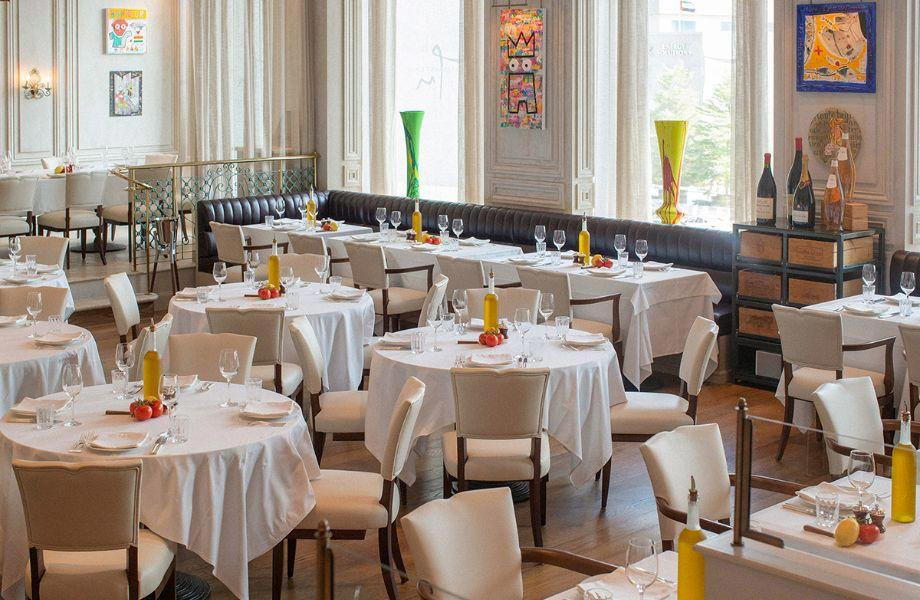
Comparable venues nearby, for context on price, style, and recognition.
| Venue | Cuisine | Price | Notes |
|---|---|---|---|
| Sallet al Sayad seafood restaurant مطعم سلة الصياد للمأكولات البحريةThis venue — the venue you are viewing | Authentic Arabian Seafood | $$$ | Not listed |
| Poke & Co | Hawaiian Poke Bowls with Fresh Ingredients | $$ | Za'abeel 2 |
| The MAINE Land Brasserie Restaurant, Business Bay Dubai | North American Brasserie Steakhouse | $$$ | Bussiness Bay |
| Cazibeli | Modern Turkish Sofra-Style Dining | $$$ | Jumeirah |
| 3 Fils Counter | Contemporary Asian with Japanese influence | $$$ | Jumeirah Fishing Harbour |
| Mama'esh | Authentic Palestinian | $$ | Bussiness Bay |
At a Glance
- Classic
- Cozy
- Family
- Group Dining
- Special Occasion
- Standalone
- Sustainable Seafood
Current opening hours
- Monday
- 12 PM–12 AM
- Tuesday
- 12 PM–12 AM
- Wednesday
- 12 PM–12 AM
- Thursday
- 12 PM–12 AM
- Friday
- 12 PM–12 AM
- Saturday
- 12 PM–12 AM
- Sunday
- 12 PM–12 AM
Hours can change for holidays and private events. Last verified .
Welcoming atmosphere with a focus on fresh seafood and friendly service in a bustling neighborhood setting.