Cazibeli
Cazibeli brings Turkish cooking into Dubai’s crowded regional dining conversation, a city where Anatolian grills, Levantine mezze and Iranian rice traditions often sit close together on the same night out. Read it through the Persian table lens: saffron, slow stews, rice craft and shared-format hospitality are the useful reference points, even when the stated cuisine is Turkish.

Pearl is the En Primeur Club membership app — saves, bookings, and concierge access live there. Same editors, same standards.
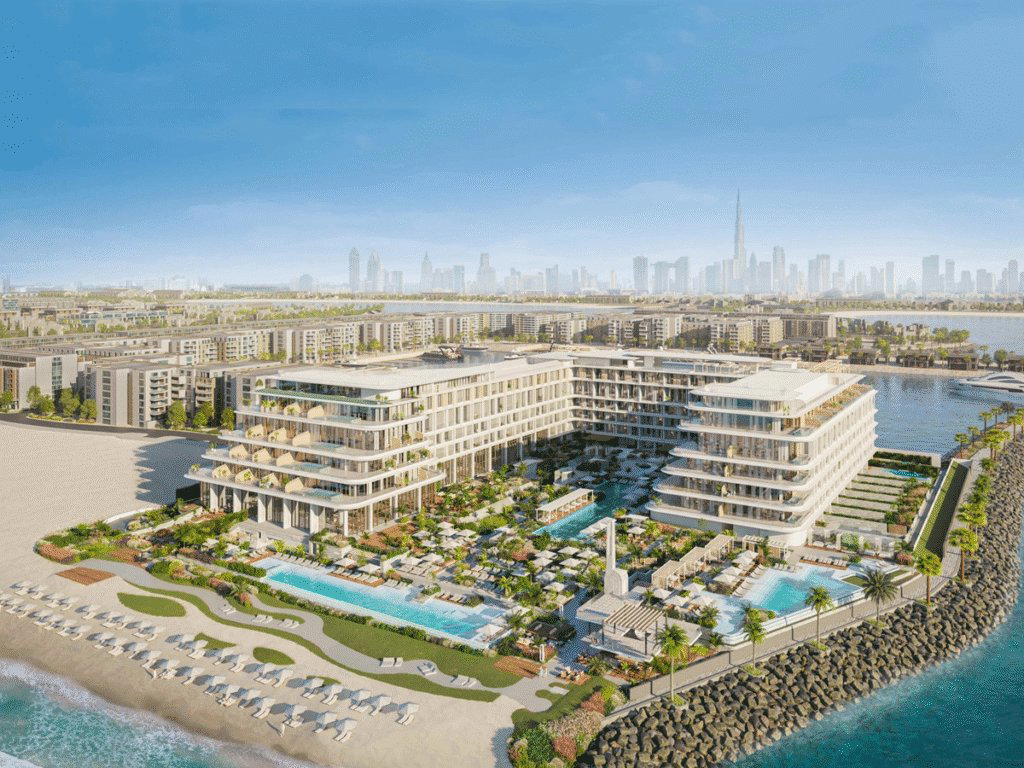
Dubai’s regional restaurants tend to announce themselves before the menu arrives: warm bread on nearby tables, charcoal in the air, rice moving through the room in generous portions, and dining rooms built for groups rather than solitary tasting-menu reverence. Cazibeli belongs to that social end of the city’s restaurant culture, where Turkish cooking meets a wider Gulf appetite for long tables, shared plates and dishes that reward ordering across categories rather than choosing one main course and retreating into it.
The useful way to read the restaurant is not as a narrow national label, but as part of Dubai’s broader conversation around the Persian table and its neighbours. Iranian cooking prizes rice texture, saffron perfume, stews with patience built into them, grilled meats handled with restraint and the ceremony of abundance. Turkish dining brings its own grammar: breads, herbs, yoghurt, smoke, minced meat, grilled fish, stuffed vegetables and sweets built around nuts or syrup. In Dubai, those traditions often overlap in guest expectation, especially among diners who know the difference between a meal designed for speed and one designed for the table to keep expanding.
Turkish cooking in a city fluent in rice, smoke and shared plates
The category matters because Dubai has become unusually fluent in regional luxury dining. A Turkish restaurant here is not competing only with other Turkish kitchens; it is measured against Lebanese grills, Iranian dining rooms, Emirati restaurants, hotel-led Middle Eastern rooms and independent neighbourhood counters. That pressure changes the brief. Generosity alone is not enough. Rice must carry its own logic, grilled dishes need timing, breads cannot feel like an afterthought, and the room has to support a meal that may run longer than planned.
Cazibeli’s stated cuisine is Turkish, but the editorial interest sits in how that cuisine reads in Dubai rather than in chef biography or trophy language. There are no public awards attached here, which shifts the decision away from accolade-chasing and toward category fit: diners looking for polished regional cooking, group-friendly ordering and a table built around heat, grain and sauce will understand the appeal more quickly than diners hunting for a formal tasting format.
The Persian table lens is especially useful for ordering discipline. In this part of the world, rice is not filler; it is a test of care. Saffron rice, tahdig culture and stew traditions have taught Dubai diners to notice texture, separation, steam and crust. Even in a Turkish frame, the same scrutiny applies to pilaf, grilled accompaniments and the way sauces interact with bread. The strongest meals in this genre usually come from contrast: smoke against yoghurt, herbs against fat, acidity against lamb, rice against slow-cooked richness.
The sharper comparison is with Dubai's regional dining habits, not a tasting-menu circuit
Dubai’s restaurant scene rewards clear formats. Some rooms are designed around chef-led precision, others around hotel lobby traffic, and others around celebratory tables where the first order is rarely the final order. Cazibeli sits closer to the last category. That makes it a different decision from modern fire-led dining such as 11 Woodfire (Modern Cuisine), or from broader Middle Eastern and Anatolian-inflected rooms such as Rüya. The point is not hierarchy; it is occasion. Choose according to appetite for format.
For travellers, the distinction matters. Dubai can compress too many restaurant types into the same luxury shorthand, but a regional table built around Turkish cooking asks for a different rhythm from a bar-led dinner or a chef-counter reservation. It suits groups who want to order broadly and share, families who prefer familiar heat-and-bread structures over rigid sequencing, and visitors who want a meal tied to the eastern Mediterranean and Gulf dining conversation rather than a global menu that is anywhere.
That same context helps explain why Cazibeli belongs in a wider Dubai itinerary rather than as a standalone trophy booking. The city’s range is part of the pleasure: hotel restaurants, independent dining rooms, mall-adjacent kitchens, beach districts and neighbourhood addresses all pull different crowds. For planning across categories, use Our full Dubai restaurants guide, then map the night around hotels, bars and experiences through Our full Dubai hotels guide, Our full Dubai bars guide, Our full Dubai wineries guide and Our full Dubai experiences guide.
How to place it within a UAE eating itinerary
The UAE’s regional dining map is wider than Dubai’s hotel-and-restaurant circuit. Travellers comparing city meals with dining elsewhere in the country might look at 3 Fils Abu Dhabi in Abu Dhabi, desert and oasis settings such as Al Falaj in Liwa Desert and Al Khyama in Al Ain, or emirate-specific addresses including Al Madam Restaurant in Sharjah, Al Shams Restaurant & Bar in Al Dhafra and Angar Restaurant in أبوظبي. For a Turkish reference outside the UAE, Istanbul context can be useful through 29, Turkish in Istanbul and Adana Ocakbaşı, Turkish in Istanbul.
The practical recommendation is simple: treat Cazibeli as a regional-table choice in Dubai, not as an awards-led pilgrimage. It is better suited to a dinner where the table orders across breads, grilled dishes, rice or grain accompaniments and slow-cooked preparations than to a diner seeking a tightly choreographed tasting menu. In a city that often turns restaurants into spectacle, that clarity of occasion has value.
For adjacent casual or hotel-linked planning, & More by Sheraton, 1920 and 21 Grams (Balkan) show how wide Dubai’s dining range becomes once the search moves beyond a single cuisine tag. Cazibeli’s role is more specific: Turkish cooking read through Dubai’s appetite for rice, smoke, abundance and shared tables.
Reputation & Price
Comparable venues nearby, for context on price, style, and recognition.
| Venue | Cuisine | Price | Notes |
|---|---|---|---|
| CazibeliThis venue — the venue you are viewing | Not listed | $$$ | Not listed |
| Anzeera Restaurant | Jaddaf, Turkish & Mediterranean Fusion | $$$ | Not listed |
| Hoi An | Al Satwa, Authentic Vietnamese | $$$ | Not listed |
| Ritzi Italian Restaurant Dubai Marina | Not listed | $$$ | Al Sufouh 2, Italian Fine Dining |
| La Fabbrica Italiana - Wasl 51 | Jumeira, Artisan Italian Focacceria | $$$ | Not listed |
| Isola Ristorante | Not listed | $$$ | Jumeirah Islands, Authentic Coastal Italian |
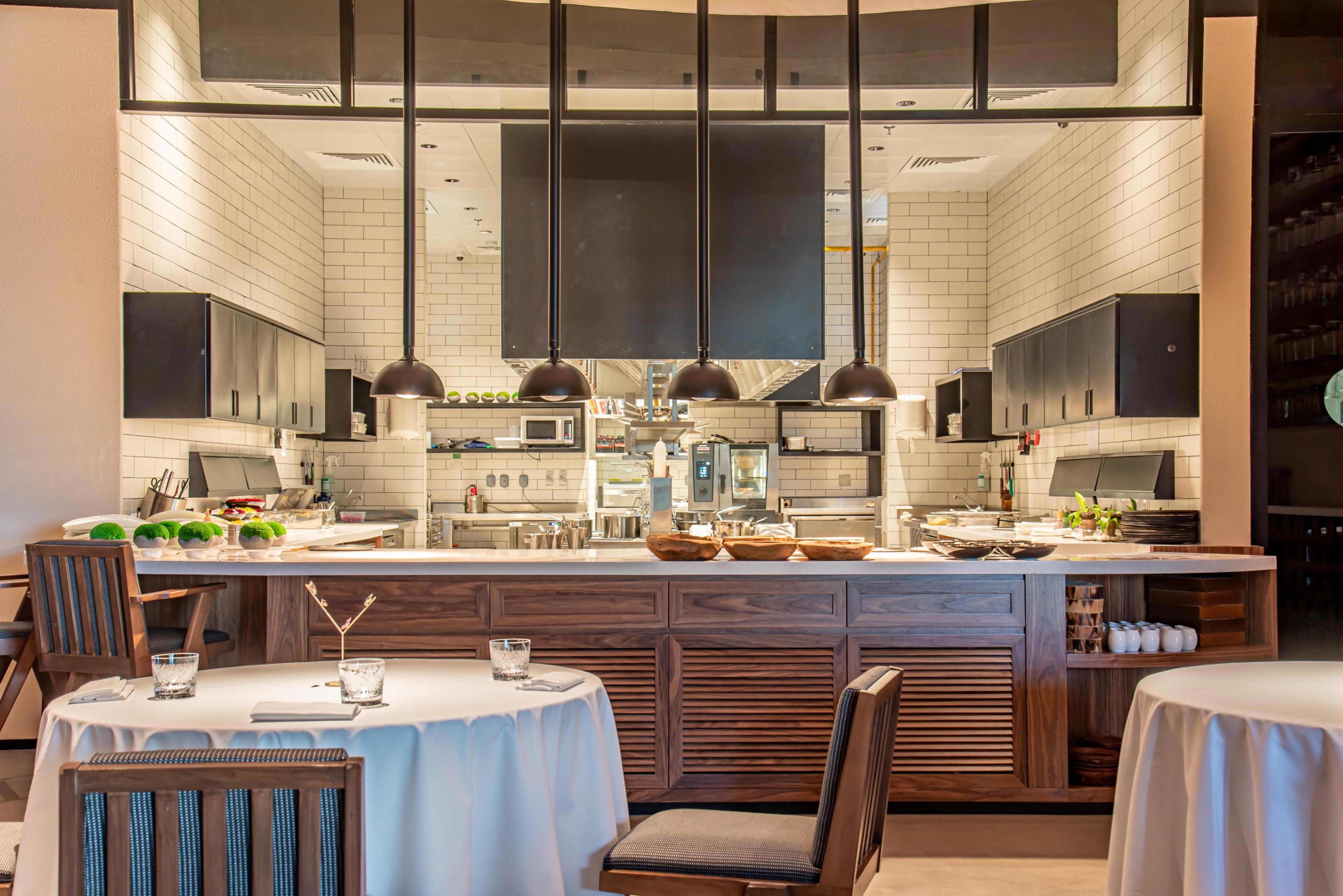
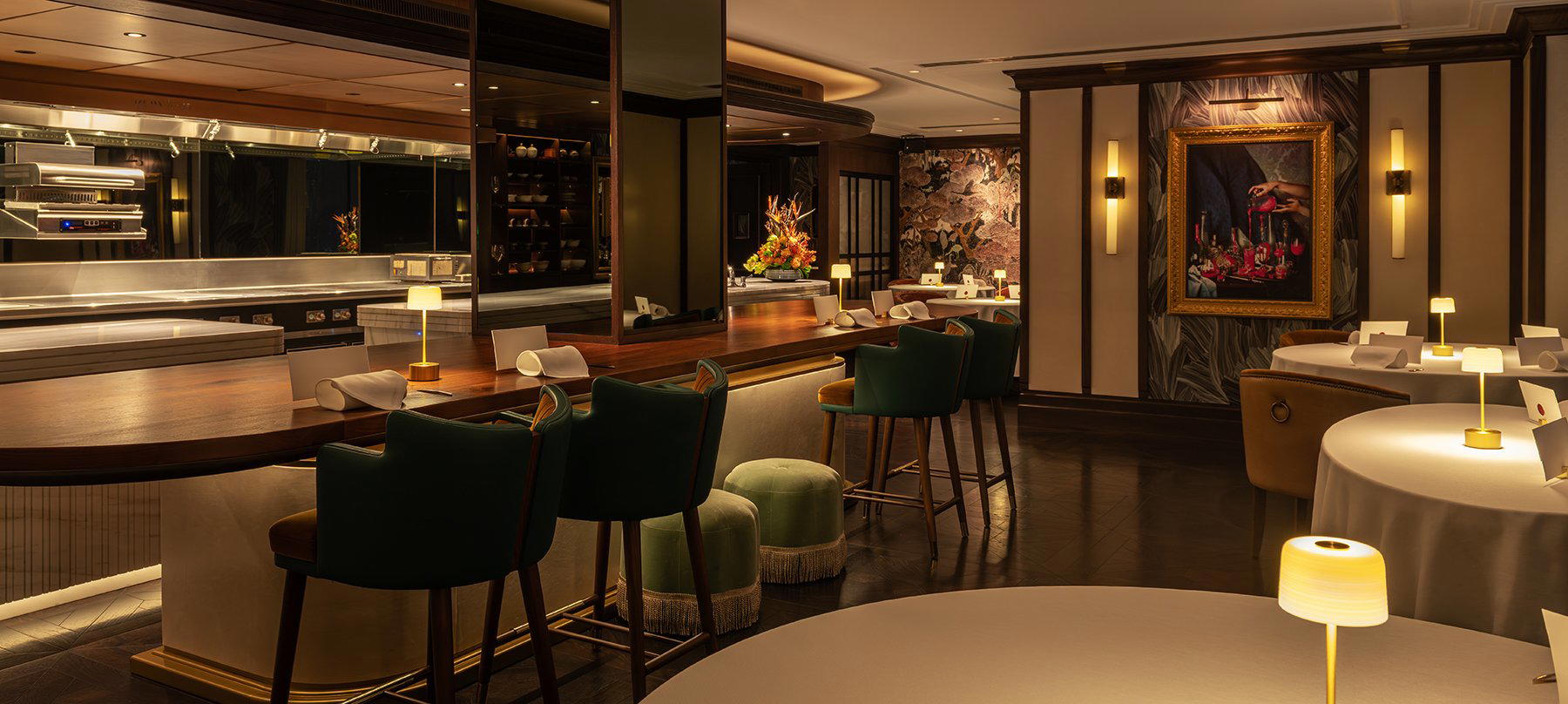
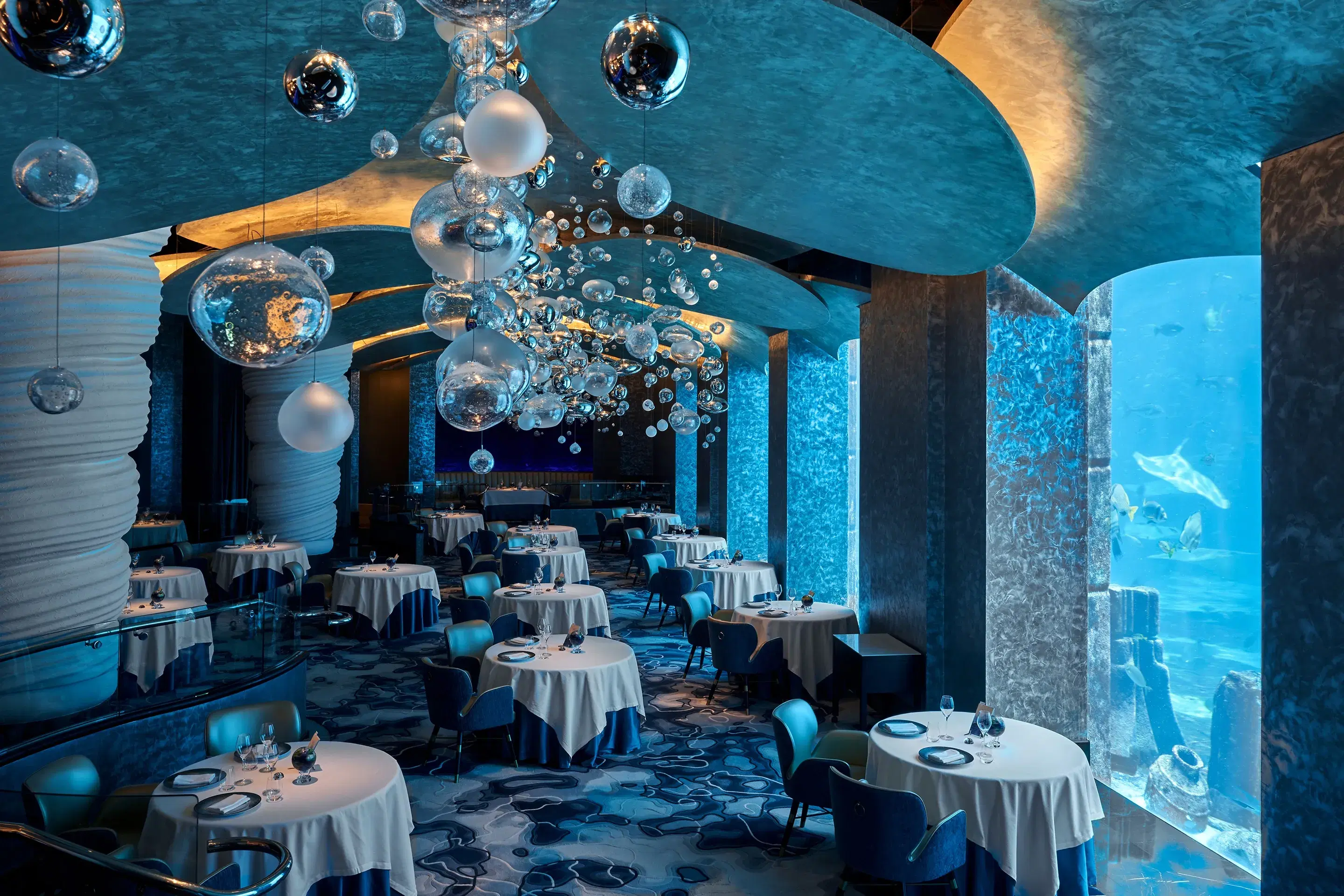

At a Glance
- Modern
- Lively
- Elegant
- Energetic
- Trendy
- Cozy
- Date Night
- Group Dining
- Celebration
- Special Occasion
- After Work
- Hotel Restaurant
- Standalone
- Open Kitchen
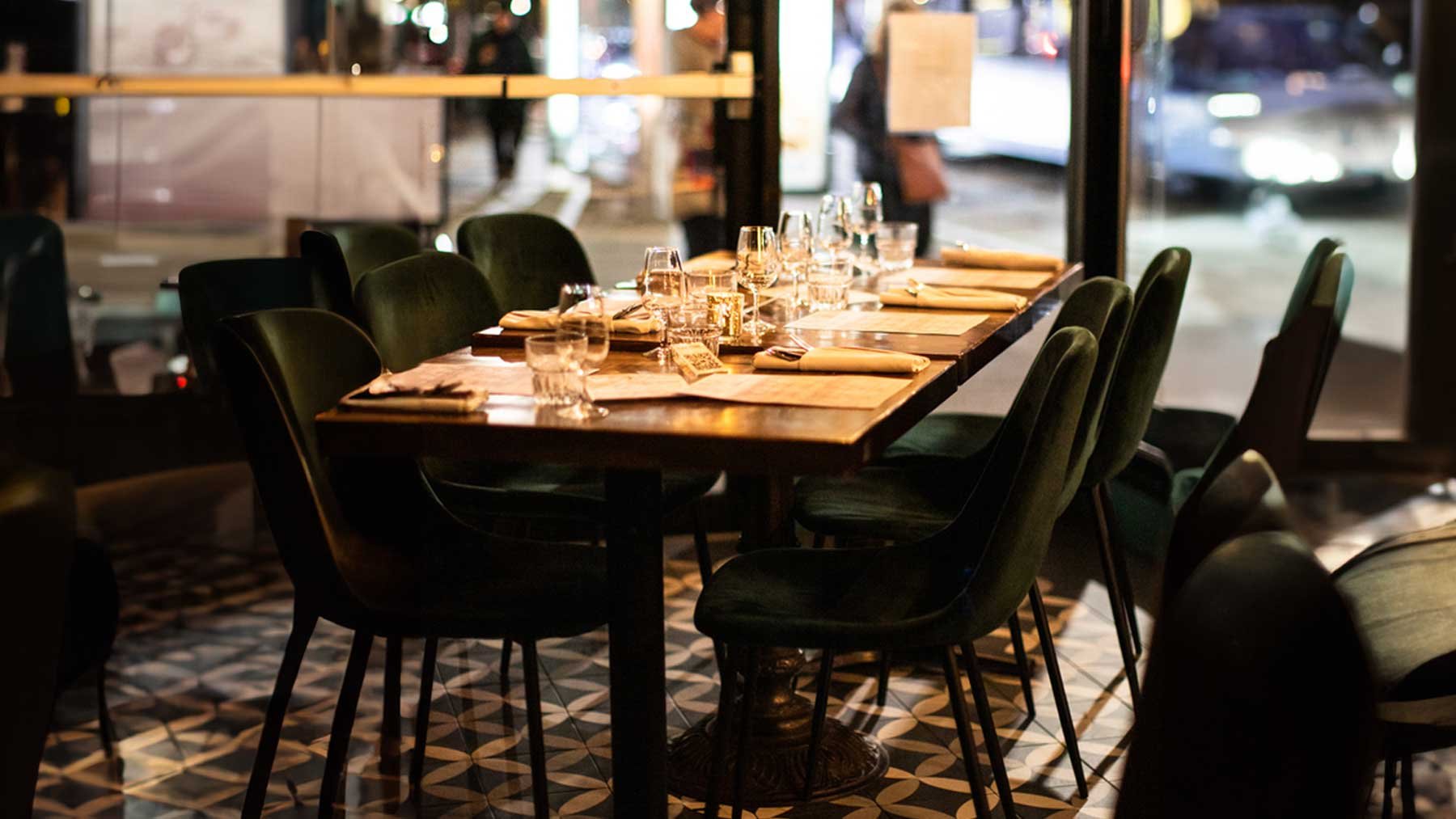
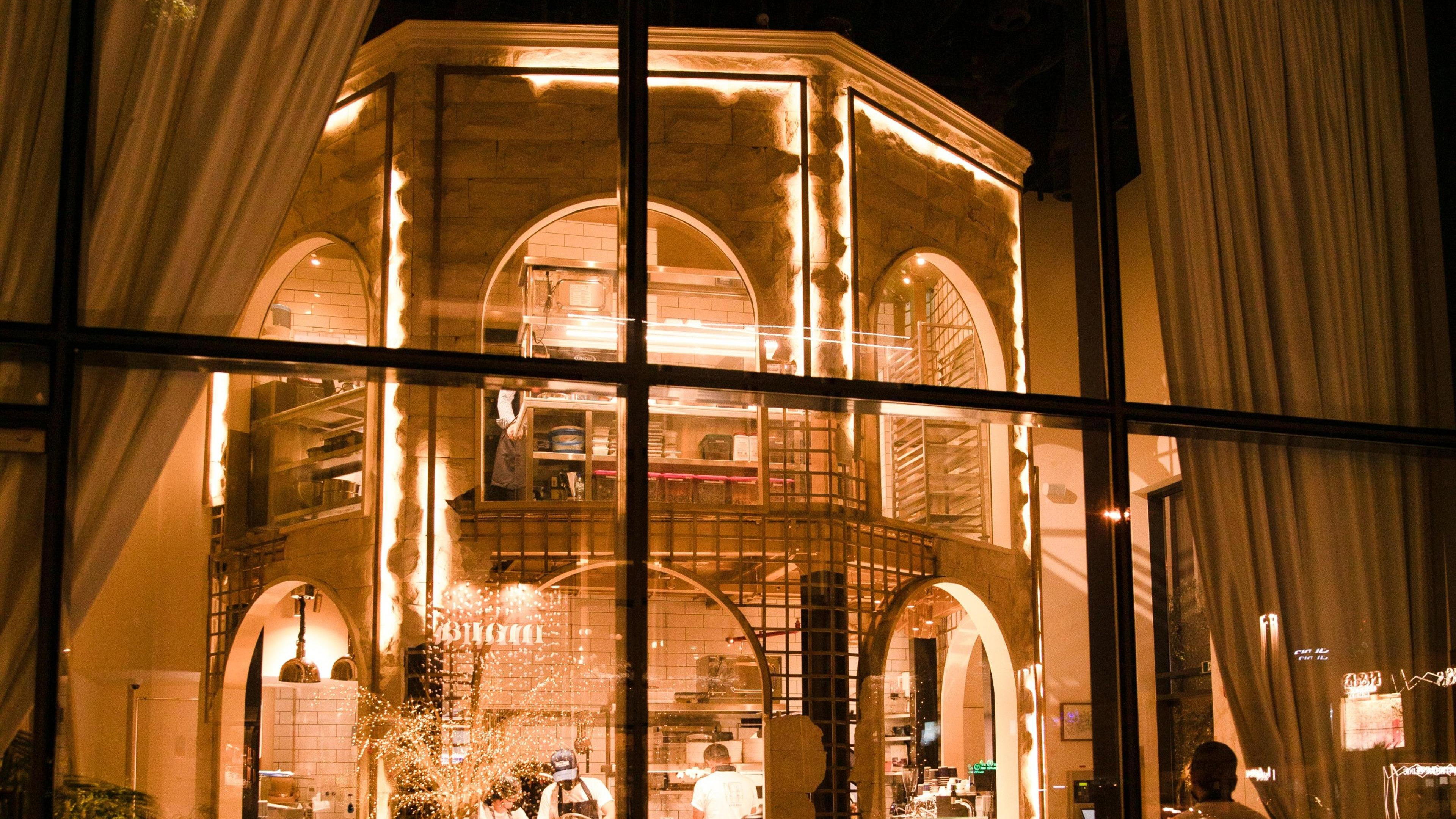
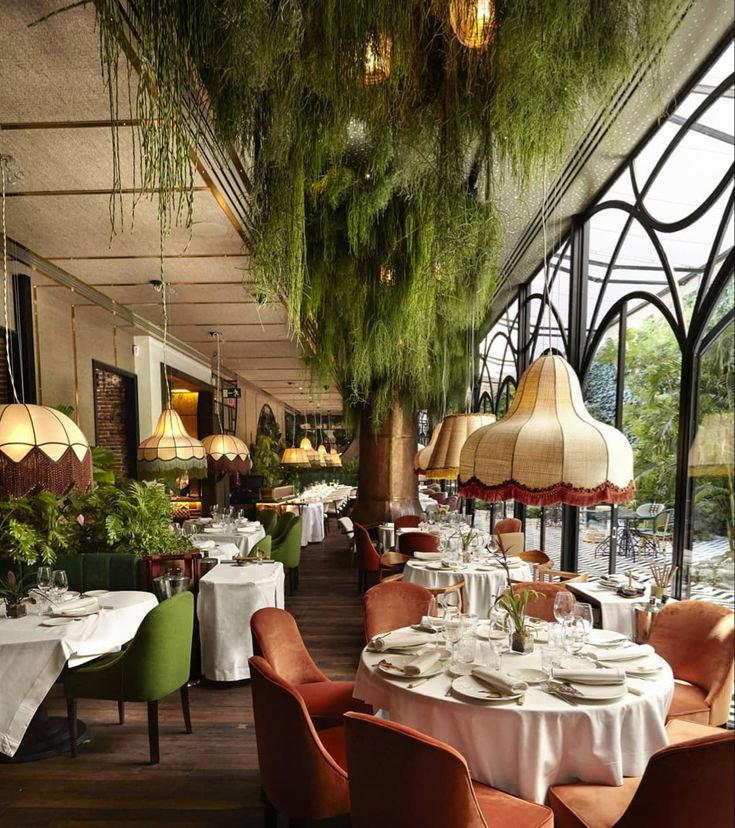
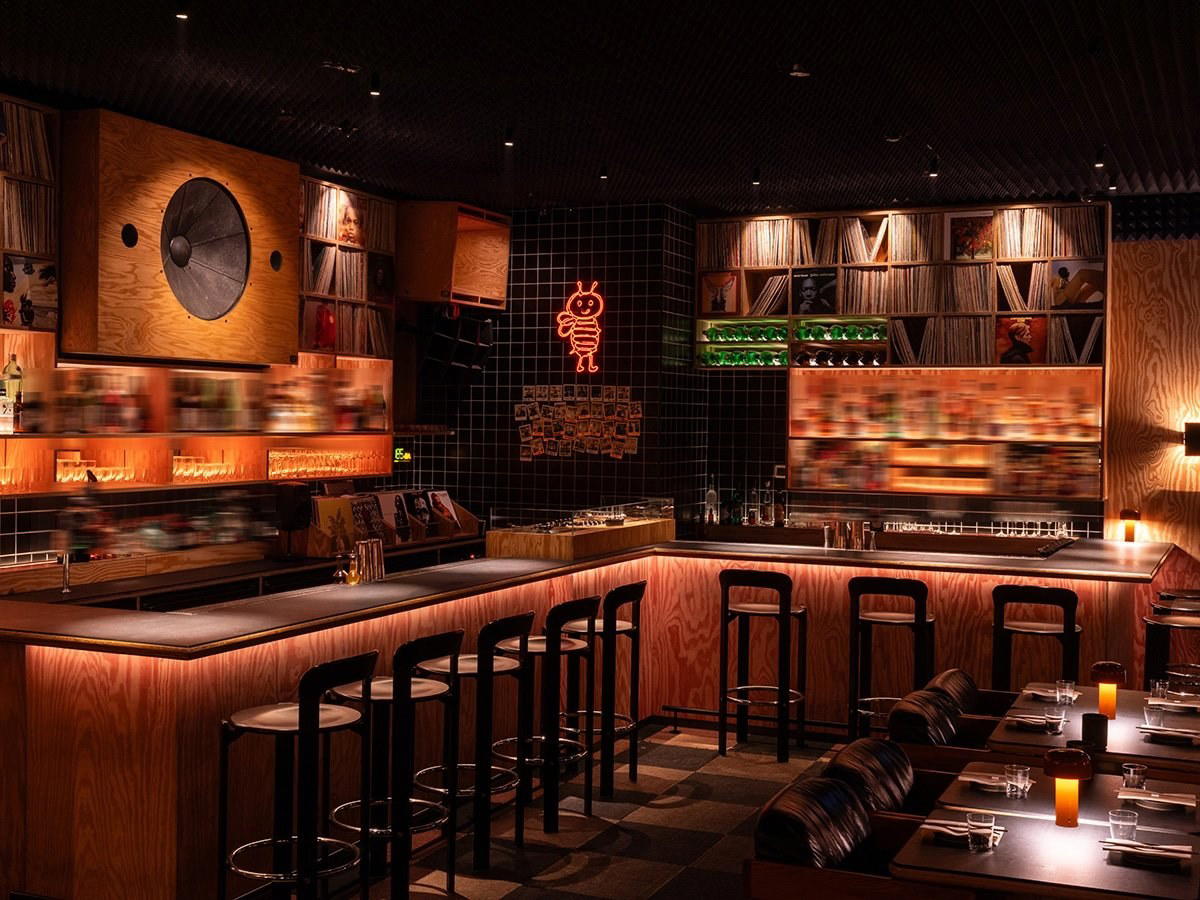
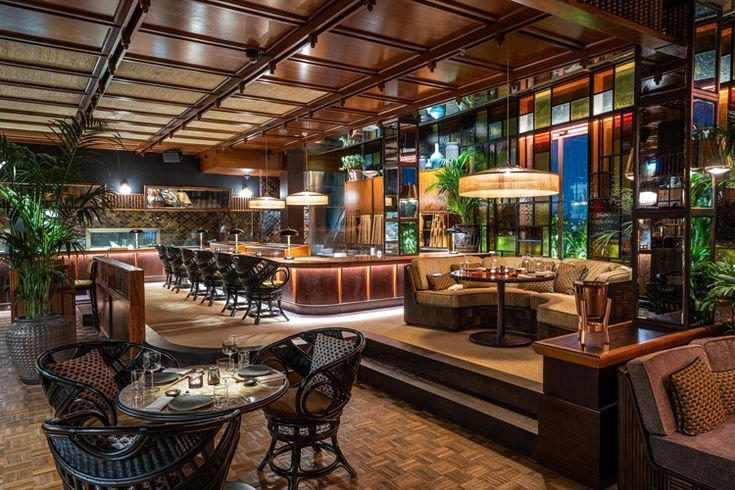
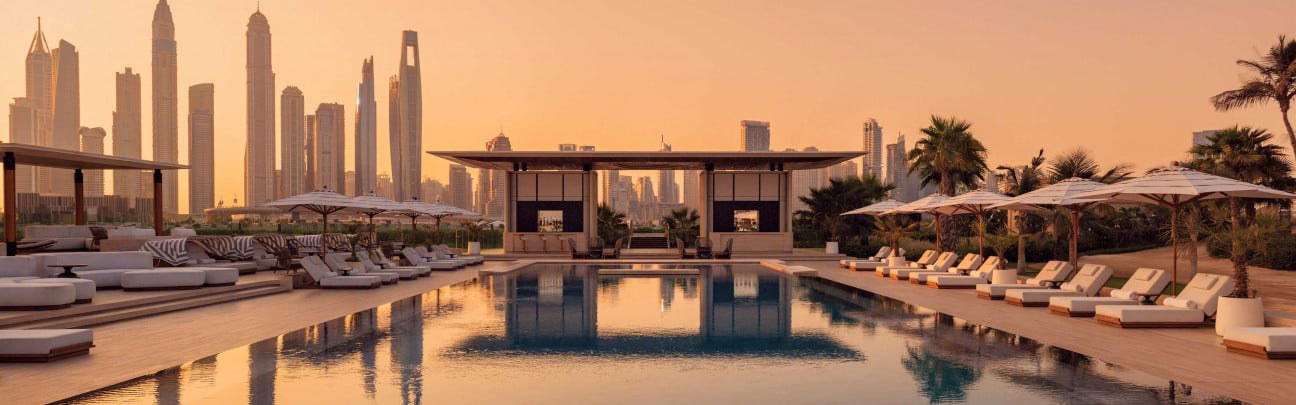
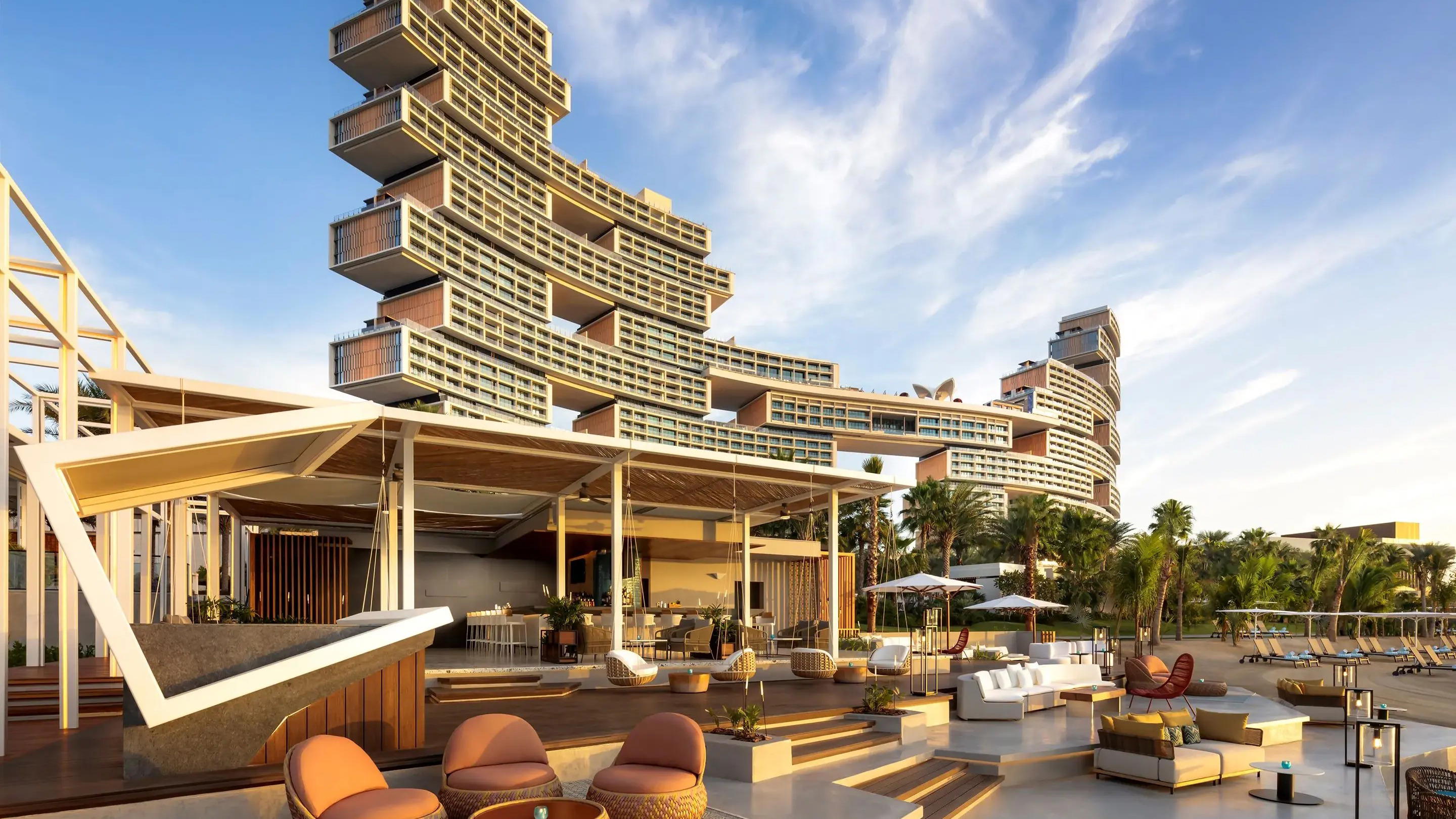
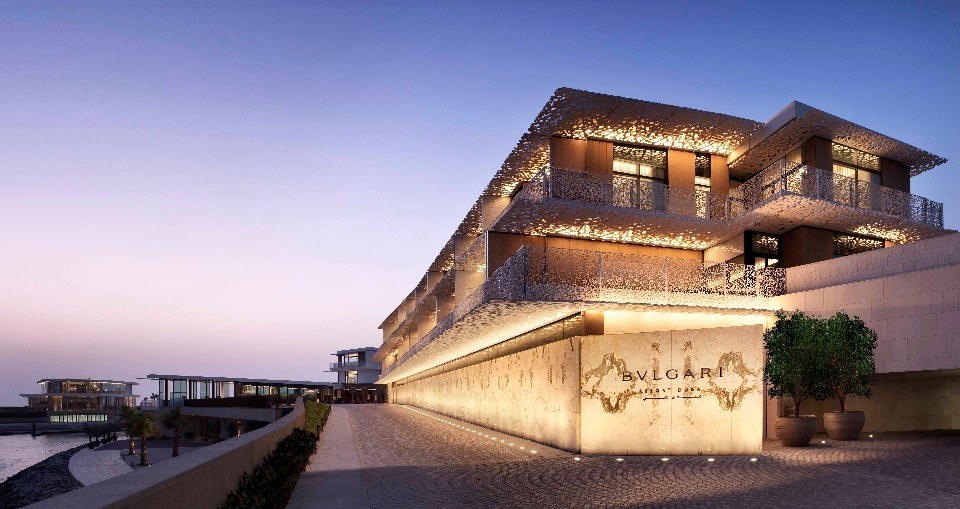
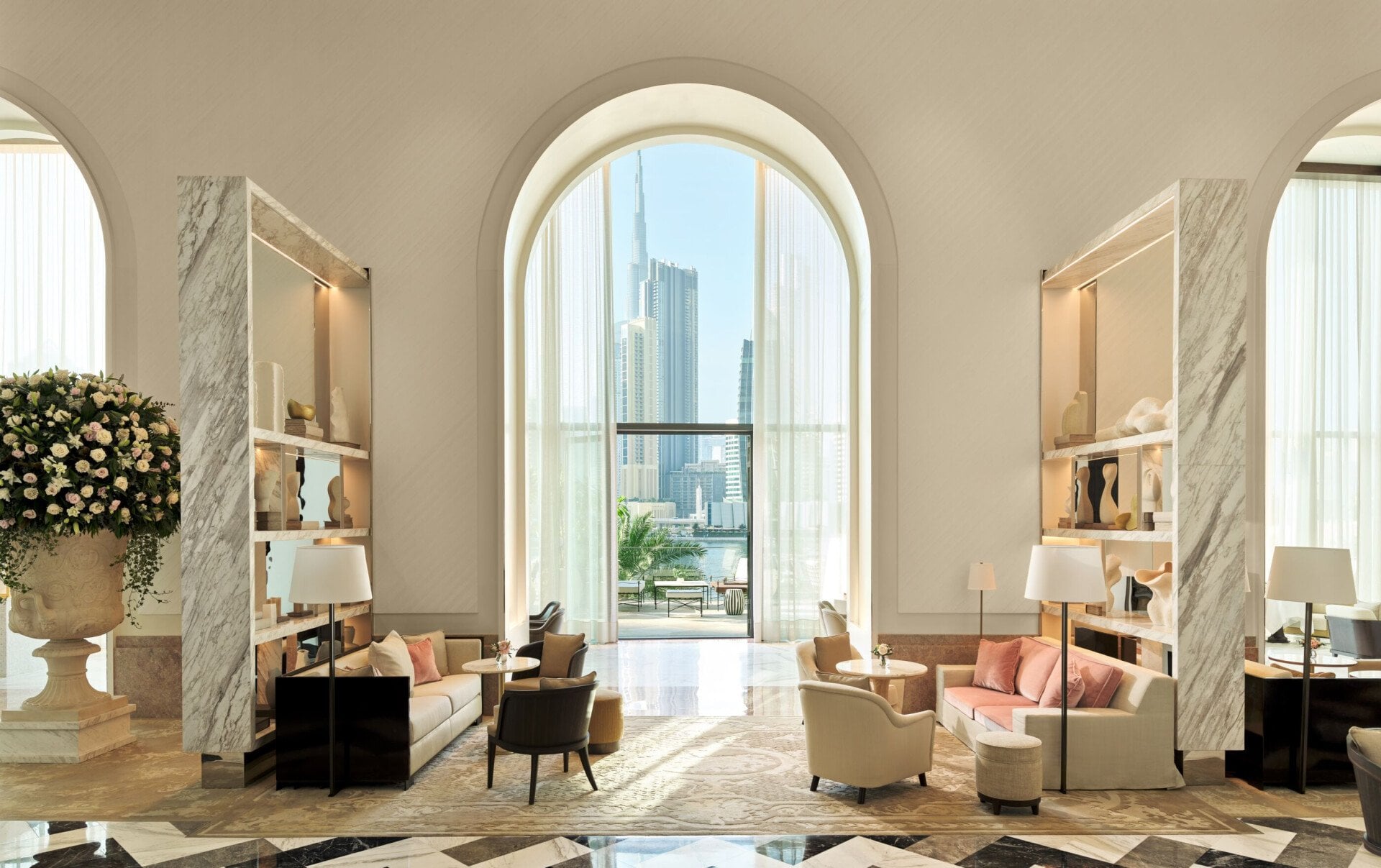
Described as an immersive, oud-scented space with decor blending Arabic influences and Art Deco touches, designed for theatrical, communal dining around open kitchens and shared tables.