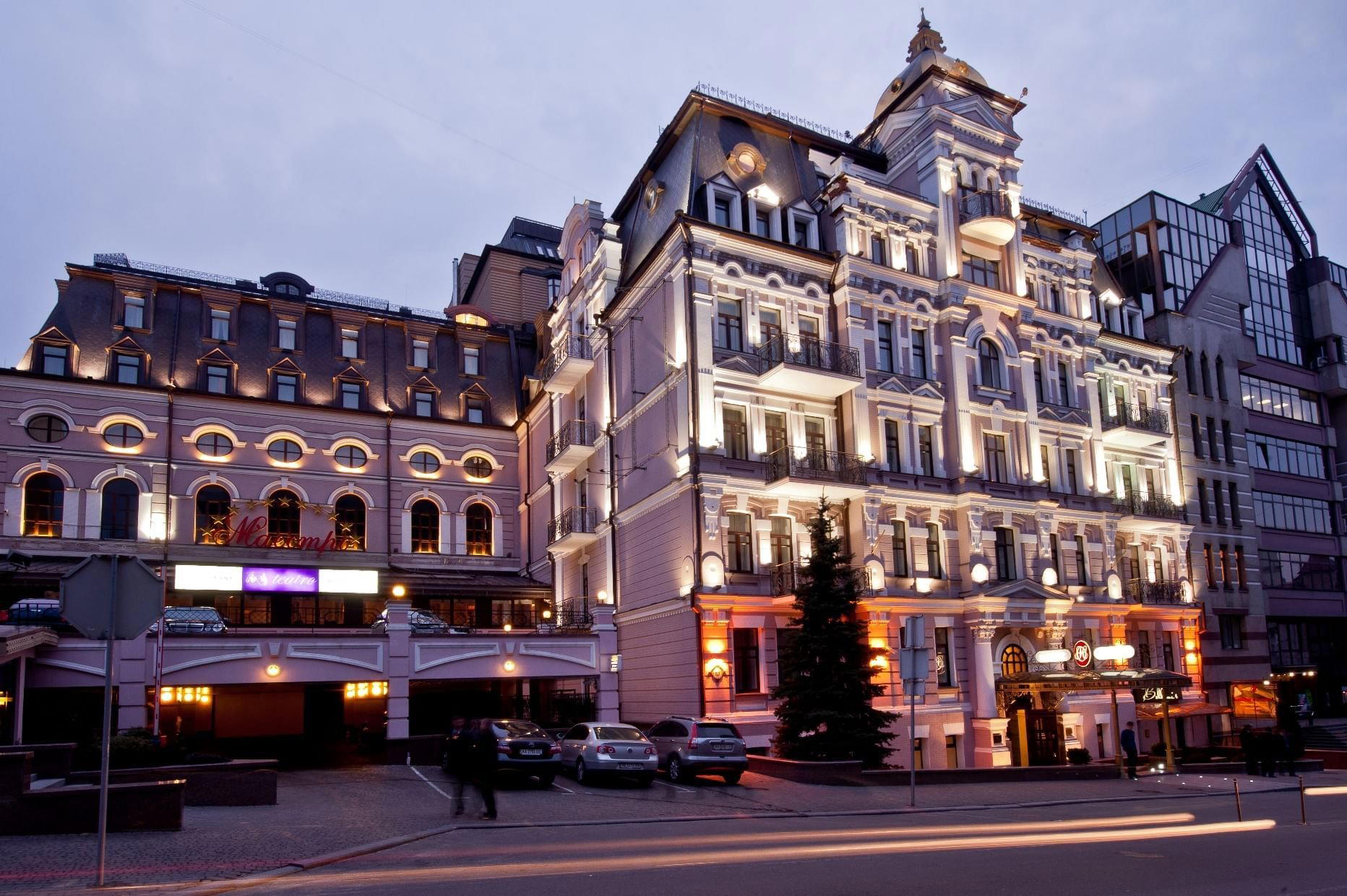
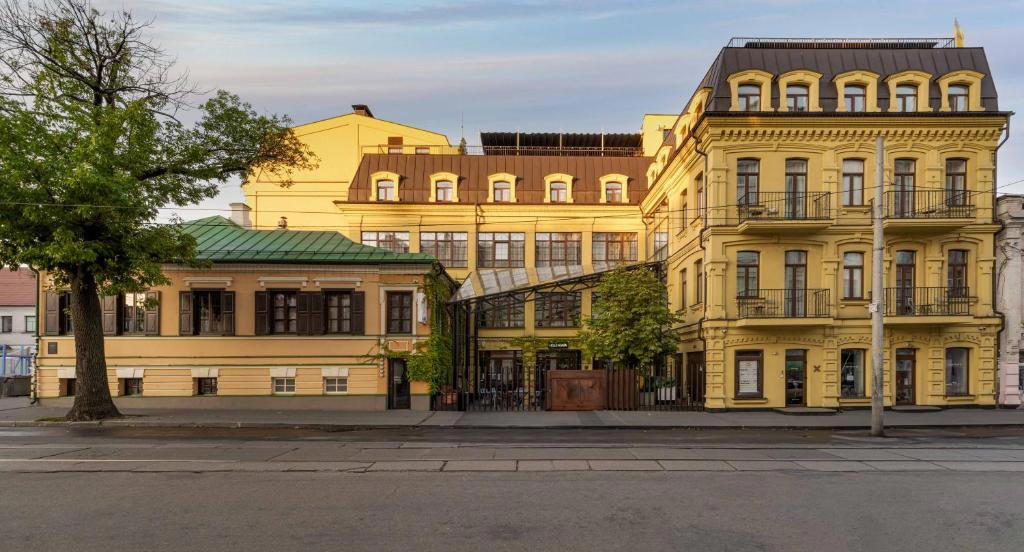
On Velyka Vasylkivska Street in central Kyiv, Salateira occupies a space that positions it within the city's growing casual-dining tier, where fast-fresh formats have displaced Soviet-era cafeteria logic. The address places it in a dense commercial corridor used by office workers and residents alike, making it a practical daily option in a dining scene more often written about for its fine-dining ambition.
Pearl is the En Primeur Club membership app — saves, bookings, and concierge access live there. Same editors, same standards.
- Address
- Velyka Vasylkivska St, 72, Kyiv, Ukraine, 03150
- Phone
- +380 44 227 4344
- Website
- salateira.ua
- Directions
- Get directions
 Saves & bookings on Pearl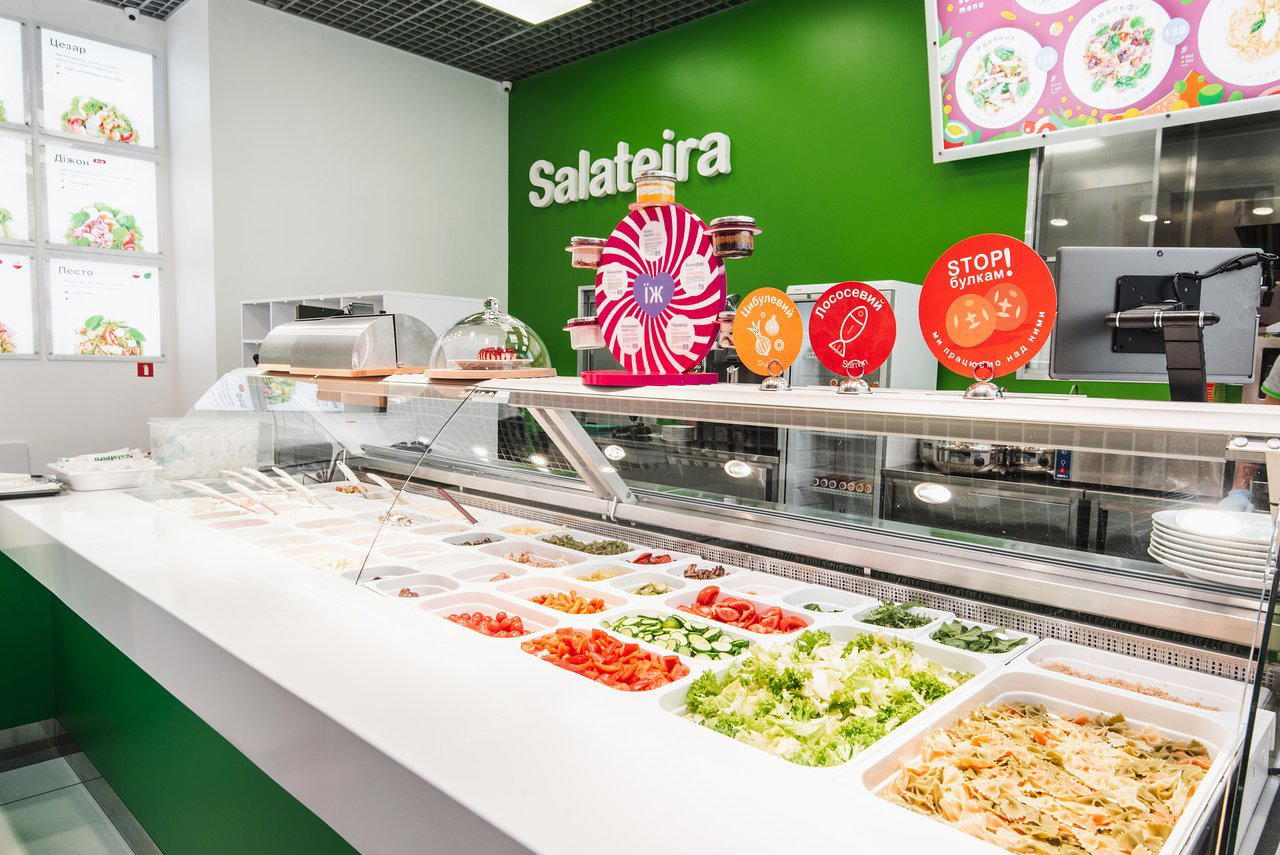
Kyiv's Casual-Dining Shift and Where Salateira Fits
Kyiv's restaurant culture has spent the last decade sorting itself into cleaner tiers. At the leading, modern European kitchens like Al Fresco (Tuscan Italian) have pushed ambition and price points toward European capitals, while the middle market has quietly developed a different kind of sophistication: fast-fresh formats built around volume, accessibility, and daily-use logic rather than occasion dining. Salateira, at Velyka Vasylkivska St 72, operates within this second current. The address is not incidental. Velyka Vasylkivska is one of central Kyiv's main arterial streets, running from the city's historic core toward the southern residential districts, and its commercial density makes it a natural site for formats that depend on repeat foot traffic rather than destination visits.
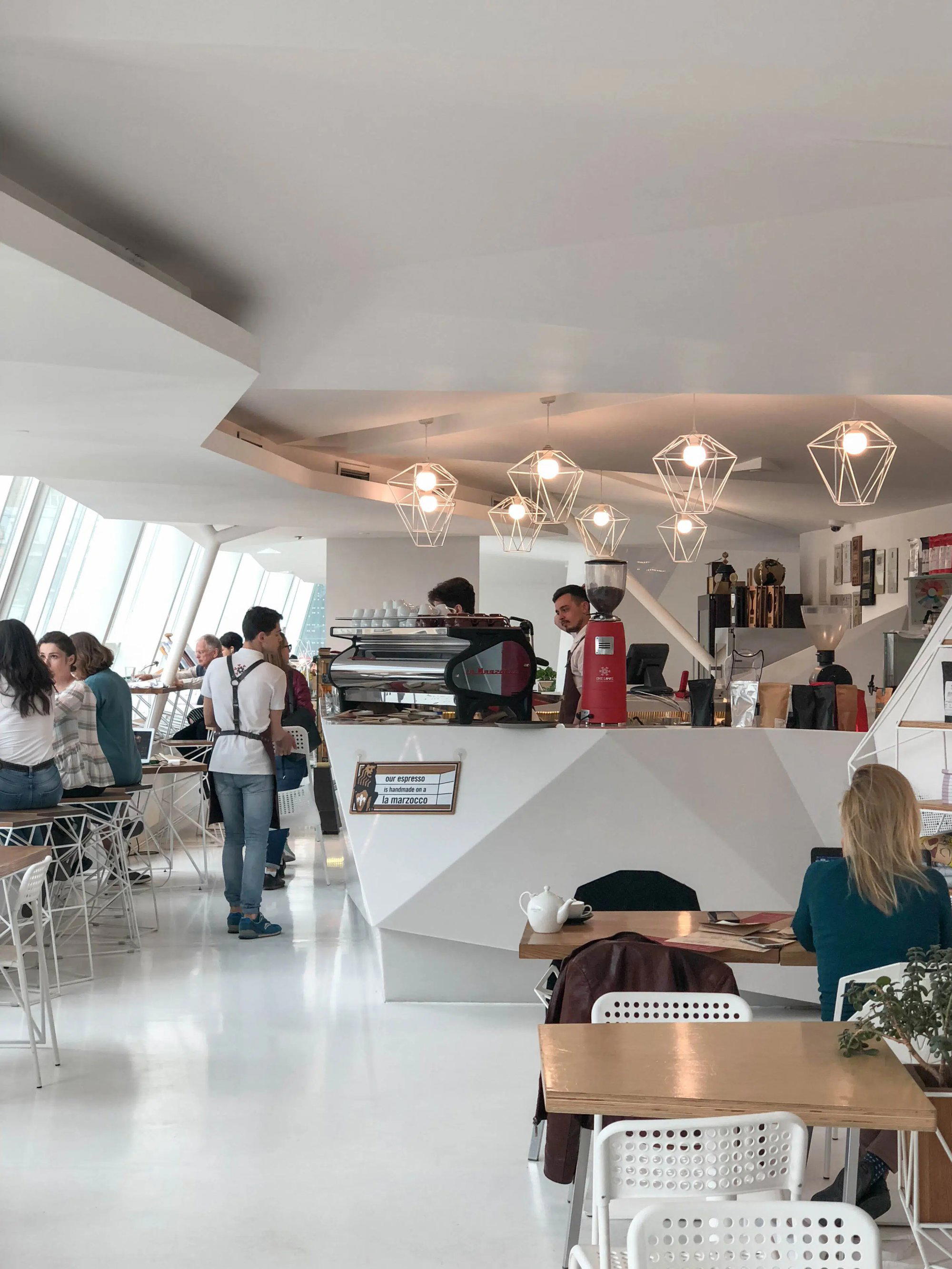
In cities that have undergone rapid hospitality modernisation, the fast-fresh segment often develops ahead of the fine-dining tier in terms of design discipline and spatial thinking. Kyiv fits that pattern. Compare the visual language of Kyiv's better casual formats with the dining rooms at, say, 32 JazzClub or Barbara Bar, and you see two different ideas about what a dining room is for. The casual tier in Kyiv has increasingly leaned into materials-led, counter-oriented interiors that foreground the food preparation process, placing the kitchen's logic visibly inside the guest's sightline.
Reading the Space: Design as Operational Signal
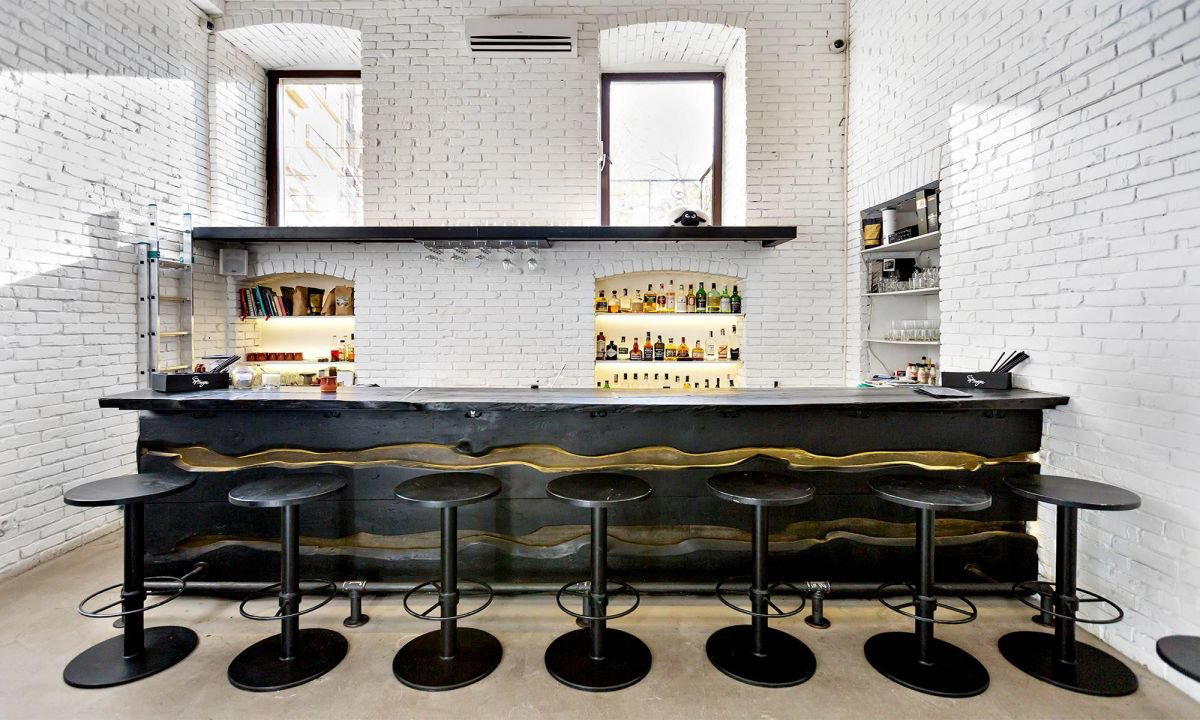
The editorial angle on Salateira begins with the physical format rather than the menu, because in this category the space is the offer. Fast-fresh salad-focused concepts across European cities have converged on a legible design vocabulary: open display counters, ingredient-forward merchandising, high stools or standing configurations that reduce dwell time while communicating transparency. The operational logic is embedded in the architecture. You can see what you are ordering. The assembly process is visible. The throughput model is communicated spatially before a single word is spoken by staff.
This matters in Kyiv's context because the city's older casual dining stock still carries Soviet-era cafeteria traces, where opacity in preparation and institutional furniture communicated a different relationship between kitchen and guest. The newer fast-fresh formats reject that inheritance explicitly through their spatial choices. Light materials, visible prep stations, and menu systems mounted high and lit clearly are design decisions that carry ideological weight in this city's specific history. Salateira on Velyka Vasylkivska sits within that corrective movement.
For context on what a design-led casual format can achieve at its international ceiling, it is useful to look outside Kyiv entirely. The spatial discipline of high-end American casual formats, visible in venues like Lazy Bear in San Francisco, shows that the relationship between room design and menu communication can be developed to considerable depth. Kyiv's fast-fresh tier has not reached that degree of integration, but the directional intent is comparable: use the physical container to tell the guest what kind of experience they are about to have before any transaction begins.
The Velyka Vasylkivska Corridor and its Dining Character
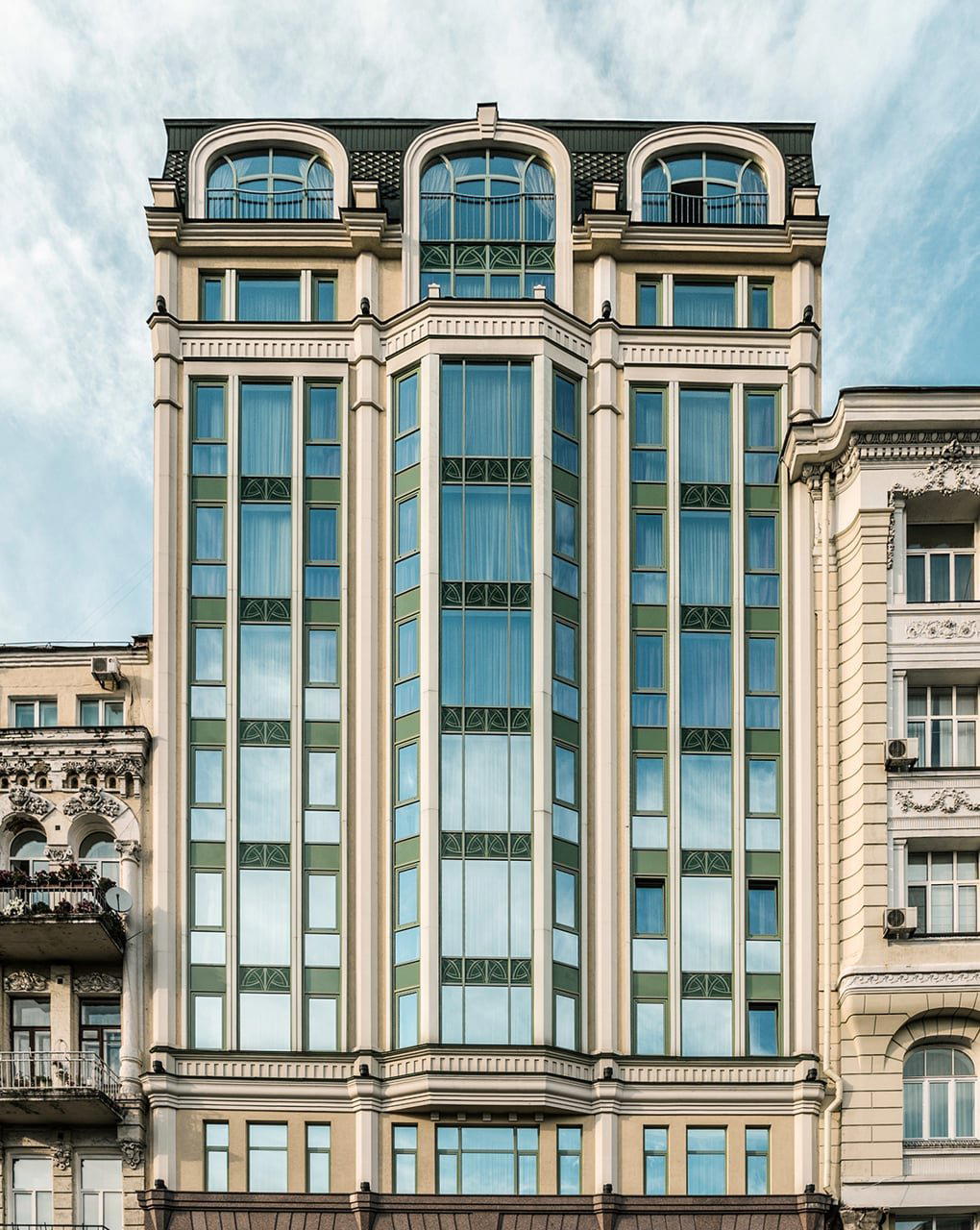
The street address does significant contextual work for understanding Salateira's positioning. Velyka Vasylkivska is not a destination-dining street in the way that parts of Podil or the area around Bessarabska Market have become. It is a working corridor. Office towers, administrative buildings, and residential blocks dominate the stretch around number 72, which means the lunchtime economy is driven by time-constrained workers rather than leisure visitors.
Across Ukraine's other cities, you find comparable corridor-dining formats operating with varying degrees of quality and design coherence. Melange restaurant in Rivne, Kovcheg in Ternopil, and Delikacia in Ivano Frankivsk each operate in mid-sized cities where the casual dining tier is doing similar work: filling the gap between old cafeteria formats and aspirational restaurant spending. Kyiv's version of this category operates in a denser, more competitive environment, which pushes design and food quality standards upward.
Further from Kyiv, cities like Odesa and Kharkiv have developed their own casual dining vocabularies. Maiak in Odesa and Don Omar in Kharkiv illustrate how regional identity inflects what might otherwise be generic casual formats. Kyiv formats tend toward a more pan-European neutrality, which suits the capital's demographic mix but can feel less locally rooted than regional counterparts.
Kyiv's Salad-Forward Dining and What It Signals
Salad-focused concepts occupy a specific position in any city's dining ecosystem. They serve the wellness-adjacent, time-poor, calorie-conscious segment of the lunch market that has grown substantially across European capitals since 2015. In Kyiv, this segment has become visible enough to support dedicated formats, which itself represents a shift from ten years ago when the city's working lunch was more likely to be a set-menu borsch-and-main proposition at a budget canteen. The appearance and persistence of salad-forward formats signals a change in both what Kyiv's professional class eats and what it is willing to pay for at lunchtime.
This connects to broader hospitality trends visible in cities like Lviv, where La Luce represents a different register of European-influenced dining, and in Lutsk, where Cafe de Vino has positioned itself in the wine-and-light-food niche. Ukraine's dining culture is diversifying at multiple price points simultaneously, and the salad-format tier is one of the more commercially reliable segments to have emerged from that diversification.
For those comparing Kyiv's casual offer against international reference points, the gap to Michelin-level operations like Le Bernardin in New York City or Emeril's in New Orleans is obviously vast and irrelevant to the daily-use proposition. The more useful comparison is against Kyiv's own mid-market, where formats like Asia Bar & Grill and BAO Modern Chinese Cuisine show how the city's casual tier has expanded its cuisine range while maintaining accessible price positioning. Salateira represents the vegetable-forward, lighter end of that same casual tier.
For a broader map of where Salateira sits within Kyiv's full dining range, the EP Club Kyiv restaurants guide covers the city across price tiers and cuisine categories.
Planning a Visit
Velyka Vasylkivska St 72 is reachable by metro via the Olimpiiska or Palats Sportu stations on the red line, placing it within easy walking distance of central Kyiv. Given the format and location, walk-in visits during the lunch window are the standard approach; reservation infrastructure is not typically part of the operational model for fast-fresh formats in this segment. Peak hours follow office-corridor patterns, with the 12:30 to 14:00 window carrying the heaviest volume. Visiting outside that window reduces wait time at the counter and allows a more considered look at the space itself.
At a Glance
- Modern
- Trendy
- Casual Hangout
Current opening hours
- Monday
- 9 AM–9 PM
- Tuesday
- 9 AM–9 PM
- Wednesday
- 9 AM–9 PM
- Thursday
- 9 AM–9 PM
- Friday
- 9 AM–9 PM
- Saturday
- 10 AM–9 PM
- Sunday
- 10 AM–9 PM
Hours can change for holidays and private events. Last verified .
Bright and casual fast-casual atmosphere in mall and food court settings with a focus on fresh, healthy eating.
Know Before You Go
- Getting there
- Velyka Vasylkivska St, 72, Kyiv, Ukraine, 03150