Goldfish


Michelin Bib Gourmand · Gault & Millau UAE Selected Restaurant
Our verdict
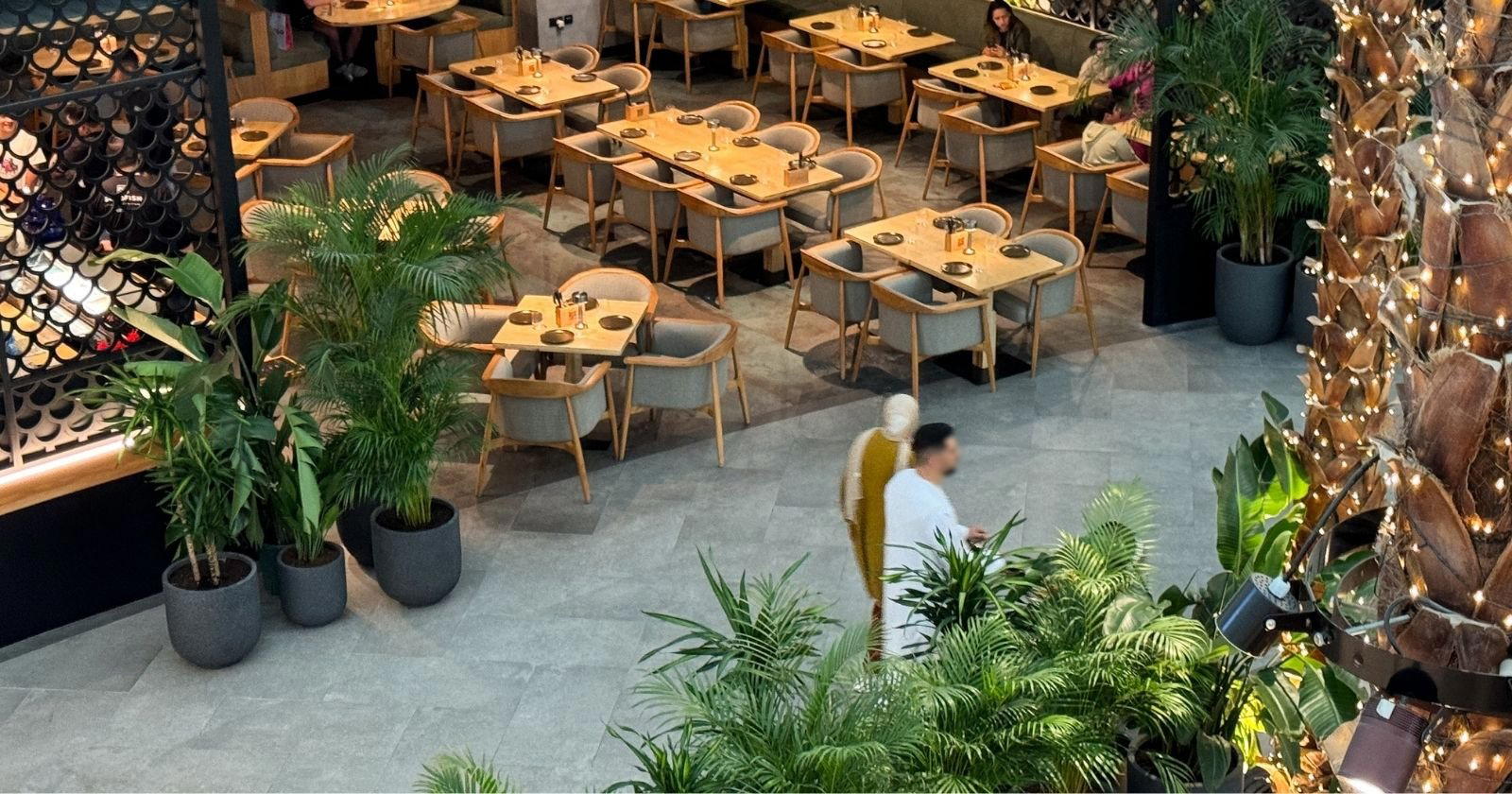
Goldfish at Marina Mall brings the Dubai original's contemporary Japanese format to Abu Dhabi, with a menu spanning sushi, yakitori-style skewers, ramen, and Wagyu sliders. Portions run generous for the price point, and the location inside one of the capital's most prominent waterfront malls makes it a practical choice before or after a day of shopping.

Pearl is the En Primeur Club membership app, where members save venues, book tables and use the concierge.
The menu
What to order
- Sea bass claypot
- Yellowtail carpaccio
- Volcano maki
- Chocolate bomber
Japanese Casual Dining in Abu Dhabi's Marina District
Marina Mall sits on the waterfront of Al Marina, one of Abu Dhabi's more polished retail corridors, and the dining options inside it track a consistent logic: accessible price points, international formats, and menus engineered for shoppers who want something satisfying rather than ceremonial. Contemporary Japanese fits that brief well. The cuisine translates across casual and formal registers with unusual ease, and a well-constructed menu of sushi, skewers, and noodles can hold its own in a mall setting in a way that, say, a tasting-menu format simply cannot.
Goldfish operates from within that context. It is the Abu Dhabi sibling of Akmal Anuar's Dubai original, and the format carries across: a menu wide enough to accommodate groups with different appetites, a price tier that sits below the capital's high-end Japanese operators, and a kitchen scope that runs from delicate raw preparations through to the more substantial Wagyu sliders and spicy noodles that close out a long day of retail. The Abu Dhabi edition extends a model that has already proved itself on the other side of the country.
How Contemporary Japanese Operates at This Price Point
Japanese cuisine in the Gulf has historically been stratified along a clear axis. The top tier, anchored by high-spend omakase counters and prestige fish sourcing, occupies a price bracket that aligns it with venues like Hakkasan in terms of occasion and outlay. The mid-tier, where Goldfish sits, covers accessible Japanese formats: sushi rolls and nigiri alongside cooked plates, often with an izakaya-adjacent structure that lets guests order lightly or heavily depending on appetite. This tier has grown significantly across Gulf cities over the past decade, partly because it suits a dining culture that leans toward group sharing and extended tables.
The menu at Goldfish follows that format faithfully. Sushi anchors the raw section, skewers serve as the small-plate vehicle for cooked proteins and vegetables, and the larger plates, including the ramen and Wagyu sliders, give the menu enough depth to function as a full meal rather than a snack stop. The portions are described as generous for the price tier, which is a notable differentiator in a city where mid-range restaurants can sometimes underwhelm on quantity relative to cost. For comparison, Abu Dhabi diners seeking a more formal European register at this end of the Marina dining circuit might look to LPM Abu Dhabi, while those after a more considered modern tasting experience would step up to Talea by Antonio Guida or the Emirati-focused Erth. Goldfish operates in a distinct register from all three.
The Cultural Roots of the Format
The izakaya tradition, from which much of the casual Japanese dining format in international markets descends, is built around a specific social logic: food arrives incrementally, orders are placed across the meal rather than front-loaded, and the table functions as a shared platform rather than a series of individual orders. That architecture travels well. It suits large groups, suits mixed appetites, and suits settings where the meal is part of a longer social evening rather than the event itself. In a mall adjacent to a retail circuit, the format is particularly well-matched to the rhythm of how people actually arrive and leave.
Contemporary Japanese restaurant as exported globally retains that social structure while often expanding the menu vocabulary. Wagyu sliders sit alongside traditional nigiri not because the cuisine has been diluted, but because the format has always been absorptive, taking quality proteins and executing them within a Japanese technical framework. Ramen, similarly, is not a concession to accessibility; it is one of Japan's most technically demanding dishes, with broths that require extended preparation time. The presence of ramen on a casual menu signals a kitchen willing to commit to that preparation rather than relying entirely on cold preparations.
Dubai vs. Abu Dhabi: Reading the Sister Restaurant Model
Dual-city restaurant model is well-established across the UAE. Dubai generates concepts at higher volume, and Abu Dhabi absorbs the formats that prove commercially durable. The relationship is not simply transplantation; menus and formats are typically adapted to the Abu Dhabi dining cadence, which tends toward slightly longer meal durations and a demographic that skews toward residents over tourists in certain dining corridors. Marina Mall's position within Abu Dhabi's geography reflects that resident-heavy catchment, serving a waterfront neighbourhood with significant apartment density alongside the retail traffic.
Goldfish's Marina Mall placement aligns with how casual-dining concepts succeed in Abu Dhabi: high footfall environment, accessible price tier, and a format that works for groups of varying sizes. Diners interested in the broader Dubai contemporary Japanese scene for comparison might look at Trèsind Studio in Dubai as an example of what the Dubai dining circuit produces at the high-concept end, which contextualises the deliberate accessibility of Goldfish's positioning.
Practical Details for Visiting Goldfish
Goldfish is located inside Marina Mall on Al Marina, Abu Dhabi. The mall setting means parking and public access are direct, and the restaurant's position within a high-footfall retail environment means it operates across lunch and evening service windows without the reservation dependency that higher-end venues require. Walk-in access is generally feasible given the casual format and mall context, though peak evening periods and weekend lunches in a busy retail environment can create waits. The price range sits in accessible mid-market territory, consistent with generous portions and a menu that covers both light and more substantial eating. For those extending their Abu Dhabi visit beyond dining, the full picture of the city's hospitality options is available across our full Abu Dhabi restaurants guide, our full Abu Dhabi hotels guide, our full Abu Dhabi bars guide, our full Abu Dhabi wineries guide, and our full Abu Dhabi experiences guide. For a lighter stop in the same neighbourhood before or after a visit, Marmellata Bakery covers the coffee and pastry register.
Frequently asked questions
Does Goldfish have a Michelin star or similar recognition?
Goldfish has received recognition including: Head to the heart of the jaw-dropping Marina Mall and you’ll find Akmal Anuar’s contemporary Japanese eatery, sister to the original in Dubai. The menu is vibrant with a selection of sushi, tasty skewers and larger offerings such as ramen, ….
Where do I go for Goldfish?
Goldfish is located at Marina Mall, Al Marina, Abu Dhabi.
What dish is Goldfish famous for?
Goldfish runs across several format categories at once: sushi, yakitori-style skewers, ramen, Wagyu sliders, and spicy noodles all feature on the menu. The breadth is deliberate, this is a casual contemporary Japanese concept rather than a single-dish destination. Portions are noted as generous relative to the price point.
Do they take walk-ins at Goldfish?
The Marina Mall setting makes walk-in access the practical default at Goldfish. Mall-integrated dining in Abu Dhabi operates differently from the reservation-heavy counters in the city's hotel dining tier, and the casual format here is built for drop-in traffic rather than advance booking.
What is Goldfish known for?
Goldfish is the Abu Dhabi outpost of Akmal Anuar's Dubai-origin contemporary Japanese concept, positioned in Marina Mall on Al Marina. It holds a reputation for accessible pricing, generous portions, and a wide-ranging menu that covers sushi through to cooked plates like ramen and Wagyu sliders, a broader sweep than most single-category Japanese restaurants in the city.
Price Lens
Comparable venues nearby, for context on price, style, and recognition.
| Venue | Cuisine | Price | Awards | Notes |
|---|---|---|---|---|
| GoldfishThis venue (the venue you are viewing) | Sushi and Yakitori with Southeast Asian Fusion | $30–50 | Michelin Bib Gourmand · Gault & Millau UAE Selected Restaurant | Not listed |
| Zuma | Modern Japanese Izakaya | $150–200 | Michelin Plate · Star Wine List | Al Reem Island, Modern Japanese Izakaya |
| Almayass | Lebanese-Armenian Fusion | $50–100 | Michelin Bib Gourmand | Al Reem Island, Lebanese-Armenian Fusion |
| Al Mrzab | Traditional Emirati and Kuwaiti | $20–30 | Michelin Bib Gourmand | Al Nahyan, Traditional Emirati and Kuwaiti |
| Mika | Mediterranean Fine Dining with Middle Eastern Influences | $50–100 | Michelin Bib Gourmand · Gault & Millau UAE Selected Restaurant | Yas Island, Mediterranean Fine Dining with Middle Eastern Influences |
| Strawfire by Ross Shonhan | Modern Japanese Warayaki | $200–300 | Michelin Plate · Gault & Millau UAE Selected Restaurant | Al Ras Al Akhdar, Modern Japanese Warayaki |
Recognition history
Dated appearances from independent guides and award organizations, with the underlying list record or original source where available.
Michelin Bib Gourmand
Michelin
Gault & Millau UAE Selected Restaurant
Gault & Millau · Gault & Millau UAE 2026 - Selected Restaurant
Continue exploring
More in Abu Dhabi
Restaurants in Abu Dhabi
All restaurants in Abu Dhabi →
Bars in Abu Dhabi
All bars in Abu Dhabi →
Details
- Modern
- Trendy
- Elegant
- Date Night
- Casual Hangout
- Family
- Open Kitchen
- Craft Cocktails
- A La Carte
- Small Plates
- Vegetarian Friendly
Current opening hours
- Monday
- 10 AM–11 PM
- Tuesday
- 10 AM–11 PM
- Wednesday
- 10 AM–11 PM
- Thursday
- 10 AM–11 PM
- Friday
- 10 AM–11 PM
- Saturday
- 10 AM–11 PM
- Sunday
- 10 AM–11 PM
Hours can change for holidays and private events. Hours as of .
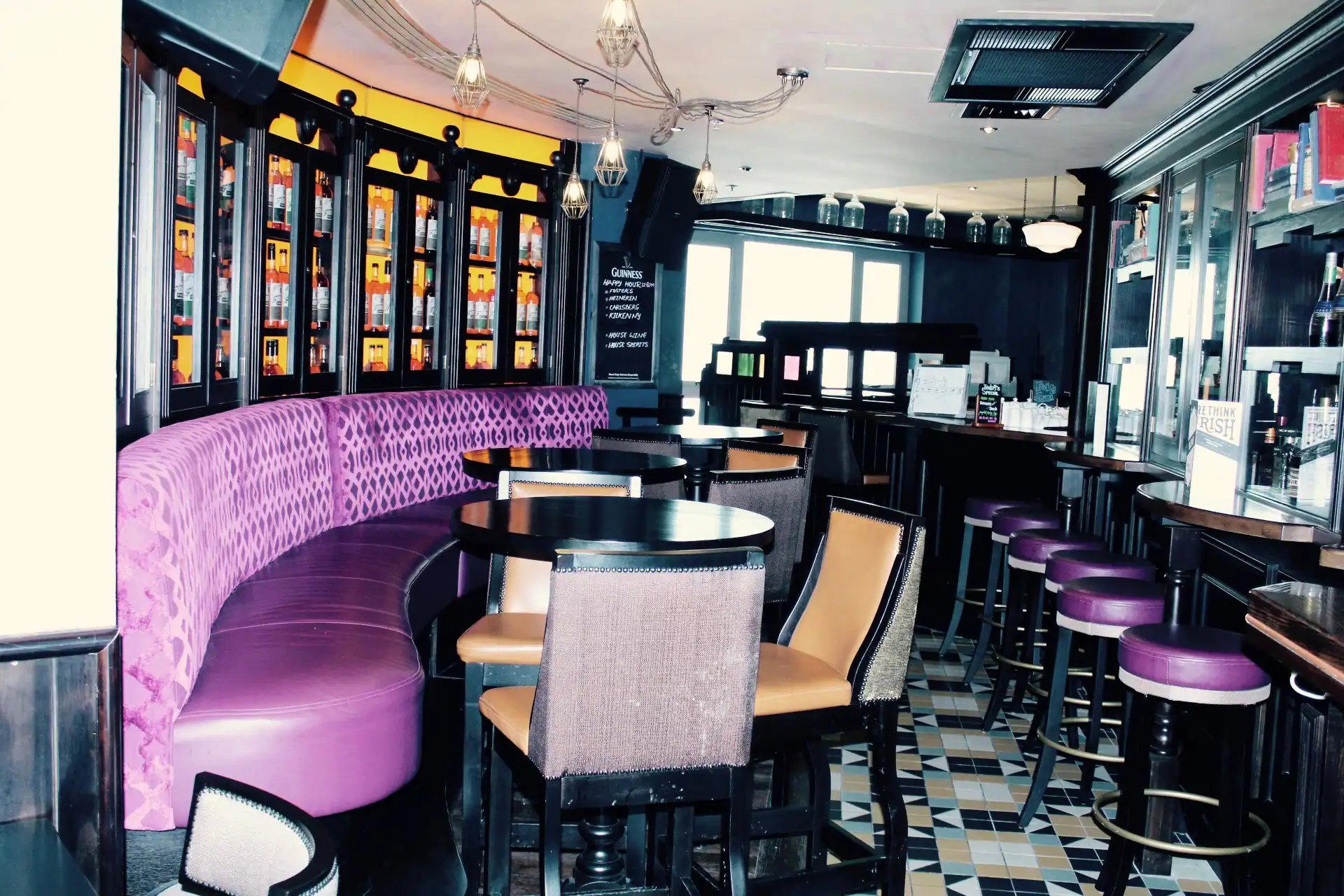
Sleek contemporary space with dark walls, wooden finishes, warm lighting, and a cool minimalistic vibe spilling into open mall area.