Saffron
Saffron brings Palestinian, Levantine, and North African cooking to Minneapolis with a focus on open-flame technique and minimal-intervention preparation. The menu draws from the wood-smoke traditions of the eastern Mediterranean, placing it firmly outside the city's comfort-food mainstream. It occupies a specific niche in a Twin Cities dining scene that has grown considerably more geographically curious over the past decade.
Pearl is the En Primeur Club membership app — saves, bookings, and concierge access live there. Same editors, same standards.
- Address
- Minneapolis, United States
- Directions
- Get directions
 Saves & bookings on Pearl
Where the Eastern Mediterranean Meets the Open Flame
Minneapolis has never been a single-cuisine city, but it has historically skewed toward the comfortable and the familiar. The rise of more geographically specific cooking over the past fifteen years, driven partly by the city's unusually diverse immigrant population and partly by a generation of chefs trained abroad or in coastal kitchens, has carved out space for traditions that would once have seemed peripheral here. Palestinian, Levantine, and North African cooking sits at the convergence of several of those threads: wood smoke, preserved aromatics, and grains treated as protagonists rather than supporting players.
Saffron is a restaurant in Minneapolis serving modern Middle Eastern and Mediterranean cooking. Its menu draws from a culinary tradition where open-flame cooking is not a technique applied for effect but a method embedded in the logic of the food itself. Grilled flatbreads, char-edged vegetables, and proteins kissed by direct heat are structural to the Levantine and North African canon, not decorative. At Saffron, that grilled-simplicity approach shapes the menu's character more than any single ingredient or dish category.
The Culinary Tradition Behind the Menu
Levantine and Palestinian cooking is among the more misrepresented in American dining. It is often flattened into a generic "Mediterranean" category alongside Greek and Italian, which obscures the specific grammar of spice use, fire, and fermentation that makes it distinct. North African influence adds another layer: preserved lemons, harissa heat, ras el hanout complexity, and the long-cooked sauces of Moroccan and Tunisian kitchens. When a restaurant draws from all three of these traditions, the result is either confused or genuinely layered, and the difference usually shows in how the kitchen treats heat and time.
The open-flame approach is particularly telling. In Levantine cooking, the grill is not a finishing step, it is the source of flavor at the foundation of dishes like kebabs, charred eggplant preparations, and marinated proteins cooked over charcoal or wood. The Maillard reaction at high temperature, the smoke absorption, the slight char on the edge of a flatbread: these are not flourishes but fundamentals. Kitchens that understand this serve grilled items with restraint rather than sauce-heavy compensation. The vegetable preparations in this tradition, roasted cauliflower with tahini, charred peppers, slow-cooked legumes, often reveal more about a kitchen's discipline than the meat courses do.
Compared to the technically elaborate tasting-menu format seen at places like Alinea in Chicago or the ingredient-driven precision of Single Thread Farm in Healdsburg, Saffron's category operates in a different register entirely. The reference points are communal and ancient rather than contemporary and architectural. That is not a lesser ambition, it is a different one, and it demands its own discipline.
Saffron in the Minneapolis Context
Minneapolis dining has become considerably more interesting since the mid-2010s. Spoon and Stable anchored a new tier of serious New American cooking in the North Loop. Owamni brought Indigenous American cooking to national attention, earning James Beard recognition that placed Minneapolis in a conversation it had not previously occupied. Hai Hai, a James Beard-nominated Southeast Asian restaurant, demonstrated that the city's appetite for regional specificity extends beyond its European inheritance. 112 Eatery and Blue in Green represent other points on the city's dining spread, from precise Italian influence to soulful American fare.
Within that context, Saffron occupies a specific and underserved niche. Palestinian and North African cooking has far fewer dedicated practitioners in the Upper Midwest than Southeast Asian or Mexican cuisine does, which means Saffron competes less against direct peers in Minneapolis and more against the city's broader expectation of what a non-European restaurant can be. That positioning is both an advantage and a challenge: the audience has less prior context, but it also arrives without calcified expectations.
Saffron represents one of the more geographically specific commitments on offer. The comparison class for what it does well is not Minneapolis-local; it is the Palestinian and Levantine restaurants of New York, Chicago, and Los Angeles that have shaped what serious cooking from this tradition looks like in an American context.
What to Order and How to Approach the Menu
The menu at Saffron is structured around the logic of the mezze tradition: small plates, shareable formats, and a progression that builds flavor rather than introducing it all at once. That structure rewards tables that order broadly rather than narrowly. The grilled and charred preparations are the editorial spine of the kitchen's identity, and they should anchor any order. Preparations drawing on preserved and fermented flavors, pickled vegetables, labneh, aged cheeses, provide counterpoint to the smoke and heat of the grill-focused dishes.
North African influences tend to surface in spiced braises and grain-forward dishes, where patience and layered seasoning do the work that fire does elsewhere. These preparations sit at a different pace than the grill items and serve a different function at the table: they slow things down and give the meal ballast.
For context on how grilled-simplicity cooking performs at the summit end of the price spectrum globally, the contrast with restaurants like Le Bernardin in New York City or Alain Ducasse at Louis XV in Monte Carlo is useful: those kitchens achieve precision through technique and restraint over different ingredient sets. Saffron's kitchen draws on a tradition where restraint is expressed through what you do not add rather than through what you precisely control.
Planning Your Visit
Minneapolis dining is manageable compared to the booking pressure of equivalent restaurants in New York or San Francisco, venues like Atomix in New York or Lazy Bear in San Francisco operate with booking windows of several weeks to months. Saffron is likely to require advance planning on weekends, as Palestinian and Levantine cooking draws a committed audience in cities where dedicated practitioners are few. Checking availability a week or two out for Friday and Saturday evening sittings is sensible. For solo diners or pairs, bar seating, if available, may offer more flexibility on shorter notice.
For destination diners already planning a trip and weighing the city against other American stops, the combination of Owamni, Spoon and Stable, and Saffron makes a compelling dining itinerary.
Recognition, Side-by-Side
Comparable venues nearby, for context on price, style, and recognition.
| Venue | Cuisine | Price | Notes |
|---|---|---|---|
| SaffronThis venue — the venue you are viewing | Modern Middle Eastern / Mediterranean | $$$ | Not listed |
| Klassics Kitchen + Cocktails | Polished Southern Comfort Cuisine | $$$ | Downtown West |
| Breva | New American Bar & Grill | $$$ | WeDo |
| Borough | Contemporary American | $$$ | North Loop |
| Billy Sushi | Modern Japanese Sushi | $$$ | North Loop |
| Small Hours | Hi-fi wine bar with seasonal small plates & tinned fish | $$$ | Northeast Minneapolis |
Continue exploring
More in Minneapolis
Restaurants in Minneapolis
Browse all →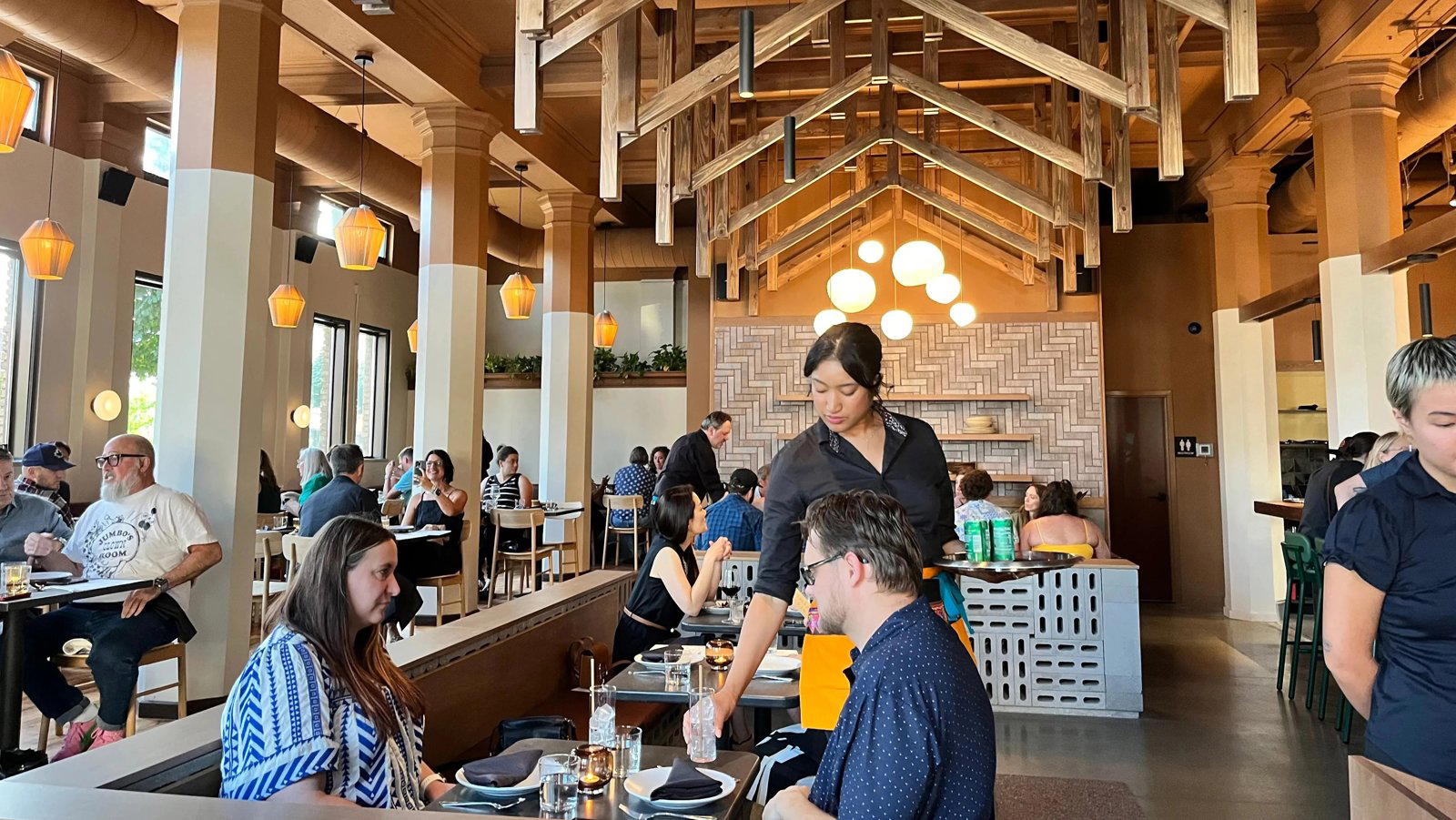
Bars in Minneapolis
Browse all →



At a Glance
- Warm
- Lively
- Cozy
- Date Night
- Special Occasion
- Open Kitchen
- Craft Cocktails
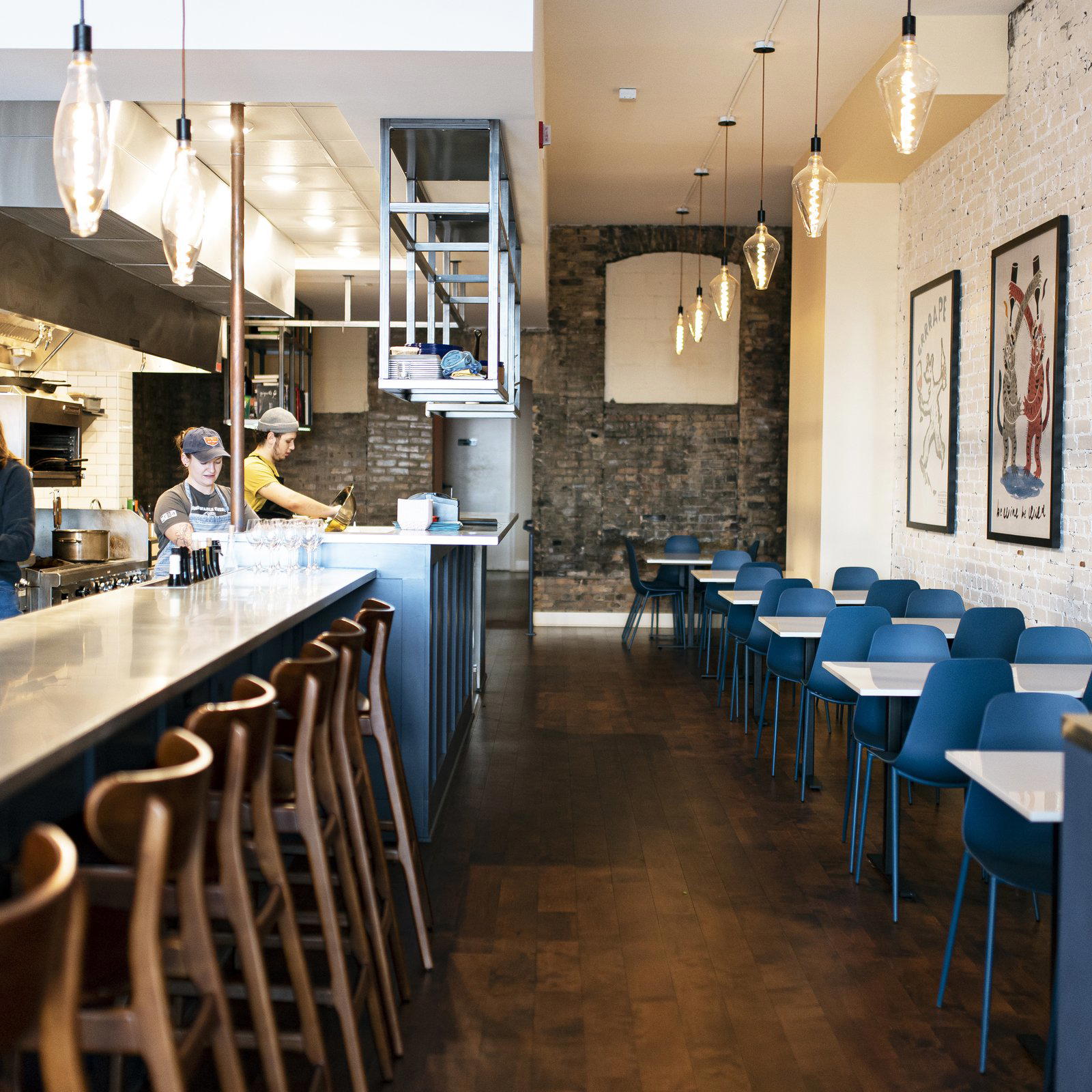
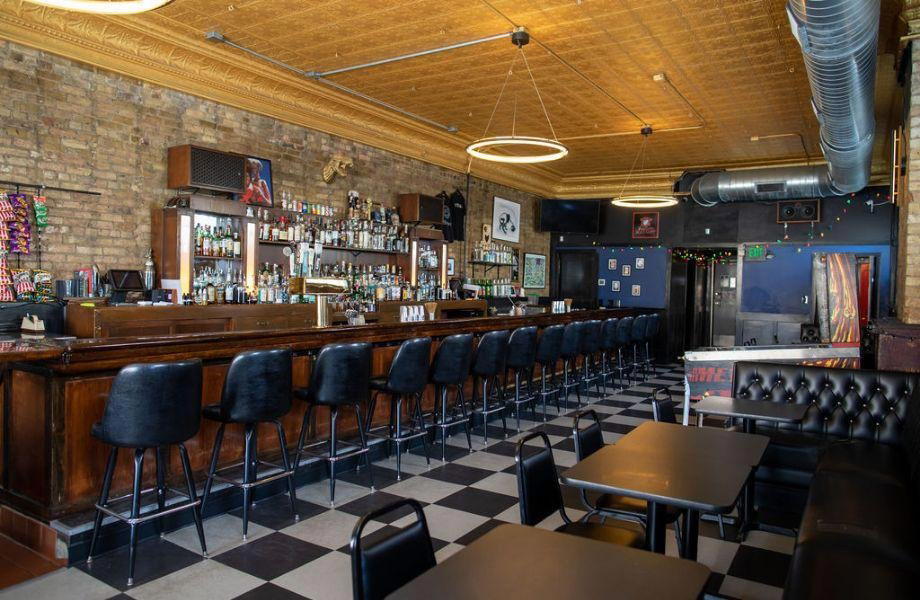
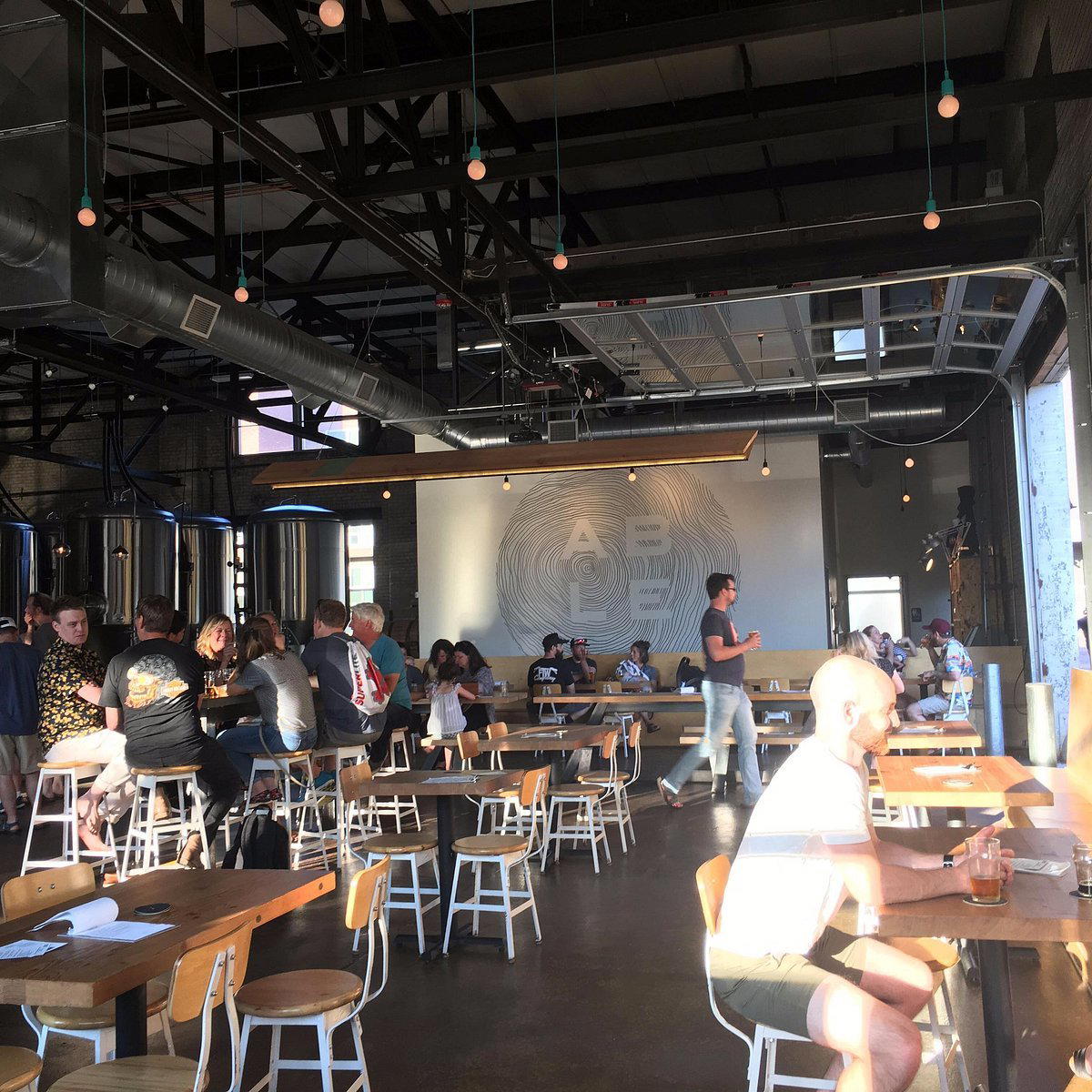
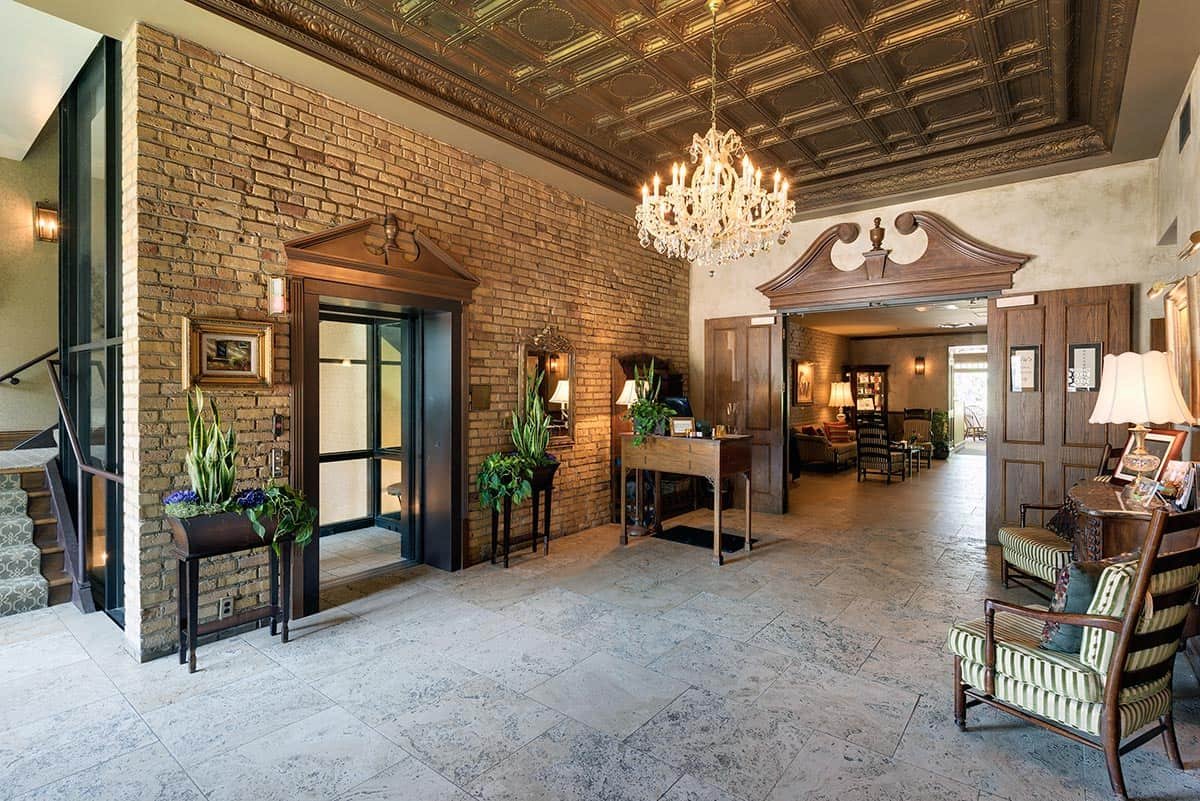
Warm and lively dining room with delightful, inviting decor.